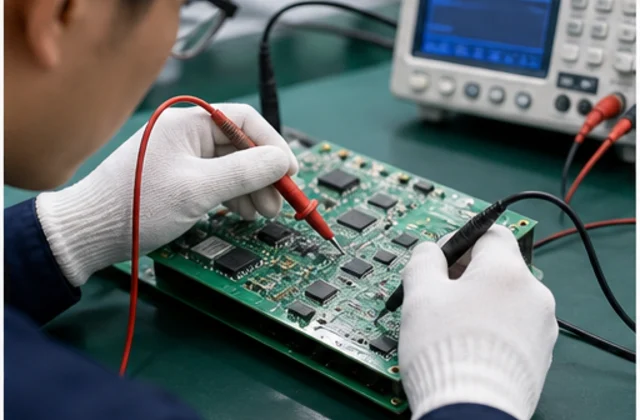
 Functional Inspection
100% tested on professional platforms to ensure stable performance.
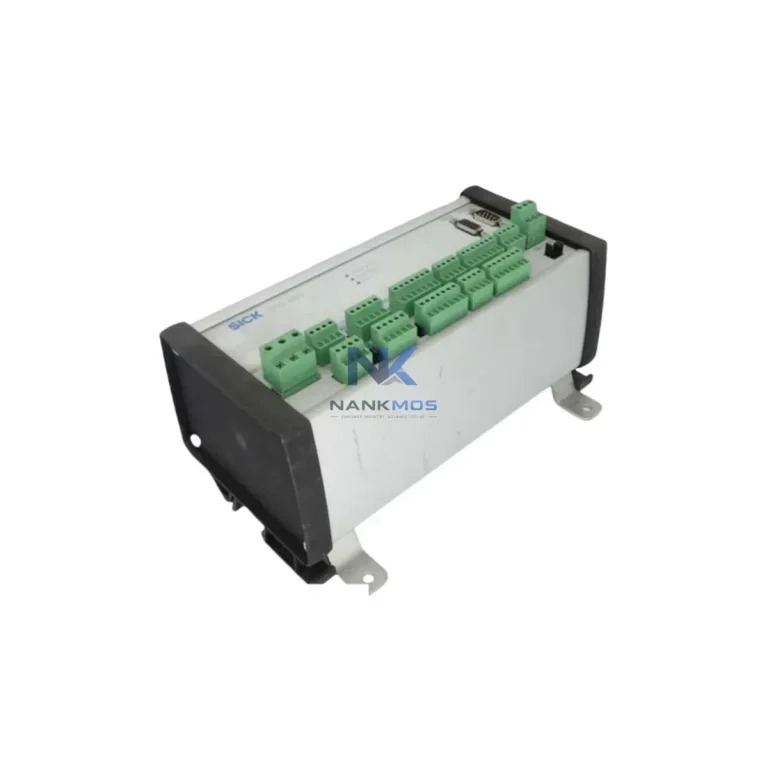
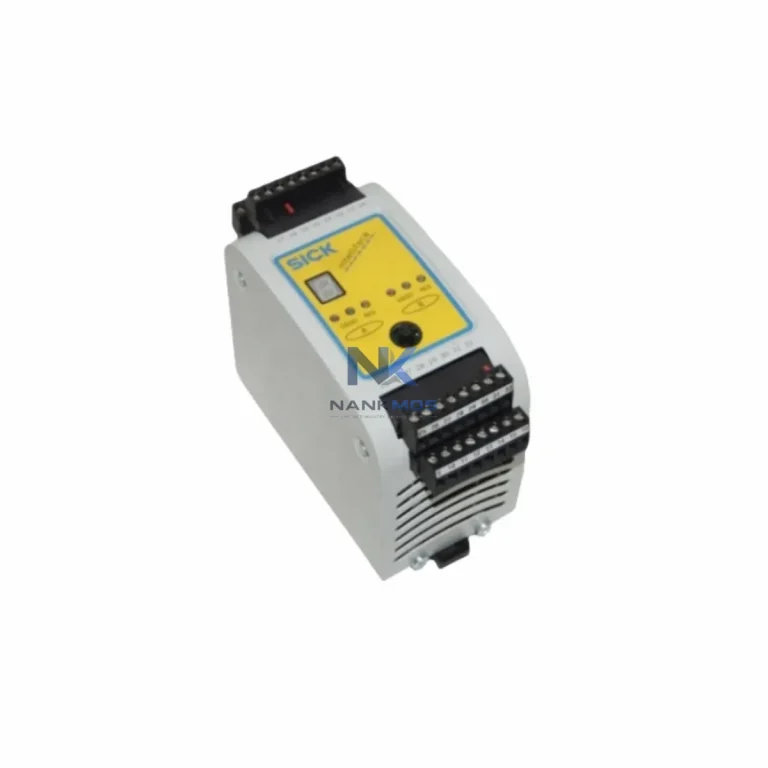
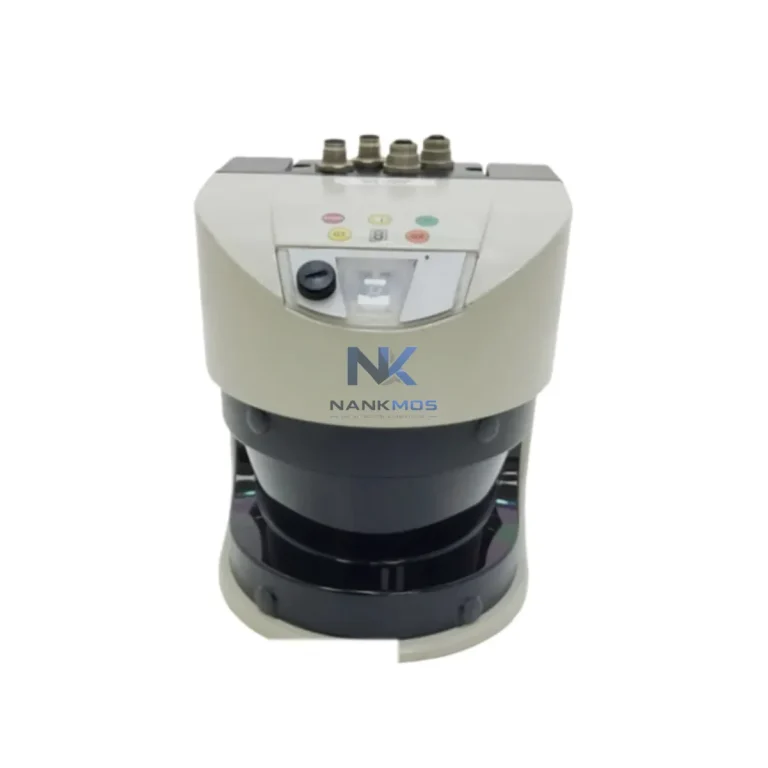
SICK MSC800 2042329 is a NANKMOS industrial automation product record Listed under Other series series and Business & Industrial > Automation, Control & Flow Devices > Programmable Logic Controllers. Confirm condition, availability, lead time, compatibility and documentation by email inquiry.
Brand names are used for identification only.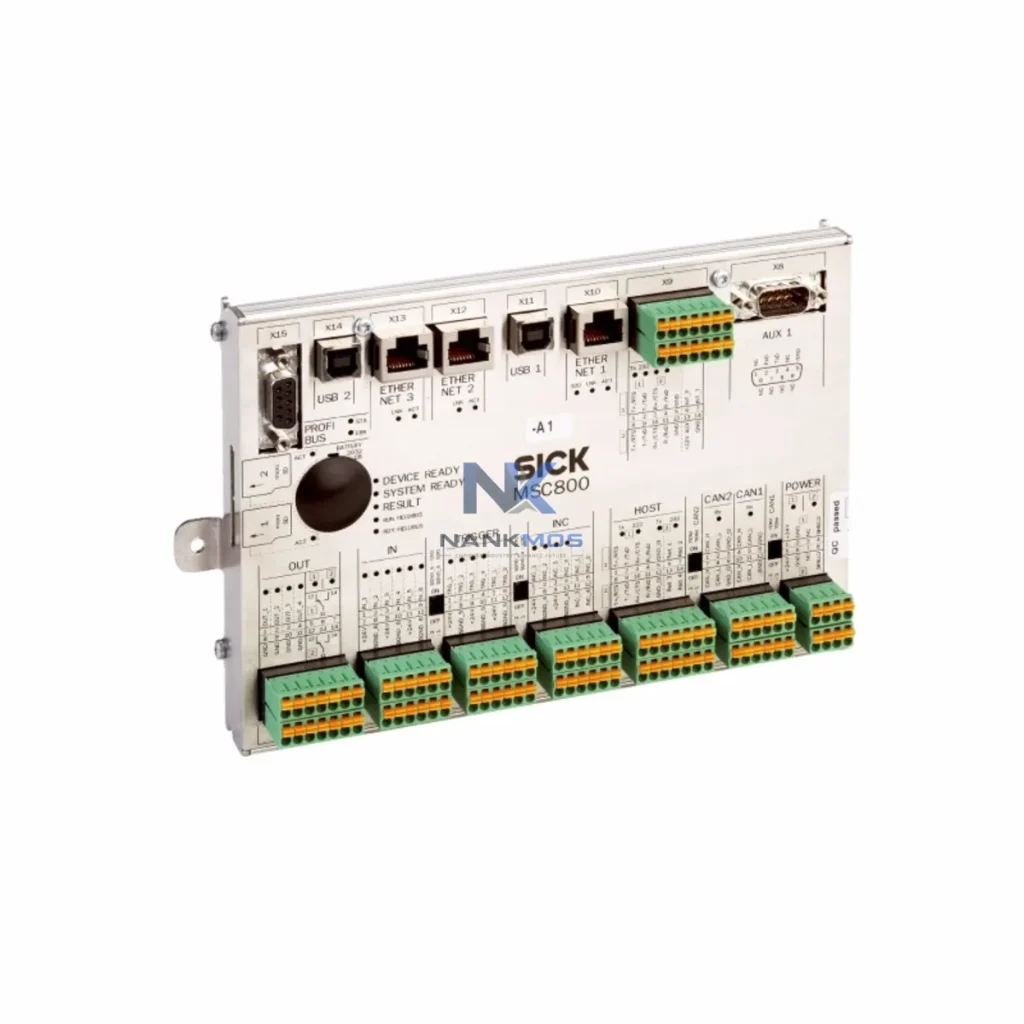
SICK MSC800 2042329 is a NANKMOS industrial automation product record Listed under Other series series and Business & Industrial > Automation, Control & Flow Devices > Programmable Logic Controllers. Confirm condition, availability, lead time, compatibility and documentation by email inquiry.
| Manufacturer | SICK |
|---|---|
| Application | Controller Processing & System Control |
| Part Number / Model | MSC800 2042329 |
| Compatible System | Confirmed by inquiry |
| Condition Options | To Confirm |
| Module Type | Controller / CPU Module |
| Warranty | 12 Months |
| Packaging | Anti-static Bag / Secure Box |
| Shipping Methods | DHL / FedEx / UPS / Air / Sea |
| Availability | To Confirm |
| Lead Time | To Confirm |
| Documentation | Part number and revision checked before quote |
The SICK MSC800 2042329 is a modular, high-performance safety controller engineered for energy-conscious industrial environments. Rated to SIL 3 / PLe Category 4 per IEC 62061 and EN ISO 13849-1, this unit delivers deterministic safety logic execution while actively contributing to load management and energy optimization across automated production lines. With its compact DIN-rail form factor and scalable I/O architecture, the MSC800 2042329 integrates seamlessly into modern smart factory topologies — from discrete manufacturing cells to continuous process lines in energy, chemical, and automotive sectors.
Unlike conventional safety relays that operate in isolation, the SICK MSC800 2042329 is designed to participate in the broader energy management ecosystem. Its dual-channel safety inputs monitor emergency stop circuits, light curtains, safety mats, and interlocking devices, while simultaneously feeding real-time machine state data upstream to SCADA systems and energy management platforms. This closed-loop visibility enables plant engineers to correlate safety events with energy consumption spikes, identify idle-state waste, and implement demand-response strategies without compromising functional safety integrity.
In a fully integrated smart production line, the SICK MSC800 2042329 operates as the safety arbitration layer between field devices and the control backbone. When paired with a Siemens S7-1500 PLC via PROFINET, the MSC800 delivers safety-rated machine state signals that the PLC uses to modulate downstream actuator activity — reducing unnecessary motor run-time and cutting standby power draw. This is particularly effective when coordinated with a Danfoss FC302 variable frequency drive controlling conveyor or pump motors: the MSC800's safe-stop output triggers a controlled ramp-down rather than an abrupt cut, protecting both the motor and the mechanical drivetrain while recovering kinetic energy where regenerative braking is available.
For power monitoring, the MSC800 2042329 integrates with Schneider Electric PowerLogic PM5000 series power meters via the plant's EtherNet/IP backbone. These meters capture real-time kWh consumption at the machine level, and when the MSC800 signals a safety-triggered stop, the energy management system logs the event timestamp alongside the consumption delta — enabling engineers to quantify energy savings attributable to optimized safety response times. On the I/O side, SICK C4000 safety light curtains and SICK i10 safety interlock switches feed dual-channel signals into the MSC800's safety inputs, ensuring that access events are captured with the precision needed for both safety compliance and production rhythm analysis.
The MSC800 also communicates upstream to Wonderware System Platform SCADA and Siemens WinCC HMI environments, where operators visualize machine state, safety zone status, and energy consumption trends on a single dashboard. This unified view eliminates the traditional gap between safety systems and energy management, allowing shift supervisors to make informed decisions about production scheduling, load shedding, and preventive maintenance windows. When integrated with Omron NX-series I/O modules and Phoenix Contact QUINT power supplies, the MSC800 forms a resilient, low-heat control node that minimizes thermal load in the control cabinet — directly reducing HVAC energy demand in enclosed panel environments.
The SICK MSC800 2042329 contributes to factory energy optimization at three distinct levels: event-driven load reduction, predictive maintenance enablement, and production rhythm stabilization.
Event-Driven Load Reduction: Every safety stop triggered by the MSC800 is a controlled, state-aware event. Unlike unmanaged emergency stops that leave motors energized in a faulted state, the MSC800's safe-state outputs command downstream drives and actuators into their lowest-power standby modes. When integrated with a ABB ACS880 industrial drive, for example, the MSC800's STO (Safe Torque Off) signal places the drive in zero-energy output mode within milliseconds — eliminating the heat and power waste associated with prolonged fault states. Across a production line with 10–20 drive axes, this coordinated response can reduce idle-state energy consumption by a measurable margin during unplanned stops.
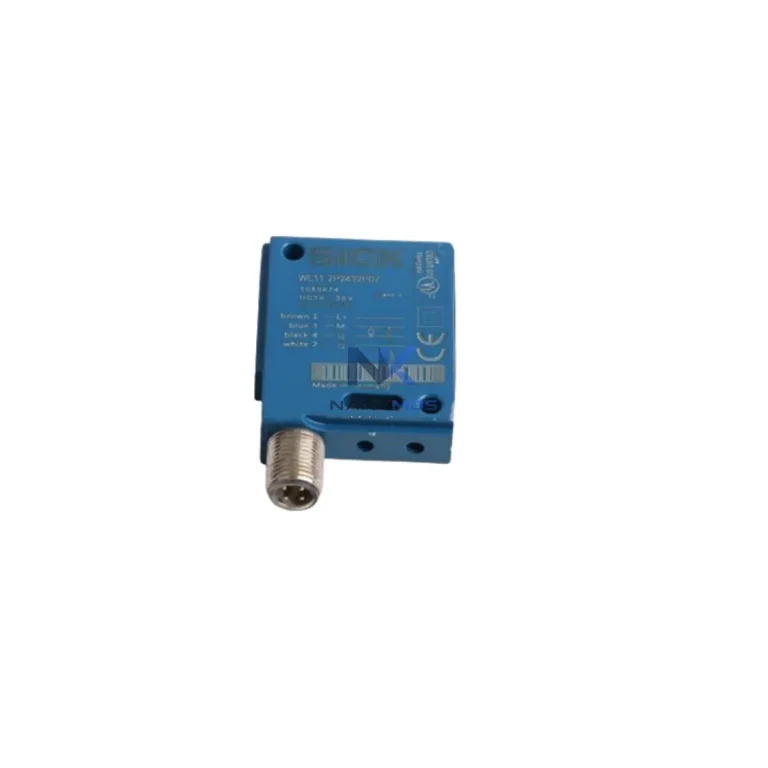
Predictive Maintenance Enablement: The MSC800 2042329 logs safety event frequency, response times, and input channel diagnostics. When this data is exported to a Yokogawa CENTUM VP DCS or a dedicated condition monitoring platform, maintenance teams can identify degrading safety devices — such as a light curtain with increasing response jitter or an interlock switch with rising contact resistance — before they cause unplanned downtime. Replacing a failing SICK WL12G photoelectric sensor during a scheduled maintenance window costs a fraction of the energy and production loss associated with an unplanned line stoppage.
Production Rhythm Stabilization: Consistent safety system response times are a prerequisite for stable production takt. The MSC800's deterministic logic execution — with response times configurable down to the millisecond range — ensures that safety-related machine stops and restarts follow a predictable pattern. This predictability allows production planners to incorporate safety event recovery times into OEE calculations and line balancing models, reducing the buffer time that is typically added to compensate for unpredictable safety system behavior. The result is a tighter, more energy-efficient production schedule with fewer idle intervals and lower average power demand per unit produced.
All units supplied by NANKMOS undergo a comprehensive pre-shipment functional test, verifying dual-channel input integrity, output relay switching, communication link establishment, and safety logic execution under simulated load conditions. This ensures that the MSC800 2042329 arrives ready for immediate commissioning, minimizing installation energy waste and reducing the risk of costly rework. Every unit is backed by a 12-month warranty covering manufacturing defects and functional failure under normal operating conditions.
Q1: How does the SICK MSC800 2042329 contribute to measurable energy savings on a production line? The MSC800 2042329 reduces energy waste by commanding downstream drives, motors, and actuators into controlled low-power states during safety stops, rather than leaving them energized in fault conditions. When integrated with variable frequency drives and power monitoring systems, the coordinated safe-stop response eliminates the prolonged high-current draw associated with unmanaged emergency stops. Over a full production shift, this can translate into a meaningful reduction in peak demand charges and total kWh consumption, particularly on lines with frequent access events or high drive-axis counts.
Q2: Is the MSC800 2042329 compatible with my existing PLC and SCADA infrastructure? Yes. The MSC800 2042329 supports PROFINET and EtherNet/IP as standard communication protocols, making it directly compatible with Siemens S7-series PLCs, Allen-Bradley ControlLogix/CompactLogix platforms, and most major SCADA systems including Wonderware, Siemens WinCC, and Ignition. For legacy installations using DeviceNet or other fieldbus protocols, optional MSC800 communication modules extend compatibility further. NANKMOS can advise on module selection based on your specific control architecture.
Q3: Can the MSC800 2042329 replace an existing safety relay or older safety controller without rewiring? In most cases, yes — with careful planning. The MSC800's modular I/O architecture allows it to replicate the input/output configuration of many legacy safety relays and earlier-generation safety controllers. The SICK Safety Designer configuration software provides a graphical logic editor that maps existing safety functions to the MSC800's internal logic blocks. NANKMOS recommends a pre-replacement compatibility review, which our technical team can support. Where direct drop-in replacement is not possible, the MSC800's flexible wiring terminals and configurable output relays typically minimize rewiring scope.
Q4: What does the pre-shipment test cover, and how does the 12-month warranty work? Every SICK MSC800 2042329 unit shipped by NANKMOS undergoes a full outgoing functional test that verifies dual-channel input response, output relay switching under load, communication link establishment (PROFINET/EtherNet/IP), and safety logic execution. Test results are documented and available upon request. The 12-month warranty covers manufacturing defects and functional failures under normal operating conditions from the date of shipment. Warranty claims are processed directly through NANKMOS — contact [email protected] or +86 18359268345 for support.
Functional Inspection100% tested on professional platforms to ensure stable performance.
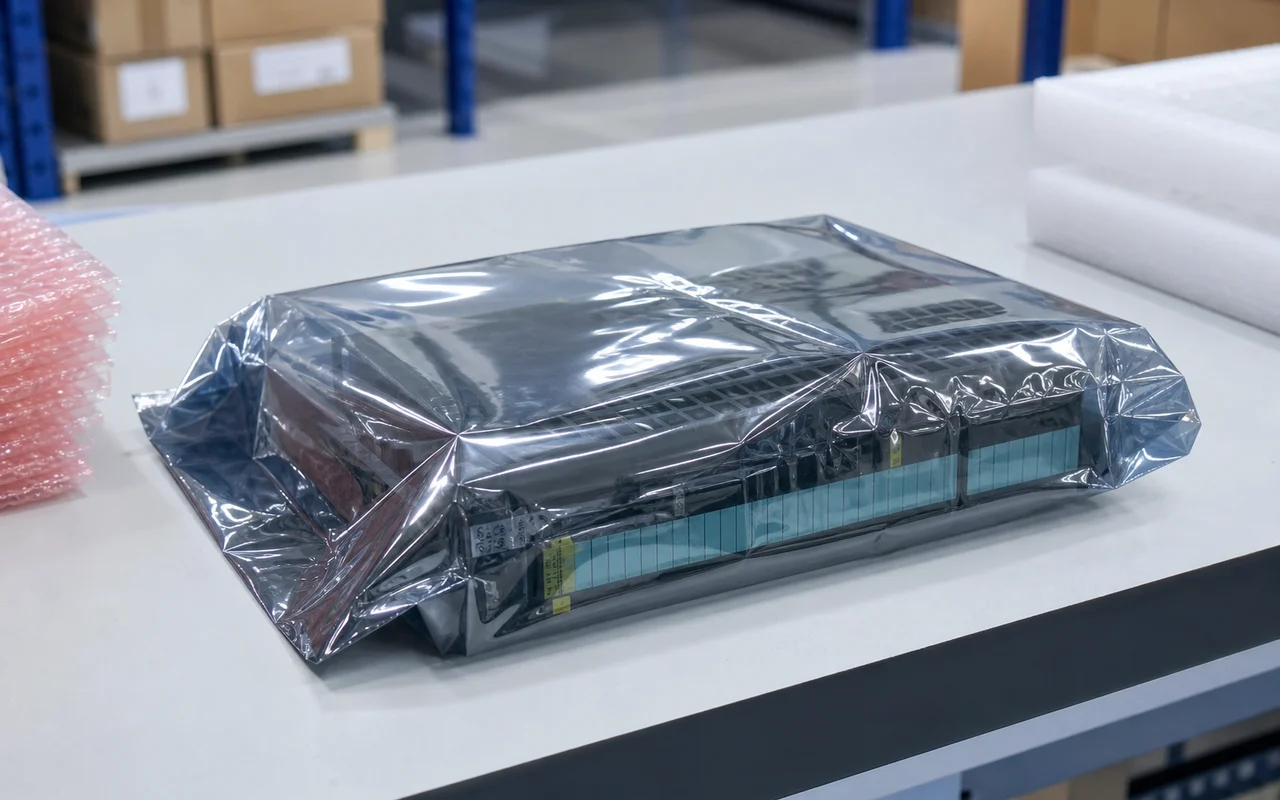 Anti-static Packaging
Modules are packed in anti-static bags to prevent electrostatic damage.
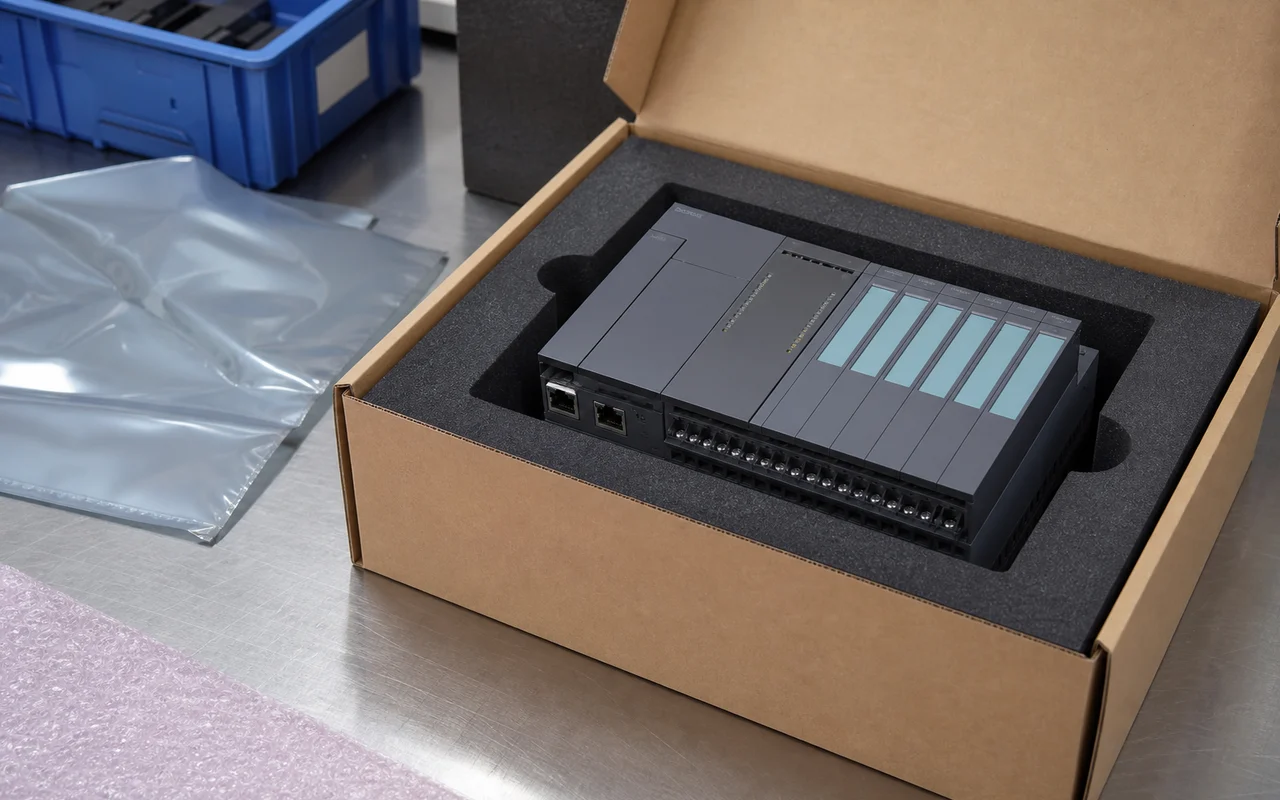 Secure Export Packing
Cushion protection and strong cartons ensure safe transportation.
 Worldwide Shipping
Global logistics network supports air, sea and express delivery.
 Documentation Check
Part number, revision and compatibility verified before shipment.
 After-sales Support
Professional technical support to help resolve your issues.