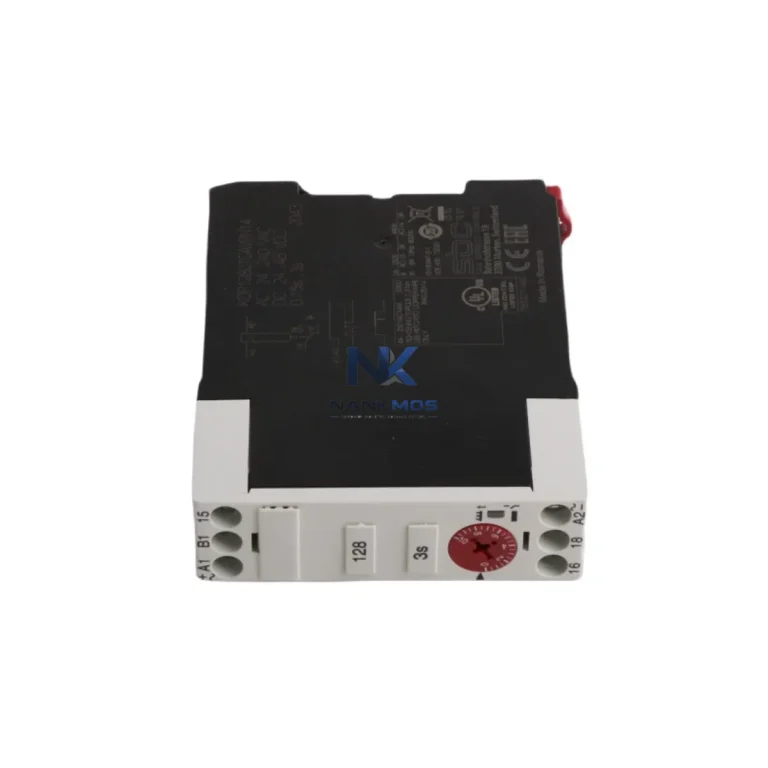
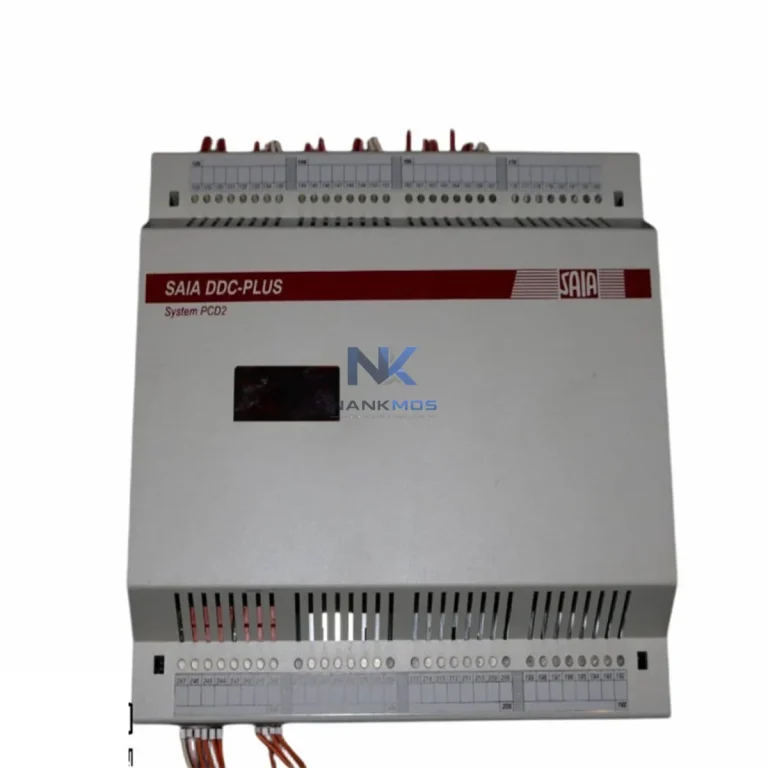
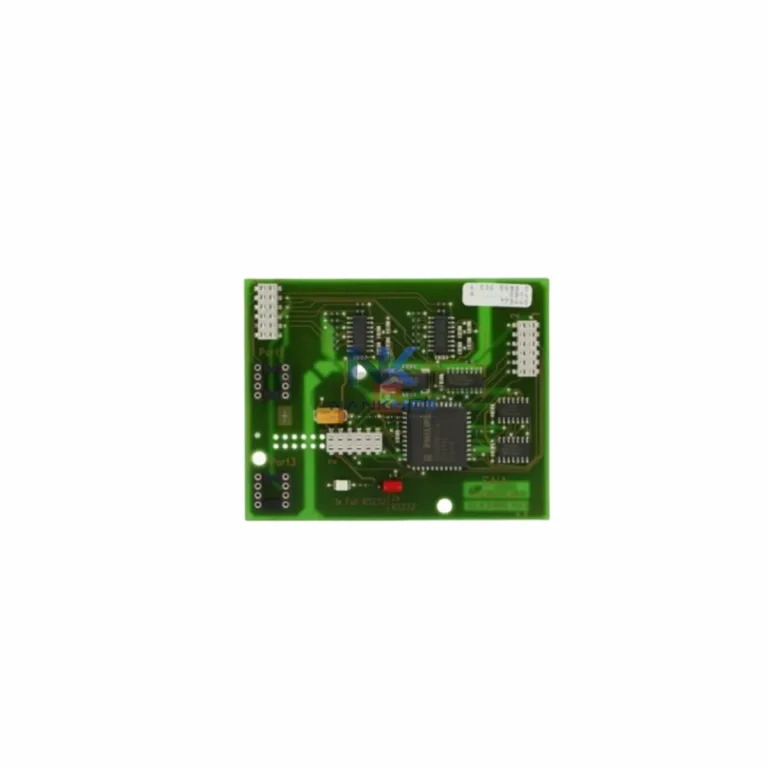
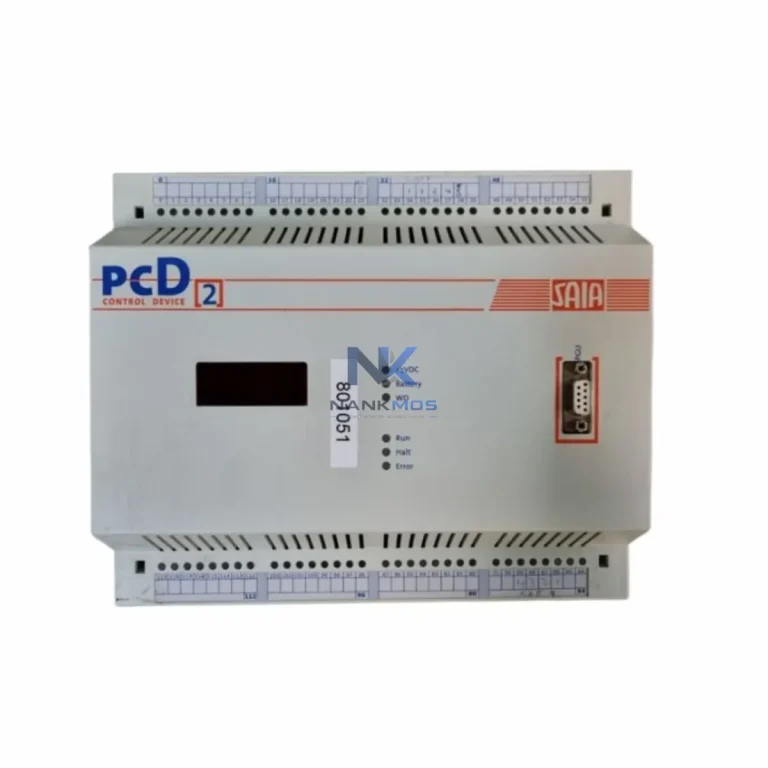
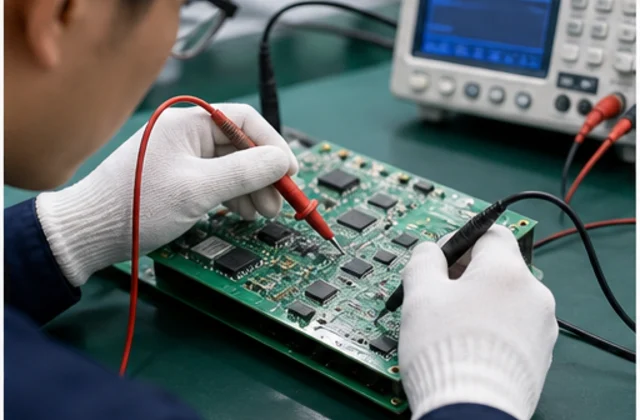
 Functional Inspection
100% tested on professional platforms to ensure stable performance.
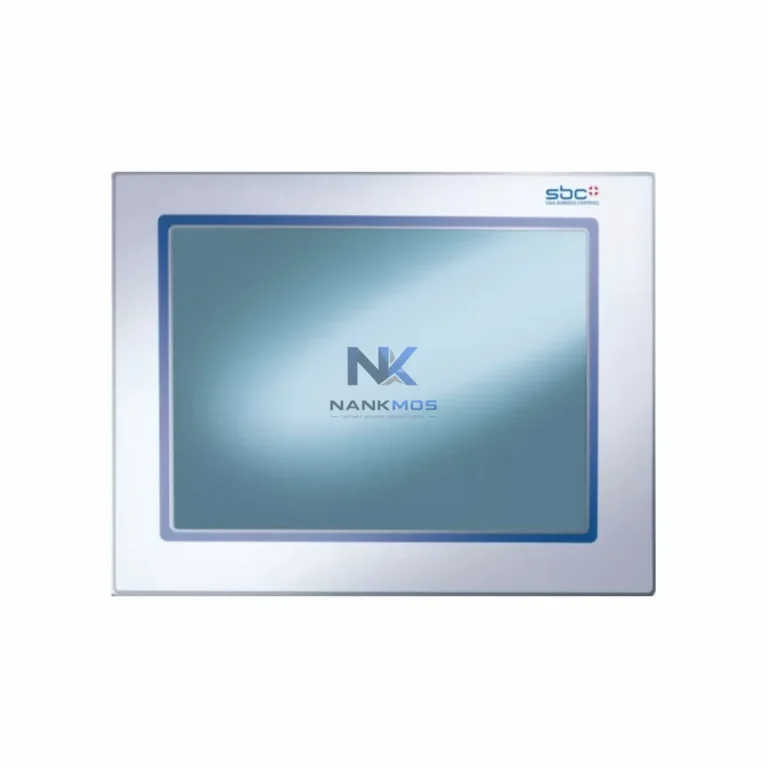
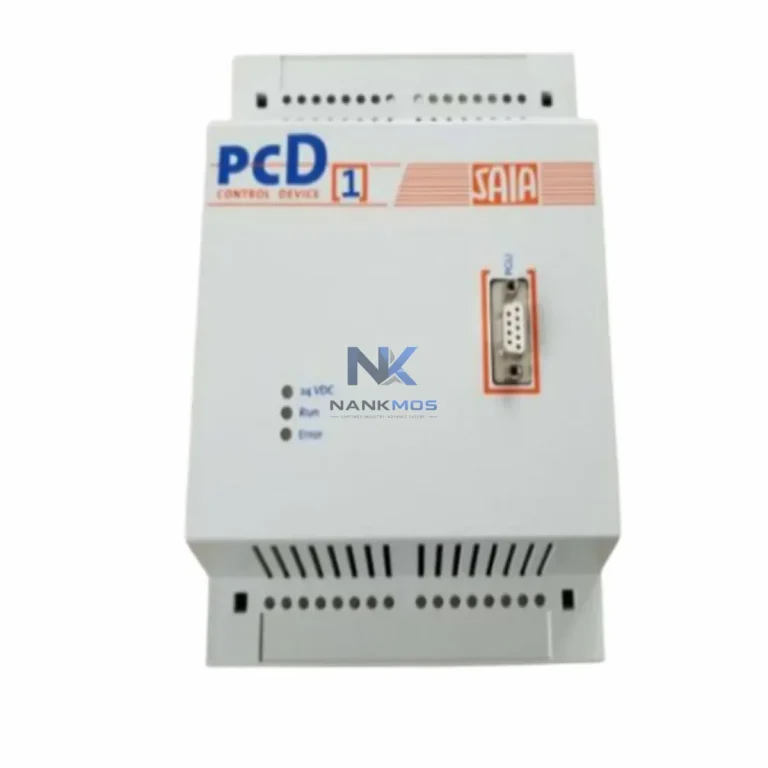
Saia-Burgess PCD3.C100 is a NANKMOS industrial automation product record Listed under Other series series and Business & Industrial > Automation, Control & Flow Devices > Programmable Logic Controllers. Confirm condition, availability, lead time, compatibility and documentation by email inquiry.
Brand names are used for identification only.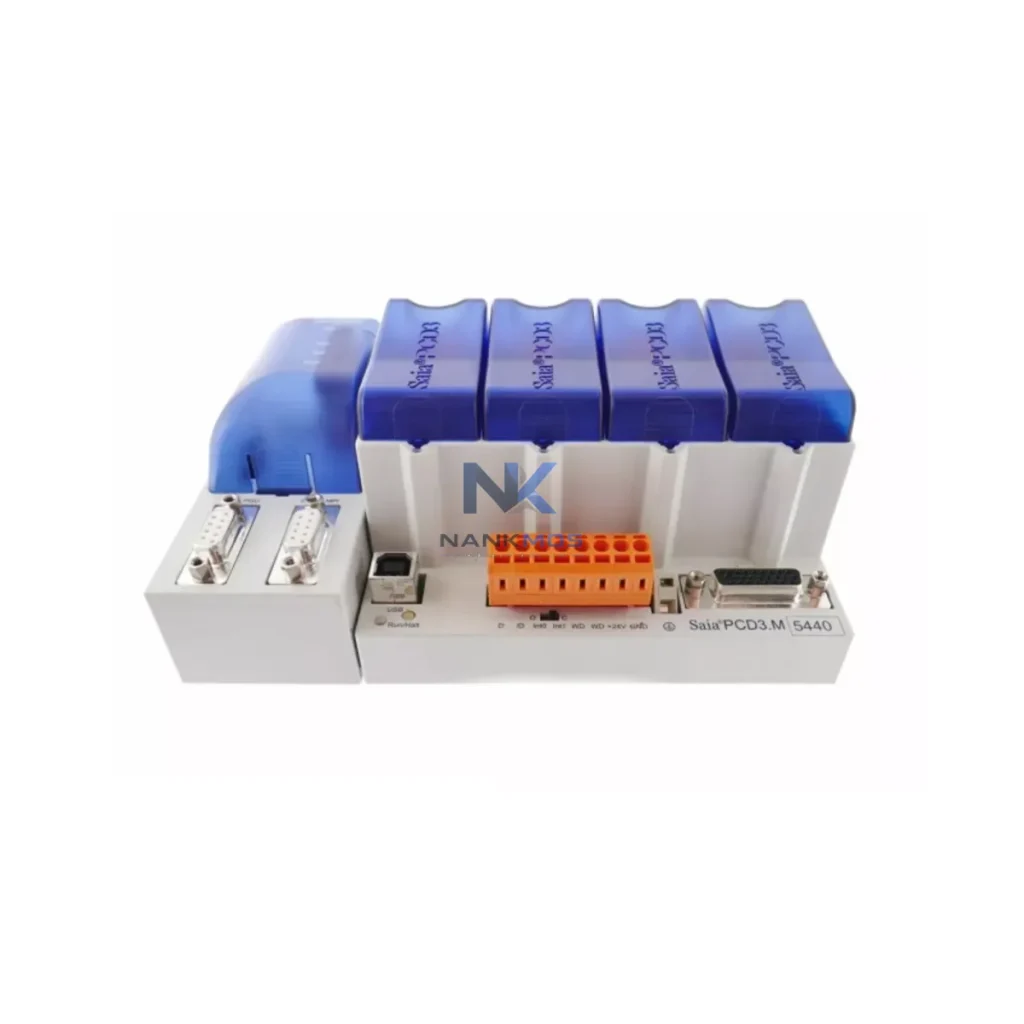
Saia-Burgess PCD3.C100 is a NANKMOS industrial automation product record Listed under Other series series and Business & Industrial > Automation, Control & Flow Devices > Programmable Logic Controllers. Confirm condition, availability, lead time, compatibility and documentation by email inquiry.
| Manufacturer | Saia-Burgess |
|---|---|
| Application | Controller Processing & System Control |
| Part Number / Model | PCD3.C100 |
| Compatible System | Confirmed by inquiry |
| Condition Options | To Confirm |
| Module Type | Controller / CPU Module |
| Warranty | 12 Months |
| Packaging | Anti-static Bag / Secure Box |
| Shipping Methods | DHL / FedEx / UPS / Air / Sea |
| Availability | To Confirm |
| Lead Time | To Confirm |
| Documentation | Part number and revision checked before quote |
The Saia PCD3.C100 is a high-performance PLC extension module engineered for the PCD3 automation platform, purpose-built to support energy-efficient production environments. Designed for demanding industrial applications in manufacturing, energy management, petrochemical processing, and semiconductor fabrication, the PCD3.C100 delivers precise load control, real-time device feedback, and seamless integration with modern energy management systems (EMS). With its compact form factor and robust communication capabilities, this module enables factories to reduce unnecessary energy consumption, lower thermal loads, and maintain consistent production throughput — all backed by a 12-month warranty and full pre-shipment testing.
In a fully integrated smart production line, the Saia PCD3.C100 extension module acts as the central coordination node between energy-consuming field devices and the supervisory control layer. When paired with the Saia PCD3.M5540 CPU module, the PCD3.C100 enables high-speed cyclic task execution that minimizes unnecessary polling intervals — directly reducing the energy overhead associated with idle I/O scanning.
For motor-driven applications, the PCD3.C100 interfaces with ABB ACS880 variable frequency drives (VFDs) and Siemens SINAMICS G120 drives via Profibus DP or Modbus RTU, enabling precise speed ramping and torque control that eliminates energy waste during acceleration and deceleration phases. When integrated with Schneider Electric PowerLogic PM5000 power monitoring modules, the PCD3.C100 can receive real-time kWh and power factor data, allowing the PLC program to dynamically shed non-critical loads during peak demand windows.
On the I/O side, the PCD3.C100 expands the PCD3 rack with additional digital and analog channels, supporting connection to Balluff BES inductive proximity sensors for machine-state detection and SICK S300 safety laser scanners for zone-based energy shutoff when production areas are unoccupied. HMI visualization is handled through Weintek cMT series panels connected via Ethernet, giving operators live energy dashboards and load trend graphs without requiring additional gateway hardware.
For plant-wide communication, the PCD3.C100 supports integration with Moxa NPort serial device servers to bridge legacy RS-485 instruments into the Ethernet backbone, and connects upstream to Ignition SCADA or Saia PG5 engineering software for centralized energy reporting, alarm management, and predictive maintenance scheduling. This architecture ensures that every watt consumed on the production floor is accounted for, logged, and optimizable.
Factory energy waste most commonly originates from three sources: uncontrolled motor starts, idle equipment left energized between production batches, and poor load balancing across shifts. The Saia PCD3.C100 addresses all three through its deterministic PLC execution model and flexible I/O expansion architecture.
By implementing soft-start sequencing logic within the PCD3 program, the PCD3.C100 coordinates staggered motor activation across conveyor lines, compressors, and HVAC units — preventing inrush current spikes that inflate peak demand charges. Between production batches, the module executes energy-saving routines that de-energize non-critical actuators, dim lighting zones via analog output signals, and place servo drives into low-power standby mode — all without operator intervention.
Load balancing across three-shift operations is achieved through time-scheduled task blocks that redistribute energy-intensive processes to off-peak tariff windows. When combined with real-time feedback from power monitoring modules, the PCD3.C100 can trigger automatic load-shedding events that protect the facility from demand penalty charges while maintaining production throughput targets.
Thermal load reduction is another key benefit. By precisely controlling motor speed through VFD command signals rather than relying on fixed-speed operation, the PCD3.C100 reduces heat generation in motor windings and drive cabinets — extending equipment service life and reducing cooling energy requirements. Predictive maintenance alerts, generated from accumulated run-hour counters and vibration sensor inputs, allow maintenance teams to schedule servicing during planned downtime rather than reacting to unexpected failures that disrupt production rhythm.
All units are sourced from verified supply channels, undergo pre-shipment functional testing on the PCD3 rack, and are covered by a 12-month warranty. In-stock inventory ensures rapid dispatch for both replacement and new-installation projects.
Q1: What measurable energy savings can the PCD3.C100 deliver on a typical production line? Actual savings depend on baseline load profiles, but facilities implementing demand-response scheduling and motor soft-start logic through the PCD3 platform typically report 10–25% reductions in peak demand charges. The PCD3.C100's ability to coordinate load shedding across multiple I/O points makes it particularly effective in multi-machine cell environments.
Q2: Is the PCD3.C100 compatible with third-party VFDs, SCADA systems, and power monitoring devices? Yes. The PCD3.C100 operates within the standard PCD3 backplane and supports Modbus RTU, Modbus TCP, and Profibus DP communication protocols, enabling integration with most major VFD brands, SCADA platforms, and power meters available in the market today.
Q3: Can the PCD3.C100 replace an existing PCD3 extension module without reprogramming the entire PLC project? In most cases, yes. The PCD3.C100 is designed for slot-compatible replacement within the PCD3 rack. Minor I/O address mapping adjustments in the PG5 project may be required depending on the predecessor module type, but the core program logic and communication configurations remain intact.
Q4: What does the 12-month warranty cover, and how is pre-shipment testing conducted? The 12-month warranty covers manufacturing defects and functional failures under normal operating conditions. Each PCD3.C100 unit undergoes rack-mounted power-on testing prior to shipment, verifying bus communication, I/O channel integrity, and firmware version compatibility. Replacement or repair is arranged promptly upon confirmed defect diagnosis.
Functional Inspection100% tested on professional platforms to ensure stable performance.
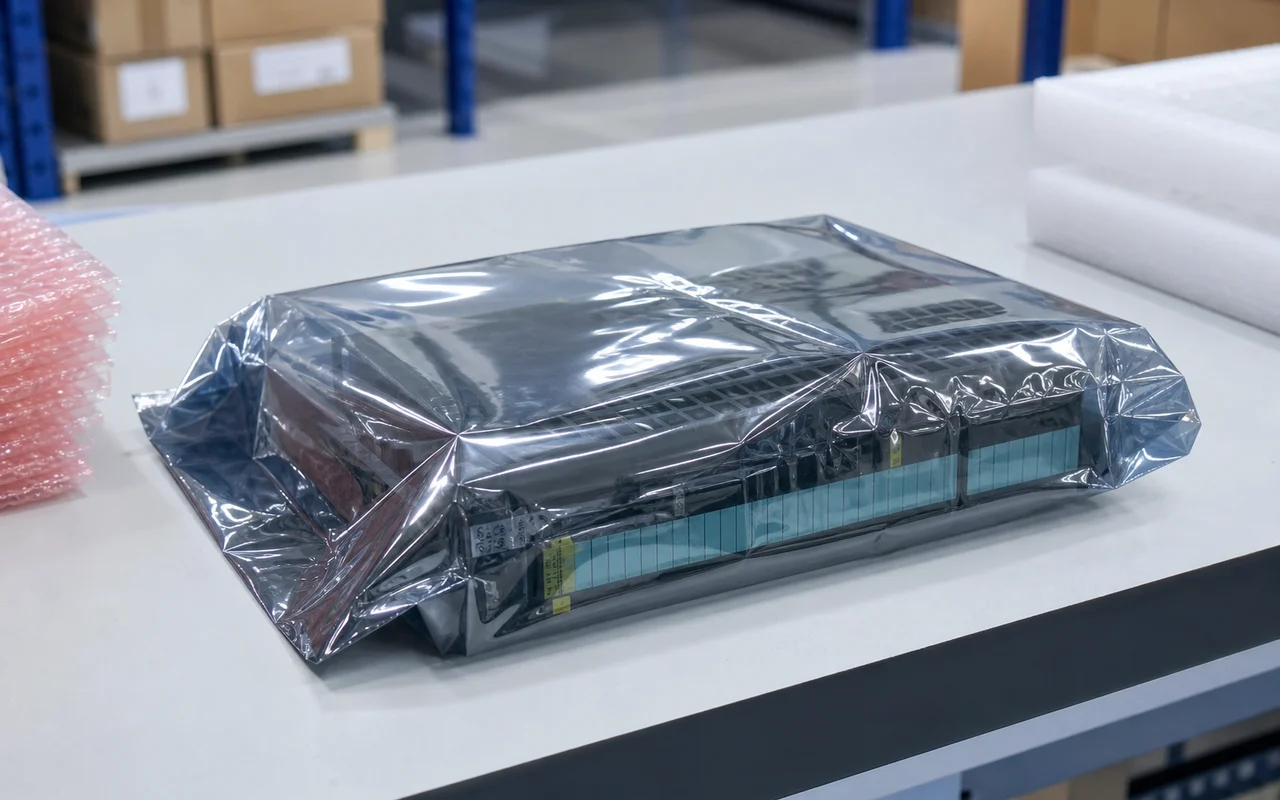 Anti-static Packaging
Modules are packed in anti-static bags to prevent electrostatic damage.
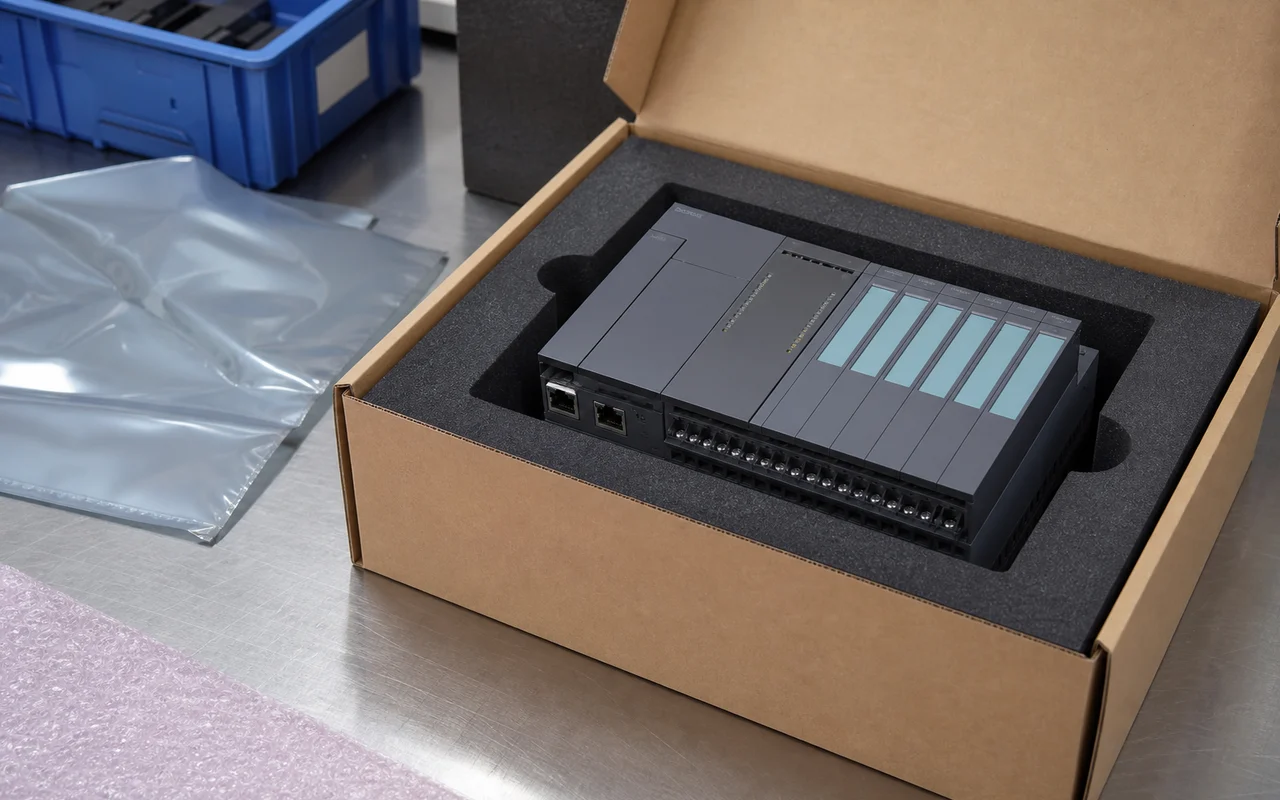 Secure Export Packing
Cushion protection and strong cartons ensure safe transportation.
 Worldwide Shipping
Global logistics network supports air, sea and express delivery.
 Documentation Check
Part number, revision and compatibility verified before shipment.
 After-sales Support
Professional technical support to help resolve your issues.