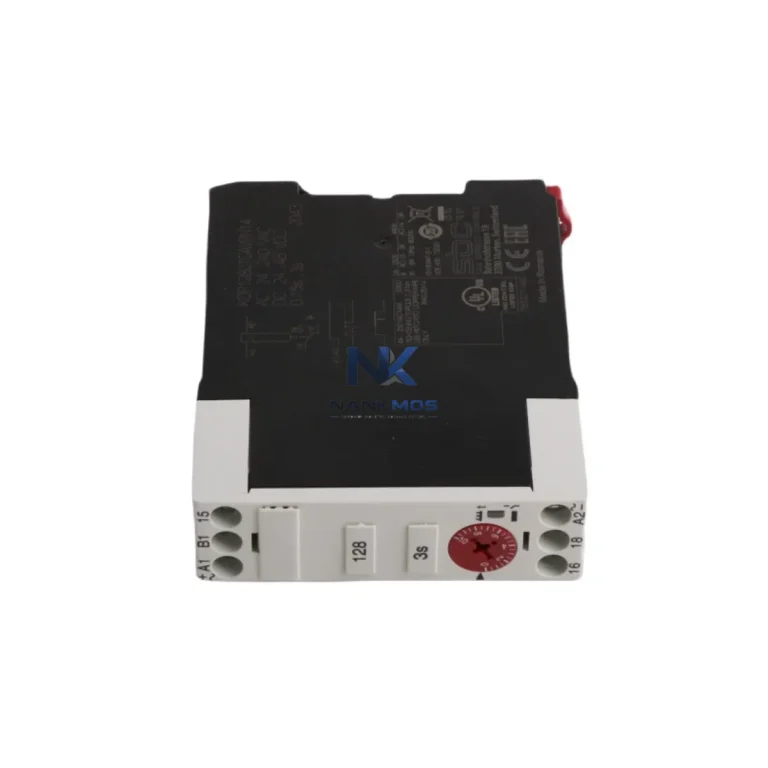
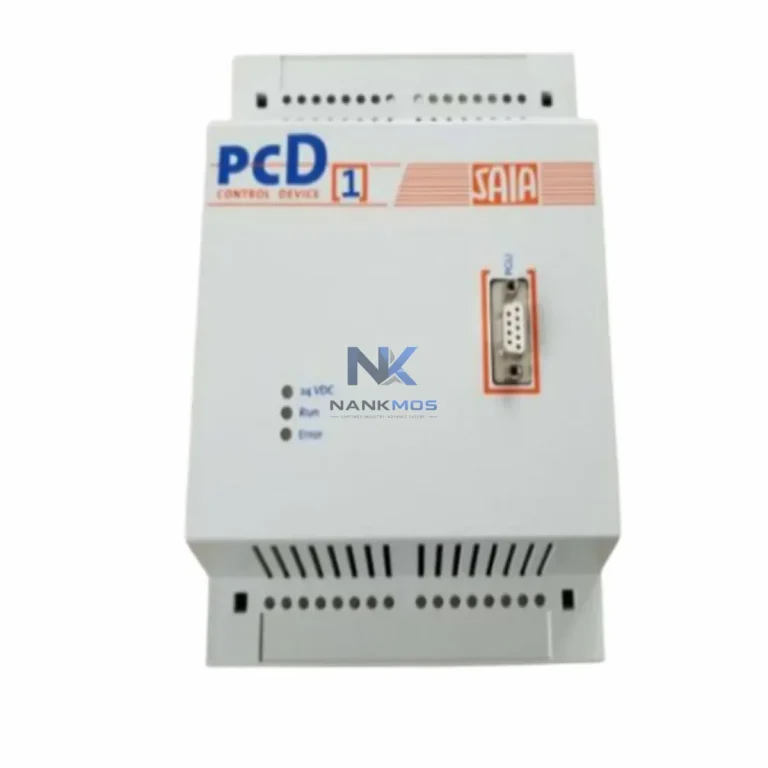
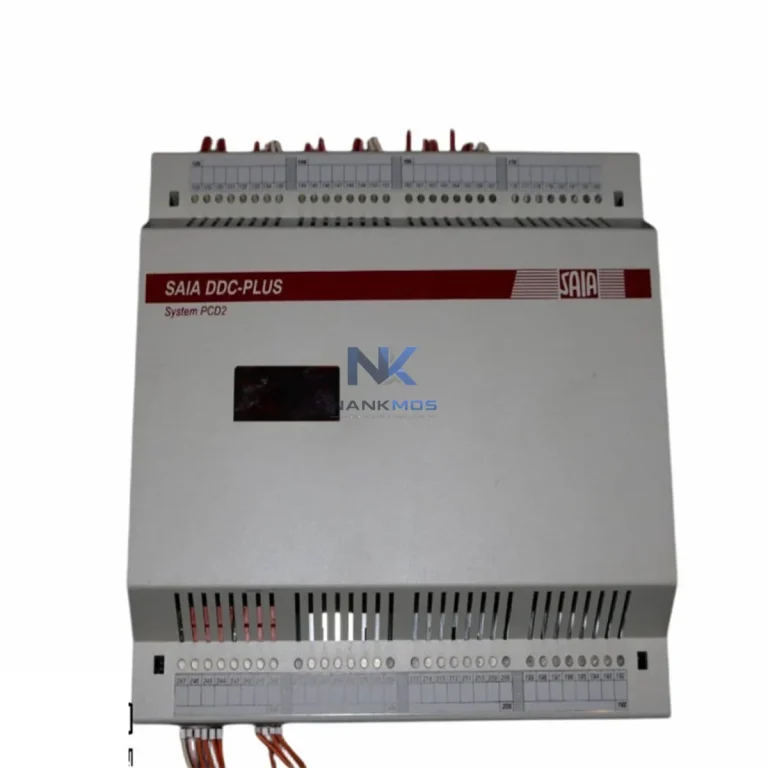
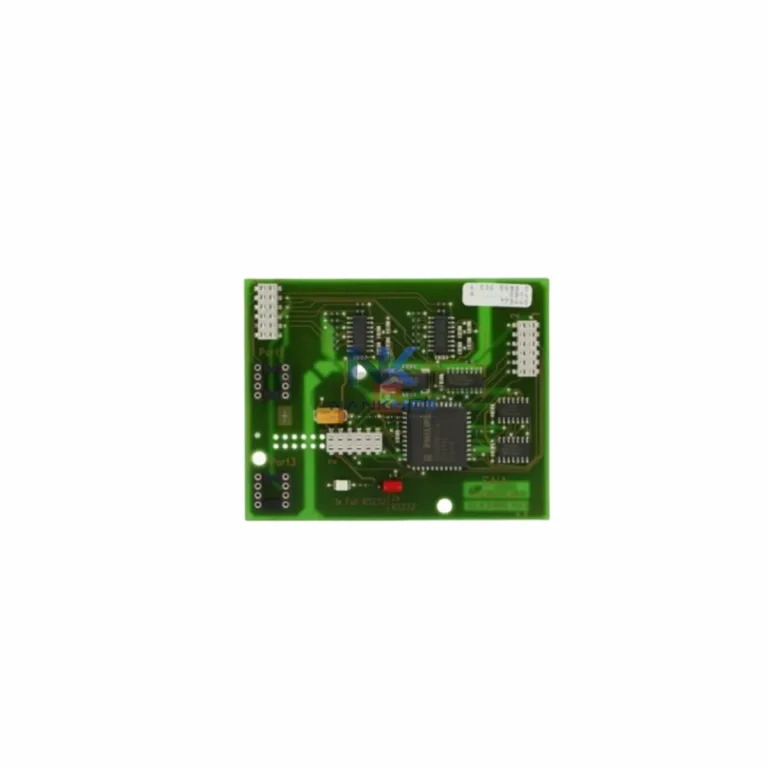
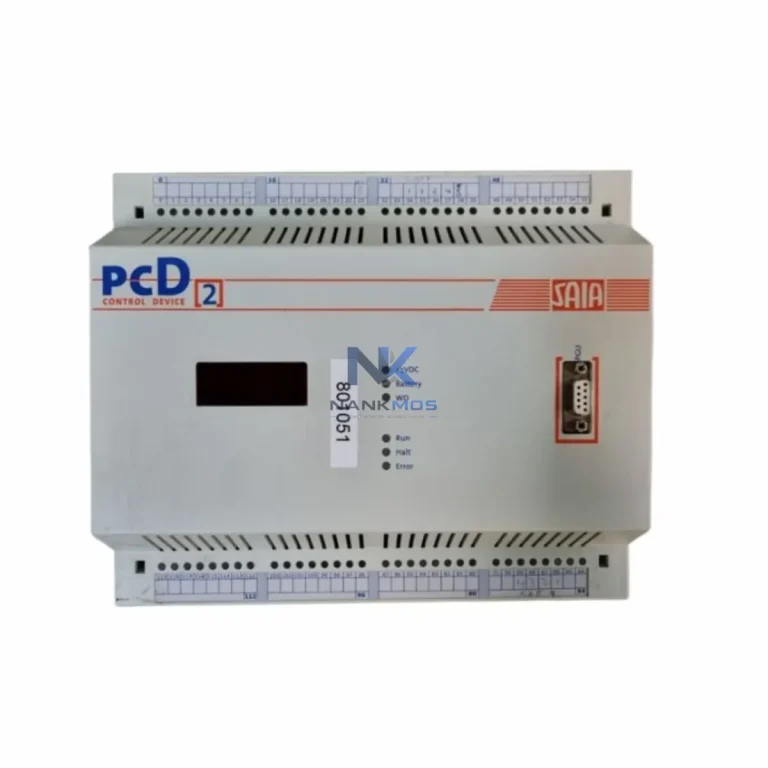
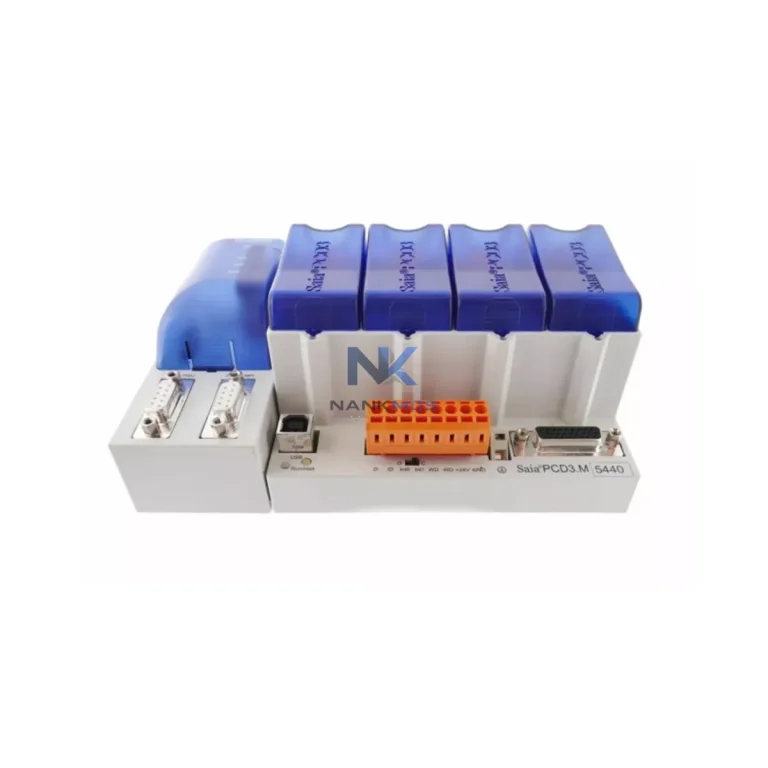
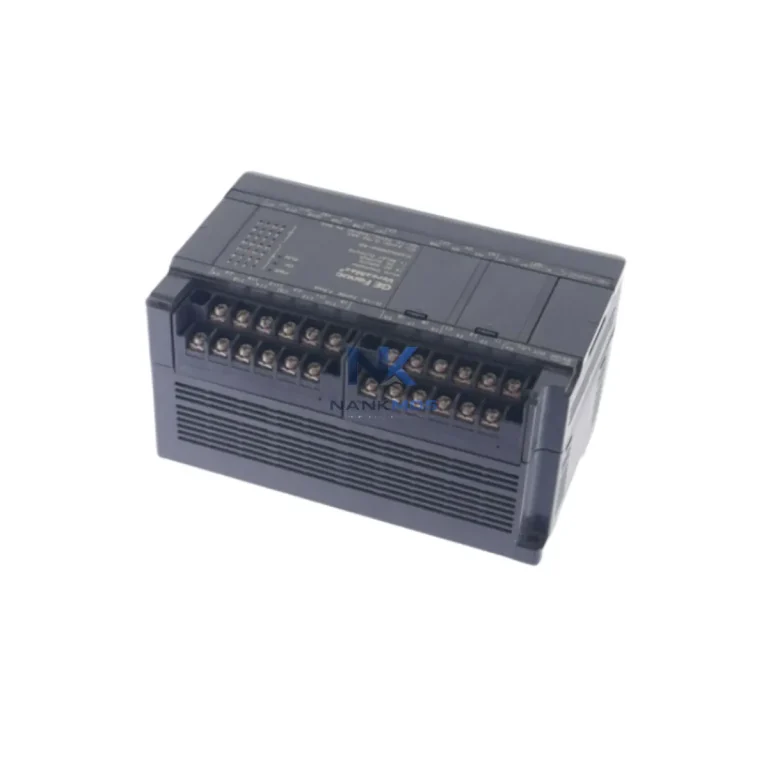
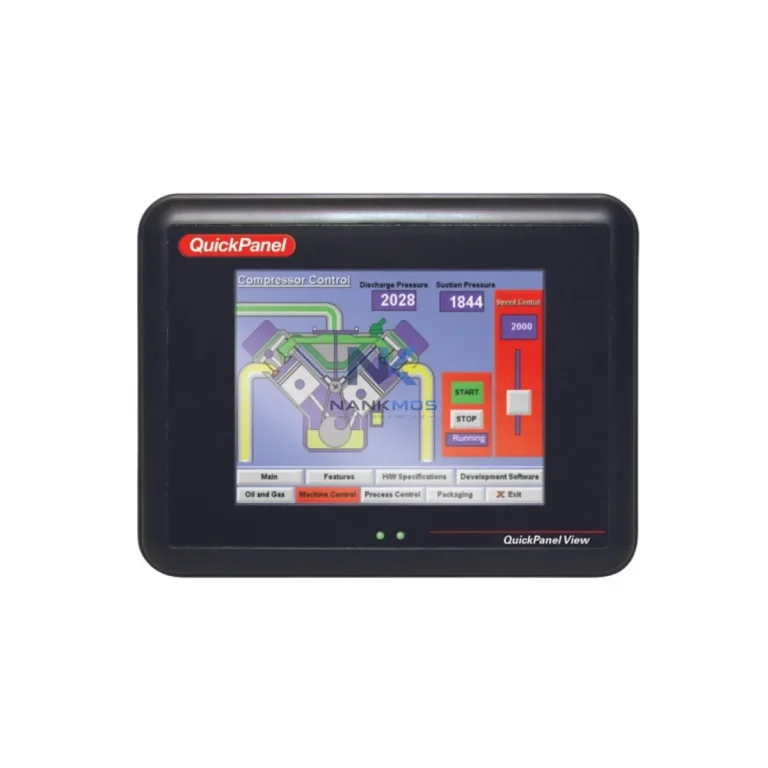
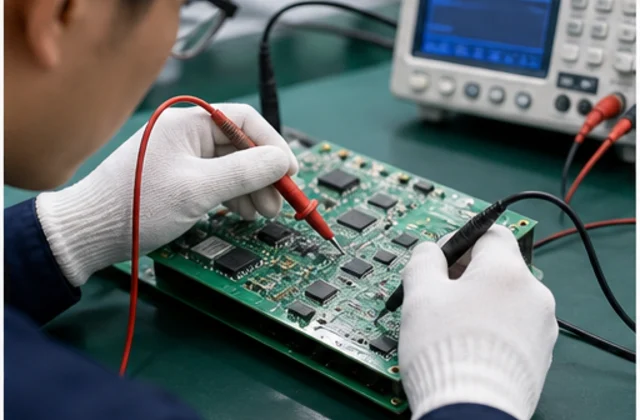
 Functional Inspection
100% tested on professional platforms to ensure stable performance.
Saia-Burgess PCD7.D410VTCF is a NANKMOS industrial automation product record Listed under Other series series and HMI Panels. Confirm condition, availability, lead time, compatibility and documentation by email inquiry.
Brand names are used for identification only.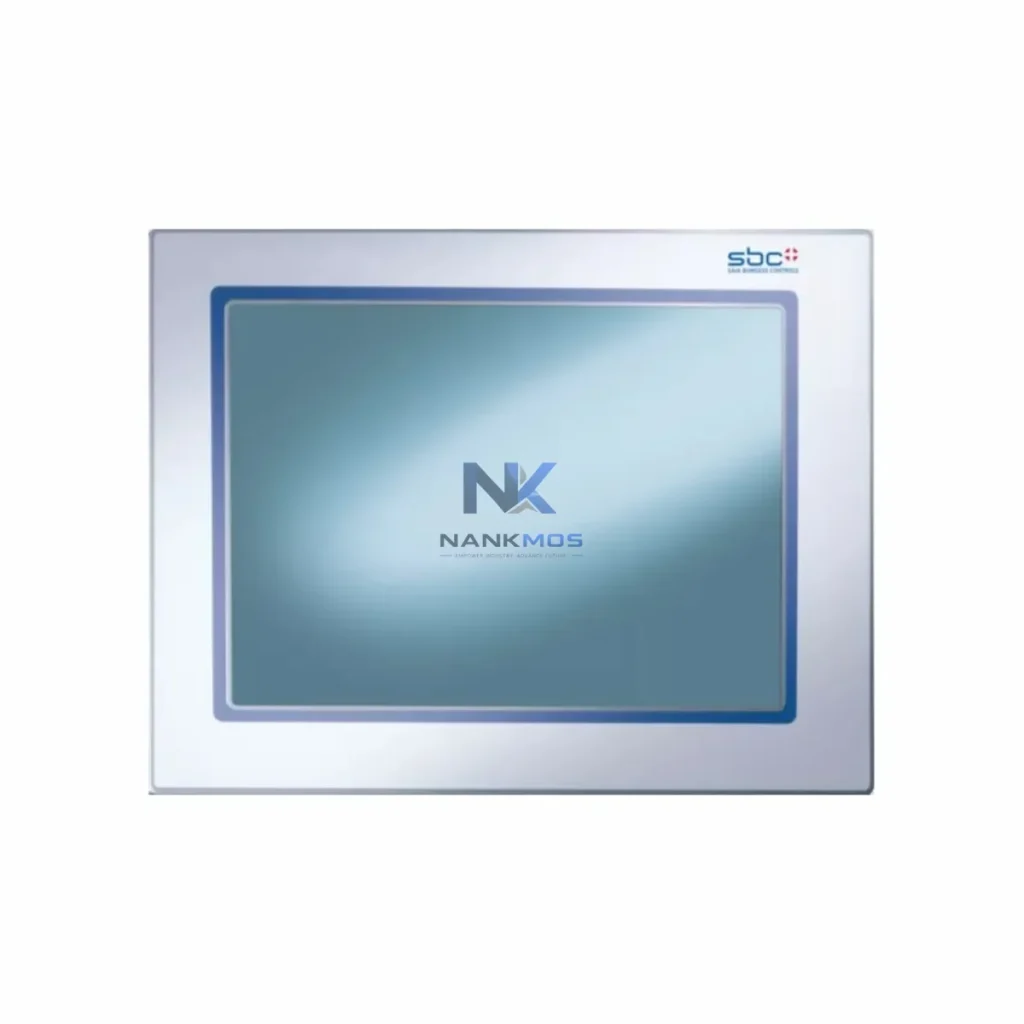
Saia-Burgess PCD7.D410VTCF is a NANKMOS industrial automation product record Listed under Other series series and HMI Panels. Confirm condition, availability, lead time, compatibility and documentation by email inquiry.
| Manufacturer | Saia-Burgess |
|---|---|
| Application | Industrial Network Communication |
| Part Number / Model | PCD7.D410VTCF |
| Compatible System | Confirmed by inquiry |
| Condition Options | To Confirm |
| Module Type | Communication Module |
| Warranty | 12 Months |
| Packaging | Anti-static Bag / Secure Box |
| Shipping Methods | DHL / FedEx / UPS / Air / Sea |
| Availability | To Confirm |
| Lead Time | To Confirm |
| Documentation | Part number and revision checked before quote |
The SAIA PCD7.D410VTCF is a high-performance industrial HMI gateway and network interface module engineered for the PCD7 controller platform by Saia-Burgess. Designed to serve as the critical communication bridge between field-level devices and upper-layer control systems, the PCD7.D410VTCF enables seamless, real-time data exchange across Modbus RTU, Modbus TCP/IP, and Ethernet-based industrial networks. In smart factory environments where data latency, protocol fragmentation, and network instability directly impact production efficiency, this module delivers the connectivity backbone that modern automation sites demand.
At NANKMOS, every PCD7.D410VTCF unit is sourced from verified supply channels, undergoes pre-shipment functional testing, and is backed by a 12-month warranty. Global inventory is maintained to support urgent project timelines across manufacturing, energy, water treatment, and building automation sectors.
In a fully integrated smart factory, the SAIA PCD7.D410VTCF operates at the intersection of field instrumentation and supervisory control — a position that demands both protocol versatility and network reliability. The data flow begins at the sensor and actuator layer, where field devices such as pressure transmitters, flow meters, and temperature sensors generate continuous process signals. These signals are collected by distributed I/O modules and fed into the SAIA PCD7 PLC controller — the core processing unit of the PCD7 platform — where logic execution and data aggregation occur in real time.
The PCD7.D410VTCF then acts as the network gateway, translating PCD7 internal data into Modbus TCP/IP frames for transmission across the plant Ethernet backbone. Upstream, SAIA PCD7.D457 communication processors and PCD7.R600 remote I/O expansion modules extend the data reach to satellite control panels and remote field stations. At the HMI layer, operator panels such as the SAIA PCD7.D610 touchscreen display receive live process values, alarm states, and trend data — enabling operators to monitor and interact with the production process without leaving the control room.
For SCADA integration, the PCD7.D410VTCF connects directly to supervisory platforms via Modbus TCP/IP, feeding real-time data into historian databases and visualization dashboards. Industrial Ethernet switches — including managed switches supporting VLAN segmentation and QoS prioritization — ensure that time-critical control traffic is isolated from general IT network loads, maintaining deterministic communication latency across the automation network.
In drive and motion control applications, the gateway facilitates communication between the PCD7 controller and variable frequency drives (VFDs) such as the ABB ACS880 or Siemens SINAMICS G120, enabling speed reference commands and drive status feedback to flow seamlessly through the Modbus network. Similarly, smart sensors and IO-Link masters connected to the field bus layer can report diagnostic data — vibration levels, temperature anomalies, and predictive maintenance flags — back through the PCD7.D410VTCF to the SCADA historian.
At the edge computing layer, industrial edge gateways aggregate data from multiple PCD7 nodes and push structured datasets to cloud analytics platforms or MES systems. The PCD7.D410VTCF's stable Ethernet interface ensures that edge devices maintain persistent, low-latency connections to the PLC network, supporting continuous data streaming without packet loss or communication timeouts. Power reliability for the entire network node is maintained by industrial DIN-rail power supplies, ensuring that the gateway and its connected devices remain operational during grid fluctuations.
Protocol Fragmentation: Many legacy automation sites operate with a mix of serial Modbus RTU devices and modern Ethernet-based systems. The PCD7.D410VTCF bridges this gap by supporting both RS-485 serial and RJ45 Ethernet interfaces simultaneously, allowing older field instruments to communicate with contemporary SCADA and MES platforms without requiring full hardware replacement.
Data Silos and Production Transparency: When PLC controllers, HMI panels, and SCADA systems operate on isolated networks, production data becomes fragmented and difficult to analyze. The PCD7.D410VTCF consolidates these data streams into a unified Modbus TCP/IP network, giving plant managers and process engineers a single, coherent view of production KPIs, equipment status, and energy consumption in real time.
Remote Monitoring and Diagnostics: Unplanned downtime caused by undetected equipment faults is one of the most costly challenges in industrial operations. By maintaining a persistent Ethernet connection between the PCD7 controller and remote monitoring systems, the PCD7.D410VTCF enables continuous health monitoring of connected devices. Alarm conditions — including communication timeouts, sensor out-of-range events, and drive fault codes — are transmitted immediately to the SCADA alarm management system, triggering automated notifications and enabling remote diagnostic sessions without requiring on-site personnel.
System Scalability: As production lines expand and new equipment is added, the PCD7.D410VTCF's modular architecture within the PCD7 platform allows additional I/O modules and communication processors to be integrated without disrupting existing network configurations. This scalability ensures that the automation infrastructure can grow alongside the facility's operational requirements.
Q1: What communication protocols does the SAIA PCD7.D410VTCF support? The PCD7.D410VTCF supports Modbus RTU over RS-485/RS-232 serial interfaces and Modbus TCP/IP over Ethernet (RJ45). It is fully compatible with the SAIA PCD7 controller platform and integrates with SCADA systems, HMI panels, and remote I/O modules that use standard Modbus communication.
Q2: How does the PCD7.D410VTCF handle network stability in high-noise industrial environments? The module is designed for industrial-grade electromagnetic compatibility (EMC), with shielded communication interfaces and robust firmware that supports automatic reconnection and watchdog timeout recovery. In environments with high electrical noise — such as motor drive panels or welding stations — the RS-485 interface provides differential signaling that rejects common-mode interference, maintaining reliable data transmission over long cable runs.
Q3: Can the PCD7.D410VTCF be used for remote diagnostics and predictive maintenance? Yes. When connected to a SCADA or edge computing platform via Modbus TCP/IP, the PCD7.D410VTCF enables continuous remote monitoring of PLC register values, I/O states, and communication health metrics. This data can be used to detect early signs of equipment degradation, schedule preventive maintenance, and reduce unplanned downtime — all without requiring physical access to the control panel.
Q4: What warranty and pre-shipment testing does NANKMOS provide for the PCD7.D410VTCF? Every PCD7.D410VTCF unit supplied by NANKMOS is covered by a 12-month warranty from the date of shipment. Prior to dispatch, each unit undergoes functional pre-shipment testing to verify communication interface integrity, power-up behavior, and protocol response. This ensures that the module arrives ready for immediate installation and commissioning on your automation site.
Functional Inspection100% tested on professional platforms to ensure stable performance.
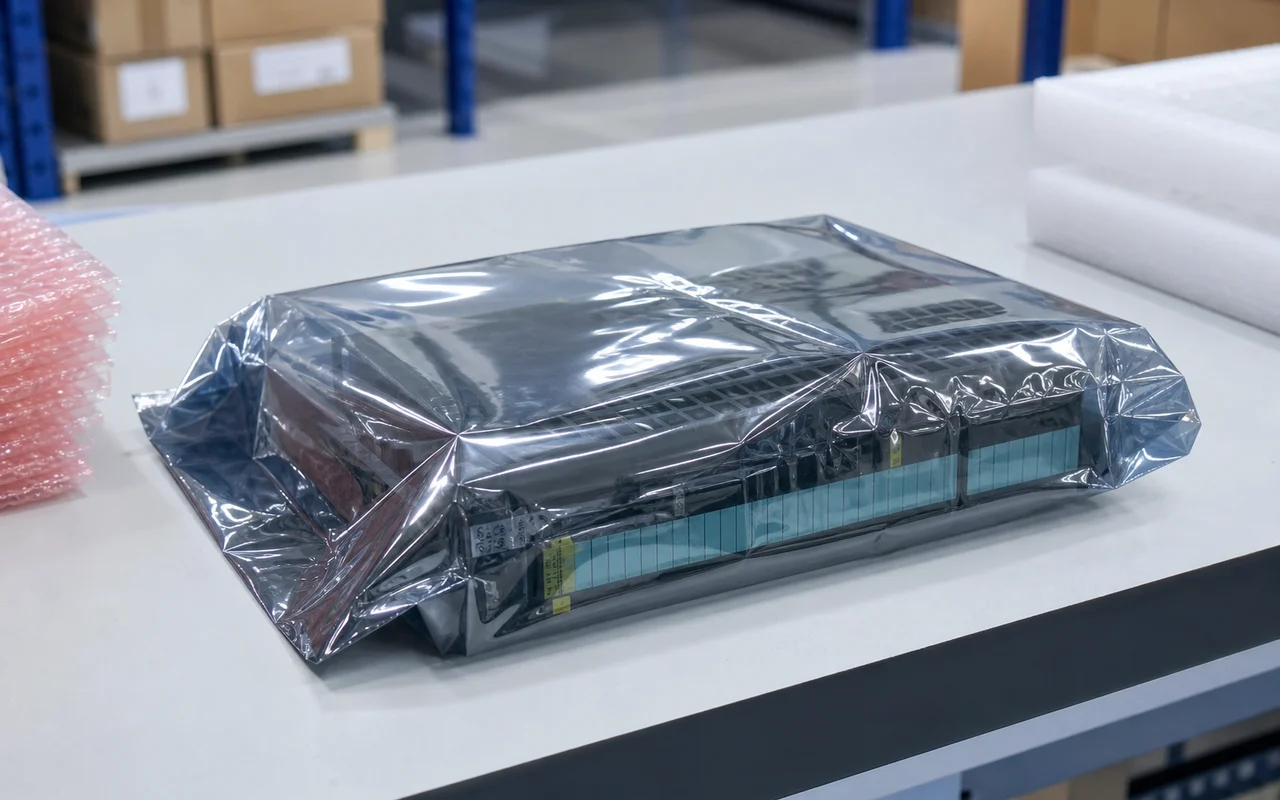 Anti-static Packaging
Modules are packed in anti-static bags to prevent electrostatic damage.
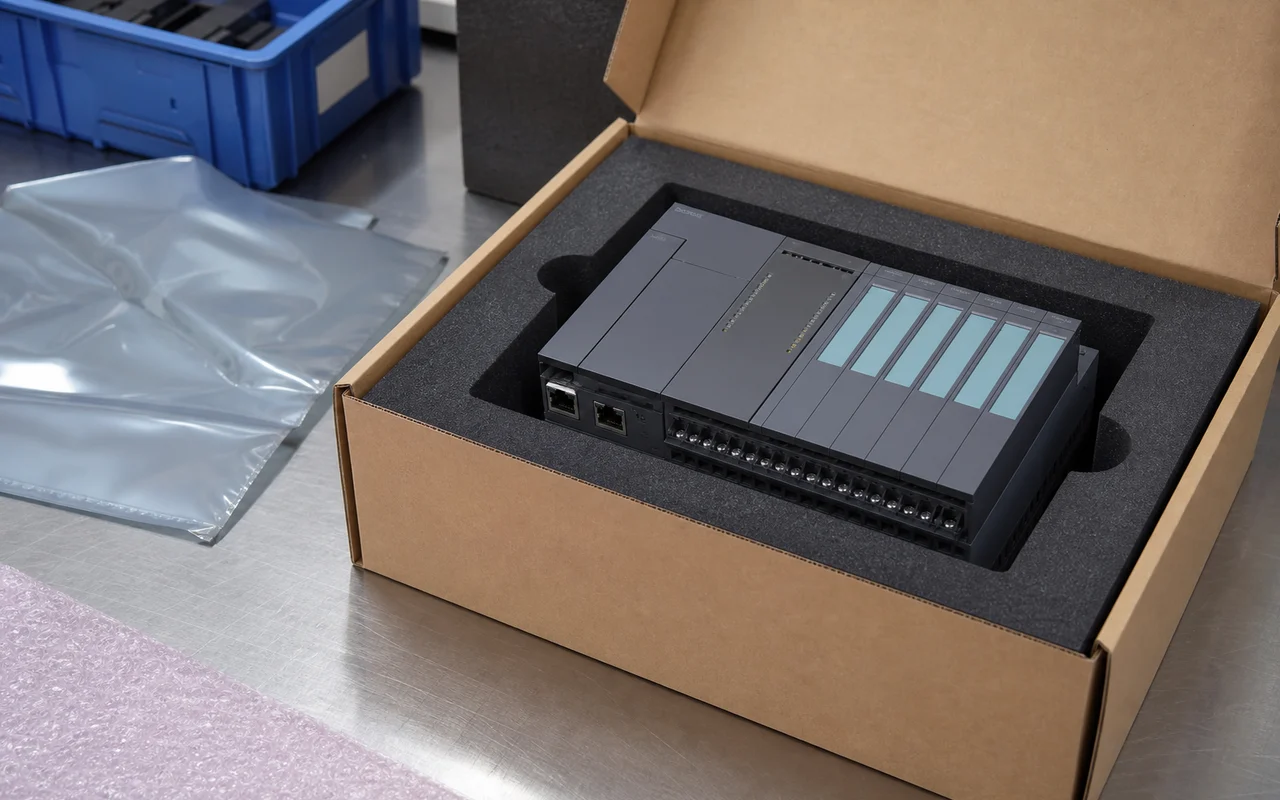 Secure Export Packing
Cushion protection and strong cartons ensure safe transportation.
 Worldwide Shipping
Global logistics network supports air, sea and express delivery.
 Documentation Check
Part number, revision and compatibility verified before shipment.
 After-sales Support
Professional technical support to help resolve your issues.