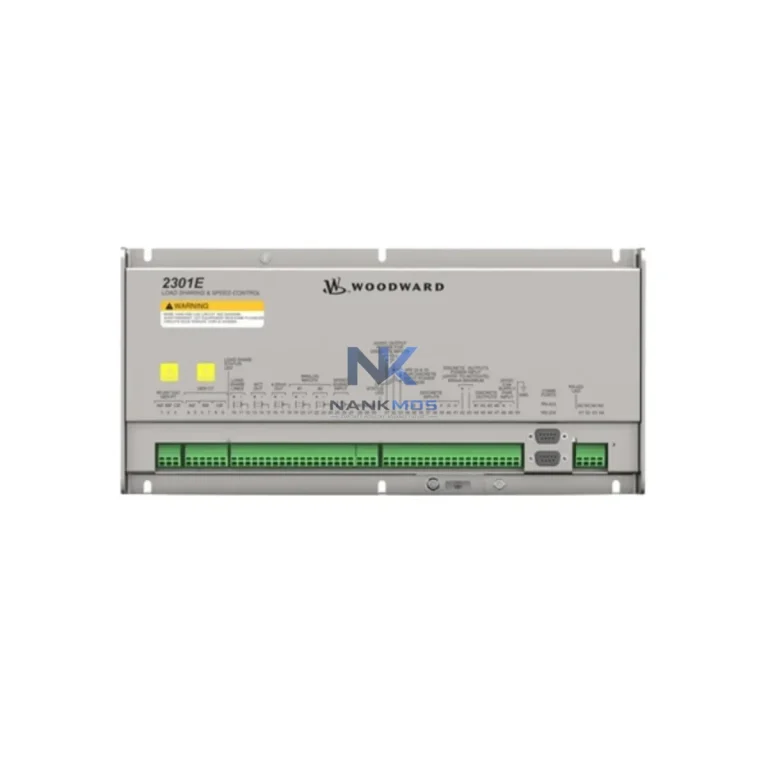
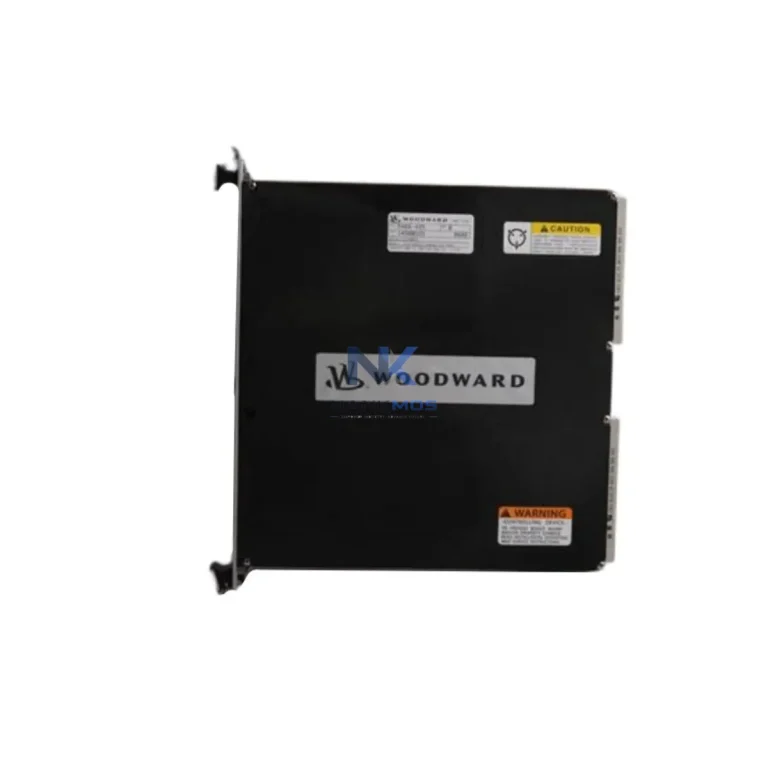
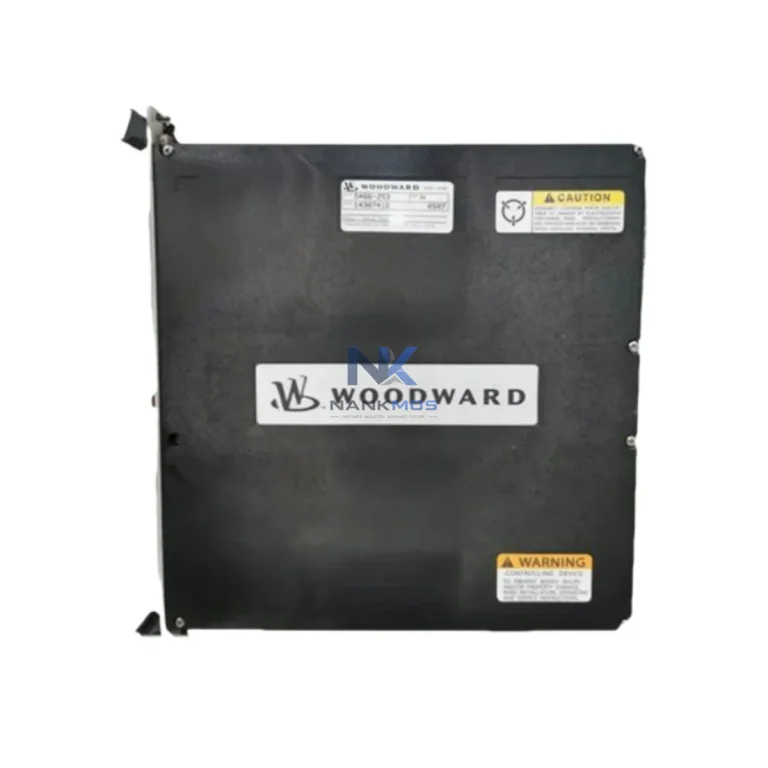
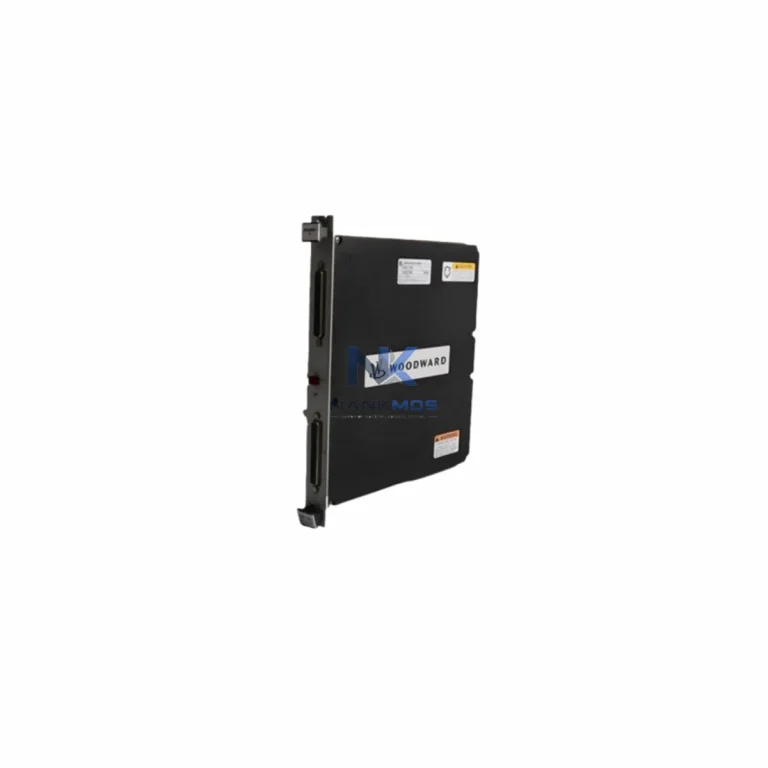
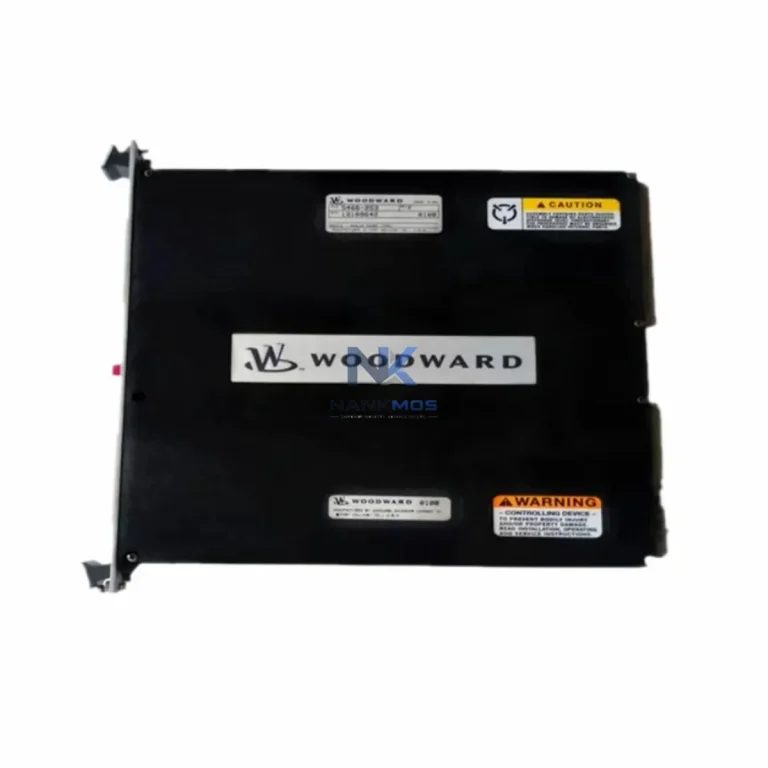
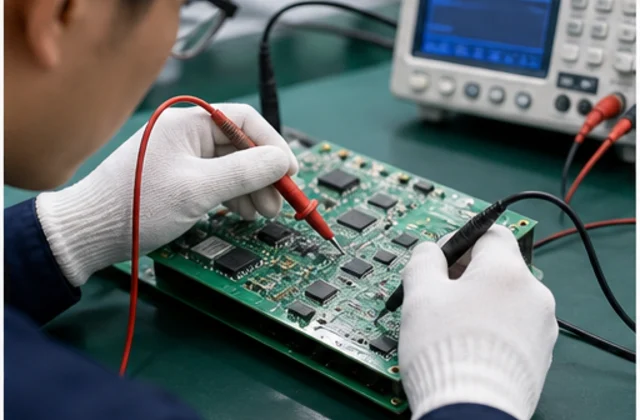
 Functional Inspection
100% tested on professional platforms to ensure stable performance.
Woodward PCU1000 is a NANKMOS industrial automation product record Listed under Other series series and Business & Industrial > Automation, Control & Flow Devices. Confirm condition, availability, lead time, compatibility and documentation by email inquiry.
Brand names are used for identification only.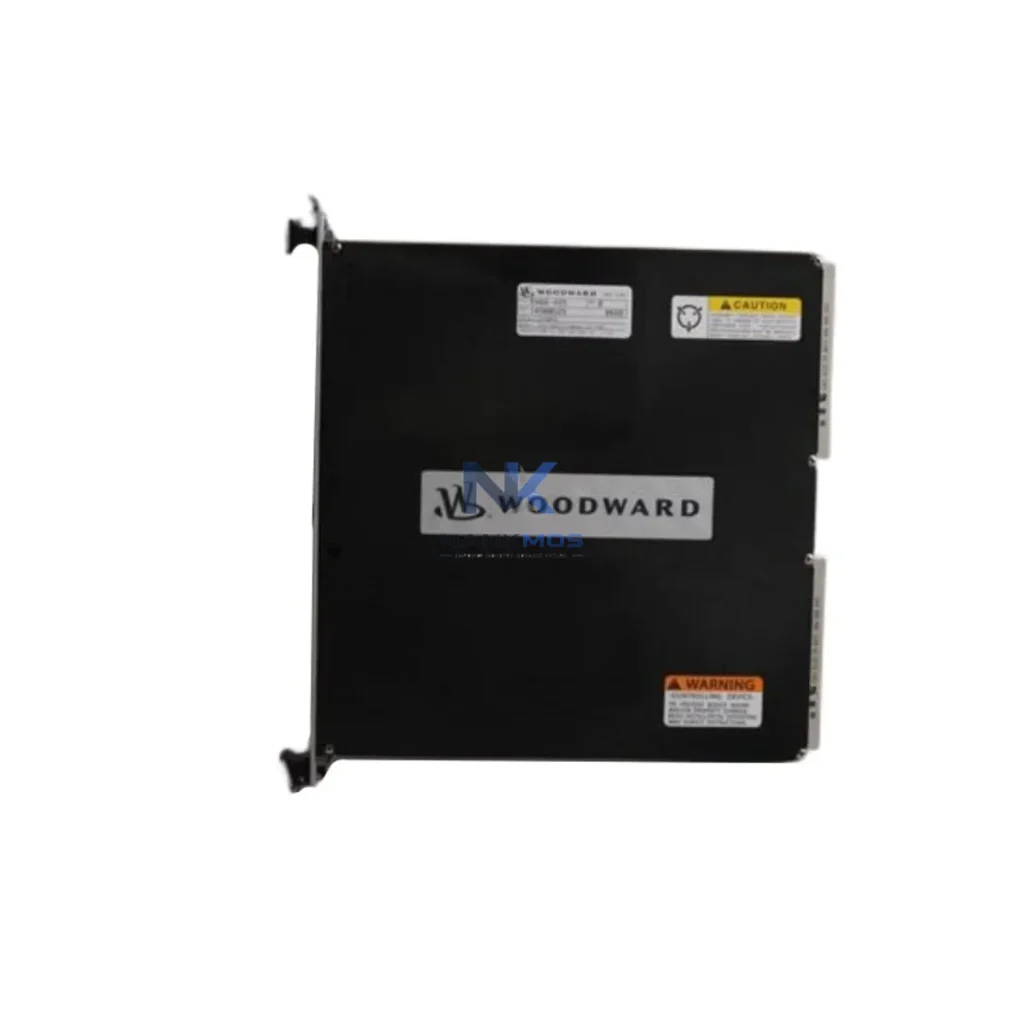
Woodward PCU1000 is a NANKMOS industrial automation product record Listed under Other series series and Business & Industrial > Automation, Control & Flow Devices. Confirm condition, availability, lead time, compatibility and documentation by email inquiry.
| Manufacturer | Woodward |
|---|---|
| Application | Industrial Network Communication |
| Part Number / Model | PCU1000 |
| Compatible System | Confirmed by inquiry |
| Condition Options | To Confirm |
| Module Type | Communication Module |
| Warranty | 12 Months |
| Packaging | Anti-static Bag / Secure Box |
| Shipping Methods | DHL / FedEx / UPS / Air / Sea |
| Availability | To Confirm |
| Lead Time | To Confirm |
| Documentation | Part number and revision checked before quote |
The Woodward PCU1000 is a high-performance PCI communication card engineered for the MicroNet turbine and industrial control platform. Designed to serve as the backbone of energy-aware automation architectures, the PCU1000 enables seamless, high-speed data exchange between the MicroNet controller and host systems, ensuring that every watt consumed across the production line is accounted for, managed, and optimized. In energy-intensive industrial environments — from gas turbine power plants to compressor stations and combined heat-and-power (CHP) facilities — the PCU1000 plays a critical role in reducing idle energy consumption, stabilizing load cycles, and supporting predictive maintenance strategies that minimize unplanned downtime.
Built to Woodward's field-grade engineering standards, the PCU1000 integrates directly into standard PCI slots on MicroNet host workstations and SCADA-connected operator stations. Its deterministic communication architecture ensures that real-time control signals, energy telemetry, and device status feedback are transmitted with minimal latency — a prerequisite for closed-loop energy management in high-cycle production environments. Whether coordinating with variable frequency drives (VFDs), servo drive systems, or distributed I/O modules, the PCU1000 ensures that the MicroNet platform maintains full situational awareness of energy flows across the plant floor.
The PCU1000 is most effective when deployed as part of a tightly integrated, energy-aware control architecture. In a typical MicroNet-based turbine control system, the PCU1000 acts as the communication bridge between the MicroNet controller and the operator workstation running Woodward's ToolKit configuration software. This link enables engineers to monitor real-time energy consumption data, tune PID control loops for fuel efficiency, and adjust load-sharing parameters without interrupting live operations.
On the drive side, the PCU1000 supports coordination with Woodward's own governor and actuator systems — including the Woodward EG3P actuator and the ProAct series digital actuators — which regulate fuel valve positioning and turbine speed to minimize fuel burn at partial load. When paired with power monitoring modules and energy meters integrated into the plant's SCADA system, the PCU1000 enables the MicroNet controller to respond dynamically to load fluctuations, shedding non-critical loads and ramping generation assets in a sequence that minimizes peak demand charges.
For facilities running parallel generation assets, the PCU1000 supports synchronization and load-sharing logic within the MicroNet TMR (Triple Modular Redundancy) platform, ensuring that multiple turbine units share load proportionally — a key strategy for reducing per-unit fuel consumption and thermal stress. Integration with Modbus-compatible power quality analyzers and third-party I/O modules via the MicroNet's distributed I/O backplane further extends the PCU1000's reach into the plant's broader energy management ecosystem. HMI panels connected to the SCADA layer can display live energy KPIs sourced through the PCU1000's communication channel, giving operators actionable visibility into consumption trends, efficiency ratios, and alarm states.
In production environments where turbines, compressors, or large rotating machinery form the backbone of the energy supply, communication reliability is inseparable from energy efficiency. A dropped control signal or delayed status update can cause a turbine to operate outside its optimal efficiency band for minutes at a time — translating directly into excess fuel consumption, elevated exhaust temperatures, and accelerated component wear. The Woodward PCU1000 eliminates this risk by providing a stable, high-integrity communication path that keeps the MicroNet controller synchronized with the host system at all times.
From an energy optimization standpoint, the PCU1000 enables several key strategies. First, it supports continuous load profiling — the MicroNet controller can log energy consumption data over time, identify inefficiency patterns, and trigger automated adjustments to fuel delivery, speed setpoints, or load distribution. Second, by maintaining a reliable communication link to the SCADA layer, the PCU1000 enables predictive maintenance workflows: vibration data, exhaust temperature trends, and fuel flow anomalies can be surfaced to maintenance teams before they escalate into unplanned shutdowns. Unplanned downtime is one of the largest sources of energy waste in industrial facilities, as restart sequences consume disproportionate amounts of fuel and impose thermal cycling stress on equipment.
Third, the PCU1000 supports production line rhythm stability. In facilities where turbine output feeds directly into manufacturing processes — such as steam-driven production lines or co-generation setups — maintaining a stable, predictable energy supply is essential for consistent throughput. The PCU1000's deterministic communication ensures that the MicroNet controller can respond to load changes within the control loop's design cycle time, preventing the energy supply fluctuations that cause process interruptions and quality defects. The result is a measurable improvement in overall equipment effectiveness (OEE) and a reduction in the energy cost per unit of output.
Every PCU1000 unit shipped by NANKMOS undergoes full pre-shipment functional testing to verify communication integrity, signal quality, and compatibility with MicroNet host systems. Units are held in climate-controlled storage to preserve component integrity, and all inventory is available for immediate dispatch to minimize production line downtime during replacement scenarios.
Q1: How does the PCU1000 contribute to energy savings in a MicroNet turbine control system? The PCU1000 maintains a low-latency, deterministic communication link between the MicroNet controller and the host workstation, enabling real-time tuning of fuel delivery, load-sharing, and speed control parameters. This continuous closed-loop feedback reduces the time the turbine spends operating outside its optimal efficiency band, directly lowering fuel consumption and operational costs.
Q2: Is the PCU1000 compatible with MicroNet TMR and MicroNet Plus platforms? Yes. The PCU1000 is designed for use across the Woodward MicroNet product family, including MicroNet, MicroNet Plus, and MicroNet TMR configurations. It installs into a standard PCI slot on the host workstation and is recognized by Woodward's ToolKit software without additional driver configuration in supported OS environments.
Q3: Can the PCU1000 be used as a direct replacement for a failed communication card in an existing installation? Yes. The PCU1000 is a drop-in replacement for existing MicroNet PCI communication cards in compatible host systems. NANKMOS recommends verifying the host system's OS version and ToolKit software revision prior to installation to ensure full compatibility. Our technical team can assist with pre-installation compatibility checks upon request.
Q4: What does the 12-month warranty cover, and what is the typical lead time? All PCU1000 units supplied by NANKMOS carry a 12-month warranty covering manufacturing defects and functional failures under normal operating conditions. Each unit is functionally tested prior to shipment. Stock is maintained on-hand for immediate dispatch, with standard lead times of 1–3 business days for most destinations. Expedited shipping options are available for urgent replacement requirements.
Functional Inspection100% tested on professional platforms to ensure stable performance.
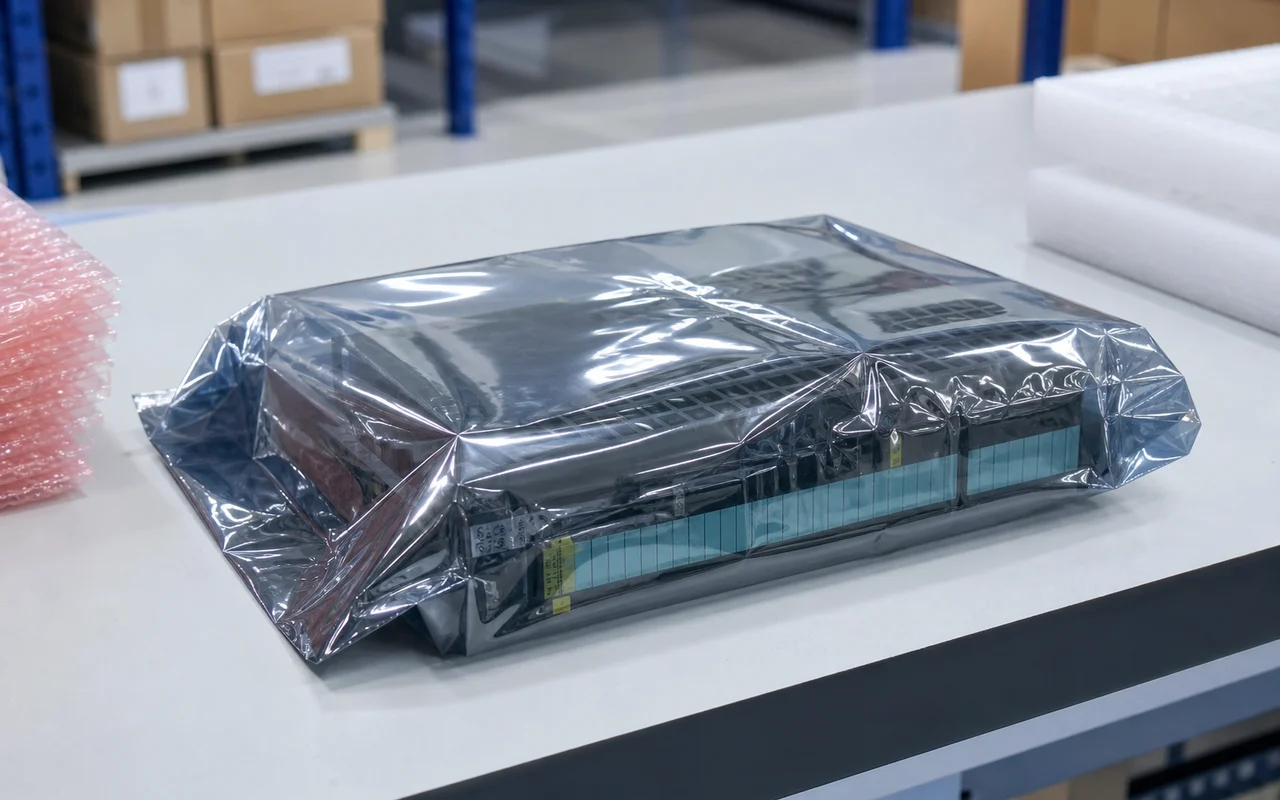 Anti-static Packaging
Modules are packed in anti-static bags to prevent electrostatic damage.
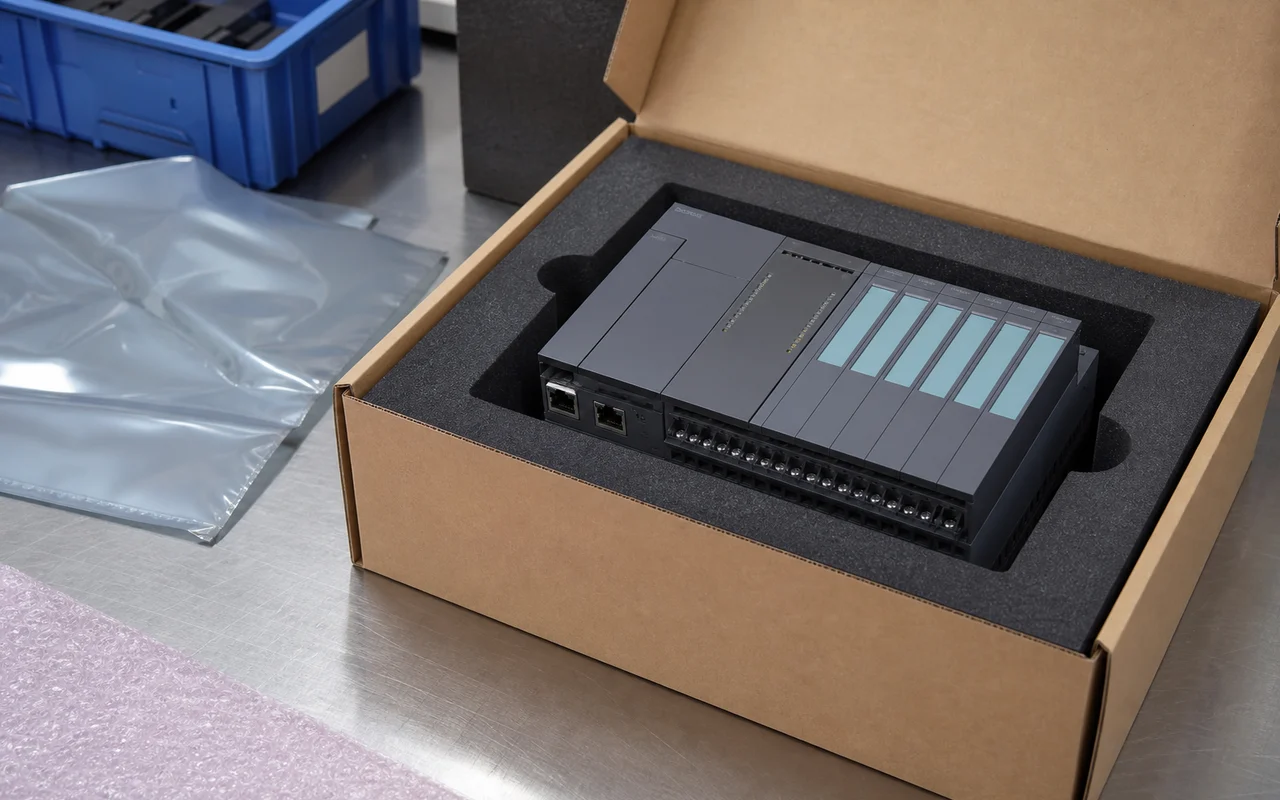 Secure Export Packing
Cushion protection and strong cartons ensure safe transportation.
 Worldwide Shipping
Global logistics network supports air, sea and express delivery.
 Documentation Check
Part number, revision and compatibility verified before shipment.
 After-sales Support
Professional technical support to help resolve your issues.