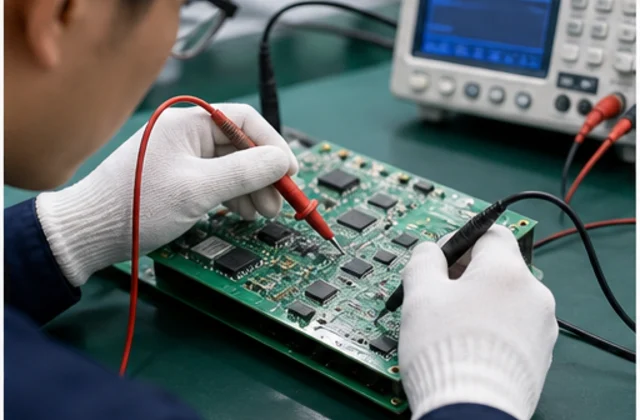
 Functional Inspection
100% tested on professional platforms to ensure stable performance.
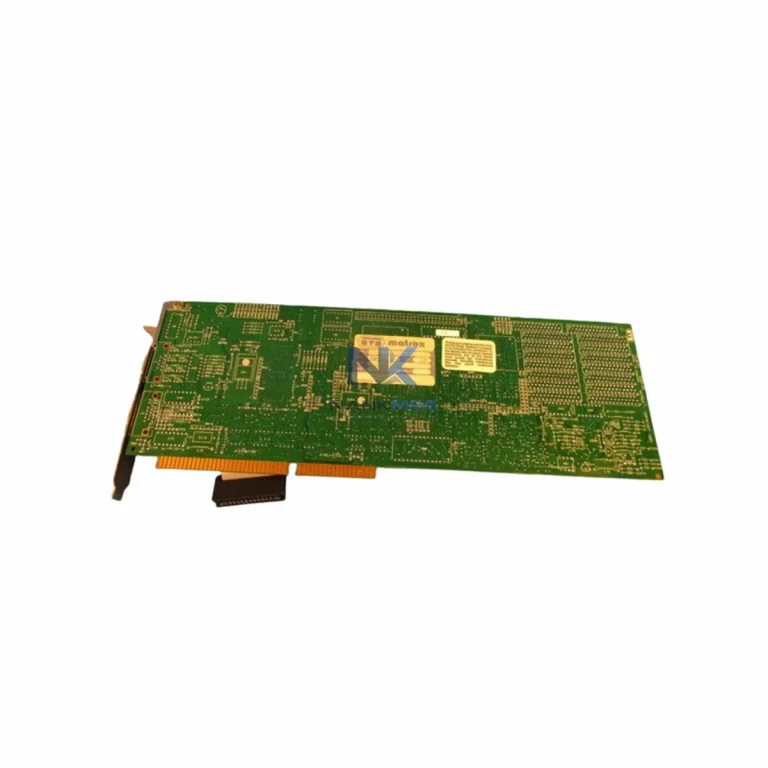
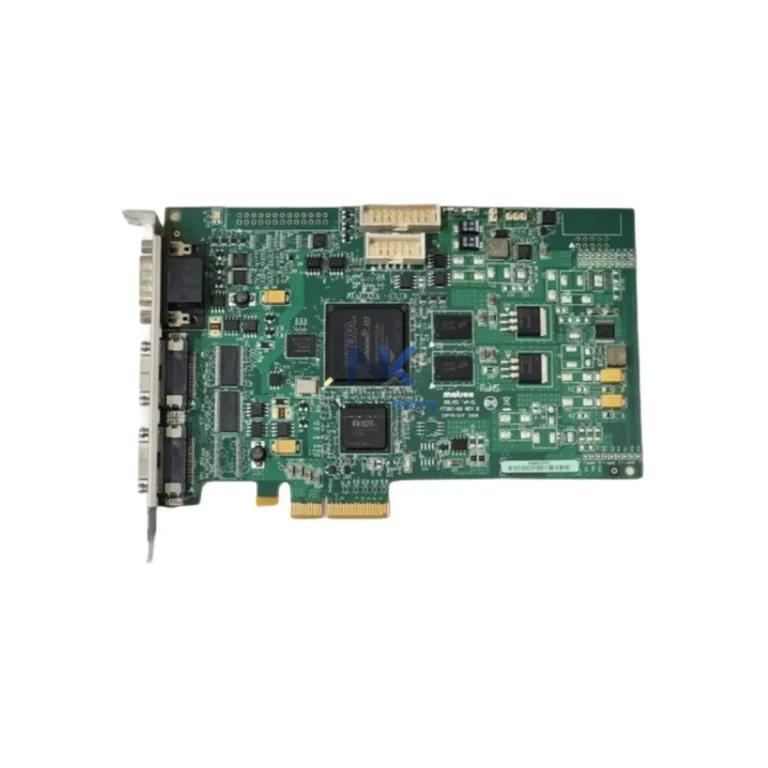
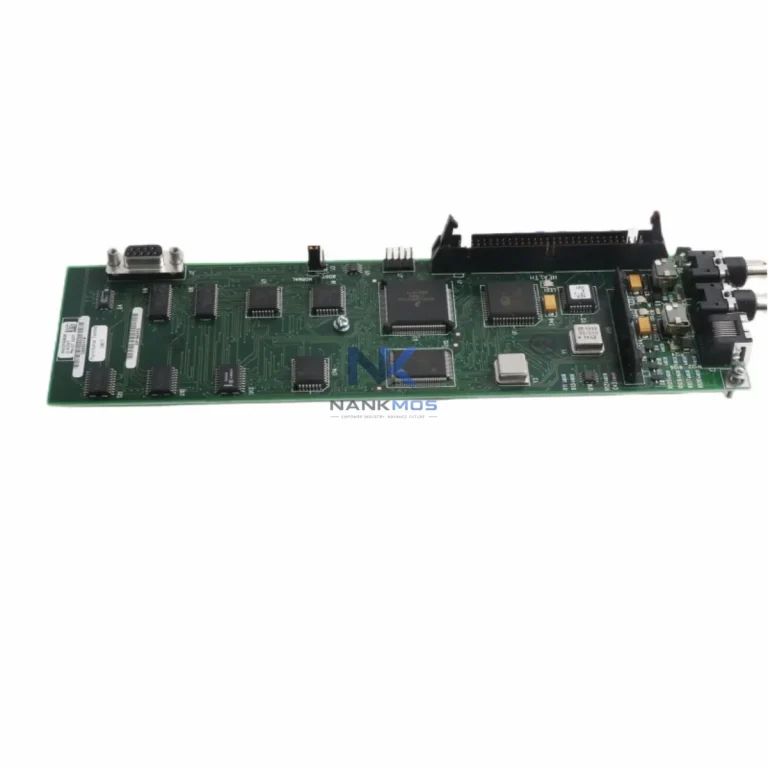
Matrox RADEV5MCLSF is a NANKMOS industrial automation product record Listed under Other series series and Business & Industrial > Automation, Control & Flow Devices. Confirm condition, availability, lead time, compatibility and documentation by email inquiry.
Brand names are used for identification only.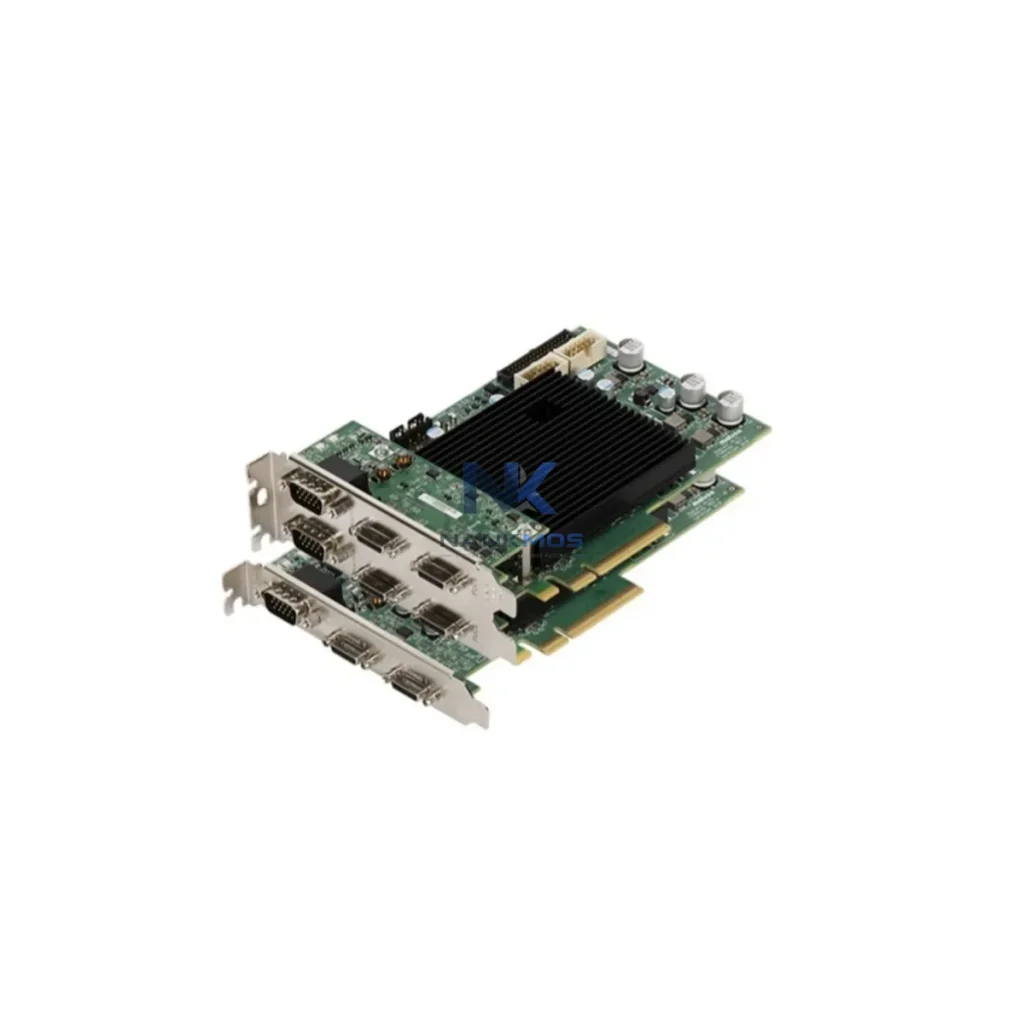
Matrox RADEV5MCLSF is a NANKMOS industrial automation product record Listed under Other series series and Business & Industrial > Automation, Control & Flow Devices. Confirm condition, availability, lead time, compatibility and documentation by email inquiry.
| Manufacturer | Matrox |
|---|---|
| Application | Industrial Automation Maintenance |
| Part Number / Model | RADEV5MCLSF |
| Compatible System | Confirmed by inquiry |
| Condition Options | To Confirm |
| Module Type | Automation, Control & Flow Devices |
| Warranty | 12 Months |
| Packaging | Anti-static Bag / Secure Box |
| Shipping Methods | DHL / FedEx / UPS / Air / Sea |
| Availability | To Confirm |
| Lead Time | To Confirm |
| Documentation | Part number and revision checked before quote |
The Matrox RADEV5MCLSF RadiEnt eV5 Camera Link frame grabber is engineered for high-throughput image acquisition in demanding industrial environments. Built on a PCIe Gen3 x8 interface with an 85 MHz pixel clock, this frame grabber serves as the critical data bridge between Camera Link-compliant line-scan and area-scan cameras and the host processing system — enabling real-time image capture, transfer, and analysis across automated optical inspection (AOI), semiconductor wafer inspection, flat panel display testing, and precision machine vision lines.
In a smart factory data architecture, the RADEV5MCLSF sits at the intersection of field-level sensing and upper-level analytics. Raw pixel data captured by Camera Link cameras flows through the PCIe Gen3 bus at sustained high bandwidth into the host PC or industrial server, where Matrox Imaging Library (MIL) or third-party SCADA/MES platforms process, classify, and route inspection results. This tightly integrated data path eliminates latency bottlenecks that would otherwise compromise throughput on high-speed production lines.
Deploying the Matrox RADEV5MCLSF within a connected factory requires careful consideration of the full data chain — from sensor to decision. At the field level, Camera Link cameras mounted on inspection gantries or conveyor lines capture high-resolution images at line rates that demand the full bandwidth of the Camera Link Full or Extended Full configuration. The RADEV5MCLSF receives this pixel stream and transfers it via PCIe Gen3 DMA directly into host memory, bypassing CPU overhead and ensuring deterministic latency.
Upstream of the frame grabber, the inspection PC or industrial server runs Matrox MIL-based vision algorithms — blob analysis, pattern matching, OCR, or deep learning inference — and outputs pass/fail signals to a Siemens S7-1500 PLC or Allen-Bradley ControlLogix controller via a digital I/O module or OPC-UA server. The PLC then coordinates downstream actuators: reject gates, marking systems, or conveyor speed adjustments. Simultaneously, inspection results are logged to a local historian or forwarded via MQTT or OPC-UA to a Wonderware SCADA or Ignition-based supervisory platform for real-time production dashboards and SPC charting.
For multi-camera or multi-line deployments, the RADEV5MCLSF can be paired with additional Matrox RadiEnt eV5 cards in a multi-slot server chassis, with each card independently managing its own Camera Link channel. An industrial managed switch — such as a Moxa EDS-G516E or Hirschmann MACH 100 — connects the inspection servers to the plant Ethernet backbone, enabling centralized data aggregation at the MES layer. Remote I/O modules from Beckhoff EtherCAT or Phoenix Contact Axioline relay sensor and actuator states to the PLC, while edge gateways running lightweight OPC-UA clients push aggregated KPIs to cloud analytics platforms for predictive maintenance and OEE monitoring.
In semiconductor or flat panel display fabs, where cleanroom protocols restrict physical access, the RADEV5MCLSF's stable PCIe Gen3 link and Matrox MIL's remote diagnostics API allow engineers to adjust camera parameters, trigger modes, and image processing pipelines from a remote engineering workstation — reducing mean time to repair (MTTR) and minimizing production downtime. Integration with a Kepware OPC-UA server further bridges the vision system data into existing DCS or SCADA environments without custom protocol development.
Industrial vision deployments frequently encounter data integration challenges that the RADEV5MCLSF is specifically designed to address. Protocol fragmentation is a common pain point: Camera Link cameras speak a parallel pixel protocol that is fundamentally incompatible with Ethernet-based plant networks. The RADEV5MCLSF resolves this by acting as the protocol boundary — converting the Camera Link parallel stream into PCIe memory-mapped data that host software can then re-encode into OPC-UA, MQTT, or REST payloads for upstream systems.
Data island problems arise when inspection results remain trapped in standalone vision PCs with no path to the MES or ERP. By integrating the RADEV5MCLSF with Matrox MIL's data export APIs and a lightweight OPC-UA server, inspection outcomes — defect type, location, severity, and image reference — can be published to a plant-wide data bus in real time, enabling closed-loop quality control and automated SPC alerts. Alarm traceability is similarly improved: when a defect threshold is breached, the system can trigger a PLC alarm, log the event with a timestamped image to a network-attached storage (NAS) device, and notify the quality engineer via SCADA alarm management — all within the same scan cycle.
For production line transparency, the RADEV5MCLSF supports high-speed continuous acquisition modes that ensure no frame is dropped even at maximum line rates, providing a complete and auditable image record for every inspected part. System scalability is addressed through the PCIe Gen3 x8 interface's headroom: as camera resolution or line speed increases, the available bandwidth accommodates future camera upgrades without requiring a host system replacement.
Q1: What Camera Link configurations does the RADEV5MCLSF support, and does it affect communication latency?The RADEV5MCLSF supports Camera Link Base, Medium, Full, and Extended Full configurations, with pixel clock up to 85 MHz. Latency from camera pixel output to host memory availability is deterministic and governed by PCIe Gen3 DMA transfer time, typically sub-millisecond for standard frame sizes — suitable for real-time inspection feedback loops.
Q2: Is the RADEV5MCLSF compatible with existing SCADA and MES platforms?Yes. While the frame grabber itself interfaces at the PCIe level, Matrox MIL provides SDK hooks for OPC-UA, TCP/IP socket, and shared memory interfaces, enabling integration with Wonderware, Ignition, FactoryTalk, and custom MES platforms. Kepware or similar OPC-UA servers can bridge inspection data to any SCADA environment without custom driver development.
Q3: How is network stability ensured in high-vibration or EMI-intensive factory environments?The Camera Link interface is a shielded, point-to-point parallel connection immune to Ethernet packet collision or TCP retransmission issues. The PCIe Gen3 bus inside the host chassis is equally isolated from plant-floor EMI. For the Ethernet segment connecting the inspection server to the plant network, industrial managed switches with EMI-hardened enclosures and redundant ring topologies (RSTP/MRP) are recommended.
Q4: What does the 12-month warranty cover, and how is pre-shipment testing conducted?Every Matrox RADEV5MCLSF unit supplied by NANKMOS undergoes functional verification prior to shipment, including PCIe enumeration, Camera Link signal integrity check, and DMA transfer validation. The 12-month warranty covers hardware defects under normal operating conditions. Expedited replacement and technical support are available through NANKMOS's after-sales team.
Functional Inspection100% tested on professional platforms to ensure stable performance.
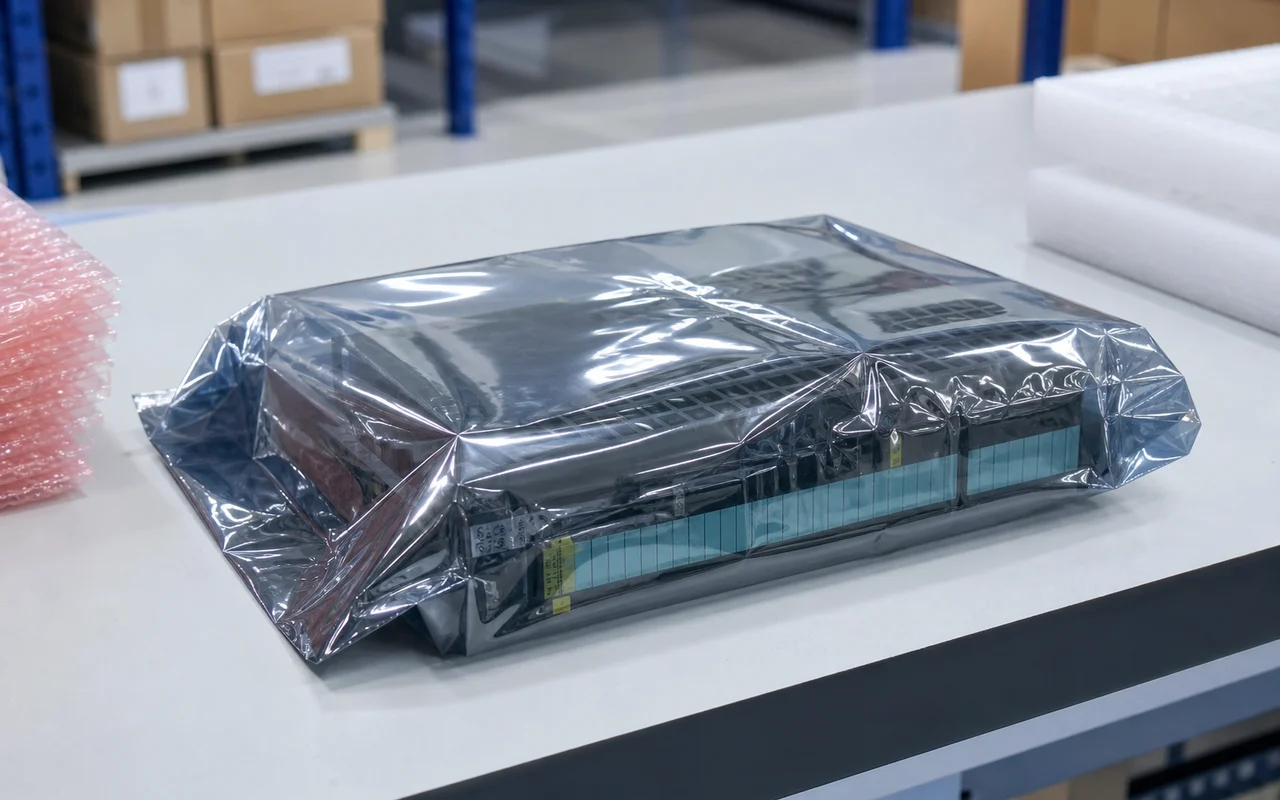 Anti-static Packaging
Modules are packed in anti-static bags to prevent electrostatic damage.
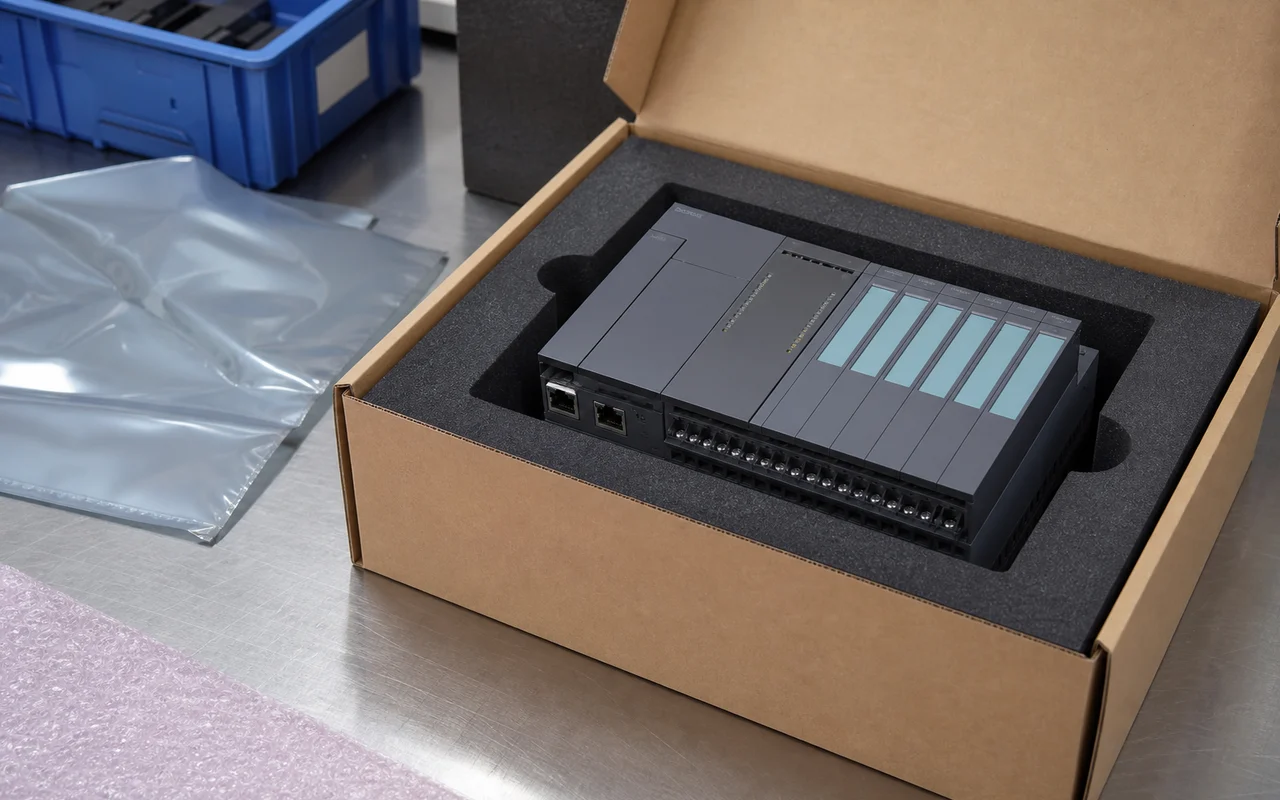 Secure Export Packing
Cushion protection and strong cartons ensure safe transportation.
 Worldwide Shipping
Global logistics network supports air, sea and express delivery.
 Documentation Check
Part number, revision and compatibility verified before shipment.
 After-sales Support
Professional technical support to help resolve your issues.