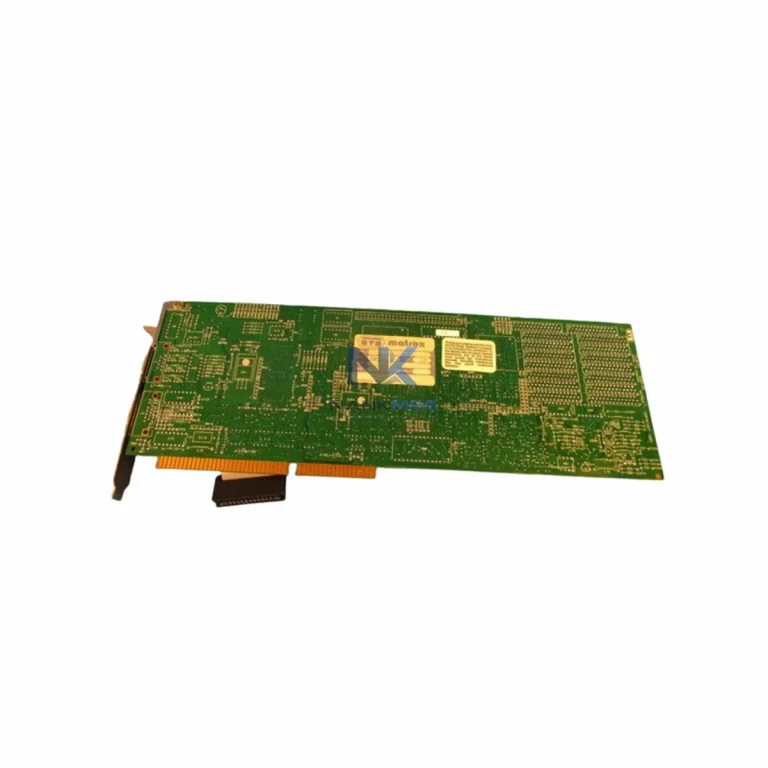
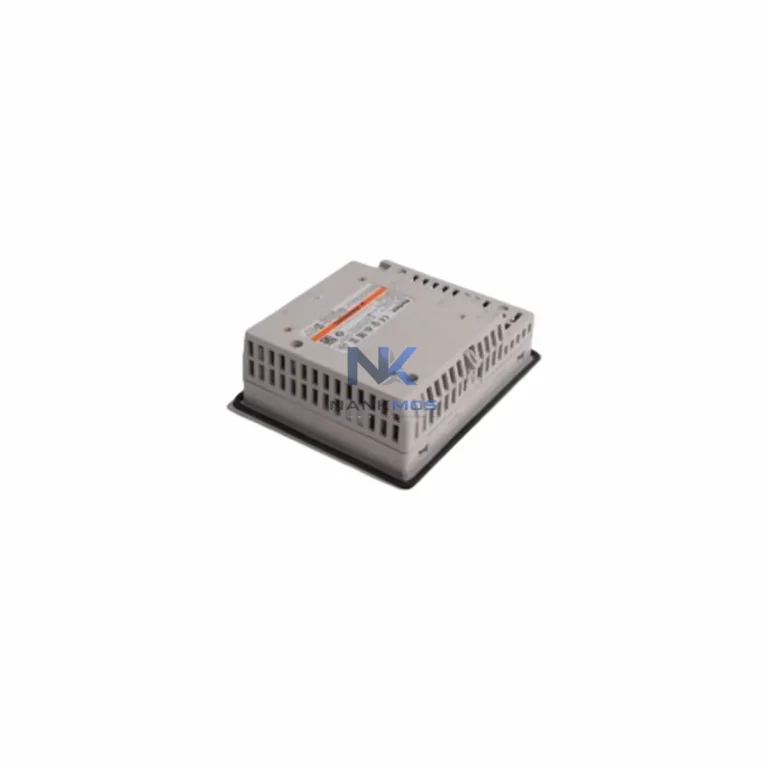
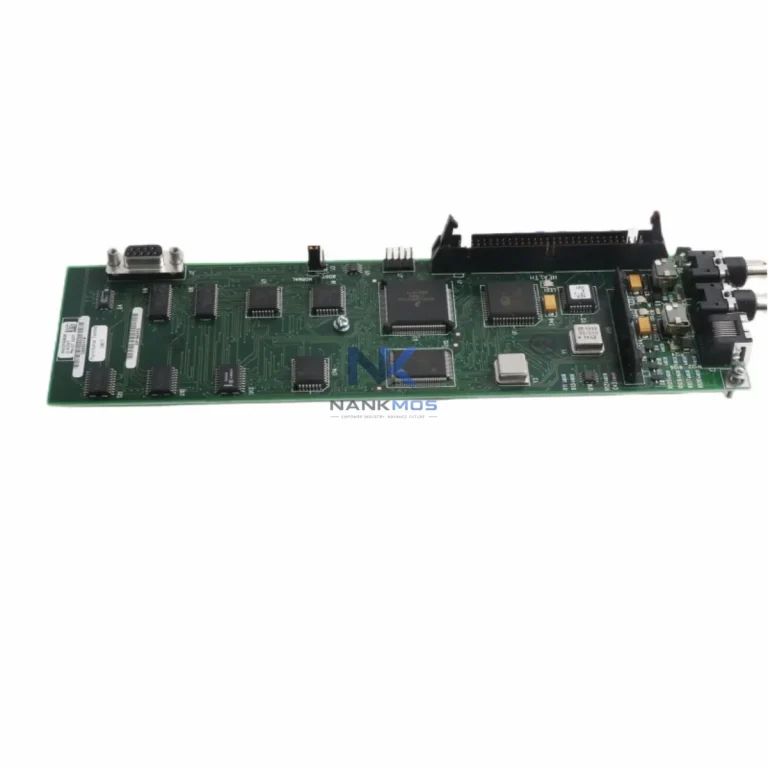
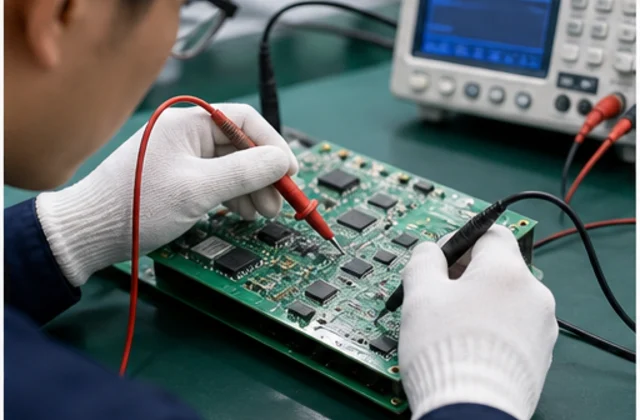
 Functional Inspection
100% tested on professional platforms to ensure stable performance.
Matrox SOL2MEVCLB is a NANKMOS industrial automation product record Listed under Other series series and Business & Industrial > Automation, Control & Flow Devices. Confirm condition, availability, lead time, compatibility and documentation by email inquiry.
Brand names are used for identification only.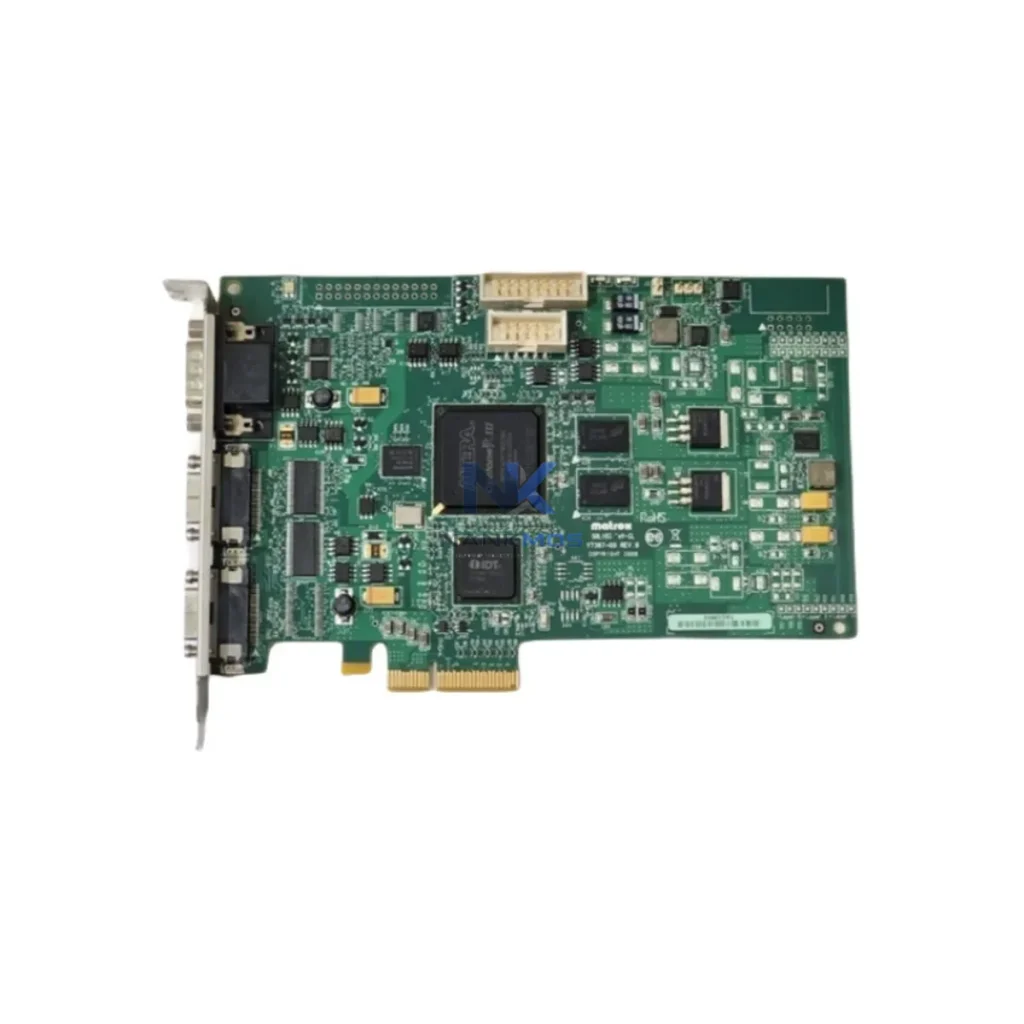
Matrox SOL2MEVCLB is a NANKMOS industrial automation product record Listed under Other series series and Business & Industrial > Automation, Control & Flow Devices. Confirm condition, availability, lead time, compatibility and documentation by email inquiry.
| Manufacturer | Matrox |
|---|---|
| Application | Industrial Automation Maintenance |
| Part Number / Model | SOL2MEVCLB |
| Compatible System | Confirmed by inquiry |
| Condition Options | To Confirm |
| Module Type | Automation, Control & Flow Devices |
| Warranty | 12 Months |
| Packaging | Anti-static Bag / Secure Box |
| Shipping Methods | DHL / FedEx / UPS / Air / Sea |
| Availability | To Confirm |
| Lead Time | To Confirm |
| Documentation | Part number and revision checked before quote |
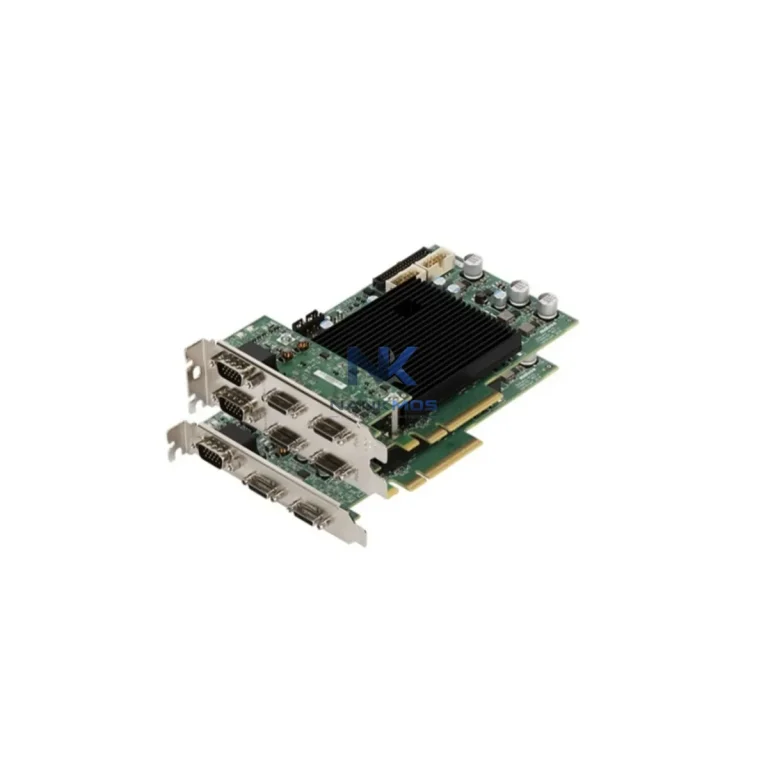
The Matrox SOL2MEVCLB is a dual-channel Camera Link frame grabber engineered for deployment within the Matrox Solios series platform — a purpose-built machine vision architecture designed to meet the rigorous demands of industrial imaging, automated optical inspection (AOI), and real-time process control. As a core acquisition layer component, the SOL2MEVCLB bridges the gap between high-speed camera interfaces and the host control system, enabling deterministic image capture, low-latency data transfer, and seamless integration with upstream and downstream automation layers.
In modern industrial control architectures, the frame grabber is not a peripheral — it is a structural node. The SOL2MEVCLB occupies the vision acquisition layer, receiving synchronized trigger signals from the PLC control layer, passing image data to the processing host, and returning pass/fail decisions to the execution layer. This signal flow must be deterministic, electrically stable, and architecturally consistent across all production cycles. The SOL2MEVCLB is designed to fulfill exactly this role, with dual Camera Link Base/Medium/Full configuration support, hardware-level trigger input, and direct DMA transfer to host memory — eliminating CPU bottlenecks and ensuring frame-accurate acquisition at line speeds.
NANKMOS maintains verified stock of the Matrox SOL2MEVCLB with 12-Month Warranty coverage and pre-shipment functional testing on every unit. Each board is validated against Matrox Solios SDK compatibility before dispatch, ensuring that your integration timeline is not compromised by field-level compatibility issues.
The SOL2MEVCLB achieves its full architectural value when deployed as part of a coordinated automation platform rather than as a standalone acquisition card. In a typical Solios-based machine vision cell, the frame grabber operates in concert with multiple system layers:
At the control layer, a Siemens S7-1500 PLC or Allen-Bradley ControlLogix controller issues hardware trigger pulses via digital output modules — such as the Siemens ET 200SP DI/DO modules or Rockwell 1756-OB16I — synchronized to encoder feedback or conveyor position signals. These triggers arrive at the SOL2MEVCLB's opto-isolated TTL input, initiating frame acquisition with sub-millisecond jitter. The Matrox SOL2MEVCLB's hardware trigger architecture ensures that acquisition timing is decoupled from host OS scheduling, a critical requirement in high-speed inspection lines running at 600+ parts per minute.
At the I/O and communication layer, the frame grabber's Camera Link serial channel supports GenCP-compliant camera configuration, allowing the host application — running Matrox MIL or a third-party vision runtime — to dynamically adjust exposure, gain, and ROI parameters without interrupting the acquisition pipeline. In multi-camera deployments, the Matrox Radient eV-CXP or Matrox Solios eA companion cards can be integrated into the same PCIe chassis to extend acquisition capacity across additional camera channels, maintaining a unified SDK environment and shared trigger domain.
At the processing and HMI layer, image data transferred via DMA is processed by the host CPU or GPU, with results passed to a Siemens TP1200 Comfort HMI panel or a SCADA system via OPC-UA or Modbus TCP. The Matrox Design Assistant software can be used to build no-code inspection flows that interface directly with the SOL2MEVCLB acquisition pipeline, reducing engineering time for standard inspection tasks such as barcode reading, dimensional gauging, and surface defect detection.
At the power and protection layer, the PCIe slot power delivery must be supported by a stable industrial PC power supply — Phoenix Contact QUINT POWER or Siemens SITOP PSU8200 units are commonly specified in control cabinet builds where the vision PC is rack-mounted alongside the PLC. Proper grounding of the Camera Link cable shield and the frame grabber bracket is essential to suppress EMI in environments with variable-frequency drives (VFDs) or servo amplifiers operating in proximity.
At the network and redundancy layer, the host PC running the SOL2MEVCLB can be connected to the plant network via an industrial managed switch — such as the Hirschmann MACH 1040 or Cisco IE-4000 — enabling remote diagnostics, recipe management, and alarm forwarding to the MES or SCADA layer. In high-availability lines, a secondary vision PC with a standby SOL2MEVCLB can be configured for hot-standby failover, with shared NAS storage for image archiving and audit trail compliance.
Automotive Body-in-White (BIW) Inspection: In automotive stamping and welding lines, the SOL2MEVCLB is deployed in robotic vision cells where Camera Link area-scan cameras inspect weld bead geometry, hole presence, and surface finish at cycle times under 500 ms. The hardware trigger synchronizes acquisition to robot position feedback from the KUKA or Fanuc controller, ensuring that images are captured at the precise moment the part is stationary. Results are passed to the line PLC via Profinet or EtherNet/IP, triggering reject gates or rework routing without operator intervention.
Pharmaceutical Packaging Inspection: In blister pack and label inspection systems, the SOL2MEVCLB supports high-resolution line-scan or area-scan cameras operating at web speeds up to 300 m/min. The frame grabber's dual-channel architecture allows simultaneous top and bottom surface inspection, with the Matrox MIL blob analysis and OCR tools verifying lot codes, expiry dates, and fill levels against GMP compliance requirements. Integration with Siemens S7-300 or Omron NJ-series PLCs via digital I/O ensures that non-conforming packs are rejected before downstream packaging.
Electronics PCB AOI: In surface-mount technology (SMT) lines, the SOL2MEVCLB drives high-magnification cameras for solder joint inspection, component presence verification, and polarity checking. The Camera Link Full configuration supports sensors with resolutions up to 29 MP, enabling sub-pixel measurement accuracy for fine-pitch BGA and QFN components. The frame grabber's low-latency DMA transfer ensures that inspection throughput matches the SMT line's board-per-hour rate without creating a bottleneck at the vision station.
Power Generation and Utilities: In turbine blade inspection and transformer winding verification applications, the SOL2MEVCLB is integrated into portable or semi-fixed vision systems where ruggedized Camera Link cameras capture high-resolution images of critical components. The 12-Month Warranty and NANKMOS pre-shipment testing protocol are particularly valued in utility applications where unplanned downtime carries significant operational and regulatory consequences.
Q1: Is the Matrox SOL2MEVCLB compatible with all Camera Link camera configurations, and can it be used with both Base and Full mode cameras in the same system? The SOL2MEVCLB supports Camera Link Base, Medium, and Full configurations on each of its two channels independently. This means you can connect a Base-mode camera on Channel 1 and a Full-mode camera on Channel 2 simultaneously, provided the aggregate bandwidth does not exceed the PCIe lane allocation. The Matrox Solios SDK handles channel configuration transparently, and the Matrox Camera Link Configuration Utility allows per-channel parameter adjustment without requiring custom driver development. For systems requiring more than two Camera Link channels, the SOL2MEVCLB can be paired with additional Solios series cards in the same host, sharing a unified MIL application environment.
Q2: How does the SOL2MEVCLB integrate with PLC-based trigger architectures, and what is the recommended wiring practice for high-EMI environments? The SOL2MEVCLB provides an opto-isolated TTL trigger input via the Camera Link connector's serial/trigger lines, compatible with 5V and 3.3V PLC digital output modules. In high-EMI environments — such as those with nearby servo drives, VFDs, or induction heating equipment — it is recommended to use shielded Camera Link cables with drain wire terminated at the frame grabber bracket (single-point ground), and to route Camera Link cables away from power cables with a minimum separation of 200 mm. For trigger signal integrity over distances greater than 5 m, an opto-isolated signal repeater or a dedicated trigger distribution module should be inserted between the PLC output and the frame grabber input to prevent ground loop interference.
Q3: What does NANKMOS's 12-Month Warranty cover for the SOL2MEVCLB, and what is the supply and lead time situation for this model? NANKMOS's 12-Month Warranty on the SOL2MEVCLB covers hardware defects, functional failures under normal operating conditions, and SDK compatibility with the Matrox Solios software suite current at the time of shipment. Each unit undergoes pre-shipment functional testing including DMA transfer verification, trigger input response, and Camera Link signal integrity checks before dispatch. NANKMOS maintains bonded stock of the SOL2MEVCLB to support urgent project timelines, with standard lead times of 3–7 business days for international shipments. For volume procurement or long-term project supply agreements, contact NANKMOS directly to discuss allocation and pricing.
Functional Inspection100% tested on professional platforms to ensure stable performance.
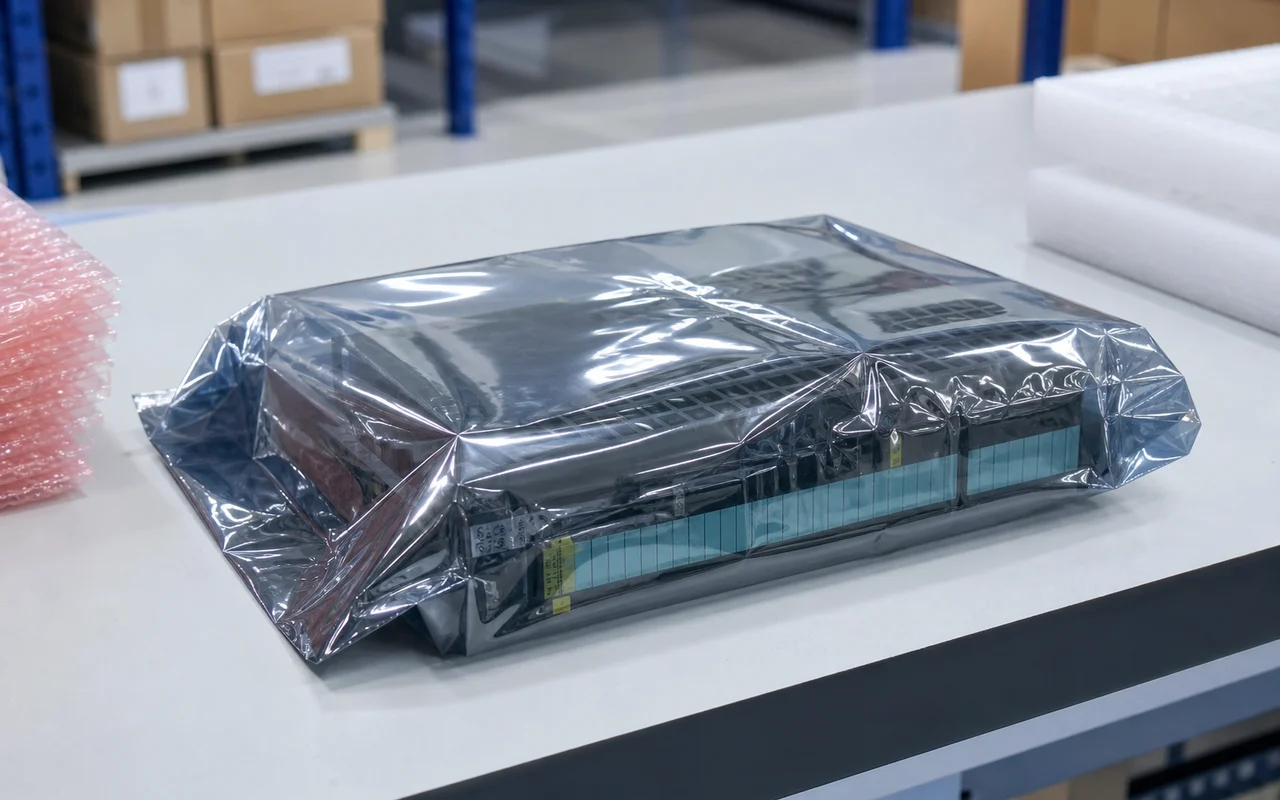 Anti-static Packaging
Modules are packed in anti-static bags to prevent electrostatic damage.
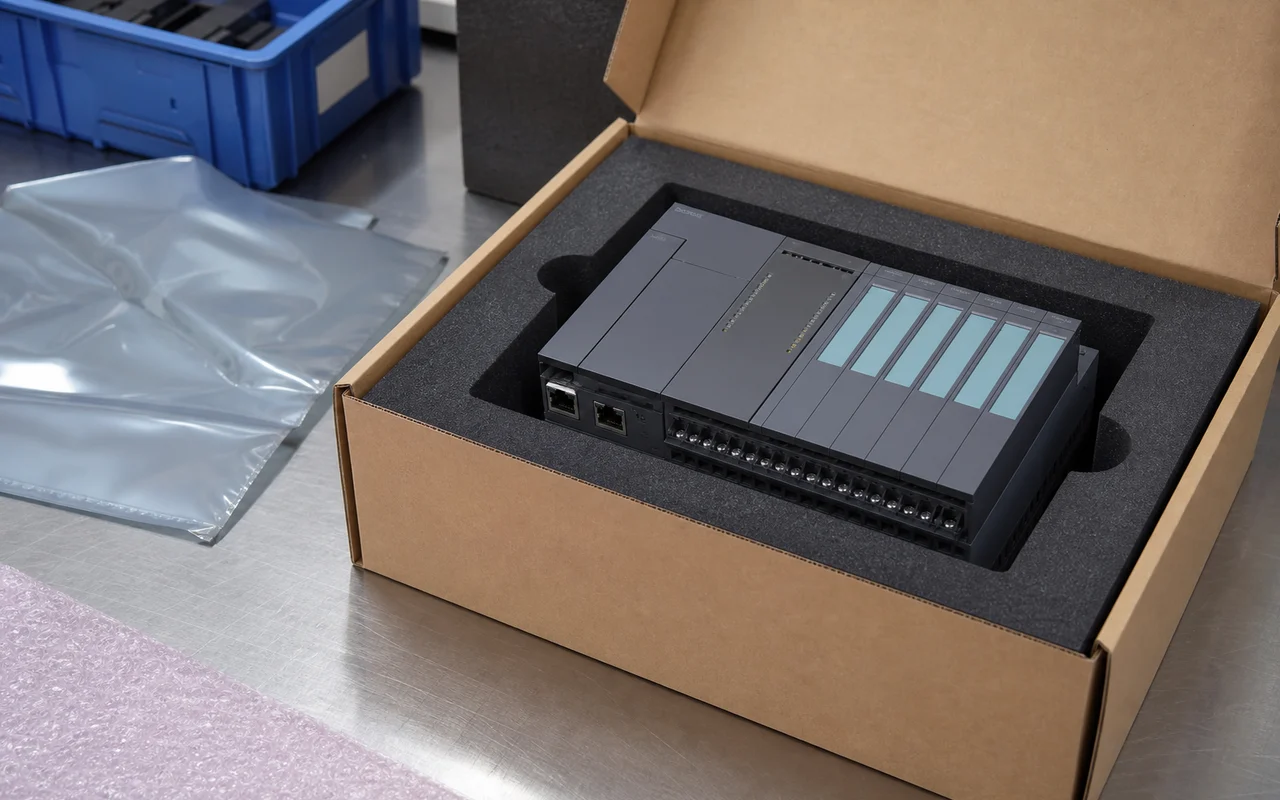 Secure Export Packing
Cushion protection and strong cartons ensure safe transportation.
 Worldwide Shipping
Global logistics network supports air, sea and express delivery.
 Documentation Check
Part number, revision and compatibility verified before shipment.
 After-sales Support
Professional technical support to help resolve your issues.