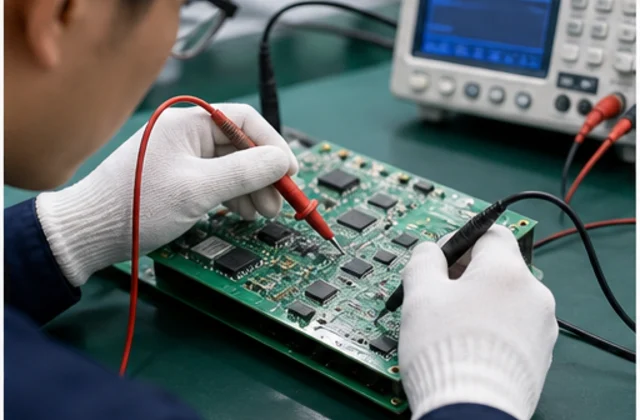
 Functional Inspection
100% tested on professional platforms to ensure stable performance.
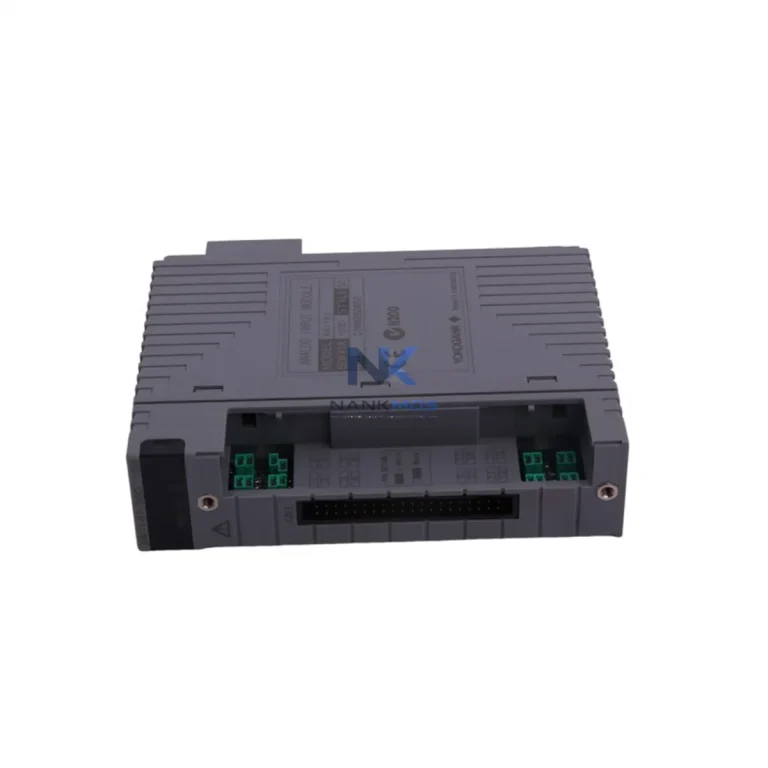
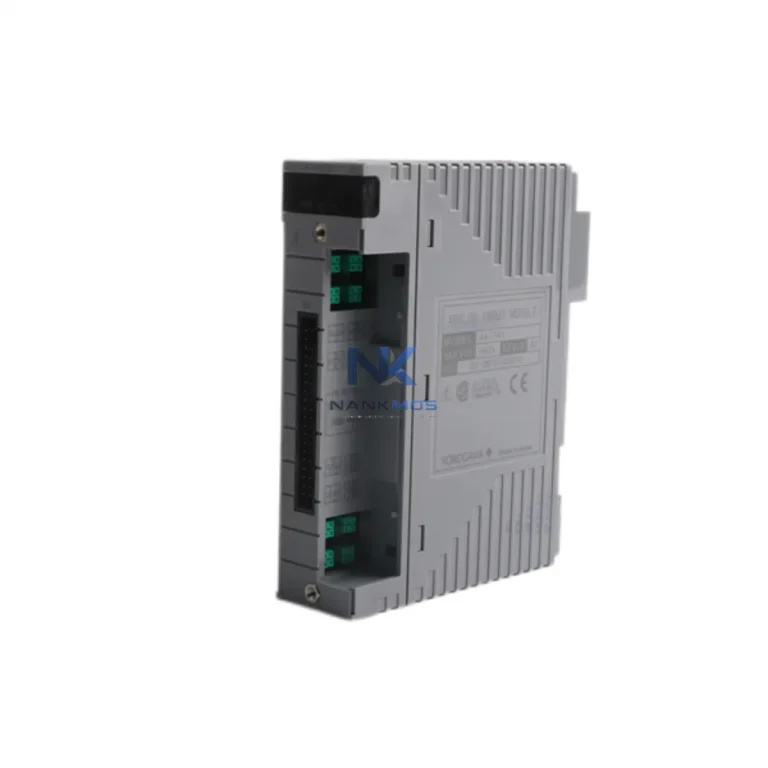
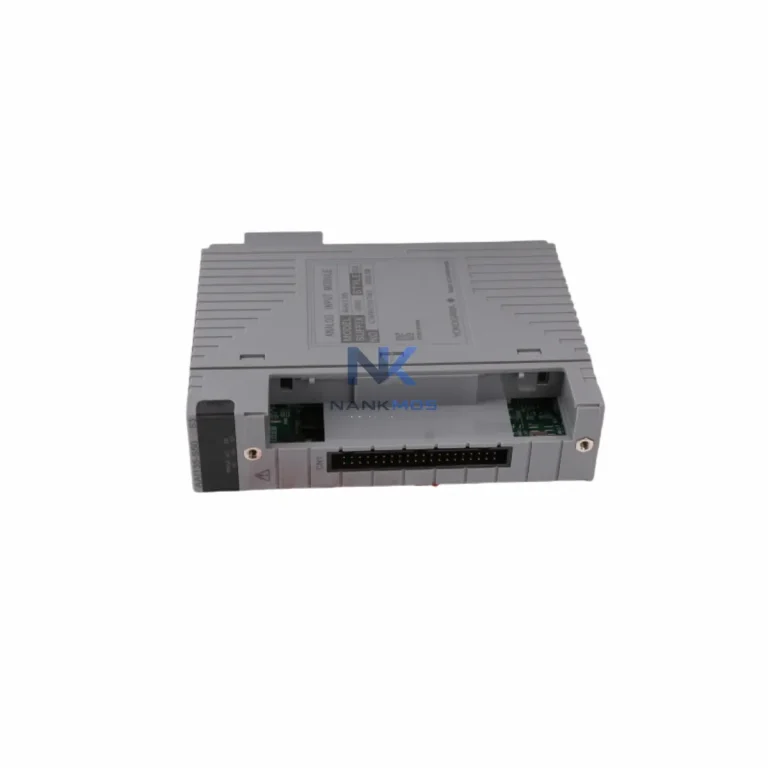
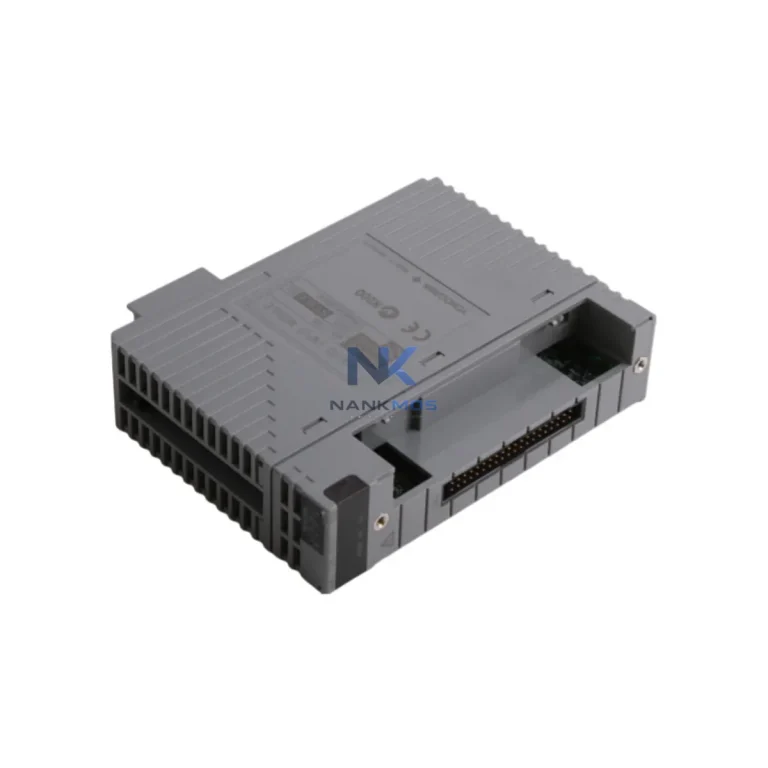
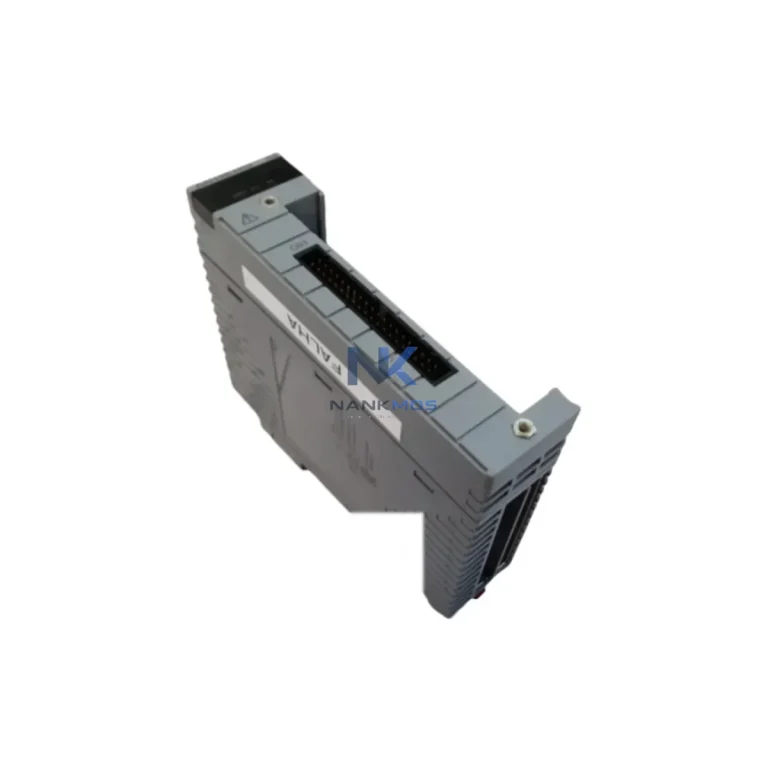
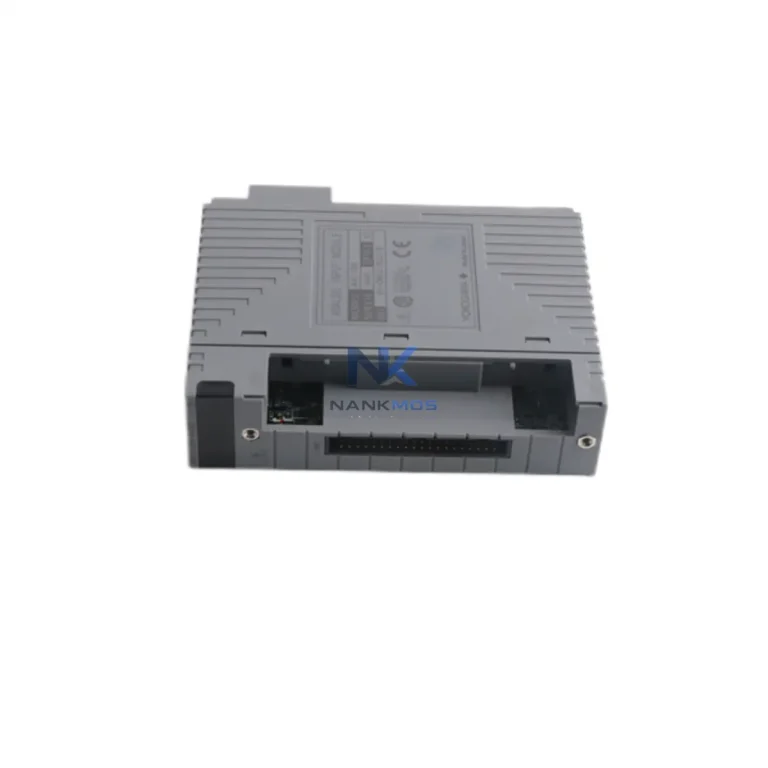
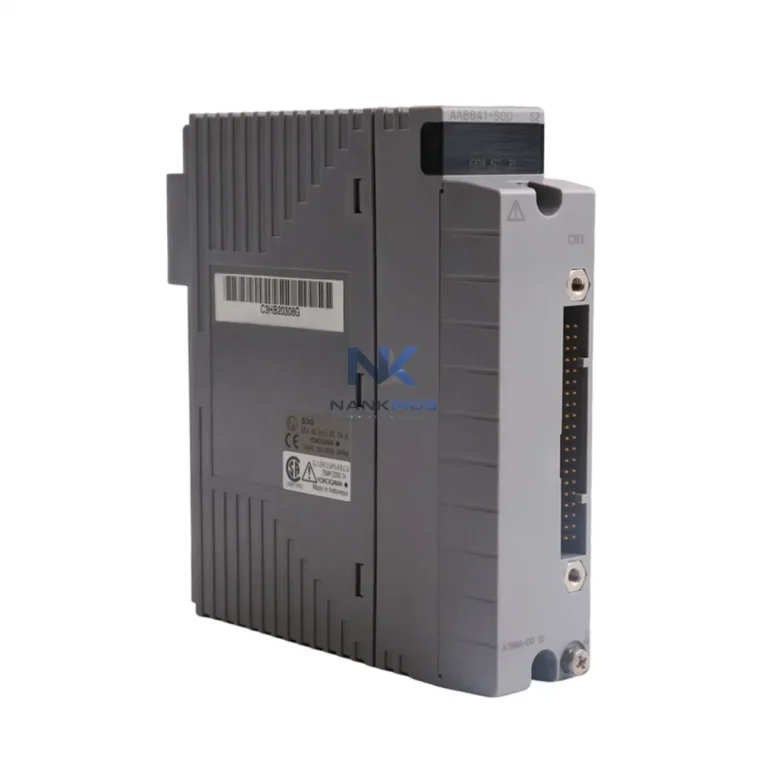
Yokogawa AAI543-H53 is a NANKMOS industrial automation product record Listed under CENTUM VP series and Business & Industrial > Automation, Control & Flow Devices > Programmable Logic Controllers. Confirm condition, availability, lead time, compatibility and documentation by email inquiry.
Brand names are used for identification only.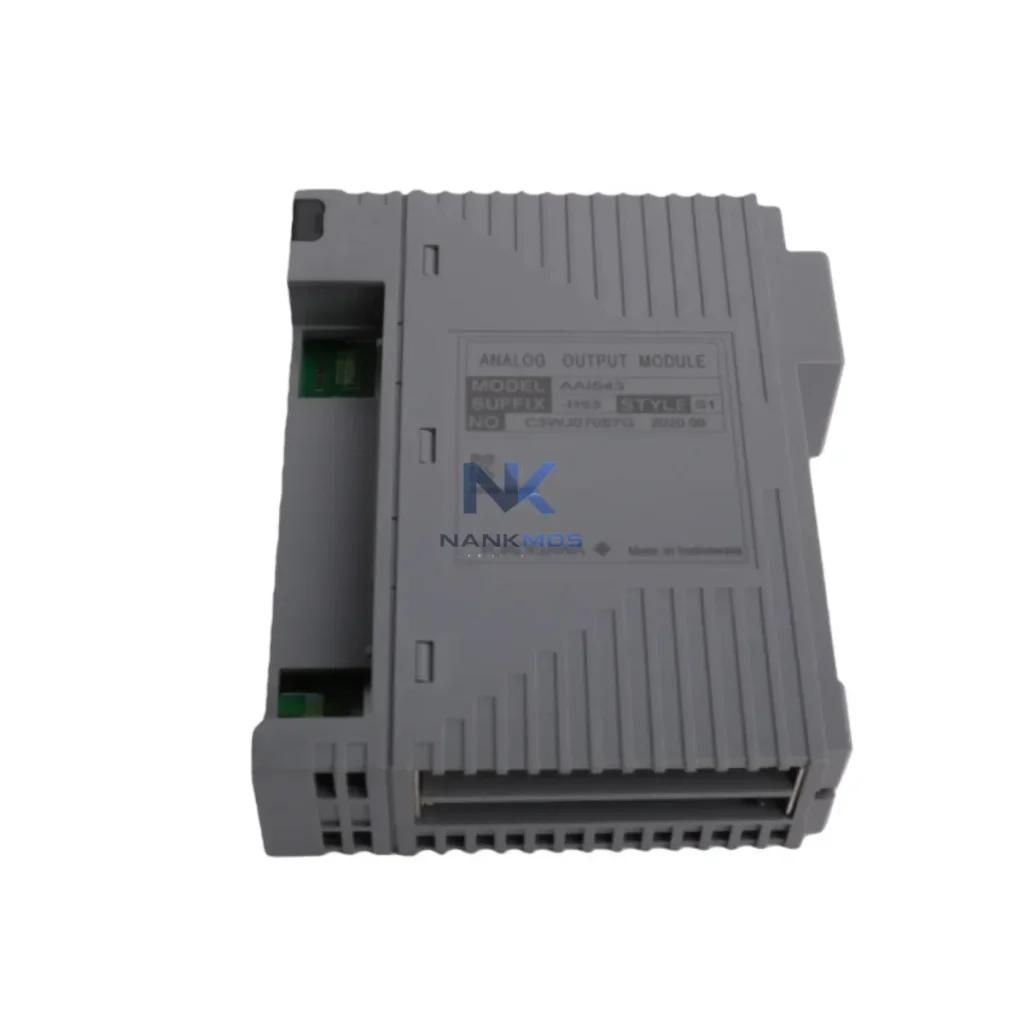
Yokogawa AAI543-H53 is a NANKMOS industrial automation product record Listed under CENTUM VP series and Business & Industrial > Automation, Control & Flow Devices > Programmable Logic Controllers. Confirm condition, availability, lead time, compatibility and documentation by email inquiry.
| Manufacturer | Yokogawa |
|---|---|
| Application | Controller Processing & System Control |
| Part Number / Model | AAI543-H53 |
| Compatible System | CENTUM VP |
| Series | CENTUM VP |
| Condition Options | To Confirm |
| Module Type | Controller / CPU Module |
| Warranty | 12 Months |
| Packaging | Anti-static Bag / Secure Box |
| Shipping Methods | DHL / FedEx / UPS / Air / Sea |
| Availability | To Confirm |
| Lead Time | To Confirm |
| Documentation | Part number and revision checked before quote |
The Yokogawa AAI543-H53 is a high-precision analog output module engineered for deployment within the CENTUM VP and CENTUM CS 3000 Distributed Control Systems (DCS). Designed to meet the rigorous demands of modern industrial energy management, this module delivers stable, low-drift 4–20 mA analog output signals that serve as the backbone of intelligent load control, motor regulation, and production line optimization strategies across process-intensive industries including petrochemical, power generation, pharmaceutical manufacturing, and advanced discrete automation.
In today's energy-conscious manufacturing environment, every signal matters. The AAI543-H53 plays a critical role in translating digital control commands from the DCS controller into precise analog setpoints that govern field devices — from variable frequency drives (VFDs) and servo amplifiers to control valves, positioners, and motor starters. By ensuring signal accuracy and minimizing output deviation, this module directly reduces unnecessary actuator hunting, eliminates over-drive conditions, and contributes to measurable reductions in energy waste across the production floor.
The AAI543-H53 does not operate in isolation — it is a precision instrument within a tightly integrated automation ecosystem. In a typical energy-optimized production line, the module receives setpoint commands from the Yokogawa CENTUM VP DCS controller (AFV10D) and translates them into analog output signals that directly regulate downstream field devices. These outputs are routed to Yaskawa A1000 series variable frequency drives or Mitsubishi FR-A800 VFDs, which modulate motor speed in real time based on actual load demand — eliminating the energy penalty of fixed-speed motor operation.
For servo-driven axes on precision assembly lines, the AAI543-H53 output can interface with Yokogawa UR series servo amplifiers or compatible third-party servo drives, providing smooth analog velocity or torque references that reduce mechanical stress and thermal accumulation in drive systems. This is particularly valuable in applications where frequent start-stop cycles would otherwise generate significant reactive power losses.
On the monitoring side, the module works in concert with Yokogawa WT series power analyzers and CENTUM VP's integrated power monitoring function blocks to create a closed-loop energy feedback architecture. Real-time power consumption data from field instruments — including Yokogawa EJA series differential pressure transmitters and ADMAG AXF series electromagnetic flow meters — is fed back into the DCS, where control algorithms adjust the AAI543-H53 output channels to maintain optimal operating points and avoid energy-intensive transient states.
Communication between the DCS and higher-level energy management systems (EMS) or SCADA platforms is handled through the Yokogawa Exaopc OPC server and standard industrial protocols including HART, FOUNDATION Fieldbus, and Modbus TCP. This allows the AAI543-H53's output behavior to be supervised, logged, and optimized from plant-level MES or SCADA dashboards, enabling energy KPI tracking at the individual loop level. Integration with Yokogawa STARDOM FCN/FCJ remote controllers further extends the module's reach into distributed field nodes where local intelligence is required for load shedding and demand response.
On the I/O infrastructure side, the AAI543-H53 is mounted within the Yokogawa Nest Unit (ANB10S) and communicates over the high-speed ESB bus, ensuring deterministic signal delivery with minimal latency — a critical requirement for tight production rhythm control. HMI visualization of output channel status, loop health, and energy consumption trends is provided through Yokogawa FAST/TOOLS SCADA or the integrated CENTUM VP HIS (Human Interface Station), giving operators full visibility into energy flow across the production line.
Industrial facilities face mounting pressure to reduce energy costs, meet carbon reduction targets, and maintain production throughput simultaneously. The Yokogawa AAI543-H53 addresses this challenge at the signal level — where energy optimization begins. By delivering precise, stable analog output to every controlled actuator, the module eliminates the micro-inefficiencies that accumulate into significant energy waste over continuous production cycles.
Reducing Unnecessary Energy Consumption: Imprecise analog output signals cause actuators — particularly control valves and VFD-driven motors — to hunt around their setpoints, consuming excess energy in the process. The AAI543-H53's ±0.1% output accuracy ensures that field devices operate at their intended setpoints without oscillation, directly reducing the reactive power draw and heat generation associated with unstable control loops.
Thermal Load Reduction: Excessive actuator movement generates heat in both the drive electronics and the mechanical components they control. By stabilizing output signals and reducing unnecessary actuator travel, the AAI543-H53 lowers the thermal load on VFDs, servo drives, and motor windings — extending equipment service life and reducing the energy consumed by cooling systems (HVAC, cabinet fans, heat exchangers) that would otherwise compensate for excess heat generation.
Production Rhythm Stabilization: In high-throughput manufacturing environments, inconsistent control signals disrupt production rhythm, causing bottlenecks, quality deviations, and unplanned micro-stoppages. The AAI543-H53 provides the signal consistency required to maintain stable production cadence, ensuring that each stage of the production line operates at its designed throughput rate without energy-wasting acceleration and deceleration cycles.
Predictive Maintenance Enablement: The module's integration with CENTUM VP's diagnostic functions allows continuous monitoring of output channel health, loop integrity, and signal deviation trends. Anomalies that indicate developing field device issues — such as valve stiction, motor bearing wear, or drive degradation — can be detected early, enabling planned maintenance interventions that prevent energy-intensive emergency shutdowns and uncontrolled production losses.
Inventory Assurance and Outgoing Quality Testing: Every AAI543-H53 unit supplied by NANKMOS is drawn from verified inventory and subjected to a comprehensive outgoing quality test protocol before shipment. This includes functional verification of all 16 output channels, accuracy calibration confirmation, and communication interface validation — ensuring that the module performs to specification from the moment it is installed, with no commissioning surprises that could delay production startup and waste energy during extended testing phases.
Q1: What energy-saving benefits does the Yokogawa AAI543-H53 deliver in a DCS-controlled production environment? The AAI543-H53 contributes to energy savings by providing high-accuracy analog output signals that eliminate actuator hunting and over-drive conditions. In motor control applications via VFDs, precise setpoint delivery ensures motors operate at optimal speed for actual load demand rather than running at fixed speed, which can reduce motor energy consumption by 20–50% depending on the load profile. Stable control loops also reduce thermal losses in drive electronics and mechanical systems.
Q2: Is the AAI543-H53 compatible with both CENTUM VP and CENTUM CS 3000 systems? Yes. The AAI543-H53 is designed for use within both the Yokogawa CENTUM VP and CENTUM CS 3000 DCS platforms. It mounts in the standard Nest Unit and communicates over the ESB bus, making it compatible with existing CS 3000 installations as well as new CENTUM VP deployments. For migration projects from CS 3000 to CENTUM VP, the module can often be reused without hardware replacement, reducing upgrade costs and minimizing production downtime.
Q3: Can the AAI543-H53 replace an existing analog output module, and what is the testing process before shipment? The AAI543-H53 is a direct replacement for compatible Yokogawa analog output modules within the CENTUM VP/CS 3000 I/O family. Before shipment, every unit undergoes NANKMOS's standard outgoing quality test, which includes full 16-channel functional verification, output accuracy calibration check, and communication interface validation. This ensures plug-and-play replacement with no additional on-site calibration required in most applications.
Q4: What warranty and supply support does NANKMOS provide for the AAI543-H53? All AAI543-H53 modules supplied by NANKMOS are covered by a 12-month warranty against manufacturing defects and functional failures under normal operating conditions. NANKMOS maintains verified inventory of this module to support urgent replacement requirements, minimizing production downtime. For supply inquiries, technical support, or warranty claims, contact us at [email protected] or +86 18359268345.
Functional Inspection100% tested on professional platforms to ensure stable performance.
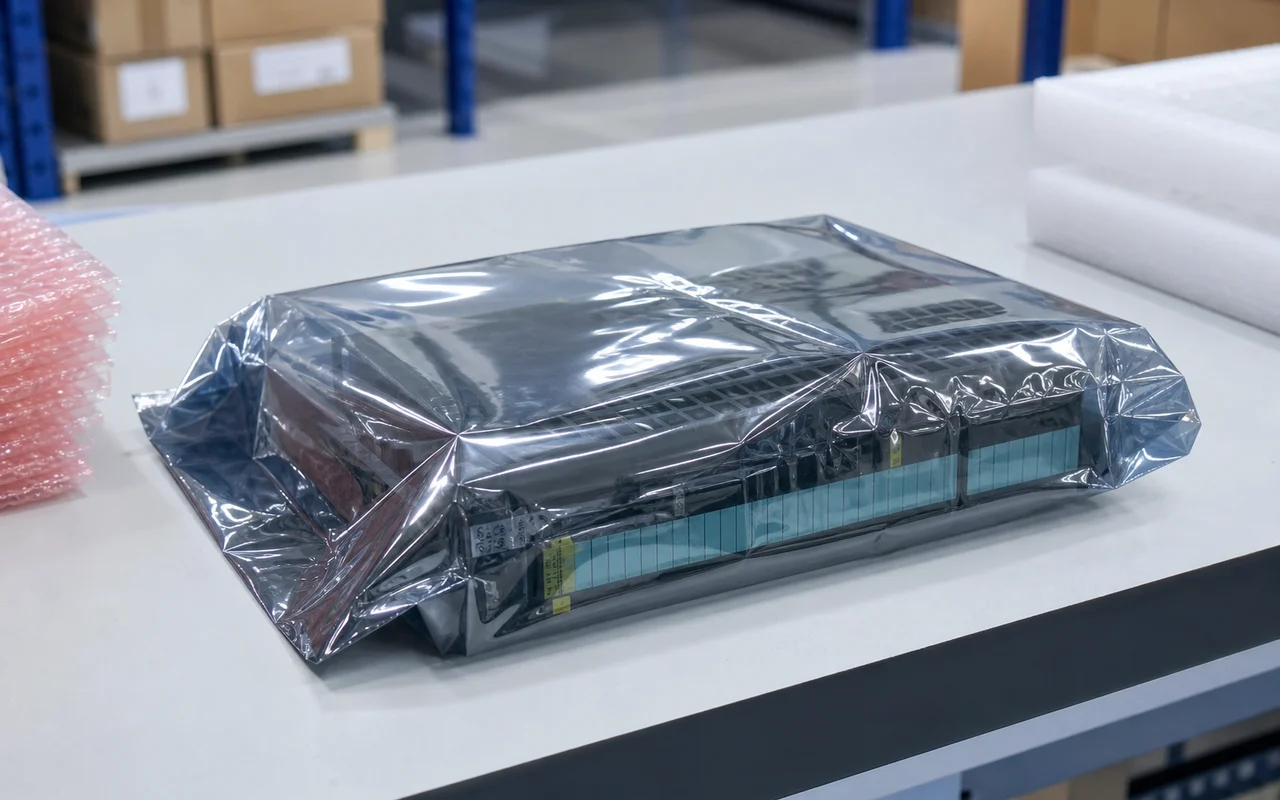 Anti-static Packaging
Modules are packed in anti-static bags to prevent electrostatic damage.
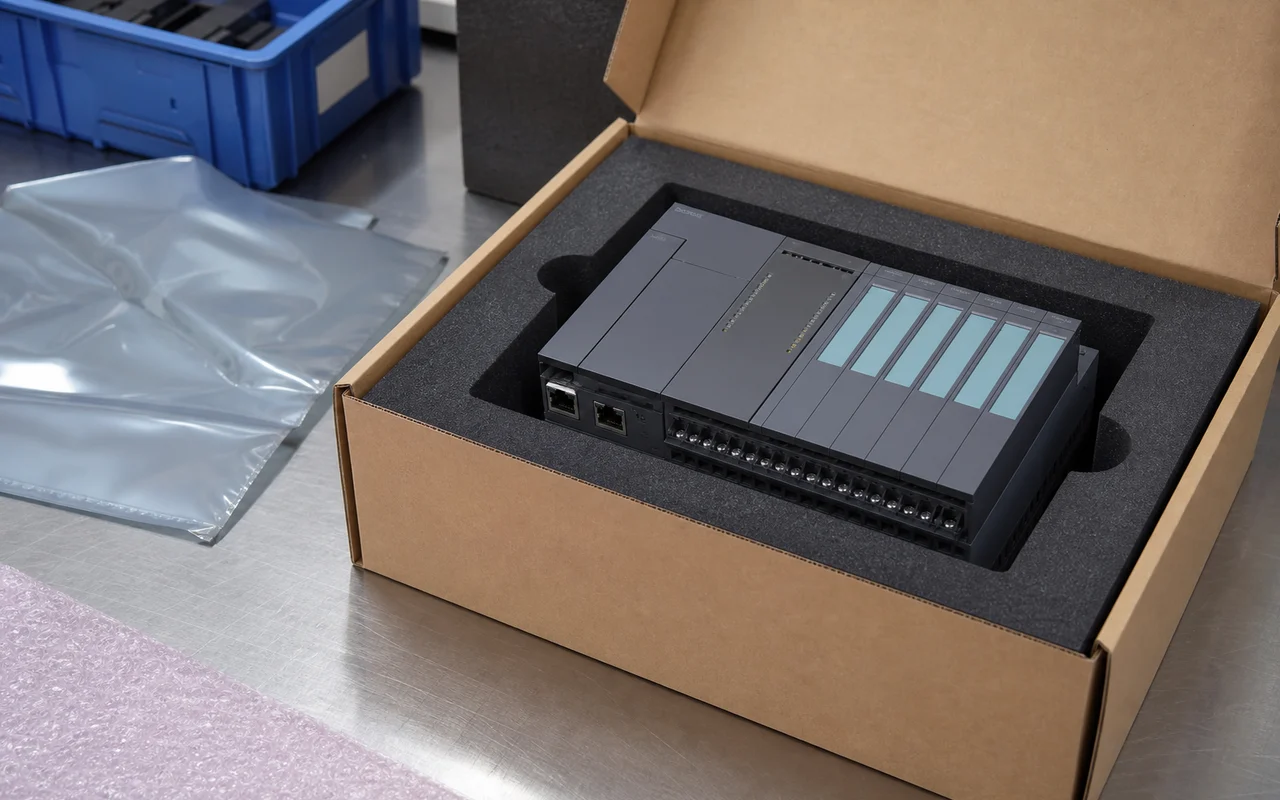 Secure Export Packing
Cushion protection and strong cartons ensure safe transportation.
 Worldwide Shipping
Global logistics network supports air, sea and express delivery.
 Documentation Check
Part number, revision and compatibility verified before shipment.
 After-sales Support
Professional technical support to help resolve your issues.