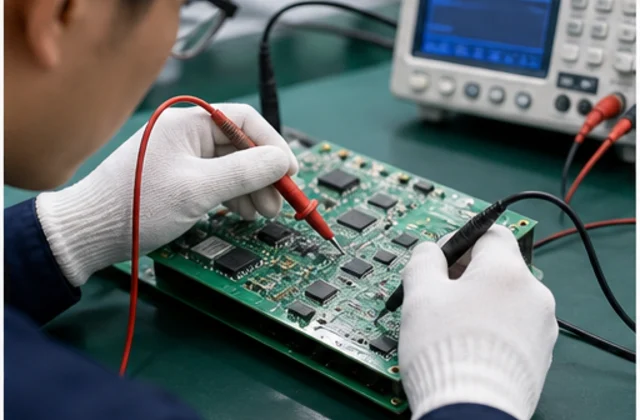
 Functional Inspection
100% tested on professional platforms to ensure stable performance.
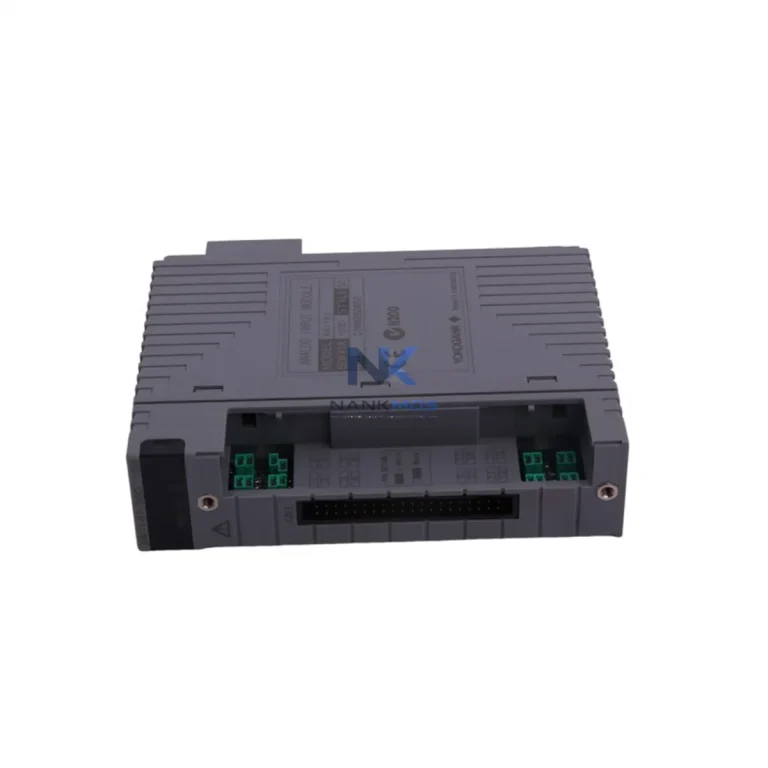
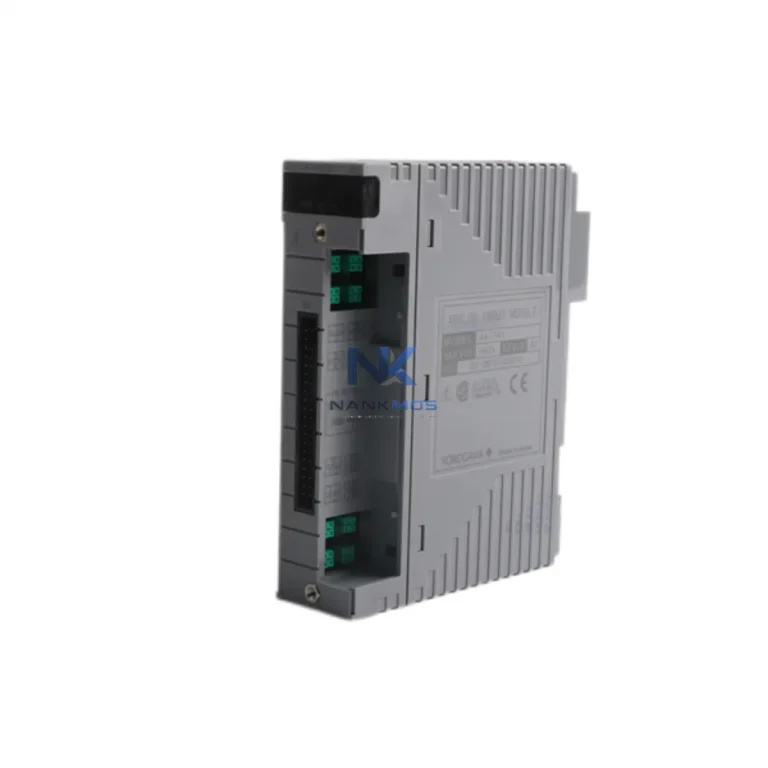
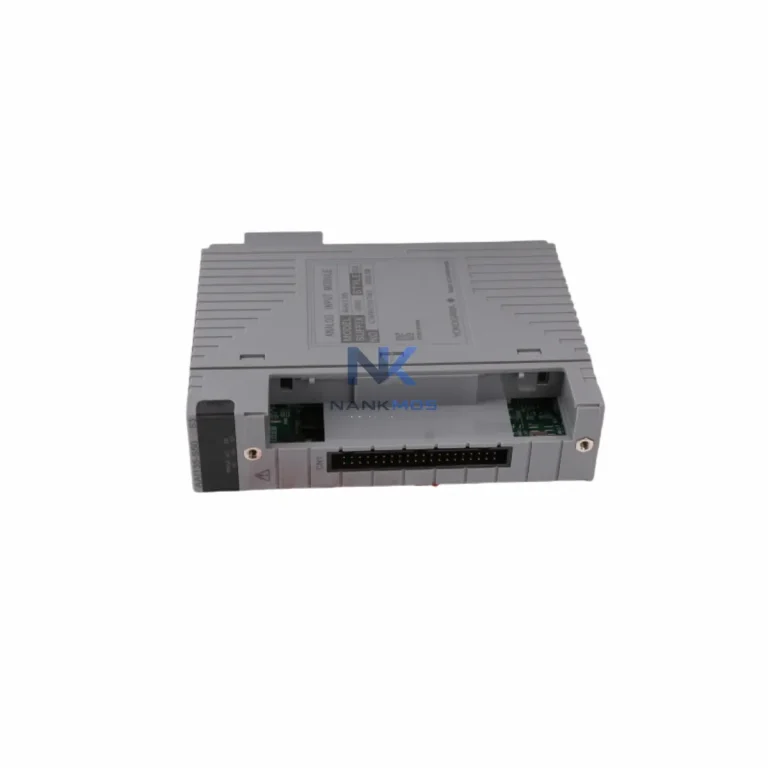
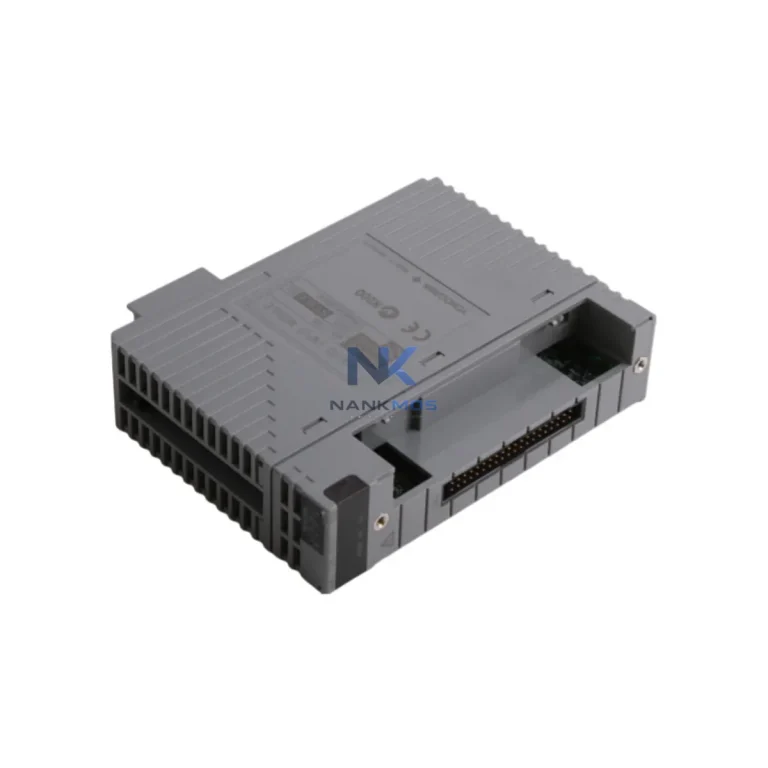
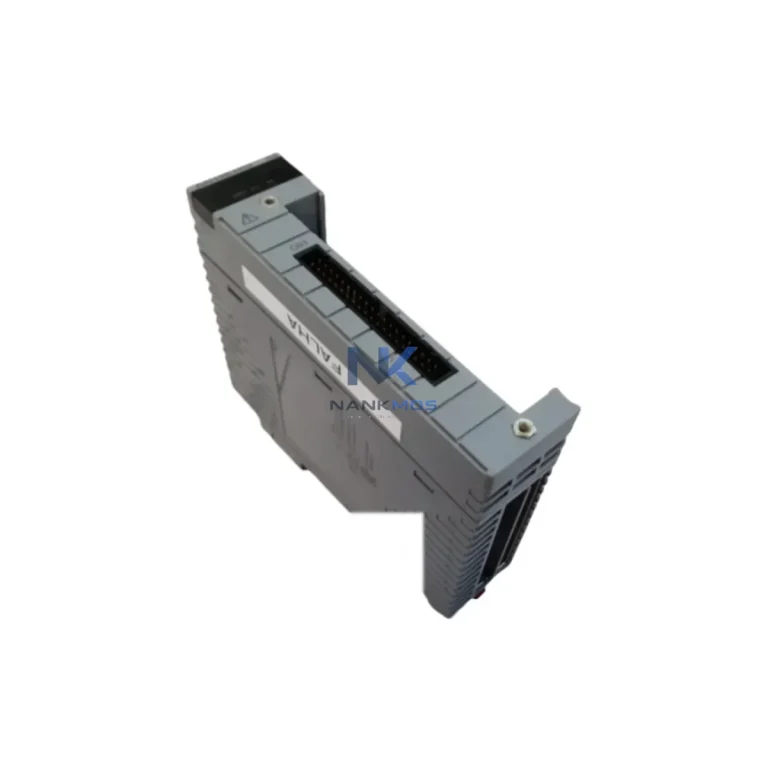
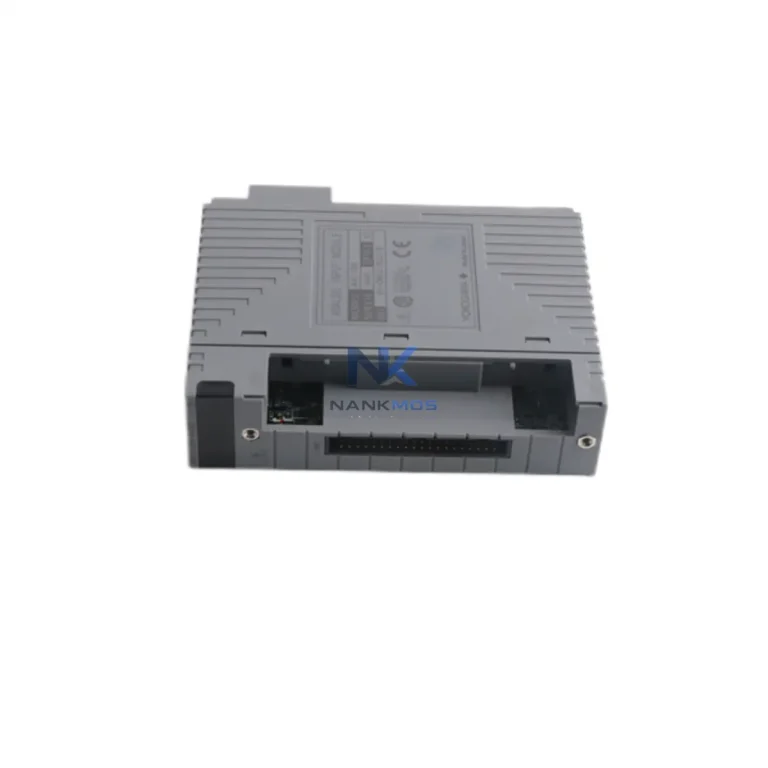
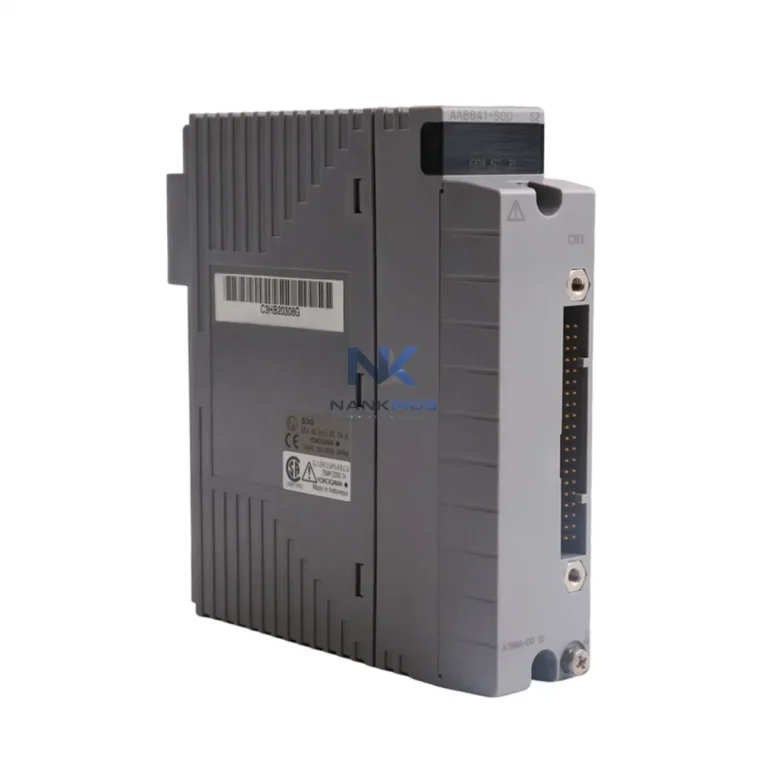
Yokogawa AAM10 S1 is a NANKMOS industrial automation product record Listed under Centum CS3000 series and Business & Industrial > Automation, Control & Flow Devices > Programmable Logic Controllers. Confirm condition, availability, lead time, compatibility and documentation by email inquiry.
Brand names are used for identification only.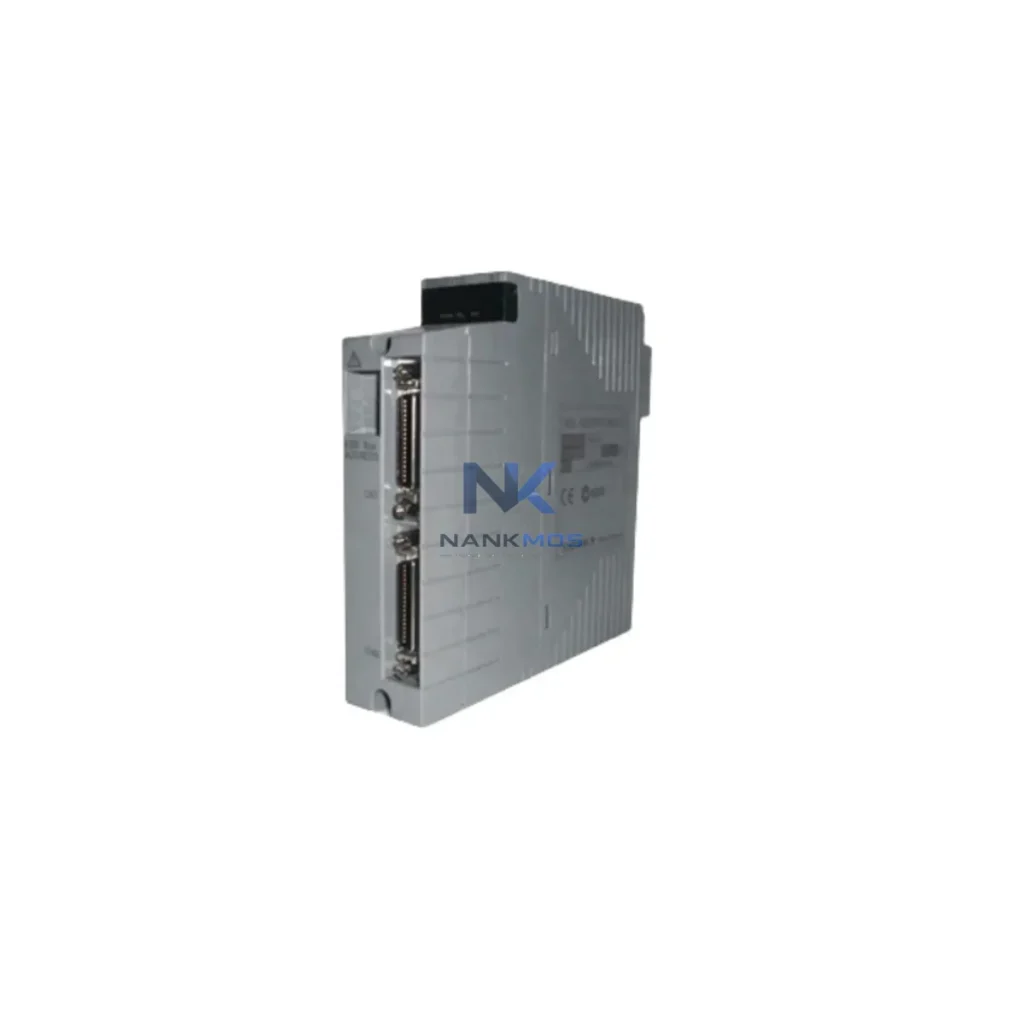
Yokogawa AAM10 S1 is a NANKMOS industrial automation product record Listed under Centum CS3000 series and Business & Industrial > Automation, Control & Flow Devices > Programmable Logic Controllers. Confirm condition, availability, lead time, compatibility and documentation by email inquiry.
| Manufacturer | Yokogawa |
|---|---|
| Application | Controller Processing & System Control |
| Part Number / Model | AAM10 S1 |
| Compatible System | Centum CS3000 |
| Series | Centum CS3000 |
| Condition Options | To Confirm |
| Module Type | Controller / CPU Module |
| Warranty | 12 Months |
| Packaging | Anti-static Bag / Secure Box |
| Shipping Methods | DHL / FedEx / UPS / Air / Sea |
| Availability | To Confirm |
| Lead Time | To Confirm |
| Documentation | Part number and revision checked before quote |
The Yokogawa AAM10 S1 is a precision analog input module engineered for deployment within the CENTUM CS3000 Distributed Control System (DCS) platform. Designed to operate as a core signal acquisition component within layered industrial control architectures, the AAM10 S1 delivers stable, high-resolution analog signal processing across demanding process environments including petrochemical refining, power generation, water treatment, pharmaceutical manufacturing, and metallurgical operations. Its system-matched design ensures seamless integration with the CS3000 field control station (FCS) backplane, enabling engineers to maintain signal integrity, reduce commissioning time, and extend the operational lifecycle of existing control infrastructure.
In modern distributed control architectures, the analog input layer serves as the foundational data acquisition tier — translating field-level process variables such as temperature, pressure, flow, and level into structured digital signals that propagate upward through the control hierarchy. The AAM10 S1 fulfills this role with precision, supporting 4–20 mA and voltage input signals with configurable channel isolation, ensuring that signal noise from adjacent field devices does not compromise measurement accuracy across the I/O bus. This channel-level isolation is critical in high-density control cabinets where multiple signal types coexist within shared enclosures.
The AAM10 S1 does not operate in isolation — its value is fully realized when deployed as part of a coherent, multi-layer automation architecture built on the CENTUM CS3000 platform. At the control layer, the Yokogawa CP345 or CP451 Field Control Station CPU manages scan cycles, control logic execution, and inter-module communication across the ESB backplane. The AAM10 S1 feeds real-time analog data directly into these processors, enabling closed-loop PID control, cascade strategies, and feedforward compensation without introducing latency from external signal conditioning.
Power integrity is maintained through the Yokogawa PW481 or PW482 power supply modules, which provide regulated DC power to the FCS node. In redundant architectures, dual power supply configurations ensure that a single power module failure does not interrupt signal acquisition — a critical requirement in continuous process industries where unplanned shutdowns carry significant economic and safety consequences.
At the communication layer, the CS3000 platform leverages V-net/IP and Vnet optical ring topology for high-speed, deterministic data exchange between field control stations and the Yokogawa HIS (Human Interface Station). Operators monitoring process variables acquired by the AAM10 S1 receive real-time updates through the HIS engineering workstation, enabling rapid response to process deviations. For sites requiring integration with third-party SCADA systems or MES platforms, the Yokogawa ACG10S communication gateway facilitates OPC-DA and OPC-UA data bridging without disrupting the native CS3000 control loop.
In mixed I/O environments, the AAM10 S1 coexists within the same FCS node alongside digital input modules such as the ADM11, analog output modules such as the AAM50 or AAM51, and pulse input modules for flow metering applications. This modular I/O architecture allows engineers to configure each FCS node precisely to the signal density and type requirements of each process unit — reducing unnecessary hardware overhead while maintaining full system scalability.
For applications requiring signal isolation beyond the module's native channel isolation, external signal isolators and loop-powered transmitter barriers are commonly installed between field transmitters and the AAM10 S1 input terminals. This is particularly relevant in hazardous area installations where ATEX or IECEx-certified barriers are mandated. Terminal block assemblies and marshalling panels within the control cabinet provide the physical interface between field cable terminations and the FCS I/O modules, ensuring organized, maintainable wiring layouts that support long-term diagnostic efficiency.
Petrochemical and Refining: In crude distillation units, catalytic crackers, and hydroprocessing reactors, the AAM10 S1 acquires temperature and pressure signals from thermocouple transmitters and pressure transducers distributed across the process train. Its high-resolution analog conversion supports tight temperature control in distillation columns where ±1°C deviations can affect product yield and quality specifications.
Power Generation: In thermal power plants and combined-cycle facilities, the AAM10 S1 monitors boiler drum level, steam pressure, and turbine inlet temperature signals within the DCS control loop. Its compatibility with the CS3000 redundant FCS architecture ensures that analog signal acquisition continues uninterrupted during planned maintenance or unexpected module faults, supporting the high-availability requirements of grid-connected generation assets.
Water and Wastewater Treatment: Municipal and industrial water treatment facilities deploy the AAM10 S1 to monitor flow rates, pH levels, dissolved oxygen concentrations, and chemical dosing pump outputs. The module's stable signal acquisition across varying ambient temperatures supports reliable process control in outdoor and semi-outdoor control panel installations common in water infrastructure projects.
Metallurgy and Mining: In smelting furnaces, ore processing lines, and mineral separation circuits, the AAM10 S1 handles high-density analog signal acquisition from temperature sensors, load cells, and analytical transmitters. Its modular deployment within the CS3000 FCS backplane allows engineering teams to expand I/O capacity incrementally as process units are commissioned in phases — reducing upfront capital expenditure while preserving long-term system scalability.
Pharmaceutical and Fine Chemical Manufacturing: GMP-compliant manufacturing environments require precise analog signal acquisition for batch process control, clean-in-place (CIP) monitoring, and environmental condition tracking. The AAM10 S1's channel isolation and high-resolution conversion support the measurement accuracy requirements of validated pharmaceutical processes, where signal drift or cross-channel interference could trigger batch deviations and regulatory non-conformances.
Q1: Is the Yokogawa AAM10 S1 compatible with both CS3000 and CENTUM VP FCS backplanes? The AAM10 S1 is specifically designed and validated for the CENTUM CS3000 FCS backplane architecture. While Yokogawa's CENTUM VP platform shares architectural lineage with CS3000, module compatibility between generations depends on the specific FCS node type and firmware revision. Engineers migrating from CS3000 to CENTUM VP should consult Yokogawa's migration compatibility matrix or engage NANKMOS technical support to confirm slot-level interoperability before deployment. NANKMOS supplies AAM10 S1 modules with pre-shipment functional verification and a 12-Month Warranty covering manufacturing defects and operational failures under normal operating conditions.
Q2: How does the AAM10 S1 support redundant control architectures in continuous process applications? In CS3000 redundant FCS configurations, analog input modules including the AAM10 S1 are typically deployed in dual-redundant node pairs where the primary and secondary FCS nodes share I/O data via the ESB bus. Should the primary FCS node fail, the secondary node assumes control without interrupting the analog signal acquisition loop. This architecture is particularly critical in continuous process industries — petrochemical, power, and water treatment — where process uptime requirements exceed 99.9%. NANKMOS recommends maintaining a verified spare AAM10 S1 module on-site to minimize mean time to repair (MTTR) in the event of module-level failure.
Q3: What is NANKMOS's supply and warranty policy for the Yokogawa AAM10 S1? NANKMOS maintains inventory of the Yokogawa AAM10 S1 to support both planned procurement and urgent replacement requirements. All modules undergo pre-shipment functional testing to verify analog input accuracy, channel isolation integrity, and backplane communication handshake prior to dispatch. Each AAM10 S1 supplied by NANKMOS is covered by a 12-Month Warranty from the date of shipment, covering manufacturing defects and component failures under specified operating conditions. For volume procurement, system integration projects, or expedited delivery requirements, contact NANKMOS at [email protected] or +86 18359268345.
Functional Inspection100% tested on professional platforms to ensure stable performance.
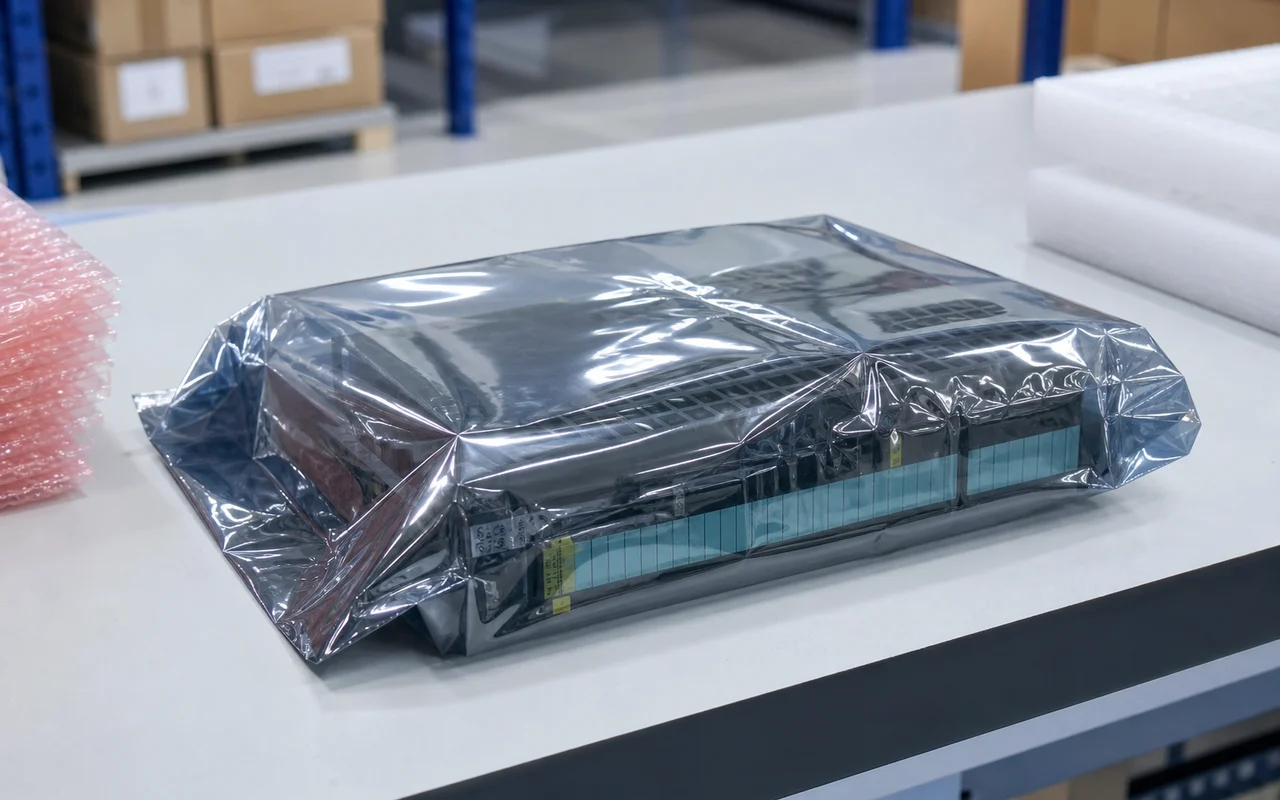 Anti-static Packaging
Modules are packed in anti-static bags to prevent electrostatic damage.
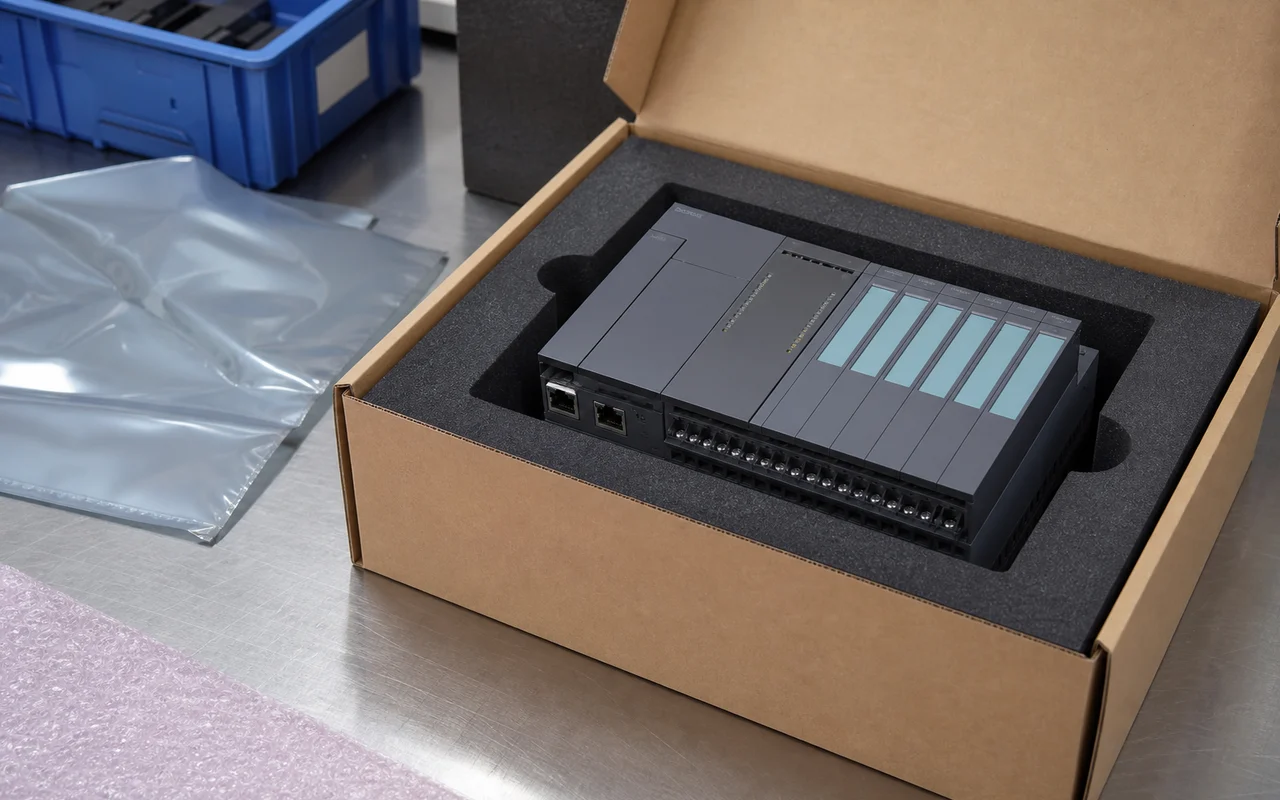 Secure Export Packing
Cushion protection and strong cartons ensure safe transportation.
 Worldwide Shipping
Global logistics network supports air, sea and express delivery.
 Documentation Check
Part number, revision and compatibility verified before shipment.
 After-sales Support
Professional technical support to help resolve your issues.