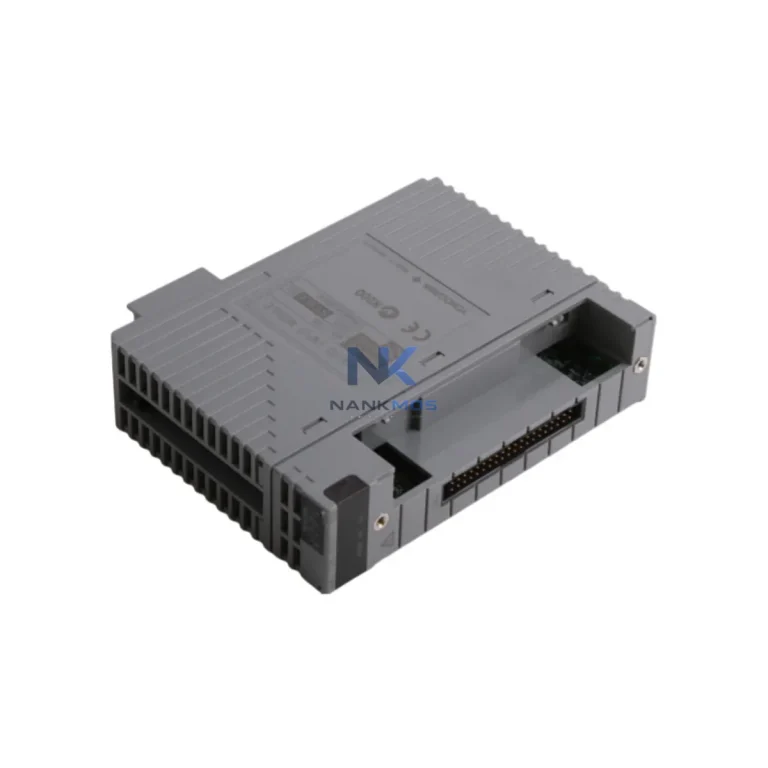
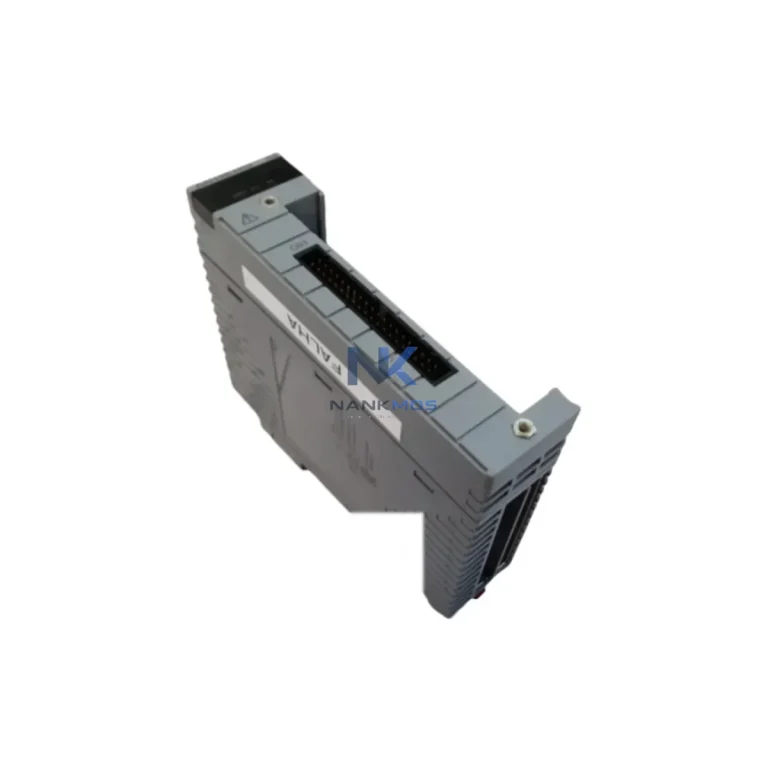
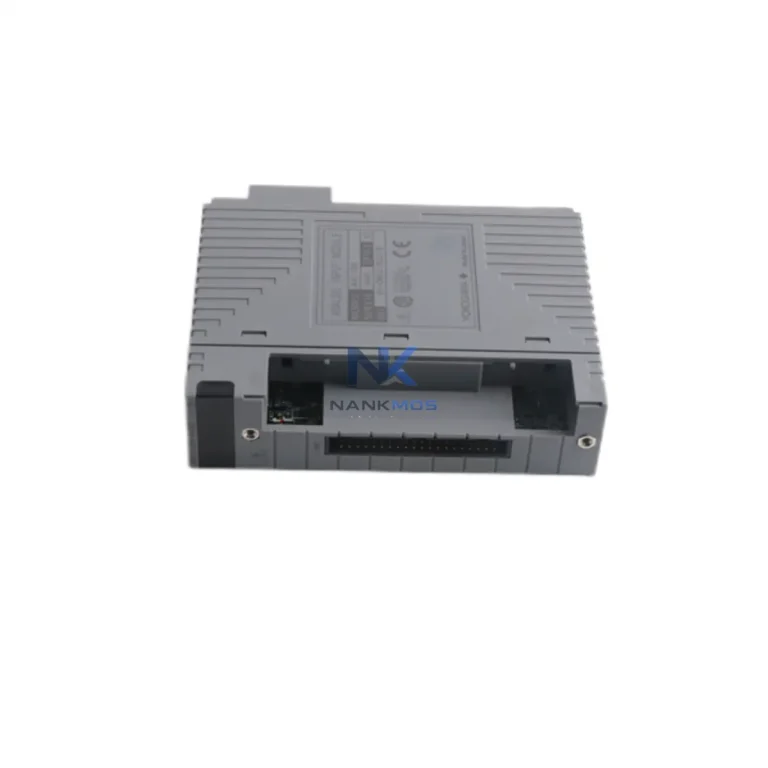
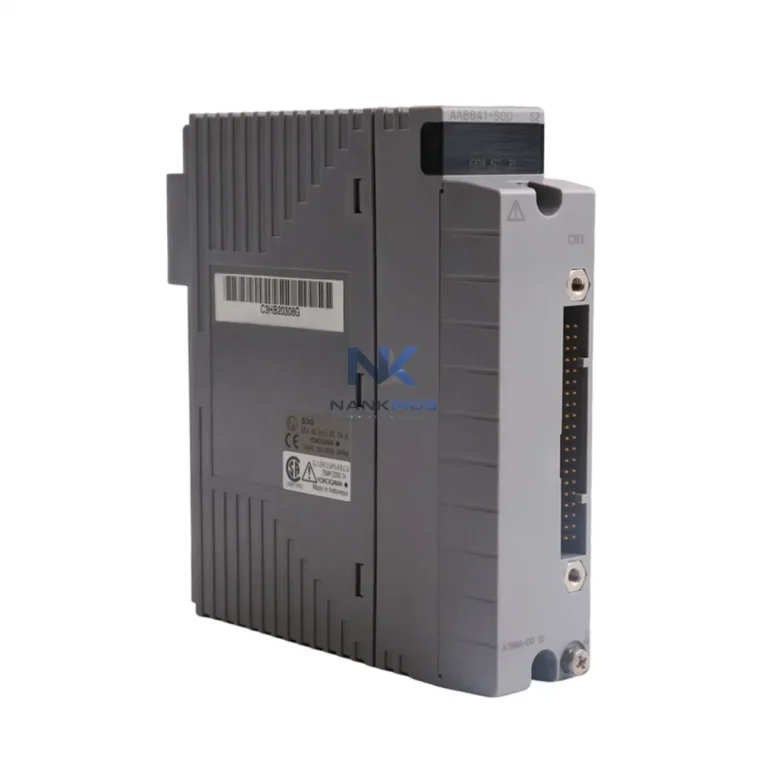
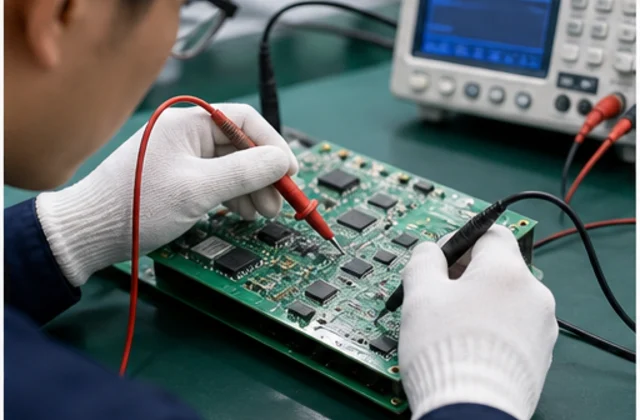
 Functional Inspection
100% tested on professional platforms to ensure stable performance.
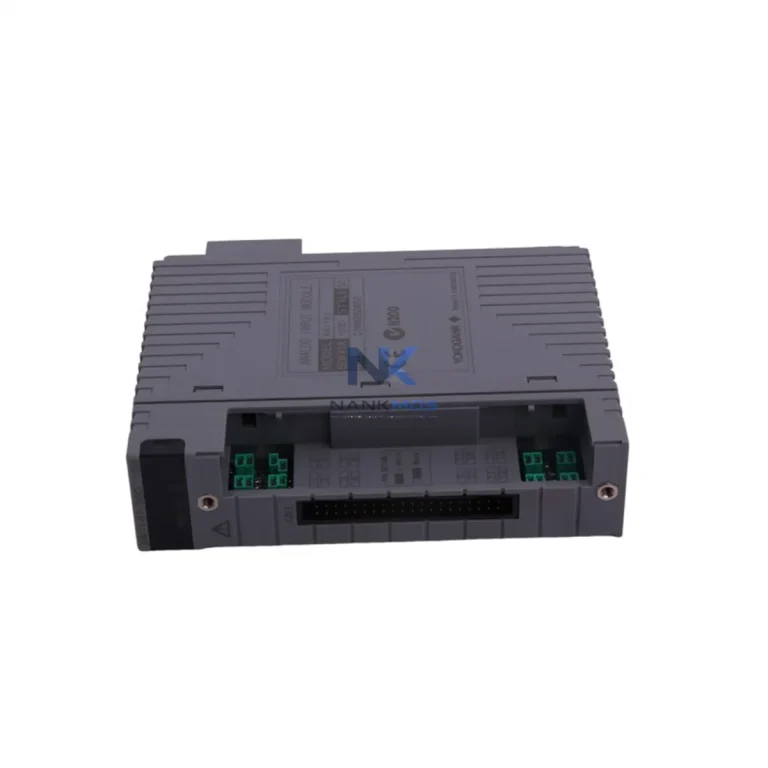
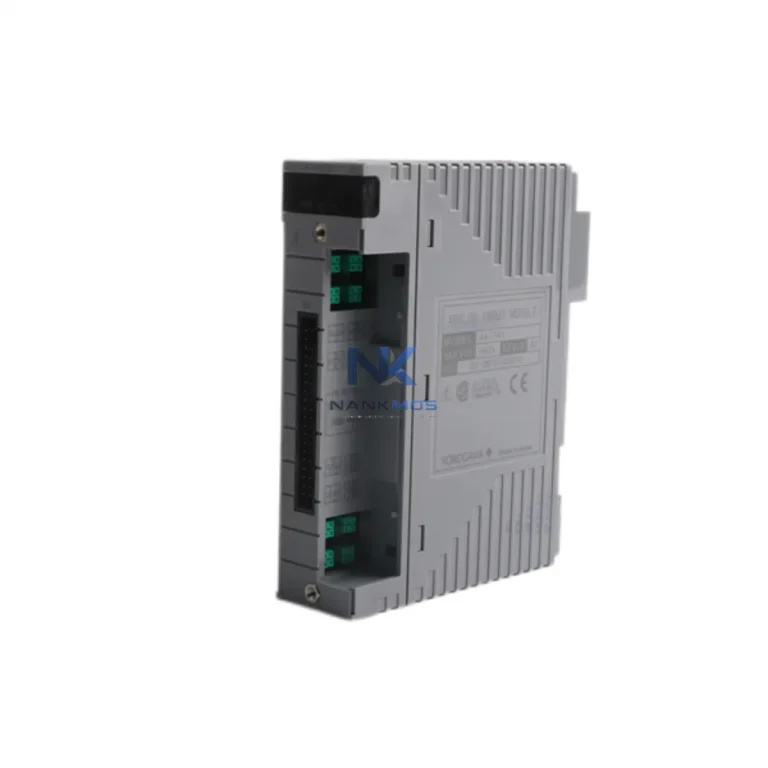
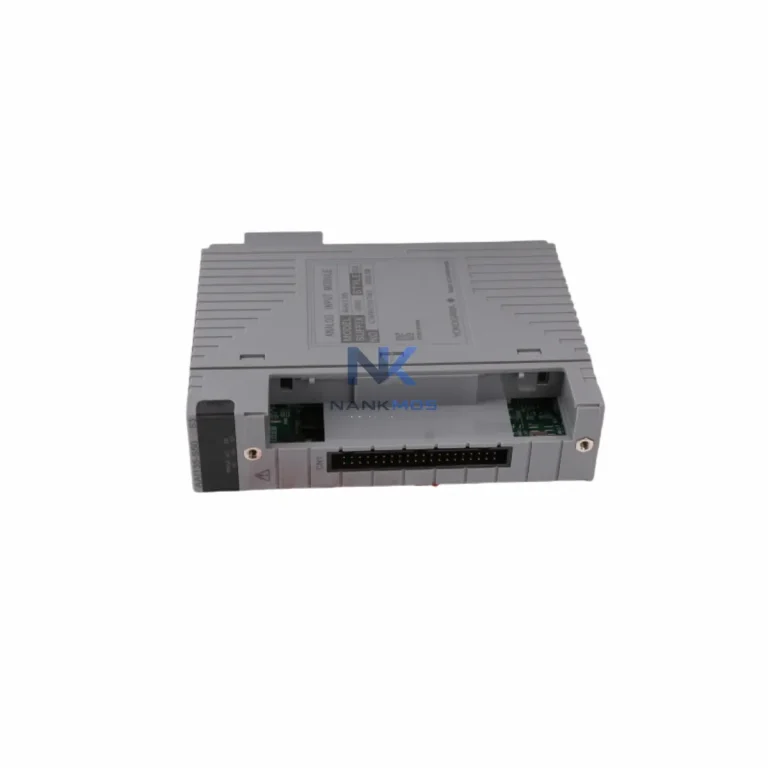
Yokogawa AAP135-S00 S2 is a NANKMOS industrial automation product record Listed under STARDOM series and Business & Industrial > Automation, Control & Flow Devices > Programmable Logic Controllers. Confirm condition, availability, lead time, compatibility and documentation by email inquiry.
Brand names are used for identification only.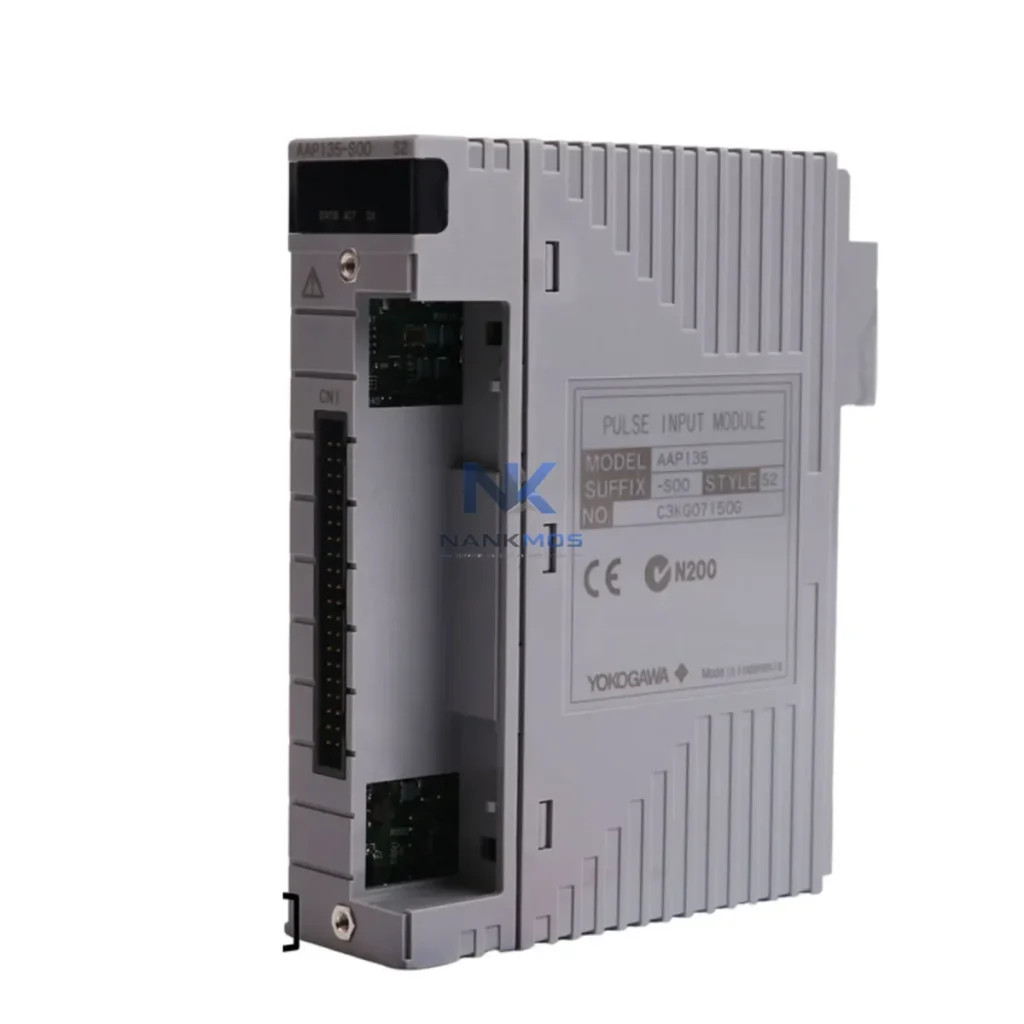
Yokogawa AAP135-S00 S2 is a NANKMOS industrial automation product record Listed under STARDOM series and Business & Industrial > Automation, Control & Flow Devices > Programmable Logic Controllers. Confirm condition, availability, lead time, compatibility and documentation by email inquiry.
| Manufacturer | Yokogawa |
|---|---|
| Application | Controller Processing & System Control |
| Part Number / Model | AAP135-S00 S2 |
| Compatible System | STARDOM |
| Series | STARDOM |
| Condition Options | To Confirm |
| Module Type | Controller / CPU Module |
| Warranty | 12 Months |
| Packaging | Anti-static Bag / Secure Box |
| Shipping Methods | DHL / FedEx / UPS / Air / Sea |
| Availability | To Confirm |
| Lead Time | To Confirm |
| Documentation | Part number and revision checked before quote |
The Yokogawa AAP135-S00/S2 is a high-performance pulse input module engineered for the STARDOM FCN/FCJ autonomous controller platform, delivering seamless integration between field-level pulse signal sources and upper-layer automation networks. Designed for demanding industrial environments — including energy management, water treatment, oil and gas metering, and process manufacturing — this module bridges the gap between physical measurement devices and digital control architectures. By converting raw pulse signals from flow meters, turbine sensors, and energy meters into structured digital data, the AAP135-S00/S2 enables real-time visibility across SCADA systems, DCS platforms, and cloud-based analytics layers.
In a modern smart factory, data integrity begins at the field device level. The AAP135-S00/S2 captures high-frequency pulse inputs with precision timing, ensuring that every count from a Coriolis flow meter, a positive displacement meter, or a utility energy sensor is accurately recorded and transmitted upstream. Within the STARDOM FCN autonomous controller, this data is processed locally — supporting edge computing logic even during network interruptions — before being forwarded via Modbus TCP/IP or OPC-UA to supervisory systems such as Yokogawa FAST/TOOLS SCADA or third-party HMI platforms. This dual-layer processing architecture ensures both local resilience and enterprise-wide data availability.
The module's compatibility with the STARDOM FCN-100 and FCN-500 controller families means it can be deployed alongside other I/O modules such as the AAI141-S00 analog input module and the AAT141-S00 thermocouple input module, creating a unified, multi-signal acquisition node at remote or unmanned sites. When paired with the Yokogawa F3SP71-4N sequence CPU or integrated into a broader Yokogawa CENTUM VP DCS architecture via gateway links, the AAP135-S00/S2 becomes a critical node in the plant-wide data backbone.
The AAP135-S00/S2 sits at the origin point of the industrial data chain. At the field level, pulse-generating devices — including turbine flow meters, Coriolis mass flow sensors, and utility-grade energy meters — feed raw count signals directly into the module's high-speed input channels. The STARDOM FCN autonomous controller processes these signals locally, applying engineering unit conversion, totalizing logic, and alarm threshold evaluation without dependency on network availability. This edge-level intelligence is what distinguishes the STARDOM platform from conventional remote I/O solutions.
Once processed, the structured data travels via the FCN's onboard Ethernet port — using Modbus TCP/IP for legacy SCADA compatibility or OPC-UA for modern, secure, and self-describing data exchange — to the plant's supervisory layer. Here, Yokogawa FAST/TOOLS SCADA receives real-time flow totals, instantaneous rates, and alarm states, displaying them on operator HMI screens and logging them to the Exaquantum process data historian. Operators gain full visibility into energy consumption trends, flow balance calculations, and utility KPIs without leaving the control room.
For multi-site deployments, the AAP135-S00/S2 within an FCN-100 or FCN-500 chassis can be networked alongside Yokogawa AAI141-S00 analog input modules handling 4–20 mA pressure and temperature signals, and AAT141-S00 thermocouple modules capturing furnace or heat exchanger temperatures. This combined I/O node transmits a rich, multi-variable dataset to the SCADA layer, enabling comprehensive process dashboards. Where Ethernet infrastructure is unavailable at remote metering stations, industrial cellular routers or fiber-optic converters serve as the WAN bridge, maintaining the data link between the FCN RTU and the central SCADA server.
At the enterprise integration layer, OPC-UA connectivity allows the AAP135-S00/S2's data — aggregated through the FCN controller — to feed into MES platforms, ERP systems, and cloud-based energy management applications. This end-to-end data flow, from pulse sensor through edge controller to enterprise dashboard, is the foundation of smart factory transparency and operational efficiency. The module's role in this chain is not passive; its local processing capability ensures that even during WAN outages, critical flow totals and alarm states are preserved and synchronized once connectivity is restored.
Many industrial sites face persistent challenges with data fragmentation: legacy pulse counters that cannot communicate over modern Ethernet protocols, isolated metering stations with no real-time visibility, and SCADA systems that receive only periodic manual reads rather than continuous data streams. The AAP135-S00/S2, deployed within the STARDOM FCN platform, directly addresses these gaps.
Protocol unification is achieved through the FCN's multi-protocol communication stack. Sites running legacy Modbus RTU serial networks can bridge to Modbus TCP/IP, while newer installations leverage OPC-UA for secure, structured data exchange with modern SCADA and MES platforms. This eliminates the data silos that arise when different field devices speak incompatible protocols, allowing a single SCADA view to aggregate data from pulse meters, analog sensors, and digital I/O across the entire facility.
Remote monitoring and diagnostics are transformed by the FCN's autonomous operation capability. When network connectivity is interrupted, the FCN continues to log pulse counts locally, with configurable data buffering ensuring no measurement is lost. Upon reconnection, buffered data is automatically synchronized to the SCADA historian, maintaining a complete and auditable record of flow totals and energy consumption. Remote engineers can access diagnostic data — including module health status, input signal quality, and communication statistics — through the FCN's web-based maintenance interface, reducing the need for on-site visits to unmanned metering stations.
Production line transparency is enhanced by integrating pulse-based flow and energy data with broader plant KPI dashboards. When the AAP135-S00/S2's data is combined with analog process variables from AAI141-S00 modules and alarm states from digital I/O modules within the same FCN chassis, operators gain a holistic view of each production unit's material and energy balance. Alarm tracking is automated, with configurable thresholds triggering notifications to SCADA operators and maintenance teams via email or SMS integration through the FAST/TOOLS alarm management system. System expansion is straightforward: additional I/O modules can be added to the FCN chassis without disrupting existing network configurations, supporting phased smart factory rollouts.
Q1: What communication protocols does the Yokogawa AAP135-S00/S2 support for SCADA integration? The AAP135-S00/S2 operates within the STARDOM FCN autonomous controller, which natively supports Modbus TCP/IP and OPC-UA for SCADA and HMI connectivity. This allows integration with Yokogawa FAST/TOOLS, Exaquantum historian, and third-party SCADA platforms. For legacy serial networks, Modbus RTU is supported via optional serial communication modules within the FCN chassis, ensuring backward compatibility with existing automation infrastructure.
Q2: How does the AAP135-S00/S2 maintain data integrity during network outages? The STARDOM FCN platform's autonomous controller architecture enables local data processing and buffering independent of network availability. Pulse counts, totalized values, and alarm states are stored locally during communication interruptions and automatically synchronized to the SCADA historian upon reconnection. This ensures a complete, gap-free measurement record — critical for custody transfer metering, energy auditing, and regulatory compliance applications.
Q3: Can the AAP135-S00/S2 be integrated into an existing Yokogawa CENTUM VP or third-party DCS environment? Yes. The FCN controller hosting the AAP135-S00/S2 can function as a remote I/O and data acquisition node within a broader CENTUM VP DCS architecture via OPC-UA or Modbus TCP/IP gateway links. For third-party DCS platforms, the FCN's open protocol support allows integration with Honeywell Experion, Emerson DeltaV, and Siemens PCS 7 environments, making the AAP135-S00/S2 a versatile addition to multi-vendor automation architectures.
Q4: What is the warranty coverage and pre-shipment testing process for the AAP135-S00/S2? Every AAP135-S00/S2 unit supplied by NANKMOS is covered by a 12-Month Warranty from the date of shipment, covering manufacturing defects and functional failures under normal operating conditions. Prior to dispatch, each module undergoes functional verification testing to confirm pulse input channel operation, backplane communication integrity, and firmware version compliance. Units are shipped with appropriate anti-static packaging and documentation. In-stock units are available for immediate shipment, with lead times confirmed at the time of order.
Functional Inspection100% tested on professional platforms to ensure stable performance.
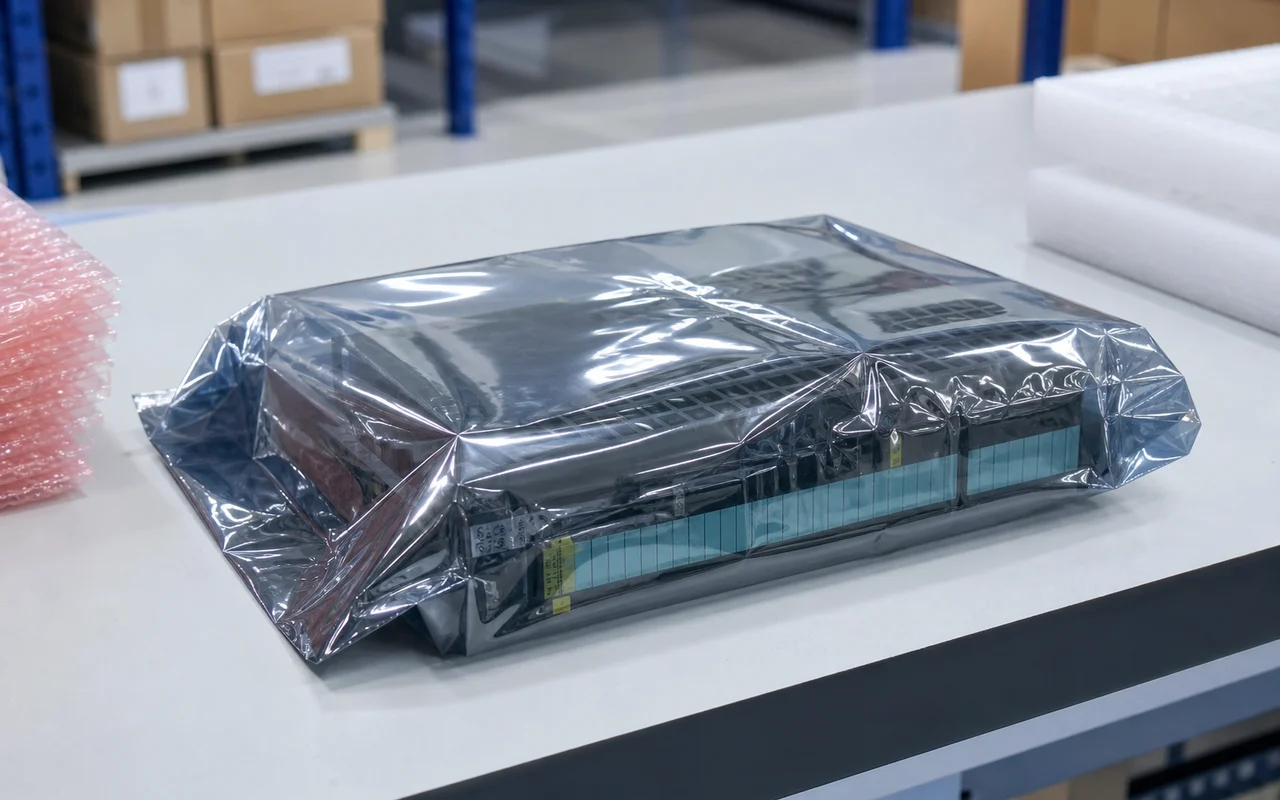 Anti-static Packaging
Modules are packed in anti-static bags to prevent electrostatic damage.
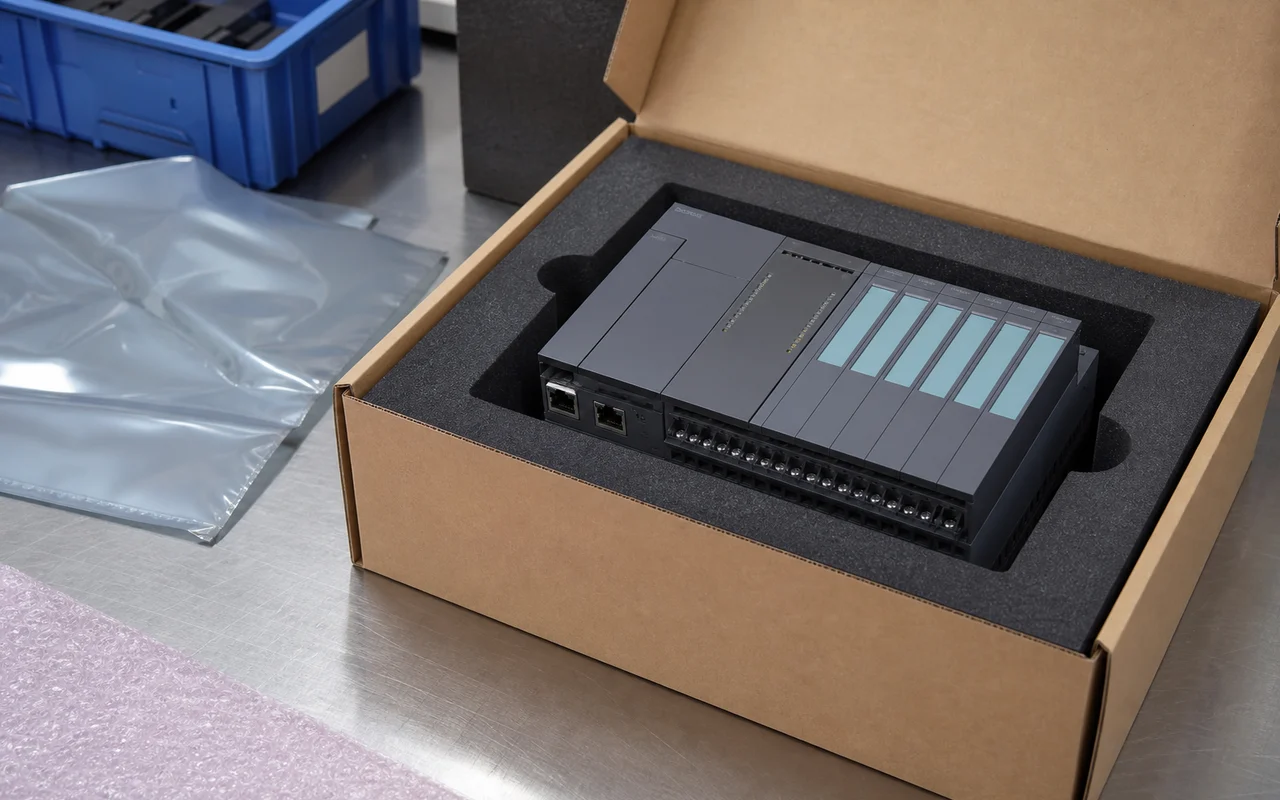 Secure Export Packing
Cushion protection and strong cartons ensure safe transportation.
 Worldwide Shipping
Global logistics network supports air, sea and express delivery.
 Documentation Check
Part number, revision and compatibility verified before shipment.
 After-sales Support
Professional technical support to help resolve your issues.