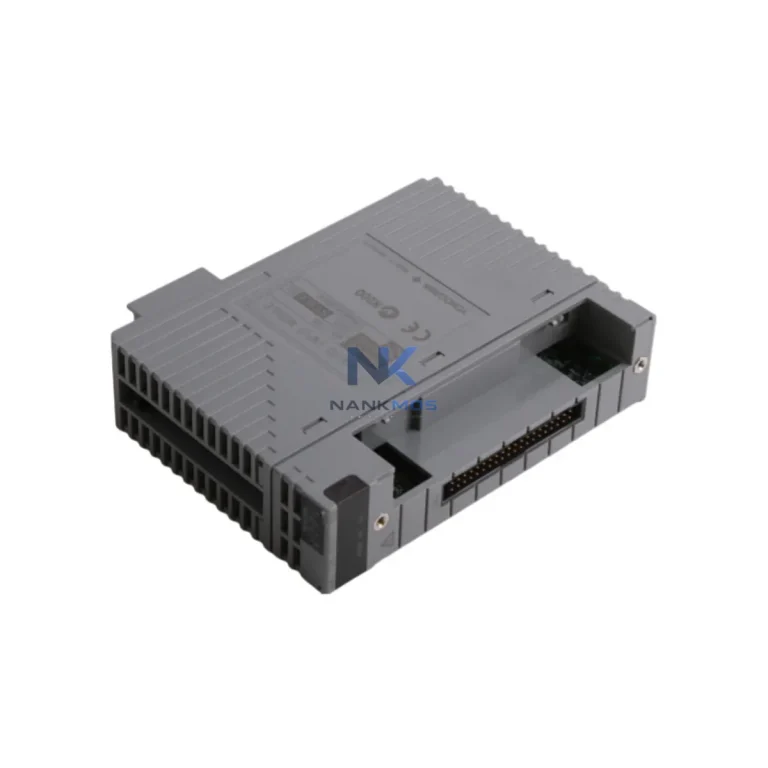
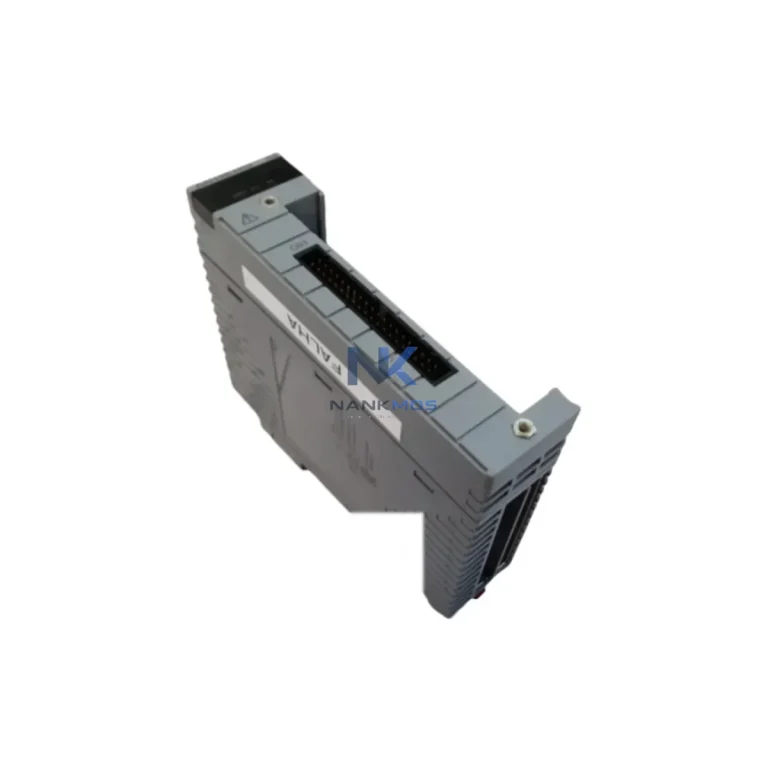
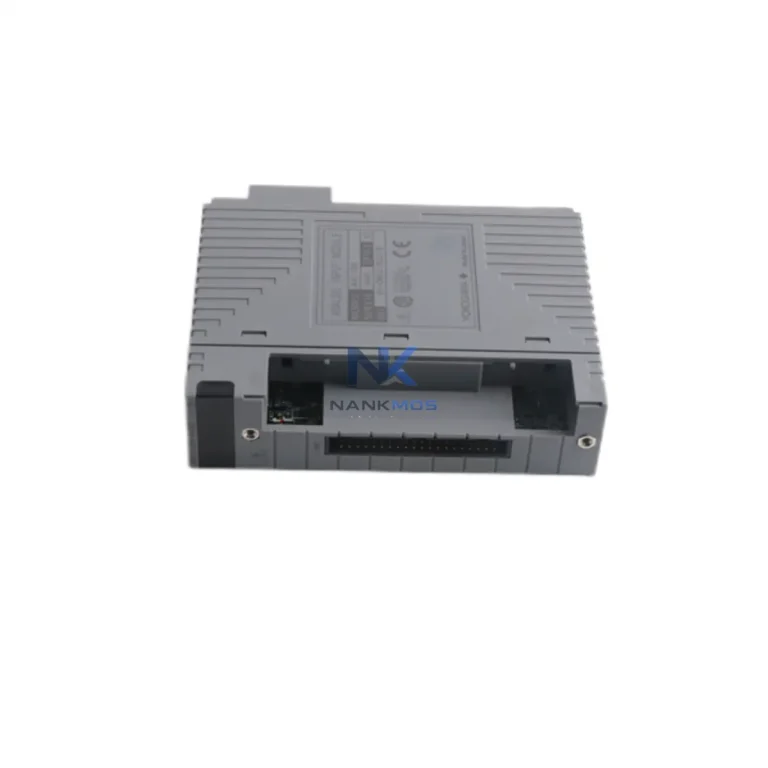
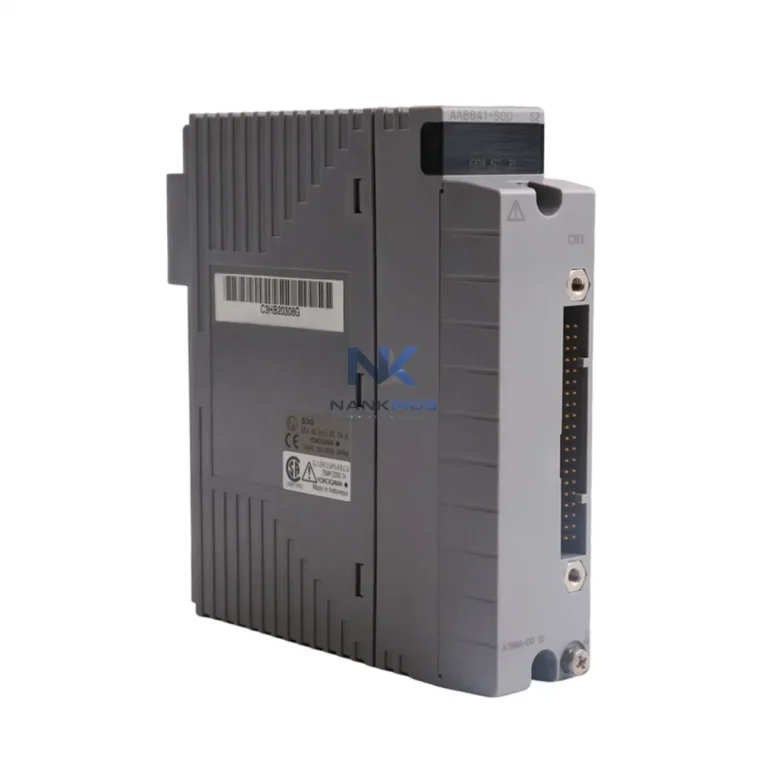
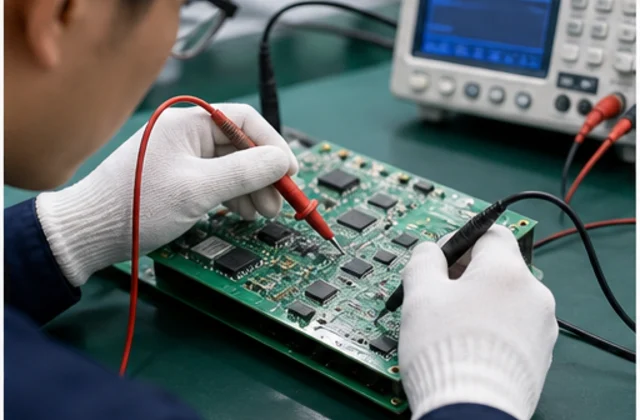
 Functional Inspection
100% tested on professional platforms to ensure stable performance.
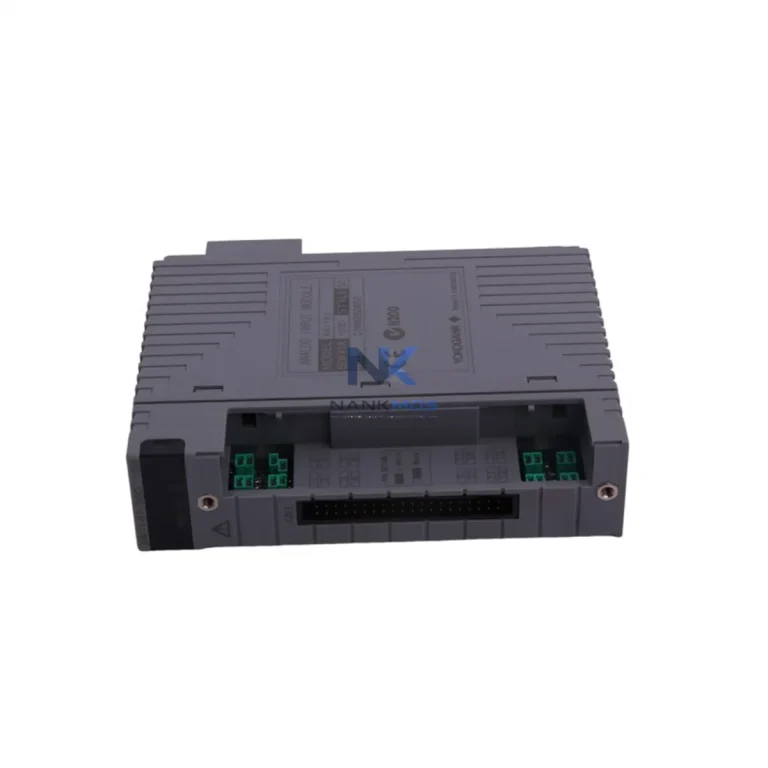
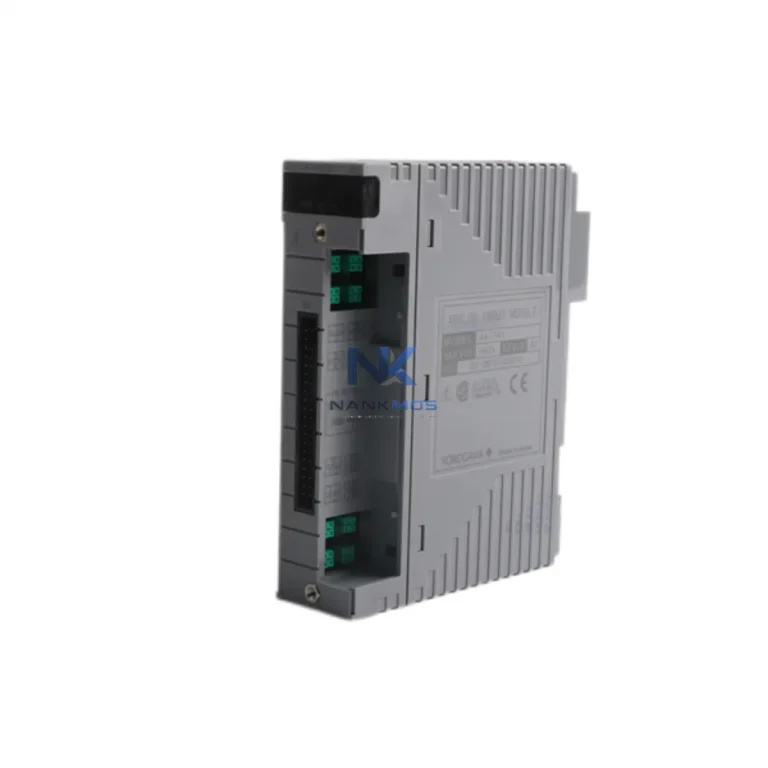
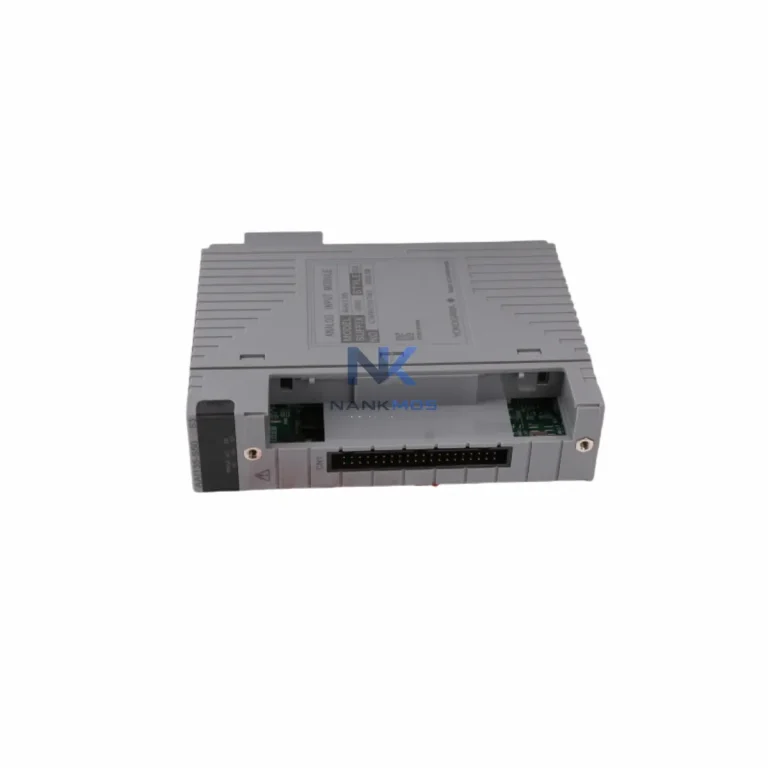
Yokogawa AAP135-S03 S2 is a NANKMOS industrial automation product record Listed under STARDOM series and Business & Industrial > Automation, Control & Flow Devices > Programmable Logic Controllers. Confirm condition, availability, lead time, compatibility and documentation by email inquiry.
Brand names are used for identification only.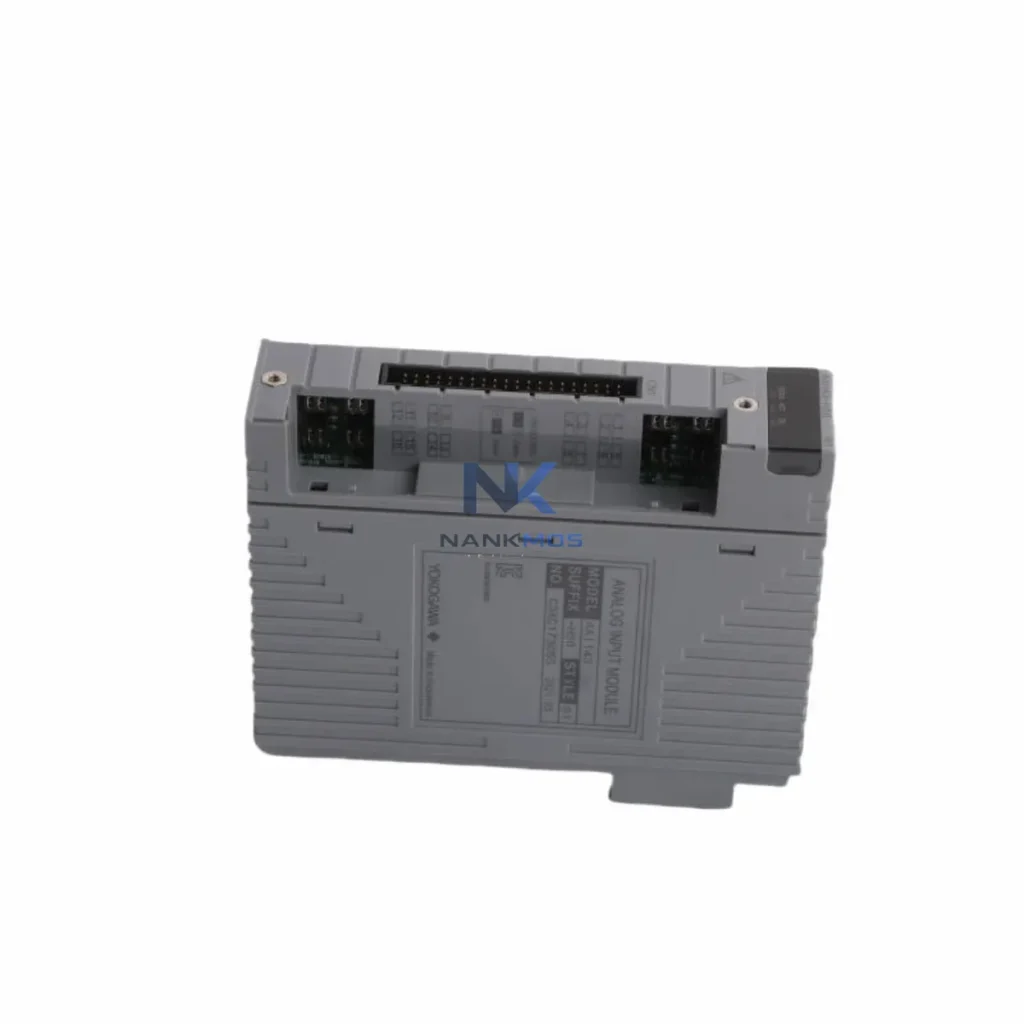
Yokogawa AAP135-S03 S2 is a NANKMOS industrial automation product record Listed under STARDOM series and Business & Industrial > Automation, Control & Flow Devices > Programmable Logic Controllers. Confirm condition, availability, lead time, compatibility and documentation by email inquiry.
| Manufacturer | Yokogawa |
|---|---|
| Application | Controller Processing & System Control |
| Part Number / Model | AAP135-S03 S2 |
| Compatible System | STARDOM |
| Series | STARDOM |
| Condition Options | To Confirm |
| Module Type | Controller / CPU Module |
| Warranty | 12 Months |
| Packaging | Anti-static Bag / Secure Box |
| Shipping Methods | DHL / FedEx / UPS / Air / Sea |
| Availability | To Confirm |
| Lead Time | To Confirm |
| Documentation | Part number and revision checked before quote |
The Yokogawa AAP135-S03/S2 is a high-performance pulse input module engineered for the STARDOM FCN/FCJ autonomous controller platform, delivering reliable signal acquisition, protocol-level communication, and seamless integration across the full industrial data chain. In modern smart factory deployments, where every millisecond of data latency and every packet of field-level information carries operational weight, the AAP135-S03/S2 serves as a critical node connecting physical process signals to digital control and monitoring infrastructure.
Designed to capture high-frequency pulse signals from flow meters, encoders, turbine meters, and other pulse-output field devices, the AAP135-S03/S2 converts raw counts into structured process data that feeds directly into the STARDOM FCN controller's logic engine. From there, data travels upstream through Modbus TCP/RTU or HART communication layers to SCADA platforms, historian servers, and HMI visualization systems — forming a continuous, low-latency data pipeline from the sensor edge to the control room.
In a fully connected smart factory architecture, the AAP135-S03/S2 sits at the signal acquisition layer, receiving pulse outputs from field instruments such as Yokogawa ADMAG AXF magnetic flowmeters, vortex flow transmitters, and rotary encoders mounted on conveyor or pump systems. These raw pulse streams are counted, scaled, and totalized within the STARDOM FCN autonomous controller — a platform known for its distributed processing capability and deterministic scan cycle performance.
Once processed at the FCN level, the structured data is transmitted via Modbus TCP over the plant Ethernet backbone to upstream systems. A Yokogawa FAST/TOOLS SCADA server or equivalent third-party SCADA platform receives this data in real time, enabling operators to monitor flow rates, batch totals, and equipment cycle counts from centralized HMI screens. In parallel, the FCN's built-in OPC-UA server capability allows direct data subscription from MES and ERP layers, eliminating the need for intermediate data concentrators in many topologies.
For sites requiring protocol bridging between legacy serial devices and modern Ethernet-based control networks, the AAP135-S03/S2 works alongside Yokogawa's AMC80 communication module and compatible industrial protocol gateways to ensure that HART-enabled field transmitters — including pressure, temperature, and level sensors — can surface diagnostic and process data to the same SCADA/historian infrastructure. This multi-protocol coexistence is essential in brownfield automation upgrades where legacy Modbus RTU devices must share network bandwidth with newer HART and Ethernet-native instruments.
At the network transport layer, managed industrial Ethernet switches with VLAN segmentation and QoS prioritization ensure that time-critical pulse data from the AAP135-S03/S2 reaches the FCN controller without contention from bulk data traffic. Ring topology redundancy, supported by STARDOM FCN's dual-port Ethernet configuration, guarantees network continuity even during single-link failures — a requirement in continuous process industries such as oil and gas, water treatment, and chemical manufacturing.
Remote I/O expansion modules connected to the FCN via the STARDOM field network bus extend the data acquisition reach to distributed measurement points across large plant footprints, while edge computing gateways aggregate and pre-process data locally before forwarding summarized datasets to cloud-based analytics platforms. This edge-to-cloud architecture, anchored by reliable pulse input modules like the AAP135-S03/S2, enables predictive maintenance algorithms to detect anomalies in flow patterns, equipment wear, and process deviations before they escalate into unplanned downtime.
One of the most persistent challenges in industrial automation is the fragmentation of data across incompatible protocols and isolated control islands. The AAP135-S03/S2, integrated within the STARDOM FCN platform, directly addresses several of these structural data gaps.
Protocol Fragmentation: Many production sites operate a mix of Modbus RTU legacy devices, HART-enabled smart instruments, and newer Ethernet-native controllers. The STARDOM FCN's multi-protocol communication stack, supported by modules like the AAP135-S03/S2 and companion communication cards, enables unified data collection without requiring full system replacement. Protocol conversion happens transparently within the controller, presenting a consistent data model to SCADA and historian systems.
Data Silos and Production Transparency: Pulse-based flow and count data that previously existed only within standalone batch controllers or standalone PLCs can now be surfaced to plant-wide SCADA dashboards and MES systems. Operators gain real-time visibility into production throughput, batch completion status, and equipment utilization — transforming isolated measurement points into actionable production intelligence.
Remote Monitoring and Alarm Tracking: The STARDOM FCN's built-in web server and remote access capabilities allow maintenance engineers to monitor pulse input values, alarm states, and module diagnostics from any networked workstation or mobile device. Alarm events triggered by pulse count deviations or rate-of-change thresholds are logged with timestamps and forwarded to SCADA alarm management systems, enabling rapid root-cause analysis and regulatory compliance reporting.
System Scalability: As production capacity grows, additional AAP135-series pulse input modules and I/O expansion units can be added to the STARDOM FCN rack without disrupting existing control logic or network configurations. The modular architecture supports incremental expansion aligned with capital investment cycles, making it a cost-effective choice for phased smart factory rollouts.
Q1: What communication protocols does the Yokogawa AAP135-S03/S2 support for SCADA integration?The AAP135-S03/S2 operates within the STARDOM FCN/FCJ platform, which natively supports Modbus TCP, Modbus RTU, and HART communication protocols. Data collected by the pulse input module is accessible to SCADA, HMI, and historian systems via these standard industrial protocols, as well as OPC-DA/UA interfaces supported by the FCN controller firmware.
Q2: How does the AAP135-S03/S2 ensure network stability in high-noise industrial environments?The STARDOM FCN platform supports dual-port Ethernet with ring topology redundancy, ensuring that pulse input data from the AAP135-S03/S2 continues to reach upstream systems even during network link failures. Electrical isolation on signal inputs and EMC-compliant hardware design further protect data integrity in environments with high electromagnetic interference from variable frequency drives, motors, and power switching equipment.
Q3: Can the AAP135-S03/S2 be used for remote diagnostics and predictive maintenance?Yes. The STARDOM FCN controller's remote access and web-based diagnostic tools allow maintenance teams to monitor pulse input module status, signal quality, and alarm history without physical site visits. Integration with edge computing gateways and cloud analytics platforms enables trend analysis and anomaly detection based on pulse rate and totalization data, supporting condition-based maintenance strategies.
Q4: What warranty and pre-shipment testing does NANKMOS provide for the AAP135-S03/S2?Every Yokogawa AAP135-S03/S2 unit supplied by NANKMOS is covered by a 12-month warranty and undergoes pre-shipment functional testing to verify pulse input response, communication interface integrity, and module identification. In-stock units are available for immediate dispatch, with full traceability documentation provided upon request.
Functional Inspection100% tested on professional platforms to ensure stable performance.
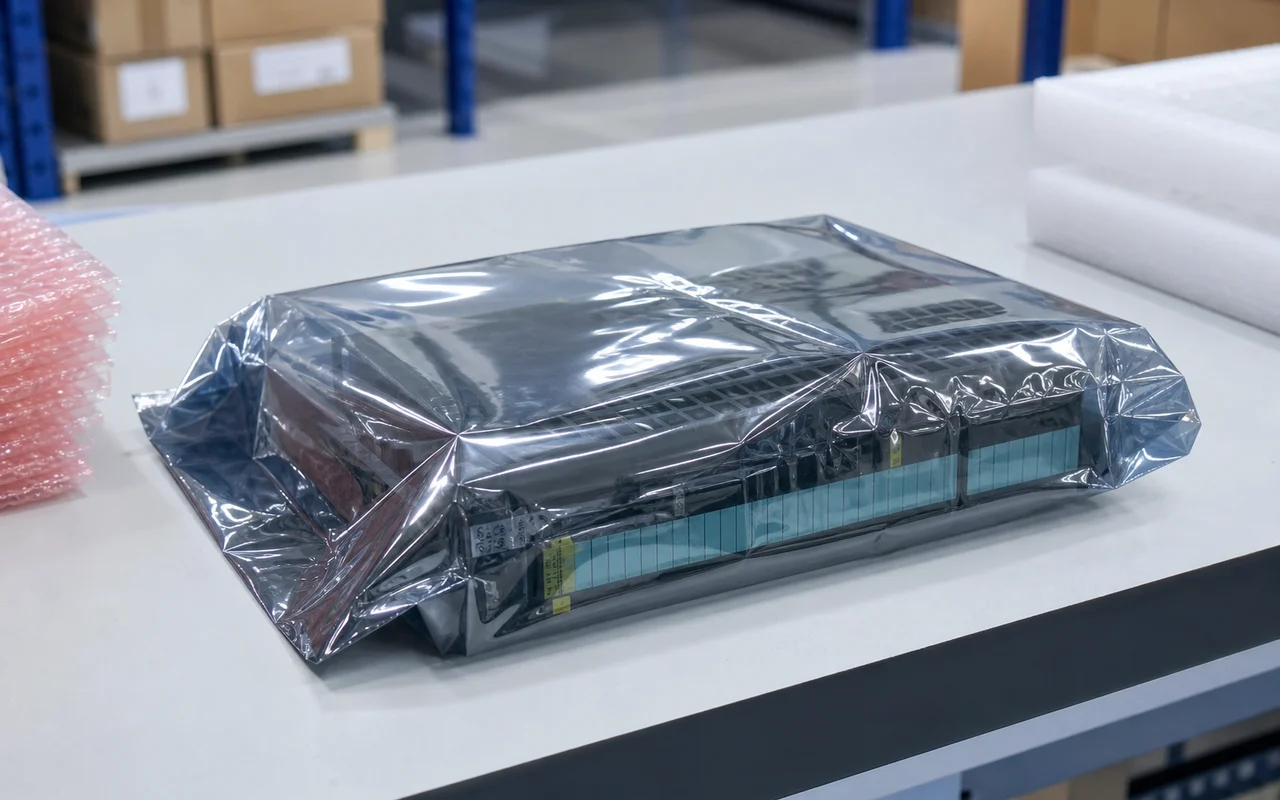 Anti-static Packaging
Modules are packed in anti-static bags to prevent electrostatic damage.
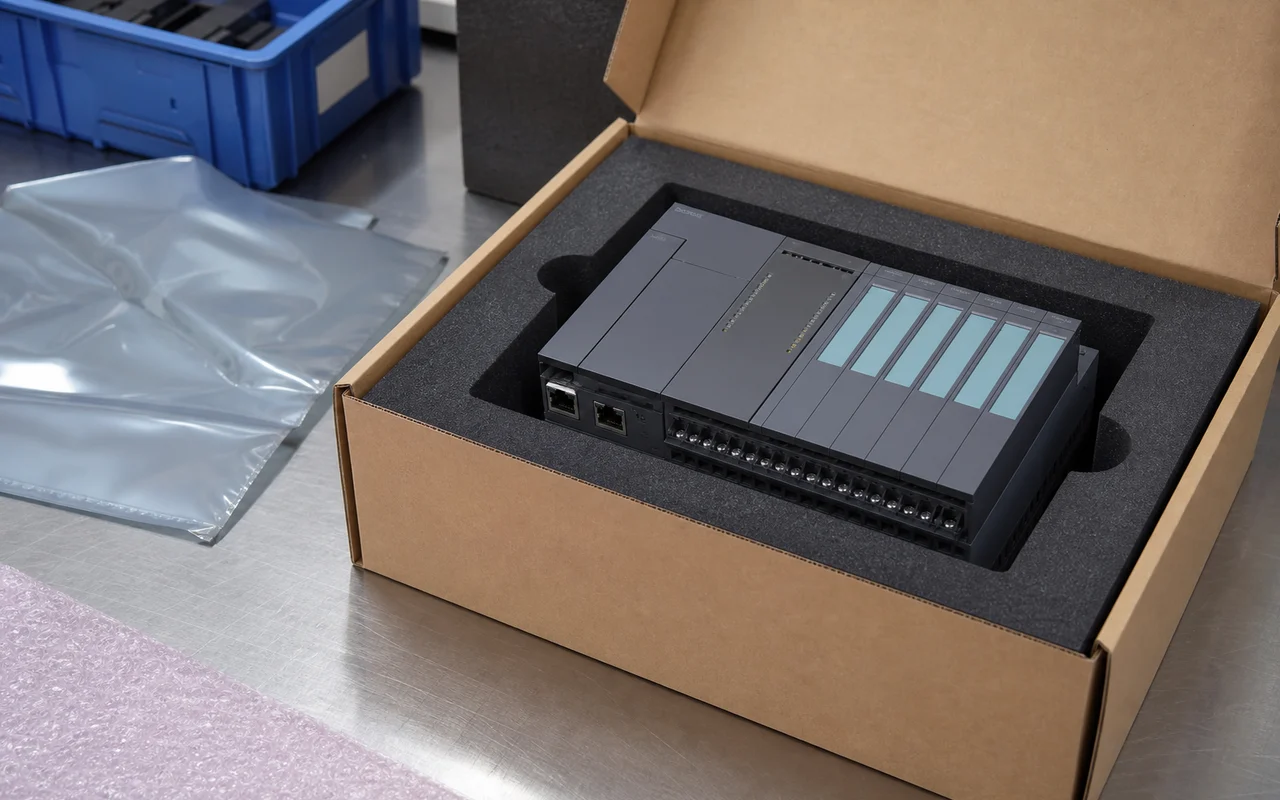 Secure Export Packing
Cushion protection and strong cartons ensure safe transportation.
 Worldwide Shipping
Global logistics network supports air, sea and express delivery.
 Documentation Check
Part number, revision and compatibility verified before shipment.
 After-sales Support
Professional technical support to help resolve your issues.