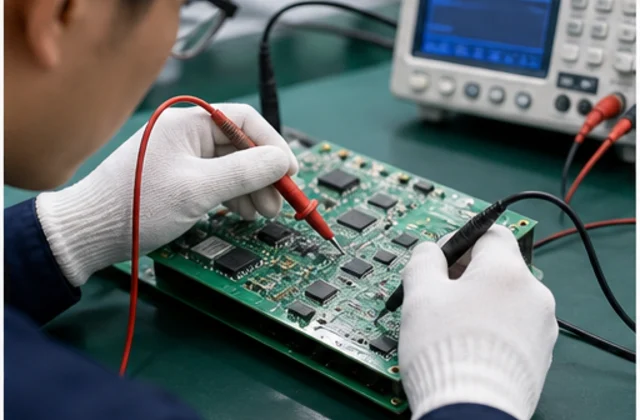
 Functional Inspection
100% tested on professional platforms to ensure stable performance.
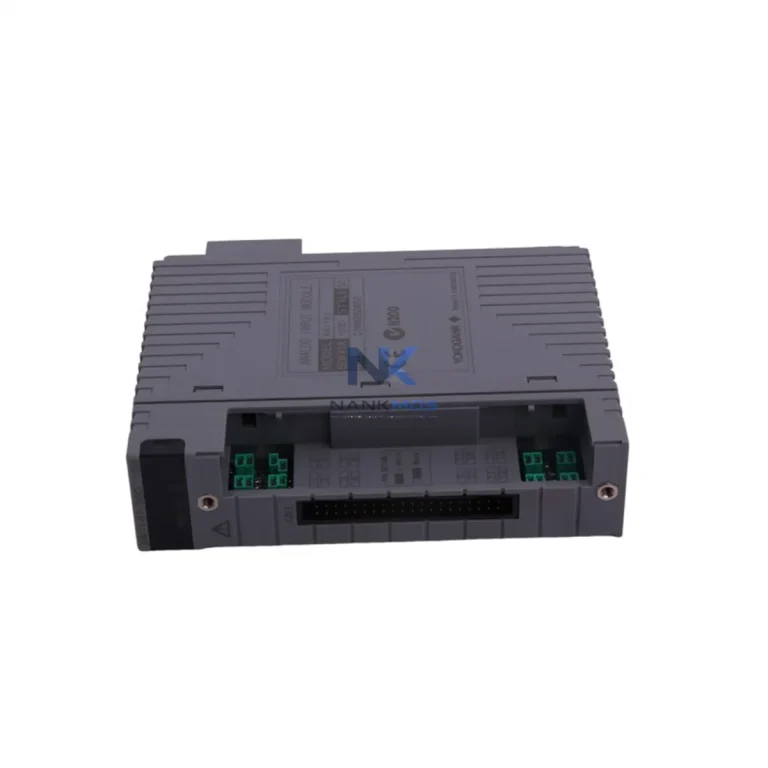
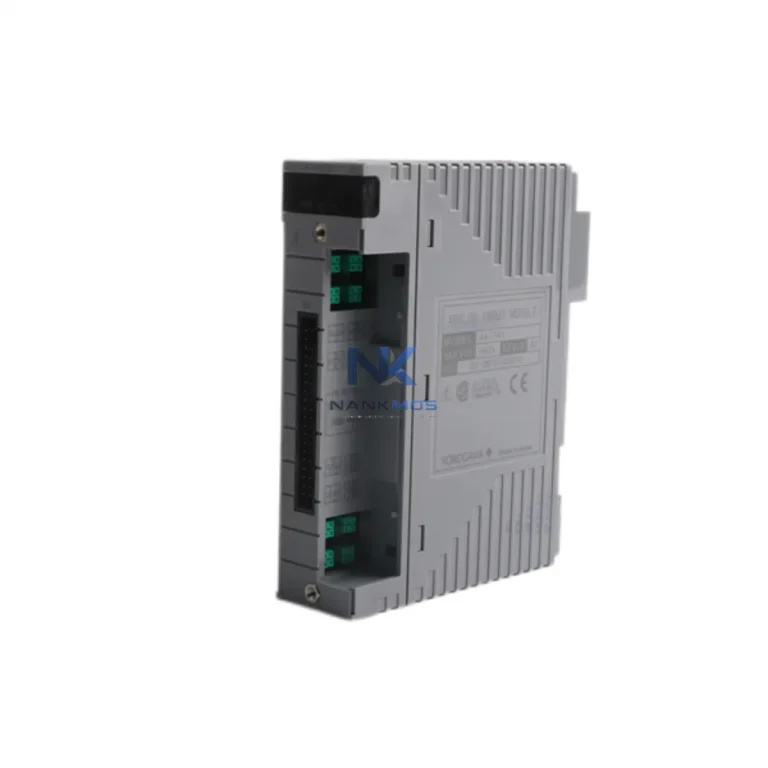
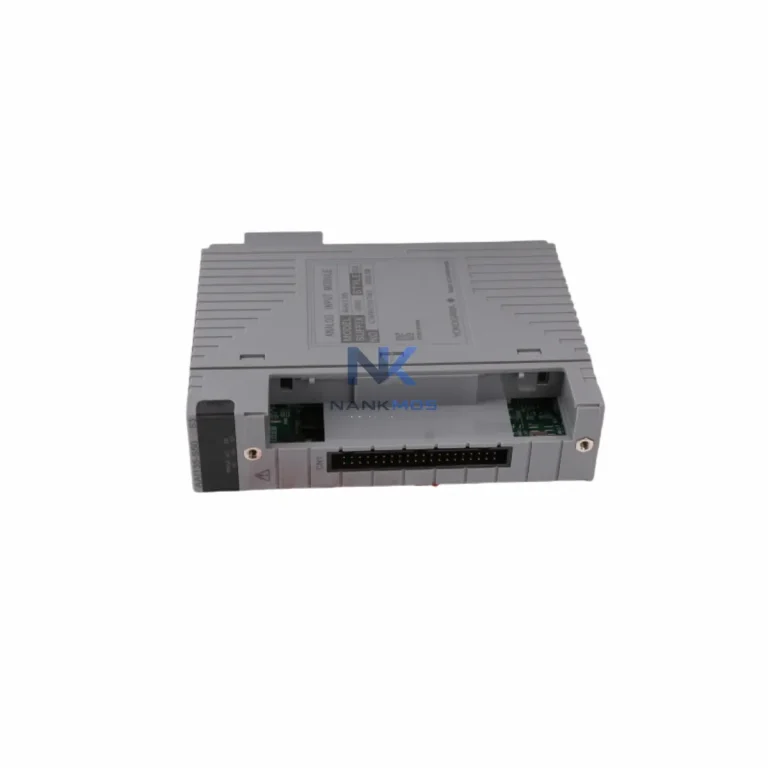
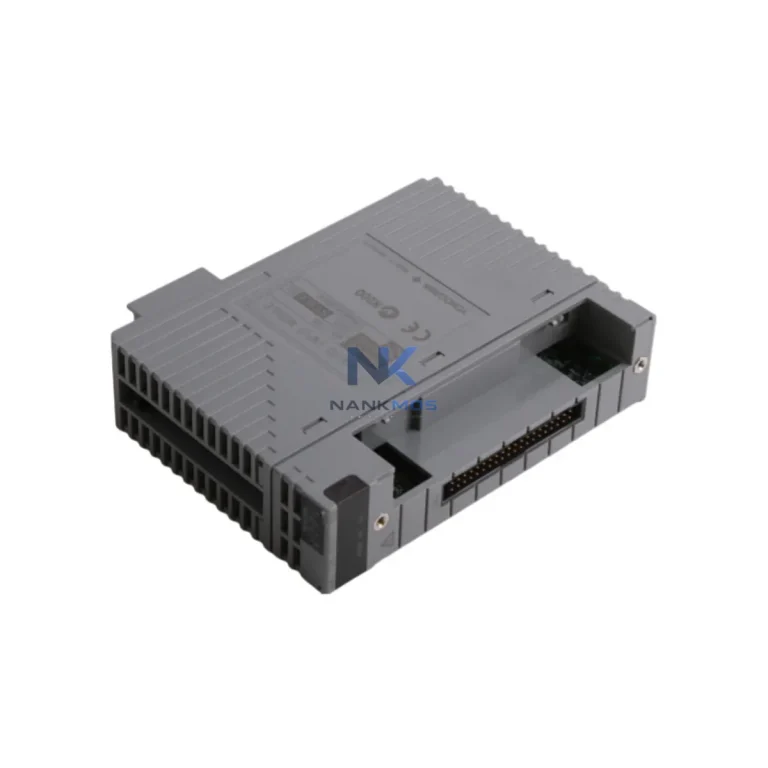
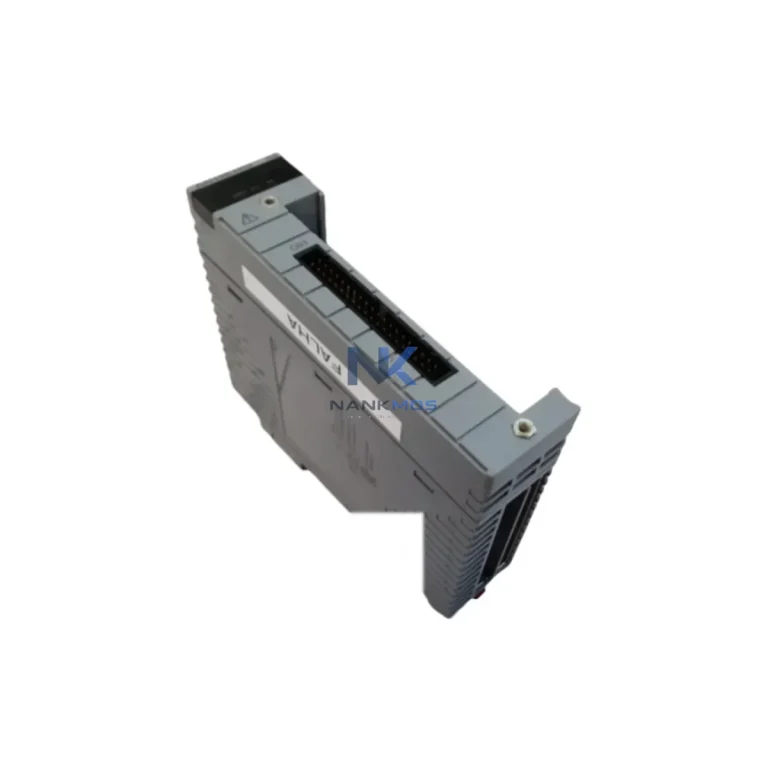
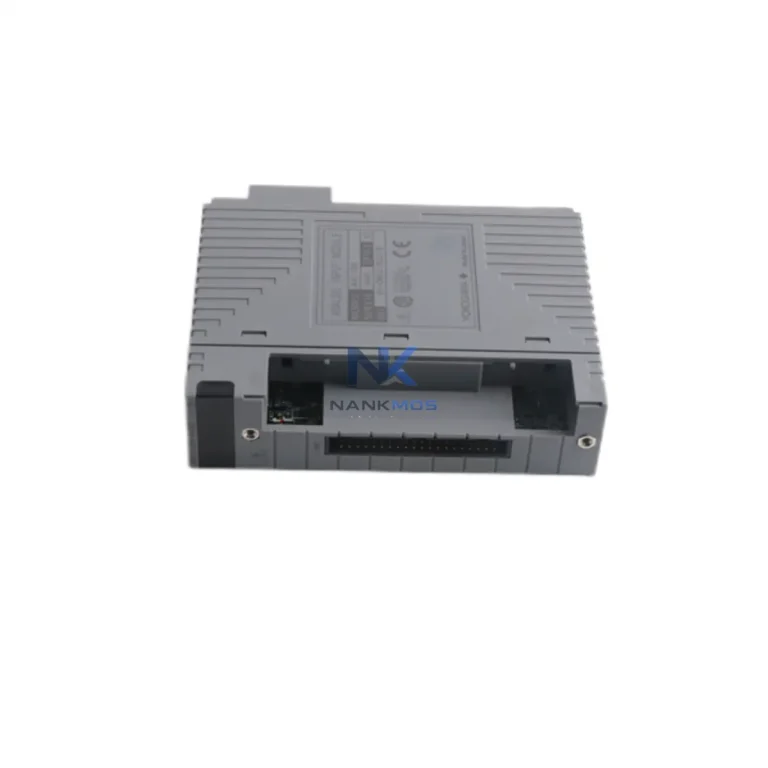
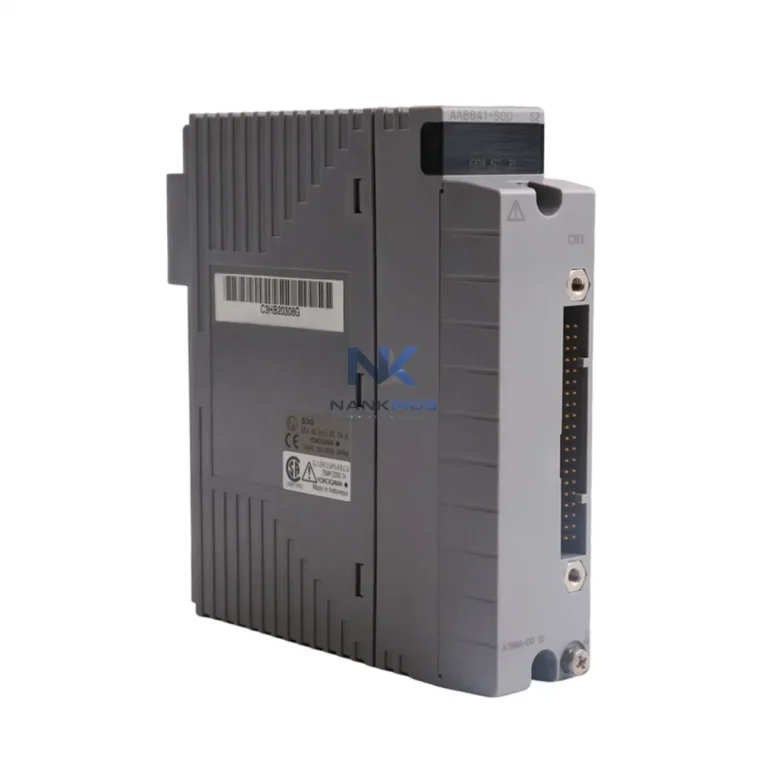
Yokogawa ADR541-S00 S1 is a NANKMOS industrial automation product record Listed under Other series series and Business & Industrial > Automation, Control & Flow Devices > Programmable Logic Controllers. Confirm condition, availability, lead time, compatibility and documentation by email inquiry.
Brand names are used for identification only.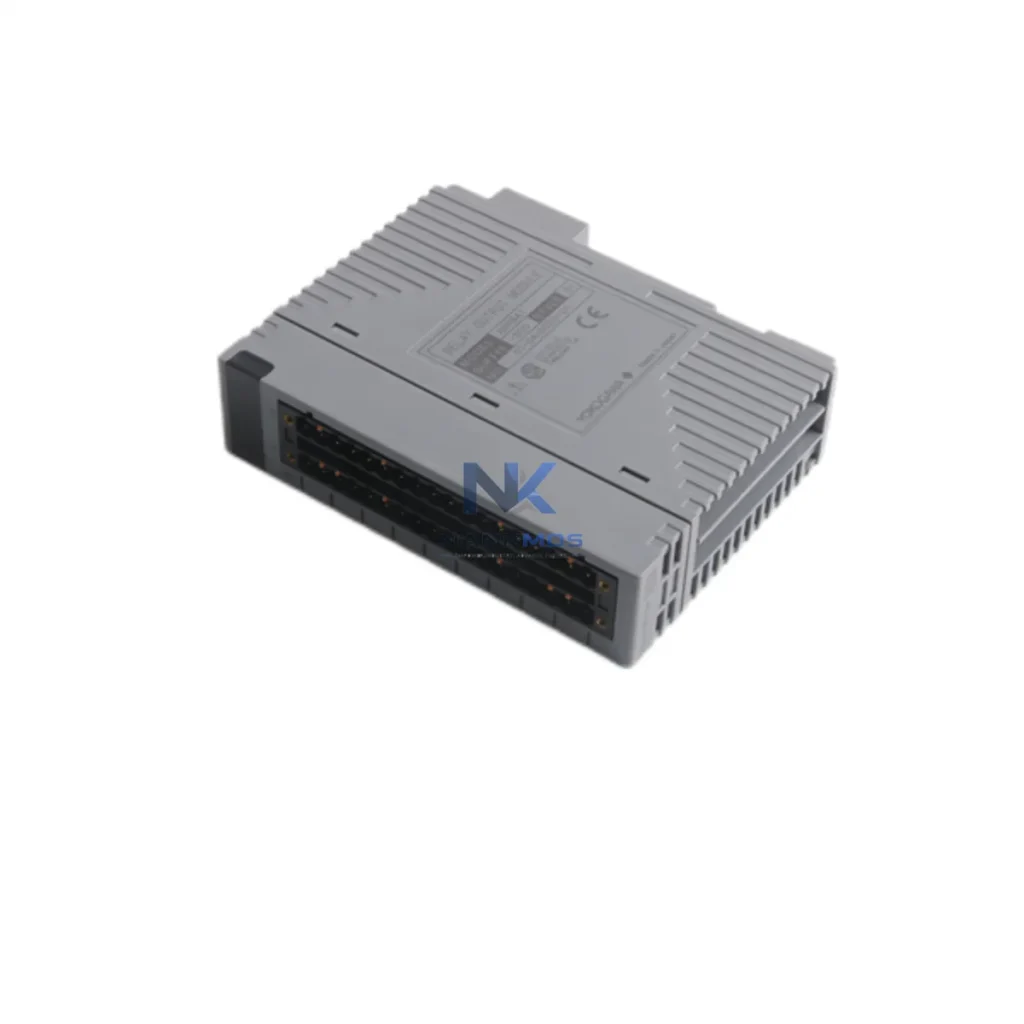
Yokogawa ADR541-S00 S1 is a NANKMOS industrial automation product record Listed under Other series series and Business & Industrial > Automation, Control & Flow Devices > Programmable Logic Controllers. Confirm condition, availability, lead time, compatibility and documentation by email inquiry.
| Manufacturer | Yokogawa |
|---|---|
| Application | Controller Processing & System Control |
| Part Number / Model | ADR541-S00 S1 |
| Compatible System | Confirmed by inquiry |
| Condition Options | To Confirm |
| Module Type | Controller / CPU Module |
| Warranty | 12 Months |
| Packaging | Anti-static Bag / Secure Box |
| Shipping Methods | DHL / FedEx / UPS / Air / Sea |
| Availability | To Confirm |
| Lead Time | To Confirm |
| Documentation | Part number and revision checked before quote |
The Yokogawa ADR541-S00 S1 is a high-reliability relay output module engineered for the CENTUM CS Distributed Control System (DCS) platform. Designed to meet the demanding requirements of modern industrial energy management, this module delivers precise load switching, deterministic output control, and robust isolation performance across continuous process environments including oil & gas, petrochemical, power generation, water treatment, and smart manufacturing facilities. By integrating directly into the CENTUM CS control architecture, the ADR541-S00 S1 enables plant engineers to enforce energy-efficient switching strategies, reduce unnecessary actuator cycling, and maintain stable production line throughput with minimal thermal overhead.
In energy-intensive facilities where every switching event carries a cost, the ADR541-S00 S1 provides the output-side precision needed to align field device activation with real-time process demand. Its relay contact outputs support a wide range of field loads — from solenoid valves and motor starters to alarm annunciators and auxiliary contactors — making it a versatile building block in any power-aware automation strategy. When paired with upstream analog input modules such as the Yokogawa AAI141 or AAI543, the system can correlate measured process variables directly with output switching decisions, eliminating redundant actuator operations and reducing idle-state energy draw across the production floor.
The ADR541-S00 S1 operates as a critical output node within a broader power-aware automation architecture. In a typical CENTUM CS deployment, the module receives switching commands from the Yokogawa CP451 or CP461 controller processor, which executes control logic based on real-time data aggregated from field instruments and energy monitoring subsystems. This tight integration between controller and output module ensures that relay switching events are precisely timed to process demand — eliminating the energy waste associated with over-frequent or premature actuator activation.
On the power monitoring side, the ADR541-S00 S1 works in conjunction with dedicated power measurement infrastructure. When plant engineers deploy Yokogawa WT series power analyzers or third-party power monitoring modules connected via the Yokogawa ALR111 communication interface module, real-time energy consumption data can be fed back into the CENTUM CS control loop. This closed-loop energy feedback enables the controller to modulate output switching patterns dynamically — for example, staggering motor starter activations to reduce peak demand charges or sequencing pump starts to flatten the load curve.
For motor control applications, the ADR541-S00 S1 relay outputs interface directly with motor control centers (MCCs) and variable frequency drive (VFD) enable circuits. When combined with Yokogawa VSFX series inverters or compatible third-party drives, the relay module provides the run/stop command signal while the VFD manages speed and torque — a combination that dramatically reduces motor inrush current and associated thermal stress on both the motor and the distribution network. The Yokogawa ADM541 digital input module can simultaneously monitor motor run-feedback signals, creating a complete start-stop-feedback loop within the CENTUM CS I/O subsystem.
At the field level, the ADR541-S00 S1 connects to solenoid valves, pilot relays, and auxiliary contactors that govern fluid flow, pneumatic actuation, and electrical isolation across the process plant. Its robust relay contacts tolerate the inductive switching transients common in these applications without degradation, maintaining reliable output performance over extended service intervals. The module's channel-to-channel isolation architecture also prevents fault propagation — a single field-side short circuit does not compromise adjacent output channels, preserving production continuity and reducing unplanned downtime.
Integration with the plant's SCADA layer is achieved through the CENTUM CS communication bus, which transmits output status, relay health diagnostics, and switching event logs to the Yokogawa FAST/TOOLS SCADA platform or compatible OPC-DA/UA clients. This visibility allows energy managers to audit switching patterns, identify inefficient actuator cycling, and implement demand-response strategies aligned with utility tariff schedules.
In smart production environments, energy optimization is not a one-time configuration task — it is an ongoing operational discipline. The Yokogawa ADR541-S00 S1 supports this discipline by providing the output-side control precision that energy management systems require to enforce load-shedding strategies, coordinate equipment sequencing, and minimize idle-state power consumption across the production line.
Consider a continuous process line where multiple pumps, compressors, and agitators must be started and stopped in response to batch progress signals. Without precise relay output control, operators may resort to manual switching or coarse timer-based automation — both of which result in unnecessary run time and elevated energy bills. The ADR541-S00 S1, operating under CENTUM CS control logic, enables event-driven switching tied directly to process state: a pump starts only when upstream tank level reaches the setpoint, and stops the moment the downstream condition is satisfied. This demand-driven approach can reduce pump run hours by 15–30% in typical batch processing applications, with corresponding reductions in motor wear, seal replacement frequency, and cooling system load.
Thermal load management is another area where the ADR541-S00 S1 delivers measurable value. In high-density I/O cabinets, unnecessary relay energization generates heat that must be removed by cabinet cooling systems — themselves significant energy consumers. By minimizing dwell time in the energized state and leveraging the module's low-power relay driver design, plant engineers can reduce cabinet thermal output and extend cooling system service intervals. When the Yokogawa CENTUM CS 3000 FCS (Field Control Station) manages multiple ADR541-S00 S1 modules across a large I/O rack, the aggregate thermal savings across dozens of output channels become operationally significant.
Predictive maintenance integration further enhances the energy optimization value of the ADR541-S00 S1. By logging relay switching counts and correlating them with field device performance data — available through the CENTUM CS diagnostic bus and the Yokogawa PRM (Plant Resource Manager) asset management platform — maintenance teams can identify contacts approaching end-of-life before failure occurs. Planned replacement during scheduled shutdowns eliminates the energy and production losses associated with unplanned outages, and ensures that the output module continues to deliver the switching precision that energy management strategies depend on.
From a production line throughput perspective, the ADR541-S00 S1 contributes to stable line cadence by eliminating the output-side variability that can disrupt synchronized multi-machine operations. In assembly and packaging lines where conveyor drives, reject gates, and labeling actuators must operate in precise sequence, reliable relay output timing — enforced by the CENTUM CS controller — prevents the micro-delays and false triggers that cause line stoppages and quality rejects. Fewer stoppages mean higher OEE (Overall Equipment Effectiveness) and lower energy cost per unit produced.
Q1: What energy saving benefits does the Yokogawa ADR541-S00 S1 provide in a DCS-controlled plant? The ADR541-S00 S1 enables demand-driven relay switching under CENTUM CS control logic, eliminating unnecessary actuator run time and reducing idle-state energy draw. When integrated with power monitoring modules and VFD enable circuits, it supports closed-loop energy management strategies that can reduce motor run hours and peak demand charges across the production facility.
Q2: Is the ADR541-S00 S1 compatible with CENTUM CS 1000 and CENTUM CS 3000 systems? Yes. The ADR541-S00 S1 is designed for the Yokogawa CENTUM CS platform family, including CENTUM CS, CENTUM CS 1000, and CENTUM CS 3000 Field Control Stations. It slots into the standard I/O nest and communicates via the CENTUM CS internal bus without requiring additional interface hardware.
Q3: What is the recommended replacement or upgrade path for aging relay output modules in CENTUM CS systems? For plants operating legacy CENTUM CS I/O infrastructure, the ADR541-S00 S1 is the recommended like-for-like replacement for worn or end-of-life relay output modules. Before replacement, verify the module slot address and I/O assignment in the CENTUM CS engineering environment. All replacement units supplied by NANKMOS are tested prior to shipment and include a 12-Month Warranty covering manufacturing defects and functional performance.
Q4: What does the 12-Month Warranty cover, and how is the pre-shipment test conducted? Every Yokogawa ADR541-S00 S1 unit supplied by NANKMOS undergoes functional testing prior to dispatch, including relay contact continuity verification, isolation resistance measurement, and bus communication handshake confirmation. The 12-Month Warranty covers manufacturing defects and verified functional failures under normal operating conditions. Units are shipped with test documentation upon request. Contact [email protected] or +86 18359268345 for warranty claims and technical support.
Functional Inspection100% tested on professional platforms to ensure stable performance.
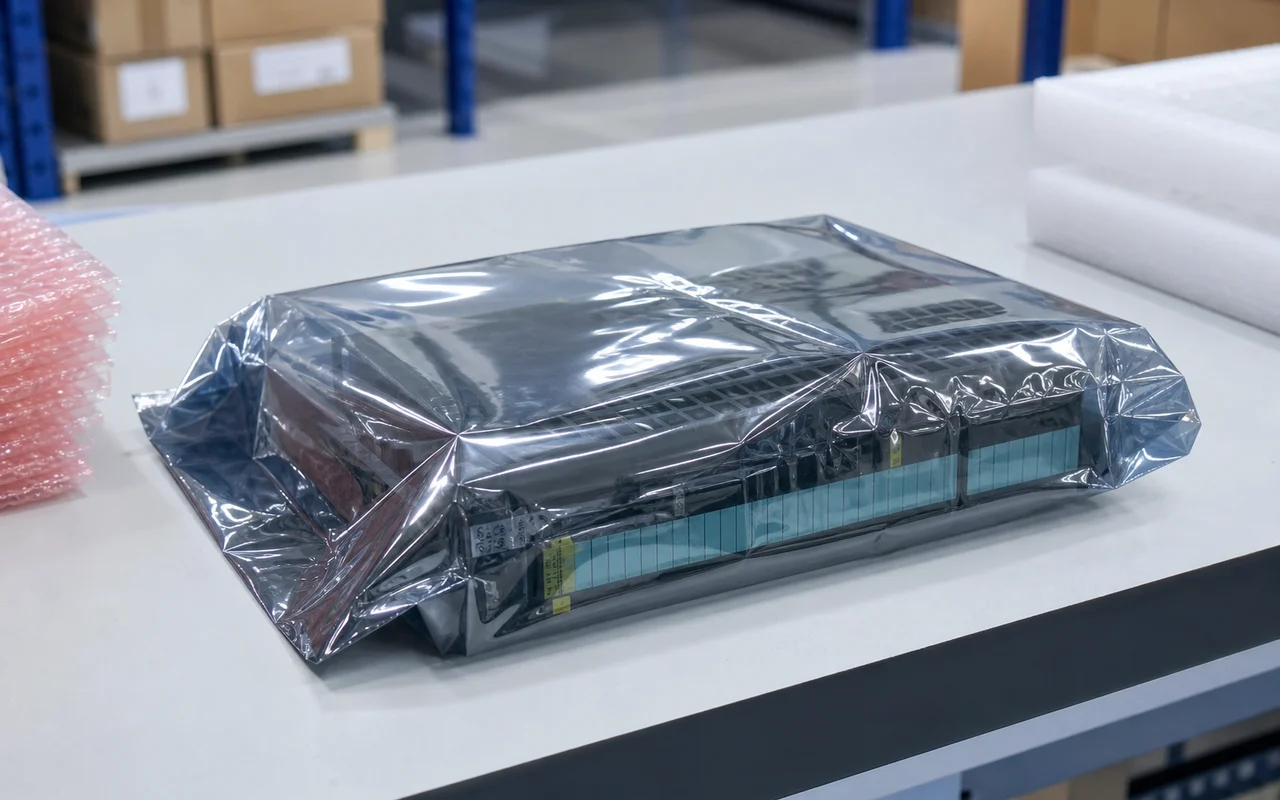 Anti-static Packaging
Modules are packed in anti-static bags to prevent electrostatic damage.
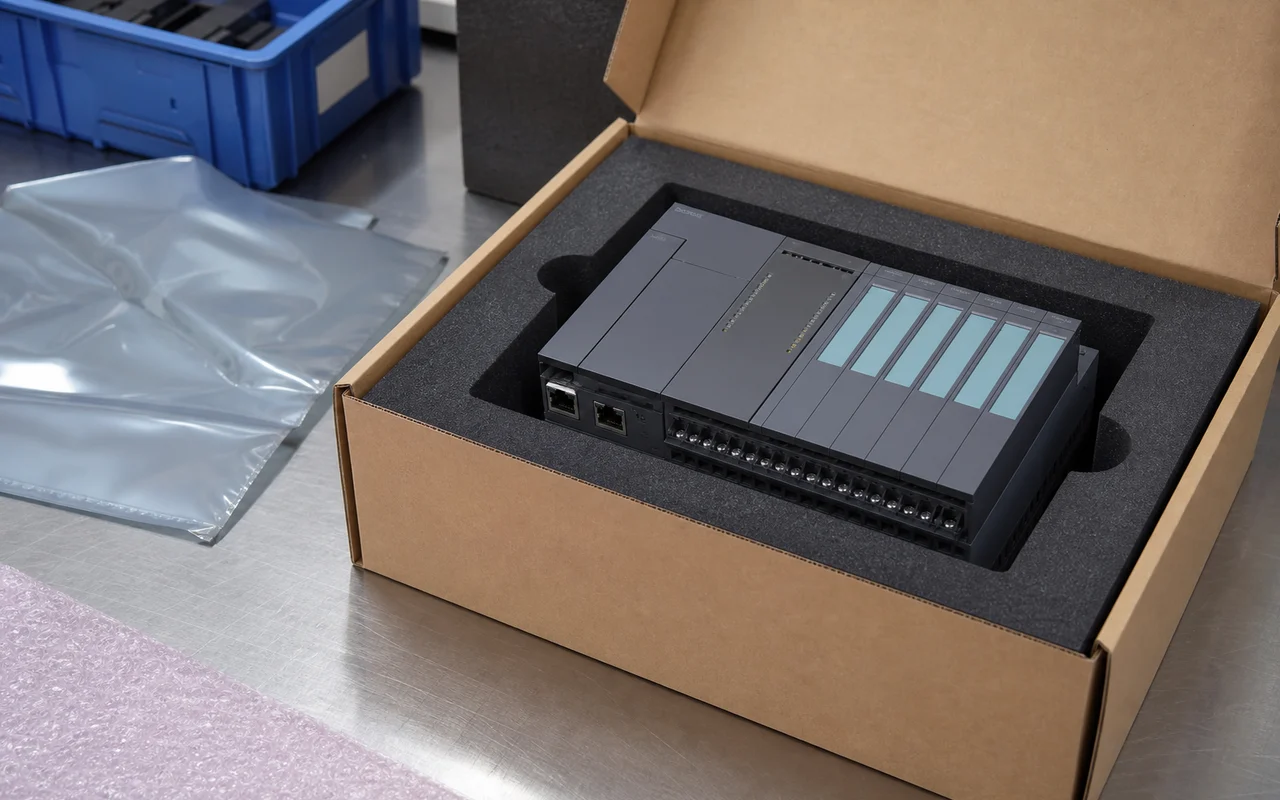 Secure Export Packing
Cushion protection and strong cartons ensure safe transportation.
 Worldwide Shipping
Global logistics network supports air, sea and express delivery.
 Documentation Check
Part number, revision and compatibility verified before shipment.
 After-sales Support
Professional technical support to help resolve your issues.