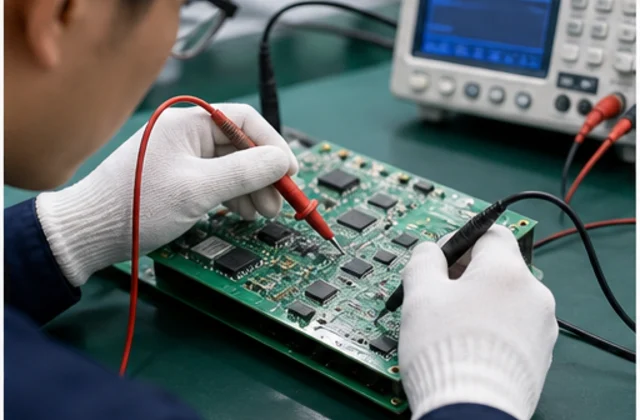
 Functional Inspection
100% tested on professional platforms to ensure stable performance.
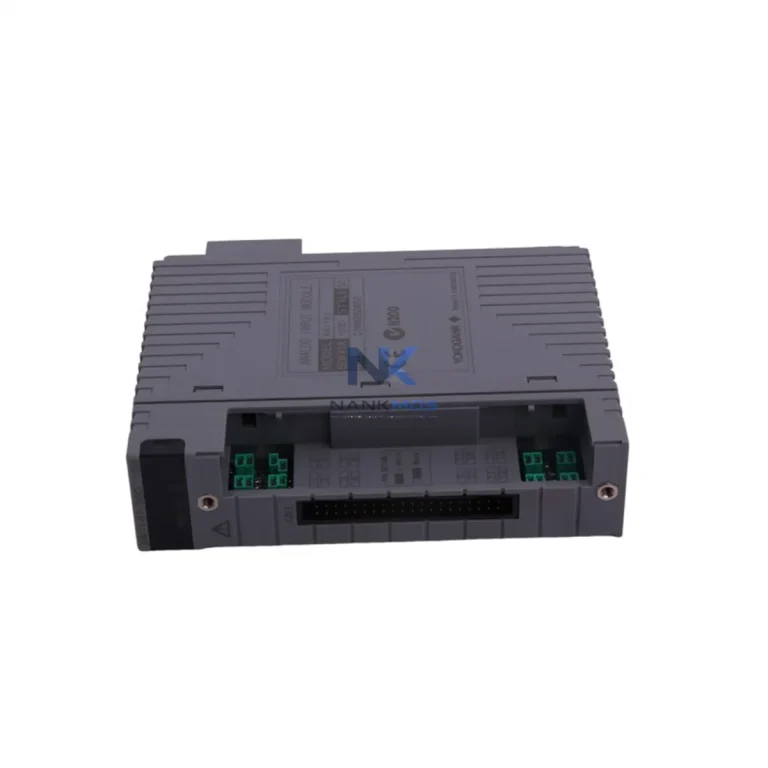
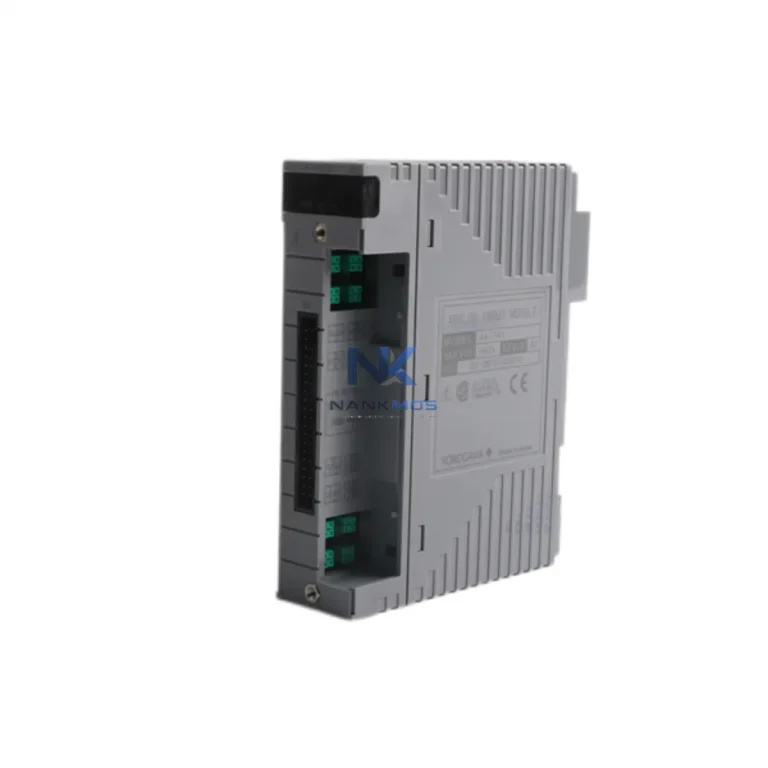
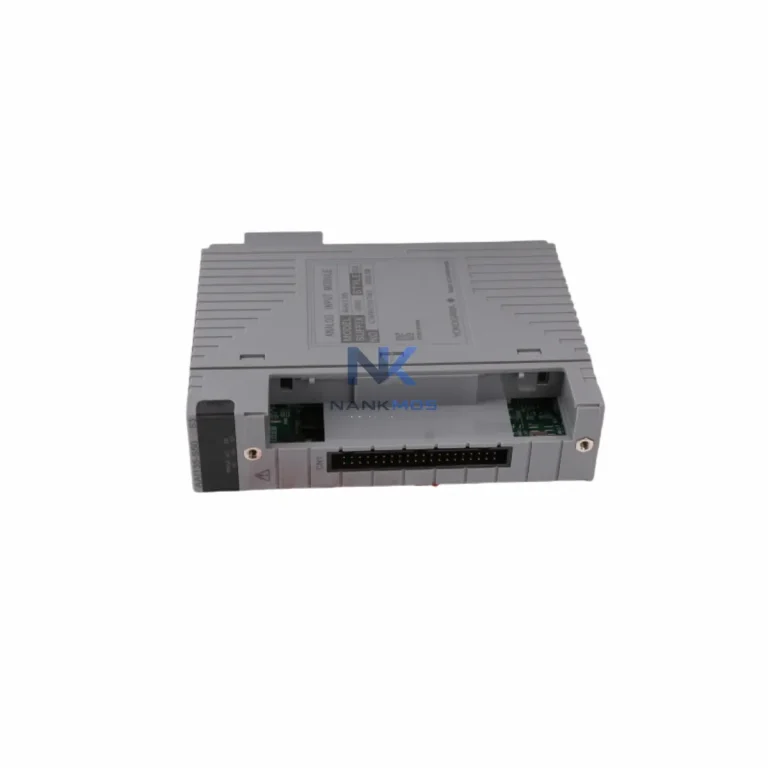
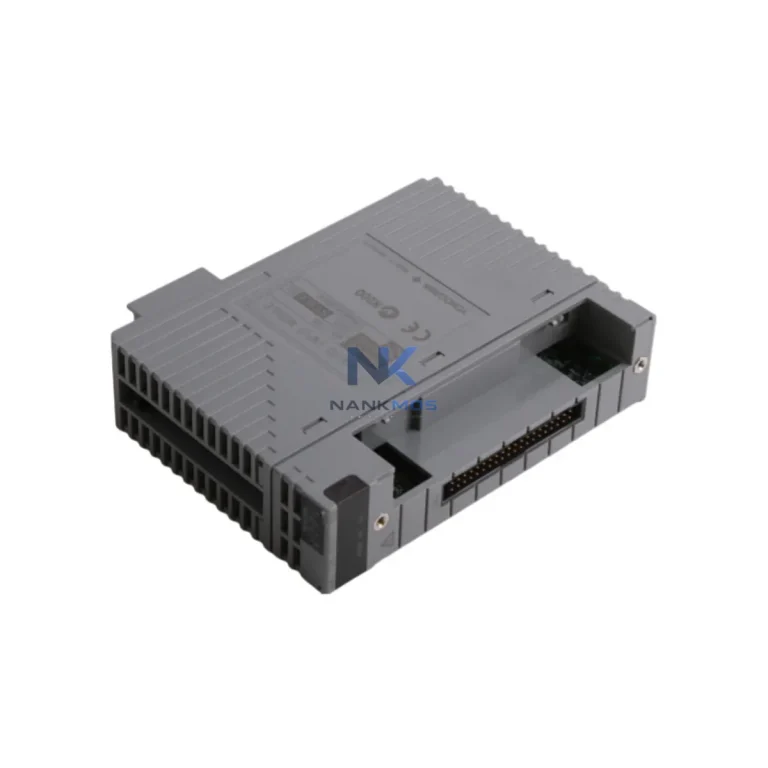
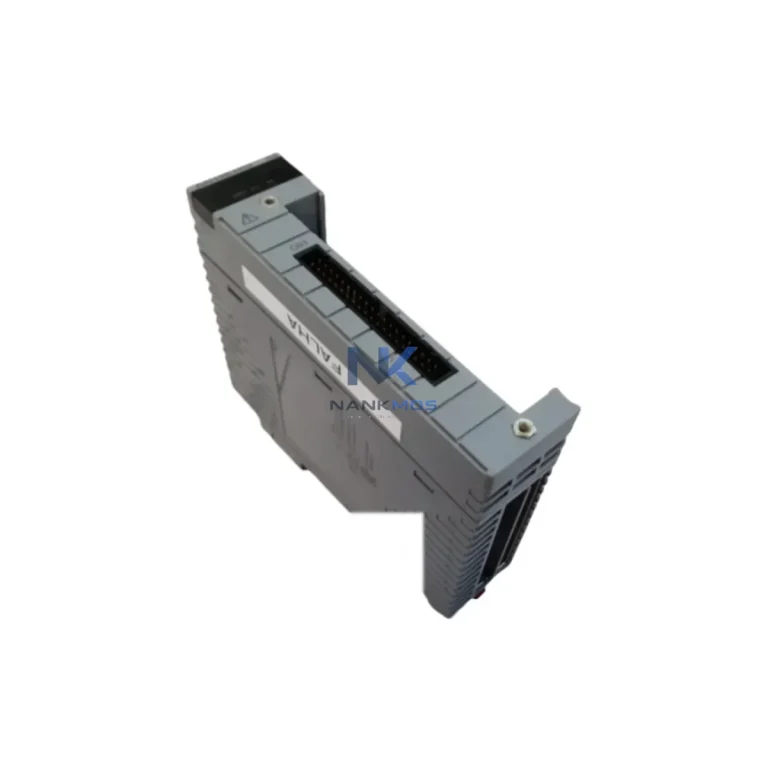
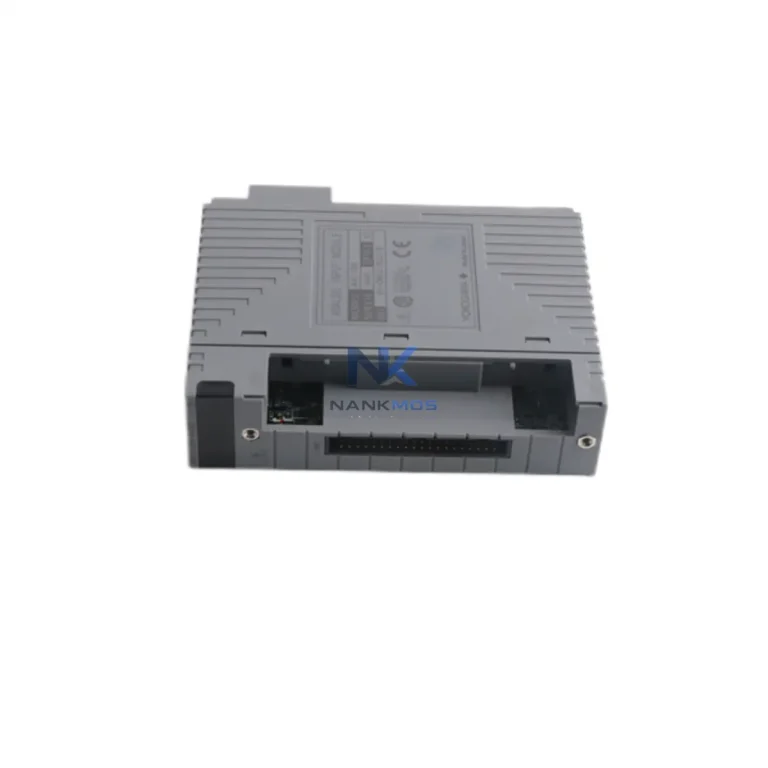
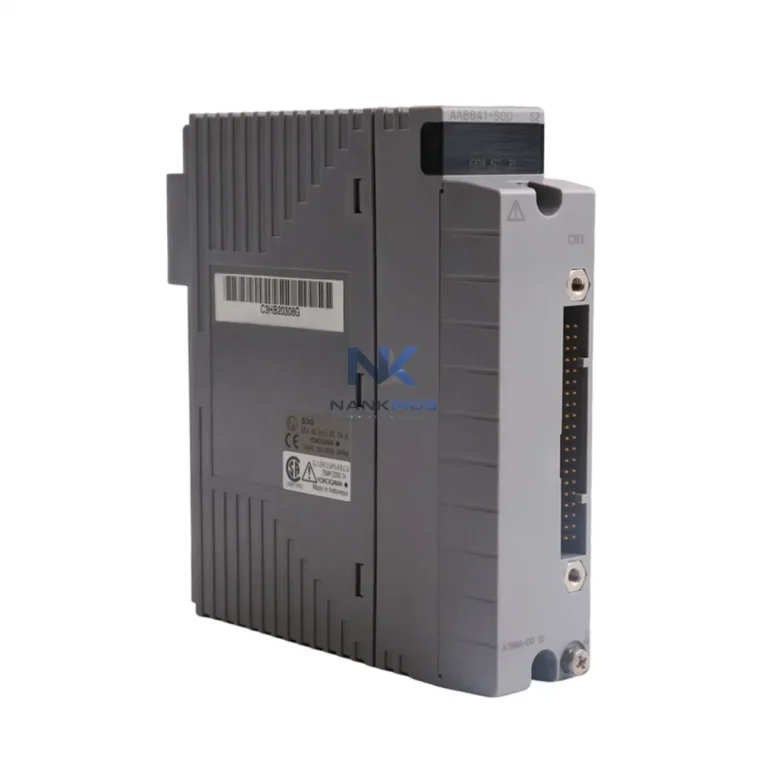
Yokogawa ADV551-P10 is a NANKMOS industrial automation product record Listed under CENTUM VP series and Business & Industrial > Automation, Control & Flow Devices > Programmable Logic Controllers. Confirm condition, availability, lead time, compatibility and documentation by email inquiry.
Brand names are used for identification only.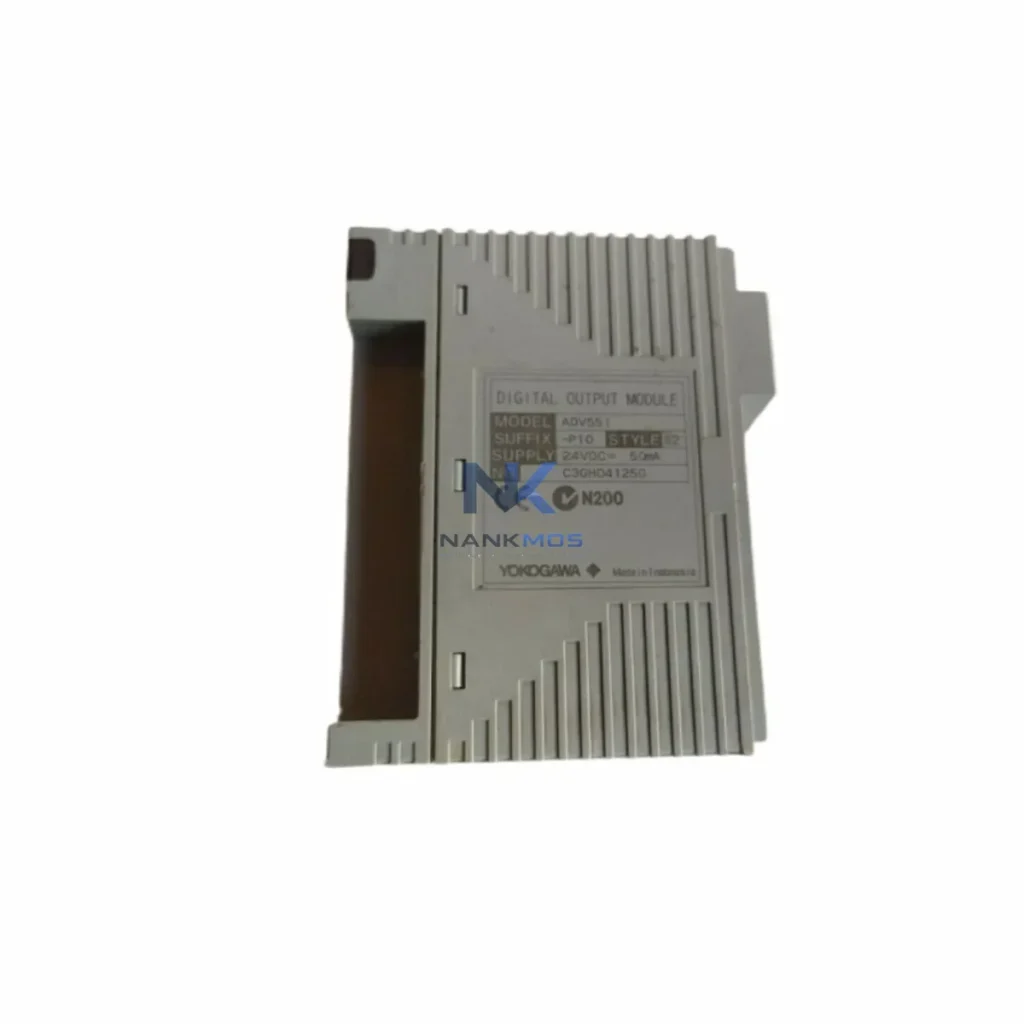
Yokogawa ADV551-P10 is a NANKMOS industrial automation product record Listed under CENTUM VP series and Business & Industrial > Automation, Control & Flow Devices > Programmable Logic Controllers. Confirm condition, availability, lead time, compatibility and documentation by email inquiry.
| Manufacturer | Yokogawa |
|---|---|
| Application | Controller Processing & System Control |
| Part Number / Model | ADV551-P10 |
| Compatible System | CENTUM VP |
| Series | CENTUM VP |
| Condition Options | To Confirm |
| Module Type | Controller / CPU Module |
| Warranty | 12 Months |
| Packaging | Anti-static Bag / Secure Box |
| Shipping Methods | DHL / FedEx / UPS / Air / Sea |
| Availability | To Confirm |
| Lead Time | To Confirm |
| Documentation | Part number and revision checked before quote |
The Yokogawa ADV551-P10 is a high-reliability digital output module engineered for the Centum VP Distributed Control System (DCS), delivering deterministic switching performance across demanding industrial environments. Designed to minimize parasitic energy consumption and reduce thermal load on control cabinets, the ADV551-P10 serves as a critical interface between the DCS controller and field actuators — enabling precise load management, reduced idle-state power draw, and tighter production-line synchronization. With its compact I/O architecture and robust signal isolation, this module supports energy-aware automation strategies that align with modern factory efficiency mandates.
In energy-intensive production environments — including chemical processing, oil and gas, power generation, and advanced manufacturing — every switching cycle carries an energy cost. The ADV551-P10 addresses this by providing low-leakage digital outputs that reduce unnecessary actuator energization, support fast de-energization on process completion, and integrate seamlessly with Yokogawa's Centum VP supervisory layer for real-time load visibility. When paired with upstream power monitoring modules such as the Yokogawa PFCS (Process Field Control Station) and downstream field instruments, the ADV551-P10 becomes a key node in a closed-loop energy management architecture.
The ADV551-P10 operates as a downstream execution node within a layered power-aware automation architecture. At the supervisory level, the Yokogawa Centum VP DCS controller — typically a PFCS or SFCS (Sequence Field Control Station) — issues switching commands based on process logic that incorporates energy state awareness. The ADV551-P10 executes these commands with minimal latency, ensuring that field actuators such as solenoid valves, motor contactors, and indicator lamps are energized only when process conditions demand it.
For motor-driven loads, the ADV551-P10 output signals interface with variable frequency drives (VFDs) and soft starters — for example, Yokogawa's own drive-compatible I/O configurations or third-party drives integrated via hardwired interlock — to coordinate start/stop sequences that avoid inrush current spikes and reduce peak demand charges. When combined with Yokogawa's power monitoring modules (such as those in the Centum VP I/O subsystem) and external power quality analyzers, the ADV551-P10 participates in a feedback loop where actual load data informs future switching decisions.
On the communication side, the ADV551-P10 resides on the Centum VP V-net/IP or ESB (Enhanced Signal Bus) backplane, enabling high-speed data exchange with HMI stations running Yokogawa's FAST/TOOLS or Exaopc OPC server. This connectivity allows operators to monitor output state, switching frequency, and load status in real time — feeding data upstream to SCADA systems or energy management platforms via OPC-UA or Modbus TCP. Complementary I/O modules such as the ADV151 (analog input) and ADV161 (analog output) can be co-located in the same I/O nest to provide a complete signal acquisition and actuation solution within a single field control station.
For safety-critical applications, the ADV551-P10 can be integrated with Yokogawa's ProSafe-RS Safety Instrumented System (SIS), where its output states are cross-validated against safety logic to prevent unsafe energization of field devices. This integration supports IEC 61511-compliant energy isolation procedures and contributes to overall plant safety integrity while maintaining energy efficiency objectives.
In high-throughput production environments, unplanned downtime and inefficient load cycling are the two primary drivers of excess energy consumption. The ADV551-P10 addresses both through its deterministic switching behavior and deep integration with the Centum VP process control layer. By enabling precise, logic-driven actuation of field devices, the module eliminates the common practice of leaving actuators continuously energized during process holds or shift transitions — a significant source of avoidable energy waste in batch and continuous manufacturing operations.
Load-shedding sequences programmed in the Centum VP DCS can leverage the ADV551-P10's output channels to systematically de-energize non-critical loads during low-demand periods, peak tariff windows, or planned maintenance intervals. This capability is particularly valuable in facilities operating under demand-response agreements with utilities, where reducing peak load by even a few kilowatts can yield measurable cost savings. The module's fast response time ensures that load-shedding commands are executed within the DCS scan cycle, maintaining process stability while reducing instantaneous power draw.
From a predictive maintenance perspective, the ADV551-P10's output switching history — logged by the Centum VP historian or an external SCADA/MES system — provides a reliable indicator of actuator health. Abnormal switching patterns, such as increased cycle frequency or unexpected state changes, can signal developing faults in field devices before they escalate to unplanned downtime. This data-driven maintenance approach reduces both energy waste from degraded equipment and the production losses associated with emergency repairs.
Each ADV551-P10 unit shipped by NANKMOS undergoes a full functional output test prior to dispatch, verifying channel integrity, isolation resistance, and switching response under load. This outgoing quality control process ensures that the module performs to specification from the first installation cycle, reducing commissioning time and the risk of early-life failures that could disrupt production-line rhythm.
Q1: How does the ADV551-P10 contribute to measurable energy savings on a production line? The ADV551-P10 enables logic-controlled actuation of field loads, eliminating continuous energization of actuators during idle or hold states. When integrated with Centum VP energy management sequences, it supports load-shedding, demand-response, and scheduled de-energization routines that directly reduce kWh consumption. The magnitude of savings depends on the number of controlled loads and their individual power ratings, but facilities with high actuator counts typically see meaningful reductions in auxiliary power consumption.
Q2: Is the ADV551-P10 compatible with existing Centum CS 3000 installations, and what is the migration path? The ADV551-P10 is designed for the Centum VP platform. For sites running Centum CS 3000, Yokogawa provides a structured migration path that preserves existing I/O wiring while upgrading the control layer to Centum VP. NANKMOS can supply ADV551-P10 modules as part of a phased migration project, and our technical team can advise on I/O nest compatibility, backplane configuration, and engineering change management to minimize production disruption during the transition.
Q3: What testing and quality assurance procedures does NANKMOS apply before shipping the ADV551-P10? Every ADV551-P10 unit undergoes a multi-point outgoing inspection that includes channel-by-channel output verification, isolation resistance measurement, and functional switching test under representative load conditions. Units that pass all test criteria are packaged in anti-static, moisture-resistant materials and shipped with a test record. The 12-Month Warranty covers manufacturing defects and functional failures under normal operating conditions from the date of shipment.
Q4: What is the recommended replacement or upgrade path if the ADV551-P10 reaches end of service life? For applications requiring higher channel density or enhanced diagnostics, Yokogawa's current Centum VP I/O portfolio includes updated digital output modules with expanded self-diagnostic capabilities and improved isolation ratings. NANKMOS maintains stock of both current-generation and legacy-compatible modules to support planned replacement programs. Contact our team to confirm current availability, lead times, and any applicable cross-reference recommendations based on your specific I/O nest configuration.
Functional Inspection100% tested on professional platforms to ensure stable performance.
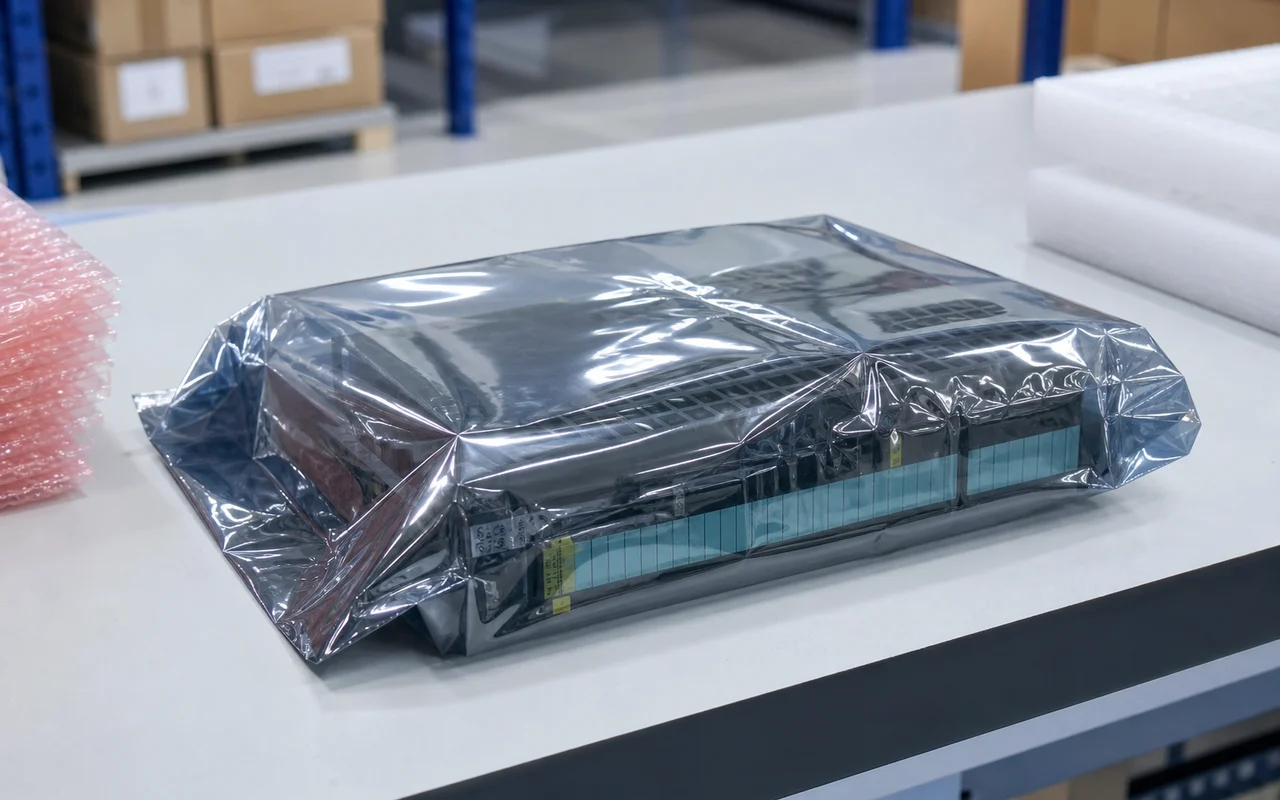 Anti-static Packaging
Modules are packed in anti-static bags to prevent electrostatic damage.
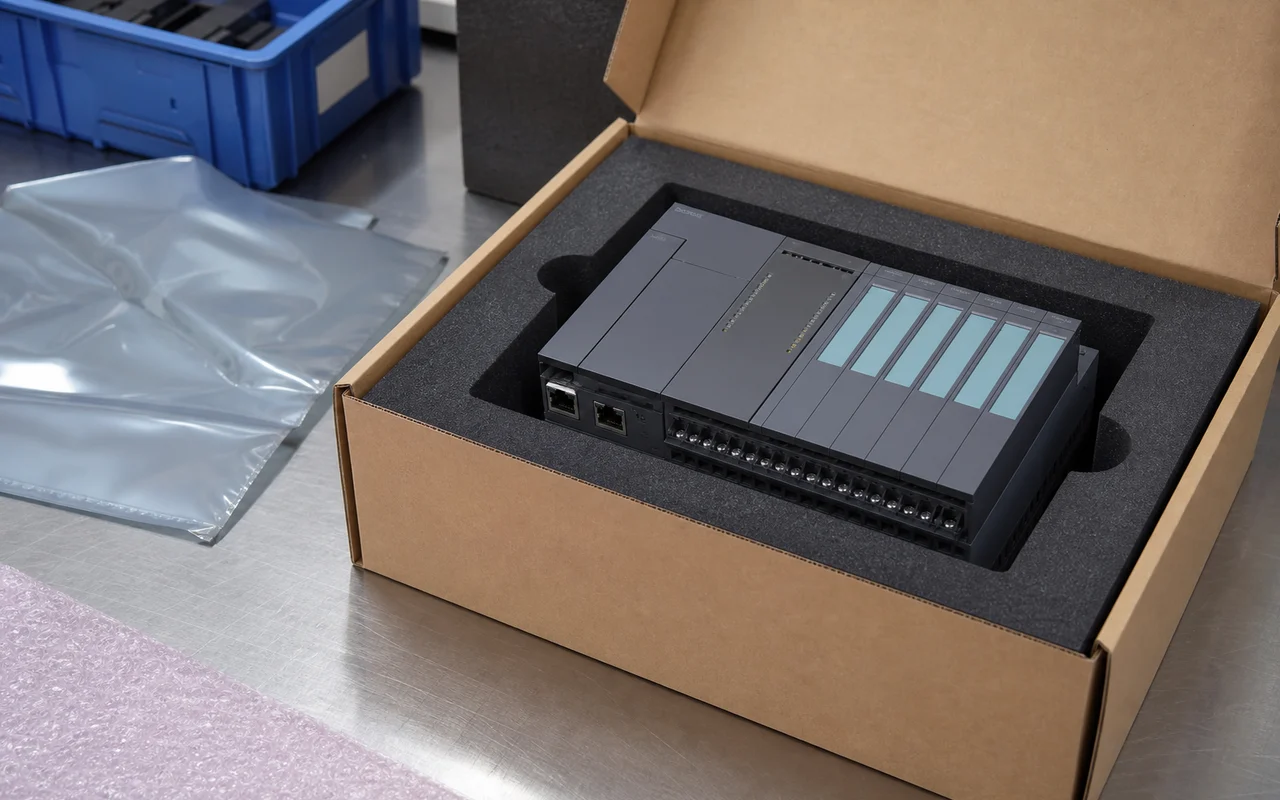 Secure Export Packing
Cushion protection and strong cartons ensure safe transportation.
 Worldwide Shipping
Global logistics network supports air, sea and express delivery.
 Documentation Check
Part number, revision and compatibility verified before shipment.
 After-sales Support
Professional technical support to help resolve your issues.