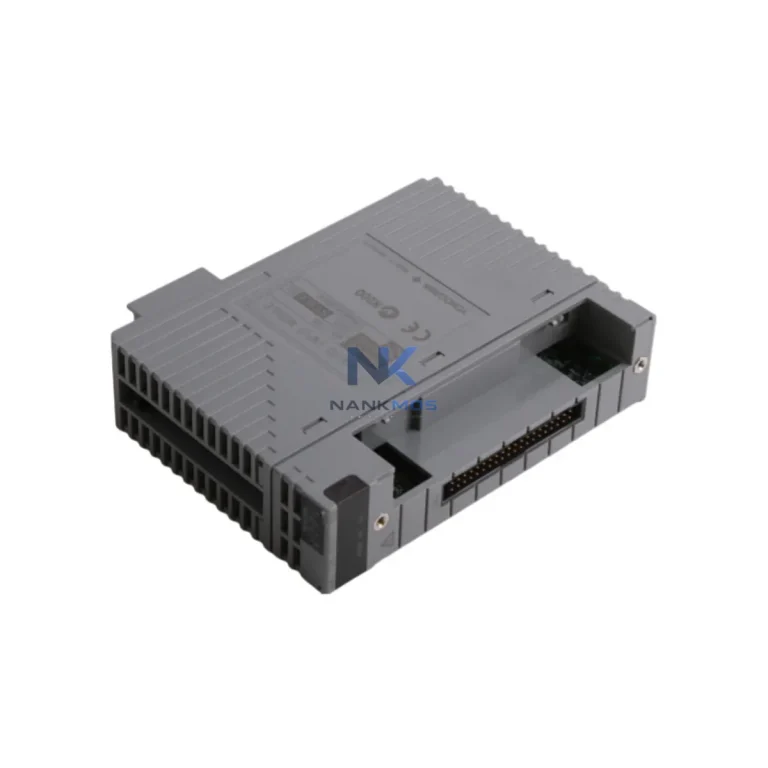
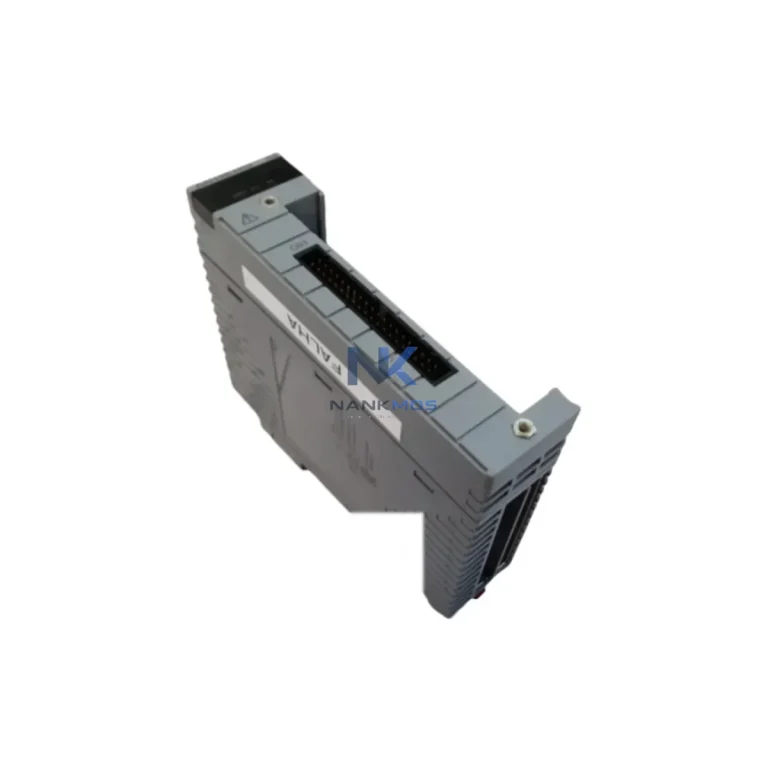
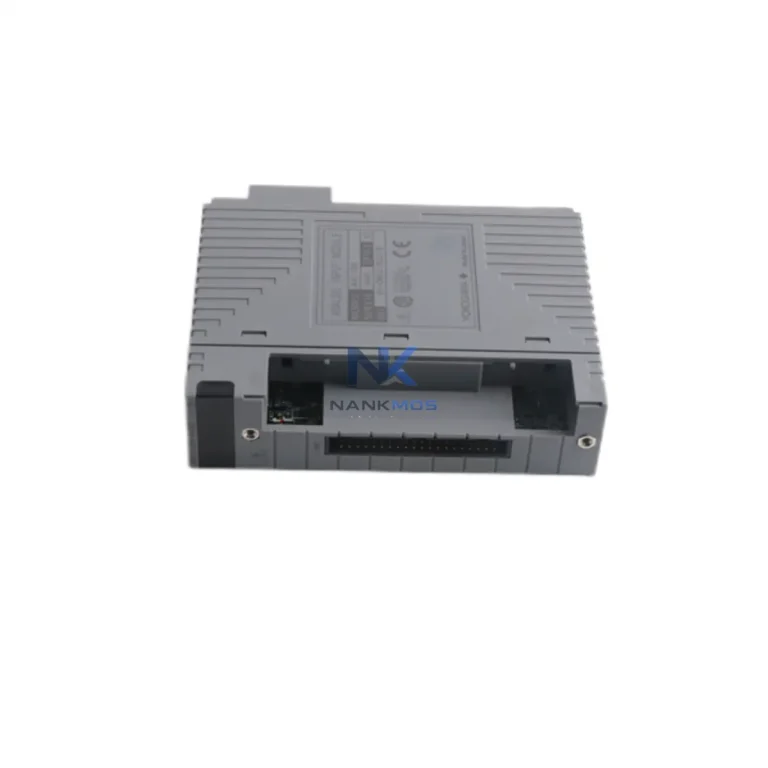
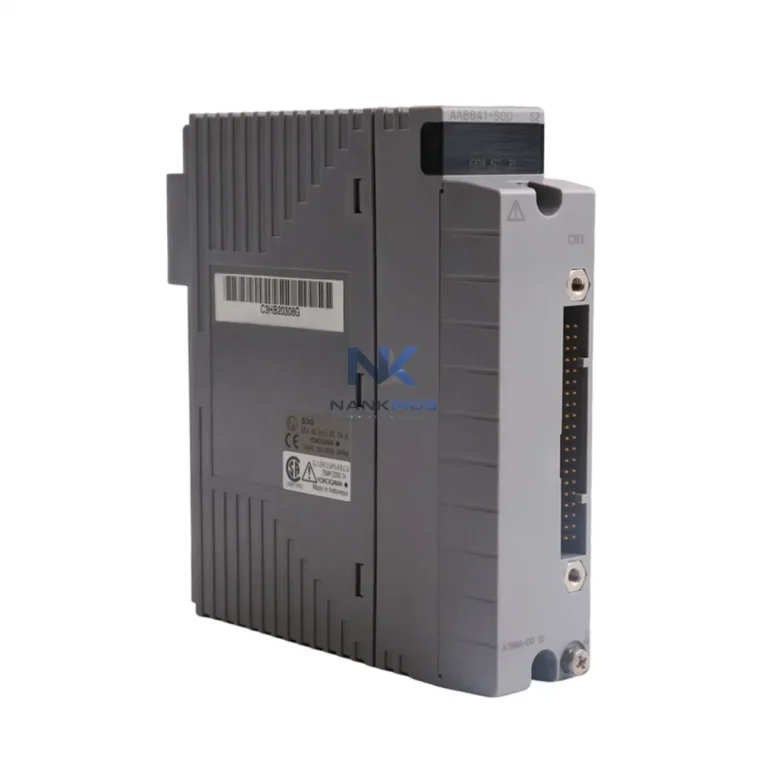
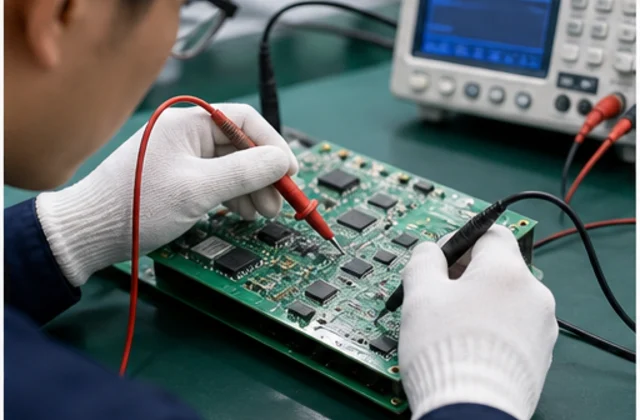
 Functional Inspection
100% tested on professional platforms to ensure stable performance.
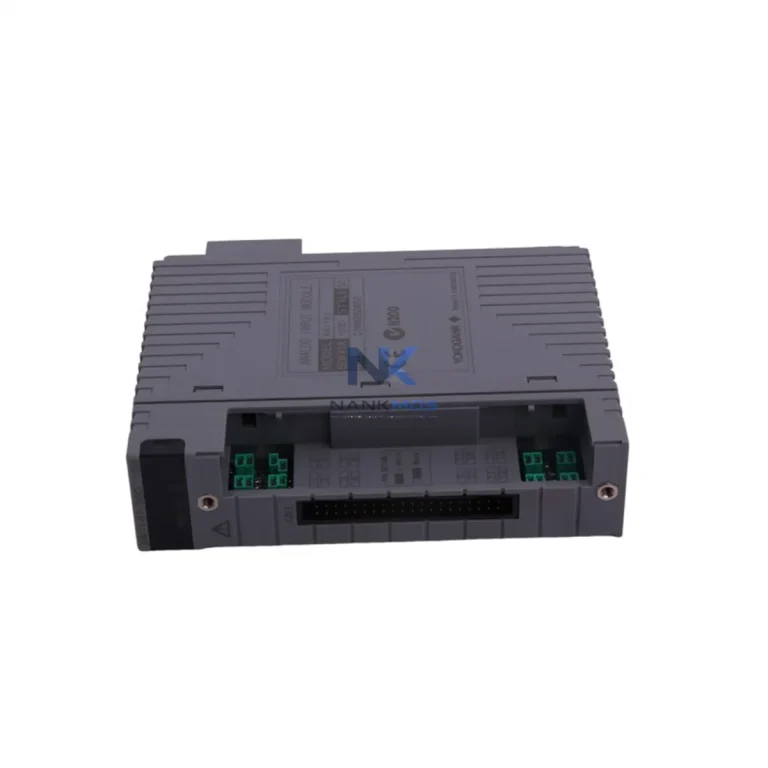
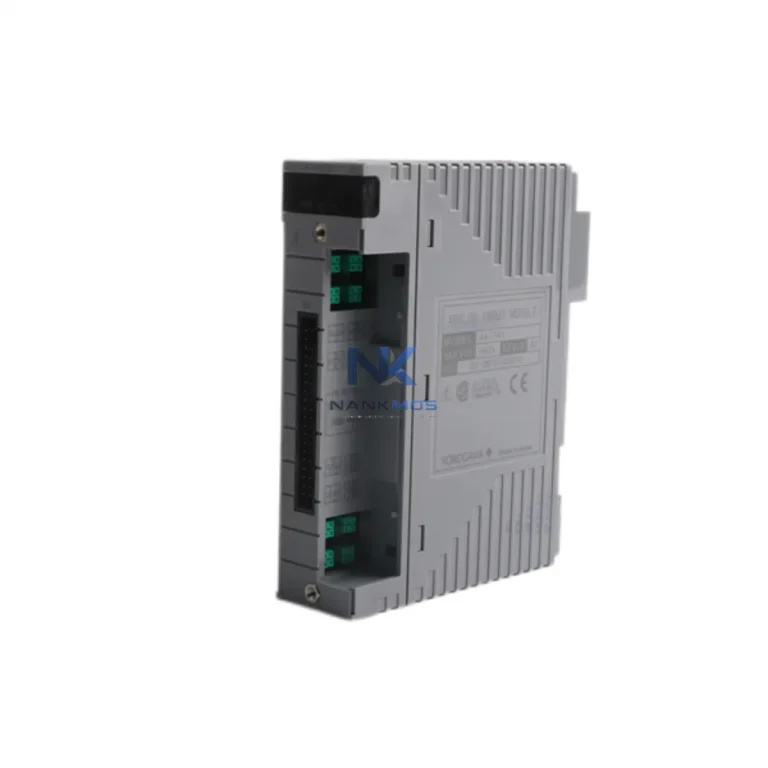
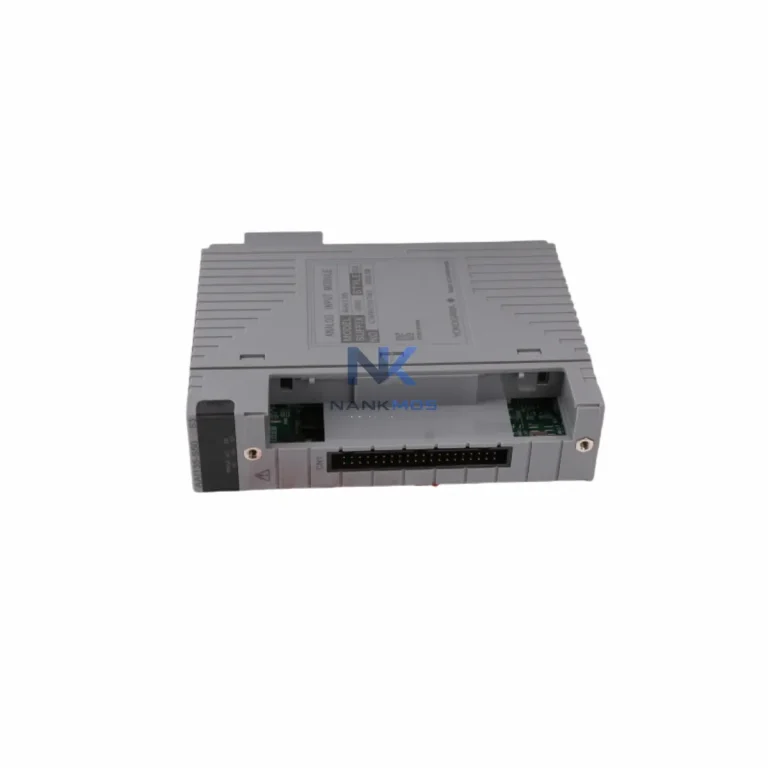
Yokogawa AIP502 is a NANKMOS industrial automation product record Listed under Other series series and Business & Industrial > Automation, Control & Flow Devices > Programmable Logic Controllers. Confirm condition, availability, lead time, compatibility and documentation by email inquiry.
Brand names are used for identification only.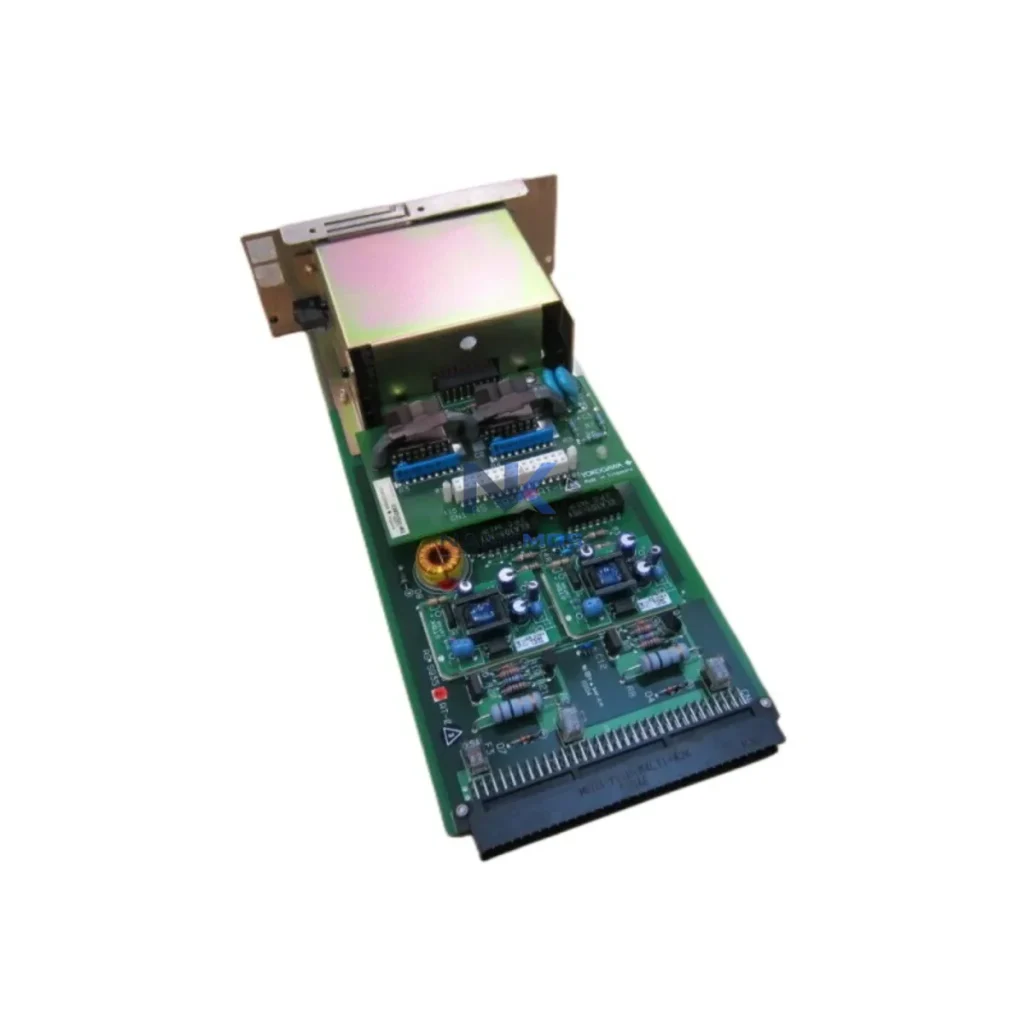
Yokogawa AIP502 is a NANKMOS industrial automation product record Listed under Other series series and Business & Industrial > Automation, Control & Flow Devices > Programmable Logic Controllers. Confirm condition, availability, lead time, compatibility and documentation by email inquiry.
| Manufacturer | Yokogawa |
|---|---|
| Application | Controller Processing & System Control |
| Part Number / Model | AIP502 |
| Compatible System | Confirmed by inquiry |
| Condition Options | To Confirm |
| Module Type | Controller / CPU Module |
| Warranty | 12 Months |
| Packaging | Anti-static Bag / Secure Box |
| Shipping Methods | DHL / FedEx / UPS / Air / Sea |
| Availability | To Confirm |
| Lead Time | To Confirm |
| Documentation | Part number and revision checked before quote |
The Yokogawa AIP502 is a high-performance V-Net Coupler Module engineered for the CENTUM distributed control system (DCS) platform. Designed to serve as the backbone of energy-aware process automation, the AIP502 enables reliable, low-latency communication across V-net bus segments while supporting real-time energy monitoring, load balancing, and production line synchronization. In demanding industrial environments — from petrochemical refineries to power generation facilities and smart manufacturing plants — the AIP502 delivers the signal integrity and bus management capability required to sustain continuous, energy-optimized operations.
As industrial facilities push toward leaner energy consumption and higher equipment utilization, the AIP502 plays a central role in connecting field devices, controllers, and supervisory systems into a unified, power-aware automation architecture. Its robust design minimizes signal degradation across extended bus runs, reducing retransmission overhead and the associated energy waste that accumulates in poorly coupled DCS networks.
The AIP502 V-Net Coupler Module is most effective when deployed as part of a fully integrated, power-aware CENTUM DCS architecture. In a typical smart production line, the AIP502 bridges multiple V-net bus segments, ensuring that the Yokogawa CENTUM VP Field Control Station (FCS) — such as the AFV10D or AFV30D — maintains uninterrupted communication with field I/O modules, including the AAI141 analog input module and AAI543 analog I/O module, which continuously feed process variables such as motor current draw, valve position, and flow rates back to the control layer.
On the drive side, the AIP502-coupled DCS network interfaces with variable frequency drives (VFDs) — including Yokogawa-compatible drives and third-party units communicating via FOUNDATION Fieldbus or HART protocol — to enable dynamic motor speed adjustment based on real-time load demand. This closed-loop integration between the FCS, the AIP502 bus coupler, and the drive layer eliminates fixed-speed motor operation, one of the largest sources of avoidable energy consumption in process plants.
The Yokogawa STARDOM FCN/FCJ autonomous controller can be deployed alongside the CENTUM VP system to handle edge-level energy calculations and local load shedding decisions, offloading computational overhead from the central DCS and reducing the energy cost of control processing itself. Meanwhile, the Yokogawa Exaquantum plant information management system (PIMS) aggregates energy KPIs from across the bus network, providing operators with the visibility needed to identify inefficient load profiles and schedule preventive maintenance before thermal stress or overcurrent conditions develop.
For power quality monitoring, the AIP502 network supports integration with Yokogawa WT series power analyzers, which measure true power, reactive power, and harmonic distortion at the motor and drive level. This data flows through the V-net bus to the CENTUM VP historian, enabling trend analysis that supports both real-time load management and long-term energy efficiency reporting. The Yokogawa EJA series differential pressure transmitters further contribute by providing accurate flow measurements that allow the DCS to optimize pump and compressor loading — directly reducing shaft power demand and heat generation in rotating equipment.
In high-throughput production environments, unplanned downtime and inefficient energy use share a common root cause: poor signal integrity and delayed control response. The AIP502 addresses both by providing a stable, low-jitter V-net bus coupling that ensures control commands from the CENTUM VP FCS reach actuators, drives, and I/O modules within the deterministic cycle times required for tight production line synchronization.
When the AIP502 is correctly installed and the V-net bus is operating within specification, the DCS can execute energy-saving strategies such as demand response load shedding, staggered motor start sequences to reduce peak inrush current, and adaptive setpoint management based on real-time production throughput. These strategies collectively reduce peak demand charges, lower average energy consumption per unit of output, and extend the service life of motors, drives, and switchgear by reducing thermal cycling.
Predictive maintenance integration is another key benefit. By maintaining continuous, high-quality data flow across the V-net bus, the AIP502 ensures that vibration data from Yokogawa SL1000 high-speed data acquisition modules and temperature readings from thermocouple I/O cards reach the CENTUM VP historian without data loss. Maintenance teams can then use Exaquantum or third-party CMMS platforms to correlate energy consumption anomalies with early-stage equipment degradation — scheduling interventions during planned shutdowns rather than reacting to failures.
The result is a measurable improvement in Overall Equipment Effectiveness (OEE): higher availability through reduced unplanned stops, better performance through optimized drive and motor loading, and improved quality through stable process conditions maintained by a reliable, energy-efficient DCS bus infrastructure anchored by the AIP502.
Every AIP502 unit supplied by NANKMOS is sourced from verified channels, subjected to incoming inspection and bus signal integrity testing, and dispatched with a 12-month warranty. Lead times are confirmed at order placement, and stock availability is maintained to support both planned project deployments and urgent MRO requirements.
Q1: How does the AIP502 contribute to energy savings in a CENTUM DCS system? The AIP502 maintains clean, low-loss V-net bus coupling between DCS segments, reducing communication errors and the associated reprocessing cycles that consume controller CPU time and delay energy-saving control actions. A stable bus enables the FCS to execute demand-response strategies, VFD speed adjustments, and load-shedding routines with the timing precision required for measurable energy reduction.
Q2: Is the AIP502 compatible with both CENTUM CS 3000 and CENTUM VP systems? Yes. The AIP502 is designed for use within the Yokogawa CENTUM V-net bus architecture and is compatible with CENTUM CS 3000, CENTUM VP, and CENTUM VP R6 platforms. For specific cabinet and bus segment configuration requirements, consult the CENTUM VP engineering documentation or contact NANKMOS technical support.
Q3: What is the recommended replacement or upgrade path if the AIP502 is end-of-life in my system? For systems undergoing migration from CENTUM CS 3000 to CENTUM VP R6, Yokogawa provides a structured migration path that retains V-net bus topology while upgrading FCS hardware. The AIP502 may continue to function in mixed-generation bus configurations during phased migration. NANKMOS can advise on compatible coupler alternatives and migration sequencing to minimize production disruption.
Q4: What testing is performed before shipment, and what does the 12-month warranty cover? All AIP502 units undergo functional power-on testing and V-net bus signal integrity verification prior to dispatch. The 12-month warranty covers manufacturing defects and functional failures under normal operating conditions. Units are packaged in anti-static, shock-protected materials to prevent transit damage. For warranty claims or technical support, contact NANKMOS at [email protected] or +86 18359268345.
Functional Inspection100% tested on professional platforms to ensure stable performance.
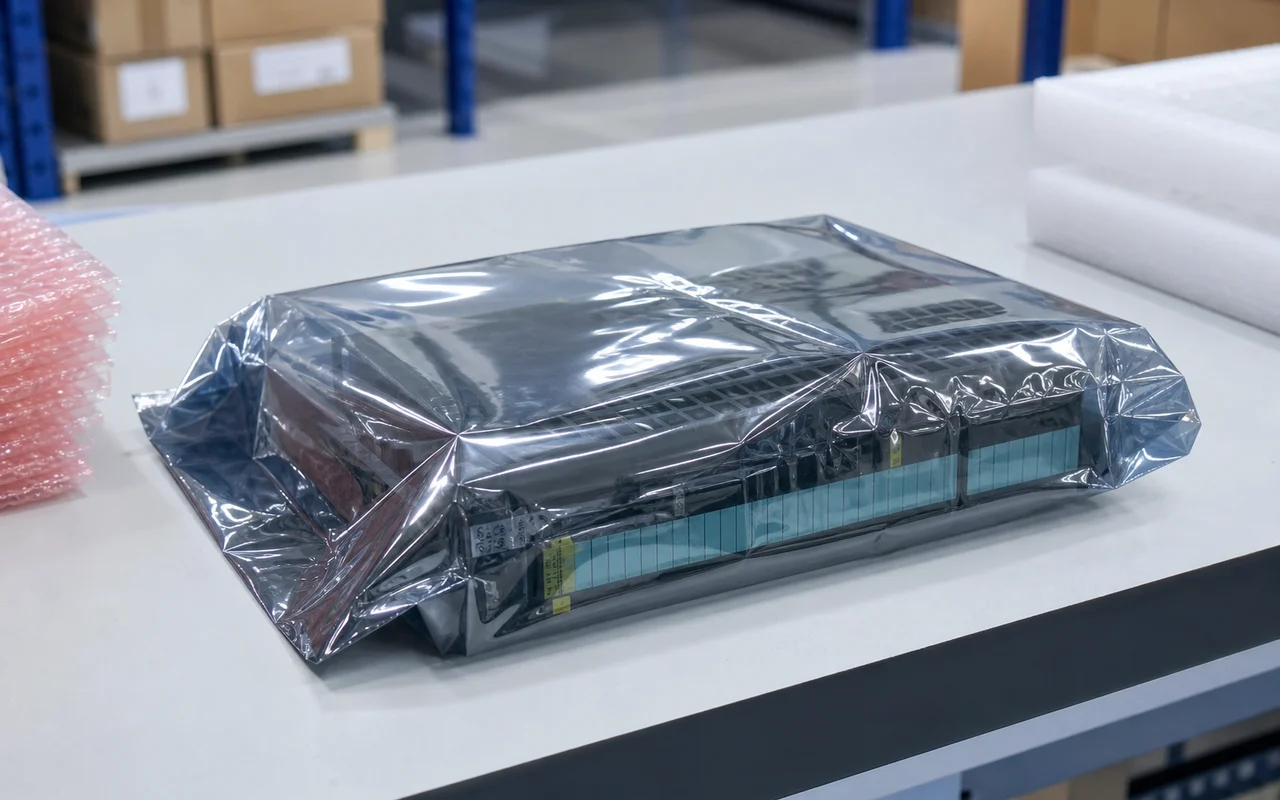 Anti-static Packaging
Modules are packed in anti-static bags to prevent electrostatic damage.
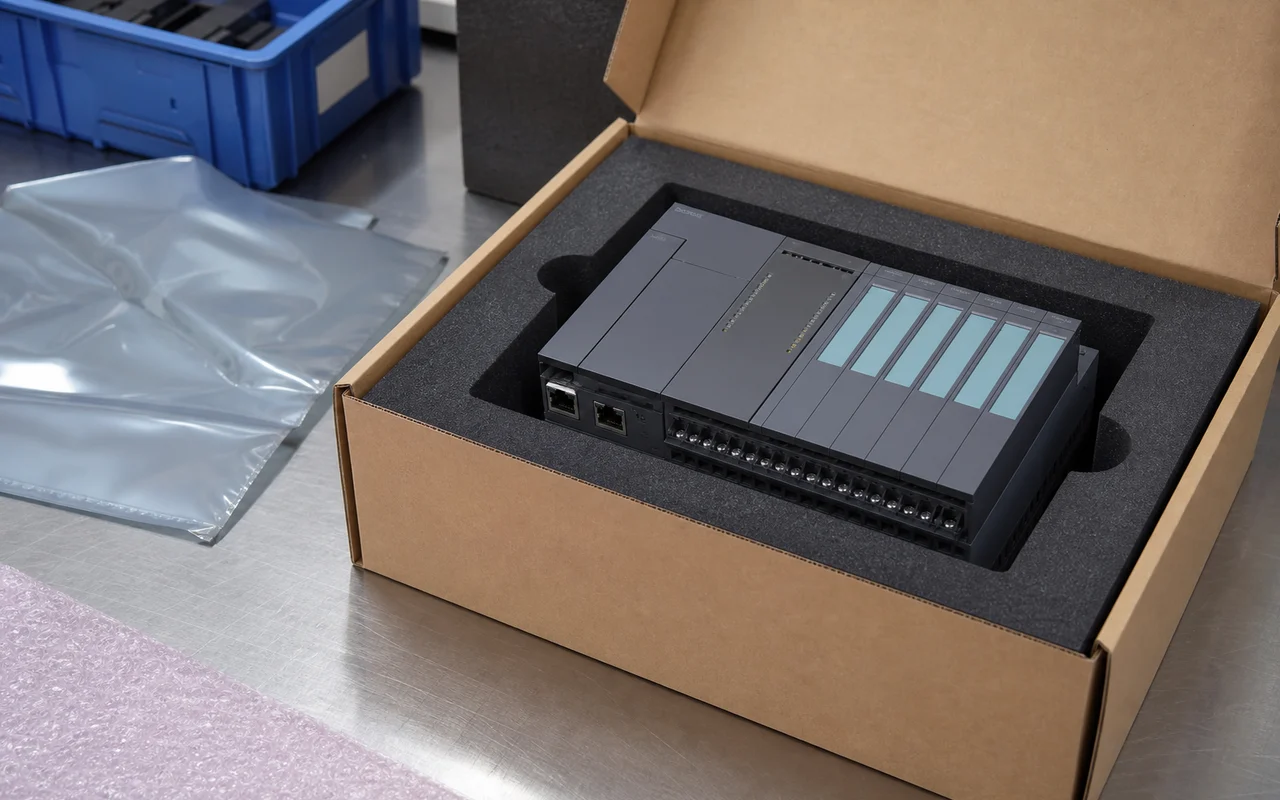 Secure Export Packing
Cushion protection and strong cartons ensure safe transportation.
 Worldwide Shipping
Global logistics network supports air, sea and express delivery.
 Documentation Check
Part number, revision and compatibility verified before shipment.
 After-sales Support
Professional technical support to help resolve your issues.