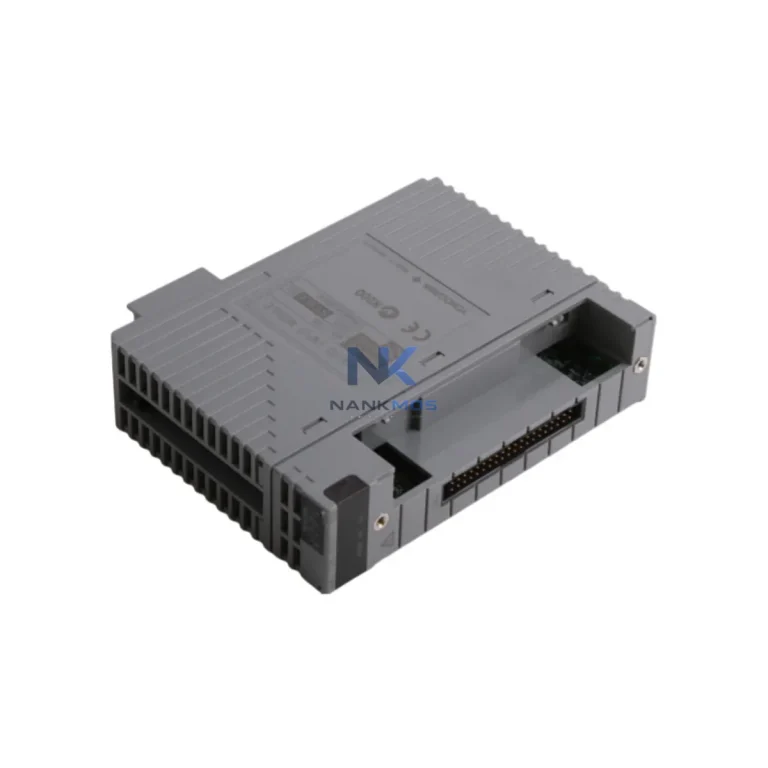
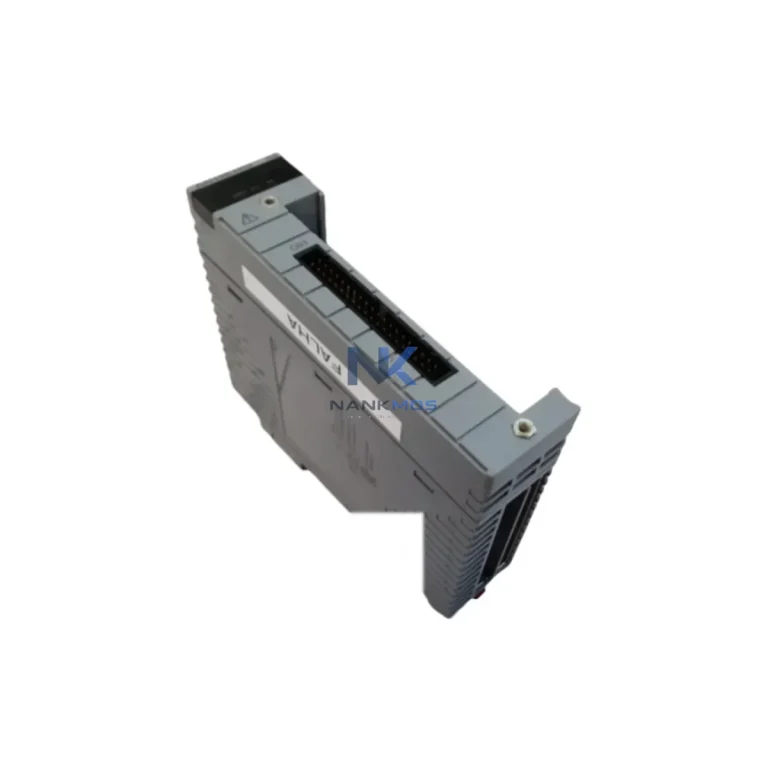
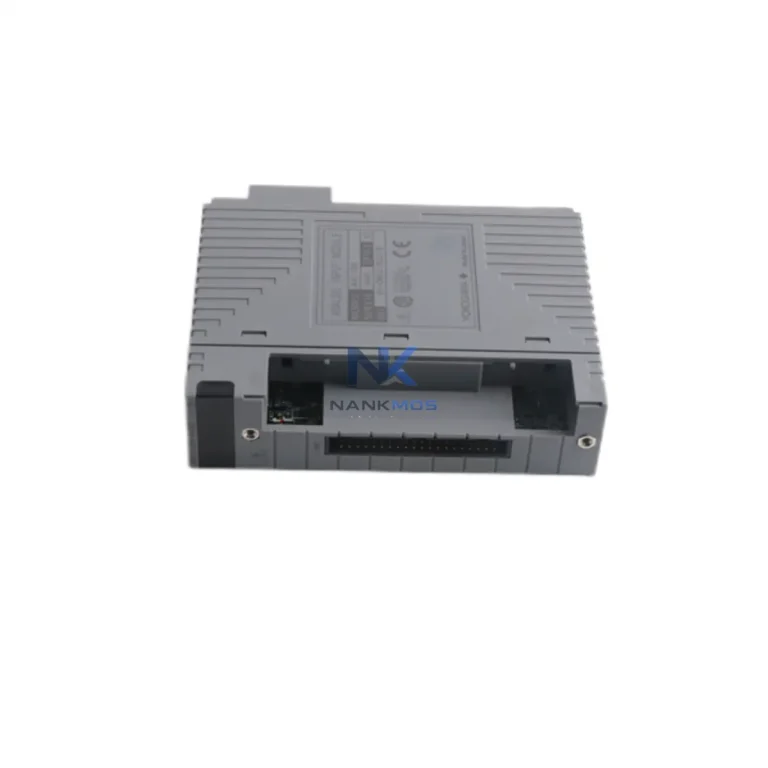
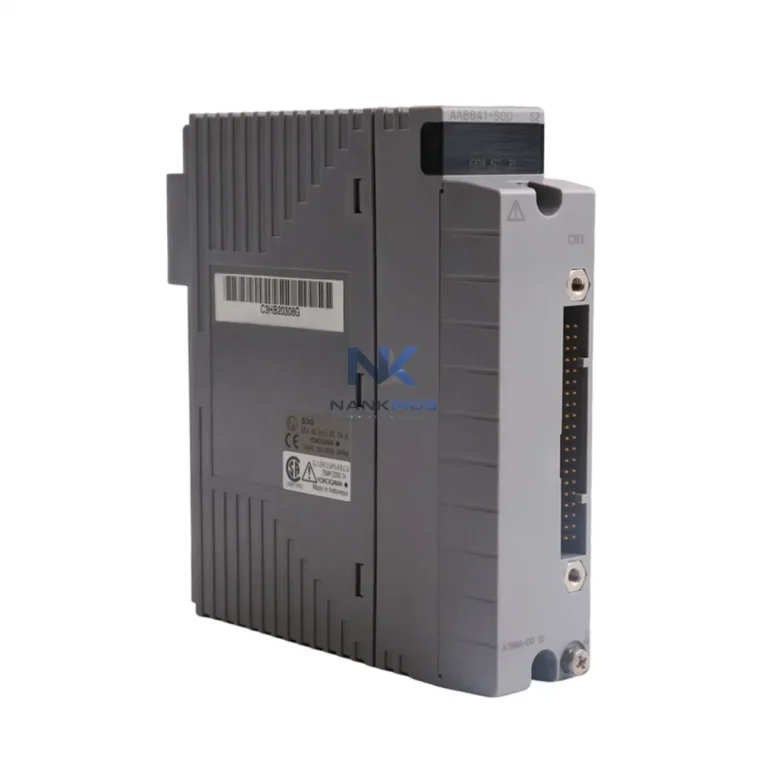
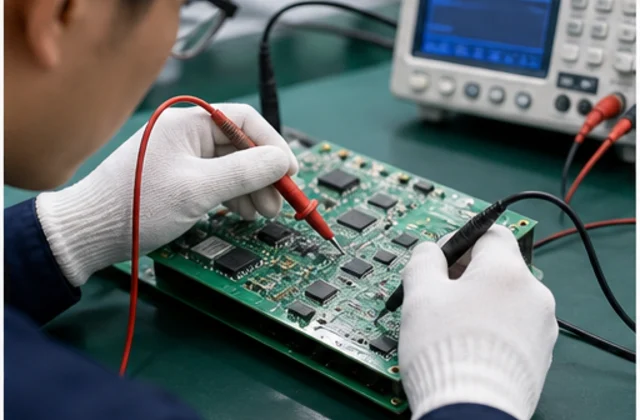
 Functional Inspection
100% tested on professional platforms to ensure stable performance.
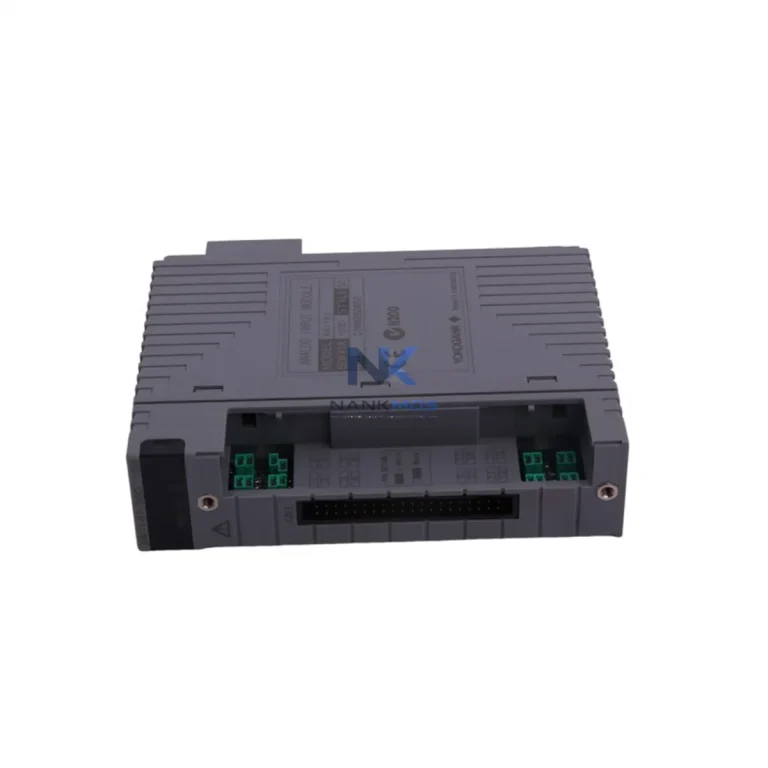
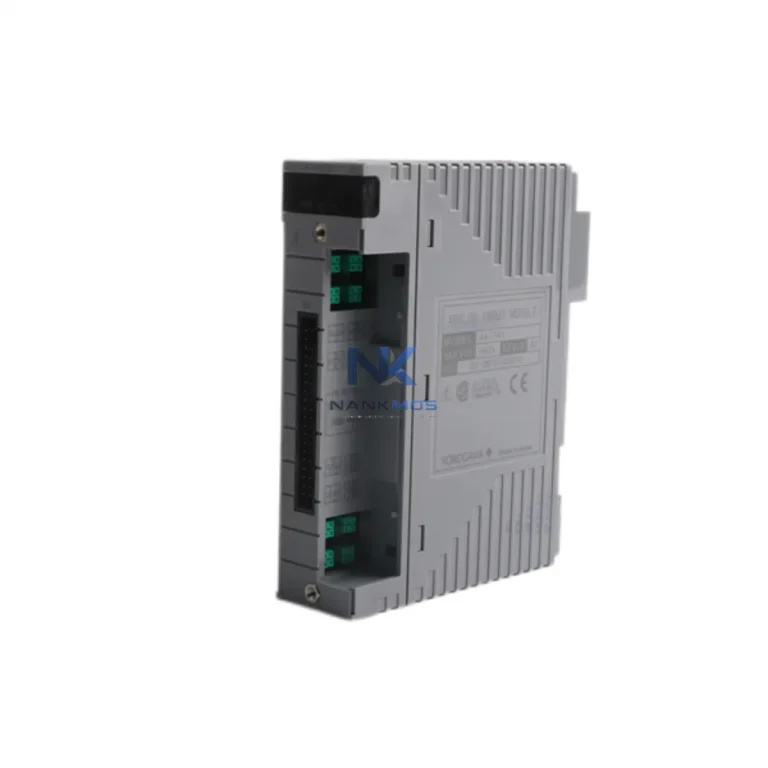
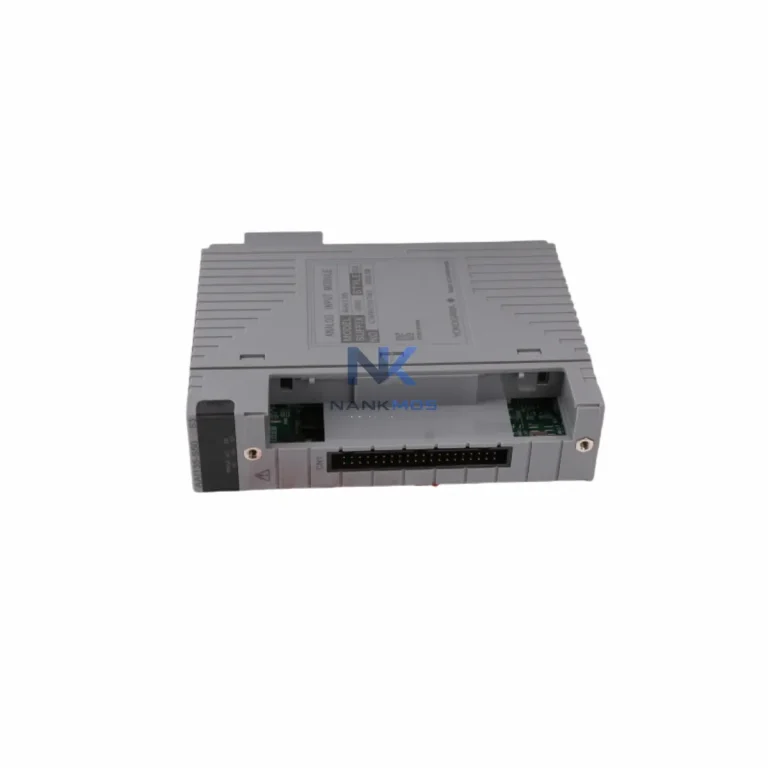
Yokogawa CP133E-16-S3 is a NANKMOS industrial automation product record Listed under Other series series and Business & Industrial > Automation, Control & Flow Devices > Programmable Logic Controllers. Confirm condition, availability, lead time, compatibility and documentation by email inquiry.
Brand names are used for identification only.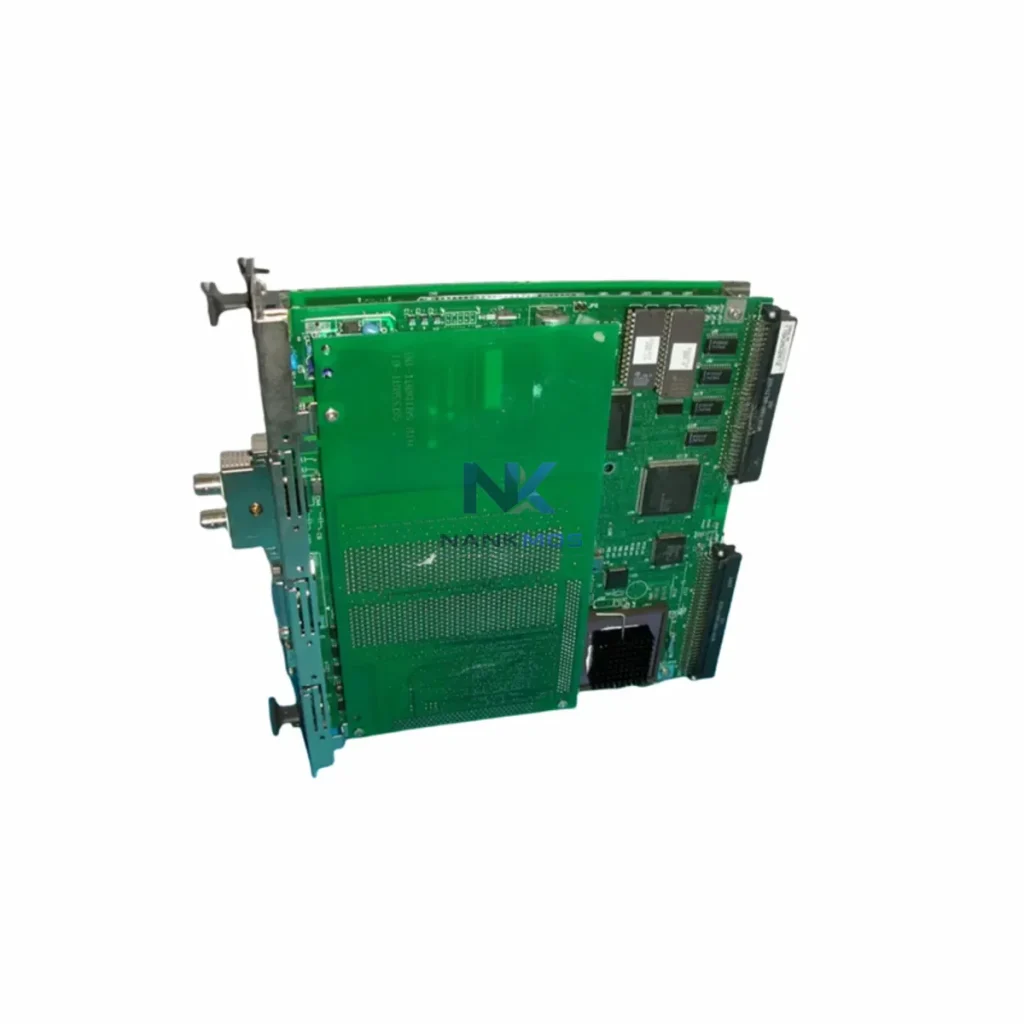
Yokogawa CP133E-16-S3 is a NANKMOS industrial automation product record Listed under Other series series and Business & Industrial > Automation, Control & Flow Devices > Programmable Logic Controllers. Confirm condition, availability, lead time, compatibility and documentation by email inquiry.
| Manufacturer | Yokogawa |
|---|---|
| Application | Controller Processing & System Control |
| Part Number / Model | CP133E-16-S3 |
| Compatible System | Confirmed by inquiry |
| Condition Options | To Confirm |
| Module Type | Controller / CPU Module |
| Warranty | 12 Months |
| Packaging | Anti-static Bag / Secure Box |
| Shipping Methods | DHL / FedEx / UPS / Air / Sea |
| Availability | To Confirm |
| Lead Time | To Confirm |
| Documentation | Part number and revision checked before quote |
The Yokogawa CP133E-16-S3 is a high-performance CPU module engineered for the CENTUM CS 3000 Distributed Control System (DCS), purpose-built to deliver precise energy control, stable process execution, and measurable efficiency gains across demanding industrial production environments. Designed for continuous operation in process industries including oil and gas, petrochemical, power generation, and advanced manufacturing, this CPU module serves as the computational core of a fully integrated automation architecture — coordinating real-time data acquisition, control loop execution, and system-wide energy optimization from a single, reliable platform.
As industrial facilities face increasing pressure to reduce energy consumption, minimize thermal load, and improve overall equipment effectiveness (OEE), the CP133E-16-S3 provides the processing backbone that makes intelligent energy management possible. Its deterministic scan cycle and high-speed I/O coordination allow plant engineers to implement tightly tuned control strategies that eliminate energy waste at the loop level — reducing unnecessary actuator cycling, preventing over-pressurization, and maintaining optimal setpoints without manual intervention.
The CP133E-16-S3 does not operate in isolation — its energy control value is fully realized when integrated within a coordinated automation ecosystem. In a typical CENTUM CS 3000 deployment, the CP133E-16-S3 CPU module communicates directly with Yokogawa's EB401 ESB Bus Coupler and remote I/O units such as the AAI141-S00 analog input module, enabling high-resolution process variable acquisition with minimal signal latency. This tight integration ensures that energy-relevant data — flow rates, temperatures, pressures, and motor load signals — reaches the CPU in real time, allowing control algorithms to respond before inefficiencies compound.
On the drive side, the CP133E-16-S3 coordinates with variable frequency drives (VFDs) deployed across pump and compressor circuits. By issuing precise speed reference commands based on real-time demand signals, the CPU eliminates fixed-speed motor operation — one of the largest sources of avoidable energy consumption in process plants. When paired with Yokogawa's ADMAG AXF series electromagnetic flowmeters or EJA series differential pressure transmitters, the CPU receives accurate flow and pressure feedback that enables model-based control strategies such as cascade control and feedforward compensation, further reducing energy waste.
For human-machine interface visibility, the CP133E-16-S3 integrates seamlessly with Yokogawa's FAST/TOOLS SCADA platform and the CENTUM CS 3000 HIS (Human Interface Station), providing operators with real-time energy dashboards, alarm management, and trend analysis. This visibility layer is critical for identifying energy anomalies — such as a pump running against a closed valve or a heat exchanger operating below design efficiency — before they translate into measurable energy losses or equipment damage.
Power monitoring is further enhanced through integration with Yokogawa's WT series power analyzers and third-party power quality meters connected via Modbus TCP or PROFIBUS DP. The CP133E-16-S3's communication architecture supports multi-protocol environments, allowing it to aggregate energy data from diverse field devices into a unified control and reporting framework. This makes it a natural fit for facilities implementing ISO 50001 energy management systems or pursuing energy intensity reduction targets under corporate sustainability programs.
In production line applications, the CP133E-16-S3 delivers energy optimization through three primary mechanisms: load scheduling, setpoint optimization, and predictive maintenance readiness. Load scheduling capabilities allow the CPU to stagger equipment startup sequences, preventing simultaneous inrush currents that spike peak demand charges and stress power distribution infrastructure. By coordinating startup timing across multiple field control stations, the CP133E-16-S3 helps facilities reduce peak demand by 10–20% without any change to production throughput.
Setpoint optimization is achieved through the CPU's support for advanced process control (APC) strategies, including model predictive control (MPC) and fuzzy logic-based tuning. These strategies continuously adjust control setpoints based on real-time process conditions, ensuring that energy-intensive equipment — boilers, compressors, chillers, and reactors — operates at its most efficient point rather than at conservative fixed setpoints that waste energy. The result is a measurable reduction in specific energy consumption (SEC) per unit of production output.
Predictive maintenance readiness is built into the CP133E-16-S3's diagnostic architecture. The module continuously monitors its own health parameters — CPU load, memory utilization, communication error rates, and power supply voltage — and exposes these diagnostics to the CENTUM CS 3000 system historian. Maintenance teams can use this data to schedule preventive interventions before failures occur, avoiding unplanned downtime that disrupts production rhythm and forces energy-intensive restart sequences. Combined with vibration sensors and motor current signature analysis modules connected through the I/O subsystem, the CP133E-16-S3 supports a comprehensive condition monitoring strategy that extends equipment life and reduces total energy cost per operating hour.
Inventory availability is maintained to support rapid deployment and system expansion. Each CP133E-16-S3 unit undergoes full functional testing prior to shipment, including power-on self-test (POST), communication link verification, and I/O channel integrity checks. This pre-shipment validation ensures that replacement units integrate into existing CENTUM CS 3000 architectures without commissioning delays, minimizing the energy and productivity impact of unplanned maintenance events.
Q1: How does the CP133E-16-S3 contribute to measurable energy savings in a process plant?The CP133E-16-S3 enables energy savings by executing high-speed, deterministic control loops that maintain process variables at optimal setpoints, reducing over-consumption by actuators, heaters, and motors. When integrated with VFDs, power monitoring modules, and advanced process control strategies, facilities typically achieve 5–15% reductions in specific energy consumption within the first year of optimized operation.
Q2: Is the CP133E-16-S3 compatible with existing CENTUM CS 3000 installations, and can it replace older CPU modules?Yes. The CP133E-16-S3 is designed for direct compatibility within the CENTUM CS 3000 architecture and can replace earlier-generation CPU modules with minimal reconfiguration. System engineers should verify firmware revision compatibility and I/O mapping before hot-swap replacement. NANKMOS recommends a pre-replacement functional audit to ensure seamless integration.
Q3: What is the pre-shipment testing process, and how does it support fast commissioning?Every CP133E-16-S3 unit shipped by NANKMOS undergoes a structured pre-shipment test protocol including power-on self-test, communication channel verification (Vnet/IP and serial), and I/O signal integrity checks. Units that pass all test criteria are tagged, documented, and shipped with test records. This process reduces on-site commissioning time and ensures the replacement module is field-ready upon arrival.
Q4: What warranty coverage applies to the CP133E-16-S3, and what does it include?The CP133E-16-S3 is covered by a 12-Month Warranty from the date of shipment. The warranty covers manufacturing defects, functional failures under normal operating conditions, and communication interface faults. NANKMOS provides technical support throughout the warranty period to assist with integration, diagnostics, and replacement logistics if required.
Functional Inspection100% tested on professional platforms to ensure stable performance.
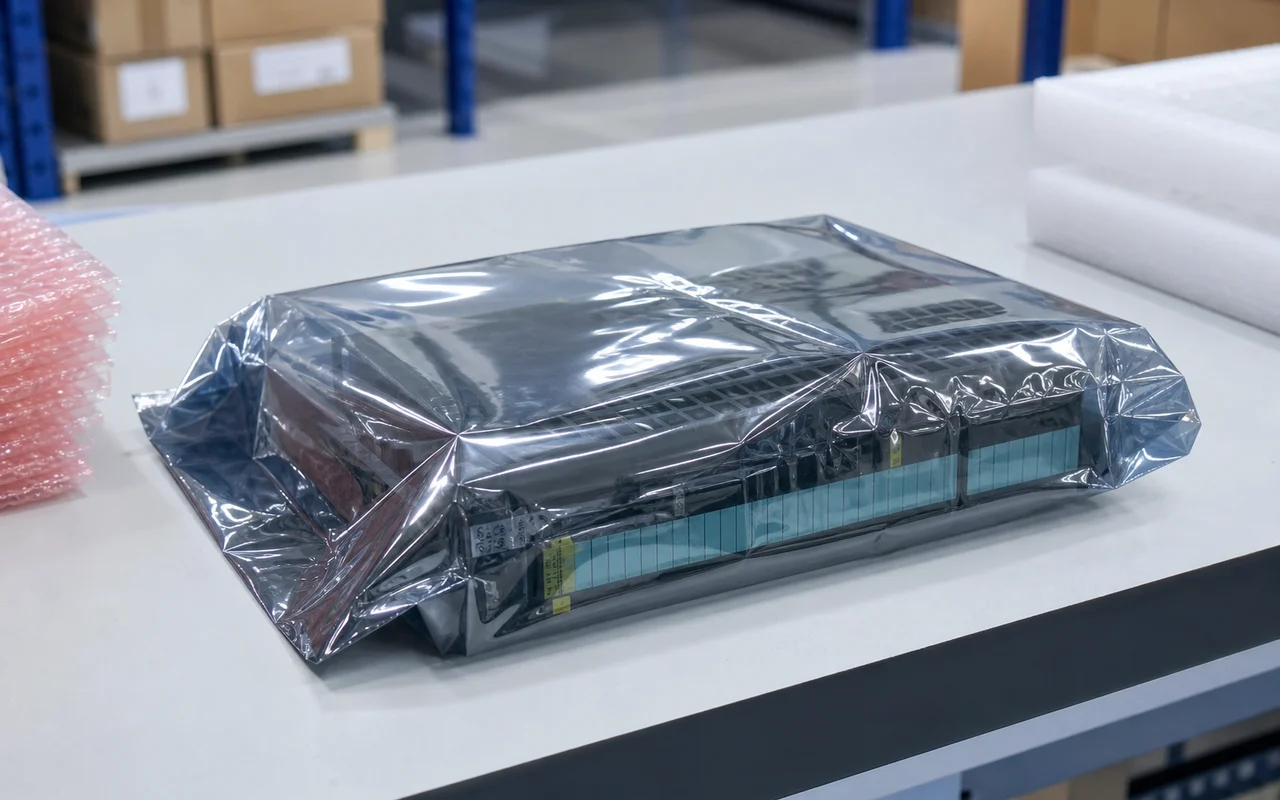 Anti-static Packaging
Modules are packed in anti-static bags to prevent electrostatic damage.
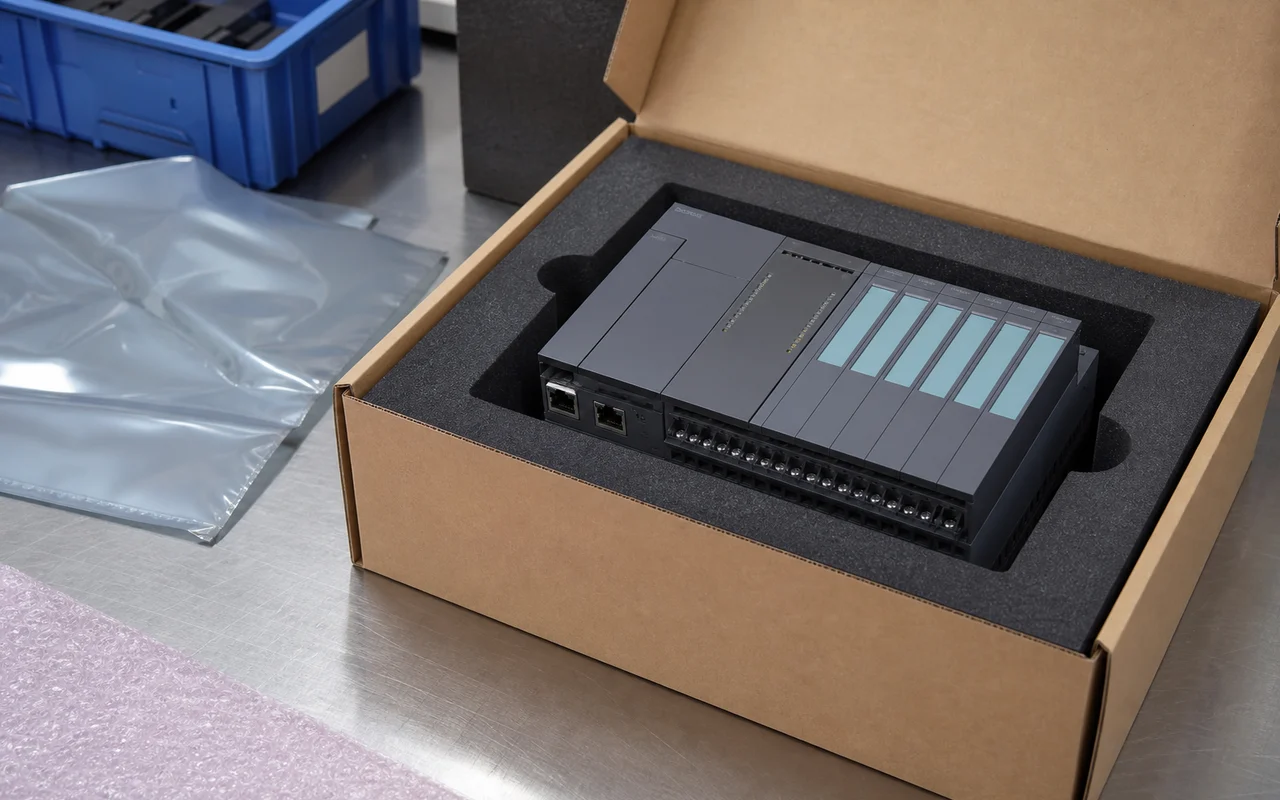 Secure Export Packing
Cushion protection and strong cartons ensure safe transportation.
 Worldwide Shipping
Global logistics network supports air, sea and express delivery.
 Documentation Check
Part number, revision and compatibility verified before shipment.
 After-sales Support
Professional technical support to help resolve your issues.