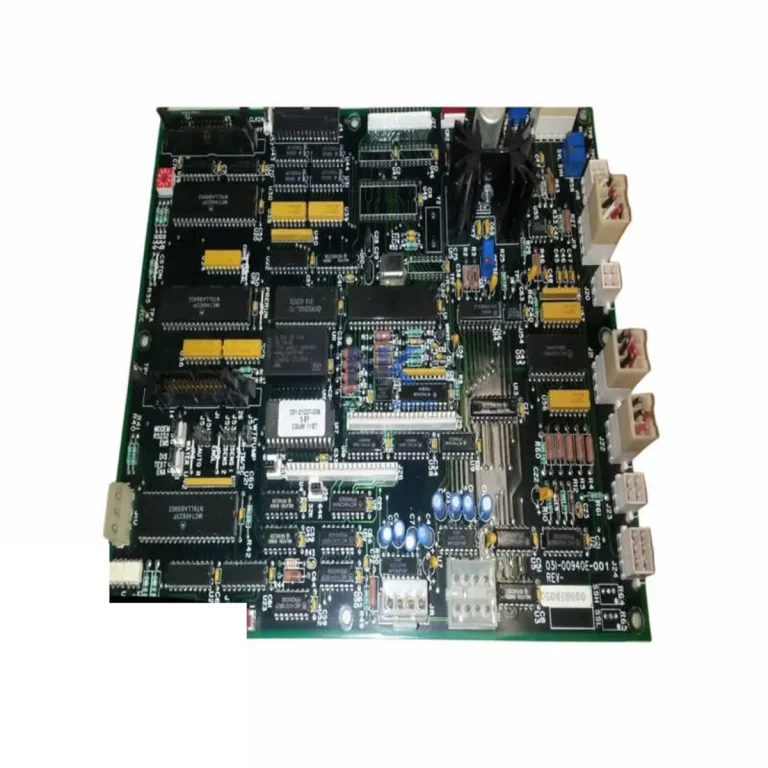
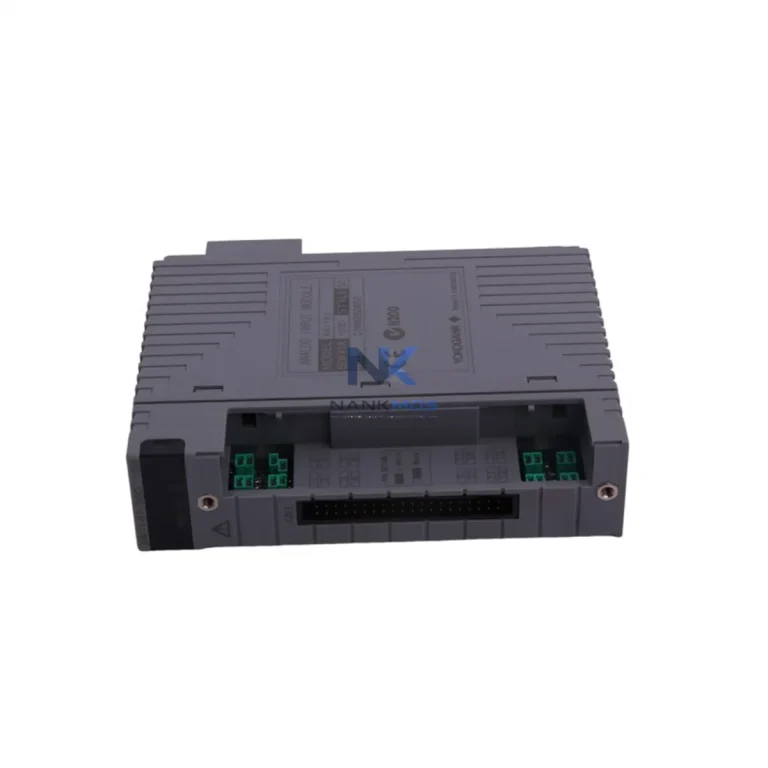
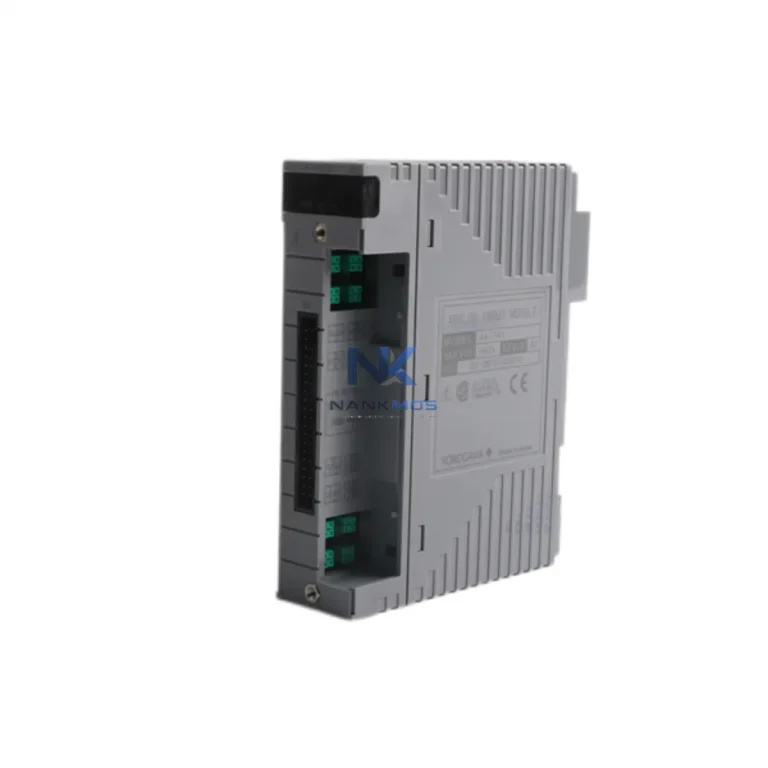
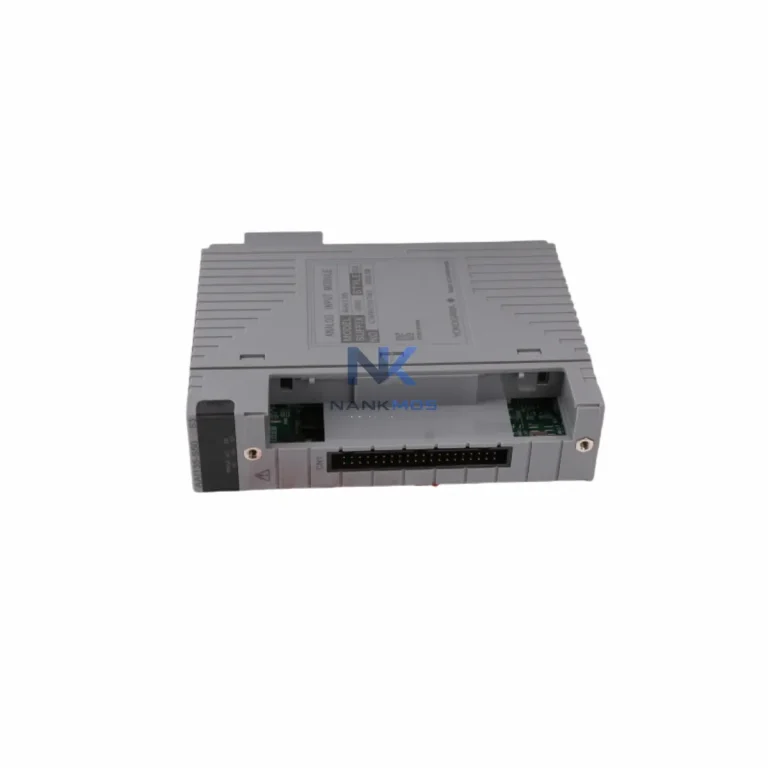
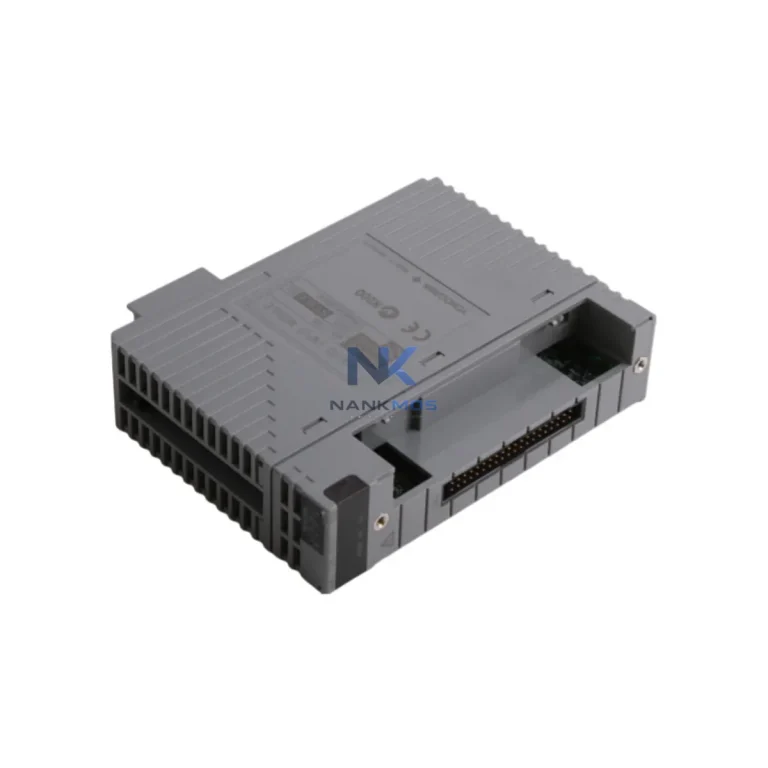
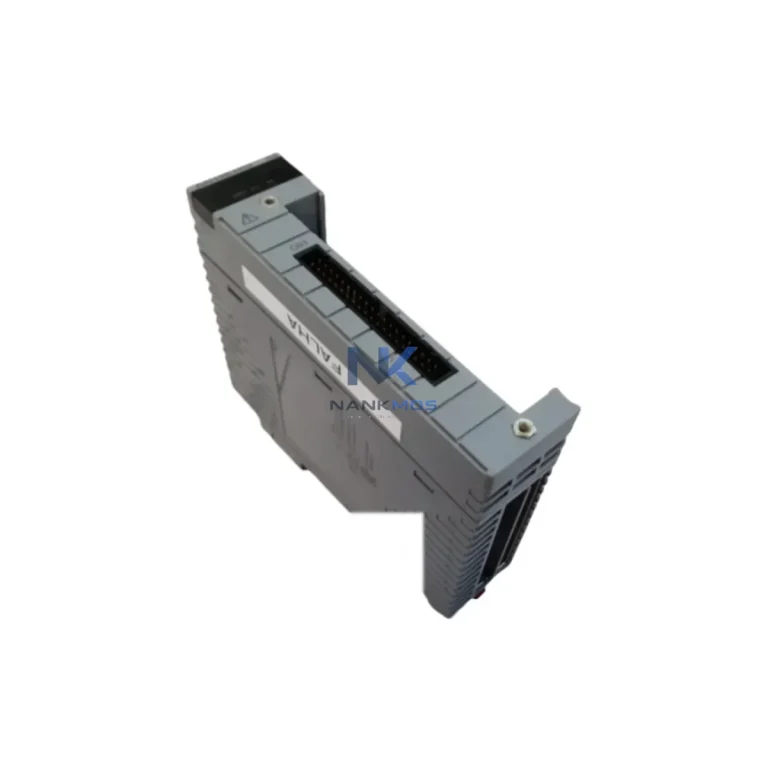
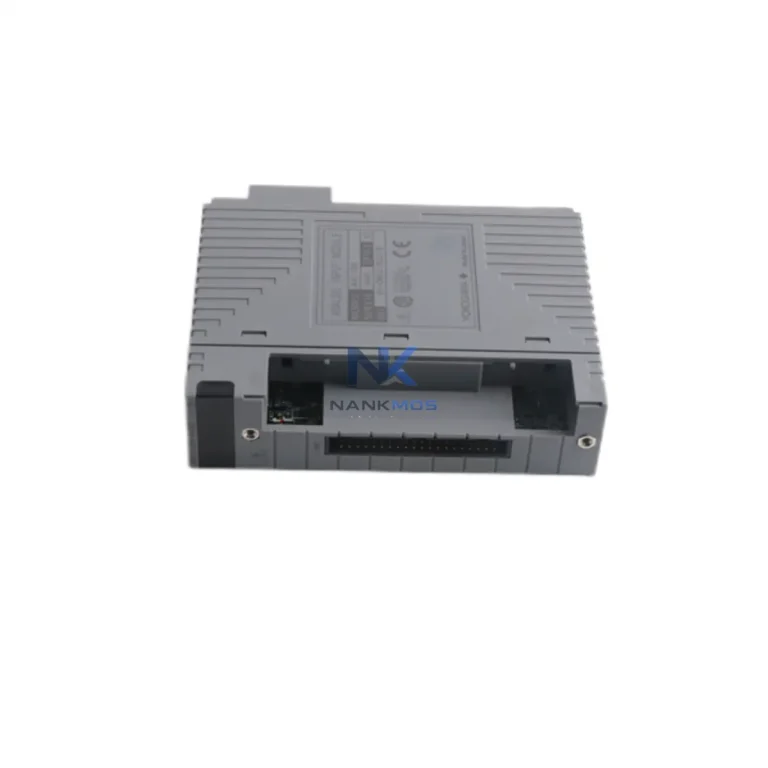
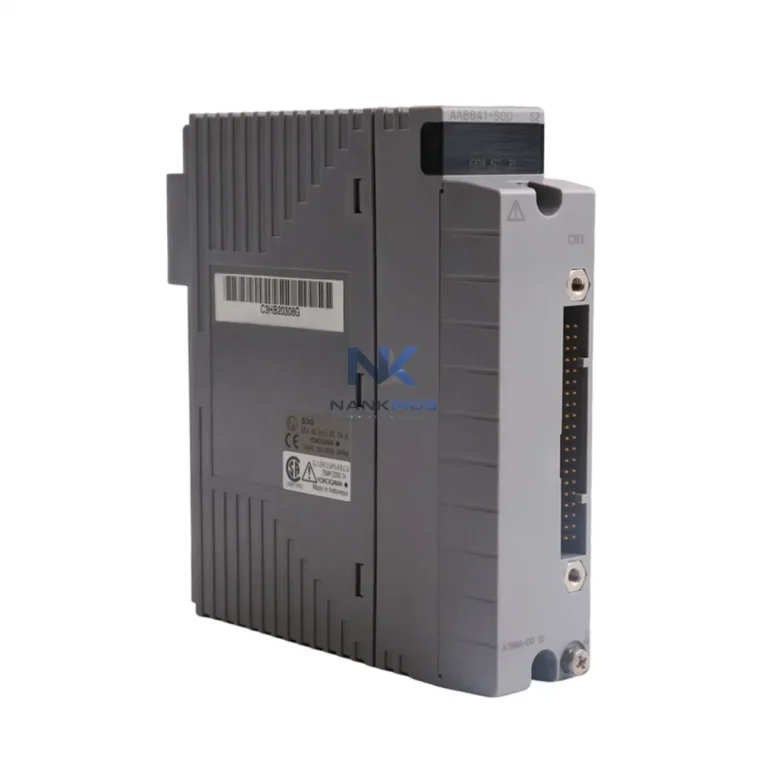
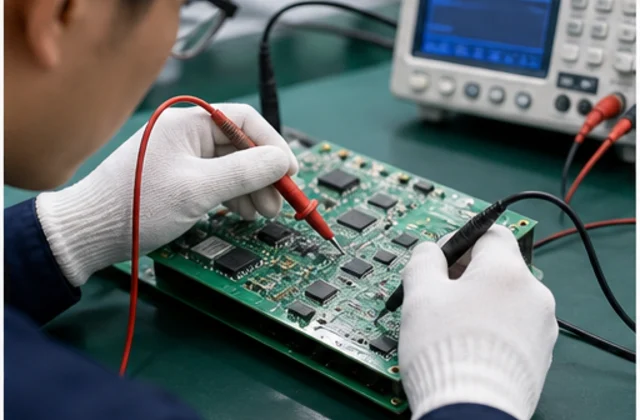
 Functional Inspection
100% tested on professional platforms to ensure stable performance.
Yokogawa CP134E-16-S1 is a NANKMOS industrial automation product record Listed under Other series series and Business & Industrial > Automation, Control & Flow Devices > Programmable Logic Controllers. Confirm condition, availability, lead time, compatibility and documentation by email inquiry.
Brand names are used for identification only.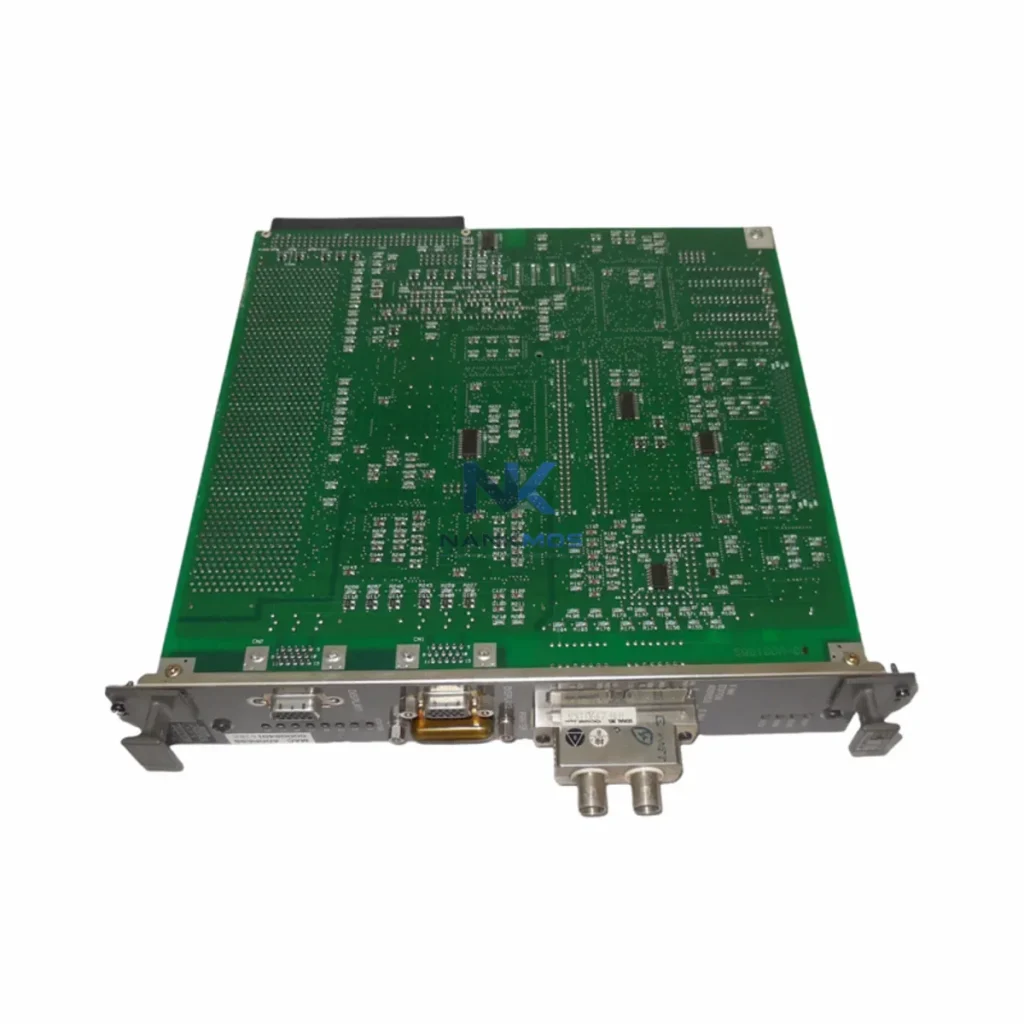
Yokogawa CP134E-16-S1 is a NANKMOS industrial automation product record Listed under Other series series and Business & Industrial > Automation, Control & Flow Devices > Programmable Logic Controllers. Confirm condition, availability, lead time, compatibility and documentation by email inquiry.
| Manufacturer | Yokogawa |
|---|---|
| Application | Controller Processing & System Control |
| Part Number / Model | CP134E-16-S1 |
| Compatible System | Confirmed by inquiry |
| Condition Options | To Confirm |
| Module Type | Controller / CPU Module |
| Warranty | 12 Months |
| Packaging | Anti-static Bag / Secure Box |
| Shipping Methods | DHL / FedEx / UPS / Air / Sea |
| Availability | To Confirm |
| Lead Time | To Confirm |
| Documentation | Part number and revision checked before quote |
The Yokogawa CP134E-16-S1 is a high-efficiency CPU module engineered for the CS3000 Distributed Control System (DCS), purpose-built to deliver precision energy control across demanding industrial production environments. Designed for process industries including oil and gas, petrochemical, power generation, and advanced manufacturing, this processor module serves as the computational core of energy-aware automation architectures. With its optimized instruction cycle, reduced standby power draw, and thermally efficient design, the CP134E-16-S1 enables plant operators to achieve measurable reductions in energy consumption without compromising control loop performance or system reliability.
In modern smart production lines, the CPU module is not merely a controller — it is the central node through which energy data flows, load decisions are made, and production pacing is governed. The CP134E-16-S1 fulfills this role with a processing architecture that supports high-speed scan cycles, deterministic response times, and seamless integration with the broader CS3000 ecosystem. Its ability to coordinate real-time data from field instruments, I/O subsystems, and communication networks makes it an essential component for facilities pursuing energy optimization and operational excellence.
The CP134E-16-S1 operates at the center of a power-aware automation strategy by coordinating with multiple subsystems to minimize energy waste across the production cycle. In a typical CS3000 deployment, this CPU module communicates directly with Yokogawa's EB401 ESB Bus Interface Module and the RIO (Remote I/O) nodes, enabling distributed data acquisition without the latency penalties that drive unnecessary control corrections and associated energy spikes. When paired with Yokogawa's FCS (Field Control Station) architecture, the CP134E-16-S1 manages process variables from pressure transmitters, flow meters, and temperature sensors — all feeding into a unified energy model that the CPU uses to optimize actuator commands and reduce valve hunting.
For motor-driven loads, the CP134E-16-S1 interfaces with variable frequency drives (VFDs) through analog output modules such as the Yokogawa AAI141, translating CPU-level speed references into precise drive commands that eliminate over-speed operation and reduce motor heat buildup. In facilities using Yokogawa's STARDOM FCN autonomous controller alongside the CS3000 system, the CP134E-16-S1 can serve as the supervisory processor that arbitrates between local and centralized control modes, ensuring that energy-intensive equipment operates only within its optimal load band.
The module also supports integration with Yokogawa's CENTUM VP HMI stations, where operators can visualize real-time power consumption trends, set energy thresholds, and trigger demand-response actions directly from the process graphic screens. Communication with Yokogawa's AIP835 power monitoring modules and third-party power analyzers via Modbus TCP or Vnet/IP allows the CP134E-16-S1 to incorporate energy telemetry into its control decisions — a capability that is increasingly critical for ISO 50001 energy management compliance. Additionally, the CP134E-16-S1 coordinates with Yokogawa's SCP401 sequence control processor for batch operations, ensuring that energy-intensive startup sequences are staggered to prevent demand peaks that inflate utility costs.
Factories and process plants deploying the CP134E-16-S1 gain a CPU module that actively contributes to production line energy optimization rather than simply executing control logic. Its deterministic scan cycle — typically configurable from 100 ms to 1000 ms depending on loop complexity — allows engineers to tune control responsiveness to match actual process dynamics, avoiding the energy waste associated with over-frequent actuator corrections. By reducing unnecessary valve strokes, pump starts, and compressor load changes, the CP134E-16-S1 directly lowers the mechanical wear rate on field devices, extending mean time between failures (MTBF) and reducing unplanned downtime that disrupts production pacing.
In energy-intensive continuous process environments, the CP134E-16-S1 supports advanced process control (APC) strategies by providing the computational headroom needed to run model predictive control (MPC) algorithms alongside standard PID loops. This dual-layer control approach allows the system to anticipate energy demand changes — such as a shift in feedstock composition or a change in ambient temperature — and pre-adjust process setpoints before energy consumption spikes occur. The result is a smoother production rhythm, lower peak demand charges, and reduced thermal stress on heat exchangers, reactors, and separation columns.
Predictive maintenance integration is another key energy benefit of the CP134E-16-S1. By logging control loop performance metrics — including oscillation indices, valve travel accumulation, and deviation statistics — the CPU provides the data foundation for condition-based maintenance programs. Maintenance teams can identify degrading control valves, fouled heat exchangers, or misaligned drives before they cause energy inefficiency or process upsets. Combined with Yokogawa's PRM (Plant Resource Manager) asset management platform, the CP134E-16-S1 transforms routine control data into actionable maintenance intelligence that keeps the production line operating at peak efficiency.
Every CP134E-16-S1 unit supplied by NANKMOS is sourced from verified inventory channels, subjected to outgoing functional testing, and backed by a 12-Month Warranty covering manufacturing defects and operational failures under normal service conditions. This warranty commitment reflects NANKMOS's confidence in the quality of its supply chain and its dedication to supporting customers through the full lifecycle of their automation investments.
Q1: What energy-saving benefits does the CP134E-16-S1 provide compared to standard CS3000 CPU modules? The CP134E-16-S1 is optimized for reduced power consumption during idle and partial-load states, making it well-suited for facilities with variable production schedules. Its efficient instruction processing reduces the frequency of unnecessary control corrections, lowering actuator energy consumption and reducing heat generation within the control cabinet — which in turn reduces the load on HVAC and cooling systems.
Q2: Is the CP134E-16-S1 compatible with CENTUM VP and third-party SCADA systems? The CP134E-16-S1 is natively designed for the CS3000 DCS platform. Compatibility with CENTUM VP depends on the specific system configuration and Yokogawa's migration guidelines. For SCADA integration, the module supports standard communication protocols including Modbus TCP and OPC via gateway modules, enabling data exchange with third-party energy management and SCADA platforms.
Q3: What is the recommended replacement or upgrade path for aging CS3000 CPU modules? For facilities operating legacy CS3000 systems, the CP134E-16-S1 represents a direct replacement option that restores full system functionality without requiring a platform migration. For sites planning a longer-term upgrade to CENTUM VP, NANKMOS recommends a phased approach: stabilize the existing CS3000 infrastructure with verified replacement modules such as the CP134E-16-S1, then plan the migration during a scheduled turnaround to minimize production impact.
Q4: What testing and warranty coverage does NANKMOS provide for the CP134E-16-S1? Each CP134E-16-S1 unit undergoes outgoing inspection and functional verification before shipment. NANKMOS provides a 12-Month Warranty covering manufacturing defects and functional failures under normal operating conditions. In-stock units are available for prompt dispatch, and the NANKMOS technical team can provide pre-sales application support to confirm compatibility with your existing CS3000 configuration.
Functional Inspection100% tested on professional platforms to ensure stable performance.
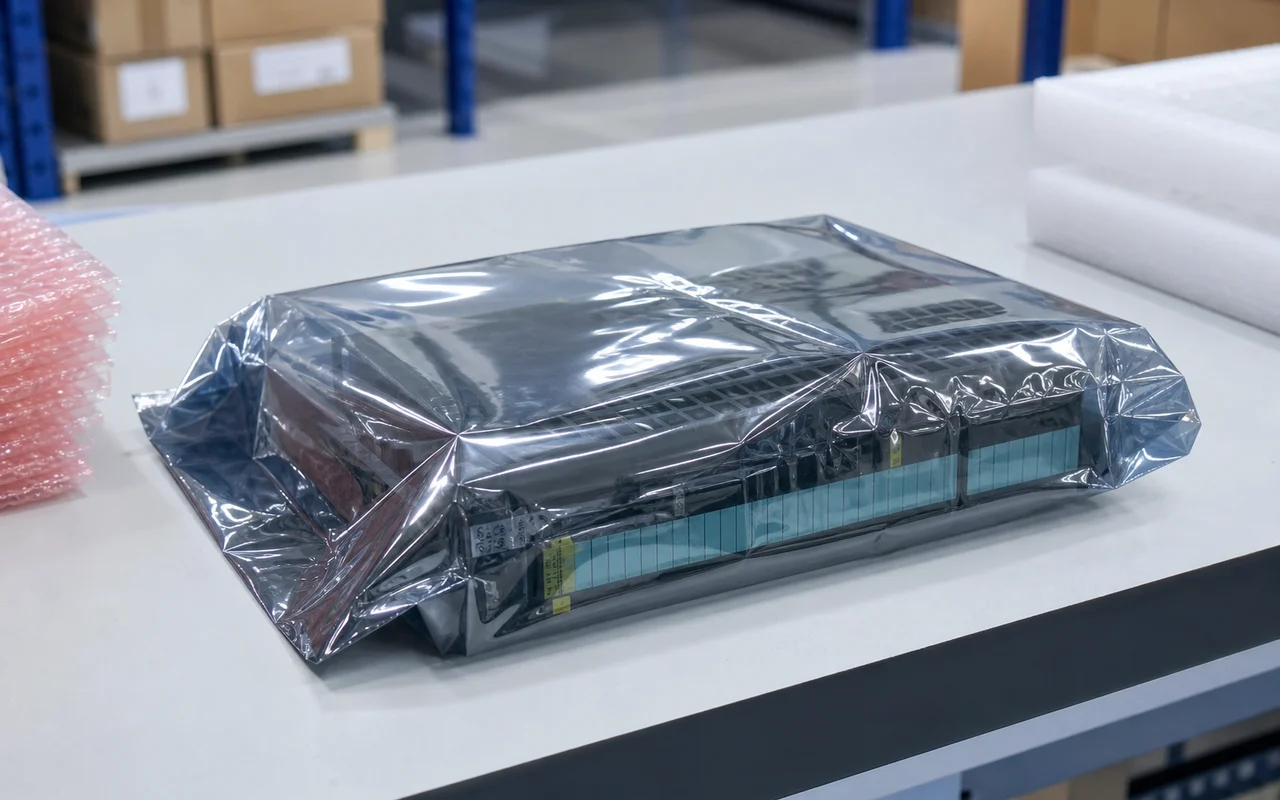 Anti-static Packaging
Modules are packed in anti-static bags to prevent electrostatic damage.
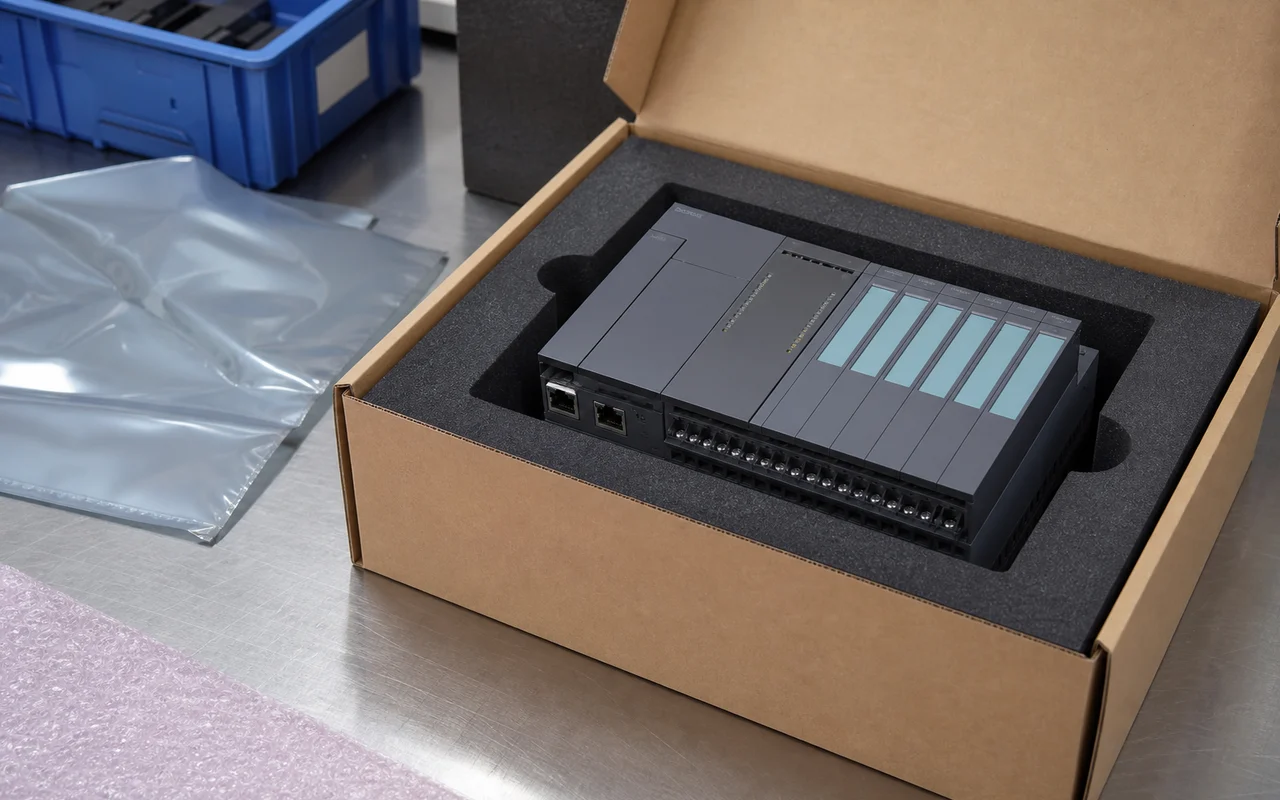 Secure Export Packing
Cushion protection and strong cartons ensure safe transportation.
 Worldwide Shipping
Global logistics network supports air, sea and express delivery.
 Documentation Check
Part number, revision and compatibility verified before shipment.
 After-sales Support
Professional technical support to help resolve your issues.