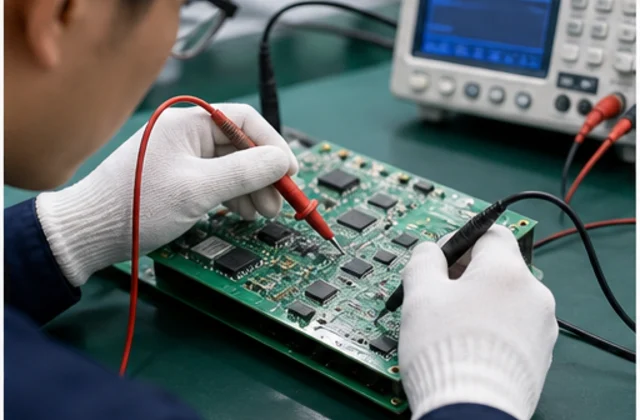
 Functional Inspection
100% tested on professional platforms to ensure stable performance.
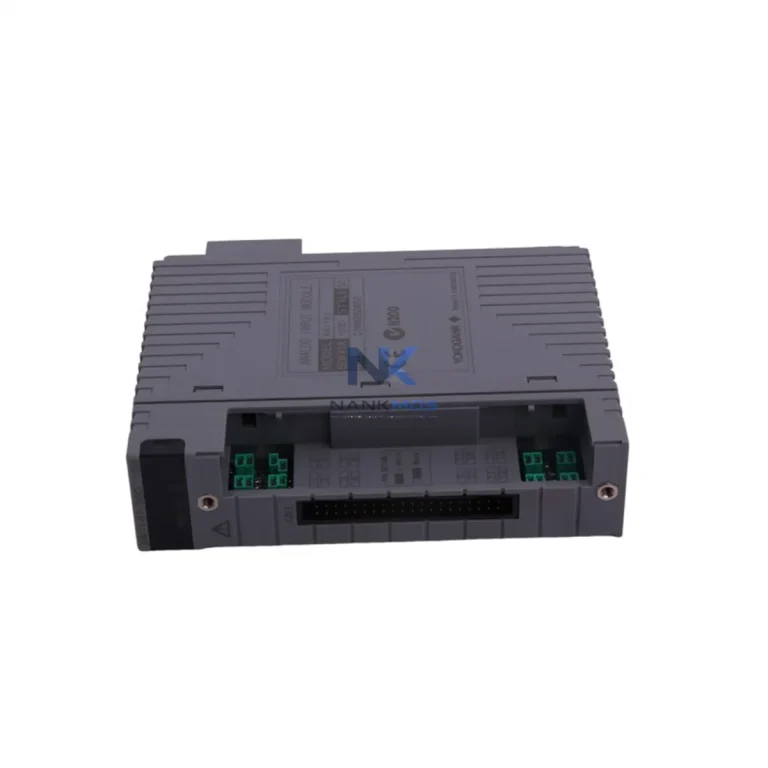
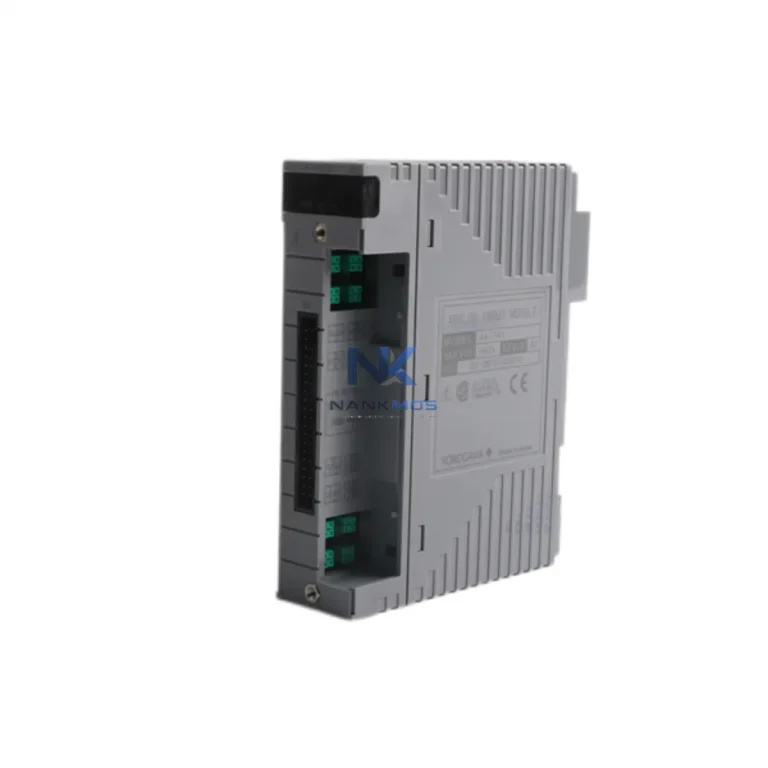
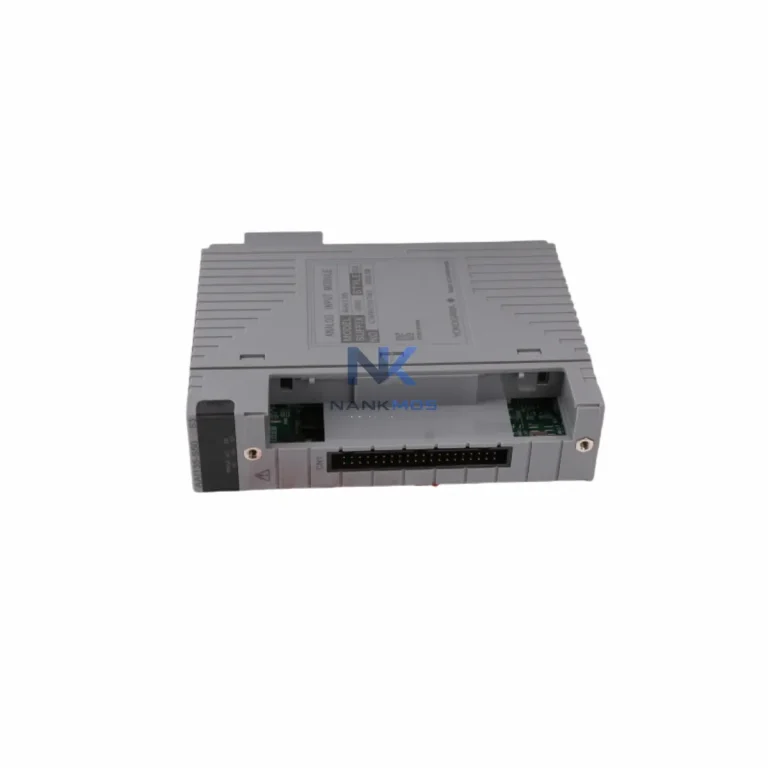
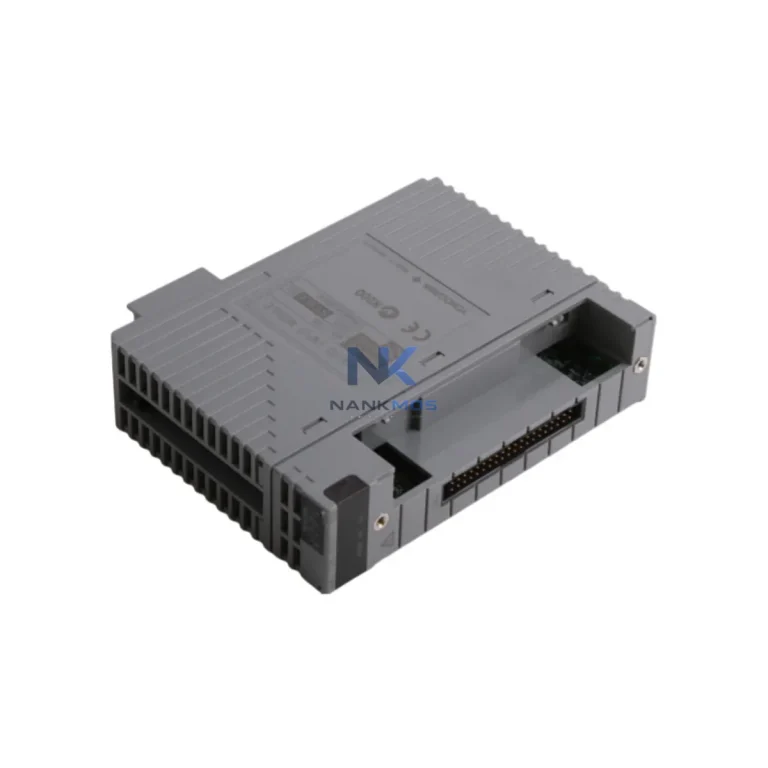
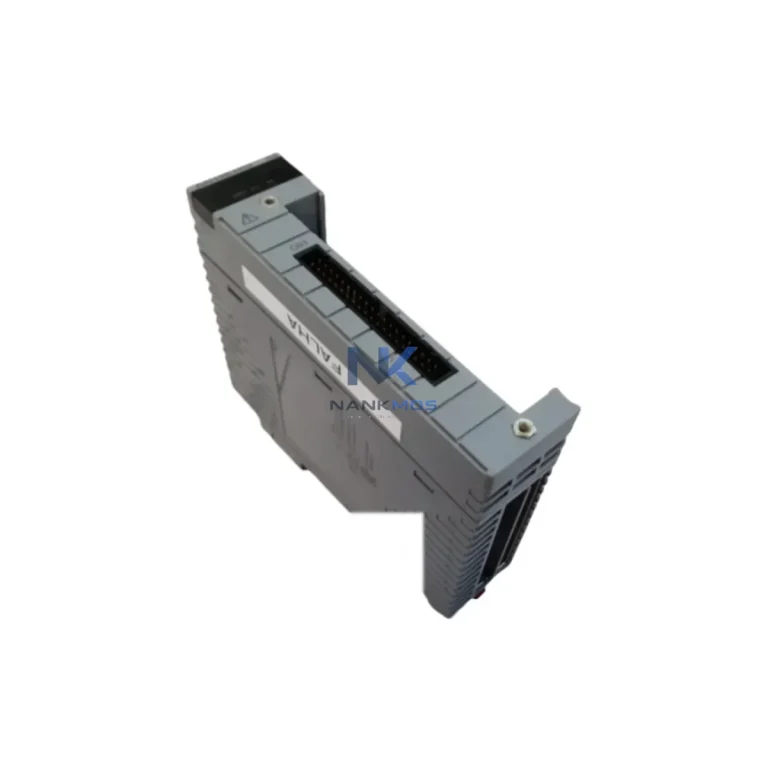
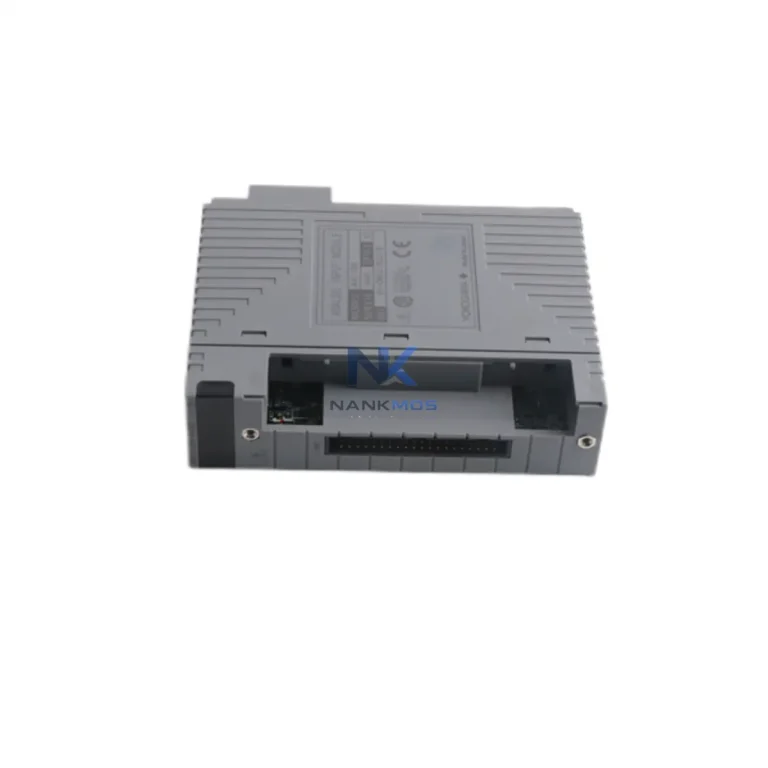
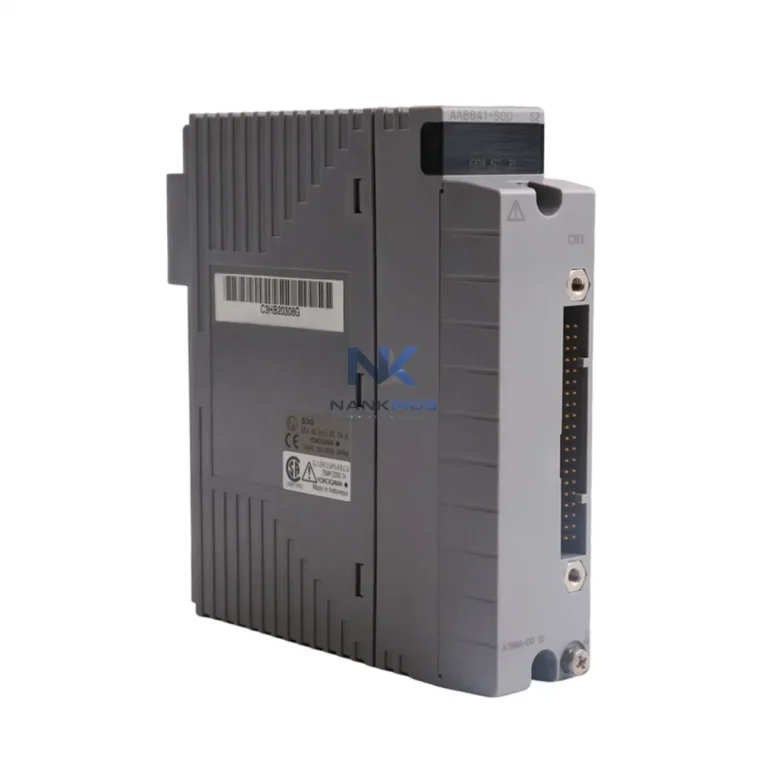
Yokogawa CP471-00 S1 is a NANKMOS industrial automation product record Listed under Centum CS3000 series and Business & Industrial > Automation, Control & Flow Devices > Programmable Logic Controllers. Confirm condition, availability, lead time, compatibility and documentation by email inquiry.
Brand names are used for identification only.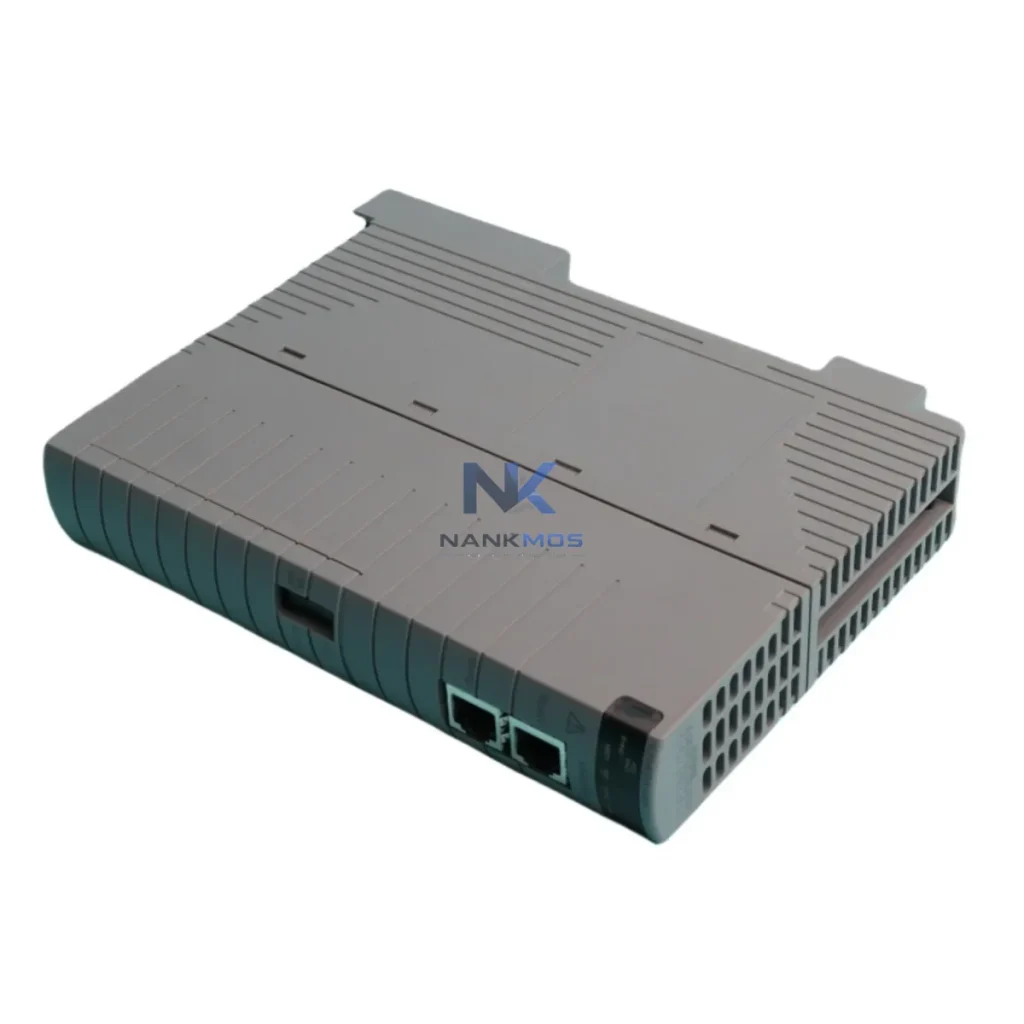
Yokogawa CP471-00 S1 is a NANKMOS industrial automation product record Listed under Centum CS3000 series and Business & Industrial > Automation, Control & Flow Devices > Programmable Logic Controllers. Confirm condition, availability, lead time, compatibility and documentation by email inquiry.
| Manufacturer | Yokogawa |
|---|---|
| Application | Controller Processing & System Control |
| Part Number / Model | CP471-00 S1 |
| Compatible System | Centum CS3000 |
| Series | Centum CS3000 |
| Condition Options | To Confirm |
| Module Type | Controller / CPU Module |
| Warranty | 12 Months |
| Packaging | Anti-static Bag / Secure Box |
| Shipping Methods | DHL / FedEx / UPS / Air / Sea |
| Availability | To Confirm |
| Lead Time | To Confirm |
| Documentation | Part number and revision checked before quote |
The Yokogawa CP471-00 S1 is a high-performance DCS processor module engineered for deployment within the Centum CS 3000 distributed control system architecture. Designed to serve as the computational core of the control layer, this processor module delivers deterministic scan-cycle execution, robust inter-module communication, and seamless integration across all functional layers of an industrial automation platform — from I/O acquisition and signal conditioning through to HMI visualization, fieldbus communication, and redundant power distribution.
In modern process automation environments, the processor is not a standalone component — it is the architectural anchor that defines system throughput, diagnostic resolution, and long-term maintainability. The CP471-00 S1 fulfills this role with precision, supporting the full Centum CS 3000 ecosystem and enabling engineers to build scalable, fault-tolerant control architectures across manufacturing, power generation, petrochemical, water treatment, mining, metallurgy, marine, and packaging applications.
The CP471-00 S1 achieves its full potential when deployed as part of a coherent, multi-layer automation architecture. At the control layer, it operates in conjunction with redundant processor pairs — a second CP471-00 S1 or compatible CP471 variant — ensuring bumpless switchover and zero process interruption during primary CPU failure. This redundancy architecture is fundamental in continuous process industries where unplanned downtime carries significant operational and safety consequences.
At the I/O layer, the CP471-00 S1 communicates with analog and digital I/O modules such as the AAI141-S00 (analog input, 16-channel) and ADV151-P00 (digital input module), mounted on the same node unit backplane. Signal integrity is maintained through the CS 3000's internal bus architecture, which isolates field-side noise from the processor's computational environment. For applications requiring signal isolation between field instruments and the control system, inline signal isolators and barriers are recommended as part of the I/O layer design.
The communication layer is anchored by the V-net token-ring network, which interconnects all Field Control Stations (FCS), Human Interface Stations (HIS), and Engineering Workstations (EWS) within the CS 3000 domain. The CP471-00 S1 participates natively in this network, enabling real-time data exchange, alarm propagation, and coordinated control across distributed nodes. For plants requiring integration with external systems — such as MES, SCADA, or third-party PLCs — the ALR111 or compatible gateway modules provide OPC and Modbus bridging without disrupting the core V-net topology.
At the power layer, the CP471-00 S1 relies on stable 24 VDC backplane power delivered by dedicated power supply modules such as the PW481 or PW482. Redundant power configurations — using dual power modules feeding the same node unit — eliminate single-point power failures and are strongly recommended for critical process applications. Proper grounding and surge protection at the cabinet level further protect the processor from transient electrical events.
The HMI layer interfaces with the CP471-00 S1 through the Human Interface Station, typically running Yokogawa's CENTUM CS 3000 HIS software on a Windows-based workstation. Operators interact with process graphics, trend displays, and alarm management screens that draw live data directly from the FCS managed by the CP471-00 S1. For remote monitoring, the Exaopc OPC server enables third-party SCADA and historian platforms to subscribe to real-time process data without modifying the core control configuration.
At the execution layer, field devices — including control valves, variable frequency drives (VFDs), and motor control centers — receive 4–20 mA or discrete output signals from the I/O modules governed by the CP471-00 S1's control logic. For HART-enabled field instruments, the CS 3000 architecture supports HART pass-through, allowing device diagnostics and configuration to be accessed from the engineering workstation without interrupting the primary control signal.
The protection layer is addressed through the CP471-00 S1's built-in self-diagnostics, which continuously monitor processor health, memory integrity, and communication status. Hardware fault detection triggers automatic failover to the redundant CPU, while software watchdog timers ensure that any control application hang is detected and recovered within the configured scan cycle. For SIL-rated safety applications, the CS 3000 architecture supports integration with dedicated Safety Instrumented System (SIS) controllers, maintaining separation between the basic process control system and the safety layer.
At the maintenance layer, the CP471-00 S1 supports online replacement in redundant configurations — the standby processor can be swapped without halting the running process, provided the redundancy switchover has been validated prior to maintenance. Firmware updates and configuration downloads are performed through the Engineering Workstation via the V-net or Ethernet engineering bus, minimizing the need for physical access to the control cabinet during routine maintenance cycles.
Manufacturing & Discrete Production: In automotive assembly, food and beverage processing, and electronics manufacturing, the CP471-00 S1 manages sequential and batch control logic, coordinating conveyor systems, filling stations, and quality inspection checkpoints. Its deterministic scan cycle ensures that production line timing is maintained with millisecond-level consistency, reducing reject rates and improving throughput.
Power Generation & Utilities: In thermal power plants, combined-cycle facilities, and grid-connected renewable energy installations, the CP471-00 S1 handles turbine control, boiler management, and auxiliary system coordination. Its redundant architecture ensures that control continuity is maintained during planned maintenance windows, supporting the high-availability requirements of grid-connected generation assets.
Petrochemical & Refining: Across crude distillation units, catalytic crackers, and gas processing trains, the CP471-00 S1 executes complex regulatory and advanced control strategies — including cascade, ratio, and feedforward control — that maintain product quality and process safety within tight operating envelopes. Its Contextual Integration with the CS 3000 historian and alarm management system supports compliance with process safety management (PSM) regulations.
Water & Wastewater Treatment: Municipal water treatment facilities and industrial effluent plants deploy the CP471-00 S1 to manage dosing systems, filtration sequences, and pump station control. The module's low-power backplane design and wide operating temperature range make it suitable for remote pump stations and outdoor control enclosures.
Mining & Metallurgy: In ore processing, smelting, and materials handling applications, the CP471-00 S1 coordinates crusher control, conveyor sequencing, and furnace temperature regulation. Its robust communication architecture maintains control integrity in electrically noisy environments typical of heavy industrial facilities.
Marine & Offshore: Shipboard automation and offshore platform control systems benefit from the CP471-00 S1's compact form factor and vibration-tolerant design. It manages ballast control, cargo handling, and engine room automation within the space-constrained and environmentally challenging conditions of marine installations.
Q1: Is the CP471-00 S1 compatible with both new CS 3000 installations and existing legacy CS 3000 systems requiring processor replacement? Yes. The CP471-00 S1 is designed for full backward compatibility within the Centum CS 3000 platform. It can be installed as a direct replacement for aging CP471 processors in existing FCS nodes without requiring changes to the control application database, I/O wiring, or V-net communication configuration. Prior to replacement, engineers should verify the firmware revision of the existing system and confirm that the replacement module's firmware is compatible or can be updated via the Engineering Workstation. NANKMOS provides pre-shipment verification and can supply firmware documentation upon request.
Q2: What is required to configure a dual-redundant processor architecture using the CP471-00 S1, and how is switchover managed? A redundant configuration requires two CP471-00 S1 modules installed in the primary and secondary processor slots of the same FCS node unit, connected via the redundancy synchronization bus on the backplane. The primary processor continuously mirrors its control database to the standby unit. Upon detection of a primary CPU fault — whether hardware failure, communication loss, or watchdog timeout — the standby assumes control within one scan cycle, ensuring bumpless transfer. Switchover events are logged in the CS 3000 alarm and event system, and the engineering workstation provides real-time redundancy status monitoring. No special licensing is required for redundancy; it is a native capability of the CS 3000 FCS architecture.
Q3: What does the 12-Month Warranty cover, and what is NANKMOS's process for inventory verification and pre-shipment testing? All CP471-00 S1 units supplied by NANKMOS are covered by a 12-Month Warranty from the date of shipment. The warranty covers hardware defects, functional failures under normal operating conditions, and any issues attributable to the module itself rather than external installation factors. Prior to shipment, each unit undergoes a pre-shipment functional test that verifies power-on self-test completion, communication bus response, and physical connector integrity. Units are sourced from verified supply channels and stored in ESD-controlled environments. For urgent requirements, NANKMOS maintains ready stock of CS 3000 processor modules and can confirm availability and lead time within one business day. Contact: [email protected] | +86 18359268345.
Functional Inspection100% tested on professional platforms to ensure stable performance.
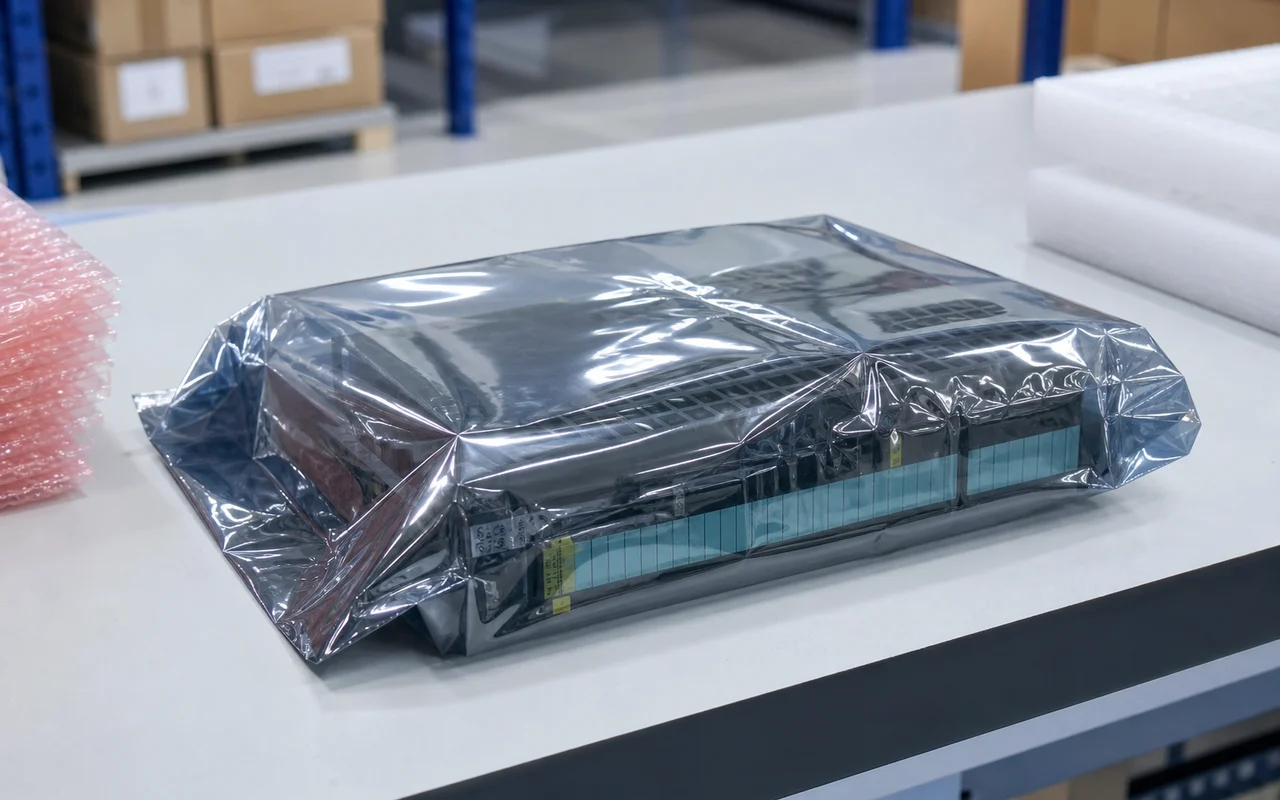 Anti-static Packaging
Modules are packed in anti-static bags to prevent electrostatic damage.
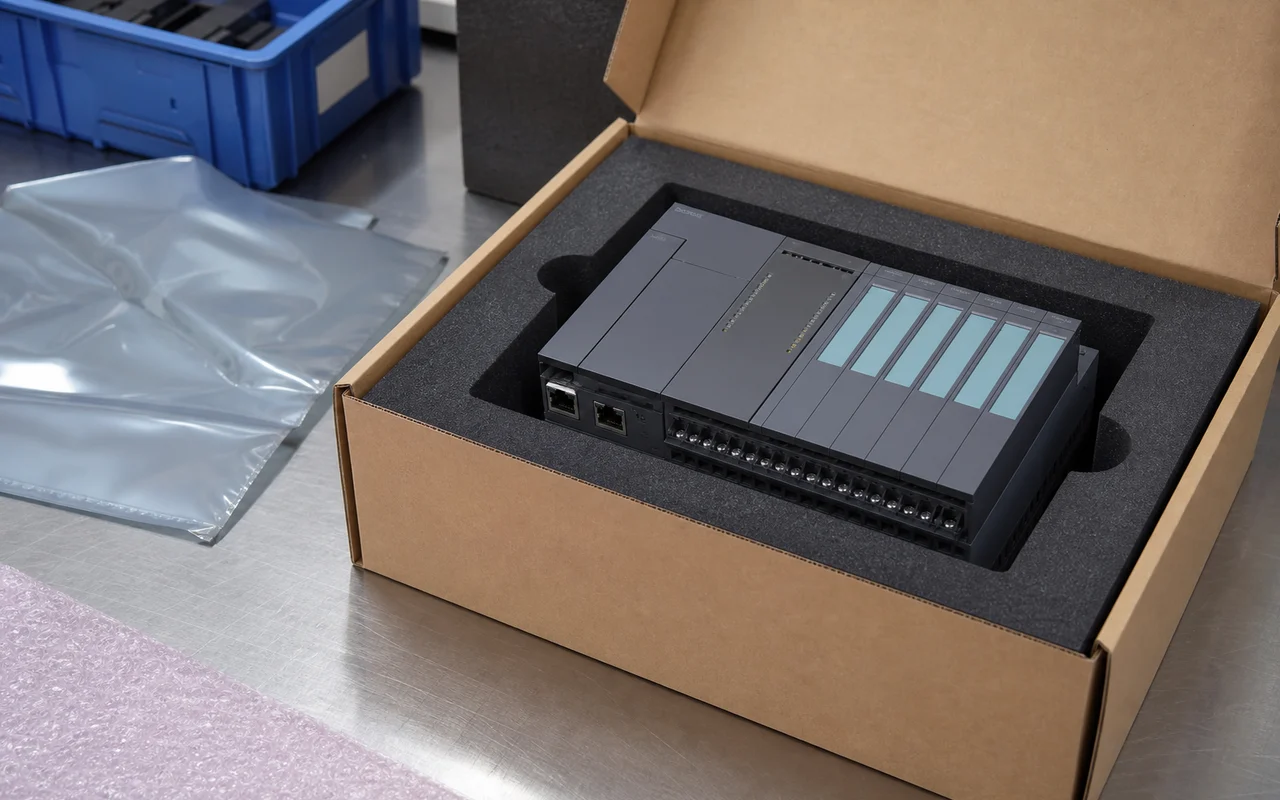 Secure Export Packing
Cushion protection and strong cartons ensure safe transportation.
 Worldwide Shipping
Global logistics network supports air, sea and express delivery.
 Documentation Check
Part number, revision and compatibility verified before shipment.
 After-sales Support
Professional technical support to help resolve your issues.