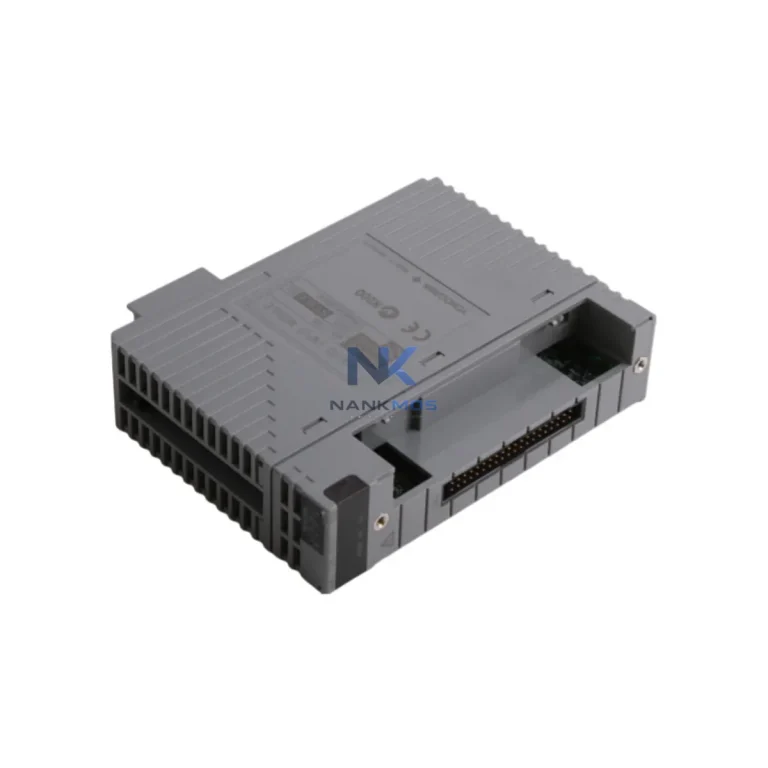
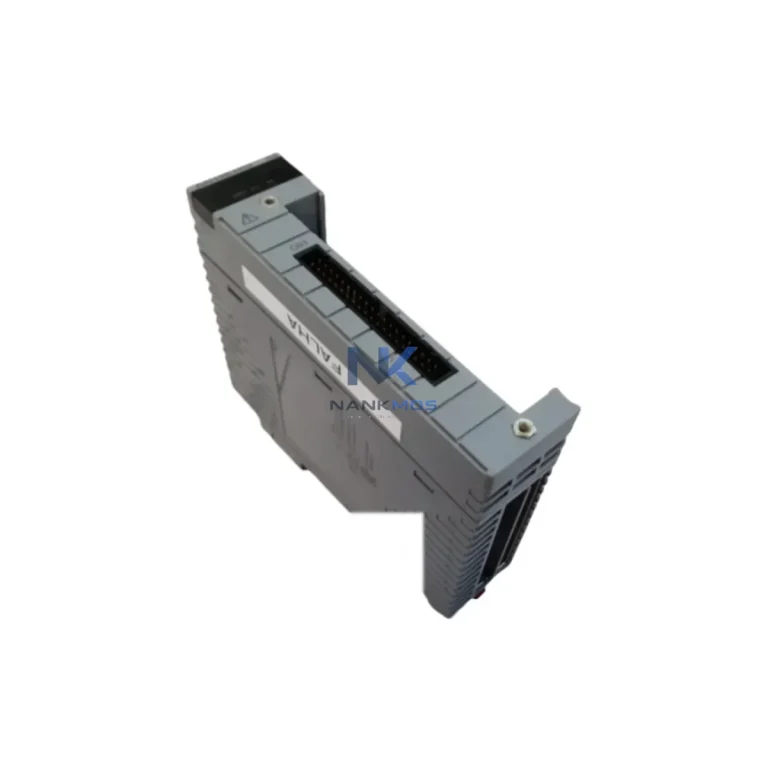
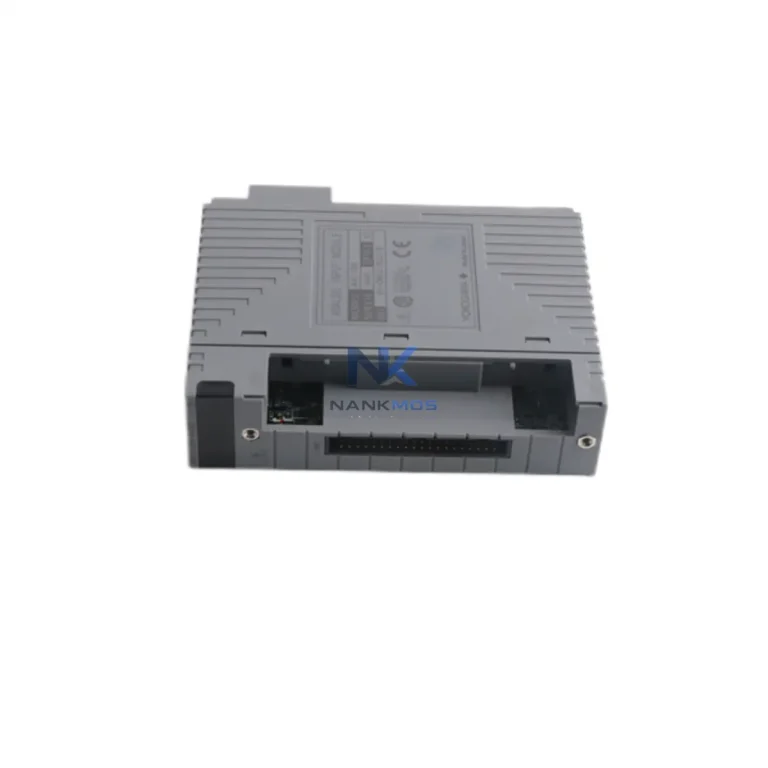
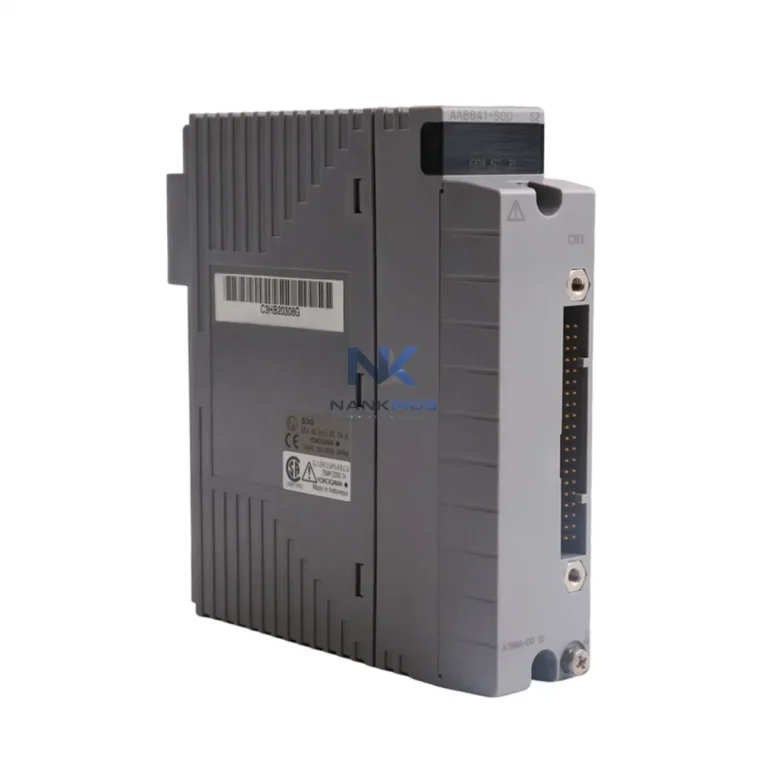
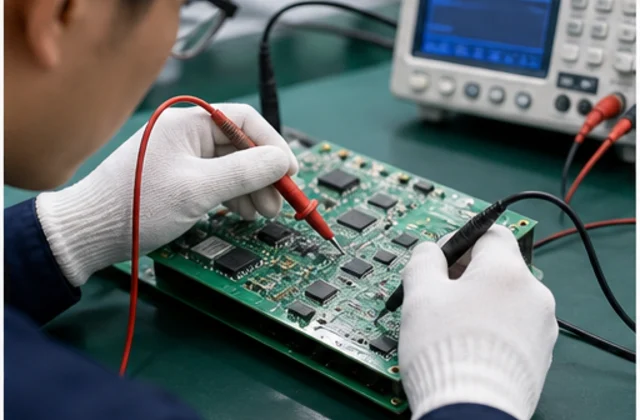
 Functional Inspection
100% tested on professional platforms to ensure stable performance.
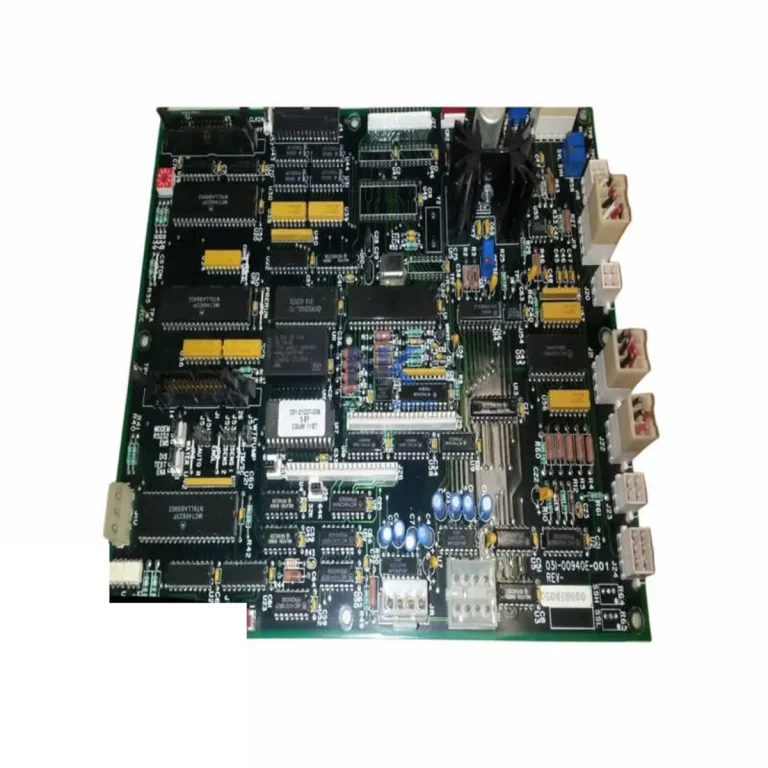
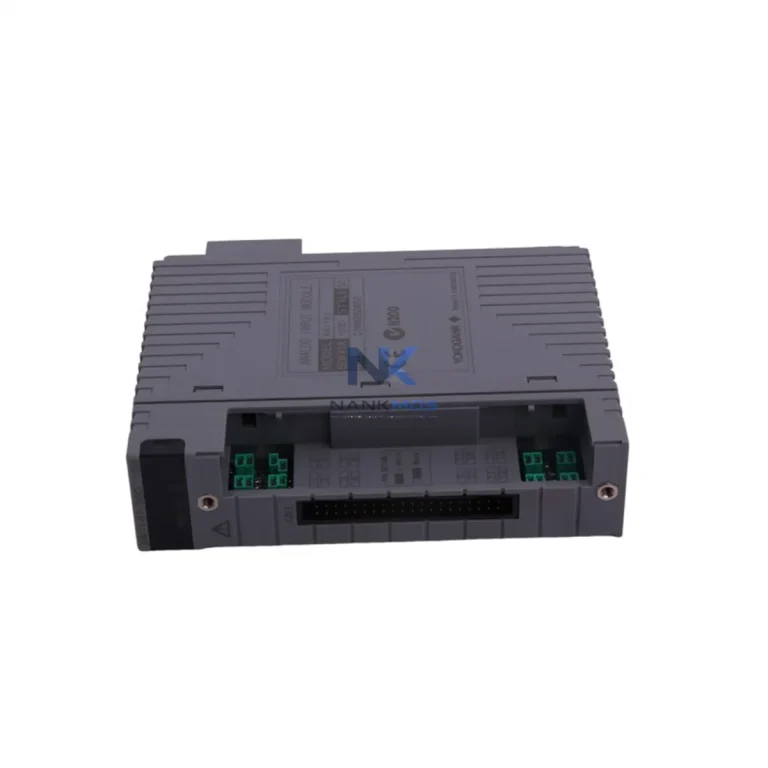
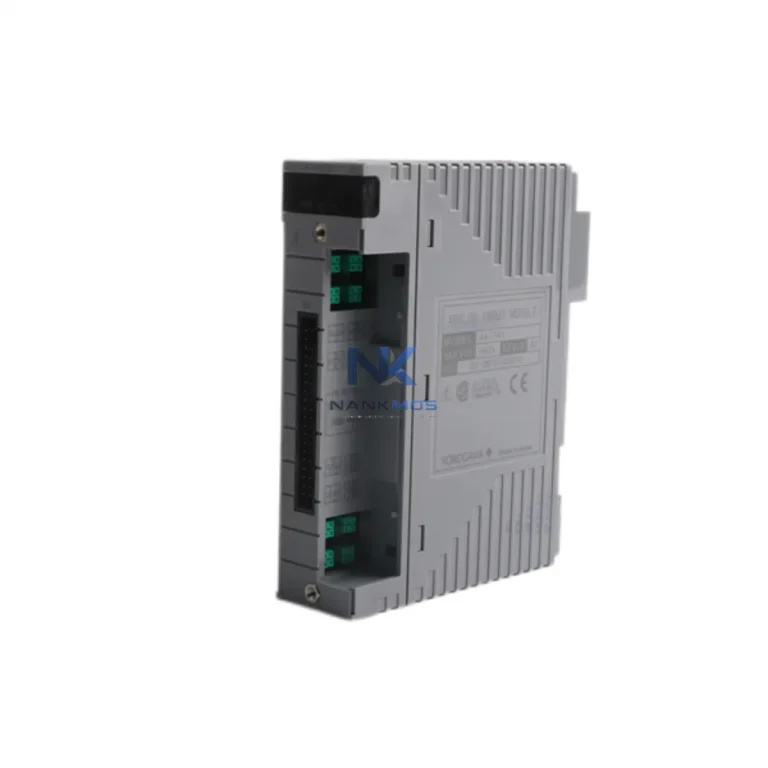
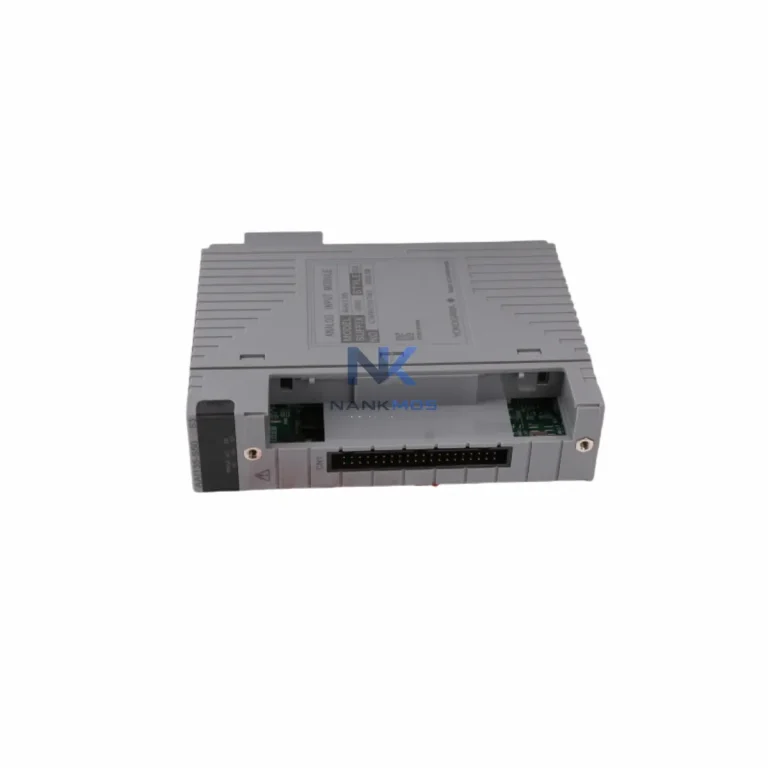
Yokogawa DTSBM10-N0N S1 is a NANKMOS industrial automation product record Listed under CENTUM VP series and Business & Industrial > Automation, Control & Flow Devices > Programmable Logic Controllers. Confirm condition, availability, lead time, compatibility and documentation by email inquiry.
Brand names are used for identification only.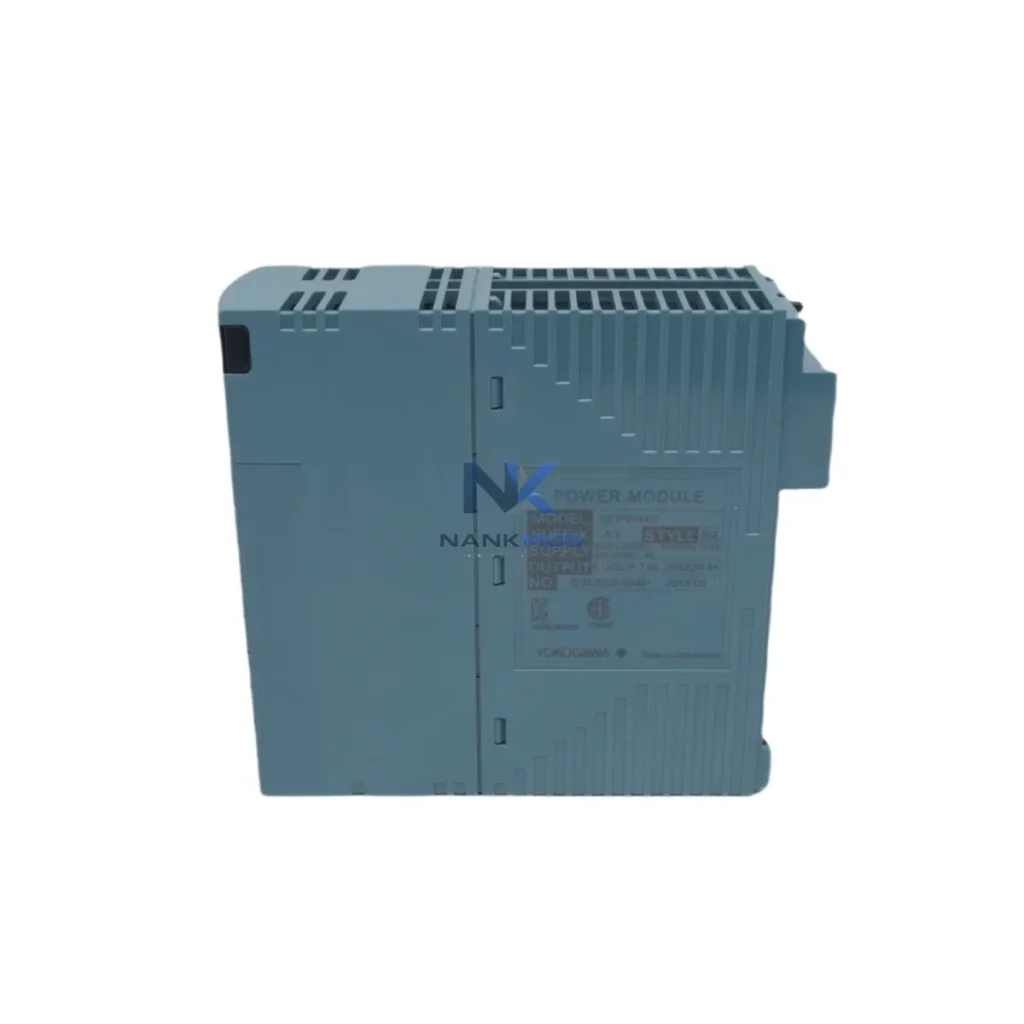
Yokogawa DTSBM10-N0N S1 is a NANKMOS industrial automation product record Listed under CENTUM VP series and Business & Industrial > Automation, Control & Flow Devices > Programmable Logic Controllers. Confirm condition, availability, lead time, compatibility and documentation by email inquiry.
| Manufacturer | Yokogawa |
|---|---|
| Application | Controller Processing & System Control |
| Part Number / Model | DTSBM10-N0N S1 |
| Compatible System | CENTUM VP |
| Series | CENTUM VP |
| Condition Options | To Confirm |
| Module Type | Controller / CPU Module |
| Warranty | 12 Months |
| Packaging | Anti-static Bag / Secure Box |
| Shipping Methods | DHL / FedEx / UPS / Air / Sea |
| Availability | To Confirm |
| Lead Time | To Confirm |
| Documentation | Part number and revision checked before quote |
The Yokogawa DTSBM10-N0N/S1 is a high-performance DCS Main System Module engineered for energy-aware industrial automation. Designed as a core component within the Yokogawa Centum VP distributed control system architecture, this module delivers deterministic process control, real-time load management, and measurable reductions in energy waste across continuous and batch production environments. Whether deployed in power generation, petrochemical refining, oil and gas processing, or water treatment facilities, the DTSBM10-N0N/S1 provides the computational backbone that keeps production lines running at peak efficiency while minimizing unnecessary energy consumption.
At its core, the DTSBM10-N0N/S1 functions as the primary system bus module within the Centum VP field control station. It manages inter-module communication, coordinates I/O data acquisition, and synchronizes control execution cycles to ensure that every connected subsystem — from field instruments to supervisory SCADA platforms — operates with minimal latency and maximum energy discipline. By maintaining tight control loop timing, the module prevents the energy spikes and thermal overloads that commonly result from poorly synchronized automation architectures.
The DTSBM10-N0N/S1 is designed to operate as the central coordination layer in a power-aware automation architecture. In a typical Centum VP field control station, this module interfaces directly with Yokogawa KFCS2 field control units and Yokogawa AFV10D analog I/O modules to collect real-time process variables — flow rates, temperatures, pressures, and motor load data — and feed them into the control execution engine with sub-millisecond precision. This tight integration eliminates the polling delays that cause energy-inefficient control responses.
When paired with Yokogawa MW100 data acquisition units or third-party power monitoring modules via Modbus/TCP, the DTSBM10-N0N/S1 enables granular energy metering at the field control station level. Operators can track kilowatt-hour consumption per process unit, identify high-load periods, and implement demand-response strategies that reduce peak energy draw without disrupting production continuity. This capability is especially valuable in facilities where energy tariffs vary by time-of-use.
For motor control and drive management, the DTSBM10-N0N/S1 coordinates with Yokogawa Exaquantum plant information management systems and variable frequency drive (VFD) controllers to implement speed-optimized motor profiles. Rather than running motors at fixed speeds, the DCS module dynamically adjusts drive setpoints based on real-time demand signals, reducing motor energy consumption by 20–40% in variable-load applications such as pump stations, compressor trains, and conveyor systems. Integration with Yokogawa CENTUM VP HIS human interface stations allows operators to visualize energy KPIs and intervene when consumption trends deviate from baseline.
The module also supports seamless communication with Yokogawa ProSafe-RS safety instrumented systems via the V-net/IP backbone, ensuring that safety shutdowns are executed with minimal energy transients. When a safety event triggers a controlled shutdown sequence, the DTSBM10-N0N/S1 coordinates the orderly de-energization of field devices, preventing the inrush currents and thermal stress that shorten equipment life and increase maintenance costs. Additionally, OPC-UA gateway modules can bridge the Centum VP network to enterprise-level energy management systems (EMS) and MES platforms, enabling plant-wide energy optimization strategies that extend beyond the DCS boundary.
In smart production line deployments, the DTSBM10-N0N/S1 serves as the energy intelligence hub that connects field-level sensing with supervisory decision-making. By maintaining a deterministic control execution cycle, the module ensures that energy-consuming actuators — control valves, motor starters, heating elements, and pneumatic positioners — receive precisely timed commands that eliminate overshoot, hunting, and the associated energy waste. Poorly tuned control loops are one of the most common sources of hidden energy loss in process plants; the DTSBM10-N0N/S1 provides the computational stability needed to maintain tight loop performance over extended operating periods.
Thermal load management is another critical benefit. In high-density control panel environments, excessive heat generation from poorly managed I/O modules and communication cards increases cooling energy demand and accelerates component degradation. The DTSBM10-N0N/S1's low-power design and efficient bus architecture minimize heat dissipation within the field control station enclosure, reducing HVAC load and extending the operational lifespan of adjacent modules. This contributes directly to lower total cost of ownership and improved overall equipment effectiveness (OEE).
For predictive maintenance integration, the module's real-time data throughput supports continuous condition monitoring of rotating equipment. Vibration data from field-mounted accelerometers, bearing temperature readings from RTD inputs, and motor current signatures from smart motor control centers can all be routed through the DTSBM10-N0N/S1 to SCADA historians and analytics platforms. Early detection of developing faults — bearing wear, rotor imbalance, insulation degradation — allows maintenance teams to schedule interventions during planned downtime windows, avoiding the energy-intensive emergency restarts and production losses associated with unplanned failures.
Production line takt time optimization is also directly supported. By synchronizing control execution across multiple field control stations via the V-net/IP network, the DTSBM10-N0N/S1 enables coordinated production pacing that eliminates bottlenecks and reduces the idle energy consumption of upstream and downstream equipment waiting for process synchronization. In batch manufacturing environments, this coordination capability translates to measurable reductions in batch cycle time and energy per unit produced.
Every DTSBM10-N0N/S1 unit shipped by NANKMOS is sourced from verified supply channels, subjected to pre-shipment functional testing under simulated operating conditions, and backed by a 12-month warranty. In-stock availability ensures rapid deployment for both planned upgrades and emergency replacement scenarios, minimizing production downtime and the associated energy and revenue losses.
Q1: What energy savings can I expect from deploying the DTSBM10-N0N/S1 in my Centum VP system? The DTSBM10-N0N/S1 itself is a low-power control module, but its primary energy value lies in enabling tighter process control. Facilities that upgrade from older DCS bus modules to the DTSBM10-N0N/S1 typically report improved control loop stability, which reduces actuator hunting and the associated energy waste. When combined with VFD-controlled motors and real-time power monitoring, overall plant energy efficiency improvements of 10–25% are achievable depending on the application.
Q2: Is the DTSBM10-N0N/S1 compatible with third-party SCADA systems and energy management platforms? Yes. The DTSBM10-N0N/S1 operates within the Centum VP V-net/IP architecture, which supports OPC-UA and Modbus/TCP gateway connectivity. This allows integration with leading SCADA platforms, MES systems, and enterprise energy management software. Consult your system integrator for specific gateway configuration requirements.
Q3: Can the DTSBM10-N0N/S1 replace older Yokogawa DCS bus modules, and what is the replacement process? The DTSBM10-N0N/S1 is designed for use within compatible Centum VP field control station configurations. Before replacement, verify hardware revision compatibility with your existing FCS chassis and firmware version. NANKMOS recommends a pre-installation configuration backup and a controlled hot-swap or cold-swap procedure per Yokogawa engineering guidelines. Contact our technical team for compatibility confirmation prior to ordering.
Q4: What does the 12-month warranty cover, and how does NANKMOS handle supply assurance? All DTSBM10-N0N/S1 units supplied by NANKMOS carry a 12-month warranty covering manufacturing defects and functional failures under normal operating conditions. Units are pre-shipment tested to verify bus communication integrity, power rail stability, and module identification. NANKMOS maintains in-stock inventory of critical Centum VP components to support both planned maintenance programs and urgent replacement needs, with rapid dispatch capability for time-sensitive production environments.
Functional Inspection100% tested on professional platforms to ensure stable performance.
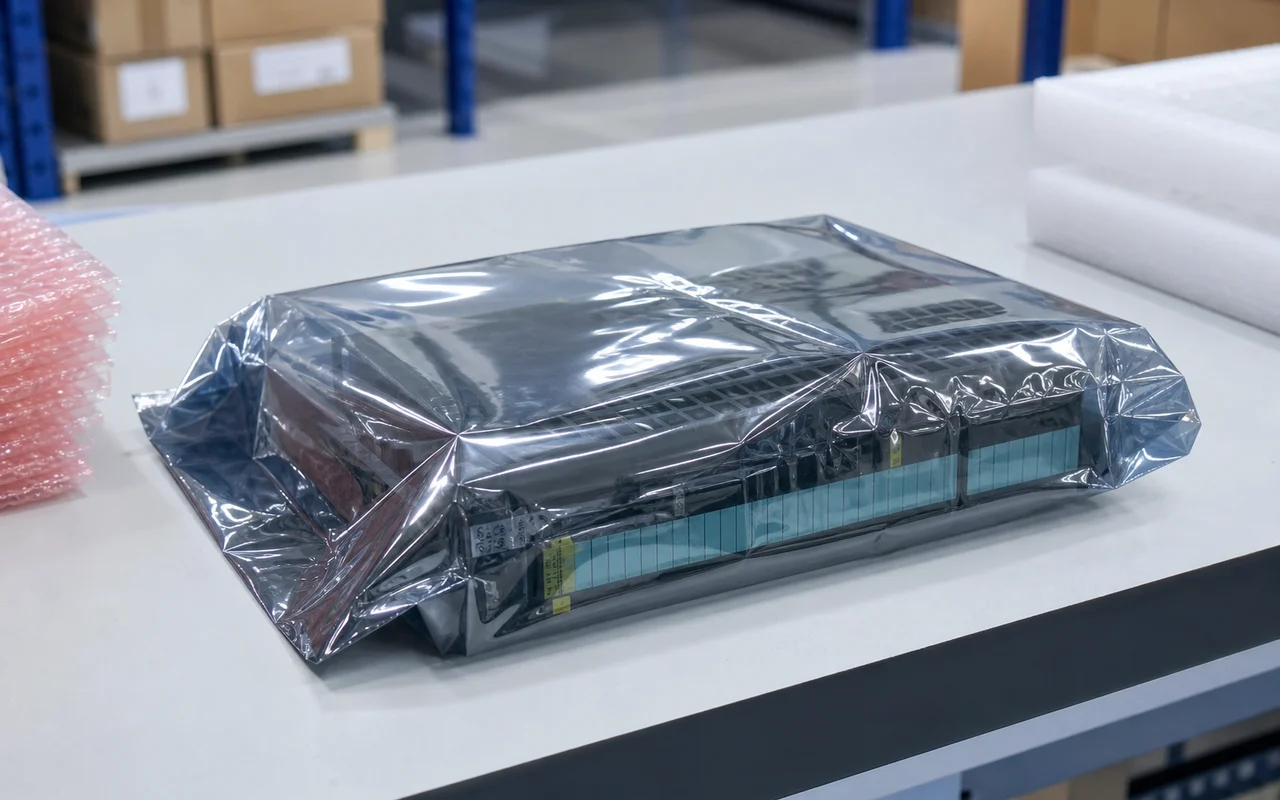 Anti-static Packaging
Modules are packed in anti-static bags to prevent electrostatic damage.
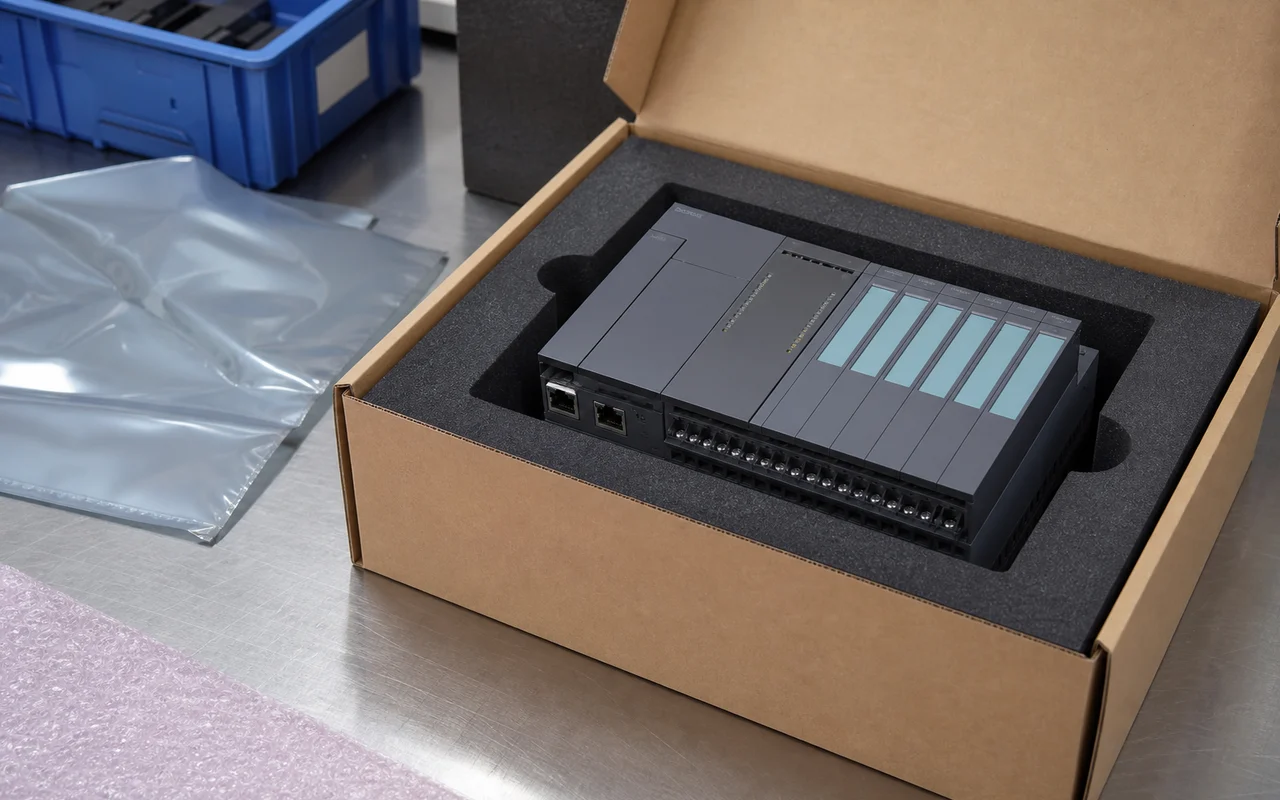 Secure Export Packing
Cushion protection and strong cartons ensure safe transportation.
 Worldwide Shipping
Global logistics network supports air, sea and express delivery.
 Documentation Check
Part number, revision and compatibility verified before shipment.
 After-sales Support
Professional technical support to help resolve your issues.