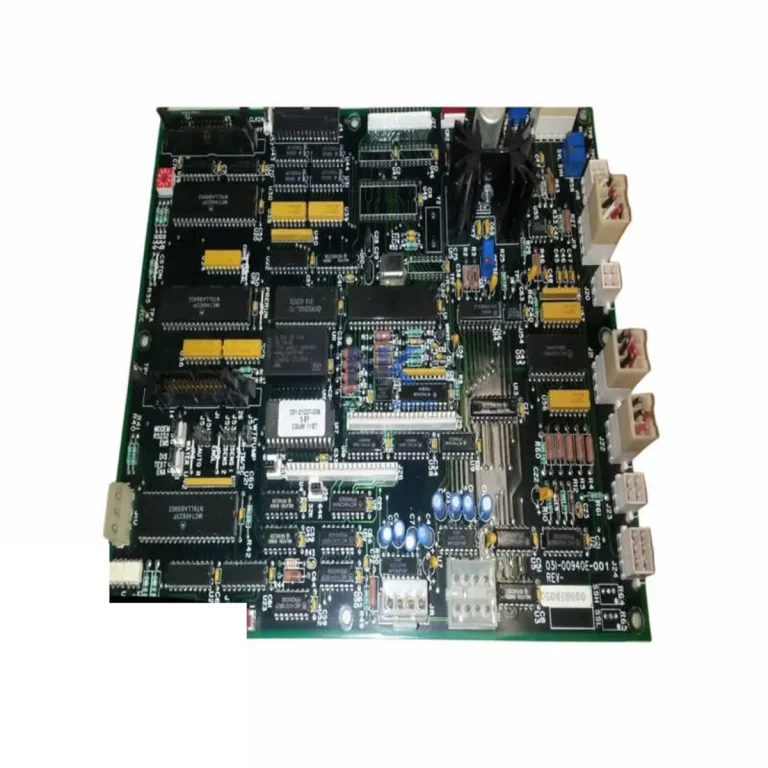
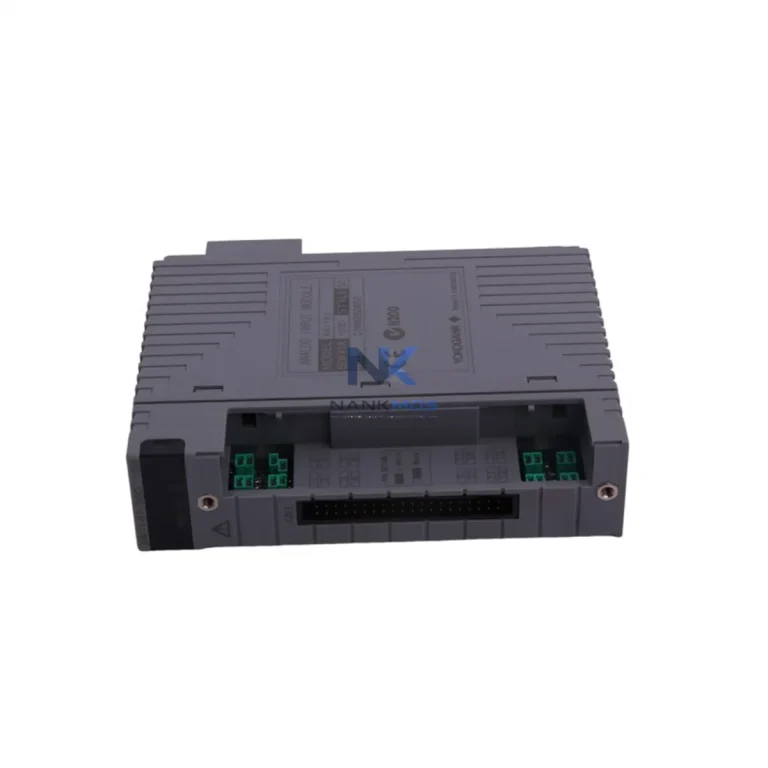
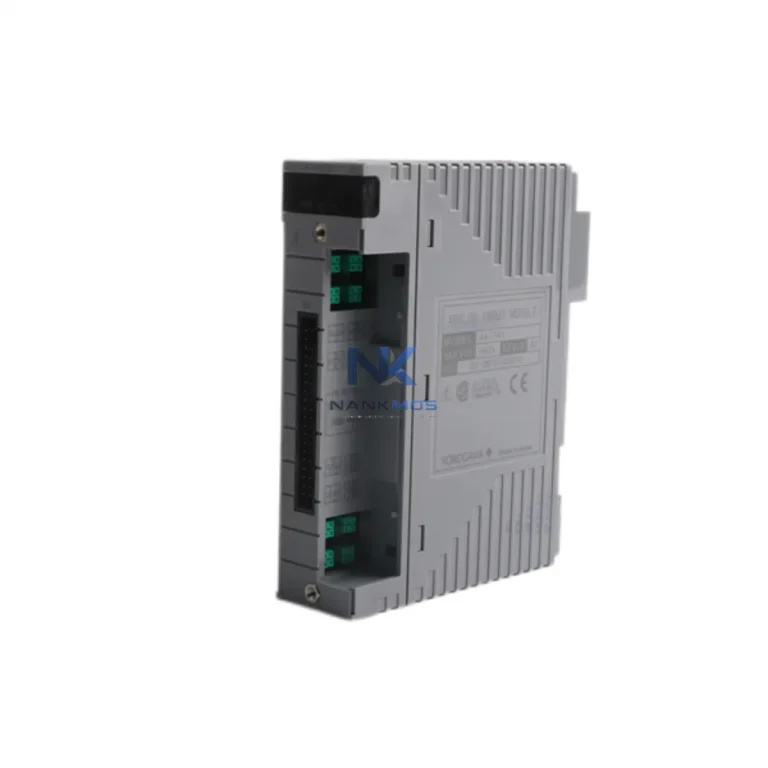
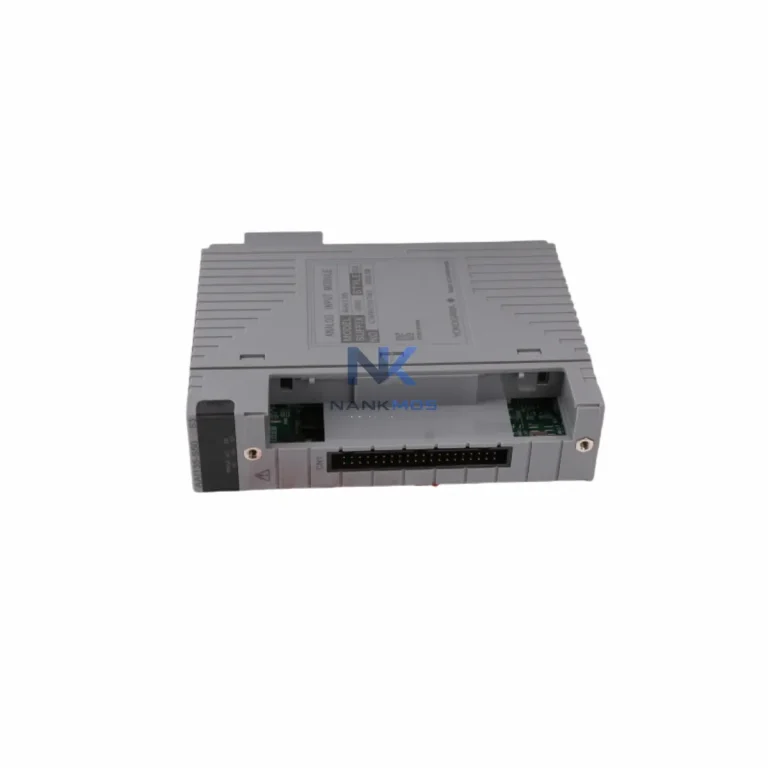
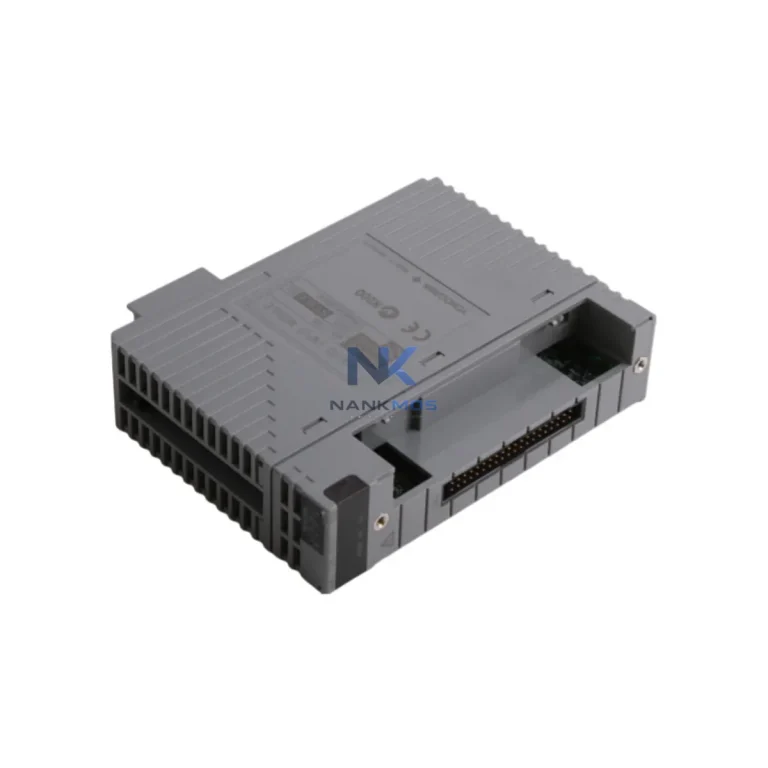
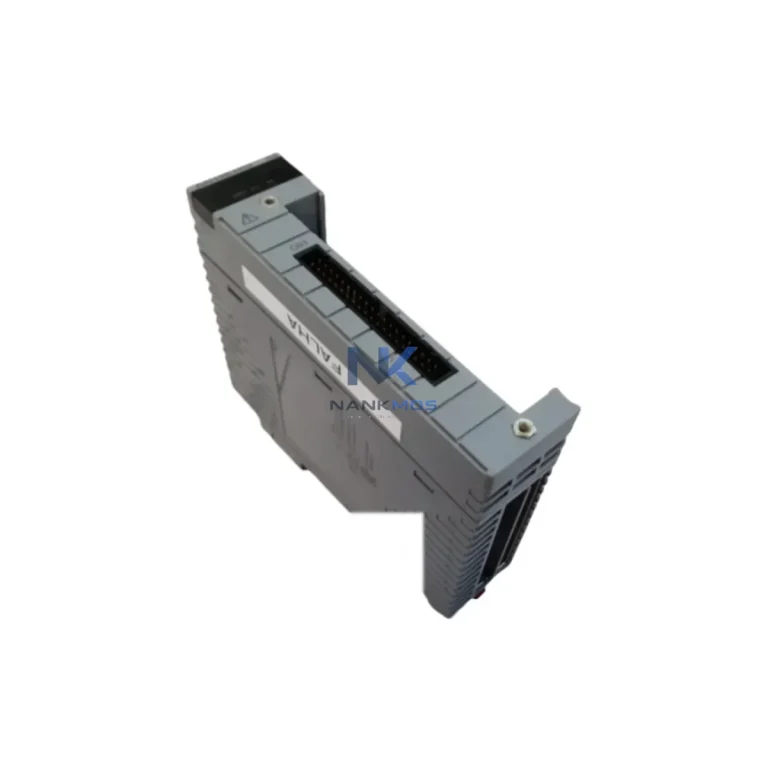
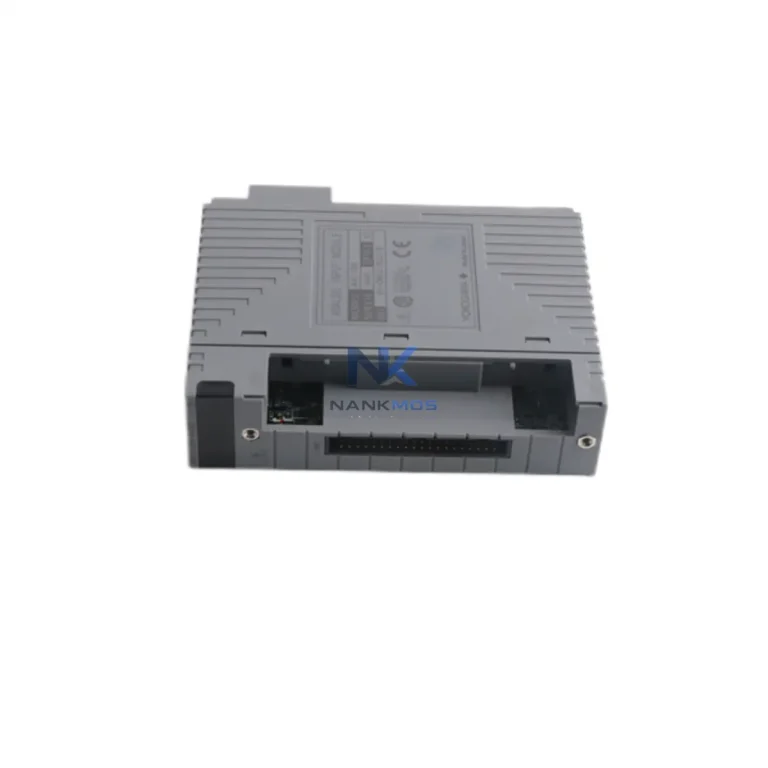
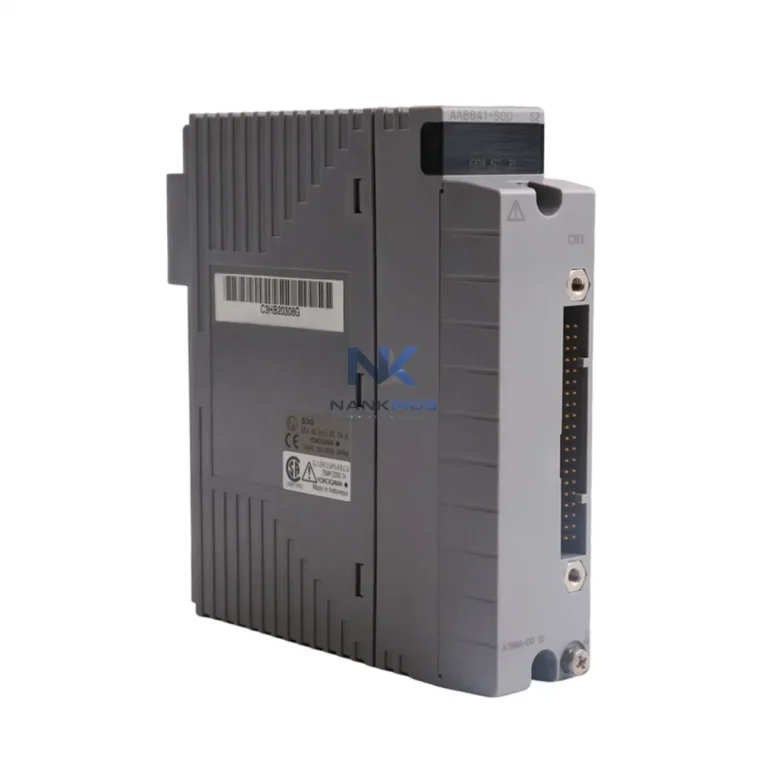
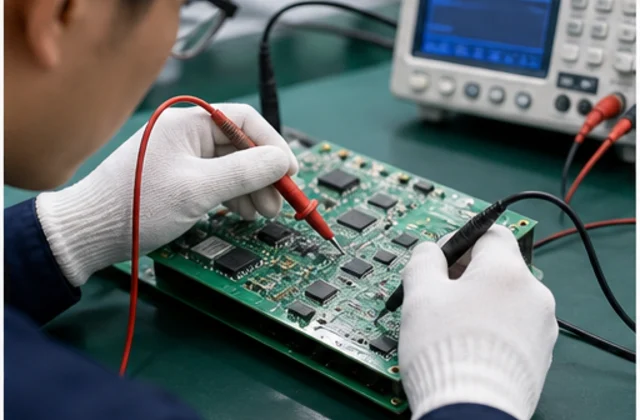
 Functional Inspection
100% tested on professional platforms to ensure stable performance.
Yokogawa EXT*A is a NANKMOS industrial automation product record Listed under STARDOM series and Business & Industrial > Automation, Control & Flow Devices > Programmable Logic Controllers. Confirm condition, availability, lead time, compatibility and documentation by email inquiry.
Brand names are used for identification only.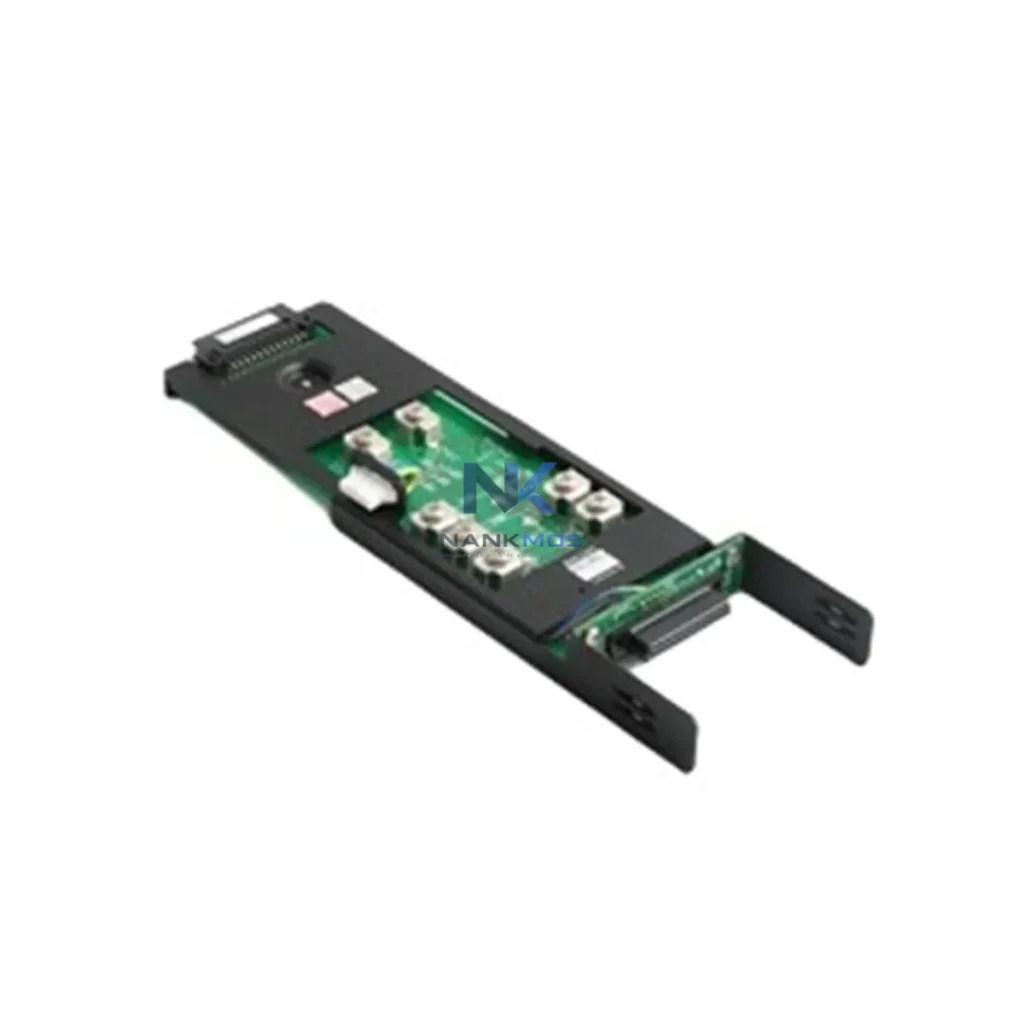
Yokogawa EXT*A is a NANKMOS industrial automation product record Listed under STARDOM series and Business & Industrial > Automation, Control & Flow Devices > Programmable Logic Controllers. Confirm condition, availability, lead time, compatibility and documentation by email inquiry.
| Manufacturer | Yokogawa |
|---|---|
| Application | Controller Processing & System Control |
| Part Number / Model | EXT*A |
| Compatible System | STARDOM |
| Series | STARDOM |
| Condition Options | To Confirm |
| Module Type | Controller / CPU Module |
| Warranty | 12 Months |
| Packaging | Anti-static Bag / Secure Box |
| Shipping Methods | DHL / FedEx / UPS / Air / Sea |
| Availability | To Confirm |
| Lead Time | To Confirm |
| Documentation | Part number and revision checked before quote |
The Yokogawa EXT*A is a high-performance programmable motion controller within the STARDOM automation platform, engineered to deliver precise energy control across demanding industrial production environments. Designed for smart manufacturing lines where energy efficiency, load stability, and drive coordination are mission-critical, the EXT*A integrates seamlessly into distributed control architectures to reduce unnecessary power consumption, minimize thermal stress on connected equipment, and sustain consistent production throughput. Whether deployed in continuous process plants, discrete assembly lines, or hybrid manufacturing cells, the EXT*A provides the motion intelligence needed to align drive output with actual load demand — eliminating energy waste at the axis level and contributing directly to facility-wide energy management objectives.
At its core, the EXT*A executes multi-axis motion sequences with deterministic cycle timing, enabling production lines to maintain optimal throughput without over-driving motors or generating excess heat. By coordinating motion profiles with real-time feedback from encoder inputs and I/O modules, the controller dynamically adjusts velocity and torque commands to match process requirements. This load-aware motion strategy reduces peak current draw, lowers reactive power demand, and extends the operational life of connected servo drives and motor assemblies. In energy-intensive applications such as conveyor synchronization, robotic pick-and-place, and precision cutting, the EXT*A's ability to smooth acceleration and deceleration ramps translates directly into measurable reductions in energy consumption per production cycle.
The EXT*A is fully compatible with the broader STARDOM FCN/FCJ controller family, allowing it to participate in plant-wide energy monitoring and load management strategies coordinated through the Yokogawa FAST/TOOLS SCADA system. When integrated with Yokogawa's WT series power analyzers or third-party power monitoring modules via Modbus TCP or PROFIBUS DP, the EXT*A's motion data can be correlated with real-time energy consumption metrics, enabling engineers to identify inefficient motion sequences and optimize drive parameters for maximum efficiency. This closed-loop approach to energy-aware motion control supports ISO 50001 energy management system implementations and aligns with lean manufacturing principles.
Deploying the Yokogawa EXT*A within a power-aware automation architecture requires careful coordination across multiple system layers. At the field level, the EXT*A interfaces with Yokogawa servo drives and third-party variable frequency drives (VFDs) to regulate motor speed and torque in real time, ensuring that mechanical loads receive only the energy required for each phase of the production cycle. Paired with the STARDOM FCN autonomous controller, the EXT*A participates in distributed control loops that balance process throughput against energy consumption targets set at the supervisory level.
For I/O integration, the EXT*A connects to digital and analog I/O modules within the STARDOM rack to receive feedback from proximity sensors, pressure transducers, and temperature sensors installed along the production line. This sensor data informs motion decisions — for example, reducing conveyor speed when downstream buffer stations are full, or pausing indexing cycles when thermal sensors detect elevated temperatures in drive enclosures. The result is a motion control strategy that responds to actual plant conditions rather than executing fixed-speed profiles regardless of load state.
HMI integration via Yokogawa's ProSafe-RS or compatible third-party HMI panels allows operators to monitor axis status, energy consumption trends, and drive health indicators in real time. When combined with Yokogawa's WT310E power analyzer or equivalent power monitoring modules, operators gain visibility into per-axis energy consumption, enabling targeted optimization of the most energy-intensive motion sequences. Communication with higher-level SCADA systems such as FAST/TOOLS or third-party platforms via OPC-UA or Modbus TCP ensures that motion energy data is incorporated into plant-wide energy management dashboards, supporting continuous improvement initiatives and regulatory reporting requirements.
The Yokogawa EXT*A contributes to production line energy optimization through three primary mechanisms: motion profile refinement, load synchronization, and predictive maintenance support. By executing precisely timed motion sequences with minimal overshoot and controlled deceleration, the EXT*A reduces the energy wasted in mechanical braking and regenerative dissipation. In multi-axis applications, synchronized motion profiles prevent load conflicts between adjacent axes, eliminating the reactive energy spikes that occur when drives fight against each other during simultaneous acceleration events.
Load synchronization is particularly valuable in web handling, packaging, and assembly applications where multiple axes must maintain precise speed ratios to prevent material waste and equipment damage. The EXT*A's electronic gearing and camming functions replace mechanical differentials and clutches, reducing drivetrain complexity and the associated friction losses. This simplification of the mechanical power transmission path directly reduces the energy required to move product through the line, while also decreasing maintenance intervals and unplanned downtime.
From a predictive maintenance perspective, the EXT*A's motion feedback data provides early indicators of mechanical degradation — increasing torque demand on a specific axis, for example, may signal bearing wear or lubrication deficiency before a failure occurs. By integrating this data with the STARDOM platform's diagnostic capabilities and forwarding alerts to maintenance management systems, facilities can schedule interventions during planned downtime windows rather than responding to unplanned failures. This proactive approach reduces both energy waste from degraded equipment and the production losses associated with emergency repairs, contributing to overall equipment effectiveness (OEE) improvement and a lower total cost of ownership for the motion control system.
Q1: How does the EXT*A reduce energy consumption compared to conventional motion controllers? The EXT*A uses load-adaptive motion profiling to match drive output to actual process demand, reducing peak current draw and minimizing reactive power. Smooth acceleration and deceleration ramp management eliminates energy waste in mechanical braking, while electronic gearing replaces energy-inefficient mechanical transmission components.
Q2: Which drive and communication systems is the EXT*A compatible with? The EXT*A is designed for the Yokogawa STARDOM platform and supports integration with servo drives and VFDs via PROFIBUS DP, Modbus TCP, and EtherNet/IP. It is compatible with FAST/TOOLS SCADA, OPC-UA supervisory systems, and standard I/O modules within the STARDOM FCN/FCJ rack architecture.
Q3: What is the recommended replacement or upgrade path for legacy motion controllers? For facilities migrating from older Yokogawa motion modules or third-party PLCs with motion expansion cards, the EXT*A provides a direct upgrade path within the STARDOM ecosystem. Migration projects should include a motion profile audit to map existing cam tables and gearing ratios to EXT*A-native function blocks, ensuring equivalent or improved cycle performance with reduced energy overhead.
Q4: What testing and warranty coverage is provided with the EXT*A? Every EXT*A unit undergoes full functional and load testing prior to shipment, verifying motion accuracy, communication integrity, and power supply performance under simulated production conditions. All units are covered by a 12-Month Warranty against manufacturing defects. In-stock units are available for immediate dispatch to minimize production line downtime.
Functional Inspection100% tested on professional platforms to ensure stable performance.
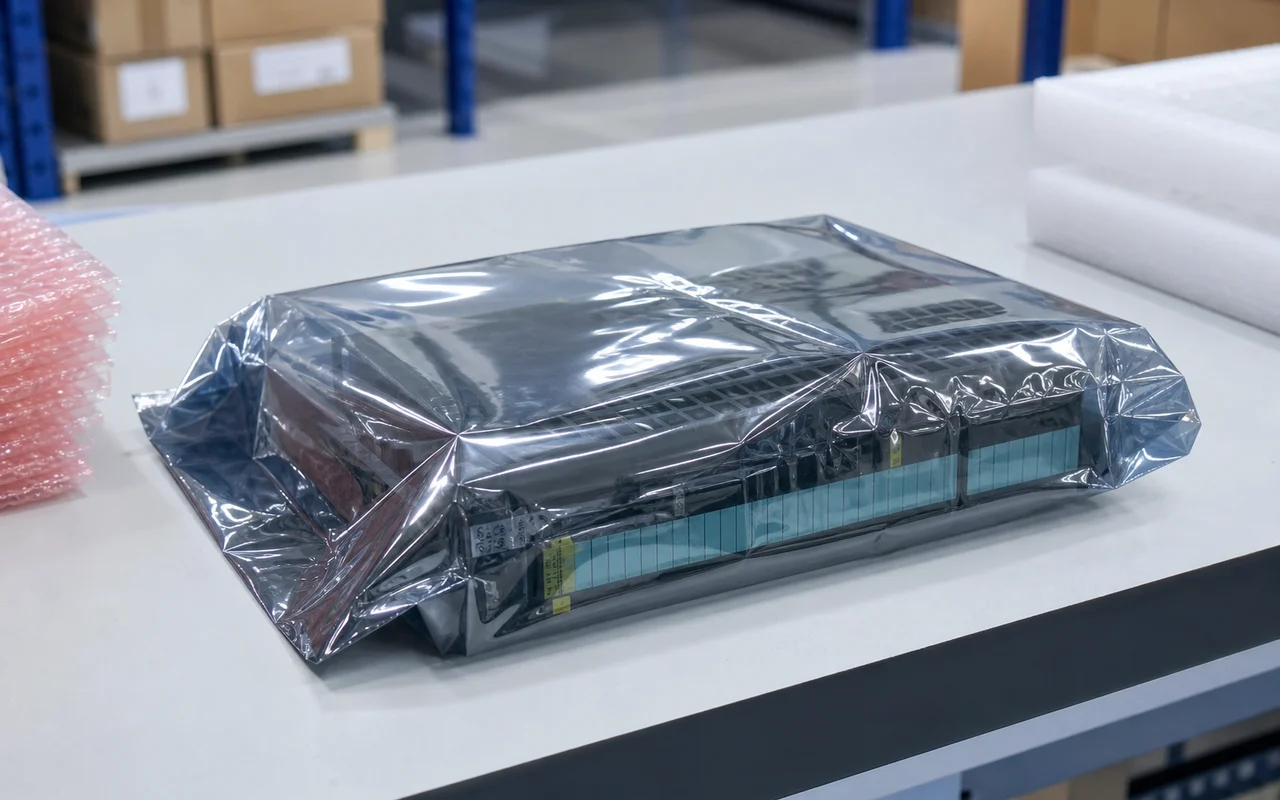 Anti-static Packaging
Modules are packed in anti-static bags to prevent electrostatic damage.
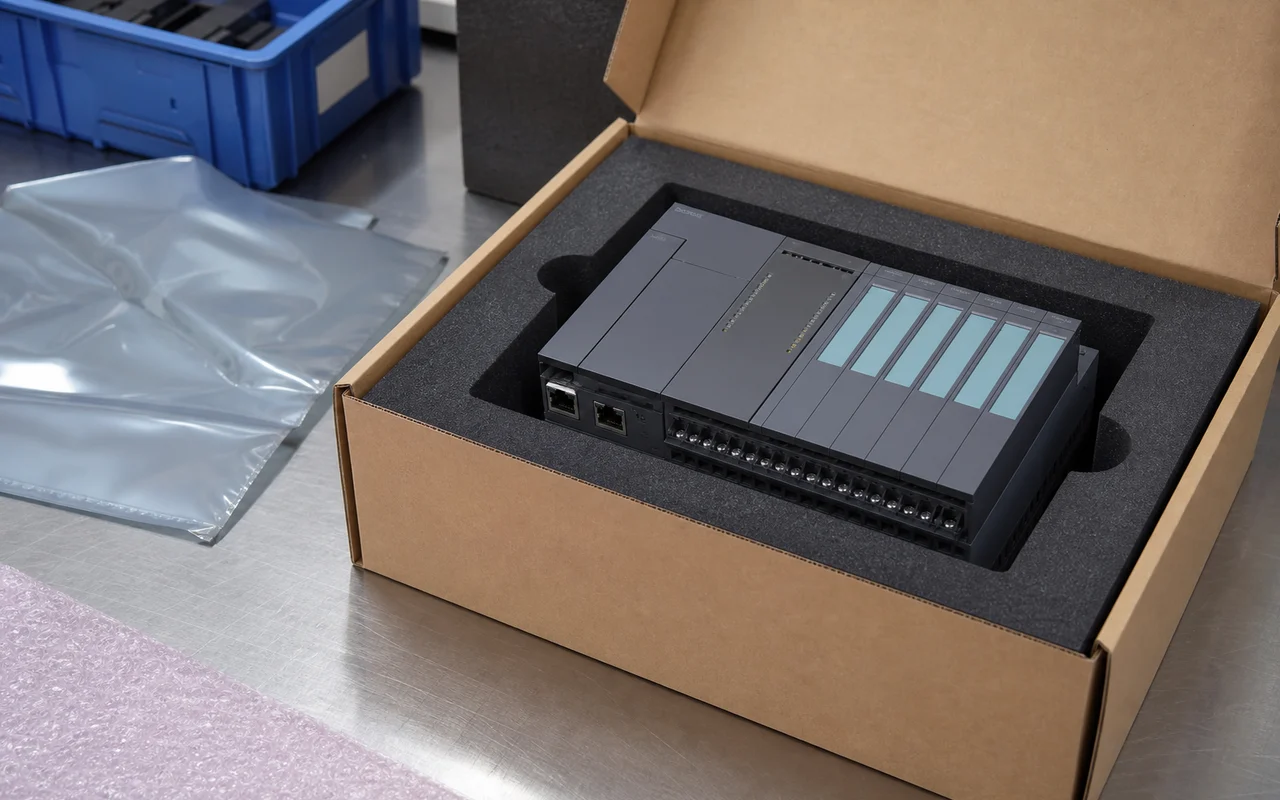 Secure Export Packing
Cushion protection and strong cartons ensure safe transportation.
 Worldwide Shipping
Global logistics network supports air, sea and express delivery.
 Documentation Check
Part number, revision and compatibility verified before shipment.
 After-sales Support
Professional technical support to help resolve your issues.