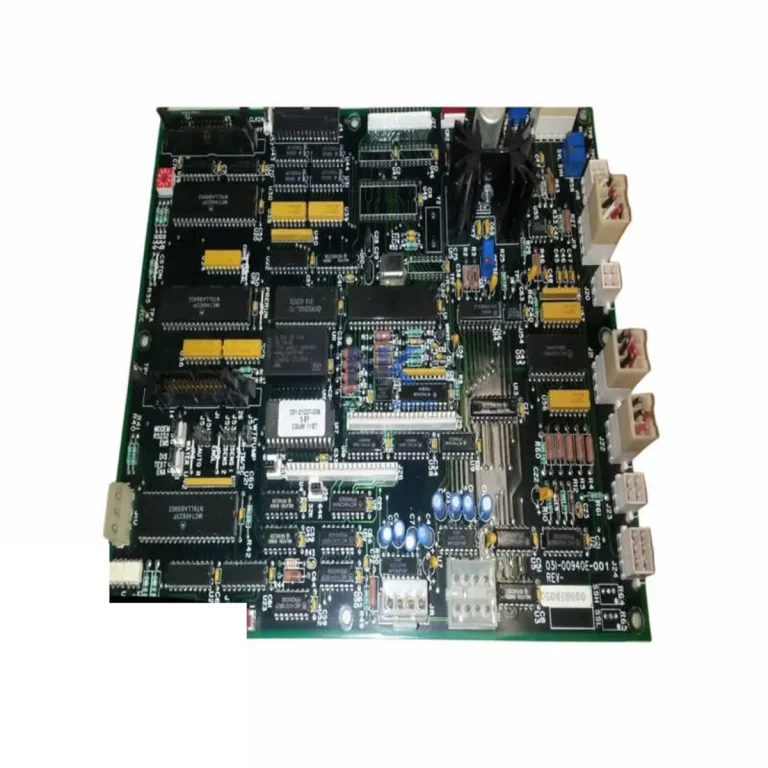
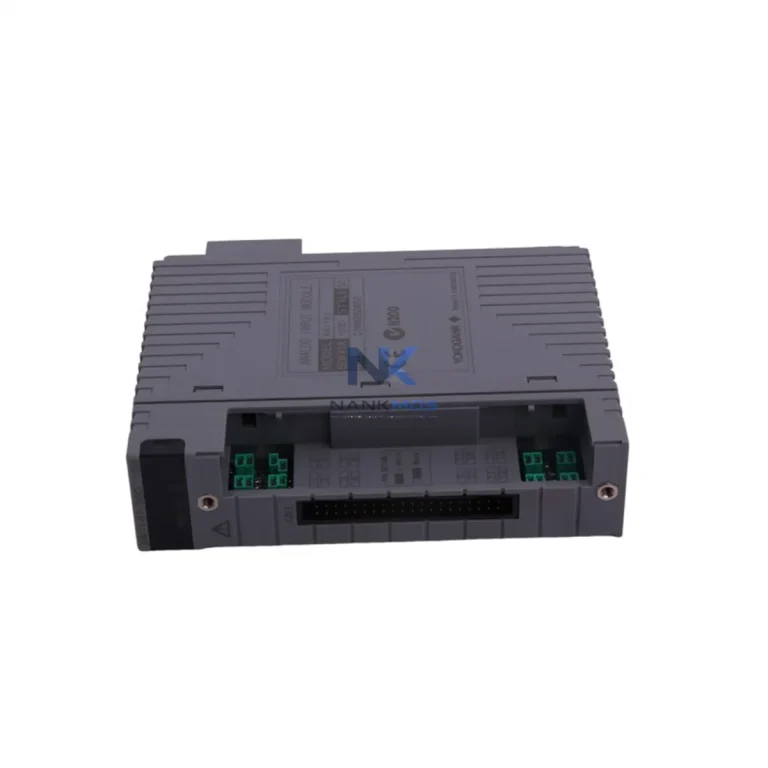
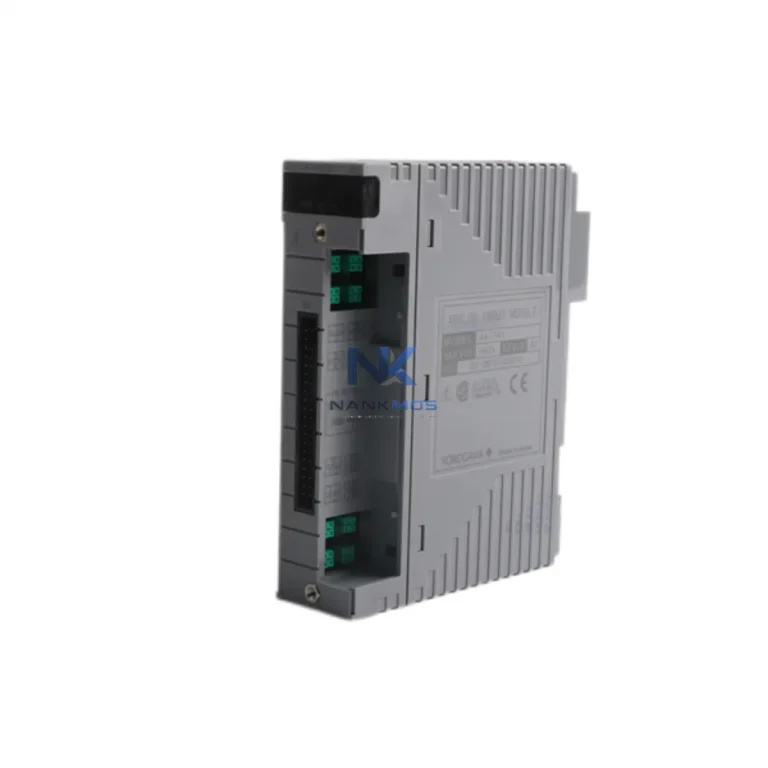
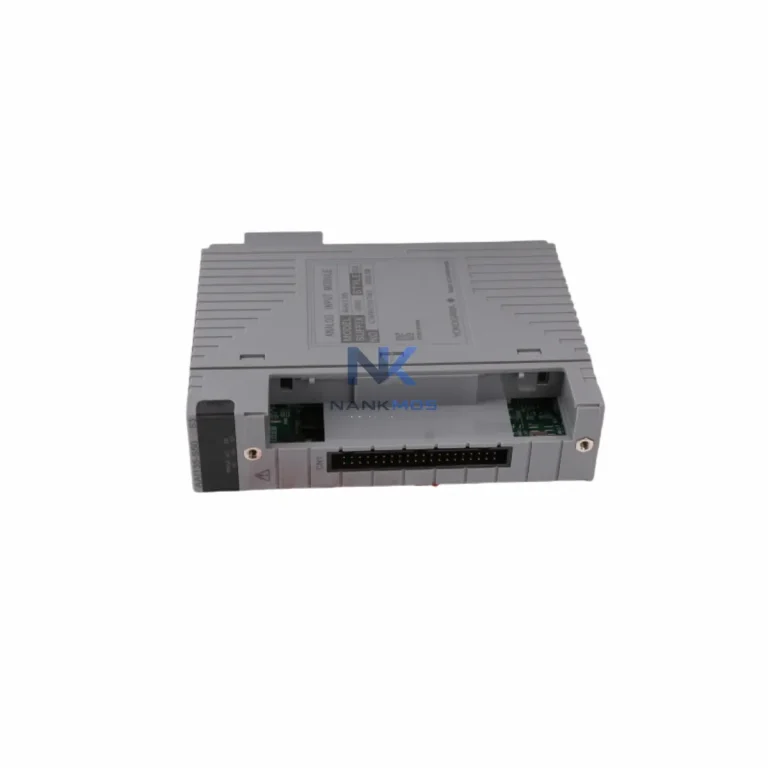
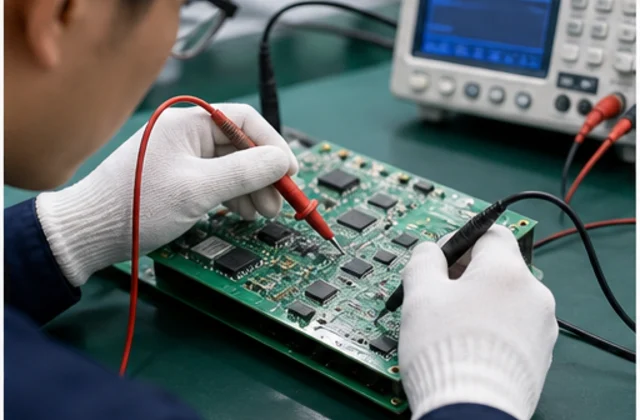
 Functional Inspection
100% tested on professional platforms to ensure stable performance.
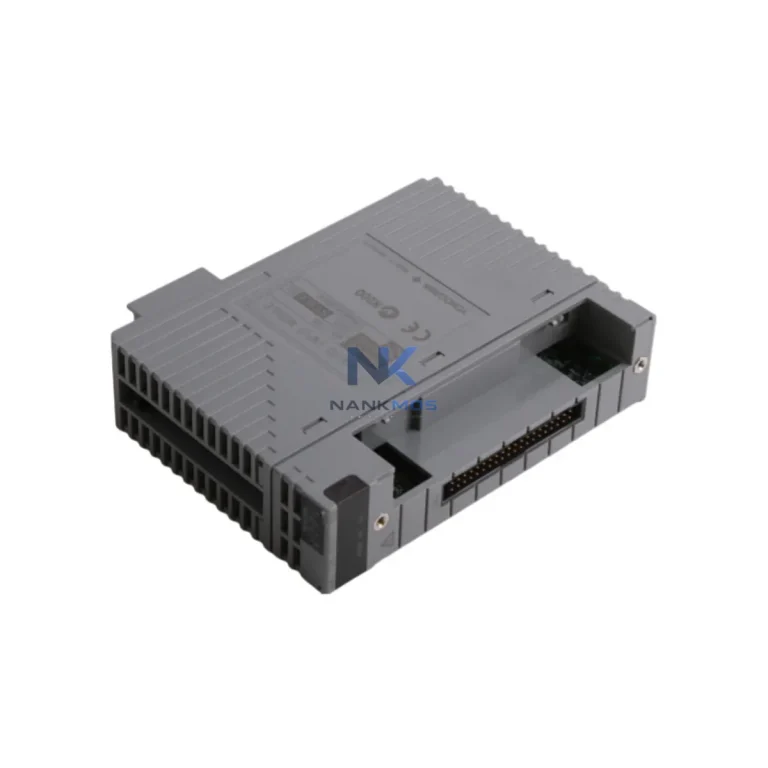
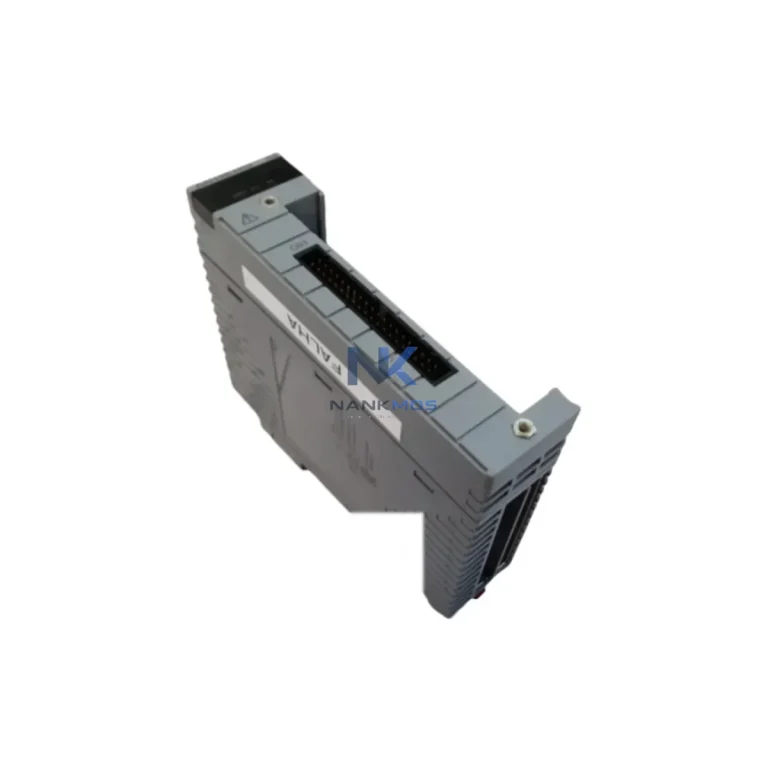
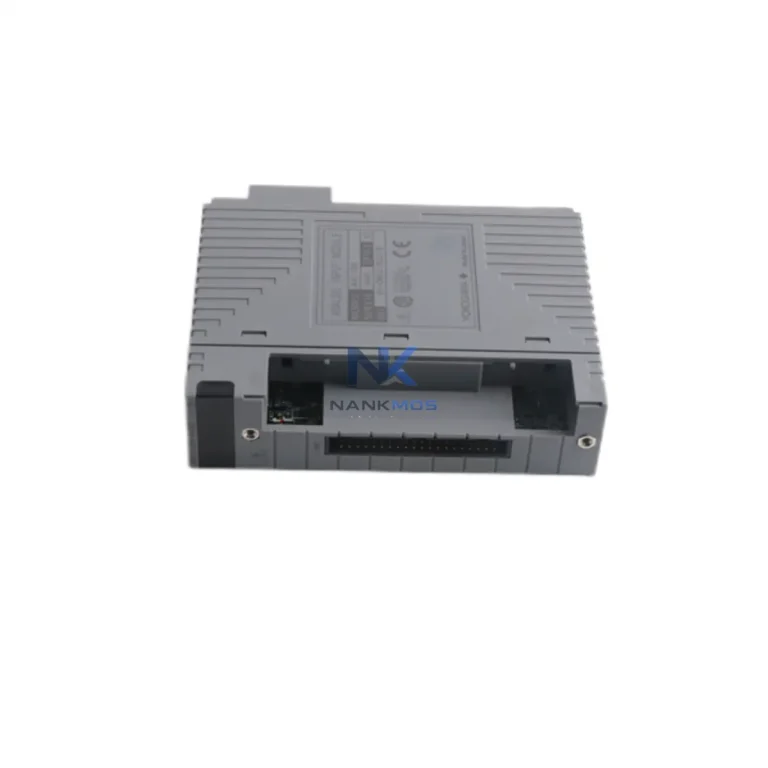
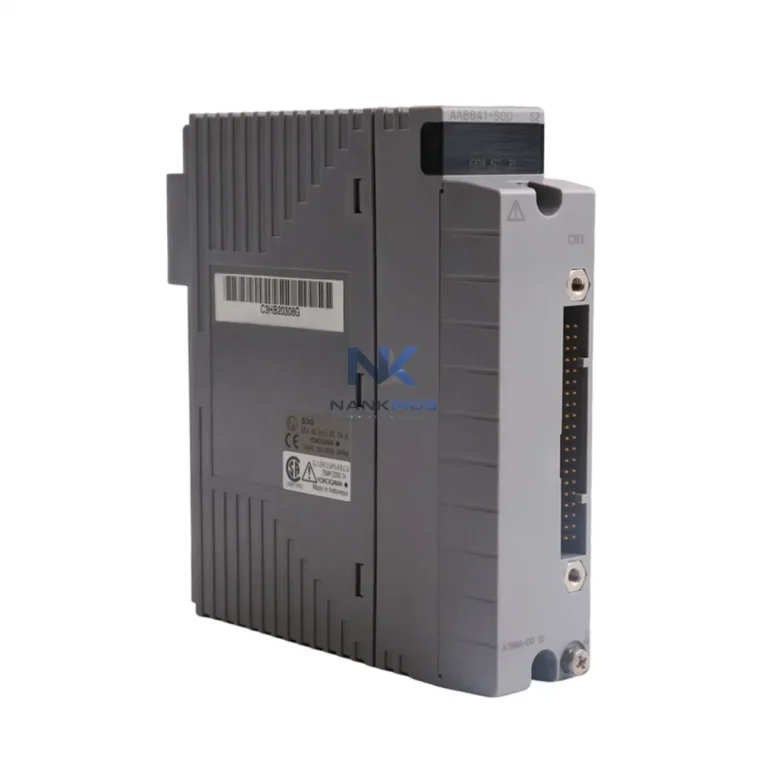
Yokogawa F3XD08-6N is a NANKMOS industrial automation product record Listed under STARDOM series and Business & Industrial > Automation, Control & Flow Devices > Programmable Logic Controllers. Confirm condition, availability, lead time, compatibility and documentation by email inquiry.
Brand names are used for identification only.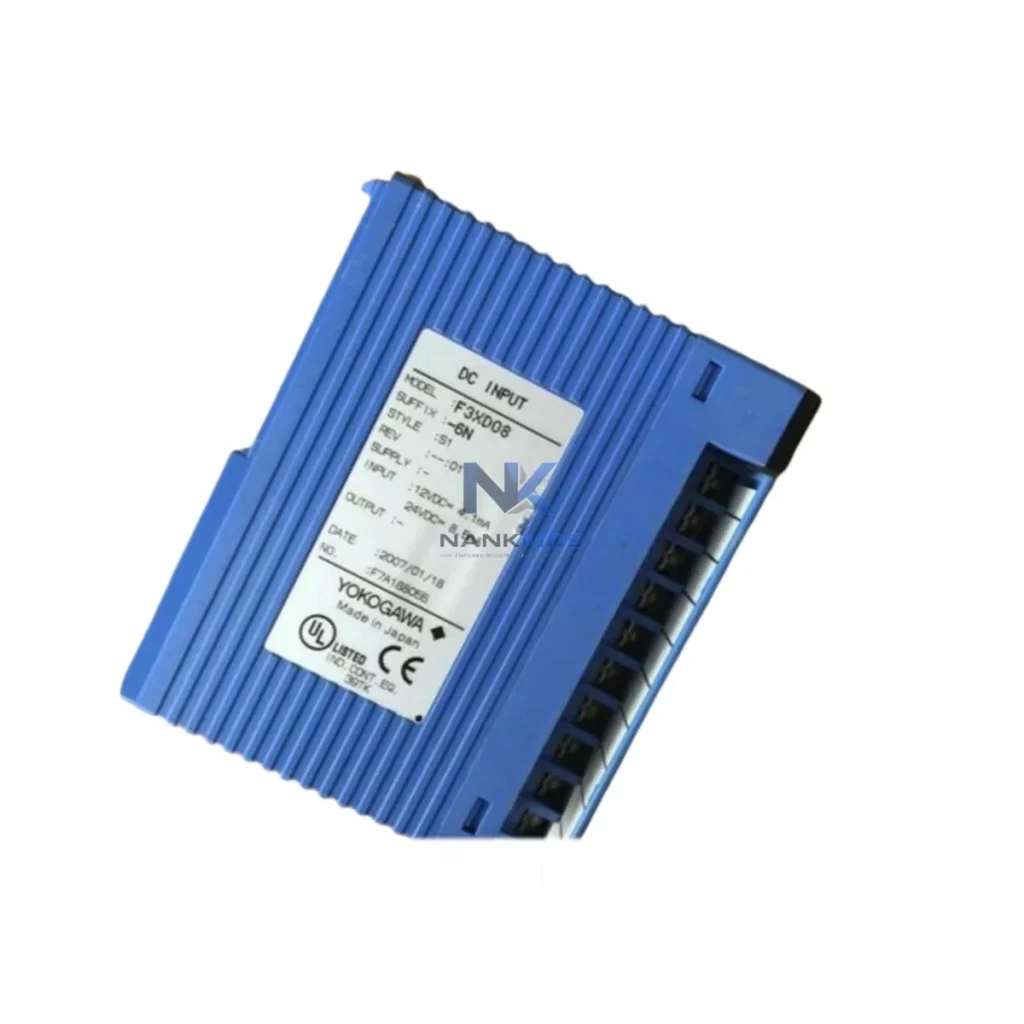
Yokogawa F3XD08-6N is a NANKMOS industrial automation product record Listed under STARDOM series and Business & Industrial > Automation, Control & Flow Devices > Programmable Logic Controllers. Confirm condition, availability, lead time, compatibility and documentation by email inquiry.
| Manufacturer | Yokogawa |
|---|---|
| Application | Controller Processing & System Control |
| Part Number / Model | F3XD08-6N |
| Compatible System | STARDOM |
| Series | STARDOM |
| Condition Options | To Confirm |
| Module Type | Controller / CPU Module |
| Warranty | 12 Months |
| Packaging | Anti-static Bag / Secure Box |
| Shipping Methods | DHL / FedEx / UPS / Air / Sea |
| Availability | To Confirm |
| Lead Time | To Confirm |
| Documentation | Part number and revision checked before quote |
The Yokogawa F3XD08-6N is an 8-channel digital input module engineered for the FA-M3 programmable controller platform and the STARDOM network-based control system. Designed to operate at the intersection of field-level signal acquisition and plant-wide energy management, the F3XD08-6N delivers reliable, low-latency discrete input scanning that directly supports load management, motor control sequencing, and production line rhythm optimization across energy-intensive industrial environments.
In modern smart production lines, every millisecond of signal delay and every watt of unnecessary standby power contributes to cumulative energy waste. The F3XD08-6N addresses this by providing deterministic 8-channel digital input scanning with minimal self-consumption, enabling the host FA-M3 CPU module to make faster, more accurate control decisions — reducing idle motor run time, preventing unnecessary drive activation, and supporting tighter production cycle management.
The F3XD08-6N functions as a critical sensing node within a broader power-aware automation architecture. When integrated with the Yokogawa FA-M3 CPU module (such as the F3SP71-4N or F3SP76-7N), the module feeds discrete field signals — motor run/stop status, limit switch positions, safety interlock states — directly into the controller's scan cycle. This allows the PLC to execute energy-optimized sequencing logic: starting motors only when process conditions are confirmed, and commanding stop sequences the moment downstream sensors indicate idle conditions.
In drive-intensive applications, the F3XD08-6N works alongside Yokogawa-compatible variable frequency drives (VFDs) and servo drive systems. Digital input signals from field devices — such as proximity sensors, pressure switches, or flow confirmation contacts — are captured by the F3XD08-6N and relayed to the FA-M3 CPU, which then issues speed reference commands to the VFD via analog output modules or fieldbus communication. This closed-loop interaction between the digital input module, the CPU, and the drive system eliminates unnecessary full-speed motor operation, directly reducing energy consumption and thermal stress on drive components.
For power monitoring and load management, the F3XD08-6N integrates naturally with power measurement modules and energy metering devices connected to the FA-M3 platform. Discrete status signals — such as overcurrent trip outputs from motor protection relays or demand controller contact outputs — are fed into the F3XD08-6N channels, enabling the FA-M3 to implement automatic load shedding sequences during peak demand periods. This reduces peak energy charges and prevents thermal overload conditions in switchgear and distribution panels.
Within STARDOM-based distributed control architectures, the F3XD08-6N supports integration with STARDOM FCN autonomous controllers and FCJ field control nodes, enabling remote I/O expansion across geographically distributed plant sections. Combined with STARDOM FAST/TOOLS SCADA software, operators gain real-time visibility into discrete field states, allowing energy management dashboards to reflect actual equipment run/stop status rather than estimated values. This integration supports both real-time energy monitoring and historical trend analysis for predictive maintenance planning.
The module also pairs effectively with Yokogawa FA-M3 analog input modules (such as the F3AD08-6N) for mixed-signal applications where both discrete status and continuous process variables — temperature, pressure, flow — must be monitored simultaneously to optimize energy consumption. In HMI-driven environments, operator panels connected to the FA-M3 network can display F3XD08-6N channel states in real time, providing maintenance teams with immediate visibility into equipment status without requiring field inspection.
Communication modules such as the FA-M3 Ethernet interface module (F3LE01-5T or equivalent) extend the F3XD08-6N's data reach to plant-level MES and ERP systems, enabling production scheduling systems to account for actual equipment availability when planning energy-intensive production runs. This reduces the frequency of unplanned startups and shutdowns — one of the most significant sources of energy waste and mechanical wear in automated production lines.
Production line energy optimization begins with accurate, real-time knowledge of equipment state. The F3XD08-6N provides exactly this: eight independent digital input channels that continuously report the on/off status of motors, conveyors, actuators, safety gates, and process confirmation devices to the FA-M3 controller. With this data, the PLC can implement sophisticated energy management strategies that go far beyond simple on/off control.
One of the most impactful applications is idle-state detection and automatic standby sequencing. When the F3XD08-6N detects that upstream process confirmation signals have been absent for a configurable time period, the FA-M3 can automatically ramp down conveyor speeds via VFD speed references, de-energize non-critical actuators, and switch auxiliary systems to low-power standby modes. This approach can reduce line energy consumption during planned and unplanned pauses by 20–40% compared to systems that maintain full operational power during idle periods.
For thermal load management, the F3XD08-6N supports integration with thermal protection relay contact outputs and temperature switch signals. When motor thermal protection devices trip or approach their thermal limits, the F3XD08-6N captures these discrete signals and the FA-M3 can initiate controlled load reduction sequences — reducing motor speed, redistributing load across parallel drive systems, or activating cooling systems — before thermal damage occurs. This predictive response reduces both energy waste from thermal runaway conditions and costly unplanned downtime.
Production line rhythm (takt time) optimization is another key benefit. By monitoring discrete confirmation signals from each production station — part-present sensors, fixture-clamped confirmations, process-complete outputs — the F3XD08-6N enables the FA-M3 to precisely synchronize conveyor indexing, robot trigger signals, and auxiliary equipment activation with actual production progress rather than fixed time cycles. This eliminates the energy wasted when equipment runs ahead of actual production demand, and reduces mechanical wear from unnecessary motion cycles.
From a predictive maintenance perspective, the F3XD08-6N's channel data can be logged via the FA-M3's data logging functions or transmitted to SCADA systems for trend analysis. Gradual changes in signal timing — such as a limit switch that takes progressively longer to confirm — can indicate mechanical wear before it causes a failure. Early detection allows maintenance to be scheduled during planned downtime rather than responding to emergency breakdowns, which are typically far more energy-intensive due to the restart transients and production catch-up cycles they require.
All units supplied by NANKMOS undergo outgoing quality inspection and functional verification prior to shipment, ensuring that every F3XD08-6N arrives ready for immediate installation. Stock is maintained to support both urgent replacement requirements and planned project deployments, with typical lead times suitable for MRO and capital project schedules alike.
Q1: How does the F3XD08-6N contribute to measurable energy savings on a production line? The F3XD08-6N enables the FA-M3 PLC to implement idle-state detection, load shedding, and takt-time-synchronized equipment control. By ensuring that motors, drives, and auxiliary systems are activated only when confirmed process conditions require them, the module directly reduces unnecessary energy consumption during idle periods, shift transitions, and unplanned pauses. Actual savings depend on line configuration and baseline energy profile, but discrete input-driven sequencing is a well-established method for reducing industrial energy waste.
Q2: Is the F3XD08-6N compatible with both FA-M3 and STARDOM control systems? Yes. The F3XD08-6N is designed for the Yokogawa FA-M3 platform and is also compatible with STARDOM FCN/FCJ remote I/O configurations. It integrates with FA-M3 CPU modules, analog I/O modules, communication modules, and STARDOM network controllers within the same backplane or distributed I/O architecture. Compatibility with specific CPU revisions and firmware versions should be confirmed against the Yokogawa FA-M3 hardware compatibility guide.
Q3: Can the F3XD08-6N replace an existing digital input module from an older FA-M3 system? The F3XD08-6N is intended as a direct replacement or upgrade for compatible 8-channel digital input modules within the FA-M3 family. Before replacement, verify the input voltage specification, channel count, and backplane slot compatibility with your existing FA-M3 configuration. NANKMOS recommends reviewing the Yokogawa FA-M3 module replacement guidelines and confirming CPU firmware compatibility prior to installation.
Q4: What warranty and testing process applies to F3XD08-6N units supplied by NANKMOS? All F3XD08-6N units supplied by NANKMOS are covered by a 12-Month Warranty from the date of shipment. Each unit undergoes outgoing quality inspection and functional testing prior to dispatch to verify channel integrity and signal response. Units are shipped in appropriate anti-static packaging to prevent transit damage. For warranty claims or technical support, contact NANKMOS directly via the details below.
Functional Inspection100% tested on professional platforms to ensure stable performance.
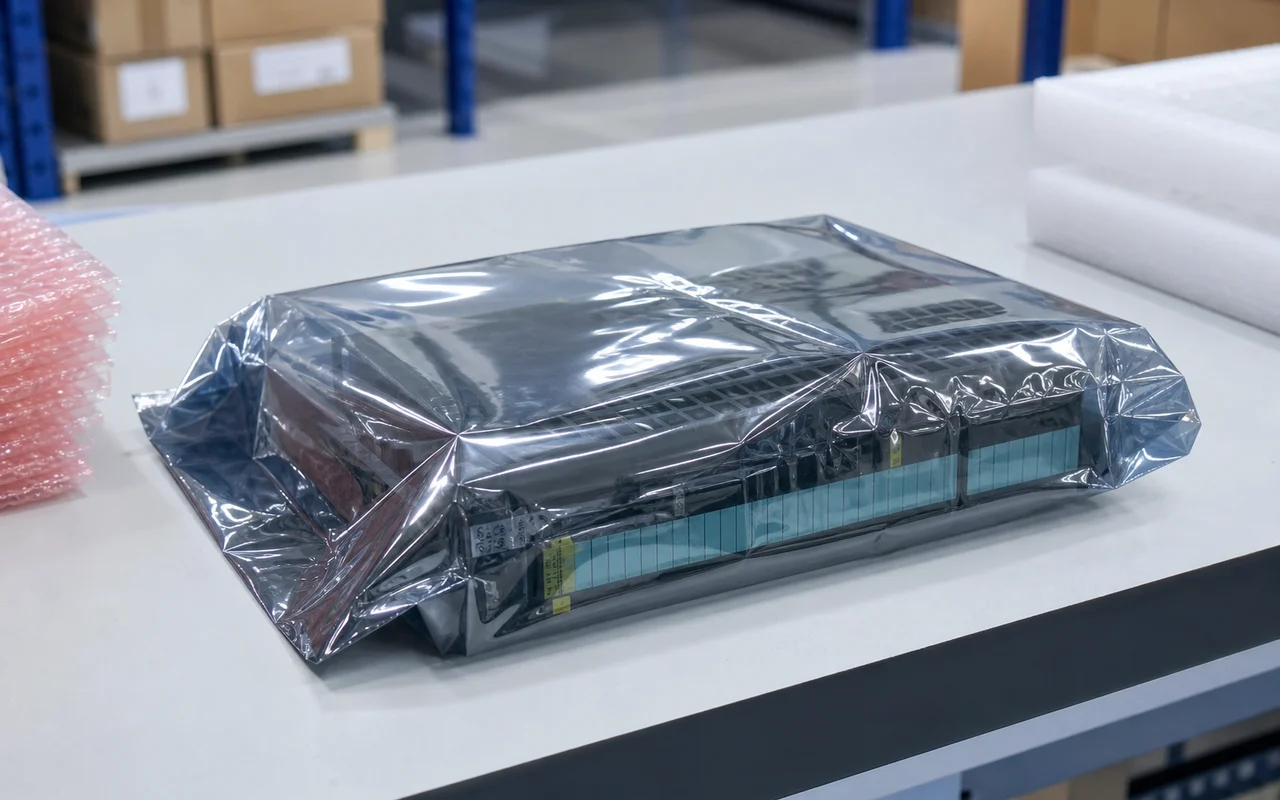 Anti-static Packaging
Modules are packed in anti-static bags to prevent electrostatic damage.
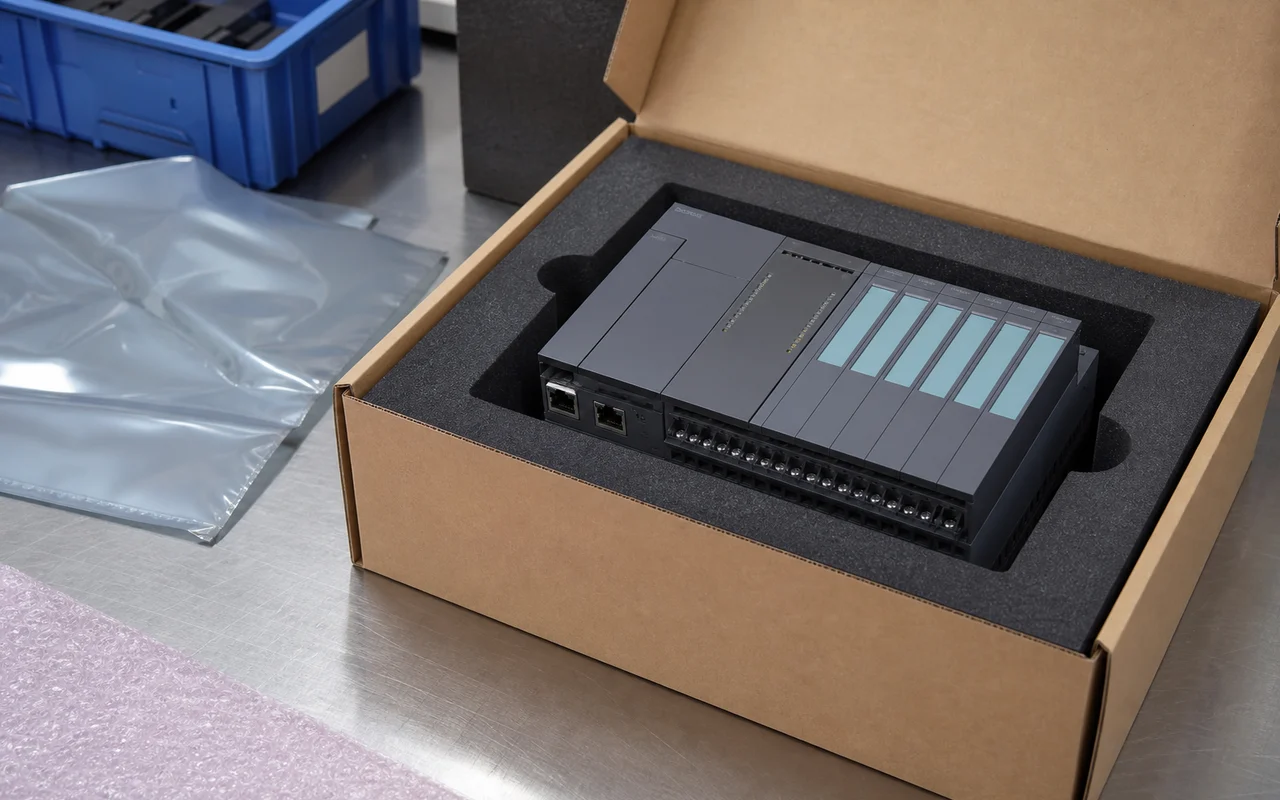 Secure Export Packing
Cushion protection and strong cartons ensure safe transportation.
 Worldwide Shipping
Global logistics network supports air, sea and express delivery.
 Documentation Check
Part number, revision and compatibility verified before shipment.
 After-sales Support
Professional technical support to help resolve your issues.