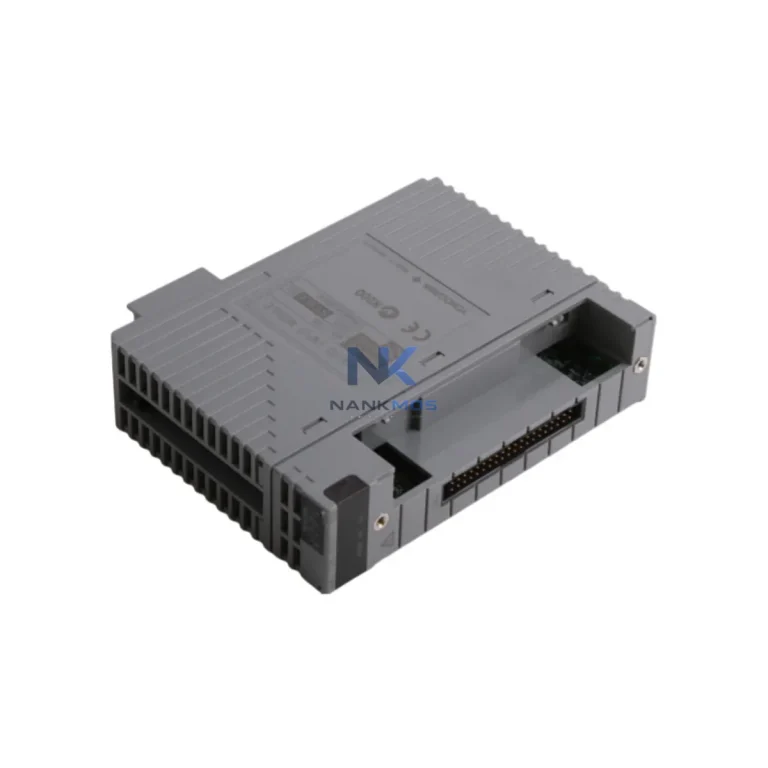
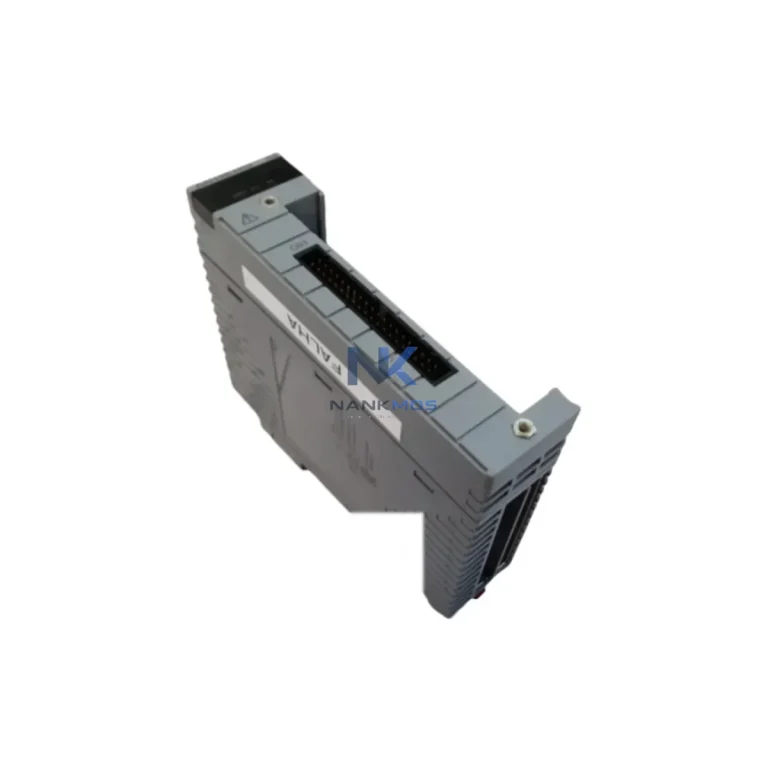
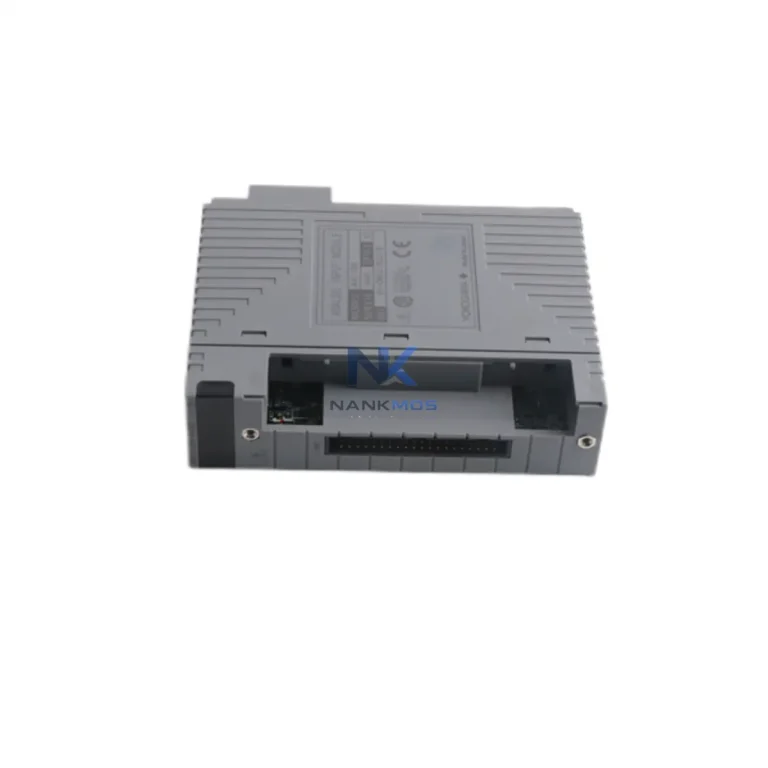
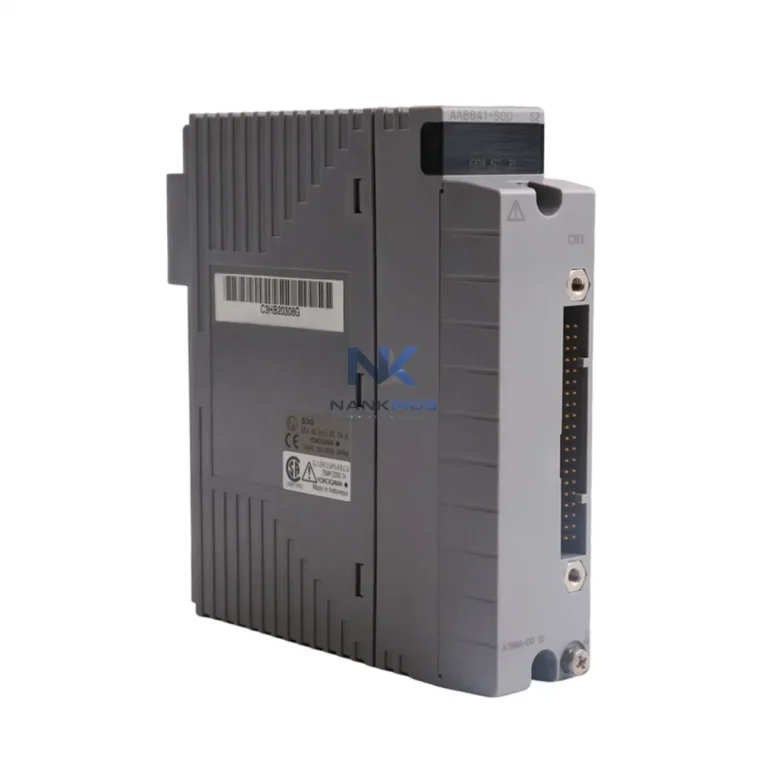
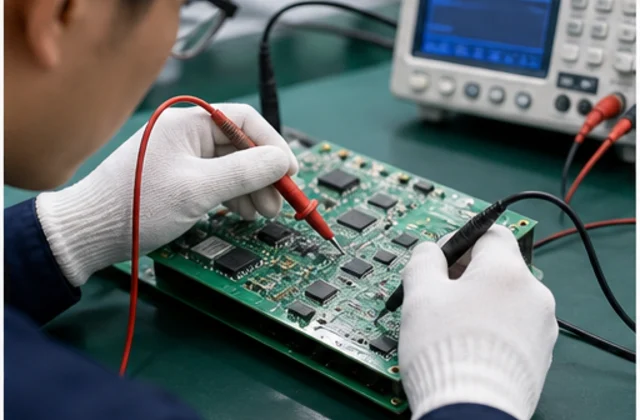
 Functional Inspection
100% tested on professional platforms to ensure stable performance.
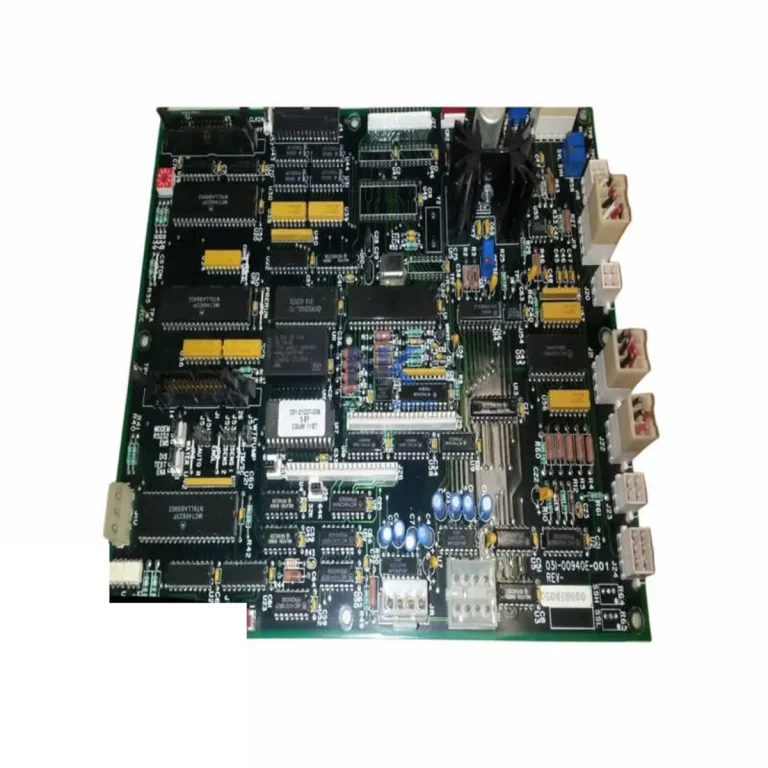
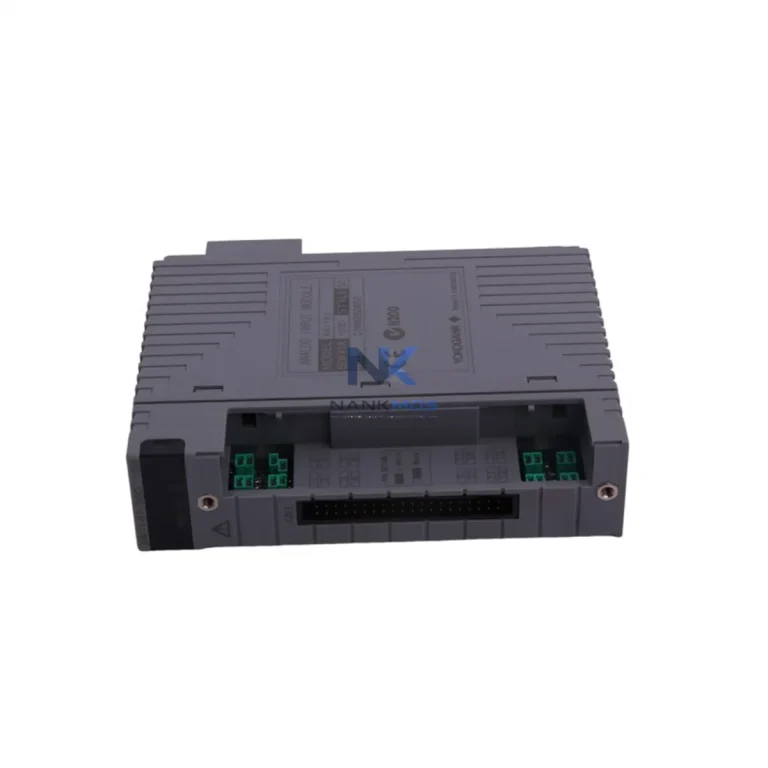
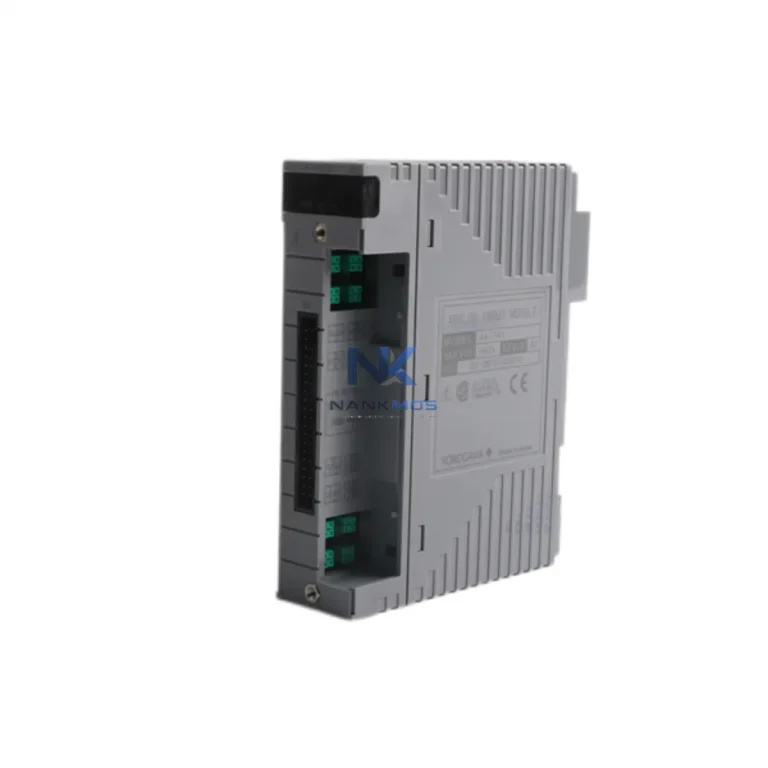
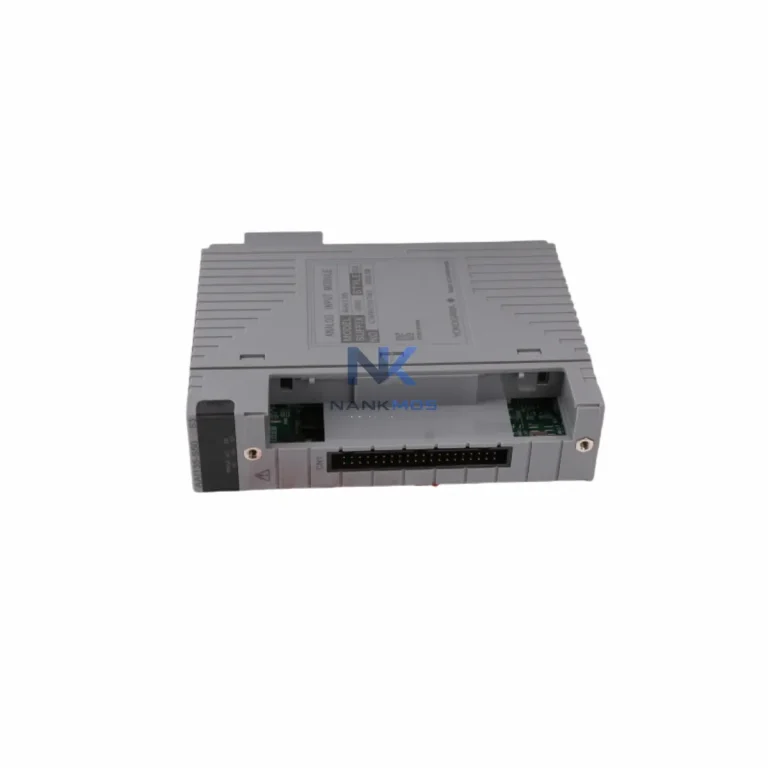
Yokogawa MRI-214*A is a NANKMOS industrial automation product record Listed under CENTUM VP series and Business & Industrial > Automation, Control & Flow Devices > Programmable Logic Controllers. Confirm condition, availability, lead time, compatibility and documentation by email inquiry.
Brand names are used for identification only.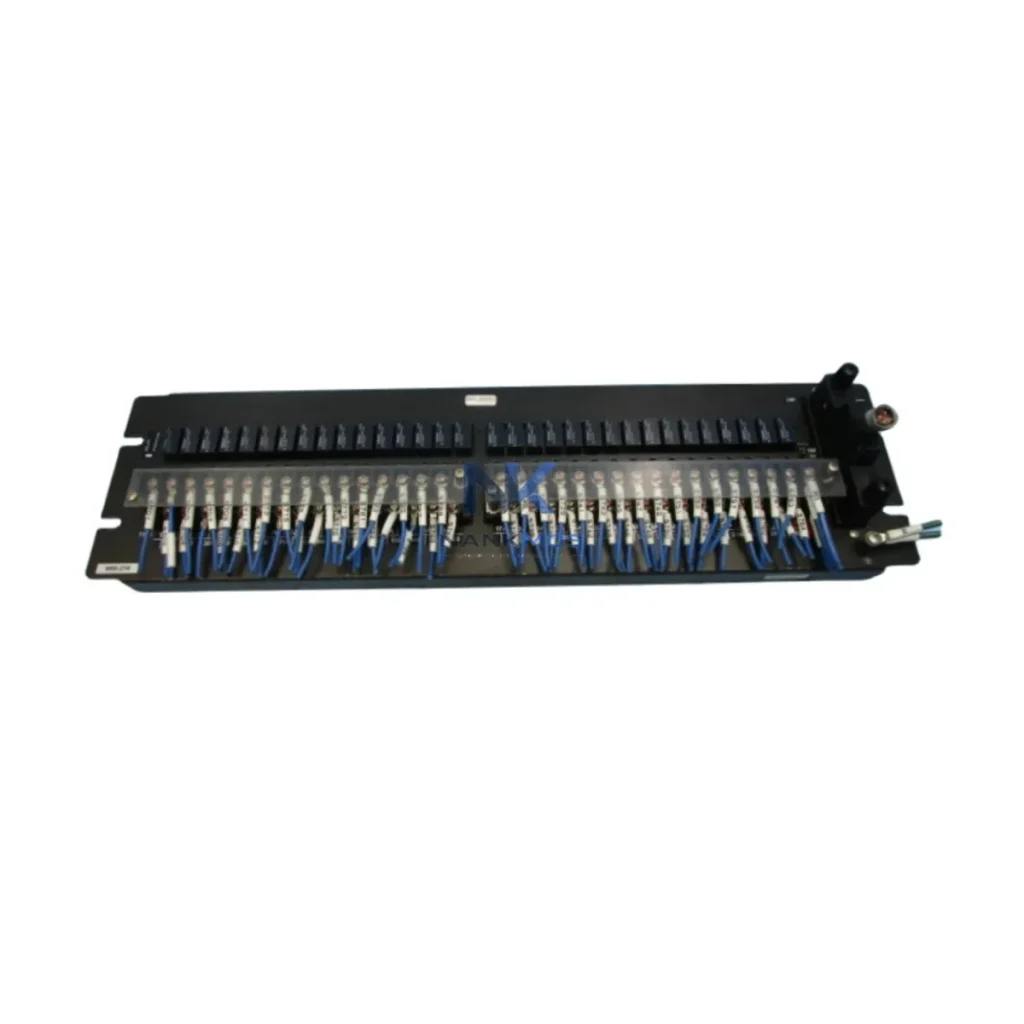
Yokogawa MRI-214*A is a NANKMOS industrial automation product record Listed under CENTUM VP series and Business & Industrial > Automation, Control & Flow Devices > Programmable Logic Controllers. Confirm condition, availability, lead time, compatibility and documentation by email inquiry.
| Manufacturer | Yokogawa |
|---|---|
| Application | Controller Processing & System Control |
| Part Number / Model | MRI-214*A |
| Compatible System | CENTUM VP |
| Series | CENTUM VP |
| Condition Options | To Confirm |
| Module Type | Controller / CPU Module |
| Warranty | 12 Months |
| Packaging | Anti-static Bag / Secure Box |
| Shipping Methods | DHL / FedEx / UPS / Air / Sea |
| Availability | To Confirm |
| Lead Time | To Confirm |
| Documentation | Part number and revision checked before quote |
The Yokogawa MRI-214*A is a relay input board engineered for seamless integration within the MRI Series distributed control system (DCS) architecture. Designed to operate within Yokogawa's proven CENTUM VP and CS 3000 control platforms, this module delivers reliable discrete signal acquisition across demanding industrial environments including petrochemical processing, power generation, water treatment, and advanced manufacturing. Its role within the control hierarchy spans the I/O layer, bridging field-level relay contacts and dry-contact signals to the controller layer with high signal fidelity and deterministic scan performance.
In a fully integrated automation architecture, the MRI-214*A functions as a critical node in the I/O layer, receiving relay-based discrete inputs from field instruments, motor control centers, and protective relay panels. Its compatibility with the MRI Series backplane ensures that signal routing, power distribution, and module addressing are handled systematically, reducing wiring complexity and enabling modular expansion without disrupting live process control. This contextual integration capability makes the MRI-214*A a preferred choice for engineers designing scalable, maintainable DCS architectures.
The MRI-214*A achieves its full value when deployed within a coherent, layered automation platform. At the controller layer, Yokogawa CENTUM VP Field Control Stations (FCS) — such as the AFV10D or AFV30D — serve as the primary processing units, executing control logic and communicating with I/O nodes over the V-net/IP or Vnet control bus. The MRI-214*A relay input board connects to these controllers through the MRI Series node backplane, ensuring that discrete field signals are scanned, validated, and delivered to the FCS with minimal latency.
Power integrity across the I/O node is maintained by dedicated power supply modules such as the Yokogawa PW481 or PW482, which provide regulated DC power to the MRI Series node and its installed I/O boards. Redundant power configurations are supported, ensuring that a single power supply failure does not interrupt I/O scanning or process monitoring. Alongside the MRI-214*A, complementary I/O modules such as the MRI-213*A (relay output board) and MRI-211*A (analog input board) can be installed within the same node, enabling a mixed I/O architecture that handles both discrete and analog signals from a unified backplane.
At the communication layer, the MRI Series node interfaces with the CENTUM VP control network via the node interface unit (NIU), which manages data exchange between the I/O modules and the FCS. For plants requiring integration with SCADA systems or third-party controllers, Yokogawa communication gateways supporting MODBUS RTU, MODBUS TCP, or OPC DA/UA protocols can be deployed alongside the MRI node architecture, extending data visibility to plant-wide historian and MES platforms.
HMI integration is achieved through Yokogawa's CENTUM VP HIS (Human Interface Station), which provides operators with real-time visualization of relay input states, alarm annunciation, and trend data. The MRI-214*A's discrete input channels are mapped directly to HIS faceplates, enabling operators to monitor field device status — including motor run/stop feedback, valve open/close confirmation, and protective relay trip signals — from a centralized control room environment.
For protection and safety applications, the MRI-214*A can be integrated with Yokogawa ProSafe-RS safety instrumented system (SIS) architectures in a complementary role, where relay inputs from safety-rated field devices are routed through dedicated SIS I/O modules while the MRI-214*A handles non-safety discrete monitoring functions. This separation of safety and basic process control I/O is consistent with IEC 61511 functional safety engineering practices.
Terminal modules and marshalling components — such as Yokogawa TB series terminal blocks and signal isolators — are typically installed between field wiring and the MRI-214*A input channels, providing galvanic isolation, surge protection, and simplified field wiring termination. This marshalling layer improves long-term maintainability and reduces the risk of field-induced electrical noise affecting I/O signal quality.
Petrochemical & Refining: In refinery DCS architectures, the MRI-214*A captures relay feedback from motor control centers, pump run/stop status, and emergency shutdown valve position switches. Its integration within CENTUM VP FCS nodes enables continuous process monitoring across distillation, reaction, and separation units, supporting both normal operations and abnormal situation management.
Power Generation: Thermal and hydroelectric power plants deploy the MRI-214*A to monitor protective relay trip signals, circuit breaker status, and auxiliary equipment feedback. The module's compatibility with the MRI Series node architecture allows it to be installed in distributed I/O cabinets across turbine halls, switchgear rooms, and balance-of-plant areas, with all data aggregated at the CENTUM VP FCS for centralized supervisory control.
Water & Wastewater Treatment: Municipal and industrial water treatment facilities use the MRI-214*A to monitor pump station relay contacts, valve actuator feedback, and level switch outputs. The module's robust design supports operation in high-humidity control room environments, and its backplane integration simplifies system expansion as treatment capacity grows.
Mining & Metallurgy: In mineral processing and smelting operations, the MRI-214*A provides discrete input acquisition for conveyor belt run/stop feedback, crusher motor status, and furnace safety interlock signals. Its modular deployment within MRI Series nodes allows engineers to expand I/O capacity incrementally as process areas are commissioned.
Pharmaceutical & Semiconductor Manufacturing: Cleanroom automation systems leverage the MRI-214*A for monitoring HVAC damper position feedback, cleanroom door interlock status, and process equipment ready signals. Integration with CENTUM VP's batch control functions enables the relay input data to be incorporated into recipe-driven manufacturing sequences, supporting GMP compliance and process traceability.
Q1: Is the MRI-214*A compatible with both CENTUM VP and CS 3000 control systems? The MRI-214*A is designed for the MRI Series I/O node architecture, which is compatible with Yokogawa CENTUM VP and CS 3000 distributed control systems. The module integrates via the MRI Series backplane and node interface unit, and is recognized by the FCS through standard I/O builder configuration in the CENTUM VP engineering environment. Customers migrating from CS 3000 to CENTUM VP can retain existing MRI Series I/O nodes, reducing hardware replacement costs during platform upgrades.
Q2: What installation and commissioning considerations apply to the MRI-214*A in a live DCS environment? The MRI-214*A supports hot-swap installation within the MRI Series node when the node is configured for online module replacement, minimizing process interruption during maintenance or expansion. Prior to installation, engineers should verify node slot assignments in the CENTUM VP I/O builder, confirm field wiring polarity and contact rating compatibility, and perform loop checks using the FCS diagnostic tools. Grounding and shielding of field cables at the marshalling panel is recommended to prevent common-mode noise from affecting relay input signal integrity.
Q3: What does the 12-Month Warranty cover, and how is long-term spare parts availability managed? The MRI-214*A is supplied with a 12-Month Warranty covering manufacturing defects and functional failures under normal operating conditions. Warranty claims are supported by pre-shipment functional testing and documentation. For long-term maintenance planning, we maintain inventory of MRI Series I/O modules to support both immediate replacement needs and scheduled preventive maintenance programs. Customers operating aging CENTUM VP or CS 3000 installations are encouraged to establish consignment stock agreements to ensure module availability throughout the plant lifecycle.
Functional Inspection100% tested on professional platforms to ensure stable performance.
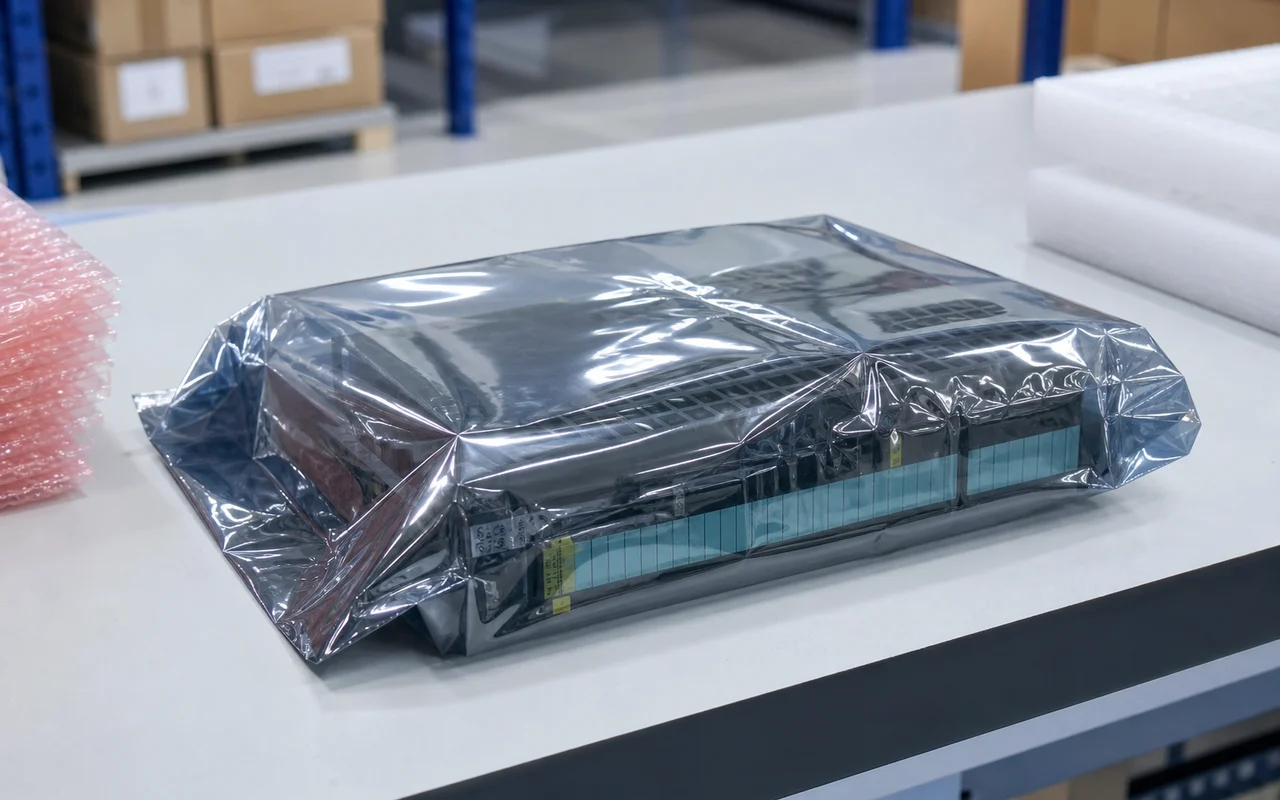 Anti-static Packaging
Modules are packed in anti-static bags to prevent electrostatic damage.
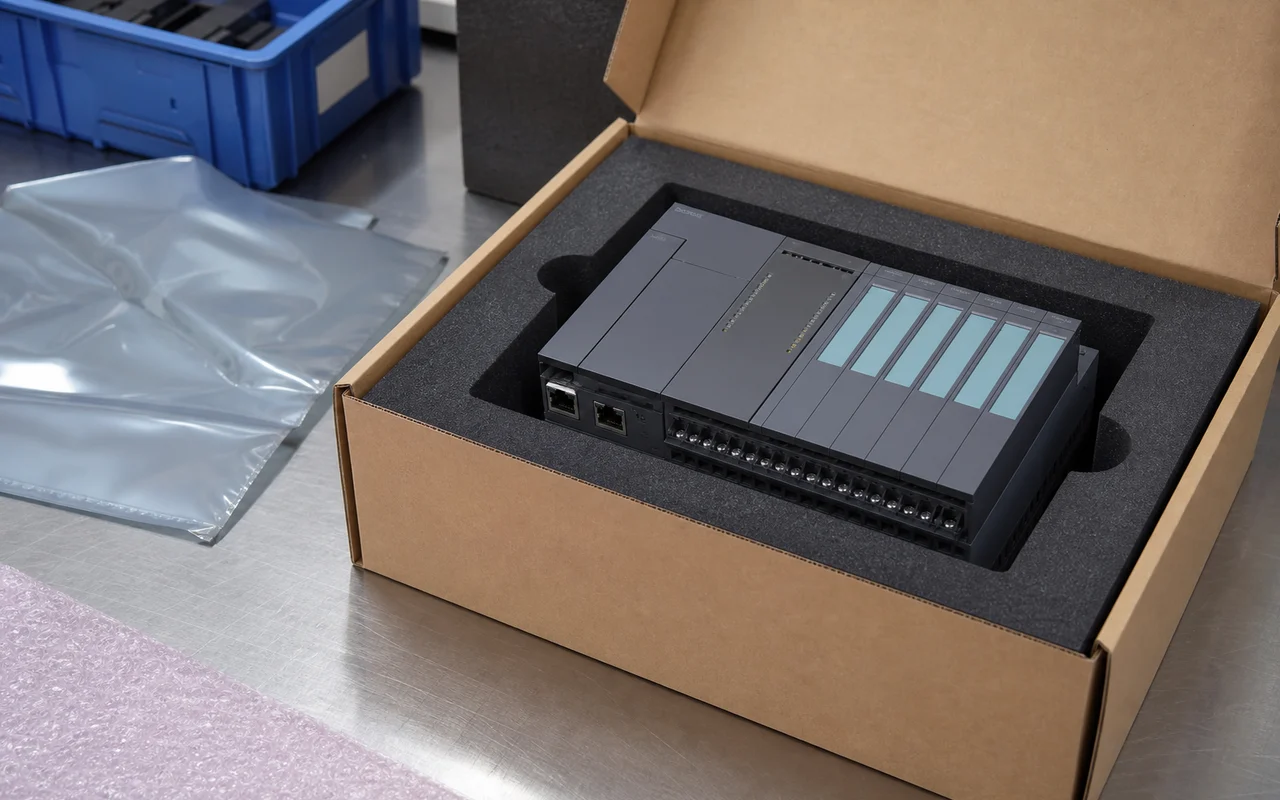 Secure Export Packing
Cushion protection and strong cartons ensure safe transportation.
 Worldwide Shipping
Global logistics network supports air, sea and express delivery.
 Documentation Check
Part number, revision and compatibility verified before shipment.
 After-sales Support
Professional technical support to help resolve your issues.