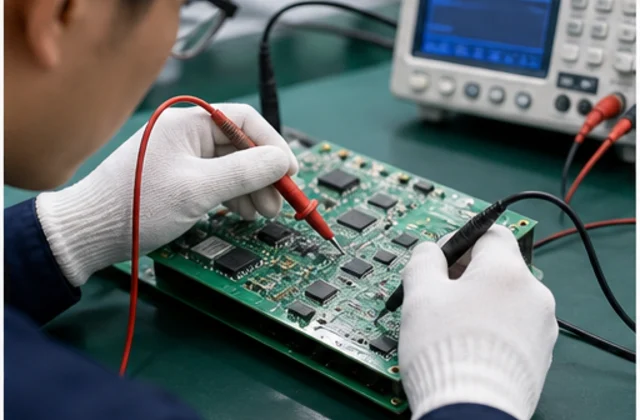
 Functional Inspection
100% tested on professional platforms to ensure stable performance.
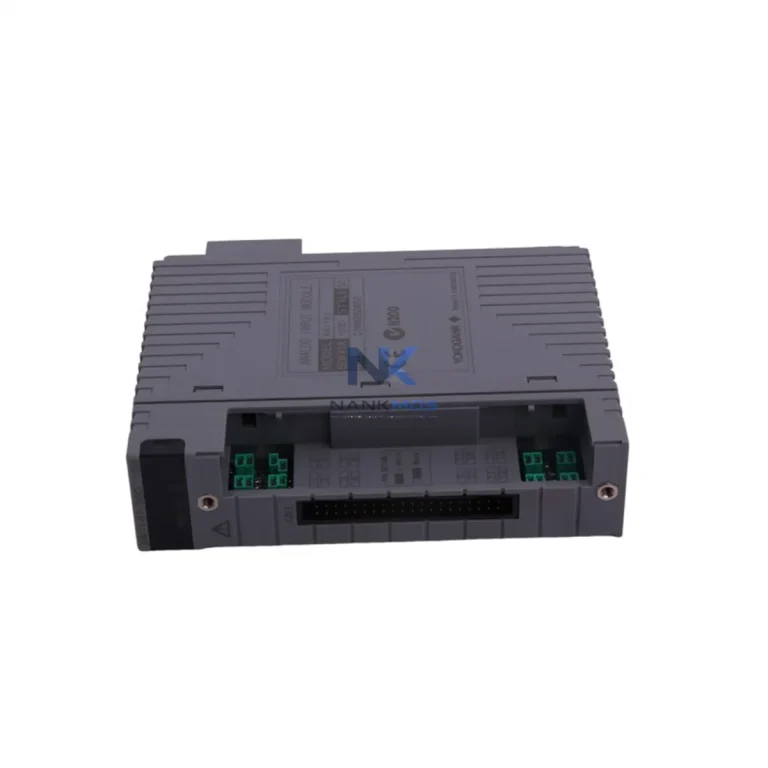
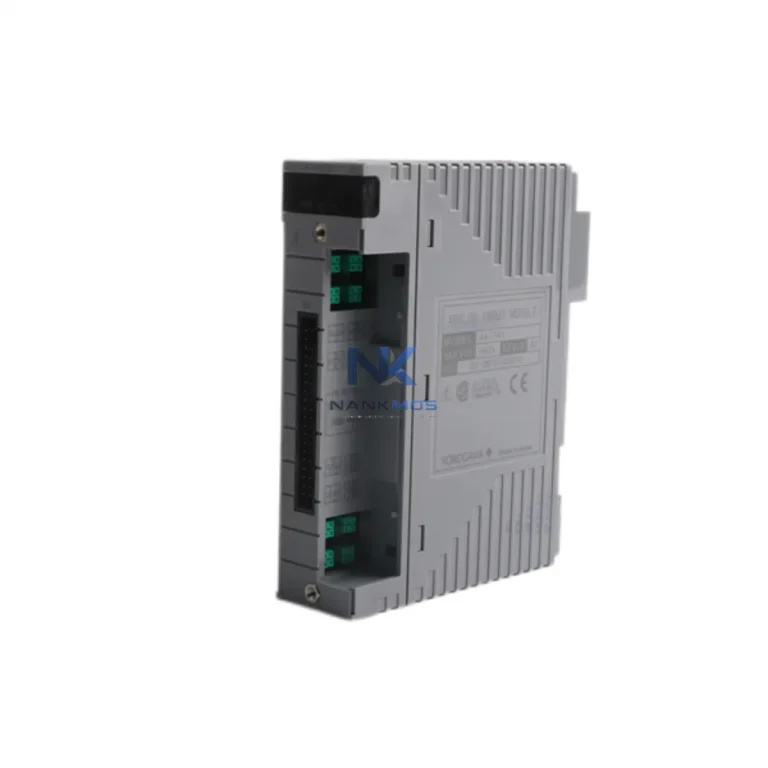
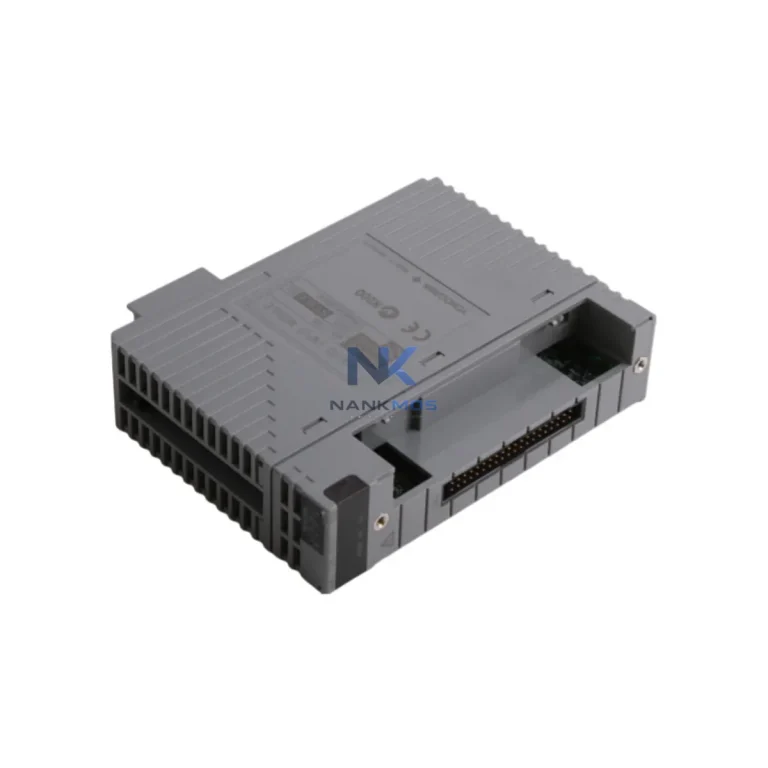
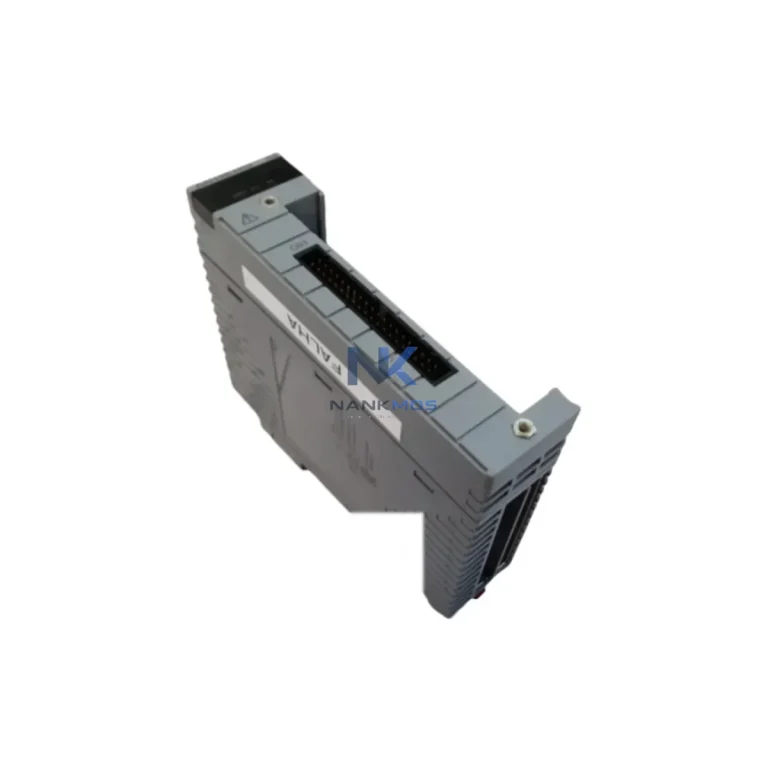
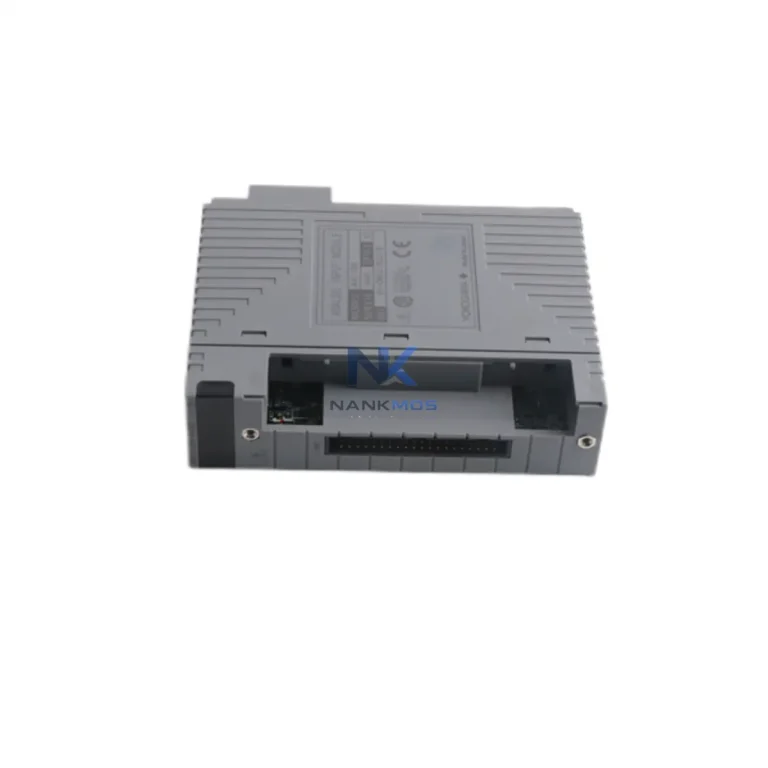
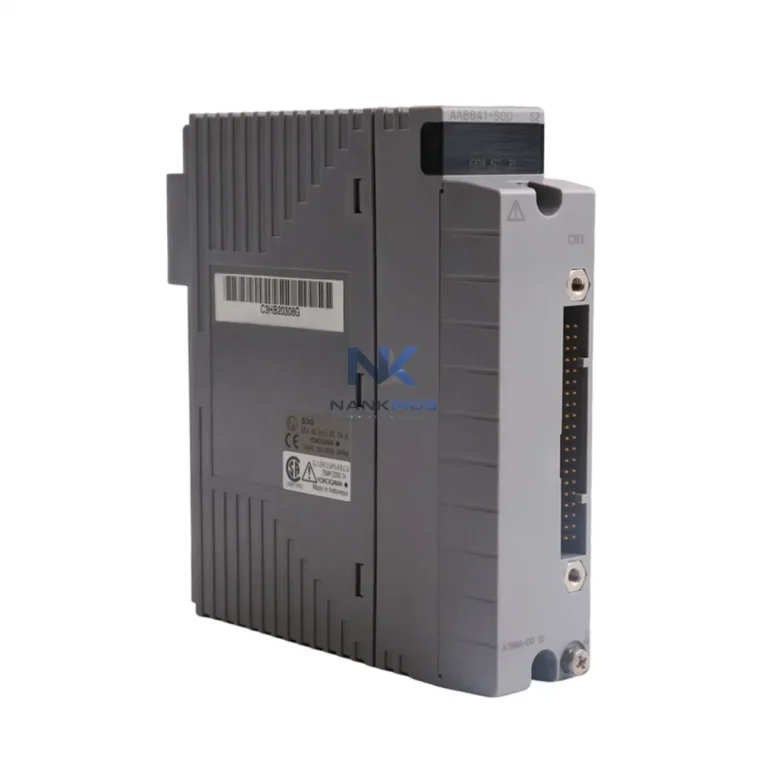
Yokogawa NFAI835-S01 is a NANKMOS industrial automation product record Listed under STARDOM series and Business & Industrial > Automation, Control & Flow Devices > Programmable Logic Controllers. Confirm condition, availability, lead time, compatibility and documentation by email inquiry.
Brand names are used for identification only.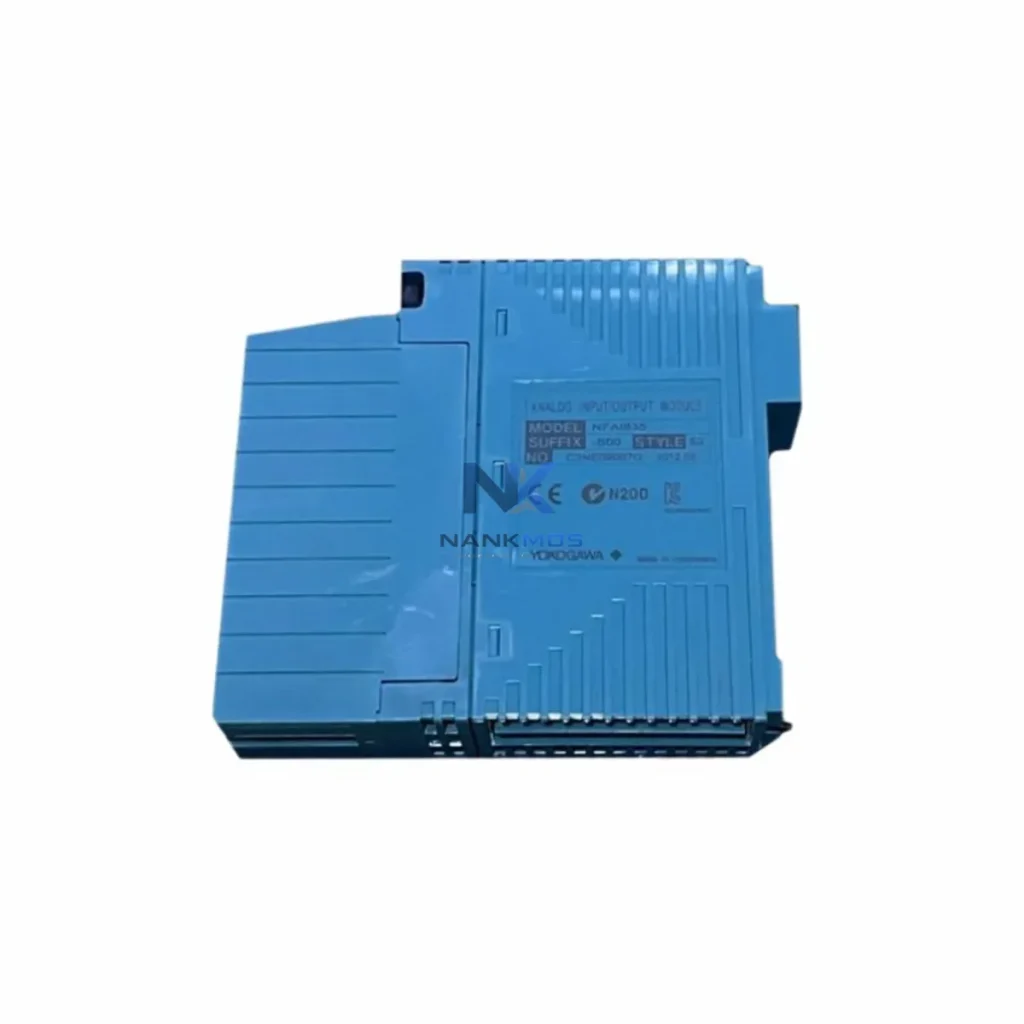
Yokogawa NFAI835-S01 is a NANKMOS industrial automation product record Listed under STARDOM series and Business & Industrial > Automation, Control & Flow Devices > Programmable Logic Controllers. Confirm condition, availability, lead time, compatibility and documentation by email inquiry.
| Manufacturer | Yokogawa |
|---|---|
| Application | Controller Processing & System Control |
| Part Number / Model | NFAI835-S01 |
| Compatible System | STARDOM |
| Series | STARDOM |
| Condition Options | To Confirm |
| Module Type | Controller / CPU Module |
| Warranty | 12 Months |
| Packaging | Anti-static Bag / Secure Box |
| Shipping Methods | DHL / FedEx / UPS / Air / Sea |
| Availability | To Confirm |
| Lead Time | To Confirm |
| Documentation | Part number and revision checked before quote |
In modern smart factory environments, the integrity of field-level signal acquisition directly determines the reliability of every upstream decision — from PLC ladder logic to SCADA alarm management and MES production reporting. The Yokogawa NFAI835-S01 is a high-precision analog current input module engineered for the STARDOM FCN/FCJ autonomous controller platform, delivering 4–20 mA signal conditioning with the accuracy and protocol compatibility demanded by industrial data link architectures. Whether deployed in continuous process control, energy monitoring, or distributed remote I/O networks, the NFAI835-S01 serves as a foundational node in the connected factory data chain.
The NFAI835-S01 integrates directly into the STARDOM FCN rack system, where it works alongside companion modules such as the NFDO835-S01 digital output module and the NFAI835 standard analog input variant to form a complete I/O subsystem. Field transmitters — including pressure, flow, temperature, and level sensors — feed 4–20 mA signals into the NFAI835-S01, which conditions and digitizes these values for real-time processing by the FCN controller. The FCN then communicates upstream via Modbus TCP, PROFIBUS DP, or OPC-UA to SCADA platforms such as Yokogawa's own FAST/TOOLS or third-party systems including Wonderware and iFIX, enabling seamless protocol conversion across heterogeneous automation networks.
Within a typical smart factory data flow, the NFAI835-S01 occupies the critical first mile: raw analog signals from field instruments are captured, scaled, and passed to the FCN controller's CPU module. From there, processed data travels across an industrial Ethernet backbone — often managed by Yokogawa STARDOM NF3000 series network modules or compatible industrial managed switches — to reach HMI terminals, edge gateways, and cloud-connected data historians. This architecture supports real-time visualization dashboards, predictive maintenance triggers, and remote diagnostic sessions without requiring additional signal converters or protocol bridges at the field level.
For facilities operating mixed-vendor environments, the NFAI835-S01's compatibility with the STARDOM FCN open controller architecture is a significant advantage. The FCN platform supports IEC 61131-3 programming, allowing control engineers to implement custom scaling, alarm thresholds, and data normalization routines directly within the controller — reducing dependency on external protocol gateways. When paired with a Yokogawa STARDOM FCN-RTU remote terminal unit or an NF3000 communication module, the NFAI835-S01 can extend analog signal acquisition to remote field sites, transmitting live process data back to a central SCADA or DCS over WAN or cellular links.
Remote diagnostics represent another core value proposition. Maintenance teams can interrogate the NFAI835-S01's channel status, signal range, and fault flags through the FCN's built-in web server or via OPC-UA clients, eliminating the need for on-site instrument checks during routine condition monitoring. When integrated with a Yokogawa Exaquantum data historian or a third-party edge analytics platform, historical analog trends from the NFAI835-S01 channels feed directly into predictive maintenance models, reducing unplanned downtime and extending equipment service intervals.
System expansion is straightforward: additional NFAI835-S01 modules slot into the FCN rack alongside NFDO835 digital output, NFAI835-S02 isolated analog input, and NFBI835 bus interface modules, scaling the I/O count without architectural redesign. This modularity makes the NFAI835-S01 equally suited to greenfield smart factory builds and brownfield retrofits where legacy 4–20 mA field wiring must be preserved while upgrading to networked control architectures.
Every NFAI835-S01 unit shipped by NANKMOS undergoes pre-shipment functional verification, confirming channel accuracy, signal range compliance, and communication handshake with the FCN controller. Stock is maintained for immediate dispatch, and all units are covered by a 12-month warranty against manufacturing defects, supporting procurement teams with predictable lifecycle cost planning.
A complete smart factory data chain built around the NFAI835-S01 begins at the field instrument layer. Pressure transmitters, Coriolis flow meters, RTD temperature sensors, and level gauges output 4–20 mA signals that wire directly into the NFAI835-S01's input terminals. The module digitizes these signals within the FCN rack, where the STARDOM FCN CPU module executes IEC 61131-3 control logic — PID loops, interlock sequences, and alarm evaluation — at scan rates appropriate for continuous process control.
Processed data exits the FCN via its Ethernet port, traversing an industrial managed switch network to reach the plant's SCADA layer. Here, Yokogawa FAST/TOOLS or compatible SCADA platforms poll the FCN over Modbus TCP or OPC-UA, aggregating real-time analog values from multiple NFAI835-S01 modules deployed across the facility. Simultaneously, an NF3000 communication module may bridge PROFIBUS DP field devices — variable frequency drives, smart valve positioners, and motor protection relays — into the same data stream, consolidating heterogeneous field protocols into a unified network layer.
At the edge, a Yokogawa STARDOM FCN-RTU or a third-party edge gateway aggregates data from multiple FCN nodes, applying local analytics before forwarding summarized datasets to cloud historians or MES platforms. HMI terminals on the plant floor display live analog trends sourced from the NFAI835-S01 channels, while remote engineers access the same data through web-based SCADA clients or OPC-UA browser tools — enabling remote diagnostics without VPN-dependent proprietary software. The Exaquantum historian archives long-term analog trends, feeding predictive maintenance algorithms that flag sensor drift, valve wear, and pump degradation before failures occur.
Many industrial sites operate with fragmented data architectures: legacy 4–20 mA field wiring coexists with newer PROFIBUS or Ethernet-based devices, creating protocol islands that prevent unified monitoring. The NFAI835-S01, deployed within the STARDOM FCN platform, resolves this by acting as a protocol-agnostic signal aggregation point. The FCN controller normalizes analog inputs from the NFAI835-S01 alongside digital and bus-based signals from companion modules, presenting a unified data model to SCADA and MES systems regardless of the underlying field protocol mix.
Data silos between production lines are addressed through the FCN's peer-to-peer communication capability, allowing multiple FCN nodes — each equipped with NFAI835-S01 analog input modules — to share process variables directly without routing through a central server. This architecture reduces SCADA polling latency and ensures that cross-line interlocks and material balance calculations remain accurate even during network congestion events.
Remote monitoring gaps are closed by the FCN's built-in web diagnostics and OPC-UA server, which expose NFAI835-S01 channel health, signal quality flags, and module temperature to remote clients. Alarm tracking is enhanced by configuring per-channel high/low/deviation alarms within the FCN's IEC 61131-3 program, with alarm events timestamped at the controller level and forwarded to SCADA for historian archiving and shift-report generation. System expansion — adding new analog input points as production capacity grows — requires only additional NFAI835-S01 modules in available FCN rack slots, with no changes to the network infrastructure or SCADA configuration templates.
Q1: What communication protocols does the Yokogawa NFAI835-S01 support for SCADA integration? The NFAI835-S01 interfaces with the STARDOM FCN controller, which natively supports Modbus TCP, PROFIBUS DP, and OPC-UA. This allows direct integration with major SCADA platforms including Yokogawa FAST/TOOLS, Wonderware, iFIX, and Ignition without additional protocol converters. All units are pre-tested for communication handshake compliance before shipment.
Q2: How does the NFAI835-S01 perform in terms of network latency and real-time data transmission? The FCN controller processes NFAI835-S01 analog inputs at configurable scan intervals (typically 10–100 ms), with data available to Modbus TCP or OPC-UA clients within one scan cycle. Industrial Ethernet transmission adds negligible latency for plant-floor SCADA polling. For time-critical applications, the FCN's deterministic scan architecture ensures consistent update rates independent of network load.
Q3: Can the NFAI835-S01 be used in remote or distributed I/O architectures with WAN connectivity? Yes. When the STARDOM FCN is configured as an FCN-RTU (remote terminal unit), the NFAI835-S01 modules at remote field sites transmit analog data to a central SCADA or DCS over Ethernet WAN, cellular, or fiber links. The FCN's local processing capability ensures that critical control loops continue to execute even during WAN communication interruptions, with data buffered for synchronization upon link restoration.
Q4: What warranty and pre-shipment testing does NANKMOS provide for the NFAI835-S01? All NFAI835-S01 units supplied by NANKMOS are covered by a 12-month warranty against manufacturing defects. Each unit undergoes pre-shipment functional verification including channel accuracy testing, signal range validation (4–20 mA), and FCN communication handshake confirmation. Stock is maintained for immediate dispatch to minimize project lead times.
Functional Inspection100% tested on professional platforms to ensure stable performance.
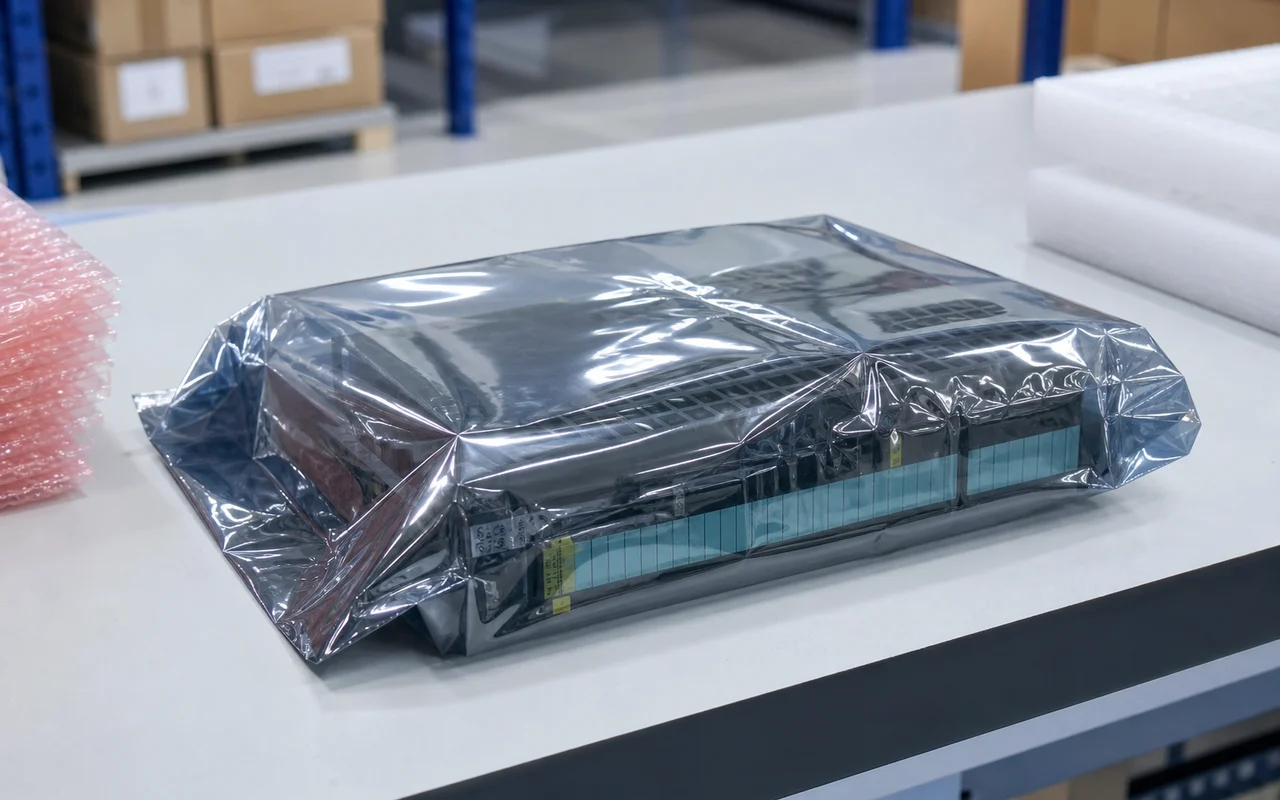 Anti-static Packaging
Modules are packed in anti-static bags to prevent electrostatic damage.
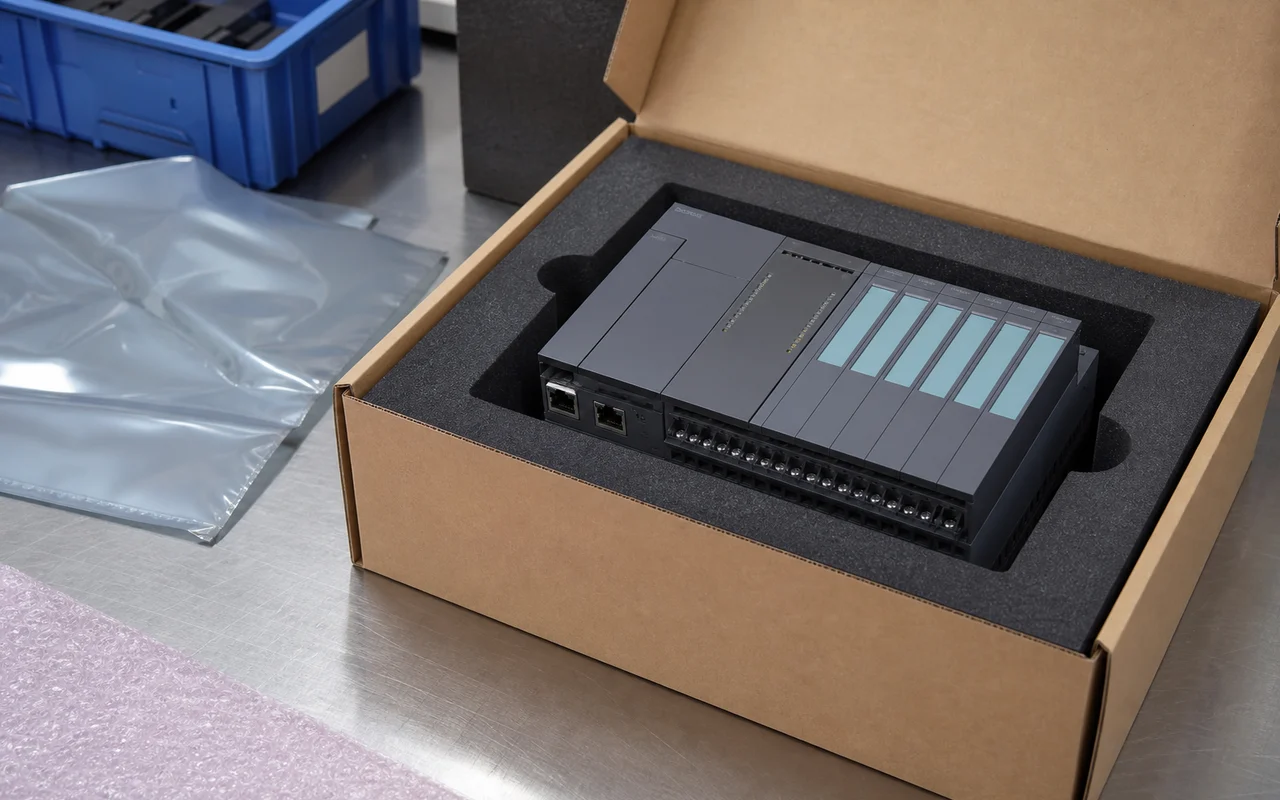 Secure Export Packing
Cushion protection and strong cartons ensure safe transportation.
 Worldwide Shipping
Global logistics network supports air, sea and express delivery.
 Documentation Check
Part number, revision and compatibility verified before shipment.
 After-sales Support
Professional technical support to help resolve your issues.