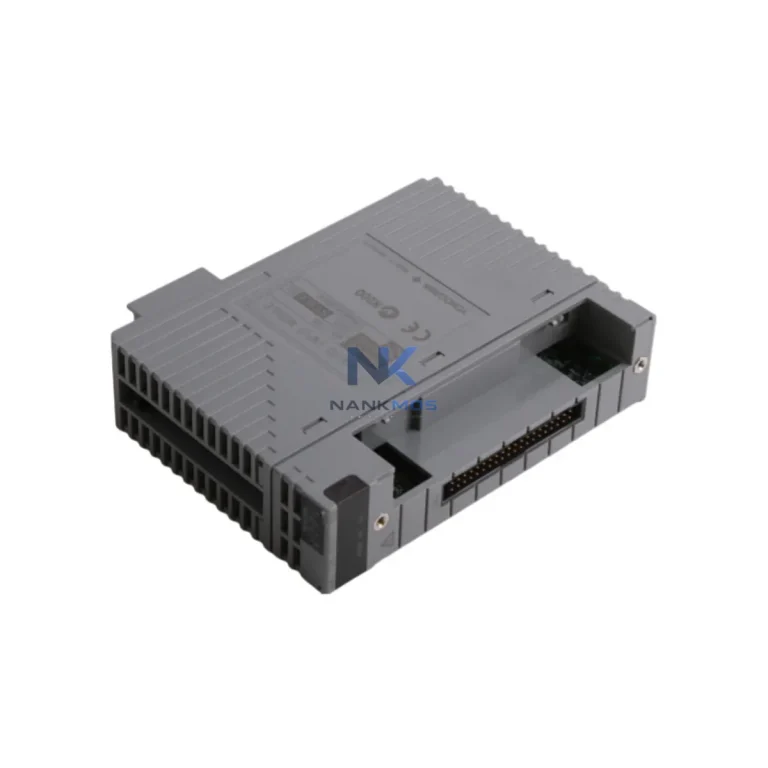
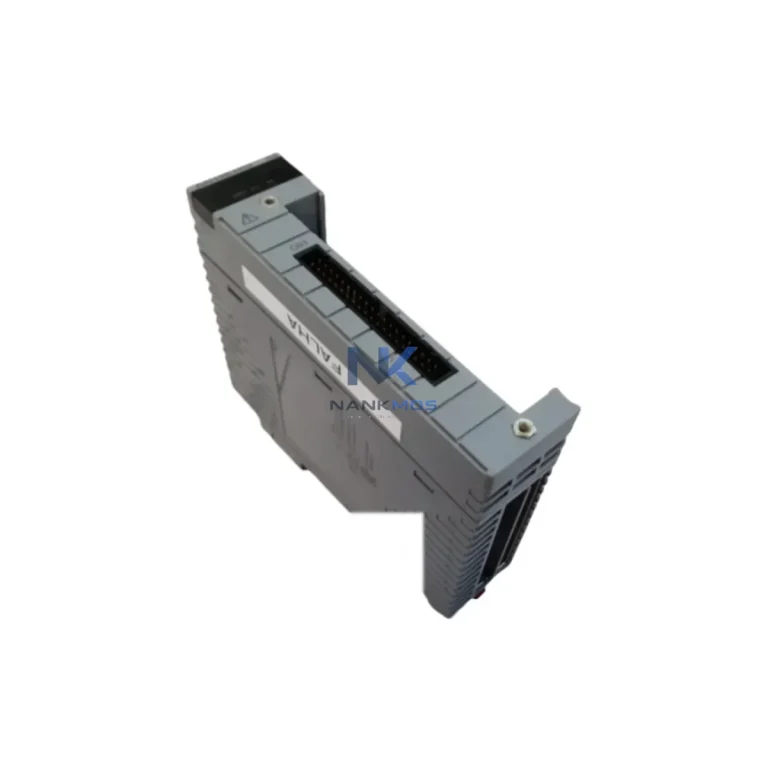
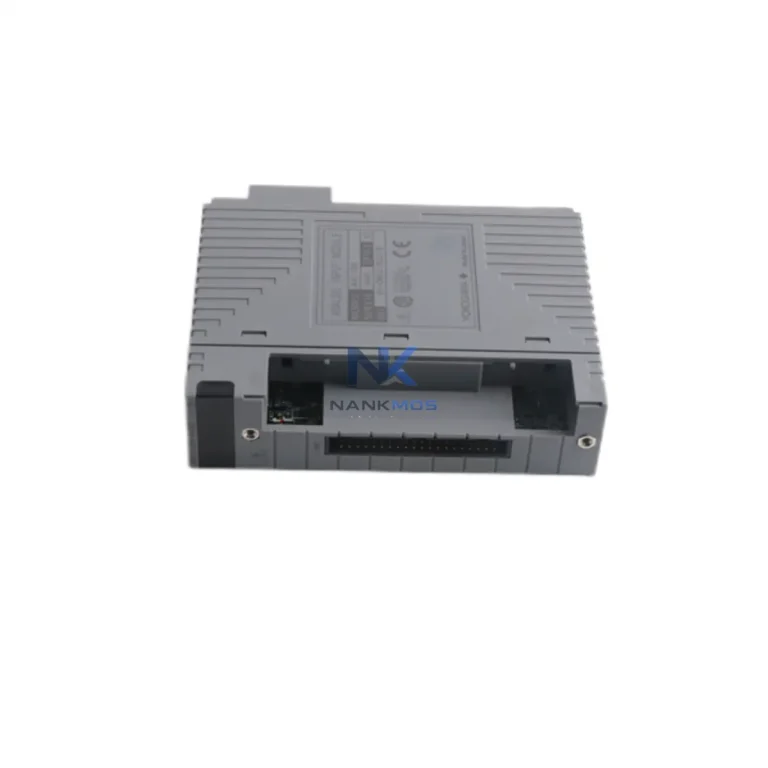
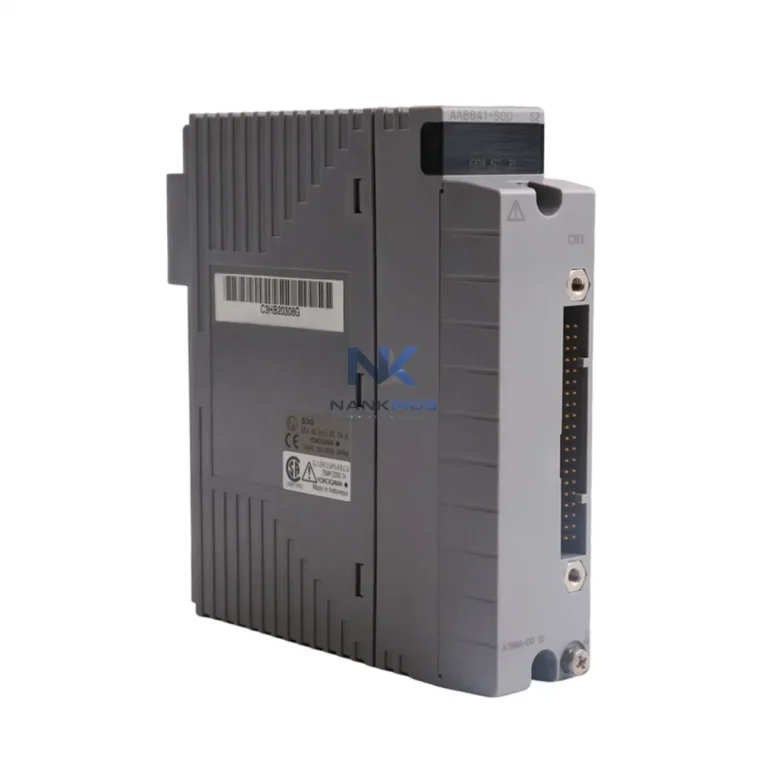
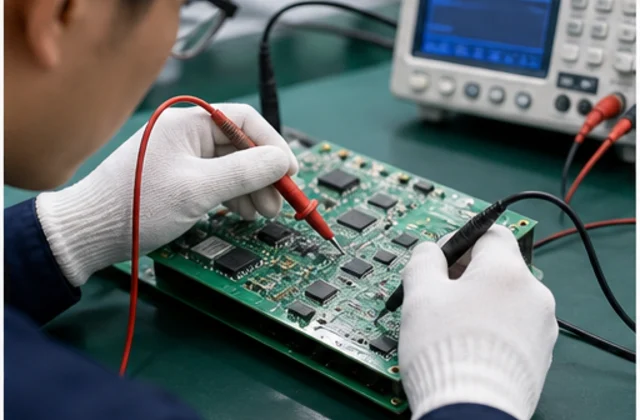
 Functional Inspection
100% tested on professional platforms to ensure stable performance.
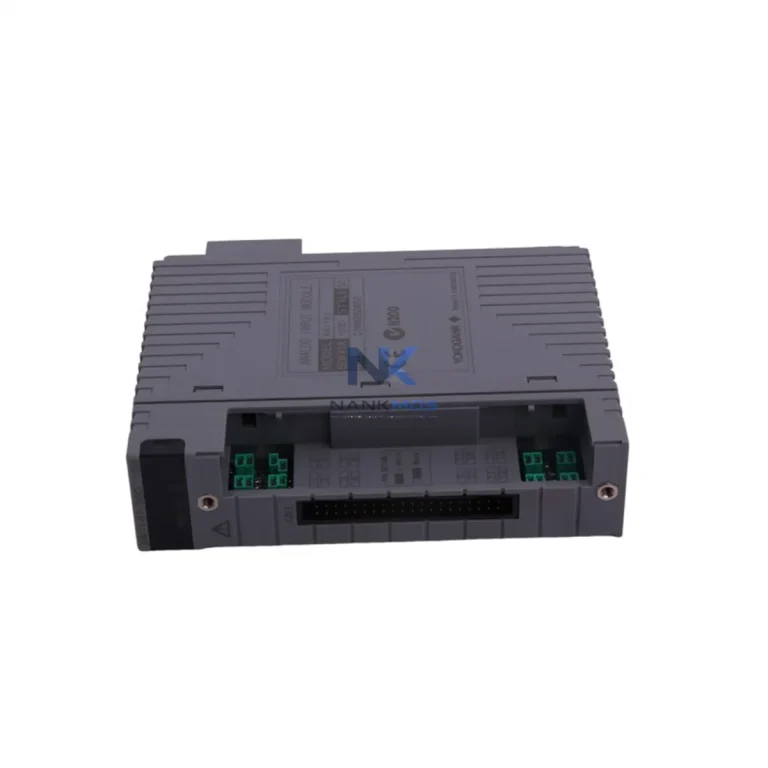
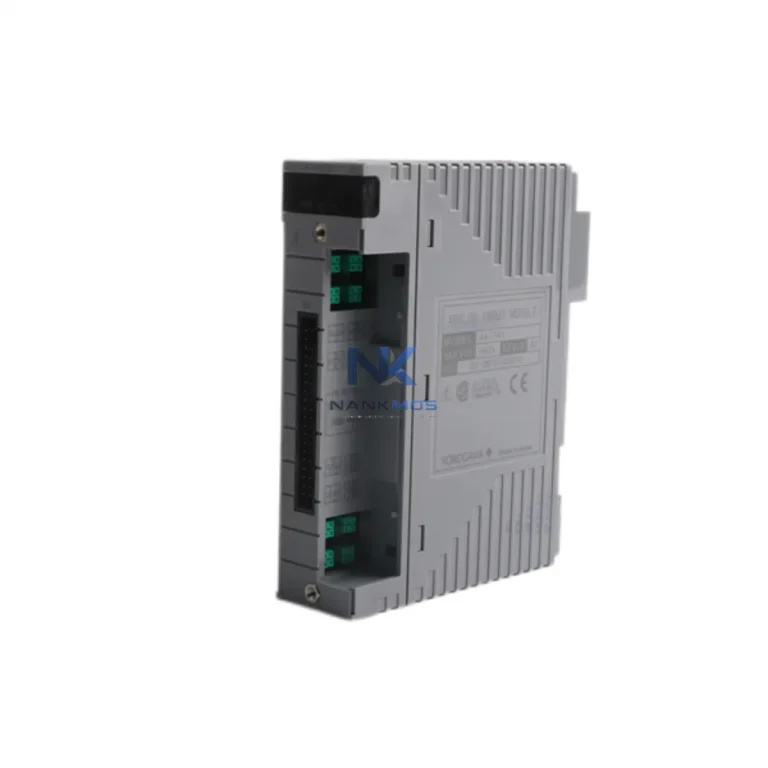
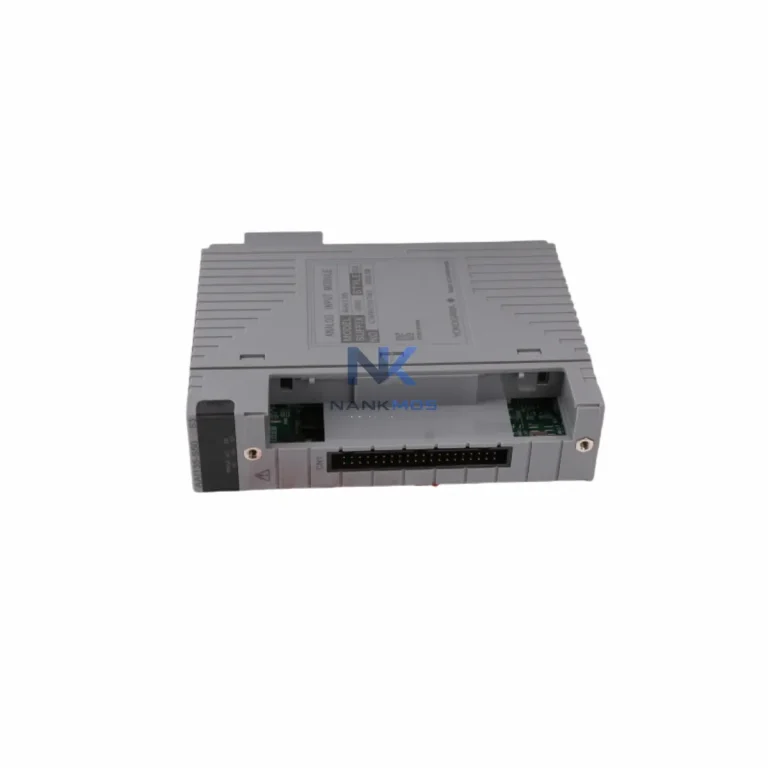
Yokogawa NFAR181-S50 S2 is a NANKMOS industrial automation product record Listed under CENTUM VP series and Business & Industrial > Automation, Control & Flow Devices > Programmable Logic Controllers. Confirm condition, availability, lead time, compatibility and documentation by email inquiry.
Brand names are used for identification only.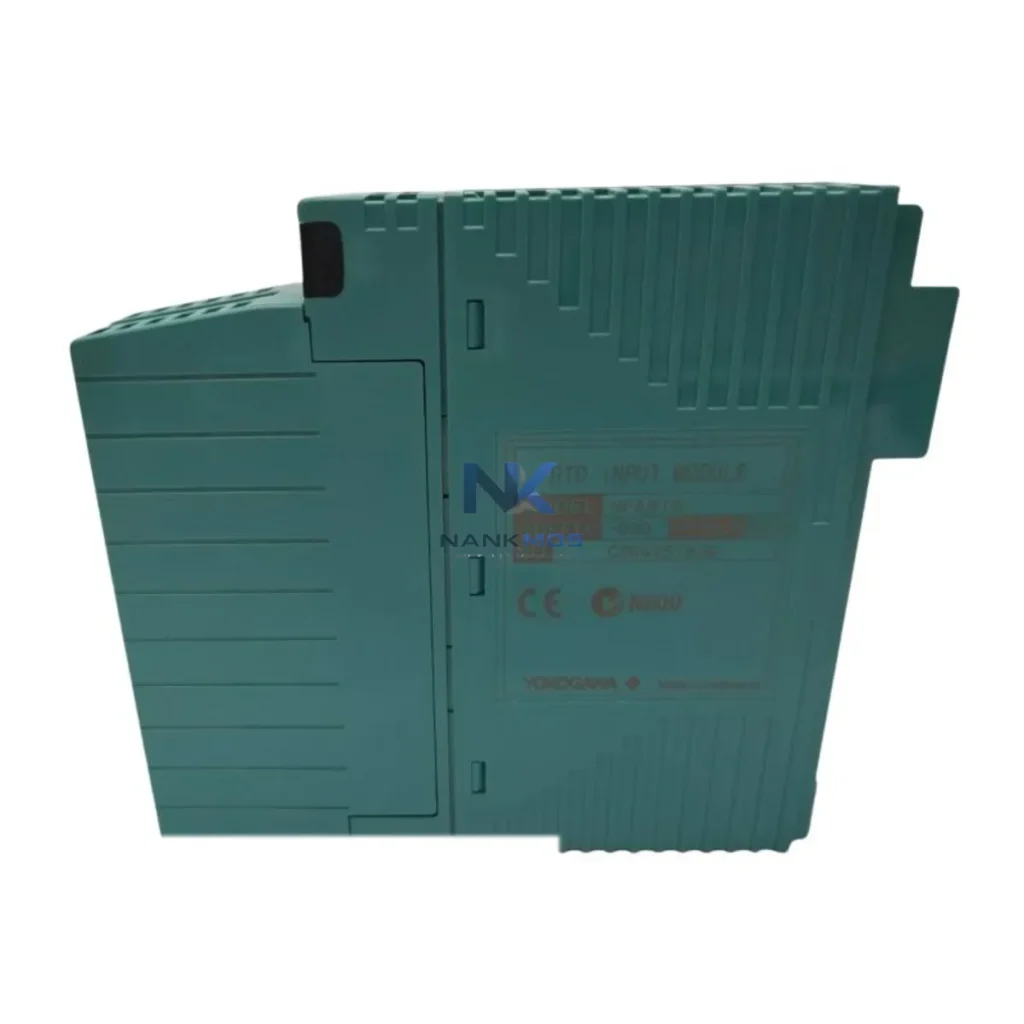
Yokogawa NFAR181-S50 S2 is a NANKMOS industrial automation product record Listed under CENTUM VP series and Business & Industrial > Automation, Control & Flow Devices > Programmable Logic Controllers. Confirm condition, availability, lead time, compatibility and documentation by email inquiry.
| Manufacturer | Yokogawa |
|---|---|
| Application | Controller Processing & System Control |
| Part Number / Model | NFAR181-S50 S2 |
| Compatible System | CENTUM VP |
| Series | CENTUM VP |
| Condition Options | To Confirm |
| Module Type | Controller / CPU Module |
| Warranty | 12 Months |
| Packaging | Anti-static Bag / Secure Box |
| Shipping Methods | DHL / FedEx / UPS / Air / Sea |
| Availability | To Confirm |
| Lead Time | To Confirm |
| Documentation | Part number and revision checked before quote |
The Yokogawa NFAR181-S50/S2 is a high-precision RTD (Resistance Temperature Detector) Input Module engineered for the CENTUM VP and CENTUM CS 3000 Distributed Control Systems. Designed to meet the rigorous demands of continuous process industries — including power generation, petrochemicals, oil & gas, water treatment, and marine propulsion — this module delivers accurate, real-time temperature data that forms the backbone of energy-efficient process control and load management strategies.
In modern smart production environments, temperature measurement is not merely a safety parameter — it is a direct lever for energy optimization. The NFAR181-S50/S2 captures multi-channel RTD signals with high resolution and transmits them to the CENTUM VP Field Control Station (FCS), enabling the control system to dynamically adjust heating, cooling, and drive outputs in response to actual thermal conditions. This closed-loop feedback mechanism reduces unnecessary energy consumption, prevents thermal overload, and extends the operational lifespan of connected equipment.
The NFAR181-S50/S2 operates as a critical sensing node within a broader power-aware automation architecture. In a typical CENTUM VP installation, the module slots into the CENTUM VP Node Unit alongside complementary I/O cards such as the AAI141-S03/K4 analog input module and the AAI543-H analog output module, forming a tightly integrated I/O subsystem that feeds real-time process data to the Field Control Station.
Temperature readings from the NFAR181-S50/S2 are consumed by the FCS control logic to govern downstream actuators and drives. For example, in a motor-driven pump or compressor application, the FCS can instruct a Yaskawa A1000 series variable frequency drive (VFD) to reduce motor speed when process temperatures indicate reduced thermal load — directly cutting energy consumption without sacrificing throughput. Similarly, the module's data feeds into Yokogawa's STARDOM FCN/FCJ autonomous controller in distributed edge architectures, enabling local energy optimization decisions without round-trip latency to a central DCS.
For facilities integrating power monitoring, the NFAR181-S50/S2 temperature data is correlated with readings from Yokogawa WT series power analyzers and Schneider Electric PowerLogic PM8000 power meters within the plant's energy management system (EMS). This correlation allows operators to identify thermal inefficiencies — such as a motor running hot due to bearing wear — before they escalate into unplanned downtime or energy waste. The data pathway typically flows through a Yokogawa FAST/TOOLS SCADA or third-party OPC-UA-compatible SCADA platform, where energy KPIs are visualized on Yokogawa ProSafe-RS Safety Instrumented System integrated HMI panels or standalone Siemens SIMATIC HMI TP1200 Comfort operator panels.
In facilities using Profibus DP or HART communication field devices, the NFAR181-S50/S2 complements smart transmitters such as the Yokogawa EJA110E differential pressure transmitter and Yokogawa YTA710 temperature transmitter, providing redundant and cross-validated temperature measurement that strengthens both process safety and energy accountability. The combined dataset supports ISO 50001 energy management compliance reporting and feeds predictive maintenance algorithms running on the plant's historian or MES layer.
In high-throughput production environments, uncontrolled thermal variation is one of the leading causes of energy waste and unplanned downtime. The NFAR181-S50/S2 addresses this directly by providing the CENTUM VP control system with the high-fidelity temperature data it needs to maintain optimal operating conditions across the production line.
When integrated with the plant's load management strategy, the module enables the FCS to implement demand-response control sequences — automatically shedding non-critical thermal loads during peak energy tariff periods while maintaining core process temperatures within specification. This capability is particularly valuable in power generation and petrochemical facilities where energy costs represent a significant fraction of operating expenditure.
The module also plays a key role in predictive maintenance workflows. By continuously monitoring bearing temperatures, motor winding temperatures, and heat exchanger outlet temperatures, the CENTUM VP system can detect early-stage degradation trends and schedule maintenance during planned shutdowns rather than responding to emergency failures. This approach reduces mean time to repair (MTTR), extends equipment service intervals, and eliminates the energy penalty associated with running degraded equipment at reduced efficiency.
For production line rhythm (takt time) optimization, accurate temperature control enabled by the NFAR181-S50/S2 ensures that thermal processes — such as curing ovens, heat treatment furnaces, or distillation columns — complete their cycles consistently and on schedule. Eliminating thermal variance reduces batch rejection rates, minimizes rework energy, and keeps the production line operating at its designed throughput rate.
Every NFAR181-S50/S2 unit shipped by NANKMOS is pre-shipment tested against Yokogawa factory specifications, ensuring immediate commissioning readiness and reducing installation risk. Units are covered by a 12-month warranty and are available from in-stock inventory for rapid deployment.
Q1: How does the NFAR181-S50/S2 contribute to measurable energy savings? By delivering accurate, real-time RTD temperature data to the CENTUM VP FCS, the module enables the control system to optimize heating and cooling cycles, reduce motor drive speeds during low-load periods, and prevent thermal overload conditions that force equipment into inefficient operating modes. Facilities typically report 5–15% reductions in thermal process energy consumption after implementing closed-loop temperature-based load management.
Q2: Is the NFAR181-S50/S2 compatible with both CENTUM VP and CENTUM CS 3000 systems? Yes. The NFAR181-S50/S2 is designed for use within Yokogawa's CENTUM platform family, including CENTUM VP and CENTUM CS 3000 Node Units. Compatibility should be verified against your specific FCS firmware version and I/O bus configuration. NANKMOS technical support can assist with compatibility confirmation prior to order.
Q3: What is the recommended replacement or upgrade path for aging RTD input modules? For facilities running legacy CENTUM CS 3000 I/O, the NFAR181-S50/S2 provides a direct form-fit-function replacement that preserves existing wiring and configuration. For new CENTUM VP installations, the module integrates natively without additional adapters. NANKMOS recommends a phased replacement strategy aligned with planned maintenance windows to minimize production disruption.
Q4: What testing and warranty coverage is provided? Every NFAR181-S50/S2 unit undergoes pre-shipment functional testing to verify channel accuracy, signal integrity, and bus communication compliance before dispatch. All units are covered by a 12-month warranty from the date of shipment. In-stock units are available for immediate dispatch, supporting urgent maintenance and replacement requirements.
Functional Inspection100% tested on professional platforms to ensure stable performance.
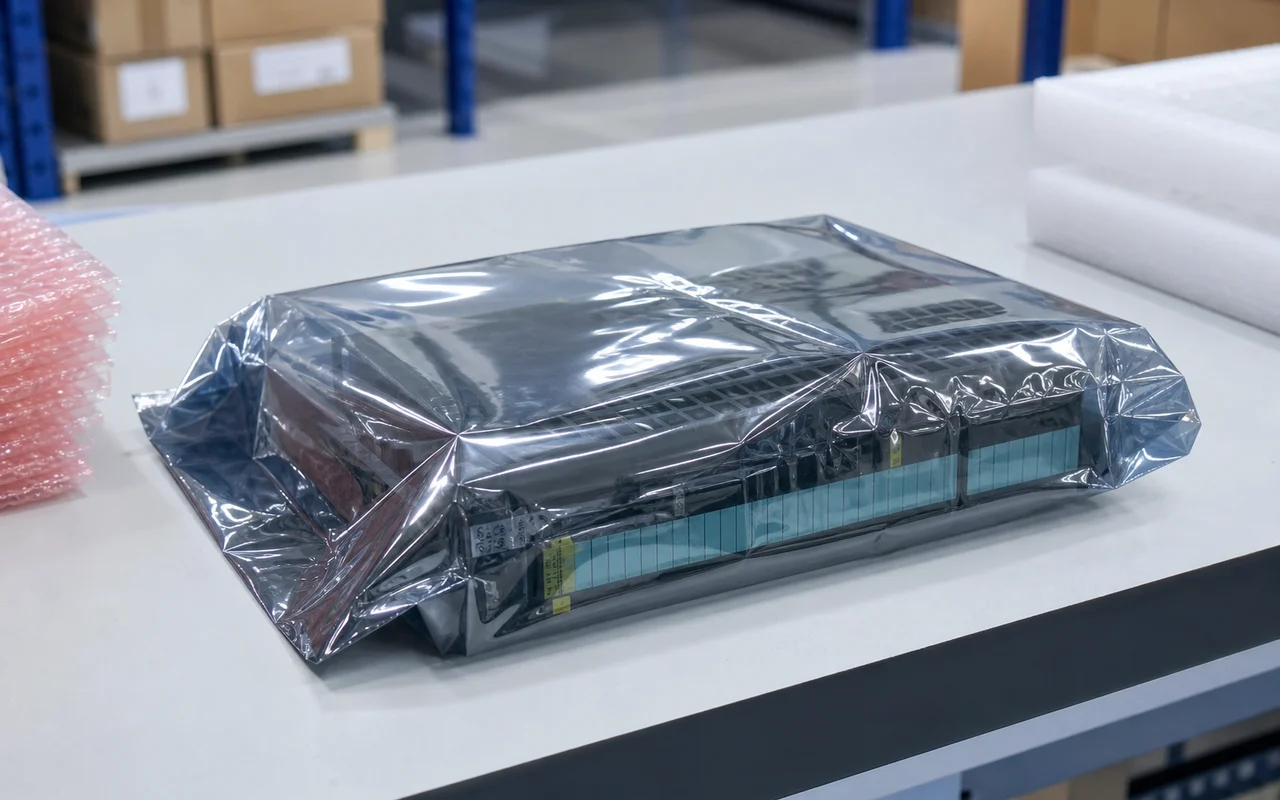 Anti-static Packaging
Modules are packed in anti-static bags to prevent electrostatic damage.
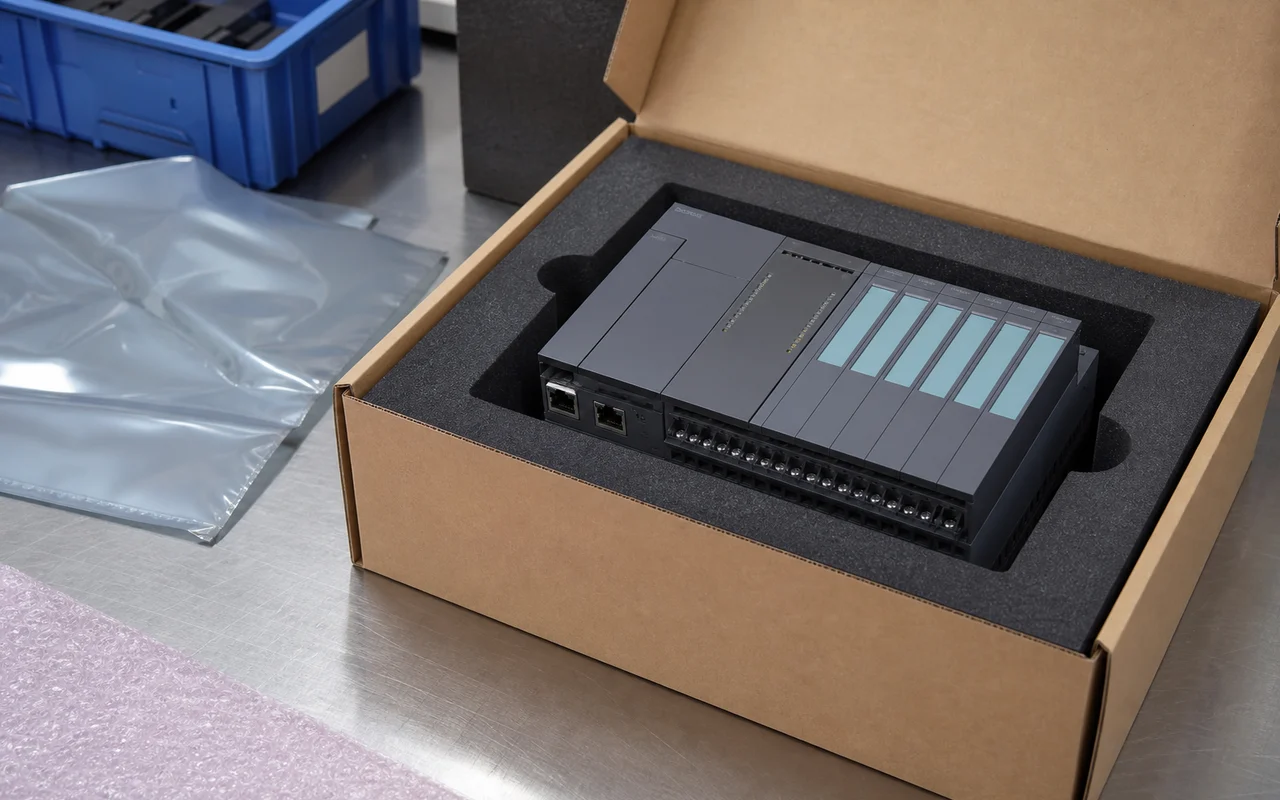 Secure Export Packing
Cushion protection and strong cartons ensure safe transportation.
 Worldwide Shipping
Global logistics network supports air, sea and express delivery.
 Documentation Check
Part number, revision and compatibility verified before shipment.
 After-sales Support
Professional technical support to help resolve your issues.