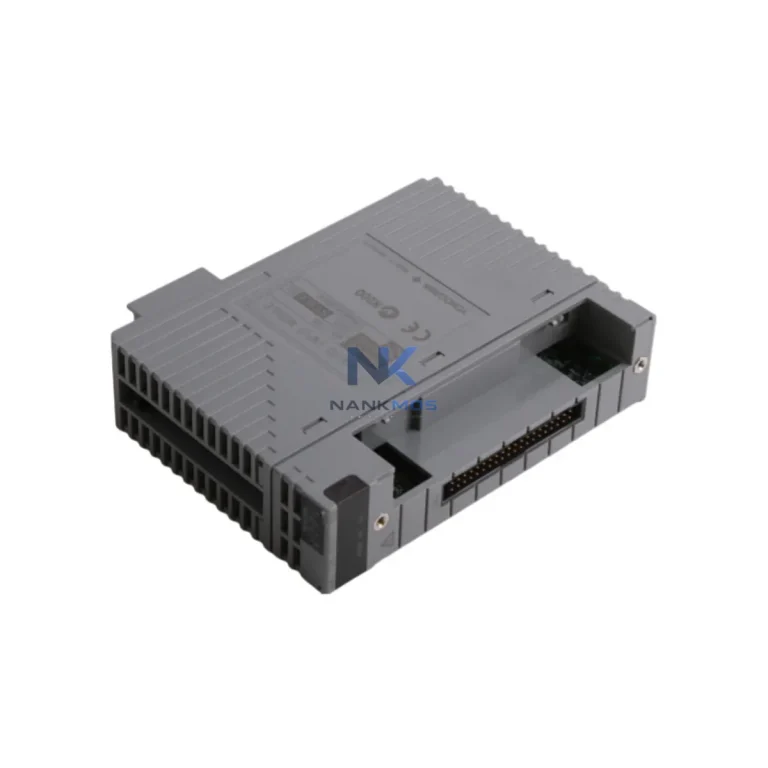
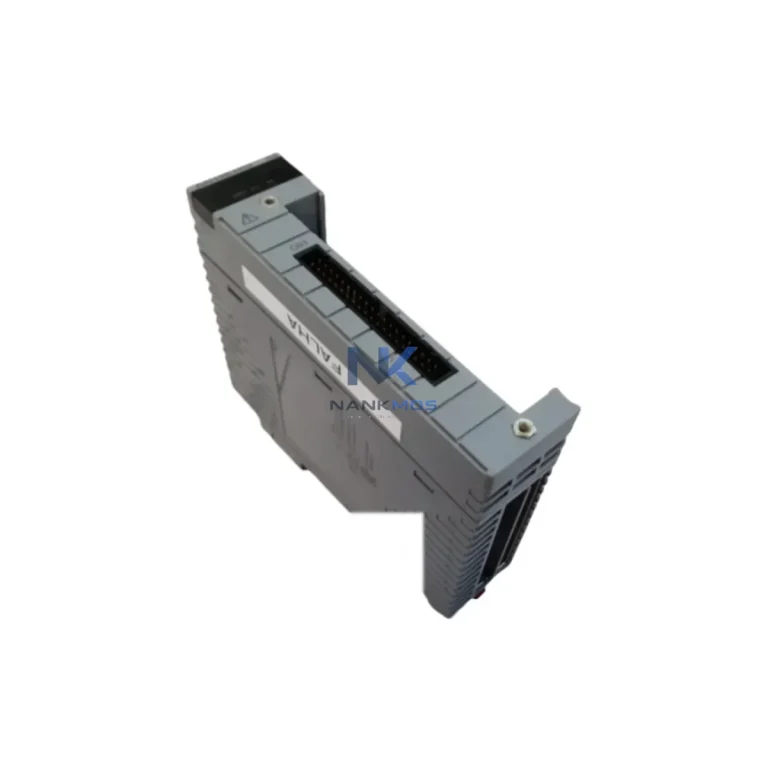
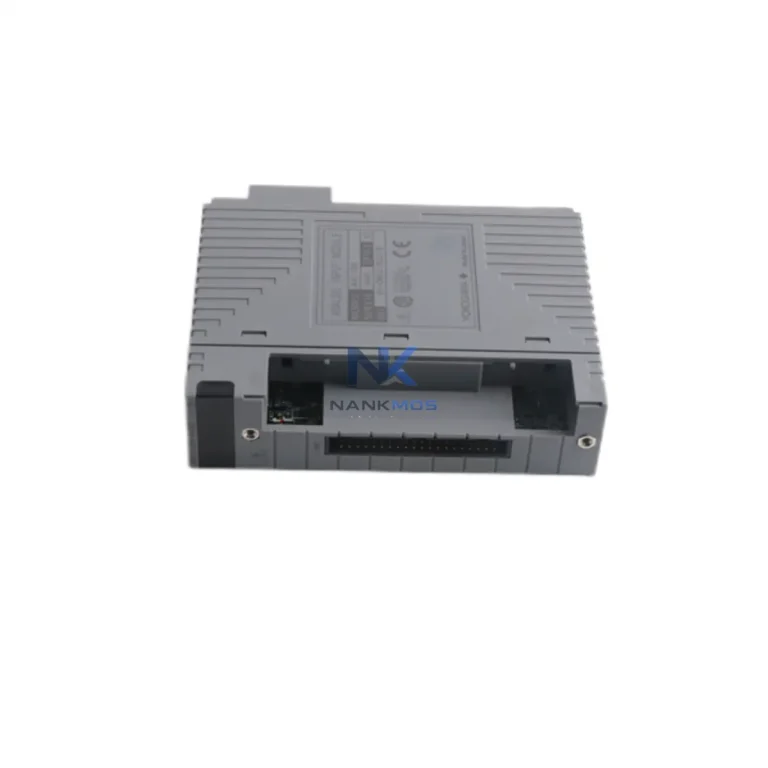
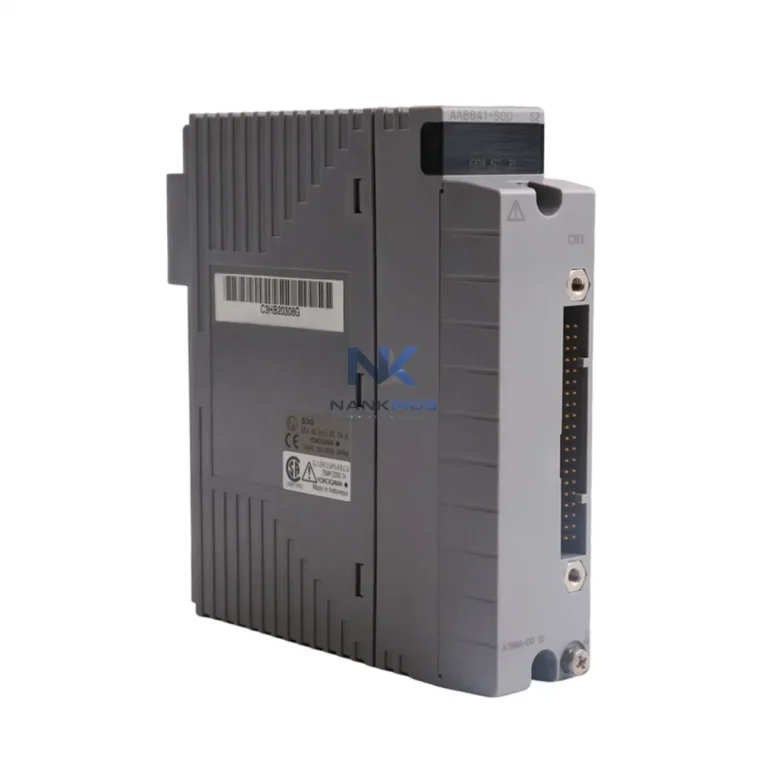
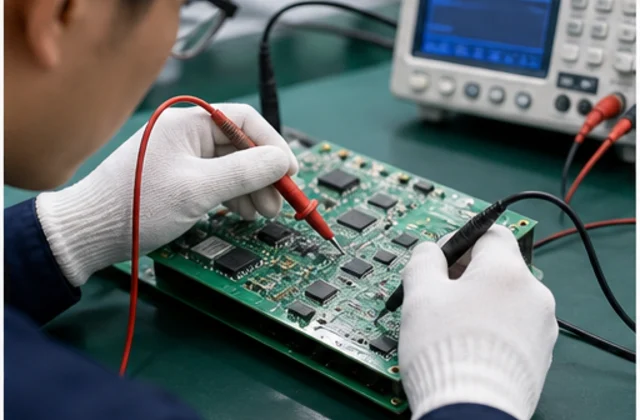
 Functional Inspection
100% tested on professional platforms to ensure stable performance.
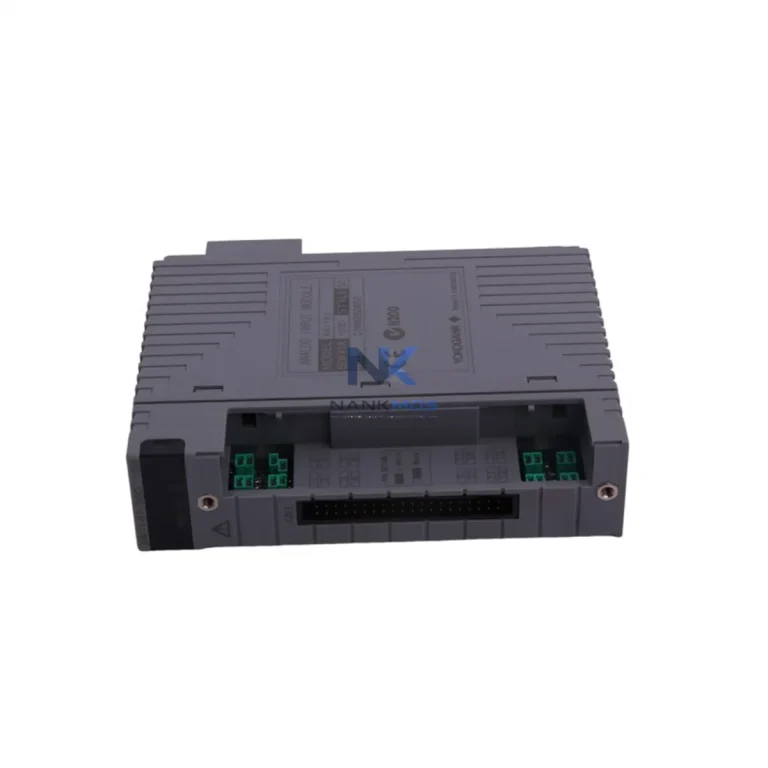
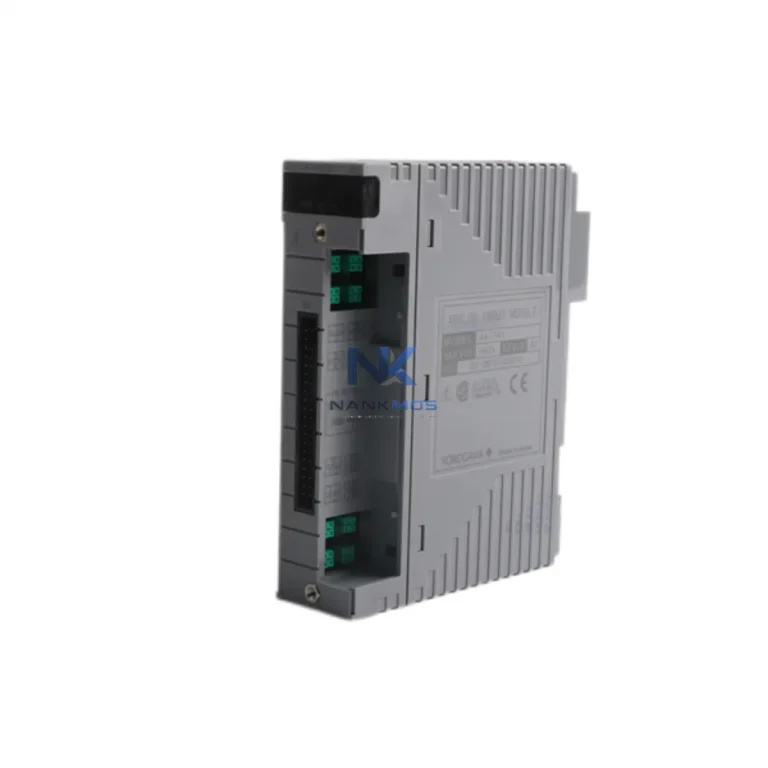
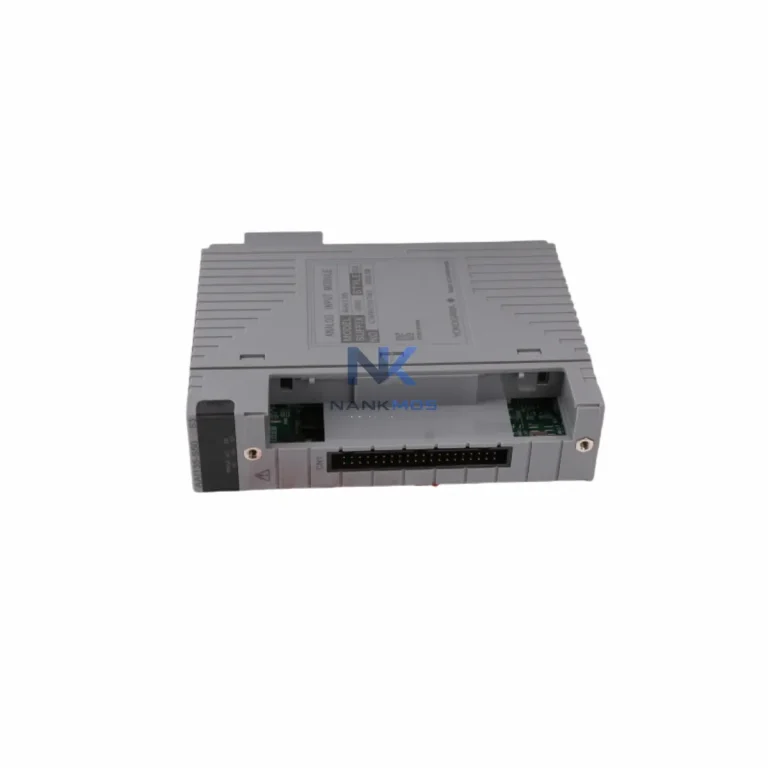
Yokogawa NFBU200-S16 S1 is a NANKMOS industrial automation product record Listed under CENTUM VP series and Business & Industrial > Automation, Control & Flow Devices > Programmable Logic Controllers. Confirm condition, availability, lead time, compatibility and documentation by email inquiry.
Brand names are used for identification only.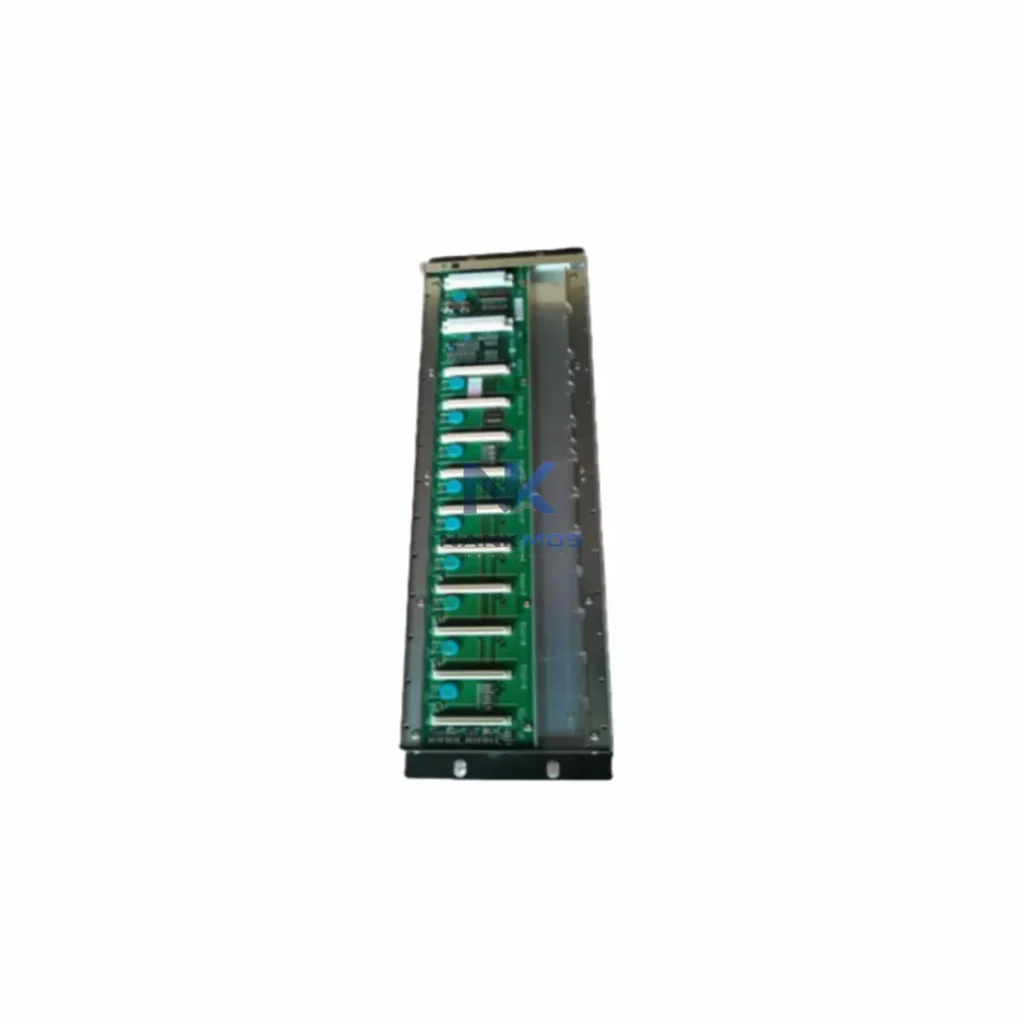
Yokogawa NFBU200-S16 S1 is a NANKMOS industrial automation product record Listed under CENTUM VP series and Business & Industrial > Automation, Control & Flow Devices > Programmable Logic Controllers. Confirm condition, availability, lead time, compatibility and documentation by email inquiry.
| Manufacturer | Yokogawa |
|---|---|
| Application | Controller Processing & System Control |
| Part Number / Model | NFBU200-S16 S1 |
| Compatible System | CENTUM VP |
| Series | CENTUM VP |
| Condition Options | To Confirm |
| Module Type | Controller / CPU Module |
| Warranty | 12 Months |
| Packaging | Anti-static Bag / Secure Box |
| Shipping Methods | DHL / FedEx / UPS / Air / Sea |
| Availability | To Confirm |
| Lead Time | To Confirm |
| Documentation | Part number and revision checked before quote |
The Yokogawa NFBU200-S16 is a high-integrity base module engineered for the Centum VP Distributed Control System (DCS), purpose-built to anchor energy-control architectures across continuous process and discrete manufacturing environments. Designed to serve as the structural and electrical backbone for field I/O cards within the Centum VP cabinet, the NFBU200-S16 enables precise signal routing, stable power distribution, and deterministic communication between field devices and the central control layer — all critical factors in reducing unnecessary energy draw and improving overall production-line efficiency.
In modern smart factories, energy waste is rarely caused by a single component failure. It accumulates through inefficient load scheduling, uncoordinated motor starts, poor drive utilisation, and inadequate feedback loops between field instruments and control systems. The NFBU200-S16 addresses this at the infrastructure level: by providing a reliable, low-latency signal path between field I/O modules and the Centum VP controller, it ensures that energy-management decisions — whether executed by a PLC, a variable frequency drive (VFD), or a SCADA supervisory layer — are based on accurate, real-time process data.
The NFBU200-S16 does not operate in isolation — its energy-control value is realised through tight integration with the broader Centum VP ecosystem and adjacent automation components. In a typical smart production line deployment, the base unit hosts a combination of Yokogawa NFAI135 analogue input modules and NFDV151 digital valve positioner interface cards, which together feed real-time process variables — flow rates, pressure differentials, valve positions — directly into the DCS controller. This data stream is the foundation of any credible energy-management strategy.
On the drive side, the NFBU200-S16 integrates seamlessly with Yokogawa VariFlex VFD systems and third-party variable frequency drives via hardwired analogue output signals routed through NFAO135 analogue output modules seated in the base unit. By enabling precise speed references to be delivered to motor drives in real time, the system eliminates the energy penalty of fixed-speed motor operation — a common source of 20–40% excess energy consumption in pump and fan applications.
For power monitoring, the NFBU200-S16 supports integration with Yokogawa WT series power analysers and third-party power measurement transducers through its analogue input channels. When combined with a Centum VP SCADA historian or an external energy management system (EMS), this creates a closed-loop energy monitoring architecture: power consumption data is collected at the field level, aggregated at the DCS layer, and used to trigger load-shedding sequences or demand-response actions without operator intervention.
Communication between the NFBU200-S16-hosted I/O and upstream systems — including Yokogawa STARDOM FCN autonomous controllers, ProSafe-RS safety instrumented systems, and third-party HMI terminals — is handled through the Centum VP Vnet/IP control network. This deterministic Ethernet-based protocol ensures that energy-critical control signals are delivered with sub-millisecond jitter, preventing the timing errors that can cause unnecessary motor restarts, valve hunting, or compressor surge events — all of which carry significant energy penalties.
For facilities running hybrid architectures, the NFBU200-S16 can coexist with Yokogawa STARDOM FCN-RTU remote I/O nodes and Modbus TCP gateway modules, allowing legacy field devices — including older motor control centres (MCCs) and power factor correction banks — to be integrated into the Centum VP energy-control framework without full system replacement.
The primary energy-optimisation contribution of the NFBU200-S16 lies in its role as a high-availability signal infrastructure component. In process industries, unplanned downtime is one of the largest sources of energy waste: equipment must be restarted, brought back to operating temperature, and re-stabilised — consuming disproportionate energy during transient states. By providing a redundancy-ready base platform with robust backplane connectivity, the NFBU200-S16 supports the continuous, uninterrupted operation that keeps production lines running at their designed energy efficiency point.
Load management is further enhanced through the module's support for high-density I/O configurations. A fully populated NFBU200-S16 can host up to 16 I/O modules, enabling a single cabinet to monitor and control dozens of energy-consuming field devices simultaneously. This consolidation reduces the number of control cabinets required, lowers the aggregate heat load within the electrical room, and simplifies the thermal management burden on HVAC systems — a secondary but meaningful source of facility energy savings.
Predictive maintenance integration is another key efficiency lever. When analogue input modules seated in the NFBU200-S16 are configured to monitor motor current signatures, vibration transmitter outputs, or bearing temperature sensors, the Centum VP DCS can detect early-stage equipment degradation before it manifests as a fault. Addressing these issues proactively — rather than reactively — avoids the energy-intensive process of emergency shutdown and restart, and extends the mean time between failures (MTBF) of critical rotating equipment.
Production line throughput stability — often referred to as takt time consistency — is also directly supported by the NFBU200-S16's deterministic I/O scanning. Irregular scan cycles or signal dropouts can cause PID controllers to overcorrect, driving unnecessary actuator movement and associated energy consumption. The stable backplane architecture of the NFBU200-S16 eliminates this variability, keeping control loops tight and energy consumption predictable.
Q1: How does the NFBU200-S16 contribute to measurable energy savings on a production line?The NFBU200-S16 provides the stable I/O infrastructure that enables accurate, real-time data collection from field devices. This data supports precise motor speed control via VFDs, demand-based load scheduling, and early fault detection — all of which reduce energy waste. Facilities integrating the NFBU200-S16 into a Centum VP energy-management architecture typically report reductions in auxiliary equipment energy consumption of 15–30% compared to fixed-speed, open-loop control configurations.
Q2: Is the NFBU200-S16 compatible with both Centum VP and Centum CS 3000 systems?Yes. The NFBU200-S16 is designed for the Centum VP platform and is also compatible with Centum CS 3000 field I/O card configurations in many deployment scenarios. For specific cross-compatibility requirements, consult the Yokogawa hardware compatibility matrix or contact our technical team prior to ordering.
Q3: What is the recommended replacement or upgrade path for ageing base units in existing Centum VP cabinets?For cabinets running original Centum CS 3000 base units, the NFBU200-S16 represents a direct upgrade path that preserves existing I/O module investments while improving backplane reliability and power distribution stability. A site survey and I/O card audit are recommended before replacement to confirm slot compatibility and wiring continuity.
Q4: What does the 12-month warranty cover, and what is the typical lead time for in-stock units?All NFBU200-S16 units supplied by NANKMOS are covered by a 12-month warranty against manufacturing defects and operational failure under normal industrial operating conditions. In-stock units are subject to pre-shipment functional testing and are typically dispatched within 3–5 business days. Expedited shipping options are available for urgent production-line requirements.
Functional Inspection100% tested on professional platforms to ensure stable performance.
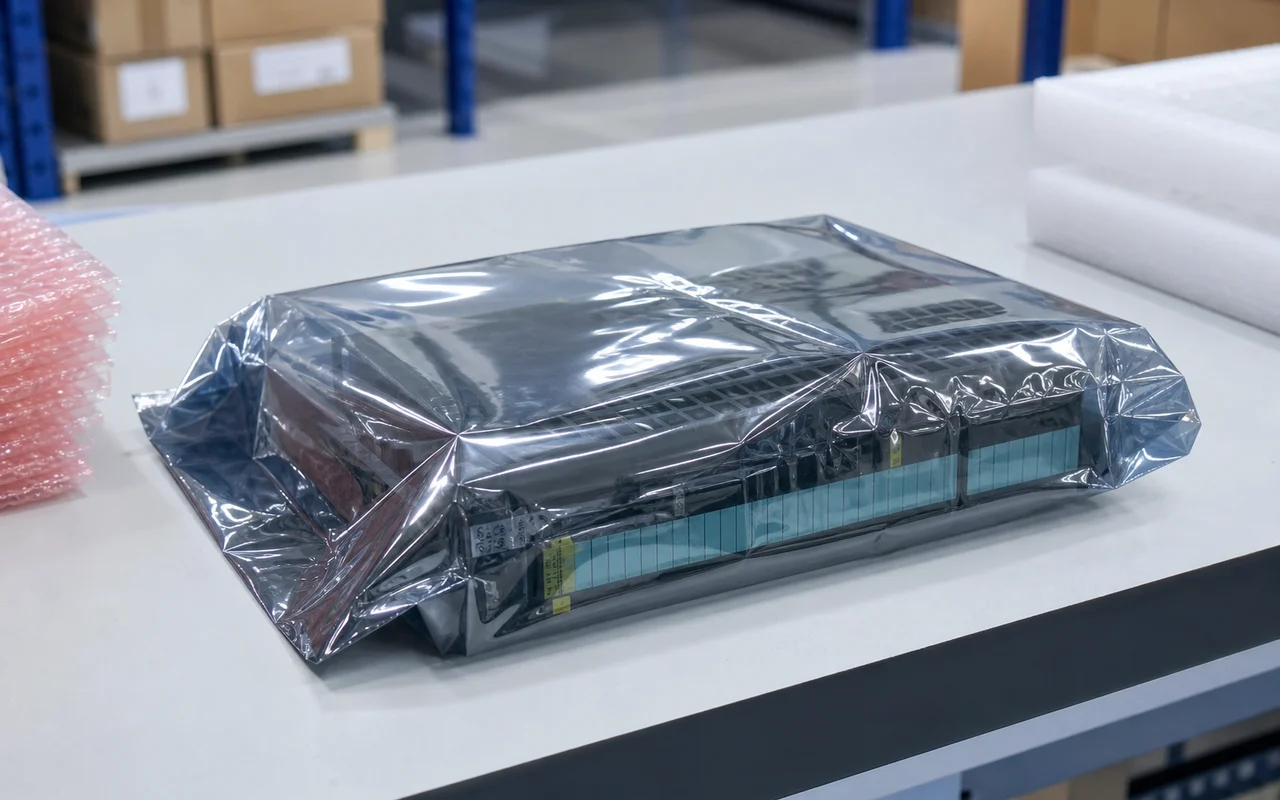 Anti-static Packaging
Modules are packed in anti-static bags to prevent electrostatic damage.
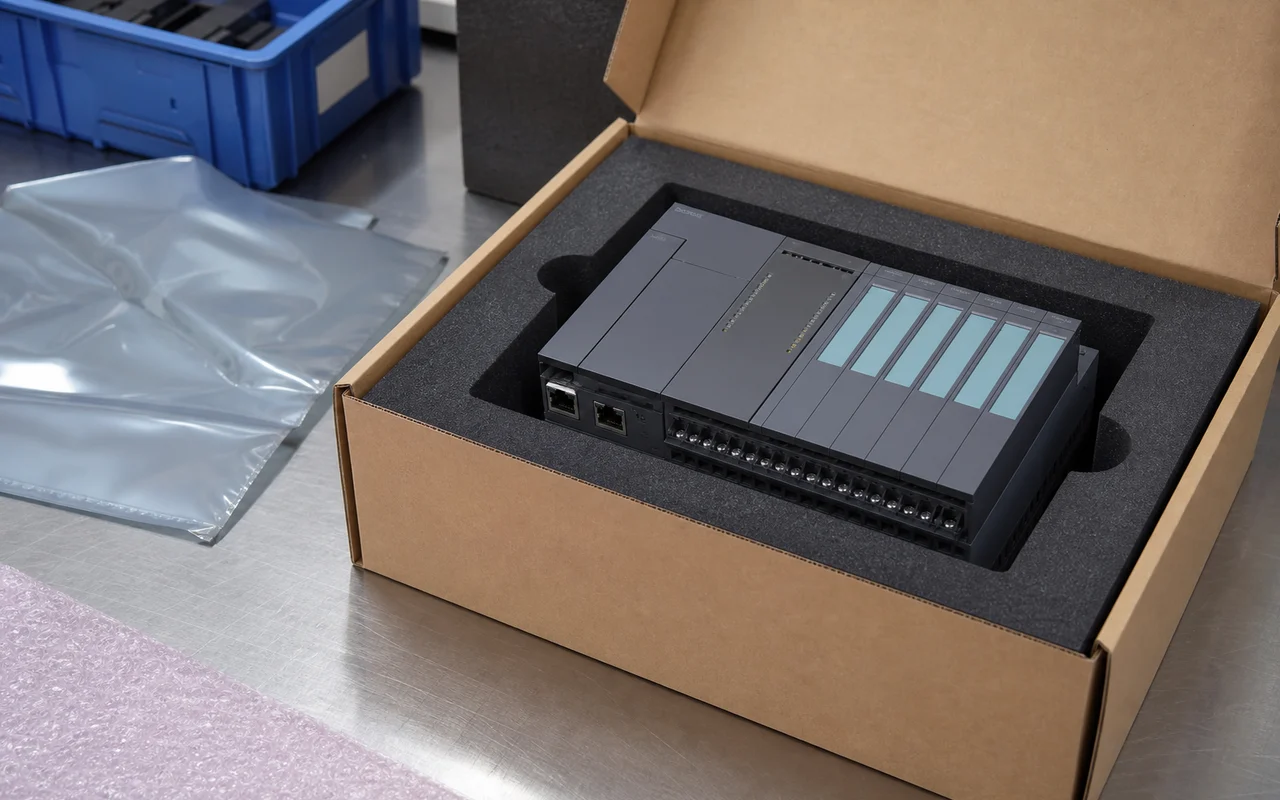 Secure Export Packing
Cushion protection and strong cartons ensure safe transportation.
 Worldwide Shipping
Global logistics network supports air, sea and express delivery.
 Documentation Check
Part number, revision and compatibility verified before shipment.
 After-sales Support
Professional technical support to help resolve your issues.