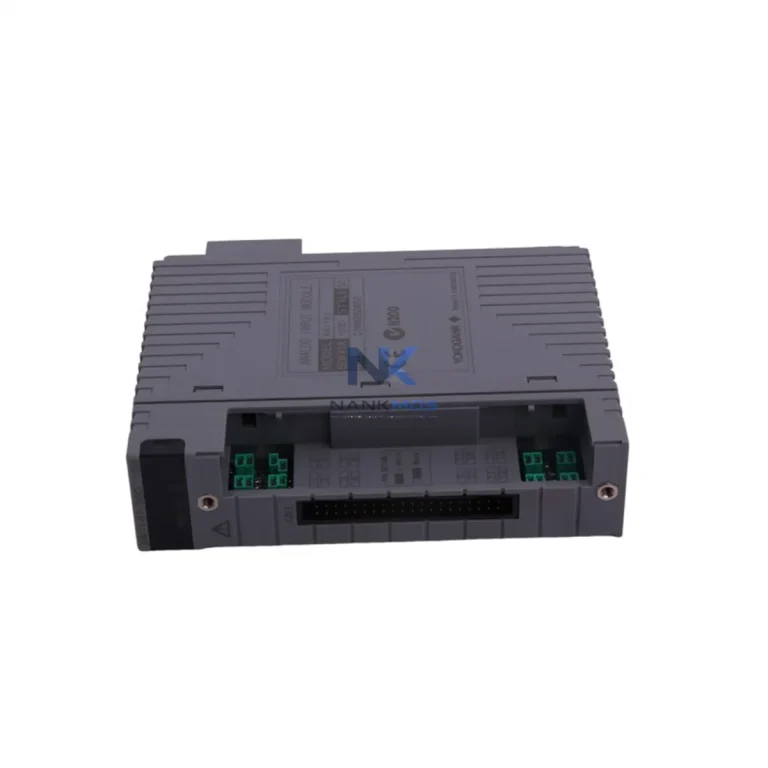
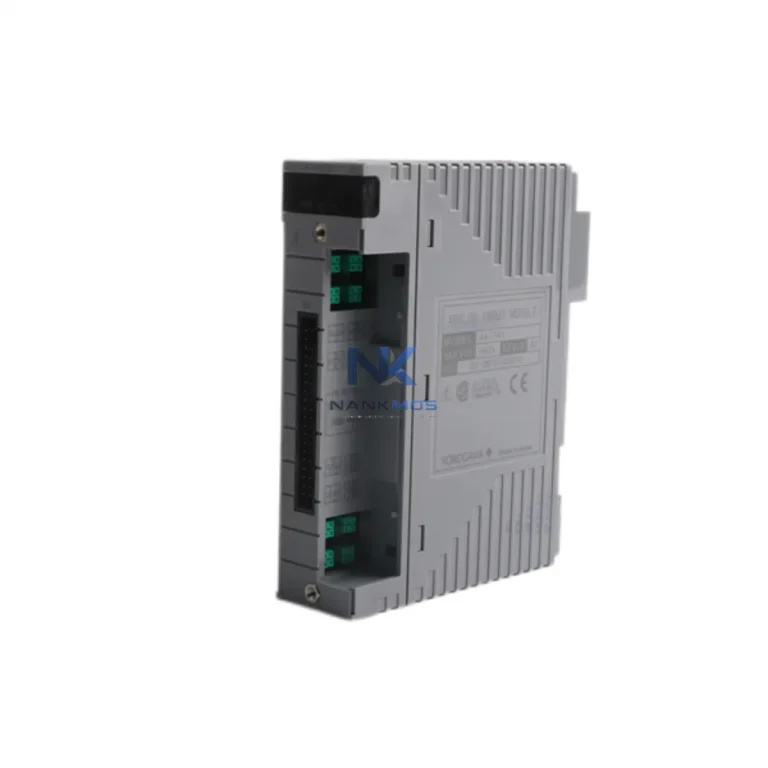
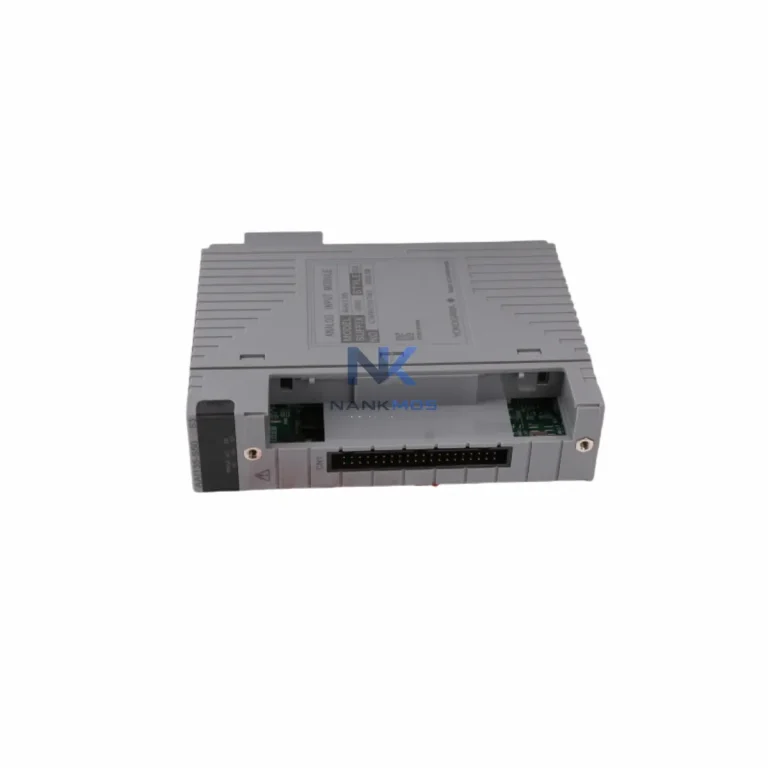
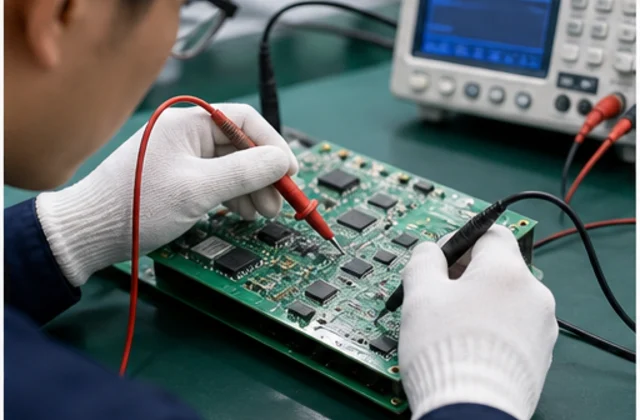
 Functional Inspection
100% tested on professional platforms to ensure stable performance.
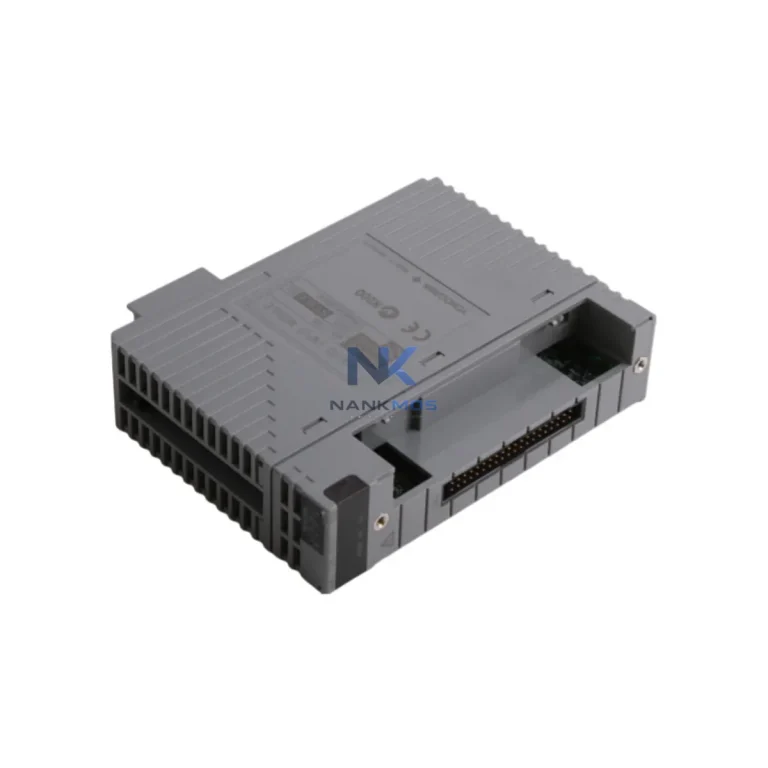
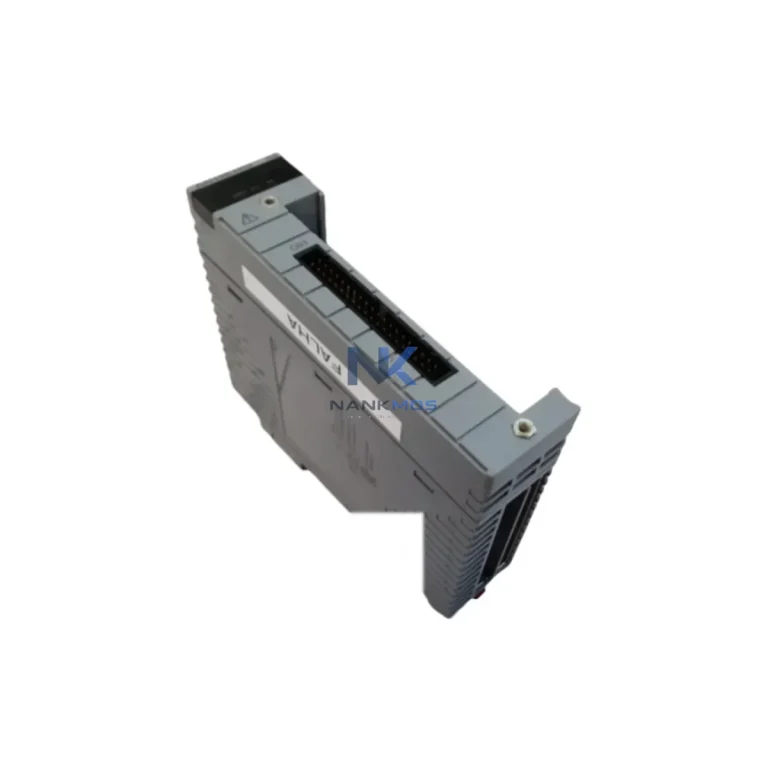
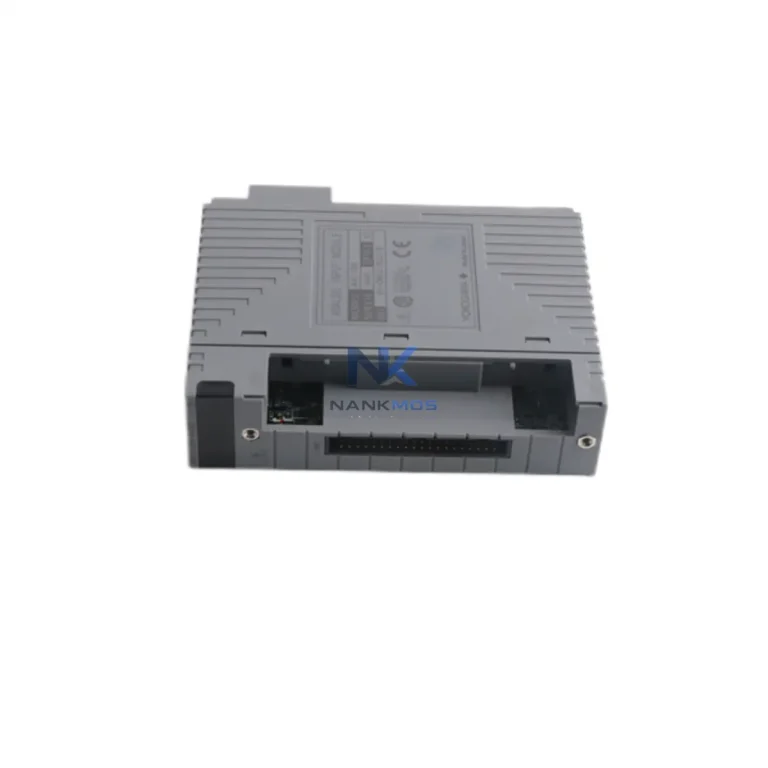
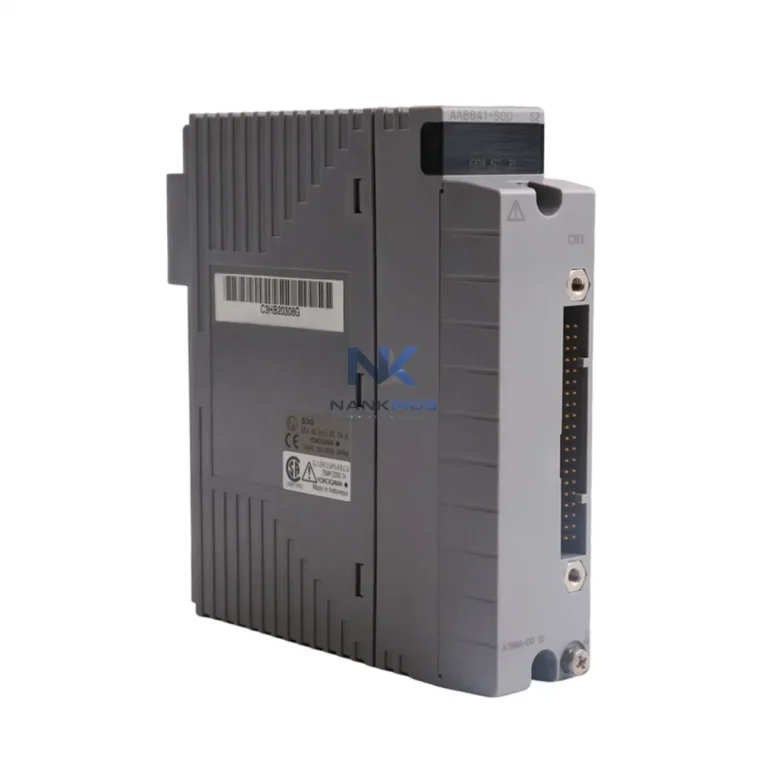
Yokogawa NFCP501-W16 S1 is a NANKMOS industrial automation product record Listed under CENTUM VP series and Business & Industrial > Automation, Control & Flow Devices > Programmable Logic Controllers. Confirm condition, availability, lead time, compatibility and documentation by email inquiry.
Brand names are used for identification only.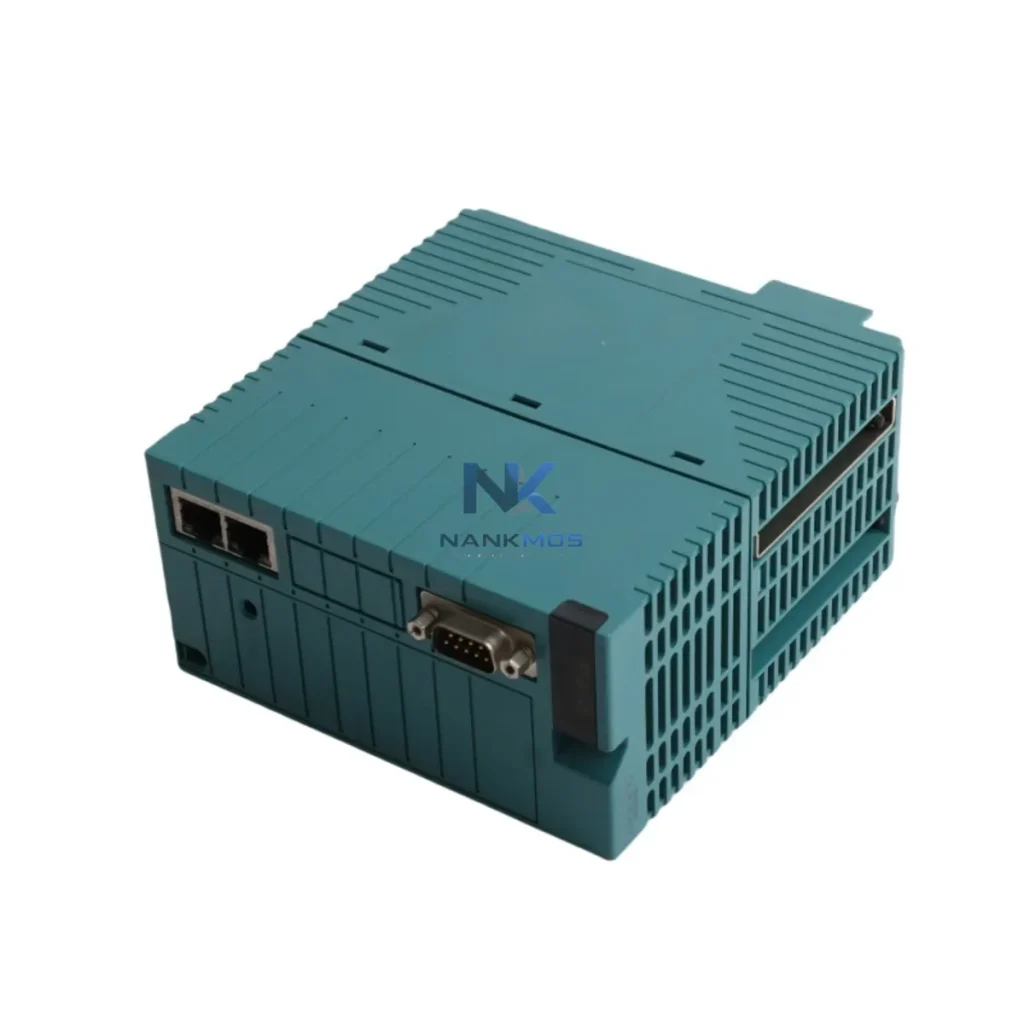
Yokogawa NFCP501-W16 S1 is a NANKMOS industrial automation product record Listed under CENTUM VP series and Business & Industrial > Automation, Control & Flow Devices > Programmable Logic Controllers. Confirm condition, availability, lead time, compatibility and documentation by email inquiry.
| Manufacturer | Yokogawa |
|---|---|
| Application | Controller Processing & System Control |
| Part Number / Model | NFCP501-W16 S1 |
| Compatible System | CENTUM VP |
| Series | CENTUM VP |
| Condition Options | To Confirm |
| Module Type | Controller / CPU Module |
| Warranty | 12 Months |
| Packaging | Anti-static Bag / Secure Box |
| Shipping Methods | DHL / FedEx / UPS / Air / Sea |
| Availability | To Confirm |
| Lead Time | To Confirm |
| Documentation | Part number and revision checked before quote |
The Yokogawa NFCP501-W16 S1 is a high-performance CPU Module engineered for the CENTUM VP Distributed Control System (DCS), purpose-built to deliver intelligent energy control across complex industrial production environments. Designed to meet the demands of modern smart manufacturing, this module serves as the computational core of energy-aware automation strategies — enabling facilities to monitor, regulate, and optimize power consumption at every stage of the production cycle. With its robust processing architecture and seamless integration into Yokogawa's CENTUM VP platform, the NFCP501-W16 S1 empowers engineers to implement load management protocols, reduce thermal stress on downstream equipment, and maintain consistent production line throughput with minimal energy waste.
In energy-intensive industries such as petrochemicals, pharmaceuticals, power generation, and advanced manufacturing, the ability to precisely control energy flow is directly tied to operational profitability. The NFCP501-W16 S1 addresses this challenge by providing deterministic scan cycle execution, real-time process data handling, and tight coordination with field devices — all of which contribute to measurable reductions in idle energy consumption and peak load events.
The NFCP501-W16 S1 CPU Module operates as the central intelligence hub within a Yokogawa CENTUM VP control domain, coordinating energy-relevant signals and commands across a wide ecosystem of field devices and automation components. In a typical smart production line deployment, this module interfaces directly with Yokogawa's NFLF111 Foundation Fieldbus communication module, enabling real-time data exchange with field instruments including flow transmitters, pressure sensors, and temperature elements — all of which feed into the energy management logic executed by the NFCP501-W16 S1.
For motor-driven applications, the CPU module communicates with variable frequency drives (VFDs) such as the Yaskawa A1000 or Siemens SINAMICS G120 series via Modbus RTU or PROFIBUS, enabling dynamic speed adjustment based on actual process demand rather than fixed setpoints. This demand-responsive motor control strategy is one of the most effective methods for reducing energy consumption in pump, fan, and compressor applications — often yielding 20–40% energy savings compared to fixed-speed operation.
The NFCP501-W16 S1 also integrates with Yokogawa's WT series power analyzers and power monitoring modules, allowing the DCS to receive live power quality data — including voltage, current, power factor, and harmonic distortion — and use this information to trigger load-balancing routines or alert operators to abnormal consumption patterns. When paired with the Yokogawa STARDOM FCN autonomous controller for edge-level processing, the system can execute local energy optimization decisions even during network interruptions, ensuring continuous load management without central server dependency.
On the I/O side, the NFCP501-W16 S1 coordinates with Yokogawa's NFDV141 digital input/output modules and NFAI135 analog input modules to collect discrete and analog signals from energy-relevant field devices — including current transformers, power meters, and equipment status relays. These signals are processed in real time to detect inefficient operating states, such as motors running at no-load or heating elements cycling unnecessarily, and to initiate corrective control actions automatically.
For operator visibility, the NFCP501-W16 S1 feeds process and energy data to Yokogawa's FAST/TOOLS SCADA system and to HMI stations running Yokogawa's Exaopc OPC server, giving plant operators a unified view of energy consumption trends, equipment utilization rates, and production line efficiency KPIs. This integration supports both real-time decision-making and long-term energy audit reporting — critical capabilities for facilities pursuing ISO 50001 energy management certification.
One of the primary contributions of the NFCP501-W16 S1 to production line energy optimization is its ability to synchronize equipment start-up and shutdown sequences with precision timing. By staggering the activation of high-inrush-current devices — such as large motors, heating systems, and compressors — the CPU module prevents simultaneous peak demand events that would otherwise spike energy costs and stress the facility's electrical infrastructure. This coordinated sequencing, managed through the CENTUM VP control strategy, directly reduces peak demand charges on utility bills while extending the service life of electrical switchgear and motor starters.
The module also supports predictive maintenance workflows by continuously monitoring equipment performance parameters — vibration signatures via connected sensors, motor current draw via analog inputs, and cycle time deviations via process historians. When performance metrics drift outside of established baselines, the NFCP501-W16 S1 generates early warning alarms that allow maintenance teams to intervene before a failure occurs. This predictive approach eliminates unplanned downtime, which is not only costly in terms of lost production but also energy-inefficient due to the energy consumed during uncontrolled restarts and re-stabilization periods.
In batch and continuous process environments, the NFCP501-W16 S1 enables production line takt time optimization by dynamically adjusting process setpoints based on real-time throughput data. Rather than running equipment at maximum capacity regardless of downstream demand, the control strategy implemented through this CPU module allows the line to operate at the most energy-efficient point on the process curve — reducing thermal load on heat exchangers, minimizing compressed air consumption, and lowering the duty cycle of auxiliary systems.
For facilities managing multiple production lines or utility systems, the NFCP501-W16 S1 supports hierarchical control architectures where energy budgets can be allocated dynamically across production zones. Integration with energy management systems (EMS) via OPC-UA allows the DCS to receive energy budget signals from the plant-level EMS and adjust local setpoints accordingly — ensuring that total facility energy consumption remains within contracted limits even during peak production periods.
Every NFCP501-W16 S1 unit supplied by NANKMOS undergoes comprehensive functional testing prior to shipment, including communication interface verification, I/O channel validation, and power consumption benchmarking. Units are maintained in climate-controlled storage to preserve component integrity, and all inventory is available for immediate dispatch to minimize production downtime for customers requiring urgent replacements. Each unit is backed by a 12-month warranty covering manufacturing defects and functional failures under normal operating conditions.
Q1: How does the NFCP501-W16 S1 contribute to measurable energy savings on a production line?The NFCP501-W16 S1 enables energy savings through demand-responsive control strategies, coordinated equipment sequencing, and real-time load monitoring. By integrating with VFDs, power monitoring modules, and field sensors, it allows the CENTUM VP DCS to continuously optimize process setpoints for minimum energy consumption while maintaining production targets. Facilities typically report reductions in peak demand events and idle energy consumption within the first months of optimized operation.
Q2: Is the NFCP501-W16 S1 compatible with third-party drives, sensors, and communication systems?Yes. The NFCP501-W16 S1 supports multiple industrial communication protocols including Vnet/IP, FOUNDATION Fieldbus, HART, Modbus, and OPC-UA, enabling integration with a wide range of third-party variable frequency drives, servo drives, power analyzers, and SCADA systems. For full compatibility verification with specific third-party equipment, consult the CENTUM VP system engineering documentation or contact NANKMOS technical support.
Q3: What is the recommended replacement process, and how quickly can a unit be dispatched?NANKMOS maintains ready stock of the NFCP501-W16 S1 for immediate dispatch. Each unit is pre-tested and verified before shipment, including communication interface checks and I/O validation. For urgent replacement requirements, same-day or next-day dispatch is available depending on logistics arrangements. Contact [email protected] or +86 18359268345 to confirm availability and arrange expedited shipping.
Q4: What does the 12-month warranty cover, and what is the testing process before shipment?The 12-month warranty covers manufacturing defects and functional failures under normal industrial operating conditions. Prior to shipment, every NFCP501-W16 S1 unit undergoes a multi-stage testing process including power-on verification, communication protocol testing, I/O channel functional checks, and visual inspection for physical integrity. Test records are available upon request. Warranty claims are processed directly through NANKMOS with a commitment to rapid resolution to minimize customer downtime.
Functional Inspection100% tested on professional platforms to ensure stable performance.
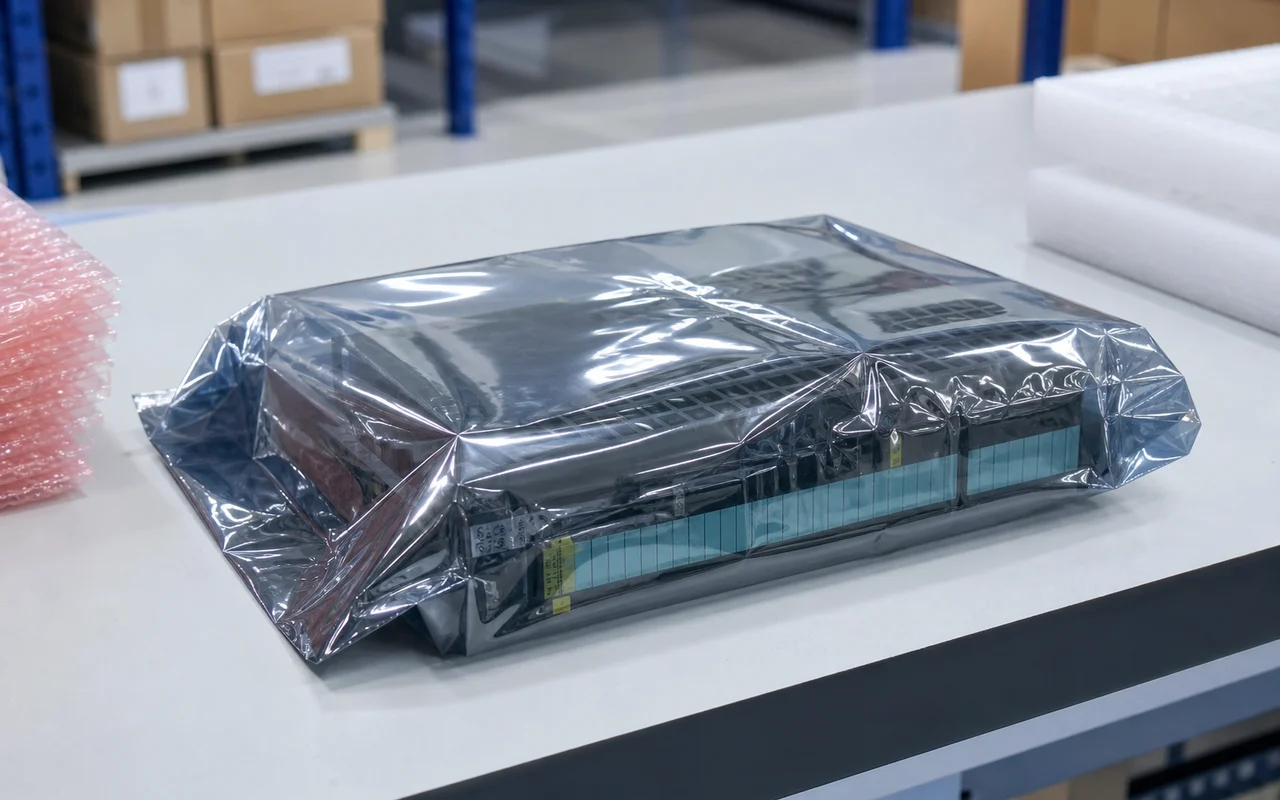 Anti-static Packaging
Modules are packed in anti-static bags to prevent electrostatic damage.
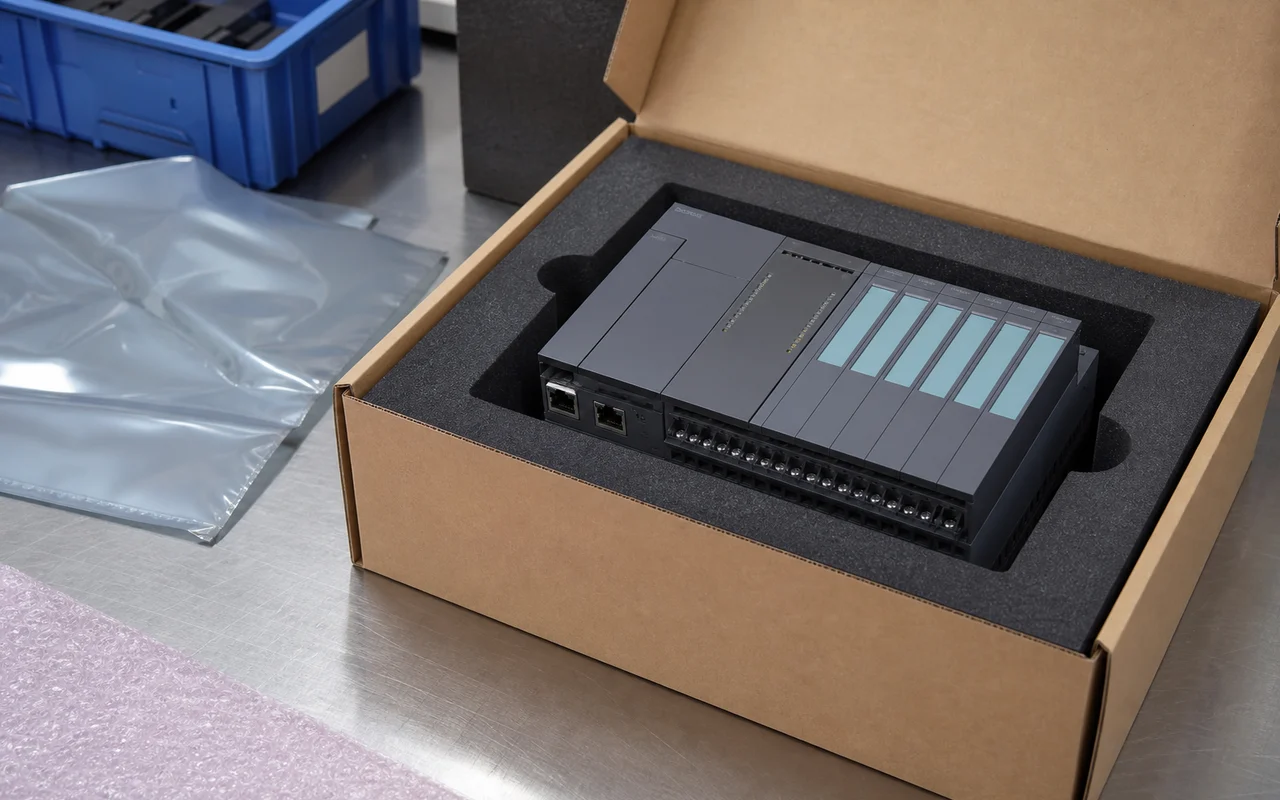 Secure Export Packing
Cushion protection and strong cartons ensure safe transportation.
 Worldwide Shipping
Global logistics network supports air, sea and express delivery.
 Documentation Check
Part number, revision and compatibility verified before shipment.
 After-sales Support
Professional technical support to help resolve your issues.