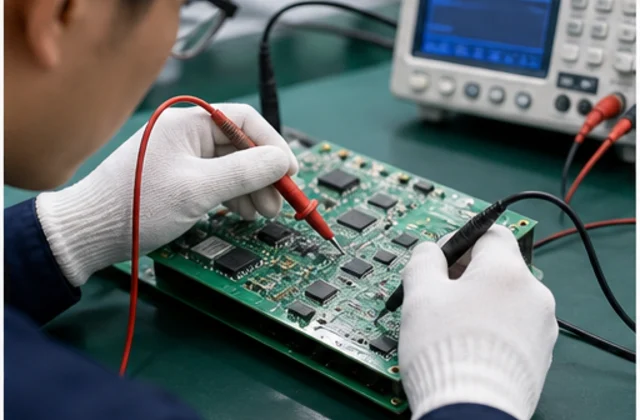
 Functional Inspection
100% tested on professional platforms to ensure stable performance.
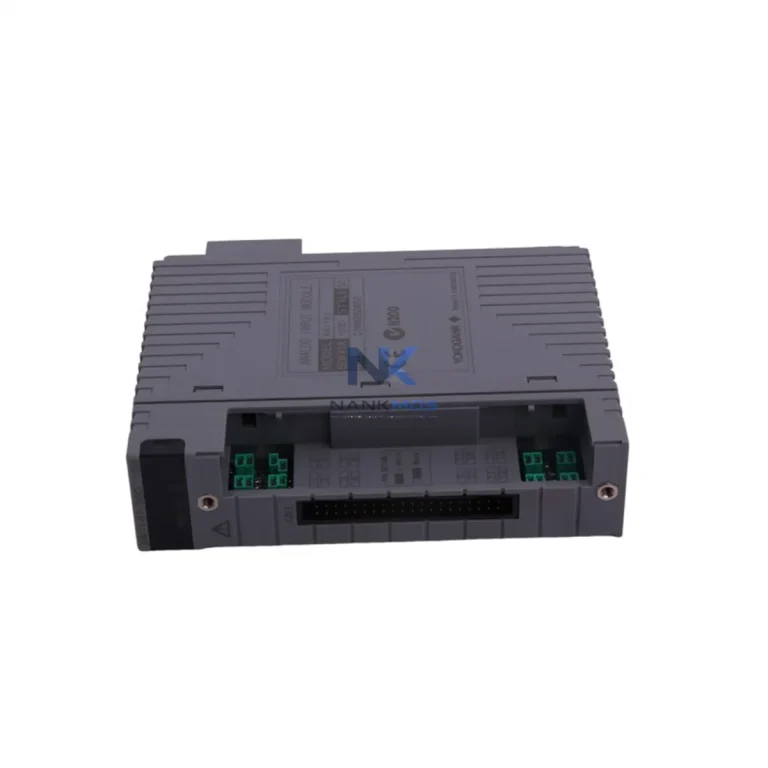
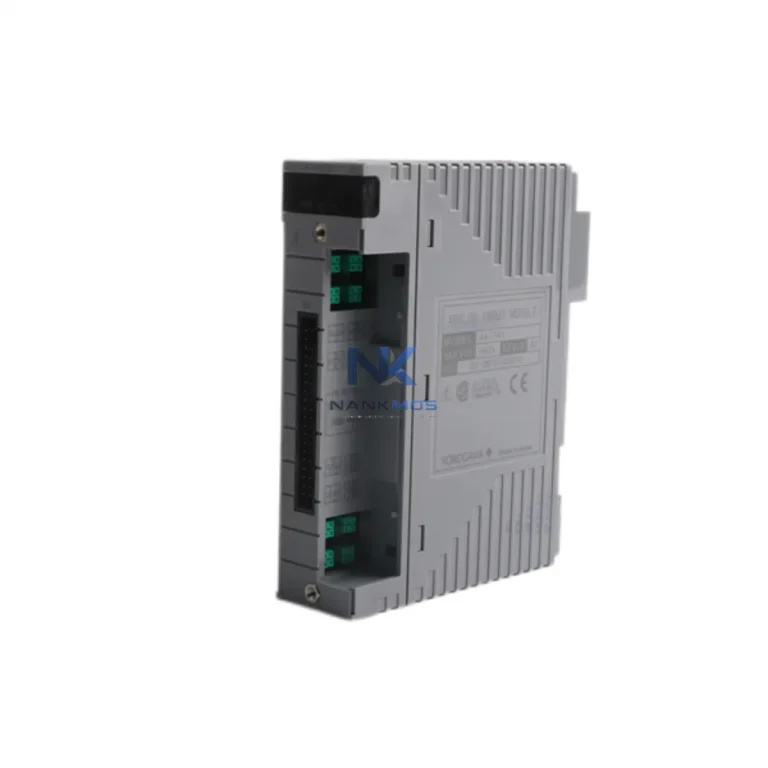
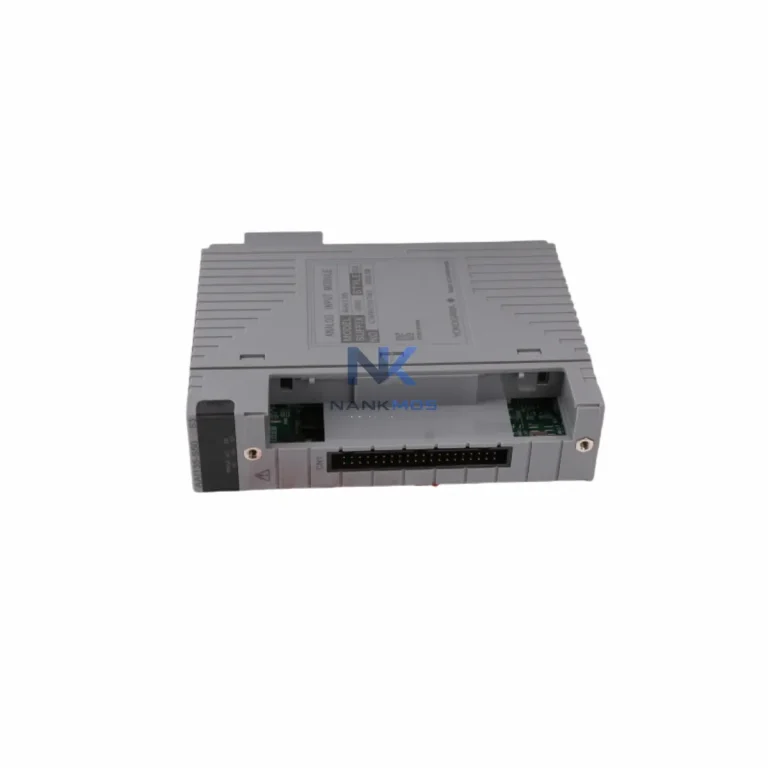
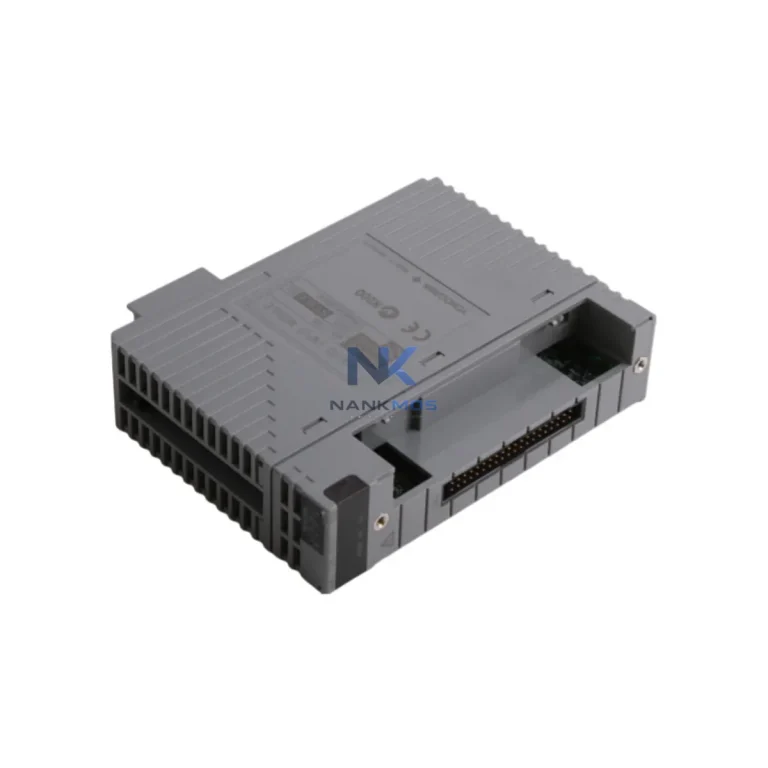
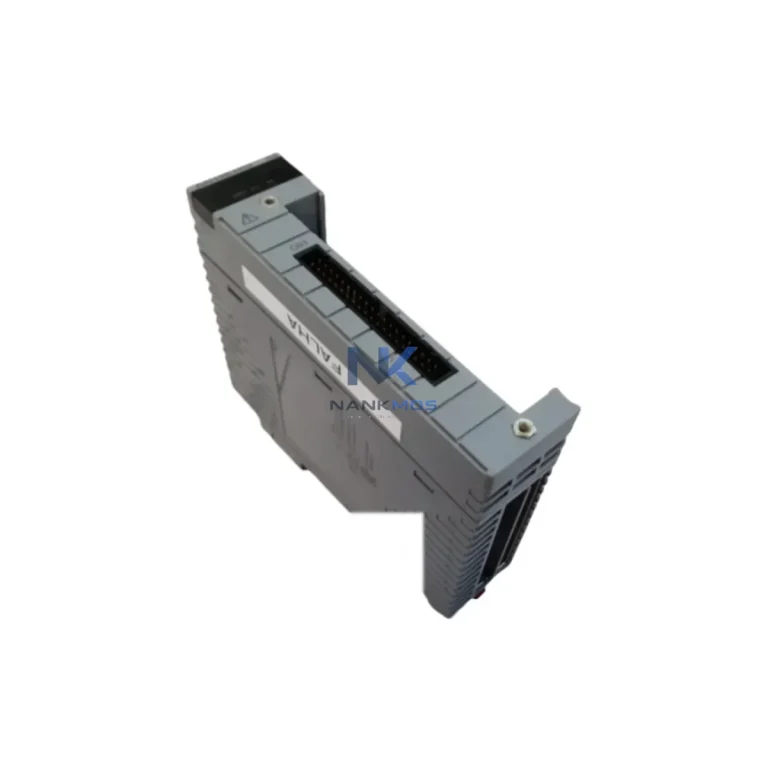
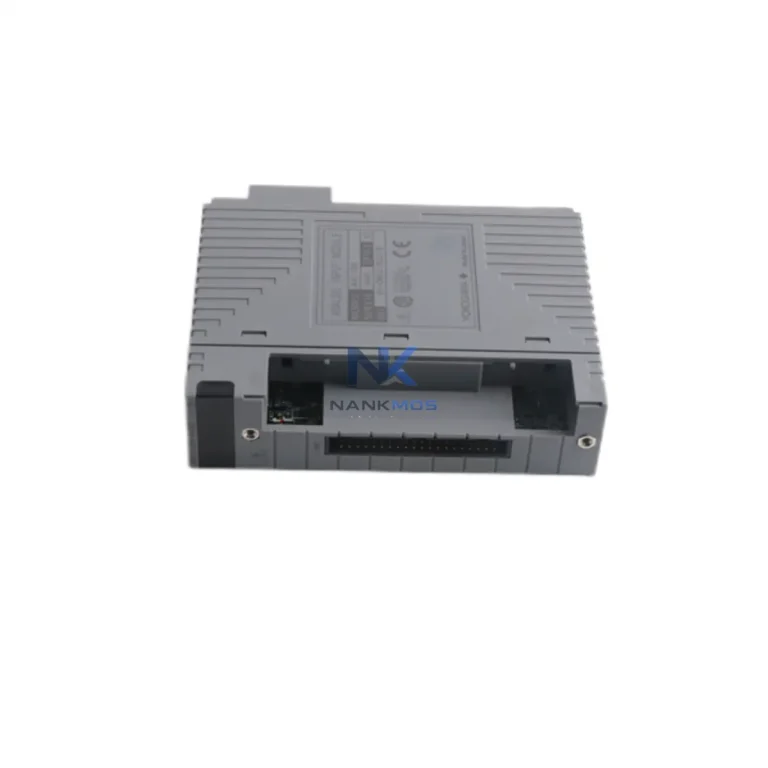
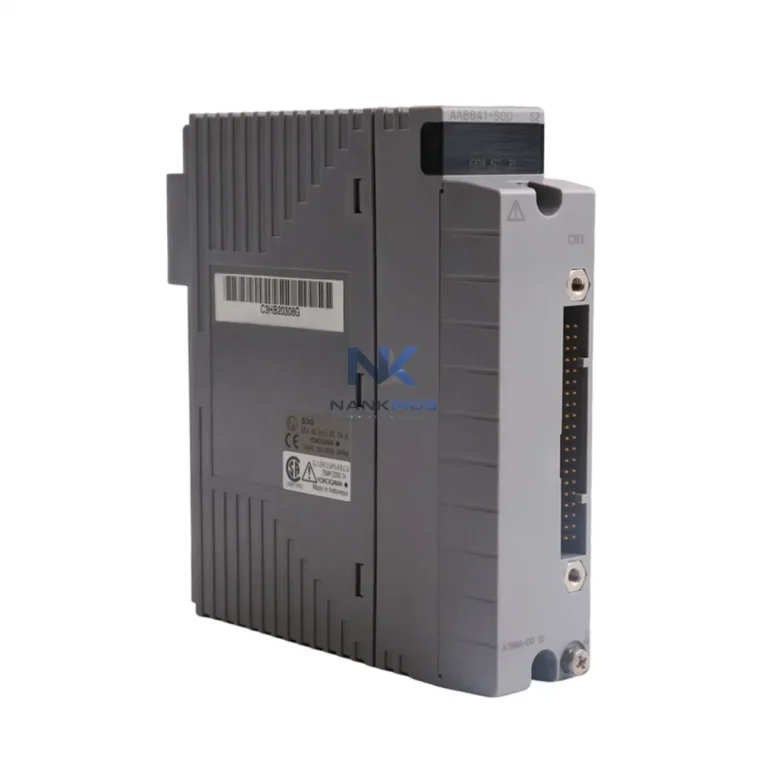
Yokogawa NFDV161-P51 is a NANKMOS industrial automation product record Listed under Other series series and Business & Industrial > Automation, Control & Flow Devices > Programmable Logic Controllers. Confirm condition, availability, lead time, compatibility and documentation by email inquiry.
Brand names are used for identification only.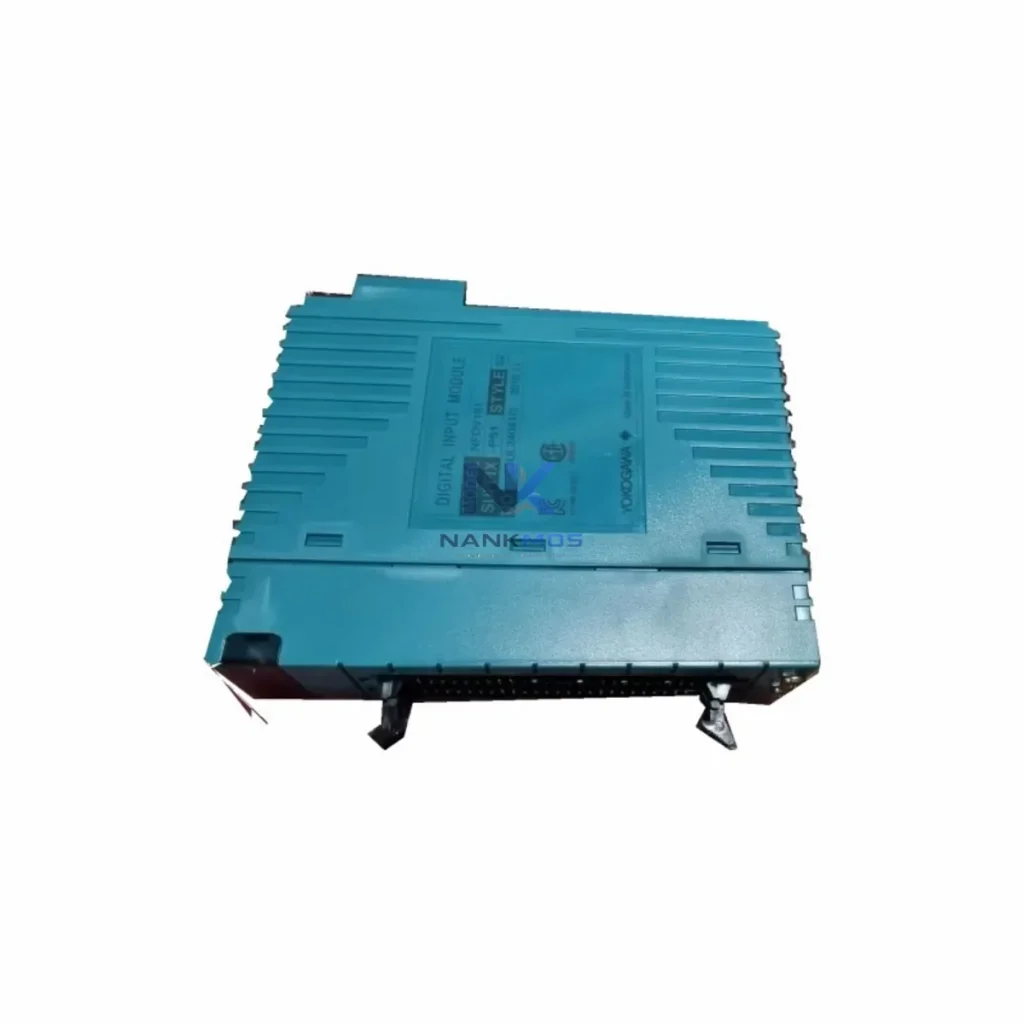
Yokogawa NFDV161-P51 is a NANKMOS industrial automation product record Listed under Other series series and Business & Industrial > Automation, Control & Flow Devices > Programmable Logic Controllers. Confirm condition, availability, lead time, compatibility and documentation by email inquiry.
| Manufacturer | Yokogawa |
|---|---|
| Application | Controller Processing & System Control |
| Part Number / Model | NFDV161-P51 |
| Compatible System | Confirmed by inquiry |
| Condition Options | To Confirm |
| Module Type | Controller / CPU Module |
| Warranty | 12 Months |
| Packaging | Anti-static Bag / Secure Box |
| Shipping Methods | DHL / FedEx / UPS / Air / Sea |
| Availability | To Confirm |
| Lead Time | To Confirm |
| Documentation | Part number and revision checked before quote |
The Yokogawa NFDV161-P51 is a high-density 16-channel digital input module engineered for the Centum VP and Centum CS 3000 distributed control systems. Designed to operate within energy-conscious industrial environments, this module serves as a critical signal acquisition node that bridges field-level sensors, limit switches, and discrete devices with the plant-wide control architecture. By delivering precise, low-latency digital state feedback to the DCS controller, the NFDV161-P51 enables real-time load management decisions, reduces unnecessary actuator cycling, and contributes directly to measurable reductions in plant energy consumption.
In modern smart production lines, every millisecond of signal delay and every watt of unnecessary power draw compounds into significant operational cost. The NFDV161-P51 addresses this by providing stable, noise-immune digital input acquisition with minimal self-consumption, ensuring that the control system receives clean, reliable status data from motors, valves, conveyors, and safety interlocks without introducing additional thermal load into the control cabinet.
The NFDV161-P51 operates as an integral component within a layered automation architecture where energy efficiency is a system-level objective, not an afterthought. Within a Centum VP station, this module works in close coordination with the Yokogawa NFAI141 analog input module to provide both discrete and continuous process variable feedback to the DCS controller. Together, they supply the control logic with the full picture of equipment state — whether a motor is running, a valve is open, or a conveyor has reached its end position — enabling the controller to make energy-optimal switching decisions.
On the drive side, the NFDV161-P51 interfaces with Yaskawa A1000 series variable frequency drives and Mitsubishi FR-A800 inverters through hardwired digital status signals. When a VFD reports a fault or ready state via a dry contact output, the NFDV161-P51 captures that signal and delivers it to the Centum controller within one scan cycle, allowing the system to immediately adjust load scheduling and prevent energy waste from idle motor run-on. This tight feedback loop is essential in applications such as pump stations, compressor banks, and conveyor systems where motor energy accounts for 60–70% of total facility consumption.
For servo-driven axes, the module captures position-confirmed and in-position signals from Yokogawa UR series servo drives and third-party servo amplifiers, feeding these discrete confirmations back to the motion sequencer. This eliminates unnecessary dwell time between production steps, tightening the production cycle and reducing the energy cost per unit produced.
The NFDV161-P51 also plays a key role in power monitoring architectures. When paired with a Yokogawa WT series power analyzer or a dedicated power monitoring module within the Centum I/O nest, the digital input channels can capture demand-response signals, utility interlock states, and peak-shaving trigger inputs. This allows the DCS to automatically shed non-critical loads during peak tariff periods, directly reducing energy expenditure without operator intervention.
On the field device side, the module accepts inputs from proximity sensors, photoelectric sensors, pressure switches, and flow switches — all standard components in energy-aware production lines. By consolidating up to 16 discrete field signals into a single compact module, the NFDV161-P51 reduces wiring complexity, lowers installation labor costs, and minimizes the number of I/O cards required in the control cabinet, which in turn reduces the cabinet's overall power draw and cooling requirement.
Integration with Yokogawa FAST/TOOLS SCADA or third-party SCADA platforms via the Centum OPC server allows plant engineers to visualize digital input states in real time, build energy dashboards, and configure alarm thresholds for abnormal equipment states that indicate energy waste — such as a motor running without a corresponding process flow signal.
In high-throughput manufacturing and process industries, unplanned downtime and inefficient equipment cycling are the two largest contributors to energy waste. The NFDV161-P51 addresses both by providing the DCS with accurate, real-time discrete state information that forms the foundation of any effective energy management strategy.
By accurately reporting the on/off state of motors, actuators, and safety devices, the module enables the Centum controller to implement demand-side load management — sequencing equipment starts to avoid simultaneous inrush currents, staggering conveyor belt activations to flatten the facility's power demand curve, and automatically de-energizing idle equipment during production gaps. These strategies, when applied consistently across a production line, can reduce peak demand charges by 10–20% and lower overall energy consumption by a measurable margin.
The module's reliable signal acquisition also supports predictive maintenance workflows. By monitoring the cycle counts and state transition patterns of field devices — such as the frequency of valve open/close cycles or the number of motor starts per hour — the DCS can identify equipment that is operating outside its normal energy profile, flagging it for inspection before a failure occurs. This reduces unplanned downtime, which is itself a significant source of energy waste due to the energy cost of restarting cold processes and re-establishing thermal equilibrium in furnaces, reactors, and heat exchangers.
For production line rhythm optimization, the NFDV161-P51 provides the discrete handshake signals that synchronize upstream and downstream equipment. When a downstream station signals ready, the module delivers that confirmation to the controller, which can then release the upstream station without unnecessary wait time. This tightens the overall production cycle, increases throughput per unit of energy consumed, and improves overall equipment effectiveness (OEE).
All units are supplied from verified inventory, undergo full functional testing prior to shipment, and are backed by a 12-Month Warranty. This ensures that replacement modules integrate seamlessly into existing Centum systems without introducing new failure modes or requiring extended commissioning time.
Q1: How does the NFDV161-P51 contribute to energy savings in a Centum DCS environment? The NFDV161-P51 provides the DCS with accurate, low-latency discrete input data from field devices. This enables the controller to implement demand-side load management, avoid unnecessary equipment run-on, and optimize production sequencing — all of which reduce energy consumption at the system level. When integrated with power monitoring modules and SCADA visualization, it forms a complete energy feedback loop.
Q2: Is the NFDV161-P51 compatible with both Centum VP and Centum CS 3000 systems? Yes. The NFDV161-P51 is designed for use within the Yokogawa Centum VP and Centum CS 3000 distributed control system platforms. It mounts in standard Centum I/O nests and communicates via the Centum internal I/O bus. Compatibility should be verified against the specific node and nest configuration of your installation before ordering.
Q3: What is the recommended replacement or upgrade path for aging Centum digital input modules? For facilities running legacy Centum CS 3000 installations, the NFDV161-P51 provides a direct replacement path that maintains system compatibility while benefiting from current manufacturing quality standards. For new installations or major expansions, Yokogawa's current Centum VP I/O portfolio should be evaluated for the latest energy efficiency and diagnostic capabilities.
Q4: What testing and warranty coverage is provided with each unit? Every NFDV161-P51 unit is functionally tested prior to shipment to verify channel integrity, input threshold response, and backplane communication. Each unit is covered by a 12-Month Warranty from the date of shipment. Units are maintained in climate-controlled storage to preserve component integrity, and stock availability is confirmed at the time of order.
Functional Inspection100% tested on professional platforms to ensure stable performance.
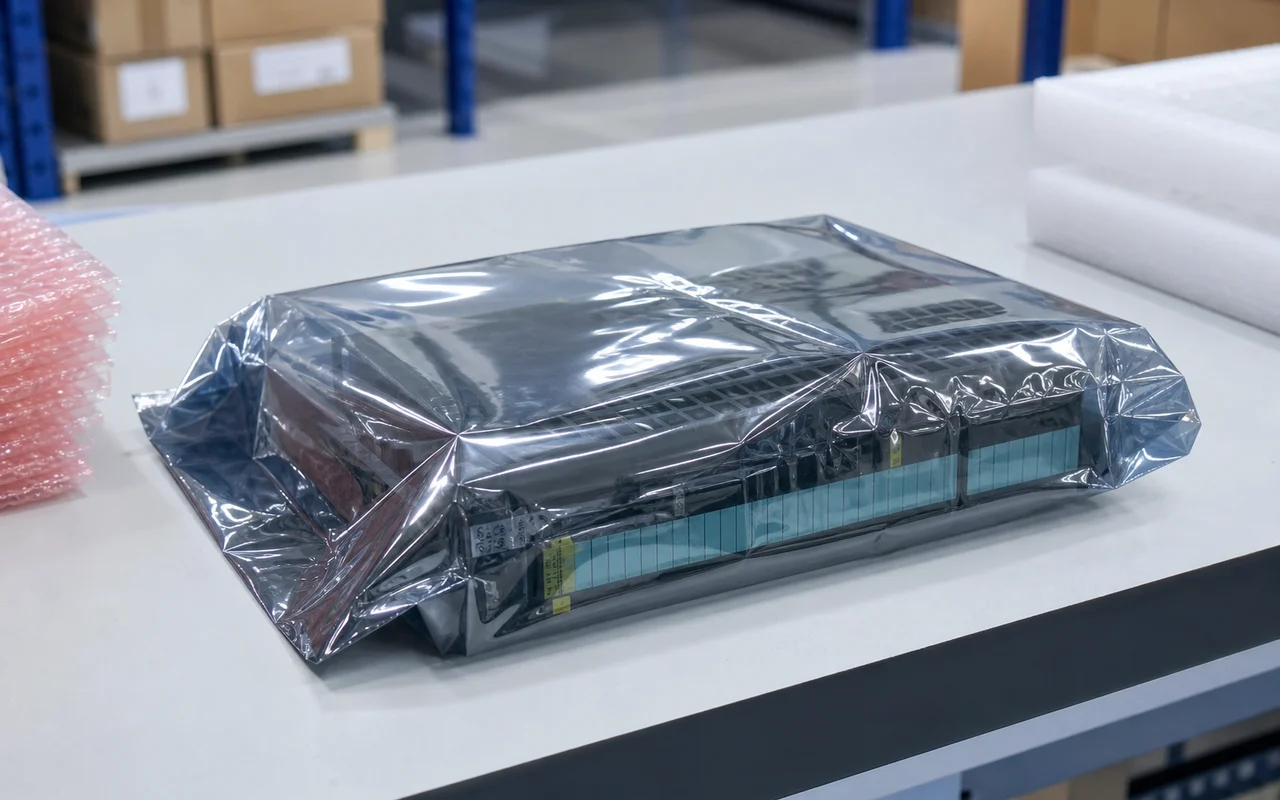 Anti-static Packaging
Modules are packed in anti-static bags to prevent electrostatic damage.
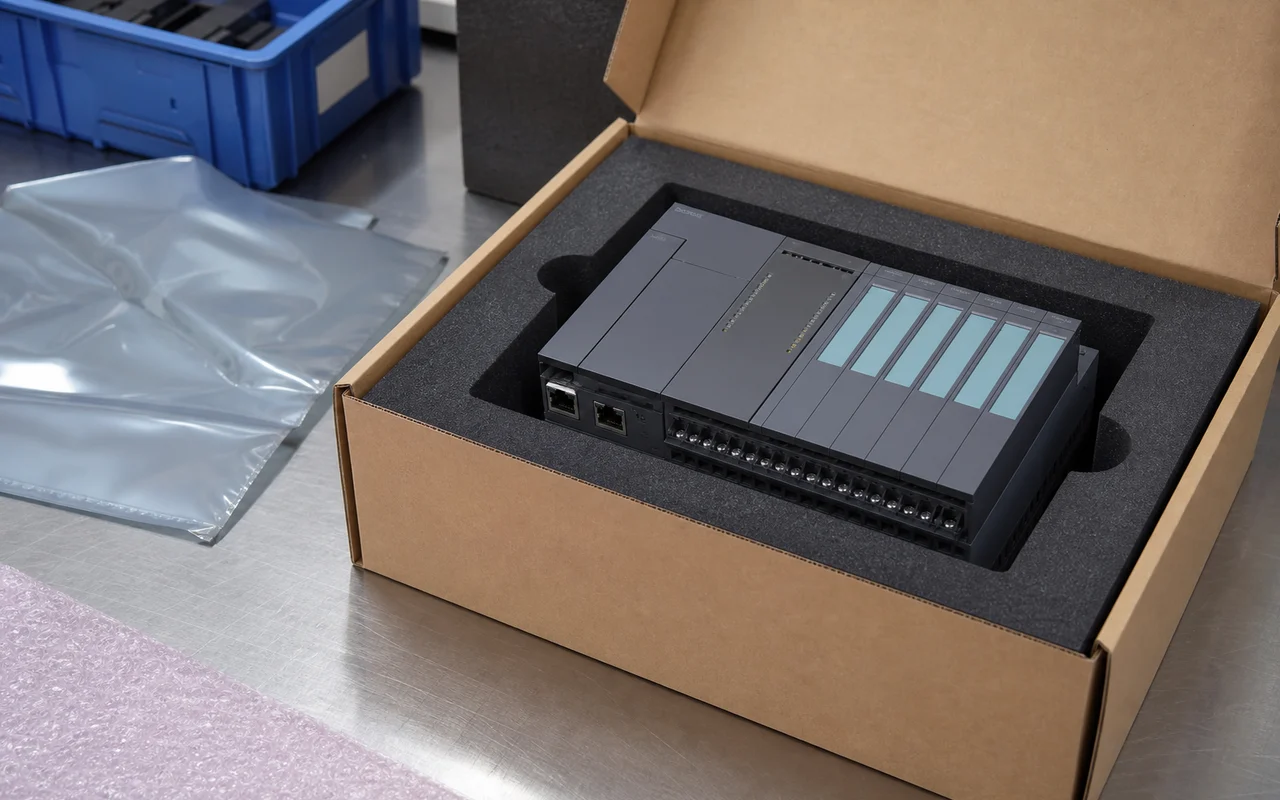 Secure Export Packing
Cushion protection and strong cartons ensure safe transportation.
 Worldwide Shipping
Global logistics network supports air, sea and express delivery.
 Documentation Check
Part number, revision and compatibility verified before shipment.
 After-sales Support
Professional technical support to help resolve your issues.