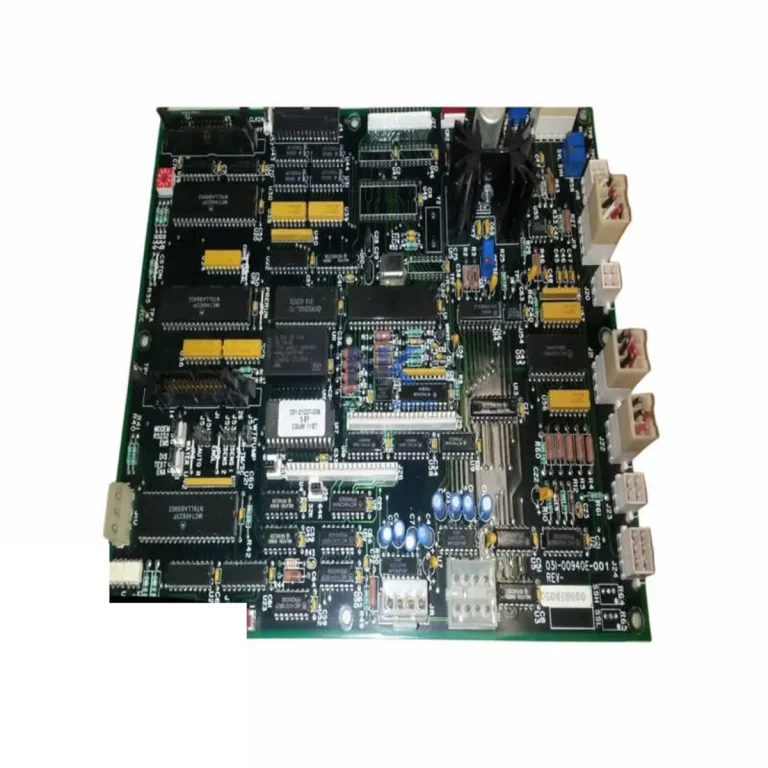
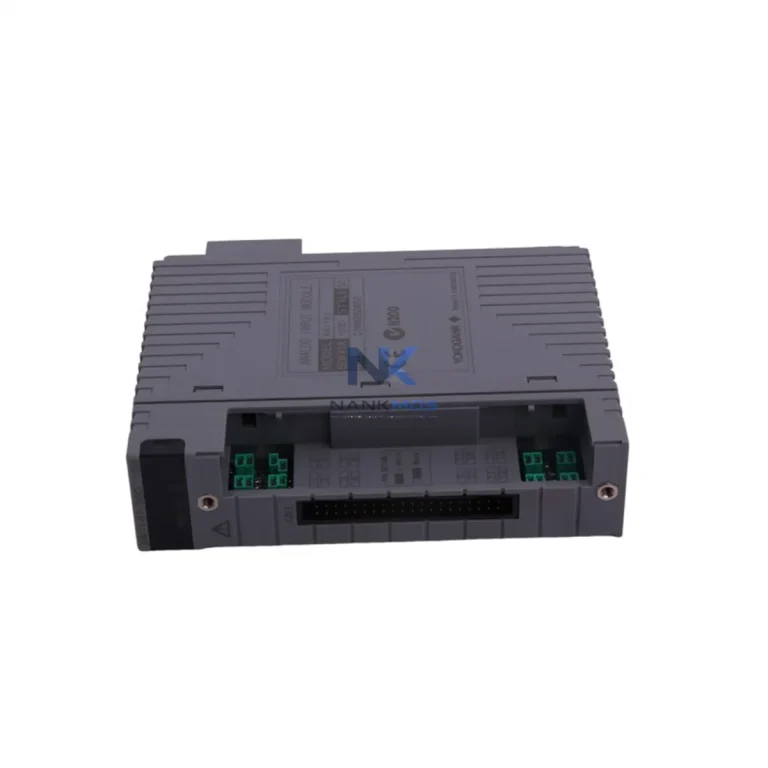
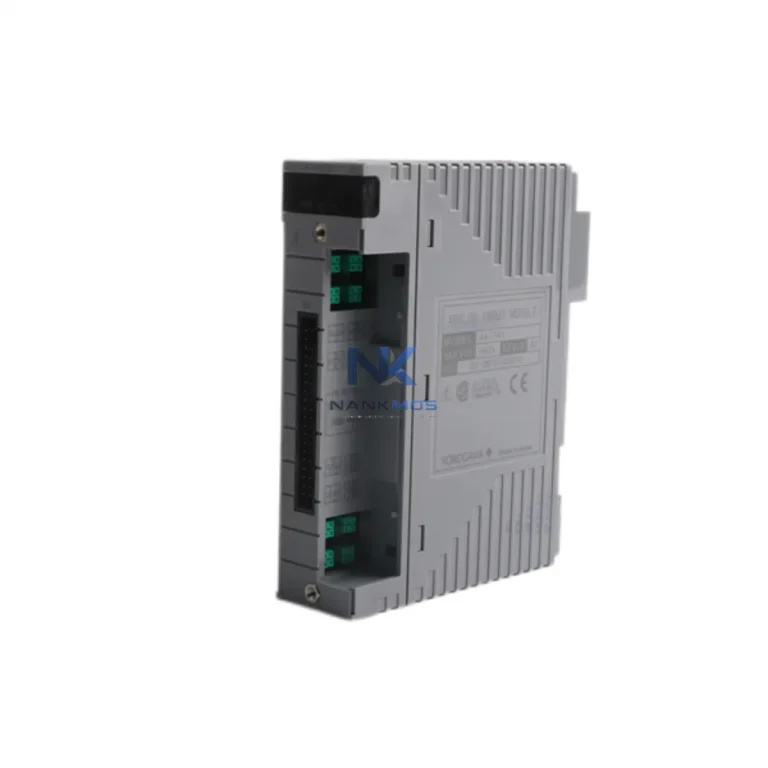
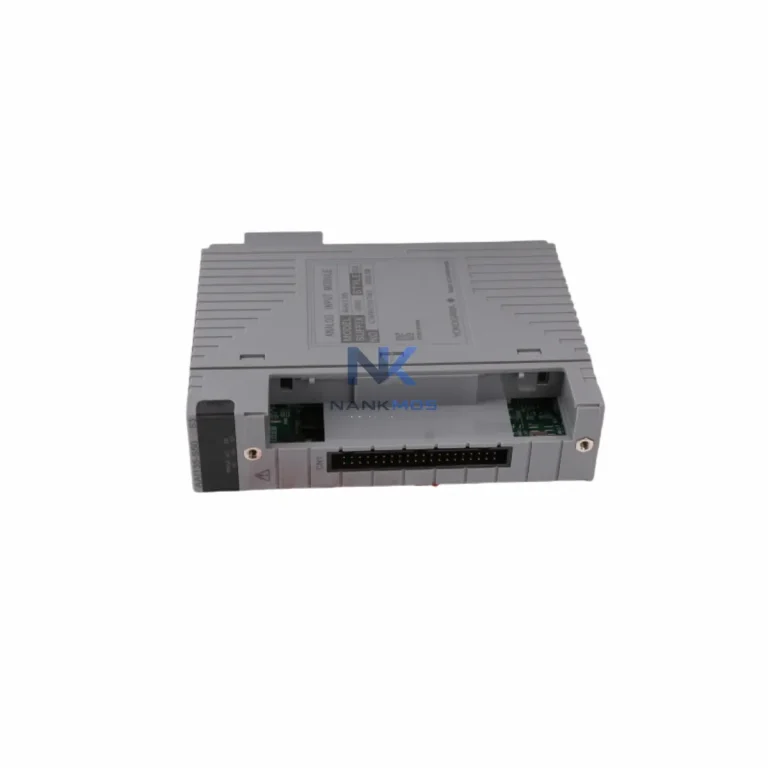
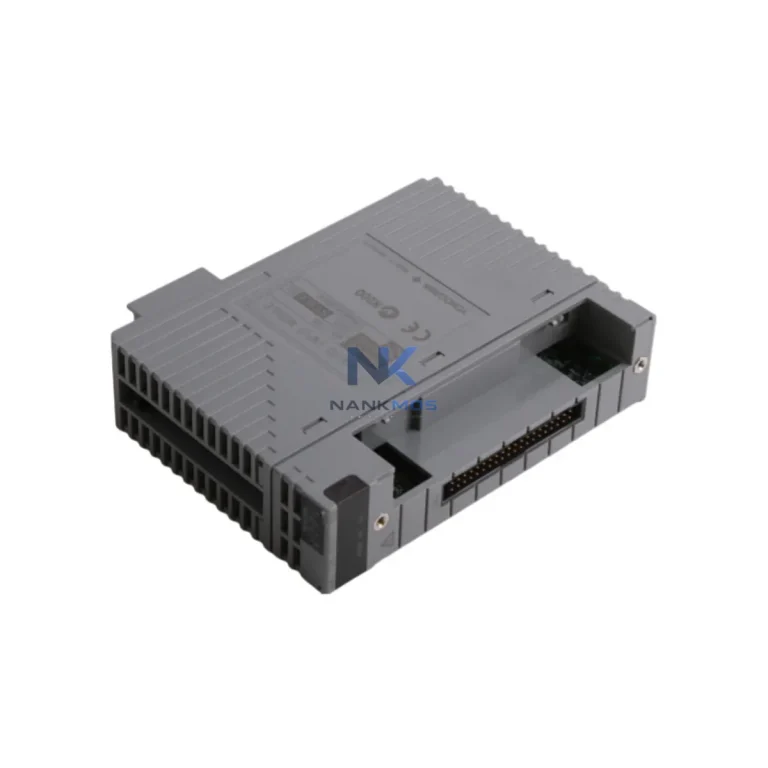
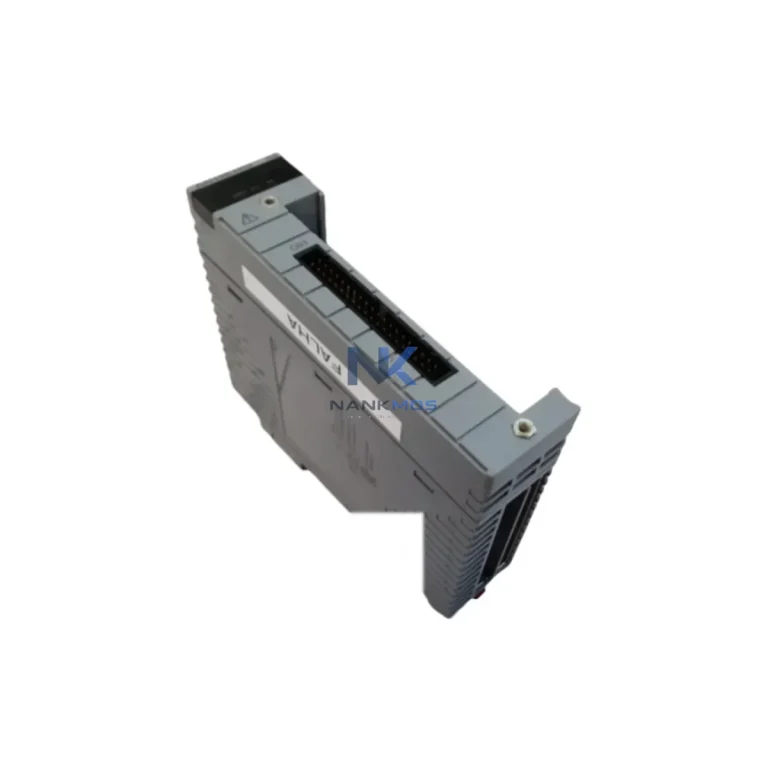
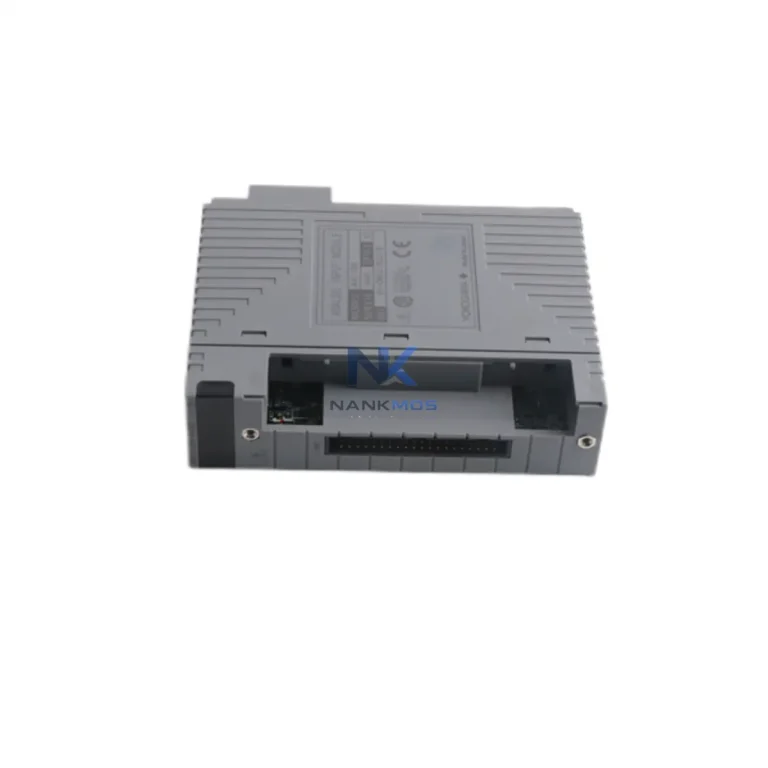
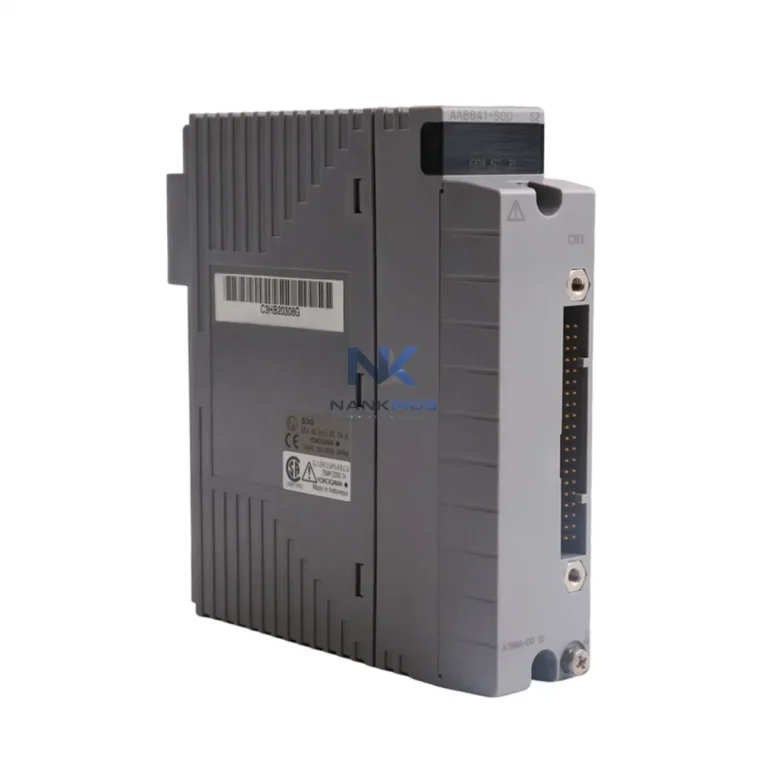
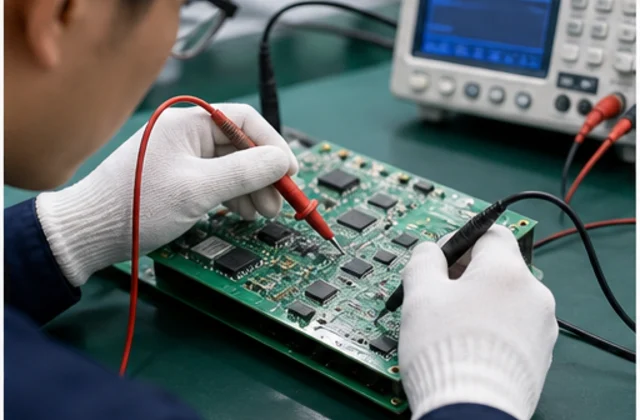
 Functional Inspection
100% tested on professional platforms to ensure stable performance.
Yokogawa NFDV561-P51 S2 is a NANKMOS industrial automation product record Listed under CENTUM VP series and Business & Industrial > Automation, Control & Flow Devices > Programmable Logic Controllers. Confirm condition, availability, lead time, compatibility and documentation by email inquiry.
Brand names are used for identification only.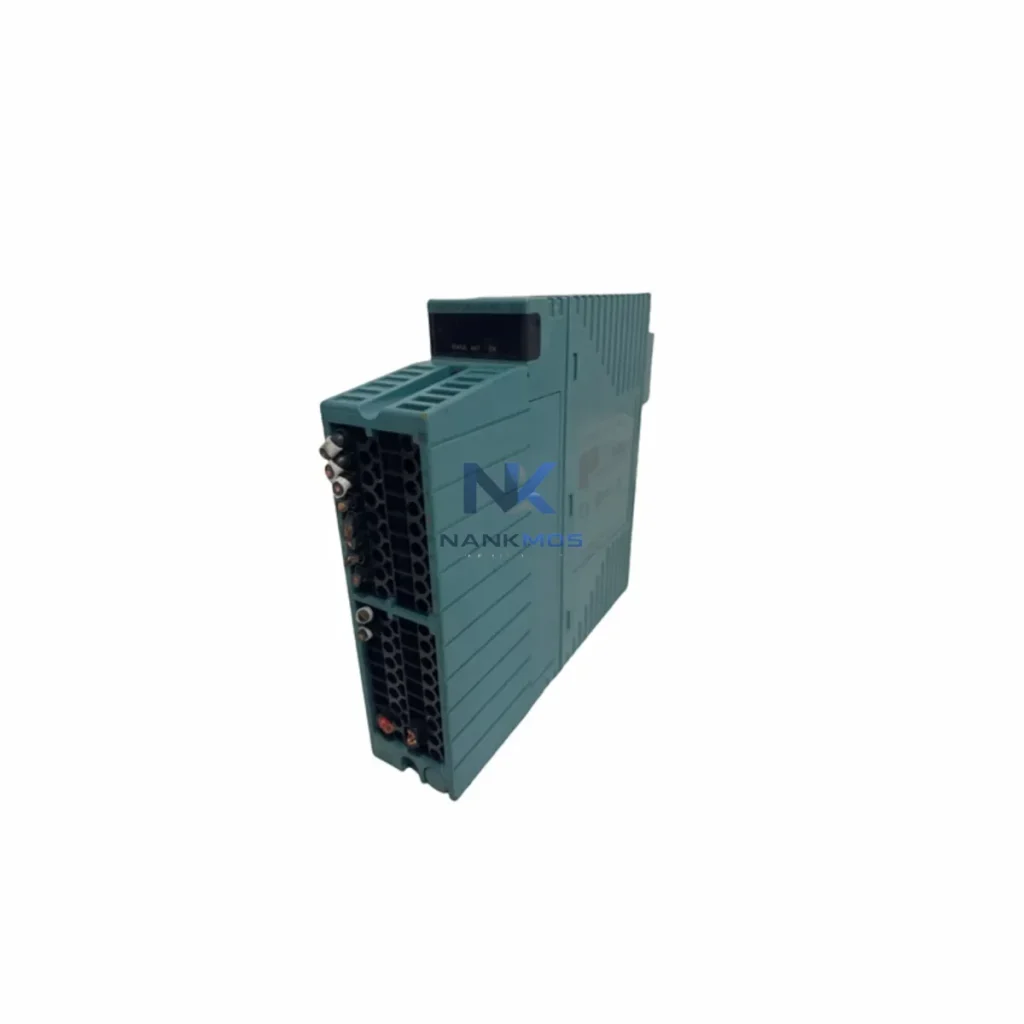
Yokogawa NFDV561-P51 S2 is a NANKMOS industrial automation product record Listed under CENTUM VP series and Business & Industrial > Automation, Control & Flow Devices > Programmable Logic Controllers. Confirm condition, availability, lead time, compatibility and documentation by email inquiry.
| Manufacturer | Yokogawa |
|---|---|
| Application | Controller Processing & System Control |
| Part Number / Model | NFDV561-P51 S2 |
| Compatible System | CENTUM VP |
| Series | CENTUM VP |
| Condition Options | To Confirm |
| Module Type | Controller / CPU Module |
| Warranty | 12 Months |
| Packaging | Anti-static Bag / Secure Box |
| Shipping Methods | DHL / FedEx / UPS / Air / Sea |
| Availability | To Confirm |
| Lead Time | To Confirm |
| Documentation | Part number and revision checked before quote |
The Yokogawa NFDV561-P51/S2 is a high-reliability digital output module engineered for the CENTUM VP Distributed Control System (DCS) platform — one of the most widely deployed process automation architectures in oil & gas, petrochemical, power generation, and advanced manufacturing environments. Designed to operate within Yokogawa's Field I/O (FIO) subsystem, the NFDV561-P51/S2 serves as a critical data link node between the DCS controller domain and field-level actuators, solenoid valves, motor starters, and discrete control devices. Its role in the smart factory data chain extends from signal conditioning at the field terminal to real-time command execution verified at the SCADA and HMI layers.
In modern industrial automation architectures, the integrity of the digital output path directly determines the responsiveness of the entire control loop. The NFDV561-P51/S2 addresses this requirement by delivering deterministic output switching with low-latency command propagation over Yokogawa's Vnet/IP control network — the high-speed Ethernet-based backbone that interconnects CENTUM VP field control stations (FCS), engineering workstations (EWS), and operator stations (OPS). This network architecture ensures that output commands generated at the SCADA supervisory layer or initiated by the DCS logic solver reach field devices within the cycle time constraints demanded by process-critical applications.
The module's compatibility with the FOUNDATION Fieldbus H1 segment interface layer further extends its integration reach, enabling seamless coexistence with intelligent field devices that report diagnostics, valve position feedback, and device health status back through the same data infrastructure. This bidirectional data flow — from field actuator to DCS controller to SCADA historian — forms the backbone of the connected factory data loop that the NFDV561-P51/S2 anchors at the output execution layer.
The NFDV561-P51/S2 operates at the execution terminus of a multi-layer industrial data chain. Understanding its position within the broader system architecture clarifies why module selection at this layer has cascading effects on overall plant connectivity and data transparency.
At the field level, discrete sensors — including proximity switches, pressure switches, and flow switches — feed binary status signals into digital input modules such as the Yokogawa NFDV141 series, which reside in the same FIO node cabinet as the NFDV561-P51/S2. These input signals are processed by the CENTUM VP Field Control Station (FCS) — for example, the PFCS or SFCS controller units — where the DCS application logic evaluates process conditions and generates output commands. The NFDV561-P51/S2 receives these commands over the FIO bus and translates them into hardwired contact closures that actuate solenoid valves, motor control relays, or ESD interlock circuits in the field.
Simultaneously, the Vnet/IP backbone carries real-time process data upward to the CENTUM VP Operator Station (OPS), where operators monitor output states, alarm conditions, and interlock status through the HMI faceplate. The Exaquantum plant information management system (PIMS) historian subscribes to this data stream, archiving output command history and enabling trend analysis for predictive maintenance and regulatory compliance reporting.
For plants integrating third-party SCADA platforms — such as those running Wonderware System Platform, Ignition SCADA, or Siemens WinCC — the CENTUM VP system exposes process data through an OPC-UA server interface, allowing the NFDV561-P51/S2's output states to be visible across the enterprise data layer without proprietary middleware. Edge gateway devices, such as the Yokogawa OpreX Field Device Advisor or compatible Moxa industrial Ethernet gateways, can further bridge FIO node data to cloud-based analytics platforms, enabling remote diagnostics and digital twin synchronisation.
In multi-node FIO cabinet configurations, the NFDV561-P51/S2 coexists with analog output modules such as the NFAV561 series and communication interface modules including the NFCP701 node controller, which manages FIO bus arbitration and ensures deterministic scan cycle performance across all I/O modules in the node. This modular architecture allows engineers to expand digital output capacity incrementally without disrupting existing wiring or reconfiguring the DCS database — a key advantage in brownfield plant upgrades and capacity expansion projects.
Protocol fragmentation is one of the most persistent challenges in industrial automation environments where legacy PLCs, third-party RTUs, and modern DCS platforms must coexist. The CENTUM VP platform — and by extension the NFDV561-P51/S2 — addresses this through its native OPC-UA publication capability, which allows downstream SCADA systems to consume DCS output state data using a vendor-neutral protocol without requiring custom drivers or protocol converters.
Data island elimination is achieved through the Vnet/IP network's unified data model, which ensures that every I/O module — including the NFDV561-P51/S2 — is addressable from any node on the control network. This eliminates the isolated data pockets that commonly arise when field I/O is managed by standalone PLCs or remote terminal units with no upward data path to the plant historian or SCADA layer.
Remote monitoring and diagnostics are supported through the CENTUM VP's built-in self-diagnostic framework. The NFDV561-P51/S2 reports module health status — including output circuit continuity, power supply integrity, and communication link quality — to the FCS, which forwards diagnostic alarms to the OPS and can trigger automated notifications to maintenance management systems via the plant's alarm management infrastructure. This capability reduces unplanned downtime by enabling condition-based maintenance scheduling rather than time-based replacement cycles.
Production line transparency is enhanced when the NFDV561-P51/S2's output command log is integrated with the Exaquantum historian and visualised through dashboards built on tools such as Yokogawa OpreX Operations or third-party BI platforms connected via OPC-UA. Operators and plant managers gain real-time visibility into output actuation frequency, interlock trip history, and valve cycling patterns — data that directly informs process optimisation and equipment life extension decisions.
System scalability is a core design principle of the FIO architecture. Additional NFDV561-P51/S2 modules can be added to existing FIO node cabinets without modifying the FCS controller hardware, provided node I/O capacity limits are observed. This plug-and-expand capability supports phased plant digitalisation programmes where new process units are brought online incrementally while maintaining a unified data infrastructure.
Q1: What communication protocols does the NFDV561-P51/S2 support, and is it compatible with third-party SCADA systems? The NFDV561-P51/S2 communicates natively over Yokogawa's Vnet/IP Ethernet-based DCS backbone and interfaces with the CENTUM VP FCS via the FIO bus. For third-party SCADA integration, the CENTUM VP platform provides an OPC-UA server interface, enabling systems such as Ignition SCADA, Wonderware, and Siemens WinCC to read output states and alarm data without proprietary middleware. Direct MODBUS or PROFIBUS connectivity requires an additional protocol gateway module.
Q2: How does the module handle network latency and ensure deterministic output switching in time-critical applications? The NFDV561-P51/S2 operates within the CENTUM VP FIO scan cycle, which is managed by the NFCP701 node controller. The FIO bus uses a deterministic polling architecture that guarantees output command delivery within the configured scan period — typically 100 ms to 1 second depending on FCS configuration. Vnet/IP's Ethernet backbone provides sufficient bandwidth to ensure that command propagation latency from the DCS logic solver to the output module does not introduce measurable process control degradation under normal network load conditions.
Q3: Can the NFDV561-P51/S2 be used in redundant configurations, and what happens during a module or network failure? The CENTUM VP platform supports dual-redundant FCS configurations where the FIO node and its I/O modules — including the NFDV561-P51/S2 — are shared between primary and secondary controllers. In the event of a primary FCS failure, the secondary FCS assumes control within the bumpless switchover time specified by Yokogawa, maintaining output states without process interruption. Module-level faults are reported as diagnostic alarms to the OPS, and the FCS can be configured to hold last output state or drive outputs to a defined safe state upon communication loss.
Q4: What does the 12-Month Warranty cover, and has the unit been tested prior to shipment? Every NFDV561-P51/S2 unit supplied by NANKMOS is covered by a 12-Month Warranty from the date of shipment, covering manufacturing defects and functional failures under normal operating conditions. Prior to dispatch, each unit undergoes outgoing quality inspection including power-on functional verification and visual inspection for physical integrity. Units are shipped in anti-static protective packaging with full traceability documentation. For warranty claims or technical support, contact [email protected] or call +86 18359268345.
Functional Inspection100% tested on professional platforms to ensure stable performance.
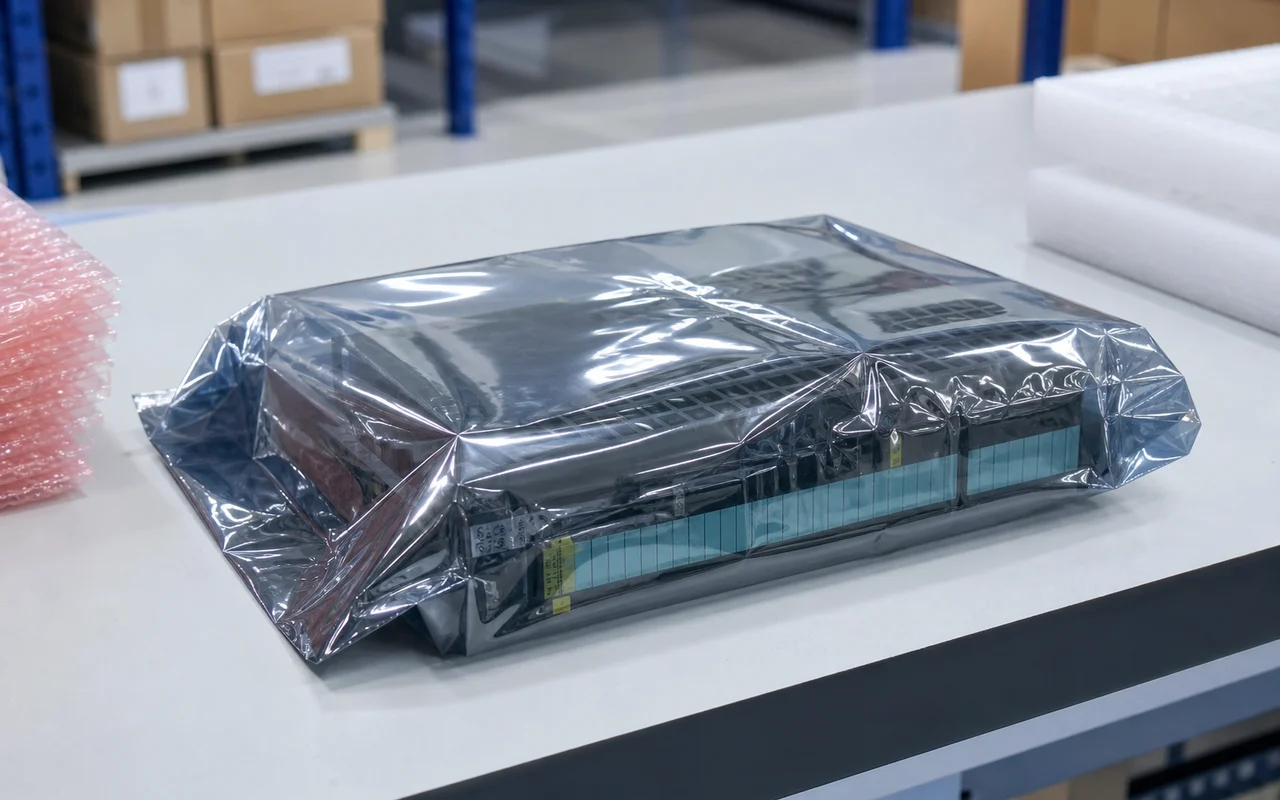 Anti-static Packaging
Modules are packed in anti-static bags to prevent electrostatic damage.
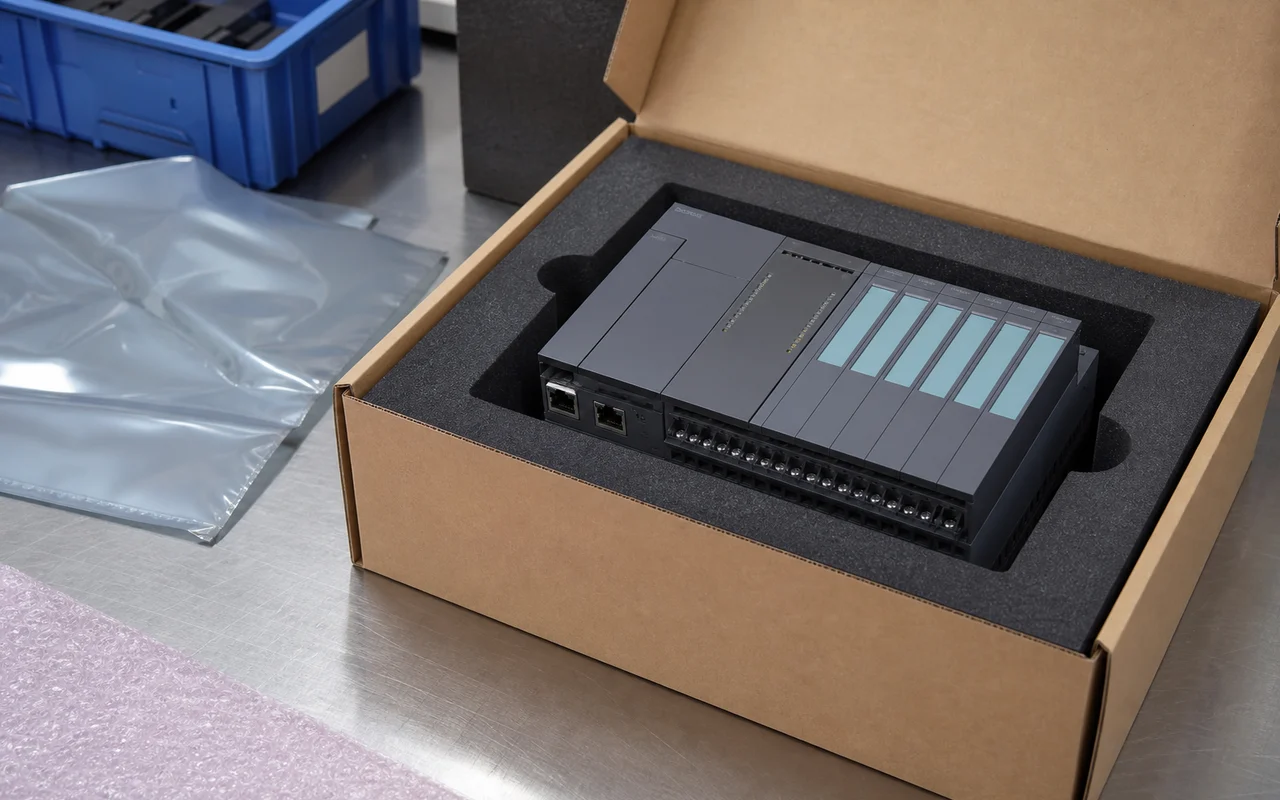 Secure Export Packing
Cushion protection and strong cartons ensure safe transportation.
 Worldwide Shipping
Global logistics network supports air, sea and express delivery.
 Documentation Check
Part number, revision and compatibility verified before shipment.
 After-sales Support
Professional technical support to help resolve your issues.