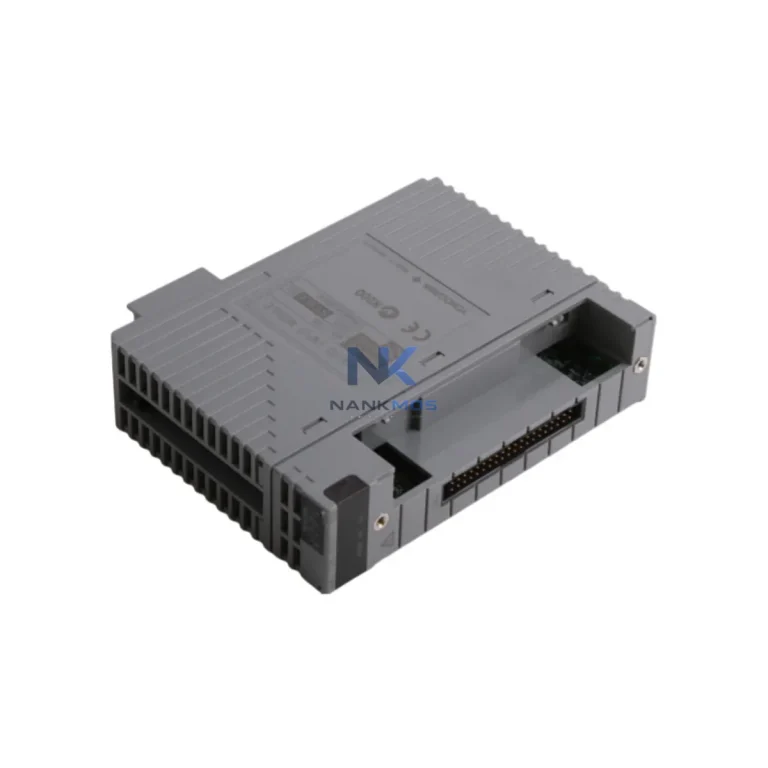
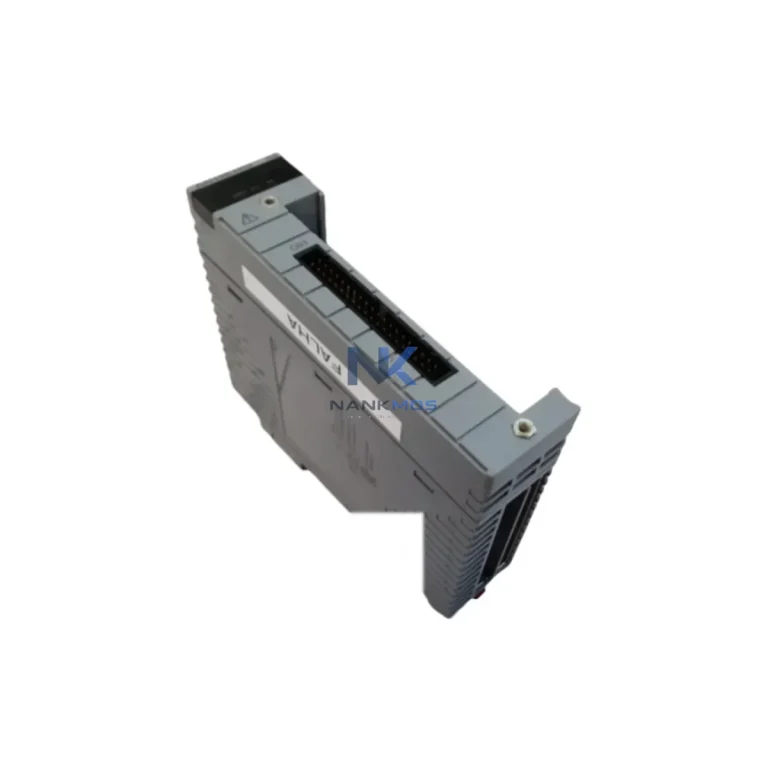
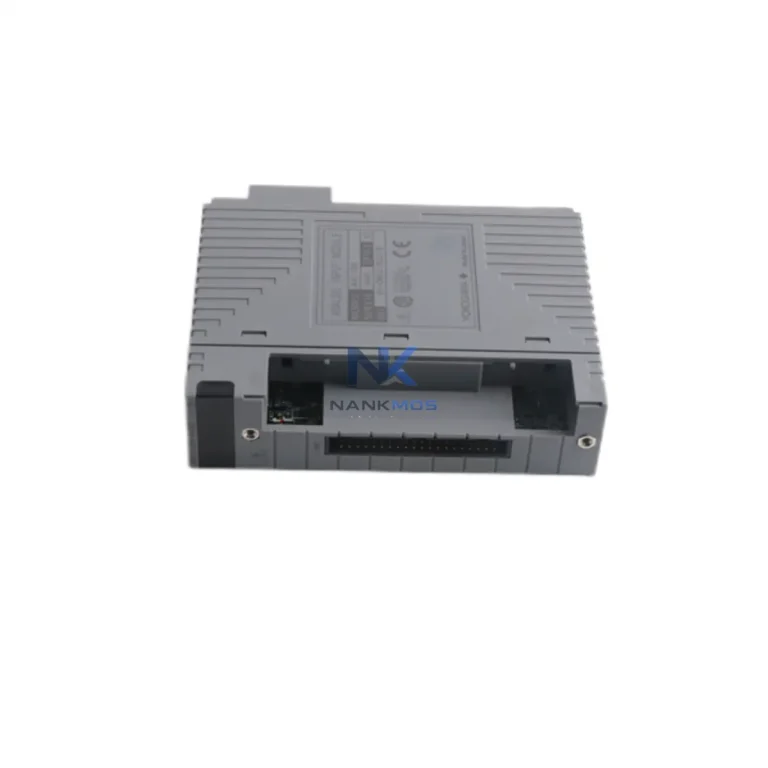
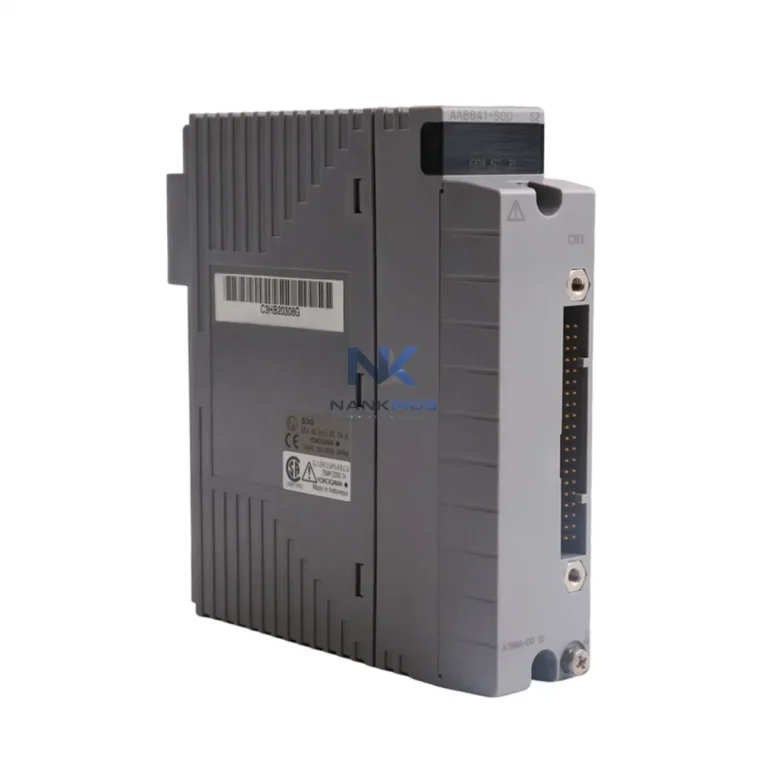
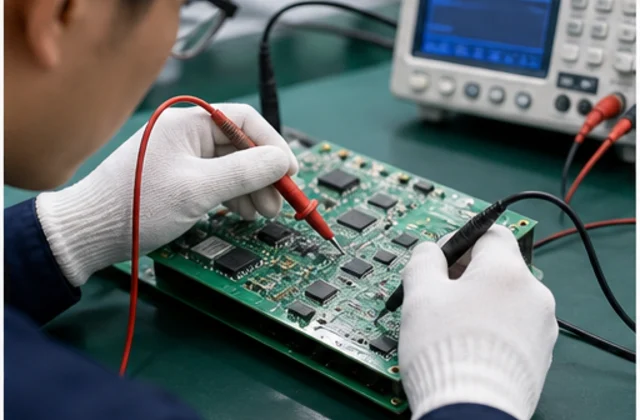
 Functional Inspection
100% tested on professional platforms to ensure stable performance.
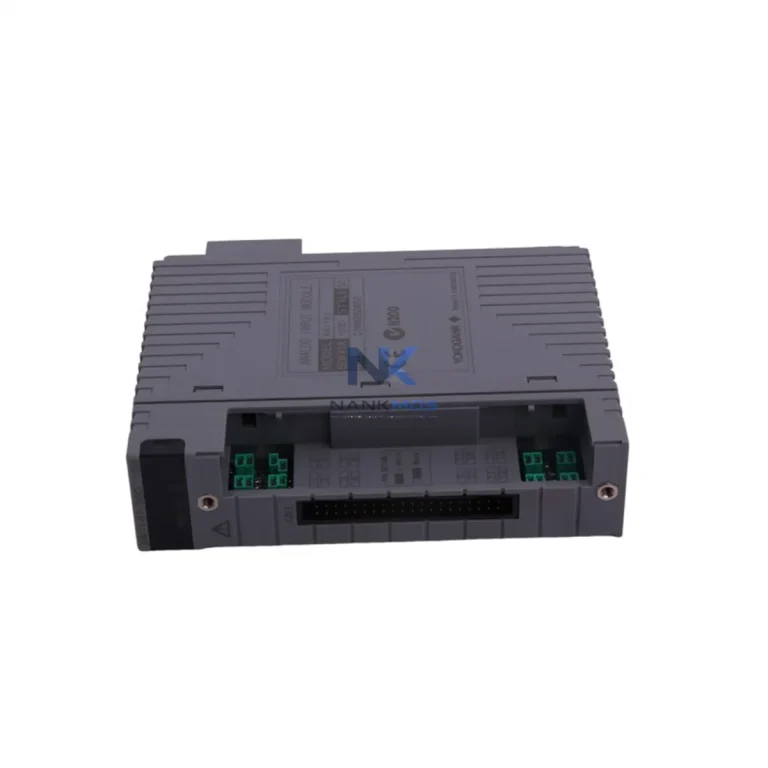
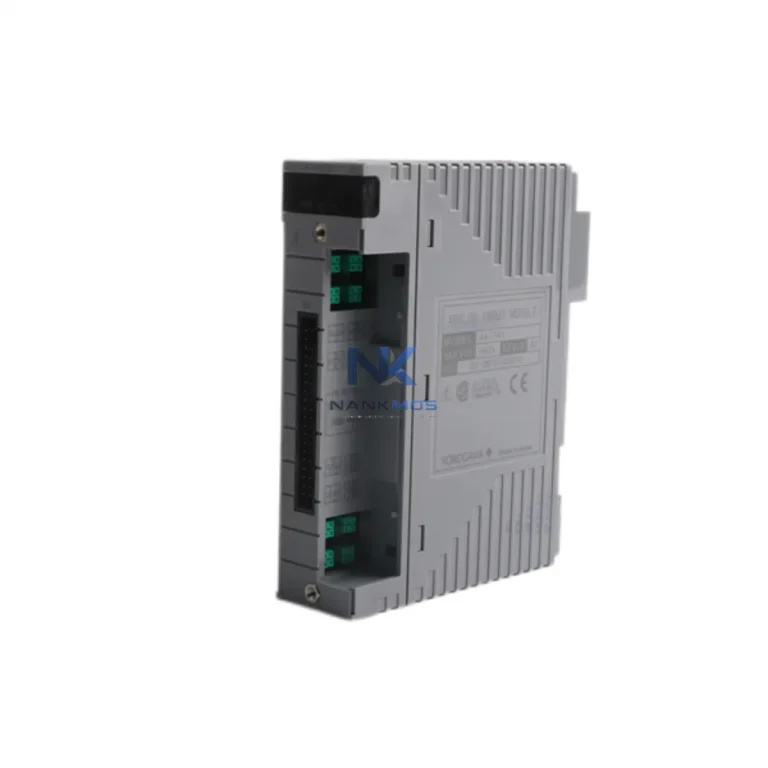
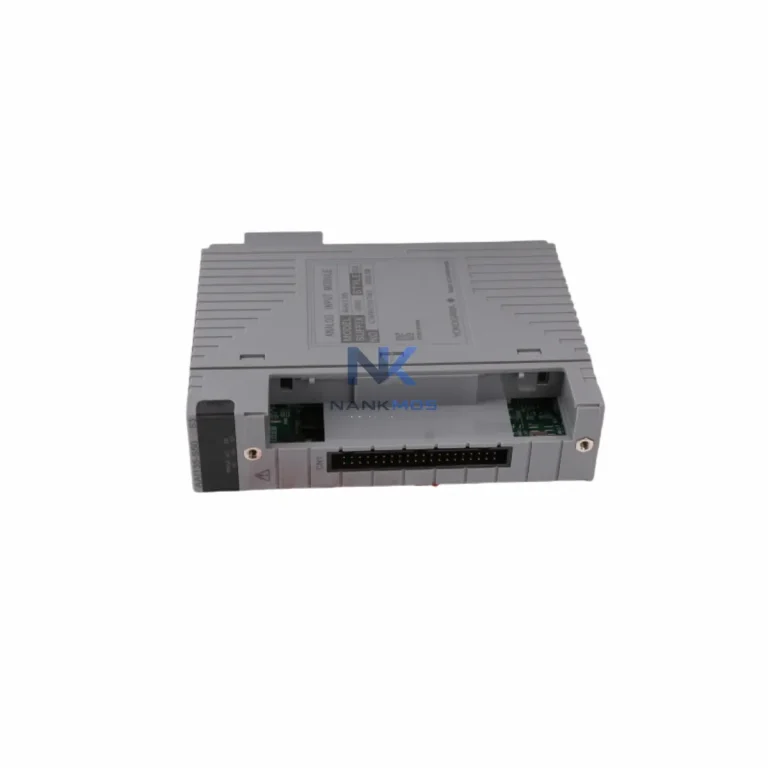
Yokogawa RB301 S2 is a NANKMOS industrial automation product record Listed under CENTUM VP series and Business & Industrial > Automation, Control & Flow Devices > Programmable Logic Controllers. Confirm condition, availability, lead time, compatibility and documentation by email inquiry.
Brand names are used for identification only.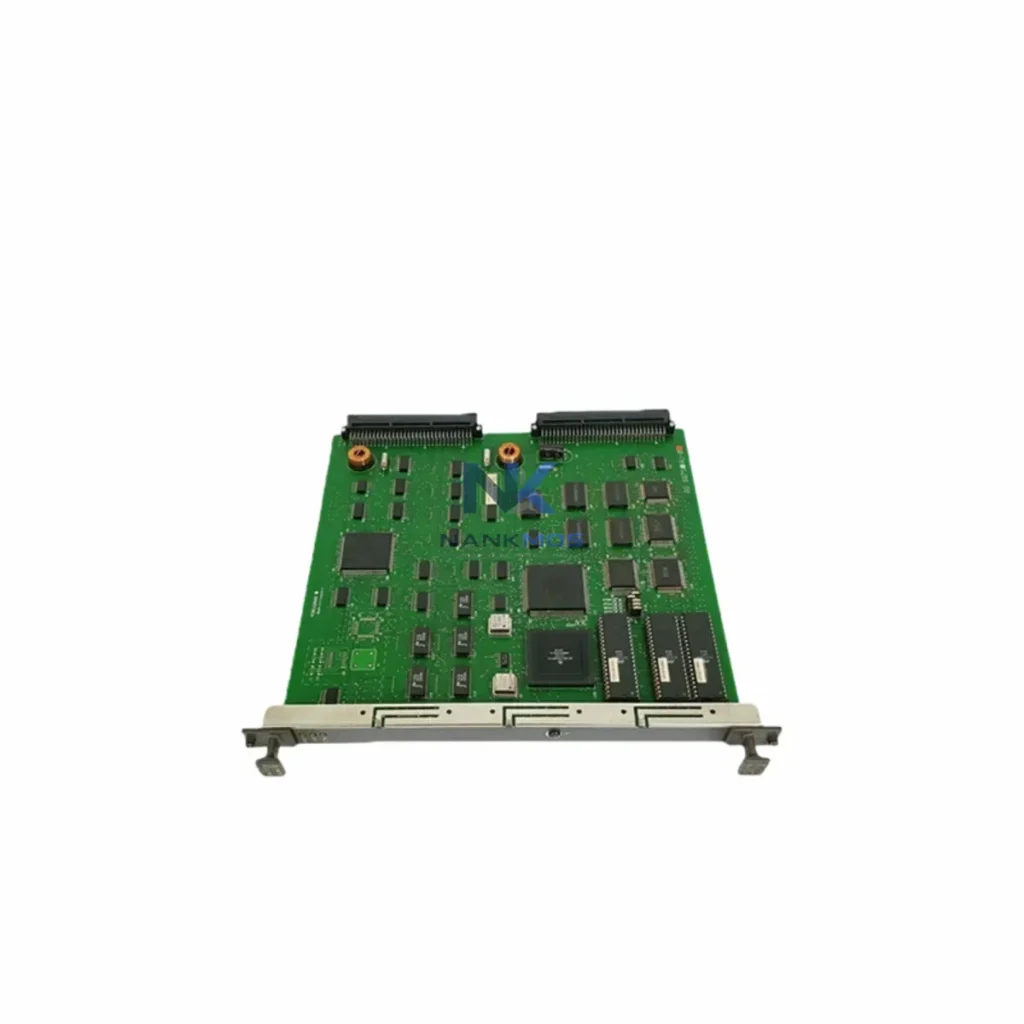
Yokogawa RB301 S2 is a NANKMOS industrial automation product record Listed under CENTUM VP series and Business & Industrial > Automation, Control & Flow Devices > Programmable Logic Controllers. Confirm condition, availability, lead time, compatibility and documentation by email inquiry.
| Manufacturer | Yokogawa |
|---|---|
| Application | Controller Processing & System Control |
| Part Number / Model | RB301 S2 |
| Compatible System | CENTUM VP |
| Series | CENTUM VP |
| Condition Options | To Confirm |
| Module Type | Controller / CPU Module |
| Warranty | 12 Months |
| Packaging | Anti-static Bag / Secure Box |
| Shipping Methods | DHL / FedEx / UPS / Air / Sea |
| Availability | To Confirm |
| Lead Time | To Confirm |
| Documentation | Part number and revision checked before quote |
The Yokogawa RB301-S2 is a high-performance RIO (Remote I/O) bus master interface module designed for the Centum VP distributed control system platform. As a core energy-control node within process automation architectures, the RB301-S2 governs real-time data exchange between the field device layer and the central control domain — enabling precise load management, reduced idle-state energy consumption, and optimized production line throughput. Engineered for continuous-duty industrial environments including petrochemical, power generation, pulp and paper, and pharmaceutical manufacturing, this module delivers deterministic communication latency and robust fault tolerance that directly supports energy-efficient plant operations. The RB301-S2 operates as the RIO bus master card within the Centum VP field control station (FCS), coordinating cyclic polling of remote I/O nodes across the RIO bus network. By centralizing bus arbitration and minimizing redundant scan cycles, the module reduces unnecessary CPU load on the FCS processor and lowers the aggregate power draw of the control network. In energy-intensive production environments, this translates to measurable reductions in thermal load across the control cabinet, extending the service life of adjacent components and reducing cooling overhead.
Within a fully integrated Centum VP architecture, the RB301-S2 functions as the communication backbone between the field control station and distributed remote I/O units. Its role in power-aware automation becomes evident when examined alongside the broader system topology. The Yokogawa AFV10D field control unit, which houses the RB301-S2, manages multiple RIO bus segments simultaneously, allowing the control engineer to partition I/O loads across bus channels and avoid peak-demand spikes that would otherwise stress the plant power distribution network.
On the field side, Yokogawa AXFA11 magnetic flowmeters and EJA110E differential pressure transmitters feed real-time process data through the RIO bus to the FCS. The RB301-S2 ensures that this sensor data is delivered with minimal latency and without redundant retransmission, preserving bus bandwidth and reducing the energy overhead associated with error recovery cycles. When paired with the Yokogawa RM35D remote I/O module, the RB301-S2 enables granular I/O segmentation — allowing engineers to power down unused I/O segments during low-production periods, a key lever in shift-based energy management strategies.
At the drive layer, variable frequency drives (VFDs) such as the Yokogawa WT series power analyzers monitor motor energy consumption in real time. The RB301-S2 facilitates the closed-loop feedback path between these power monitoring instruments and the FCS, enabling the DCS to issue speed-reference adjustments to motor drives based on actual load demand rather than fixed setpoints. This demand-responsive control strategy is central to reducing energy waste in pump, compressor, and fan applications — often the largest energy consumers in process plants.
For operator visibility, the Centum VP HIS (Human Interface Station) presents energy KPIs derived from data aggregated through the RB301-S2 bus master. Operators can monitor per-segment power consumption trends, identify anomalous load spikes, and initiate corrective actions without leaving the DCS console. Integration with the Yokogawa Exaquantum plant information management system (PIMS) further extends this visibility to long-term energy trend analysis and regulatory reporting.
Communication interoperability is handled through the Centum VP's built-in support for FOUNDATION Fieldbus, HART, and Modbus protocols, with the RB301-S2 serving as the RIO-layer bridge that connects legacy and modern field devices within a unified control namespace. This eliminates the need for protocol converters that would otherwise introduce additional power draw and potential failure points into the architecture.
Production line energy optimization with the RB301-S2 begins at the scheduling layer. By providing the FCS with accurate, low-latency I/O data, the module enables the DCS to implement time-of-use energy strategies — shifting non-critical loads to off-peak periods, staggering motor startups to avoid demand charges, and coordinating equipment shutdown sequences that prevent energy-wasting coast-down cycles.
In batch manufacturing environments, the RB301-S2 supports recipe-driven control sequences that automatically adjust I/O scan rates and polling priorities based on the current production phase. During idle or changeover periods, the FCS can reduce the active scan window for non-critical I/O nodes, lowering the aggregate bus utilization and the associated power draw of the RIO network. This adaptive scan management capability is particularly valuable in multi-product facilities where production schedules vary significantly across shifts.
Predictive maintenance integration is another dimension of energy optimization enabled by the RB301-S2. By continuously monitoring the health of RIO bus communication — tracking error rates, retry counts, and node response times — the module provides early warning indicators of field device degradation. Addressing these issues proactively prevents the energy-inefficient operating conditions that accompany failing sensors, sticky control valves, or degraded motor insulation: conditions that cause the DCS to issue excessive corrective control actions and drive up energy consumption.
Thermal load management within the control cabinet is also improved by the RB301-S2's efficient bus arbitration design. By minimizing unnecessary bus traffic and reducing the duty cycle of the bus master processor, the module generates less heat than earlier-generation RIO master cards. In high-density cabinet installations, this reduction in internal heat generation can meaningfully reduce the runtime of cabinet cooling systems — a secondary but significant source of energy savings in large DCS installations.
NANKMOS maintains verified inventory of the Yokogawa RB301-S2, with each unit subject to pre-shipment functional testing to confirm bus master initialization, RIO node enumeration, and communication integrity. Units are shipped with full documentation and are covered by a 12-Month Warranty, providing procurement teams with the supply chain confidence required for planned maintenance outages and capital project timelines.
Q1: What energy efficiency benefits does the Yokogawa RB301-S2 provide in a Centum VP system? The RB301-S2 reduces energy waste by minimizing redundant RIO bus polling cycles, lowering FCS processor load, and enabling demand-responsive I/O scheduling. In conjunction with power monitoring instruments and VFDs connected through the Centum VP FCS, it supports closed-loop energy management strategies that reduce motor and drive energy consumption across the production line.
Q2: Is the RB301-S2 compatible with both Centum VP and Centum CS 3000 platforms? Yes. The RB301-S2 is designed for use within Yokogawa's Centum platform family, including Centum VP and Centum CS 3000 field control stations. Compatibility with specific FCS hardware revisions and firmware versions should be confirmed against the Yokogawa system configuration guide for your installation. NANKMOS technical support can assist with compatibility verification prior to purchase.
Q3: What is the recommended replacement or upgrade path for aging RIO bus master cards? For facilities operating legacy Centum CS 3000 or early Centum VP installations, the RB301-S2 represents a direct replacement option that restores full RIO bus master functionality without requiring FCS chassis modifications. Where a full DCS modernization is planned, Yokogawa's migration tools support a phased transition that preserves existing I/O wiring and field device investments while upgrading the control and communication layers.
Q4: What pre-shipment testing is performed, and what does the 12-Month Warranty cover? Each RB301-S2 unit shipped by NANKMOS undergoes functional verification including bus master initialization, RIO node enumeration, and communication integrity testing. The 12-Month Warranty covers manufacturing defects and functional failures under normal operating conditions. Units are available from verified inventory with typical lead times suitable for both planned maintenance and emergency replacement scenarios.
Functional Inspection100% tested on professional platforms to ensure stable performance.
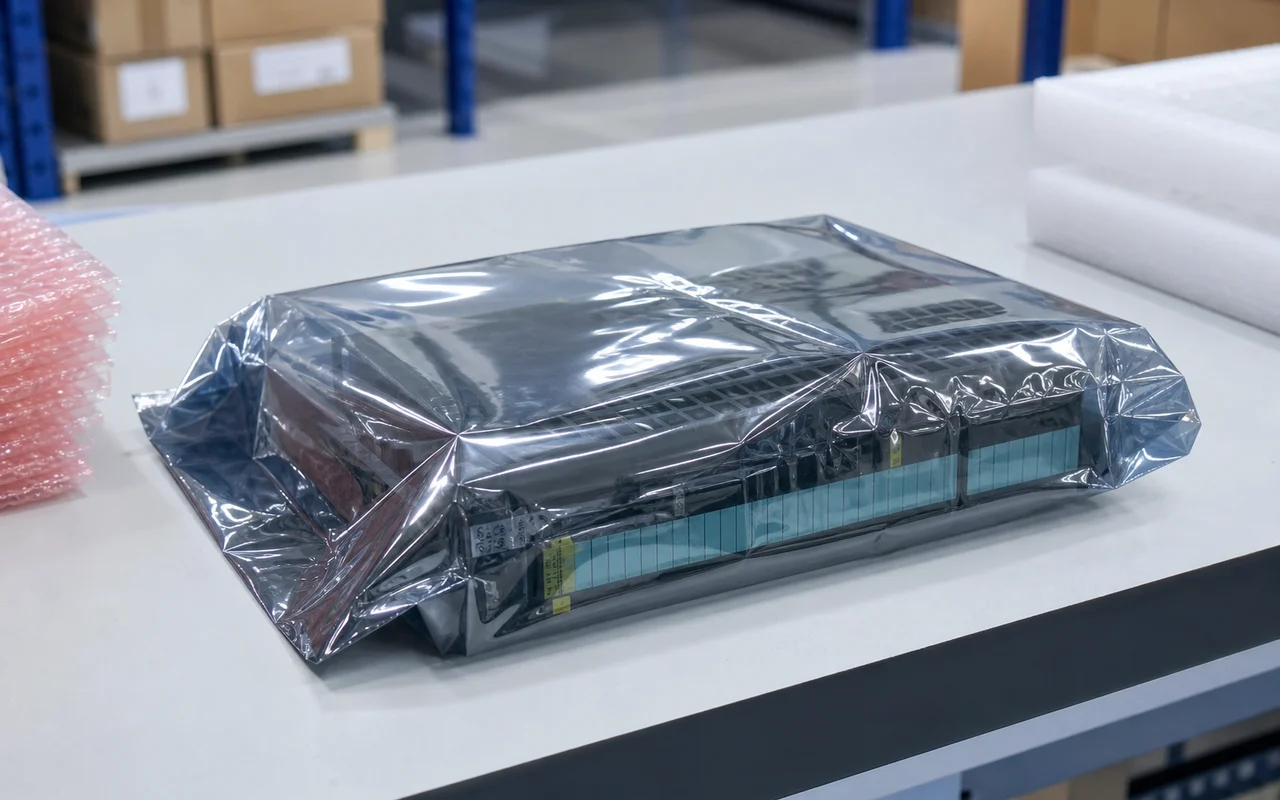 Anti-static Packaging
Modules are packed in anti-static bags to prevent electrostatic damage.
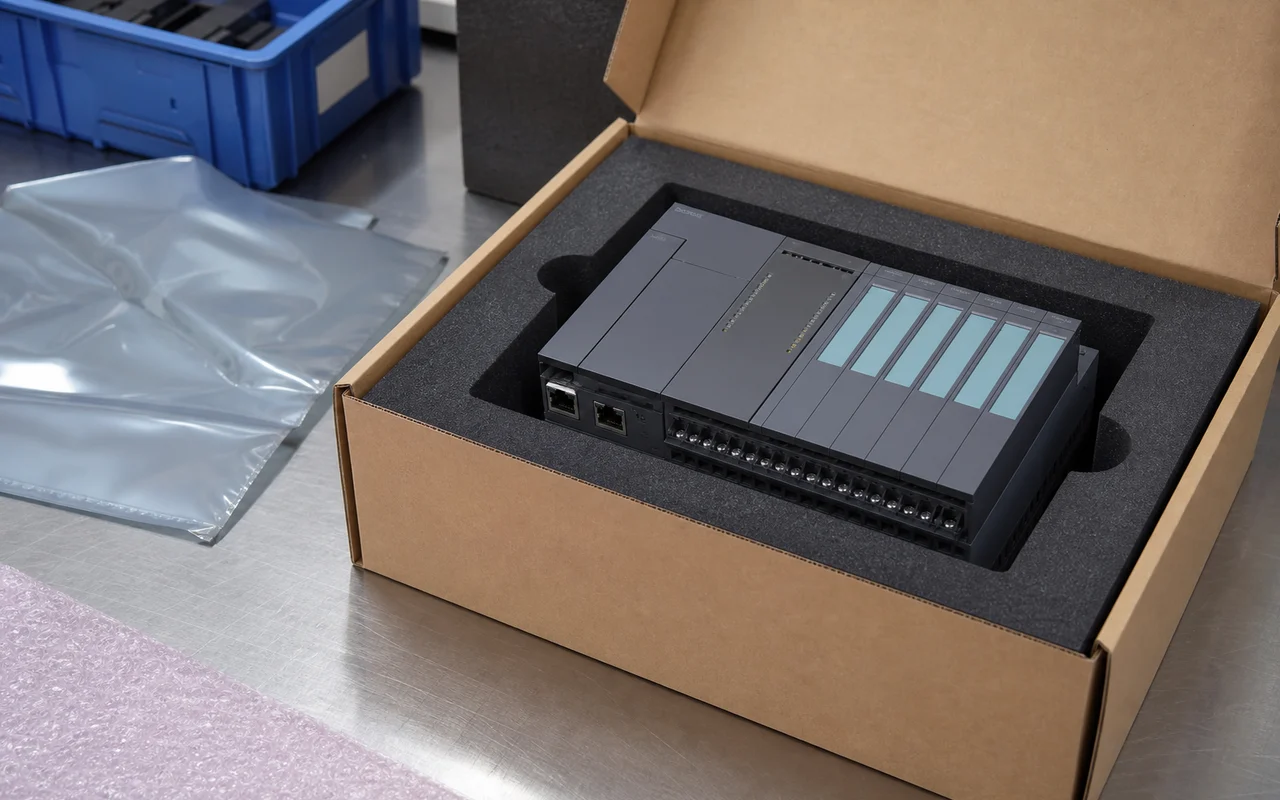 Secure Export Packing
Cushion protection and strong cartons ensure safe transportation.
 Worldwide Shipping
Global logistics network supports air, sea and express delivery.
 Documentation Check
Part number, revision and compatibility verified before shipment.
 After-sales Support
Professional technical support to help resolve your issues.