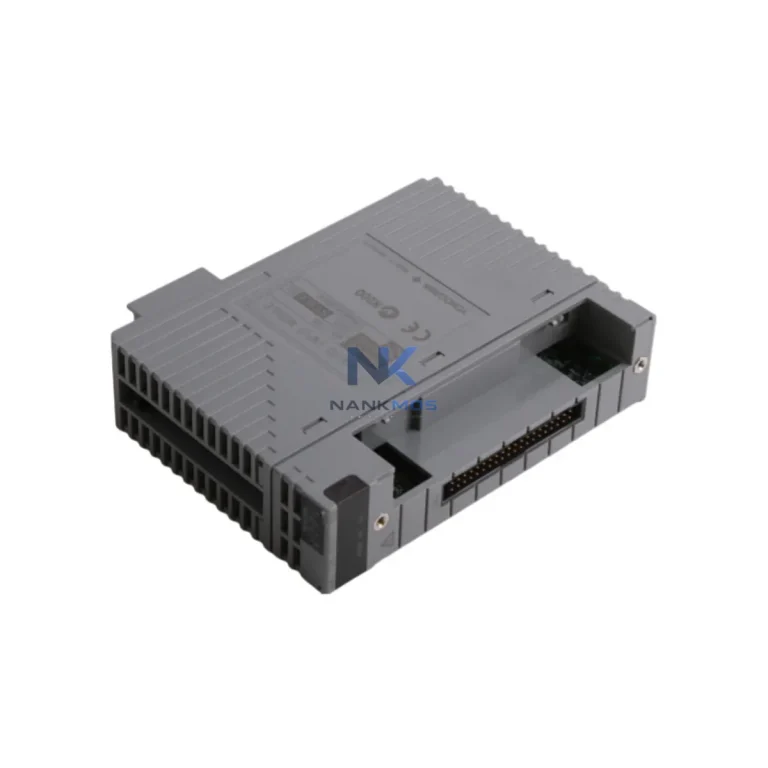
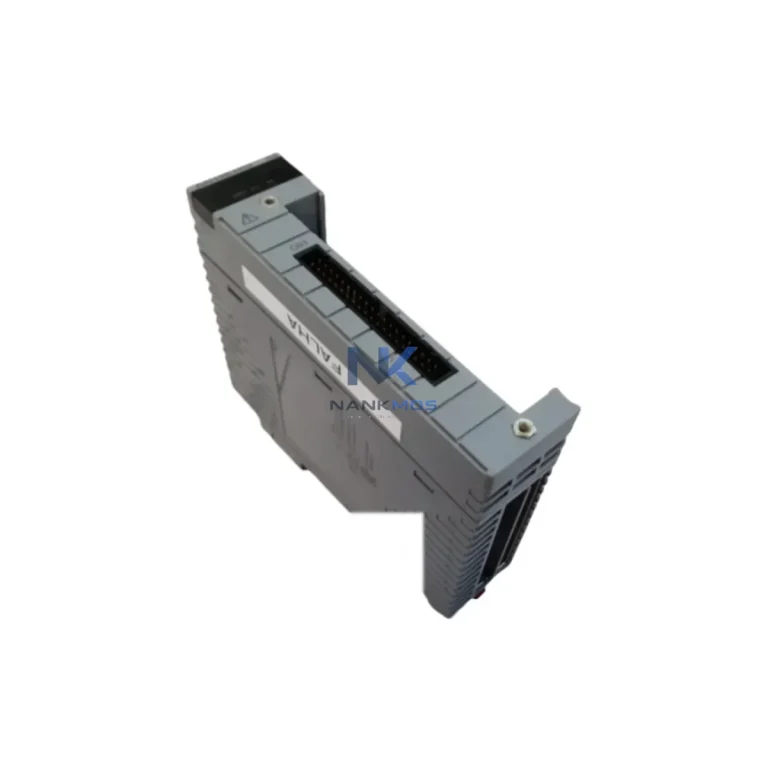
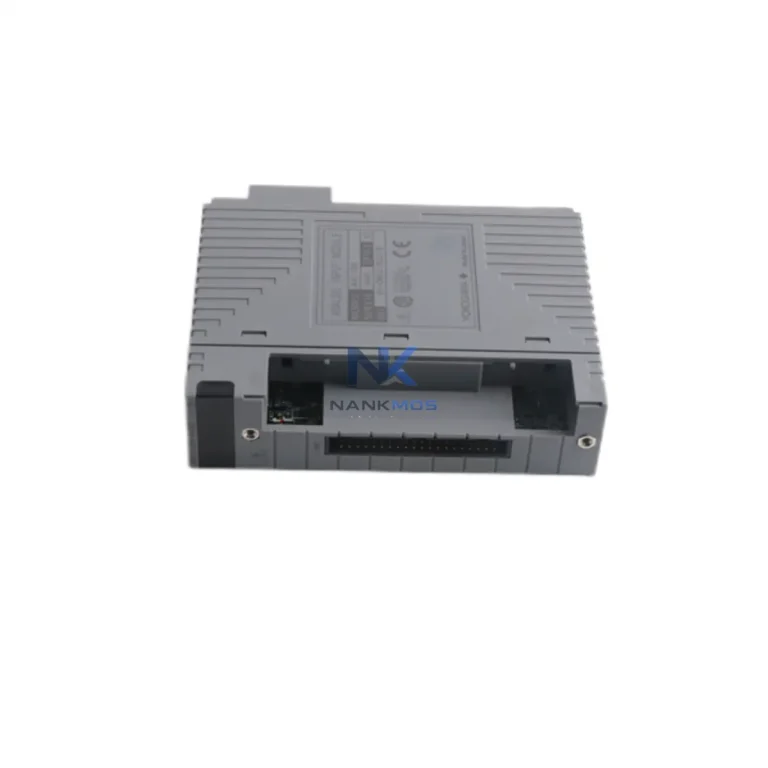
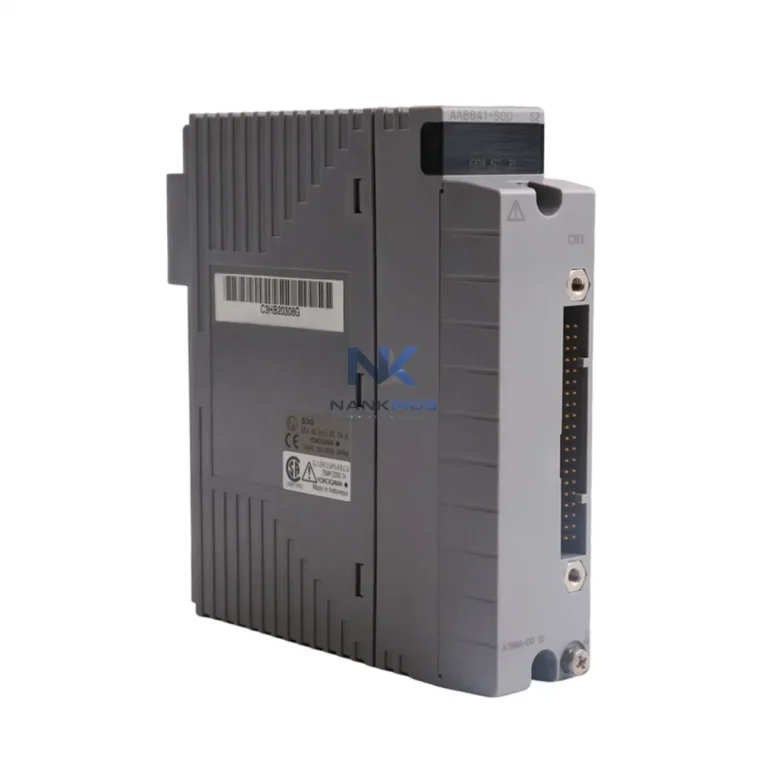
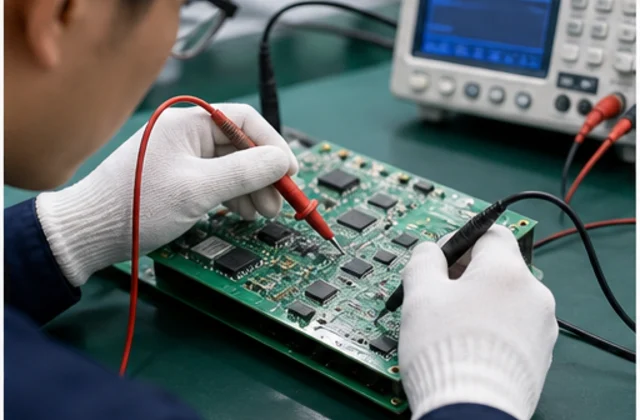
 Functional Inspection
100% tested on professional platforms to ensure stable performance.
Yokogawa S9344FA is a NANKMOS industrial automation product record Listed under Centum CS3000 series and Business & Industrial > Automation, Control & Flow Devices > Programmable Logic Controllers. Confirm condition, availability, lead time, compatibility and documentation by email inquiry.
Brand names are used for identification only.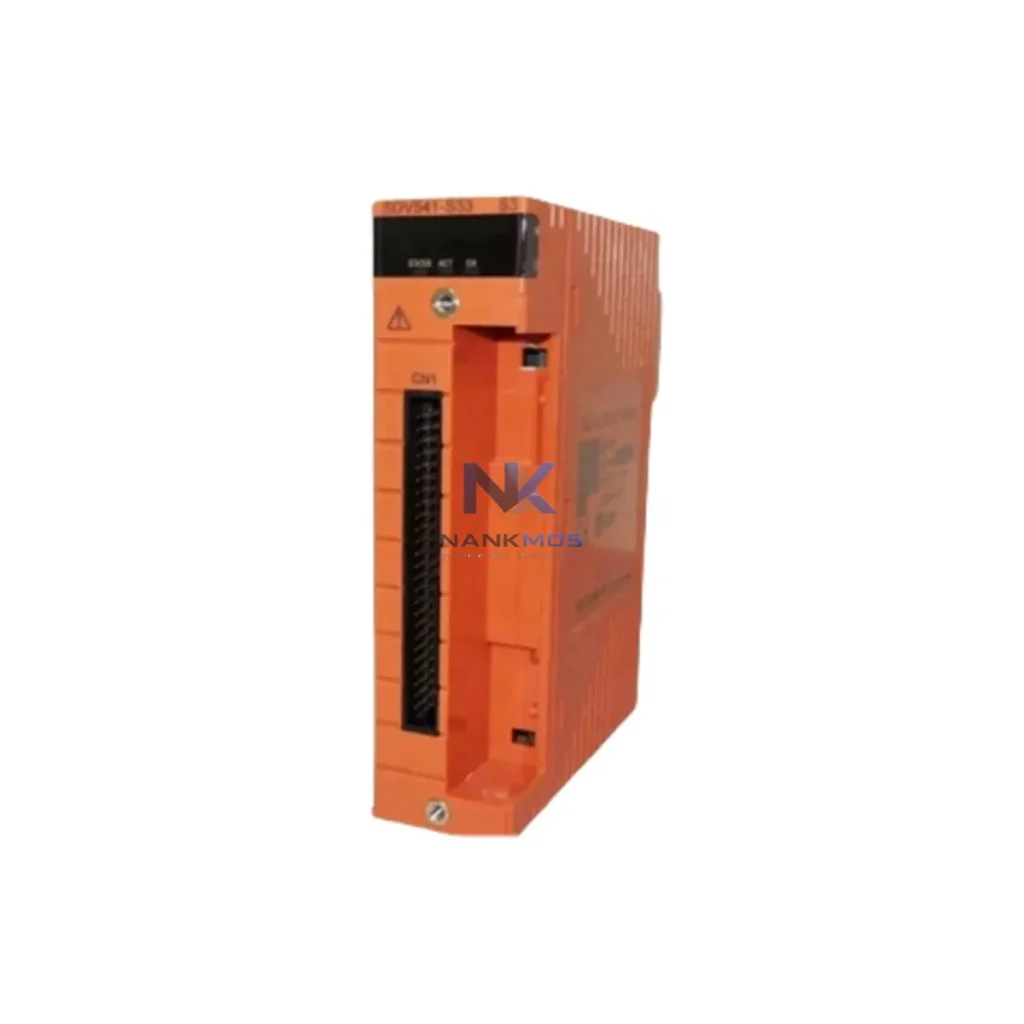
Yokogawa S9344FA is a NANKMOS industrial automation product record Listed under Centum CS3000 series and Business & Industrial > Automation, Control & Flow Devices > Programmable Logic Controllers. Confirm condition, availability, lead time, compatibility and documentation by email inquiry.
| Manufacturer | Yokogawa |
|---|---|
| Application | Industrial Network & Bus Termination |
| Part Number / Model | S9344FA |
| Compatible System | Centum CS3000 |
| Series | Centum CS3000 |
| Condition Options | To Confirm |
| Module Type | Bus / Network Interface Module |
| Warranty | 12 Months |
| Packaging | Anti-static Bag / Secure Box |
| Shipping Methods | DHL / FedEx / UPS / Air / Sea |
| Availability | To Confirm |
| Lead Time | To Confirm |
| Documentation | Part number and revision checked before quote |
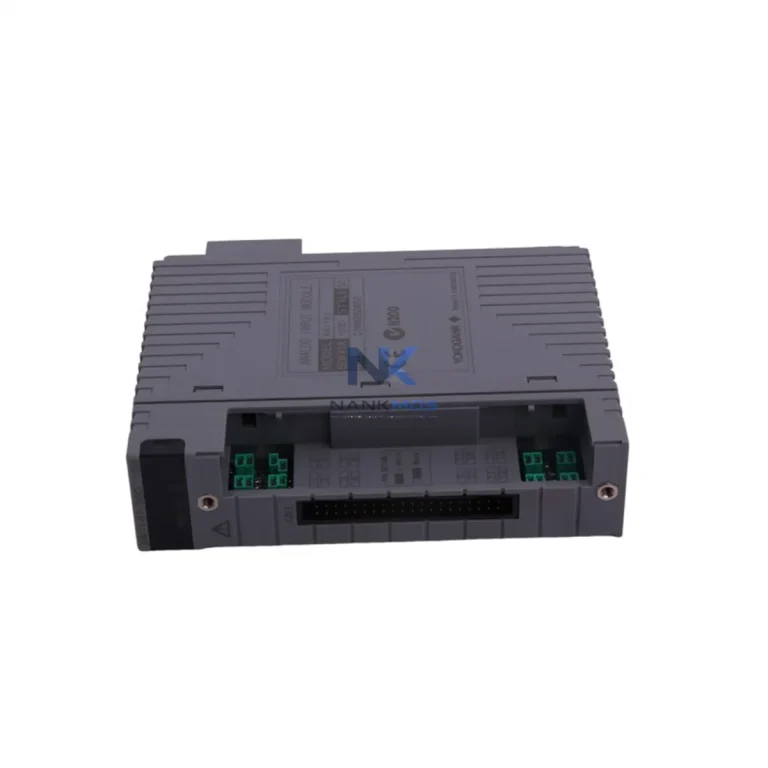
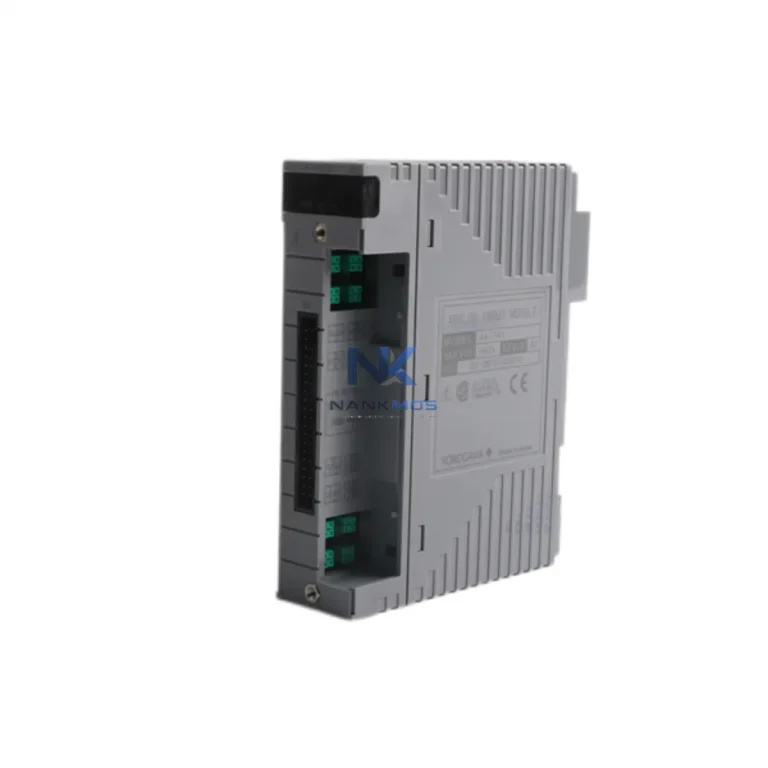
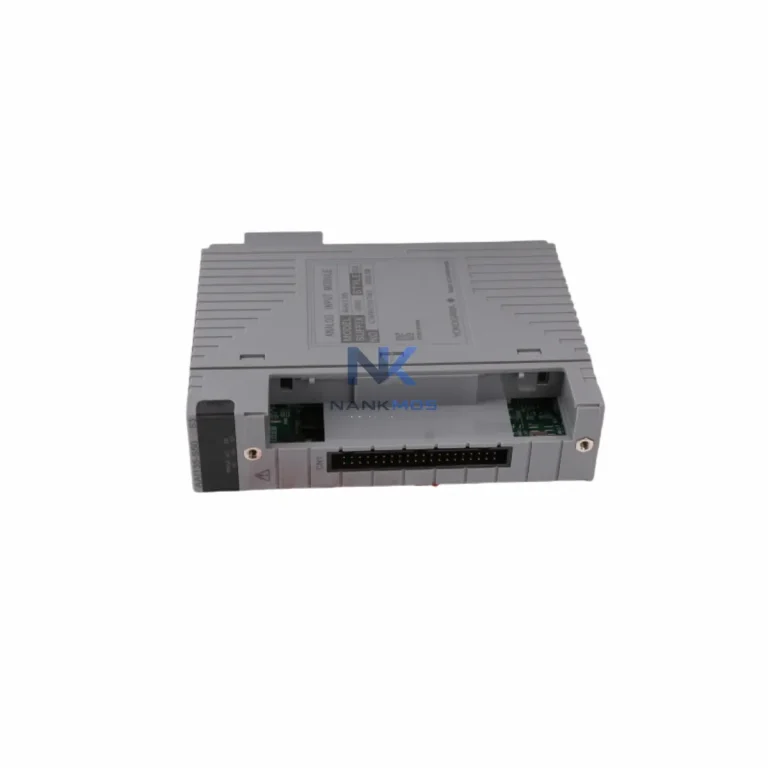
The Yokogawa S9344FA is an ESB (Enhanced Signal Bus) Repeater Slave Module engineered for deployment within the Centum CS3000 Distributed Control System architecture. Designed to extend and stabilize the ESB communication backbone across field control stations, the S9344FA plays a critical role in maintaining signal integrity, bus topology continuity, and modular scalability across multi-rack DCS installations. As industrial automation systems grow in complexity — spanning control layers, I/O subsystems, communication networks, power distribution, HMI interfaces, actuator layers, protection circuits, and maintenance frameworks — the S9344FA provides the architectural foundation that ensures consistent, low-latency bus communication between all interconnected nodes.
In a fully integrated Centum CS3000 environment, the ESB bus serves as the primary intra-system communication pathway linking Field Control Stations (FCS), Engineering Workstations (EWS), and Operator Stations (OPS). The S9344FA slave repeater module enables bus segment extension beyond the standard distance limitations, allowing engineers to deploy distributed rack configurations across large-scale plant floors, substations, and process control rooms without compromising signal quality or system determinism. This capability is essential in industries where physical separation between control cabinets and field junction boxes demands reliable, noise-immune bus propagation.
From a system architecture perspective, the S9344FA integrates seamlessly with the broader Centum CS3000 hardware ecosystem. It is designed to operate alongside the S9344FB ESB Bus Repeater Master Module, which governs the primary bus segment, while the S9344FA manages the slave-side extension. Together, these modules form a redundant, fault-tolerant bus repeater pair that supports the high-availability requirements of continuous process industries. The module mounts directly into the Centum CS3000 node unit rack, sharing the same backplane power and communication infrastructure as I/O modules such as the AAI141, AAI143, and AAV141 analog input/output cards, as well as digital I/O modules including the ADV151 and ADV161 series.
At the control layer, the S9344FA supports Field Control Stations such as the FFCS-V and KFCS2, which serve as the primary processing nodes for regulatory control, sequence logic, and safety interlock execution. The ESB bus maintained by the S9344FA ensures that all I/O data — analog measurements, discrete signals, pulse inputs, and HART device variables — is transmitted to the FCS with deterministic timing and minimal jitter. This is particularly critical in applications involving PID loop control, cascade strategies, and model predictive control where scan cycle consistency directly impacts process stability.
The communication layer of a Centum CS3000 system extends beyond the ESB bus to include the Vnet/IP control network, which connects multiple FCS nodes, the HIS (Human Interface Station), and the EWS across a plant-wide Ethernet backbone. The S9344FA's role in maintaining ESB bus health directly supports the reliability of Vnet/IP data aggregation, as any bus fault at the field level propagates upstream to affect operator visibility and alarm management. Integration with communication gateways such as the ALF111 FOUNDATION Fieldbus H1 interface card or the ALE111 PROFIBUS DP interface further extends the system's reach into field device networks, enabling asset management and advanced diagnostics through tools like Yokogawa's PRM (Plant Resource Manager).
Power distribution within the Centum CS3000 architecture relies on dedicated power supply modules such as the PS501 and PS502, which provide regulated DC power to the node unit backplane. The S9344FA draws power from this shared backplane infrastructure, and its low power consumption profile ensures that adding bus repeater functionality does not impose additional load on the power budget of densely populated I/O racks. In redundant power configurations, dual PS501 modules operate in parallel to eliminate single points of failure, a design philosophy that aligns with the S9344FA's own role in eliminating bus topology as a reliability bottleneck.
For HMI and supervisory layers, the S9344FA's contribution to bus stability translates directly into improved data refresh rates on Centum CS3000 operator stations. Operators working with the HIS platform benefit from consistent tag update cycles, accurate trend displays, and reliable alarm annunciation — all of which depend on uninterrupted ESB bus communication from the field to the control station. In facilities running Exaquantum historian or third-party SCADA platforms via OPC-DA or OPC-UA interfaces, the S9344FA's role in maintaining bus determinism ensures that historical data logging and real-time monitoring remain synchronized.
From a maintenance and lifecycle perspective, the S9344FA is designed for hot-swap replacement within the Centum CS3000 node unit, minimizing planned downtime during module exchange. Yokogawa's modular hardware philosophy ensures that bus repeater modules can be replaced without disrupting adjacent I/O modules or requiring FCS restart procedures. This characteristic is particularly valued in continuous process industries — petrochemicals, power generation, water treatment, and LNG terminals — where unplanned shutdowns carry significant operational and financial consequences. Each S9344FA unit supplied by NANKMOS undergoes pre-shipment functional testing to verify bus communication integrity, signal propagation performance, and backplane connector reliability before dispatch.
The S9344FA operates as a foundational bus infrastructure component within a layered Centum CS3000 automation platform. In a typical multi-rack FCS configuration, the S9344FA slave module works in tandem with the S9344FB master repeater to extend the ESB bus across physically separated node units. The FCS node — typically an FFCS-V or KFCS2 Field Control Station — serves as the processing core, executing control strategies and managing I/O scan cycles across all connected modules.
Analog I/O modules such as the AAI141 (4-channel analog input) and AAV141 (analog voltage output) populate the I/O slots of the node unit, providing the measurement and actuation interfaces for process variables including temperature, pressure, flow, and level. Digital I/O modules including the ADV151 and ADV161 handle discrete signal acquisition and output for motor control, valve actuation, and interlock logic. All of these modules depend on the ESB bus — maintained by the S9344FA — for reliable data exchange with the FCS processor.
At the communication layer, the ALF111 FOUNDATION Fieldbus H1 interface card and the ALE111 PROFIBUS DP interface extend the system's connectivity to intelligent field devices, enabling device diagnostics, parameterization, and advanced process data acquisition. The Vnet/IP control network interconnects multiple FCS nodes and supervisory stations, with the S9344FA's bus stability directly supporting the data consistency required for plant-wide control coordination. Power supply redundancy is achieved through paired PS501 modules, ensuring continuous backplane power to all node unit components including the S9344FA.
Power Generation: In combined-cycle and thermal power plants, the S9344FA supports ESB bus extension across turbine control panels, boiler management racks, and auxiliary system cabinets. The module's reliable bus propagation ensures that FCS nodes maintain continuous scan cycles for critical control loops including drum level, steam temperature, and turbine speed regulation.
Petrochemical & Refining: Large-scale refinery DCS installations frequently require ESB bus repeaters to bridge control room racks with remote I/O enclosures located in hazardous areas. The S9344FA enables this architecture while maintaining the signal integrity required for distillation column control, reactor temperature management, and compressor surge protection.
Water & Wastewater Treatment: Municipal and industrial water treatment facilities deploy Centum CS3000 systems for pump sequencing, chemical dosing, and filtration control. The S9344FA's bus extension capability allows a single FCS to manage geographically distributed pump stations and treatment stages without requiring additional control processors.
Mining & Minerals Processing: In ore processing and mineral extraction facilities, the S9344FA supports DCS architectures that span crusher control, conveyor management, flotation cell regulation, and tailings management. The module's robust design accommodates the electrically noisy environments typical of mining operations.
Marine & Offshore: Offshore platform and FPSO vessel automation systems utilize Centum CS3000 for process control, utility management, and safety system integration. The S9344FA enables compact, space-efficient rack configurations that meet the physical constraints of marine control rooms while maintaining full bus communication performance.
Q1: Is the S9344FA compatible with both Centum CS3000 and Centum VP architectures? The S9344FA is specifically designed for the Centum CS3000 ESB bus architecture. While Centum VP shares design lineage with CS3000, bus module compatibility should be verified against the specific node unit hardware revision and FCS generation in use. NANKMOS technical support can assist with cross-generation compatibility assessment prior to procurement.
Q2: Can the S9344FA be replaced online without shutting down the FCS? The Centum CS3000 node unit architecture supports hot-swap module replacement for bus repeater modules under specific configuration conditions. Whether online replacement is permissible depends on the redundancy configuration of the ESB bus segment and the FCS operational state. It is recommended to consult the Centum CS3000 hardware engineering guide and coordinate with your system integrator before performing live module exchange in a production environment.
Q3: What warranty and supply assurance does NANKMOS provide for the S9344FA? All S9344FA units supplied by NANKMOS carry a 12-Month Warranty covering manufacturing defects and functional performance. Each module undergoes pre-shipment testing to verify ESB bus communication integrity and backplane connector reliability. NANKMOS maintains in-stock inventory of Centum CS3000 bus infrastructure components to support urgent replacement requirements and planned maintenance schedules. For volume procurement or long-term supply agreements, contact [email protected] or +86 18359268345.
Functional Inspection100% tested on professional platforms to ensure stable performance.
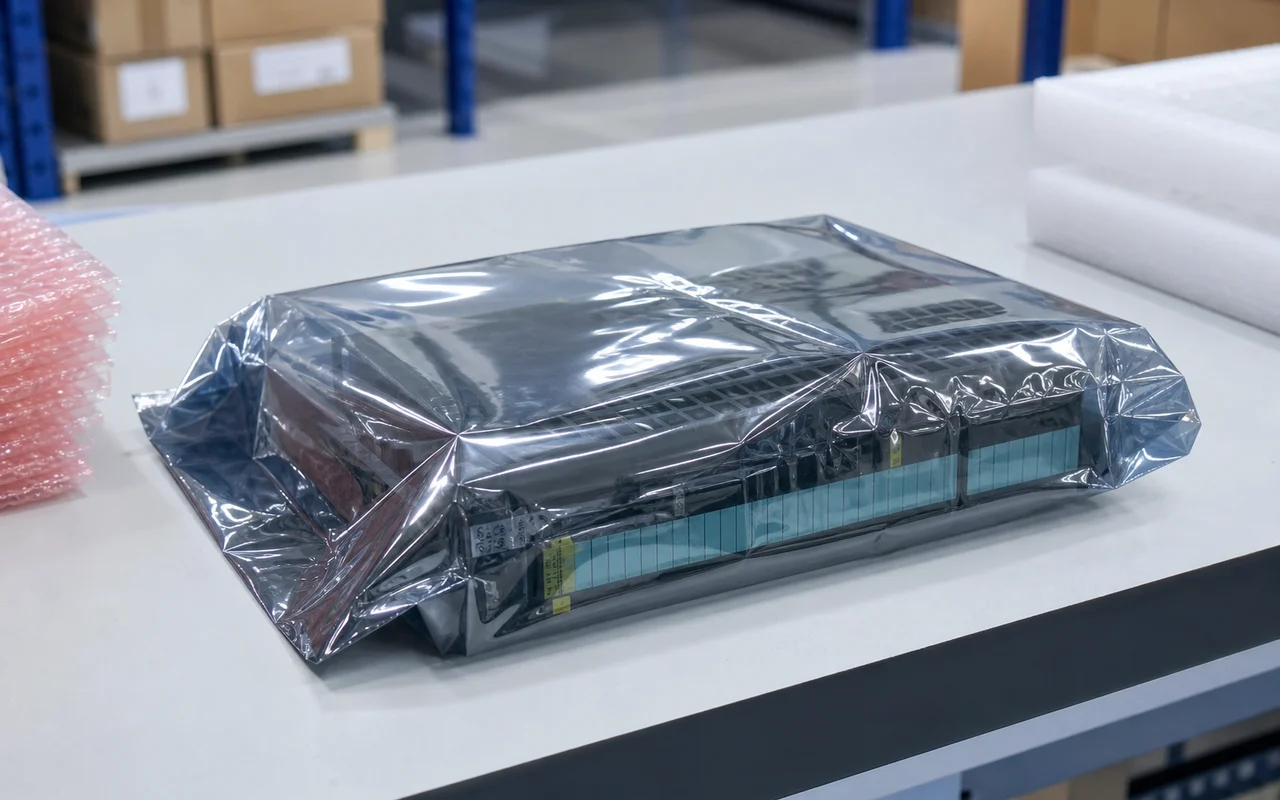 Anti-static Packaging
Modules are packed in anti-static bags to prevent electrostatic damage.
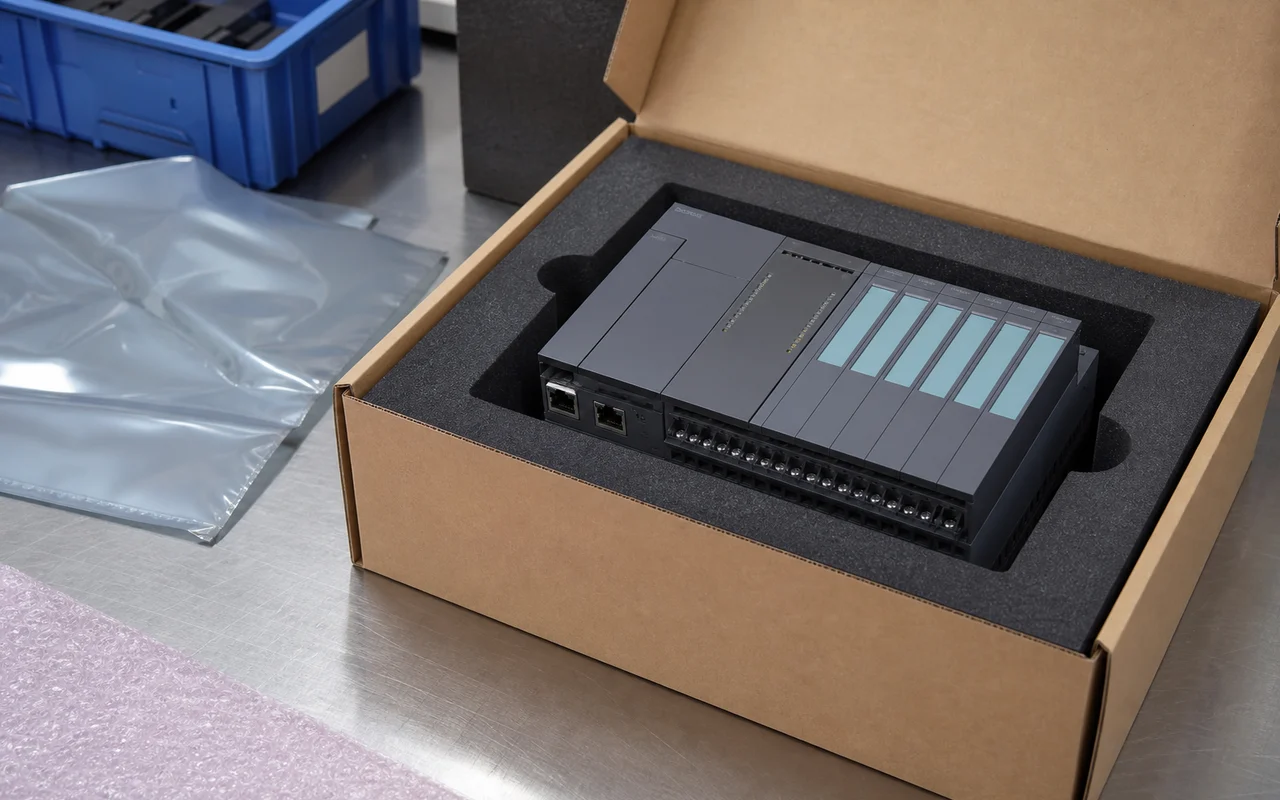 Secure Export Packing
Cushion protection and strong cartons ensure safe transportation.
 Worldwide Shipping
Global logistics network supports air, sea and express delivery.
 Documentation Check
Part number, revision and compatibility verified before shipment.
 After-sales Support
Professional technical support to help resolve your issues.