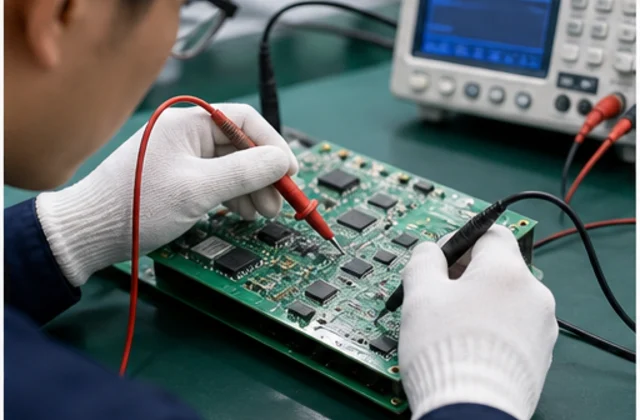
 Functional Inspection
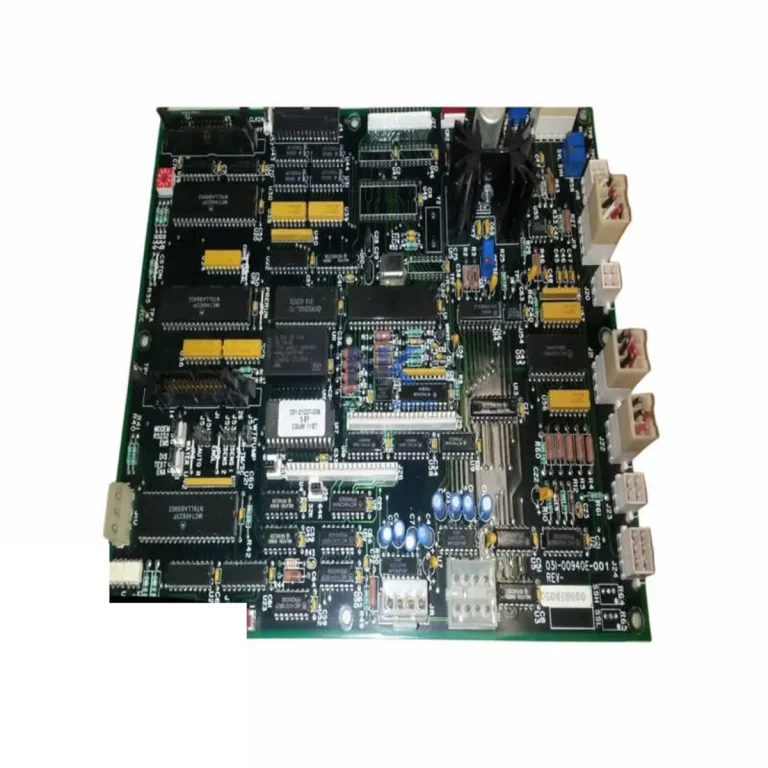
100% tested on professional platforms to ensure stable performance.
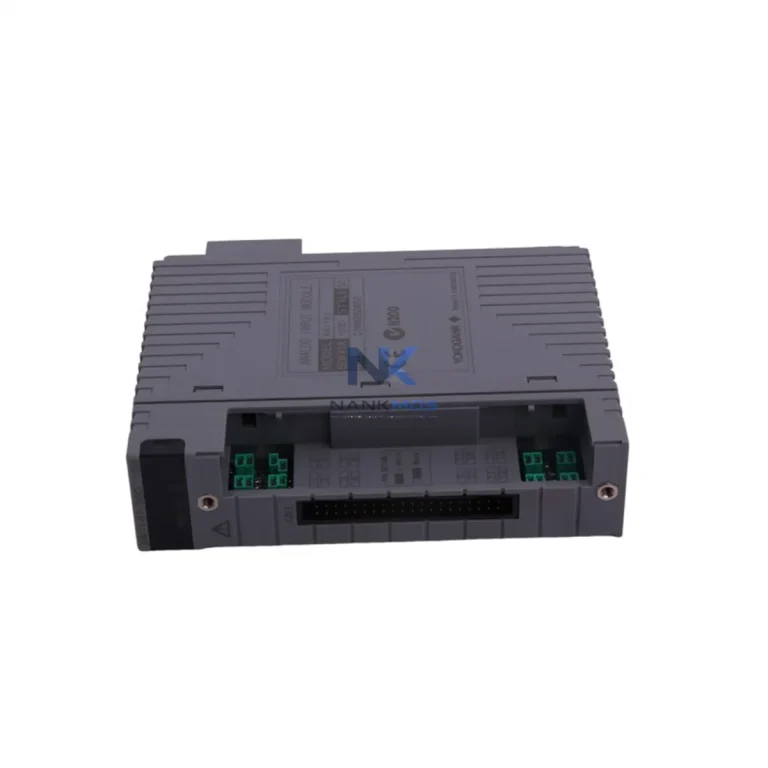
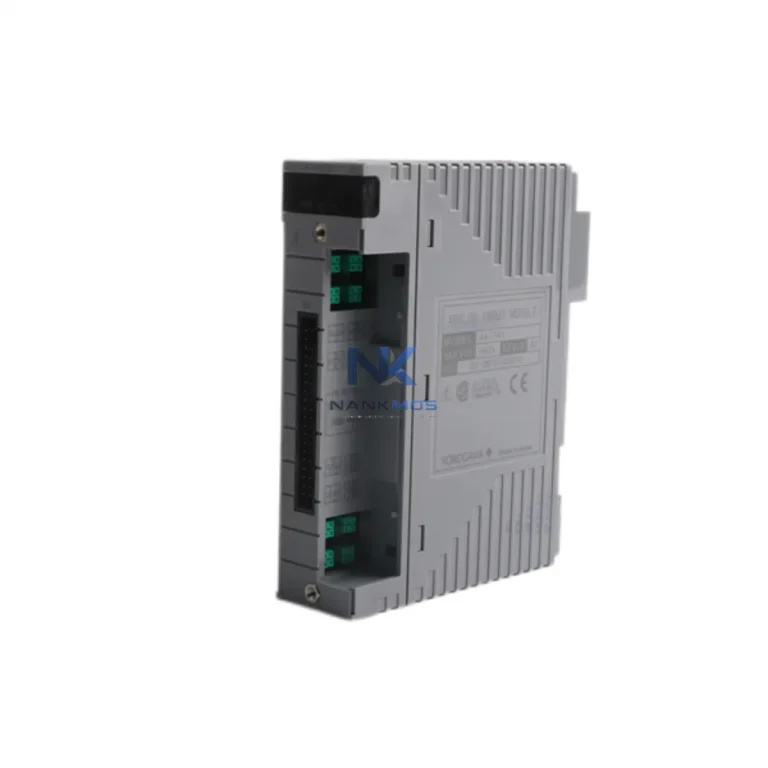
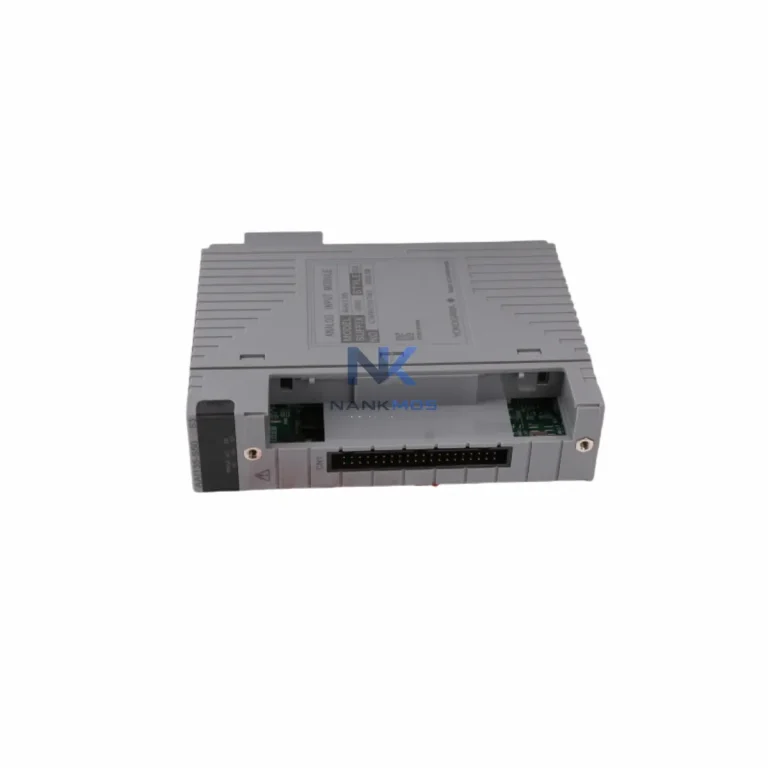
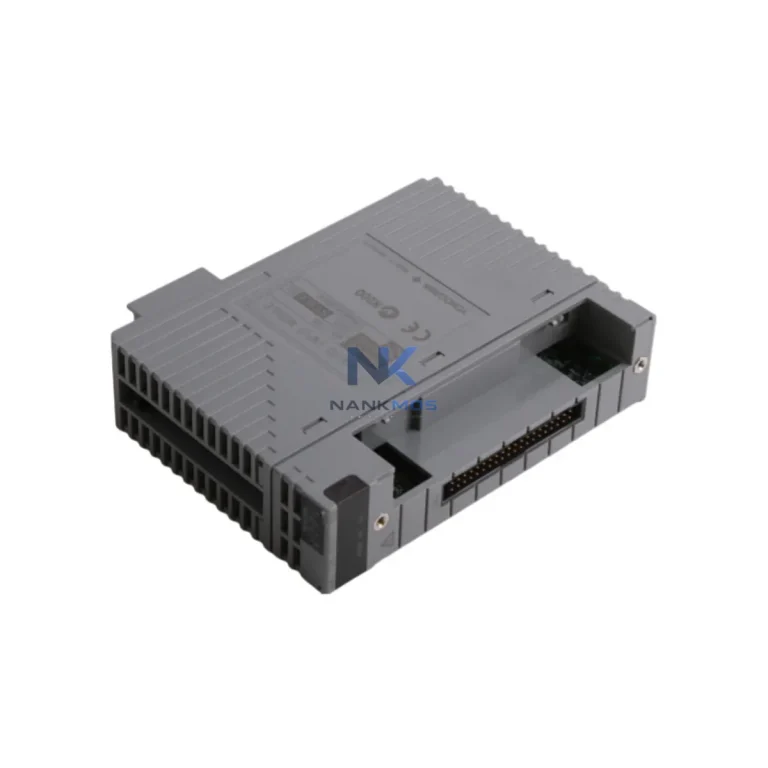
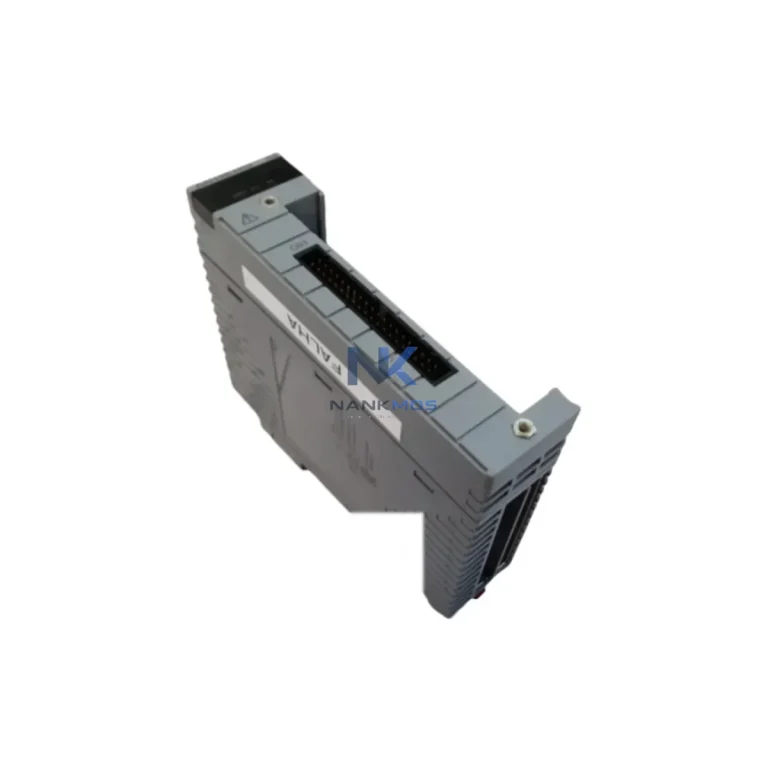
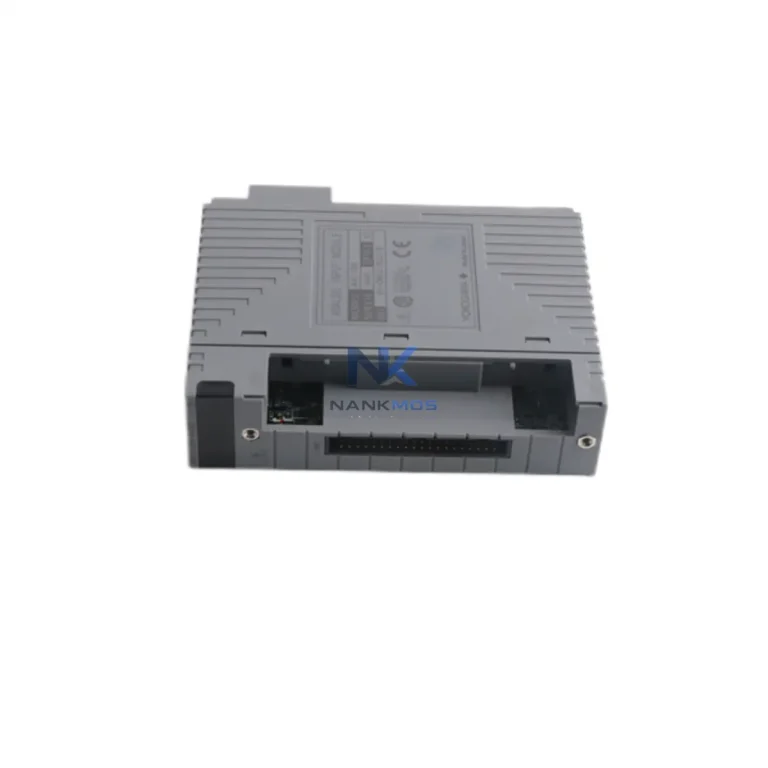
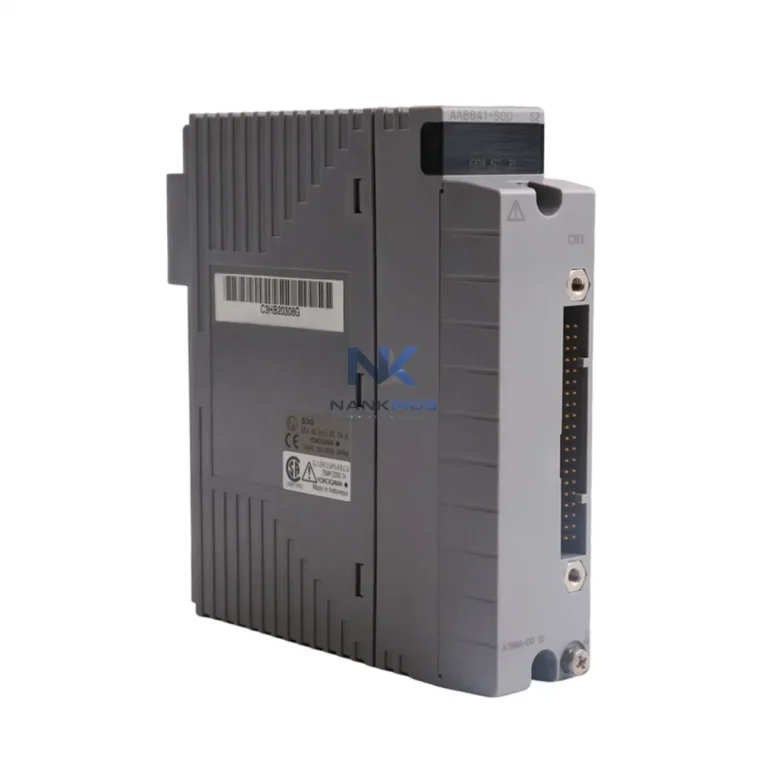
Yokogawa SAI143-S03 S2 is a NANKMOS industrial automation product record Listed under Centum CS3000 series and Business & Industrial > Automation, Control & Flow Devices > Programmable Logic Controllers. Confirm condition, availability, lead time, compatibility and documentation by email inquiry.
Brand names are used for identification only.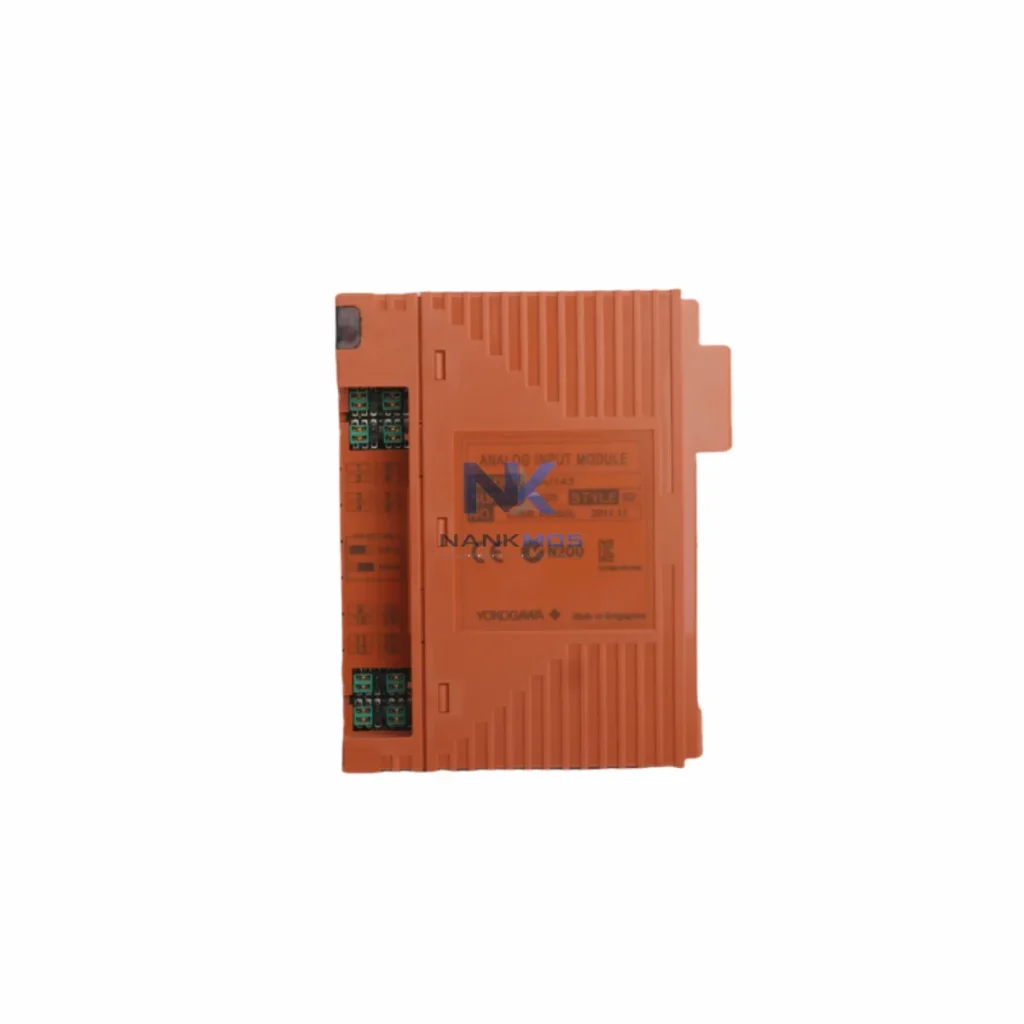
Yokogawa SAI143-S03 S2 is a NANKMOS industrial automation product record Listed under Centum CS3000 series and Business & Industrial > Automation, Control & Flow Devices > Programmable Logic Controllers. Confirm condition, availability, lead time, compatibility and documentation by email inquiry.
| Manufacturer | Yokogawa |
|---|---|
| Application | Controller Processing & System Control |
| Part Number / Model | SAI143-S03 S2 |
| Compatible System | Centum CS3000 |
| Series | Centum CS3000 |
| Condition Options | To Confirm |
| Module Type | Controller / CPU Module |
| Warranty | 12 Months |
| Packaging | Anti-static Bag / Secure Box |
| Shipping Methods | DHL / FedEx / UPS / Air / Sea |
| Availability | To Confirm |
| Lead Time | To Confirm |
| Documentation | Part number and revision checked before quote |
The Yokogawa SAI143-S03 is a high-density analog input module engineered for seamless deployment within the CENTUM CS3000 Distributed Control System architecture. Its role within the I/O layer is foundational: it converts field-level analog signals — pressure transmitters, flow meters, temperature sensors, and level instruments — into precision digital values that the control layer can act upon with deterministic accuracy. Understanding the SAI143-S03 requires understanding the broader system it inhabits.
At the control layer, the SAI143-S03 interfaces directly with the CENTUM CS3000 Field Control Station (FCS), such as the AFV10D or AFV30D Field Control Unit, which executes the process control logic. The FCS reads analog input data from the SAI143-S03 via the V-net communication bus — Yokogawa's proprietary high-speed control network — ensuring deterministic scan cycles and minimal latency between field measurement and control response. This tight coupling between the I/O module and the FCS is what enables the CENTUM CS3000 to maintain sub-100ms control loop performance even in complex, multi-loop process environments.
The I/O nest in which the SAI143-S03 is installed is typically a ANB10S or ANB11S I/O nest unit, which provides the backplane power distribution and V-net bus connectivity for all installed I/O modules. Within the same nest, engineers commonly deploy complementary modules such as the SAI143-H03 (high-density analog input variant), SAO143 analog output modules for control signal delivery to final control elements, and SDV144 digital input/output modules for discrete signal management. This modular co-deployment within a single nest maximizes cabinet density while preserving signal integrity across all channel types.
At the communication layer, the CENTUM CS3000 architecture relies on the V-net dual-redundant control bus and the Vnet/IP Ethernet-based extension for plant-wide integration. The SAI143-S03 participates in this architecture by feeding real-time process values into the FCS, which then propagates data upstream to the HIS (Human Interface Station) — typically running on a Windows-based engineering workstation — for operator visualization, alarm management, and trend logging. The HIS communicates with the FCS over the Vnet/IP network, ensuring that operators have continuous, low-latency access to all analog input values acquired by the SAI143-S03 and its peer modules.
Power integrity is a critical consideration in any DCS I/O architecture. The SAI143-S03 draws its operating power from the I/O nest backplane, which is supplied by a dedicated PW481 or PW482 power supply unit. These Yokogawa power modules are designed for 24 V DC distribution within the control cabinet, with redundant power supply configurations available to eliminate single points of failure. In safety-critical applications, dual power feeds from independent UPS systems are routed through the power supply modules to ensure uninterrupted I/O operation during grid disturbances.
For process industries requiring functional safety compliance, the SAI143-S03 can be integrated alongside Yokogawa's ProSafe-RS Safety Instrumented System (SIS) modules, which handle SIL 2/3 safety loops independently from the CENTUM CS3000 process control domain. The two systems share a common engineering environment through the CENTUM VP / CS3000 Engineering Environment, allowing instrument engineers to configure, calibrate, and document both process control and safety I/O from a unified platform. This integration reduces engineering overhead and ensures consistent tag naming, scaling, and alarm setpoint management across both domains.
In large-scale plant architectures — such as those found in oil refinery units, LNG terminals, or continuous chemical processes — the SAI143-S03 is deployed in multiples across dozens of I/O nests distributed throughout the field junction boxes and marshalling cabinets. Remote I/O configurations using RIO (Remote I/O) bus extenders allow I/O nests to be located up to several hundred meters from the FCS, reducing field cabling costs while maintaining the same V-net communication performance. This distributed I/O topology is a hallmark of the CENTUM CS3000 architecture and is one of the primary reasons the platform remains in active service across thousands of process plants worldwide.
The SAI143-S03 serves as the primary analog signal acquisition interface across a wide range of process industries. In petroleum refining, it monitors crude distillation column temperatures, reactor pressures, and feed flow rates — providing the FCS with the real-time data required to maintain product quality and throughput targets. In LNG and gas processing facilities, the module's channel isolation and 16-bit resolution ensure accurate measurement of cryogenic temperature signals and high-pressure gas flow transmitters, where measurement drift or noise can have significant safety and efficiency consequences.
In power generation applications — including coal-fired, gas turbine, and combined-cycle plants — the SAI143-S03 acquires boiler drum level, steam pressure, and turbine exhaust temperature signals that feed into the plant's load control and protection logic. The module's compatibility with the CENTUM CS3000 FCS enables tight integration with turbine governor control loops and boiler master pressure controllers, supporting coordinated unit control strategies that optimize heat rate and emissions performance.
In water and wastewater treatment plants, the SAI143-S03 monitors influent flow, dissolved oxygen, pH, and turbidity signals across multiple treatment stages. Its multi-channel density reduces the number of I/O nests required in compact control rooms, while its backplane-powered design eliminates the need for individual module power wiring. In mining and mineral processing, the module handles signals from belt scale transmitters, slurry density meters, and flotation cell level sensors — all of which require the high-resolution, low-noise analog acquisition that the SAI143-S03 delivers.
For pharmaceutical and fine chemical manufacturing, where batch process documentation and audit trails are mandatory, the SAI143-S03's integration with the CENTUM CS3000 historian and batch management system ensures that every analog measurement is time-stamped, archived, and retrievable for regulatory compliance. The module's channel-to-channel isolation prevents cross-contamination of signals between adjacent measurement loops — a critical requirement in multi-product batch facilities where process conditions change frequently between production runs.
Q1: Is the SAI143-S03 compatible with both CENTUM CS3000 and CENTUM VP systems? The SAI143-S03 is designed and validated for the CENTUM CS3000 I/O nest and V-net bus architecture. While Yokogawa's CENTUM VP platform shares architectural lineage with CS3000, module compatibility between the two generations depends on the specific FCS hardware revision and I/O nest type in use. Engineers migrating from CS3000 to CENTUM VP should consult Yokogawa's official migration compatibility matrix and verify nest and bus compatibility before deploying SAI143-S03 modules in a VP environment. NANKMOS can assist with compatibility verification and sourcing of equivalent VP-native I/O modules where required.
Q2: What installation and commissioning steps are required when adding SAI143-S03 modules to an existing CENTUM CS3000 system? Adding the SAI143-S03 to an operational CENTUM CS3000 system requires slot assignment within the I/O nest, module registration in the FCS builder (CENTUM CS3000 Engineering Environment), and channel tag configuration including range scaling, alarm setpoints, and engineering units. Hot-insertion capability depends on the FCS firmware version and nest configuration — in most CS3000 deployments, I/O module replacement can be performed with the nest powered, but FCS download and online modification procedures must be followed to avoid disrupting active control loops. Pre-commissioning loop checks using a calibrated signal source (4–20 mA loop calibrator) are recommended to verify channel accuracy before placing the module in service.
Q3: What does the 12-Month Warranty cover, and what is the supply lead time for the SAI143-S03? All SAI143-S03 modules supplied by NANKMOS are covered by a 12-Month Warranty against manufacturing defects and functional failures under normal operating conditions. The warranty covers module replacement or repair at no additional cost within the warranty period, subject to inspection confirming that failure was not caused by installation error, overvoltage, or environmental conditions outside the module's rated specifications. NANKMOS maintains inventory of the SAI143-S03 and common CENTUM CS3000 I/O modules to support urgent plant maintenance requirements. Standard lead times for in-stock units are 3–7 business days for international shipment; expedited options are available for critical plant shutdowns. Contact [email protected] or +86 18359268345 for real-time stock confirmation and shipping quotation.
Functional Inspection100% tested on professional platforms to ensure stable performance.
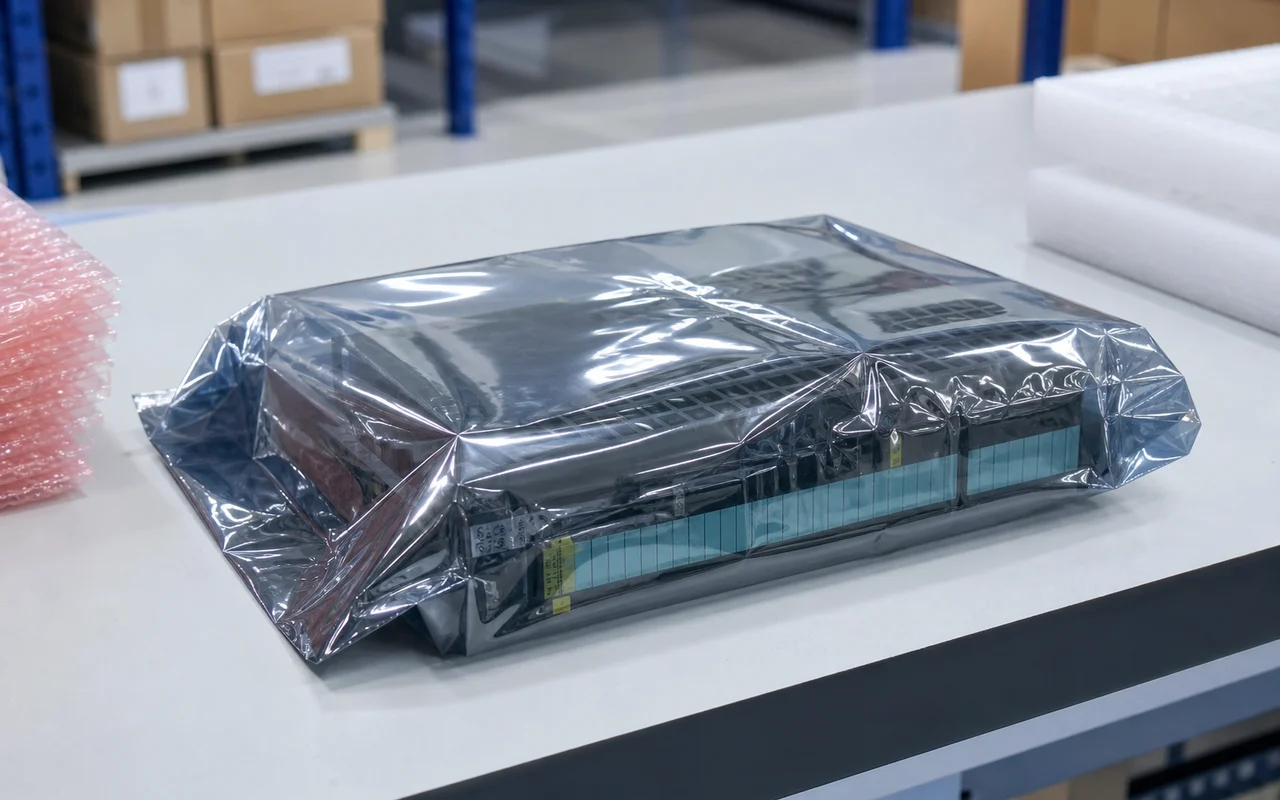 Anti-static Packaging
Modules are packed in anti-static bags to prevent electrostatic damage.
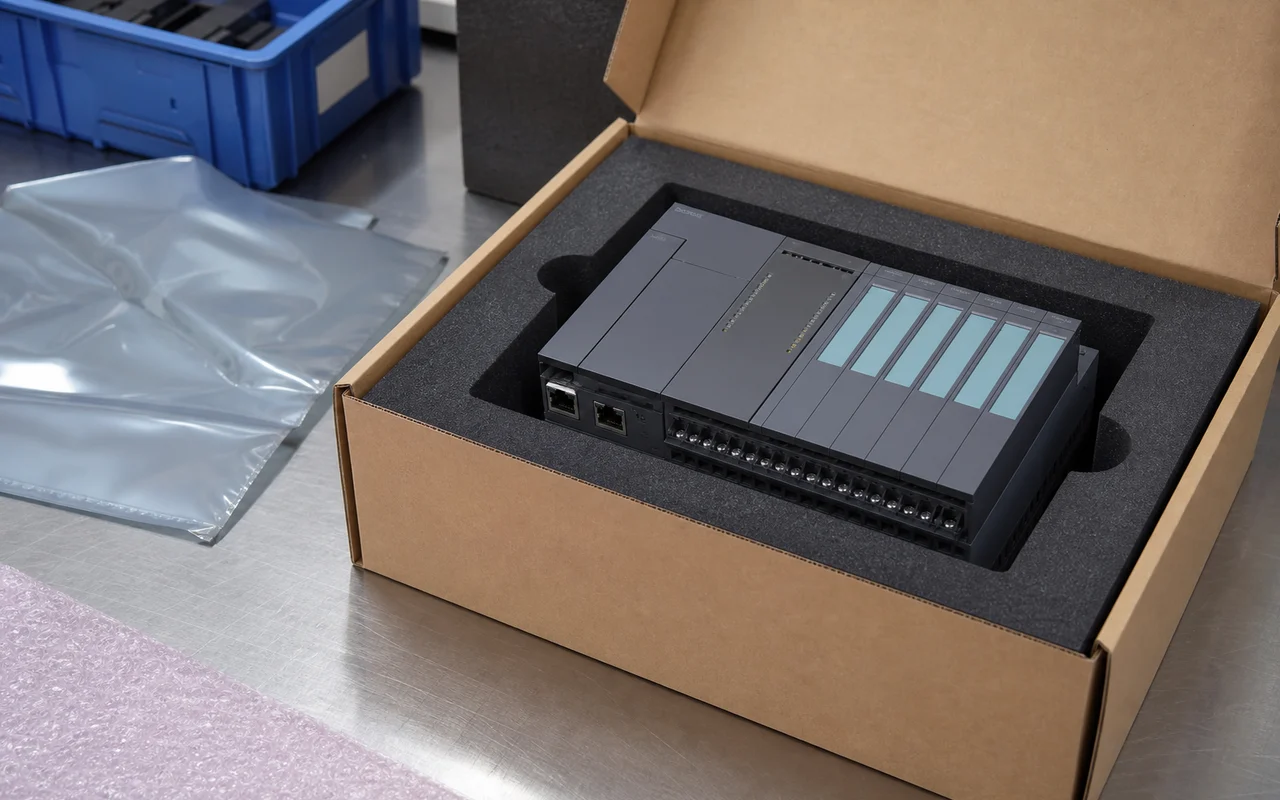 Secure Export Packing
Cushion protection and strong cartons ensure safe transportation.
 Worldwide Shipping
Global logistics network supports air, sea and express delivery.
 Documentation Check
Part number, revision and compatibility verified before shipment.
 After-sales Support
Professional technical support to help resolve your issues.