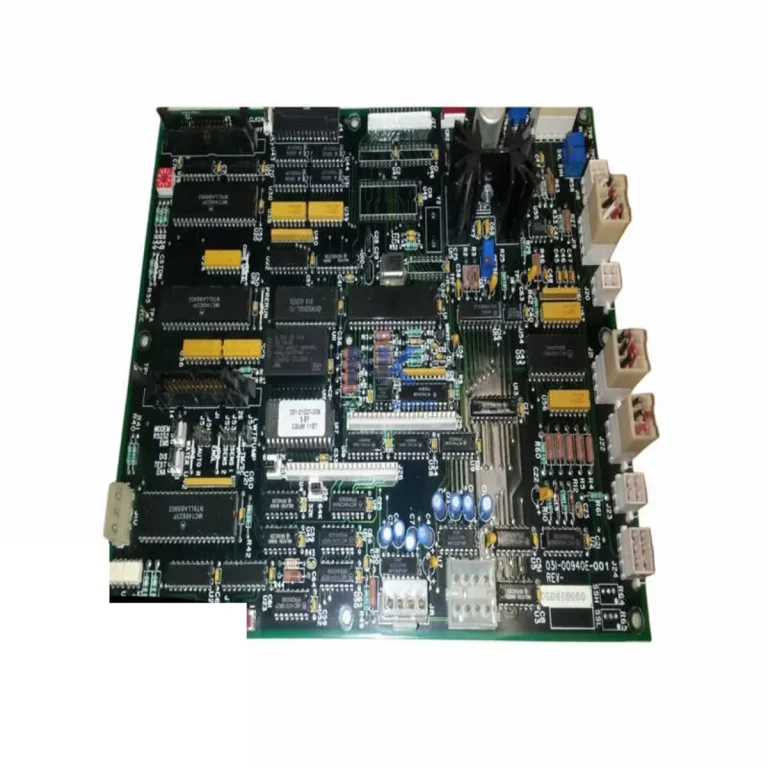
Functional Inspection
100% tested on professional platforms to ensure stable performance.
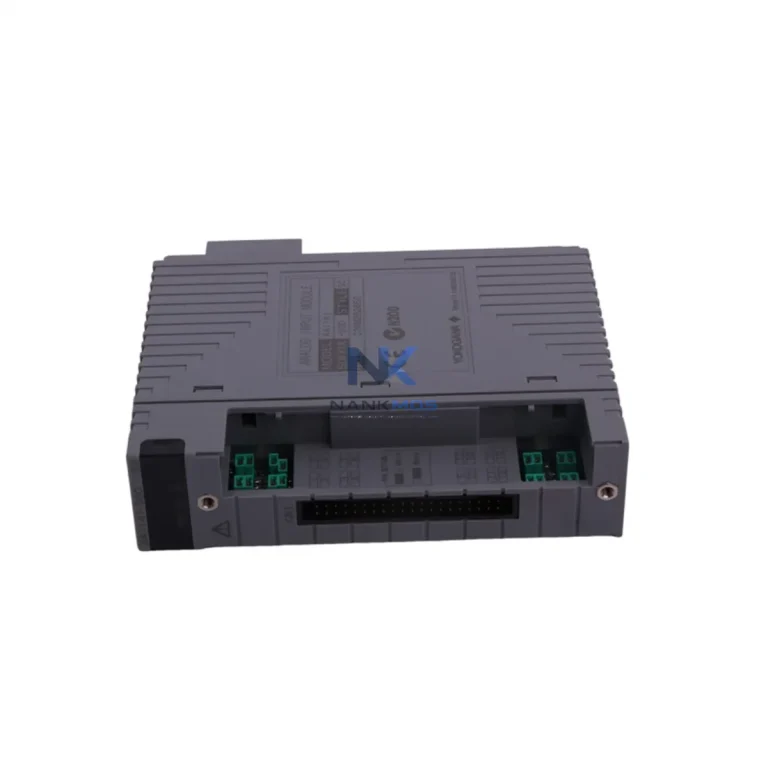
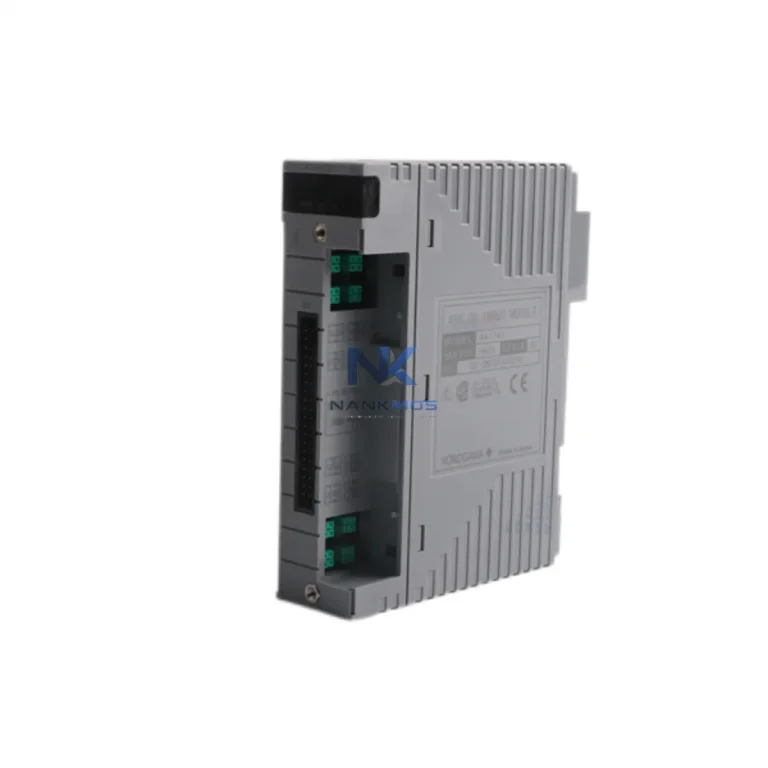
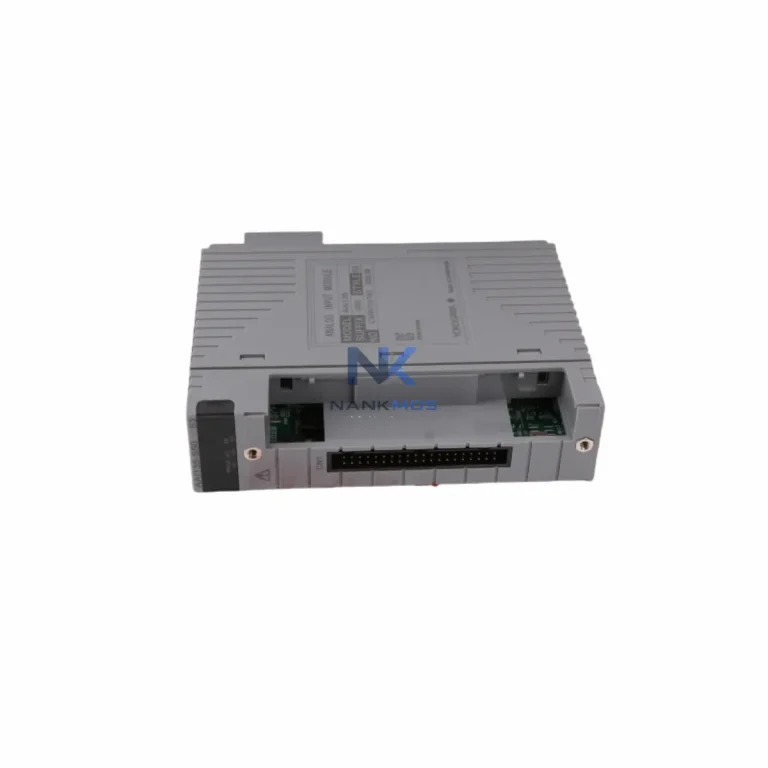
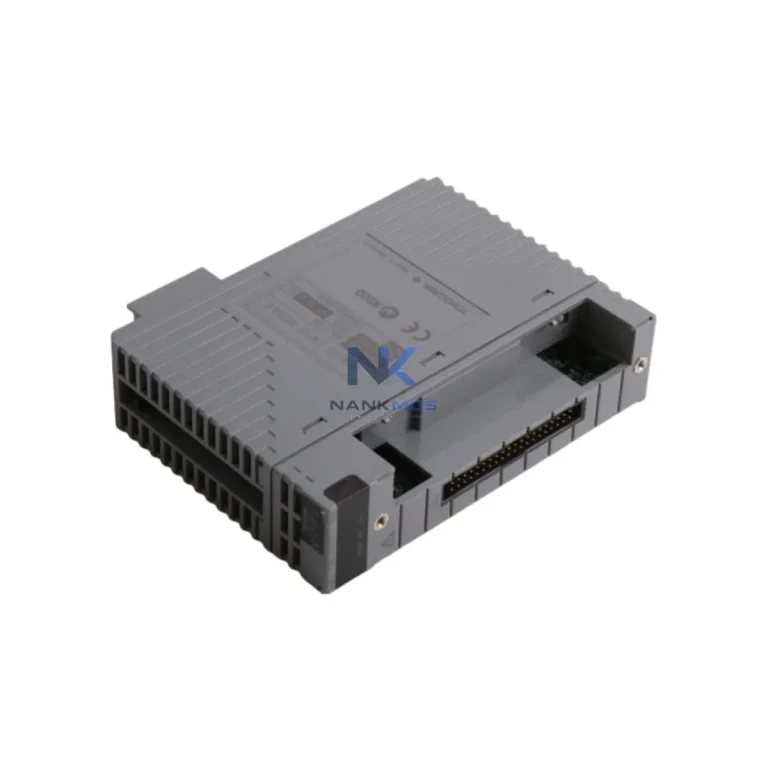
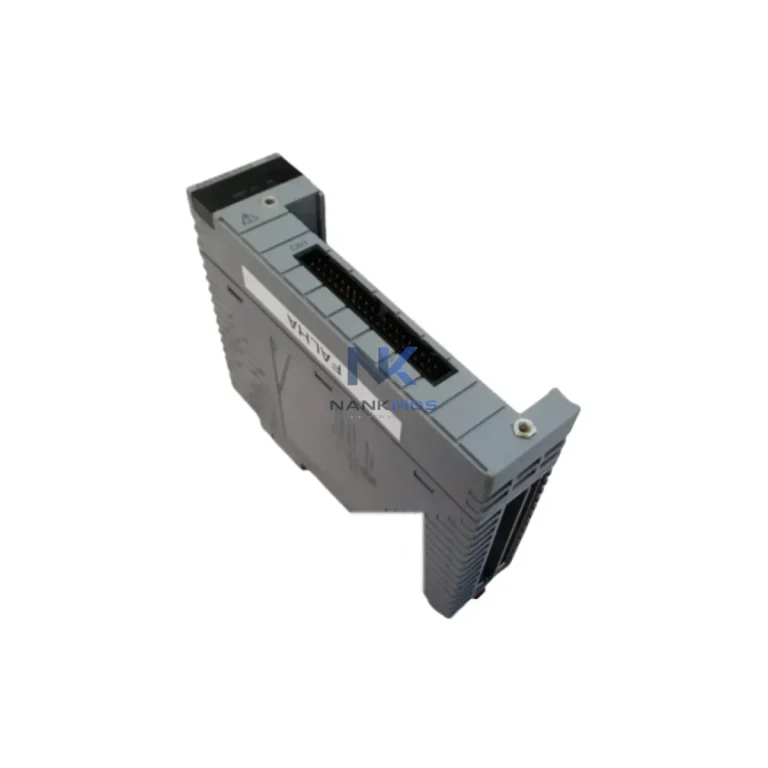
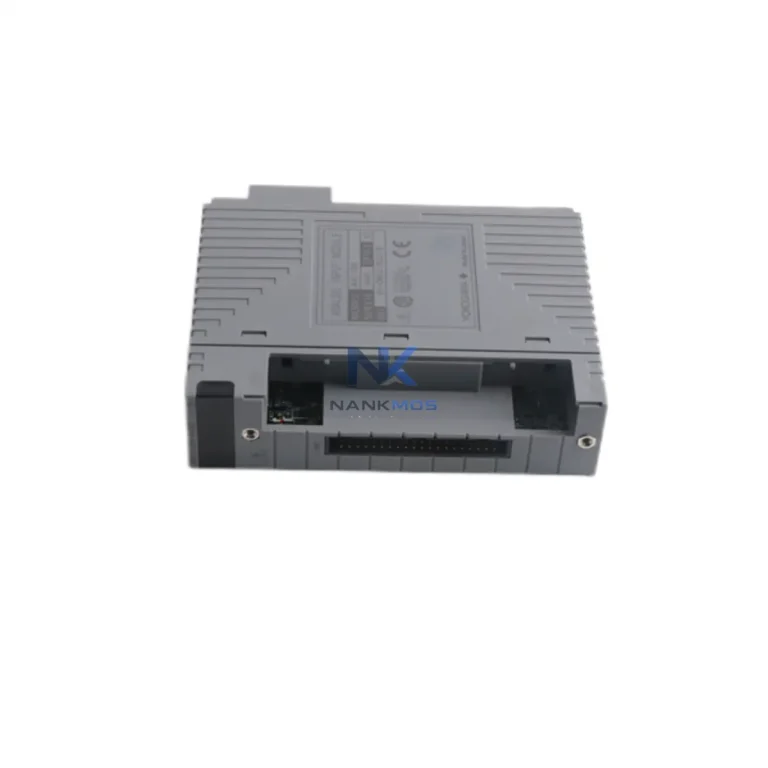
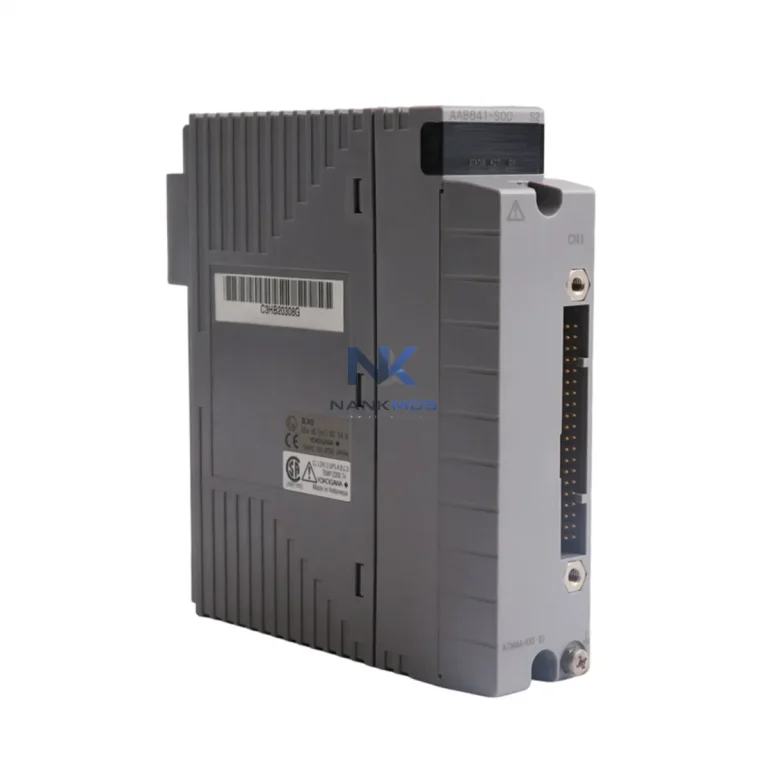
Yokogawa SAI143-S03 is a NANKMOS industrial automation product record Listed under CENTUM VP series and Business & Industrial > Automation, Control & Flow Devices > Programmable Logic Controllers. Confirm condition, availability, lead time, compatibility and documentation by email inquiry.
Brand names are used for identification only.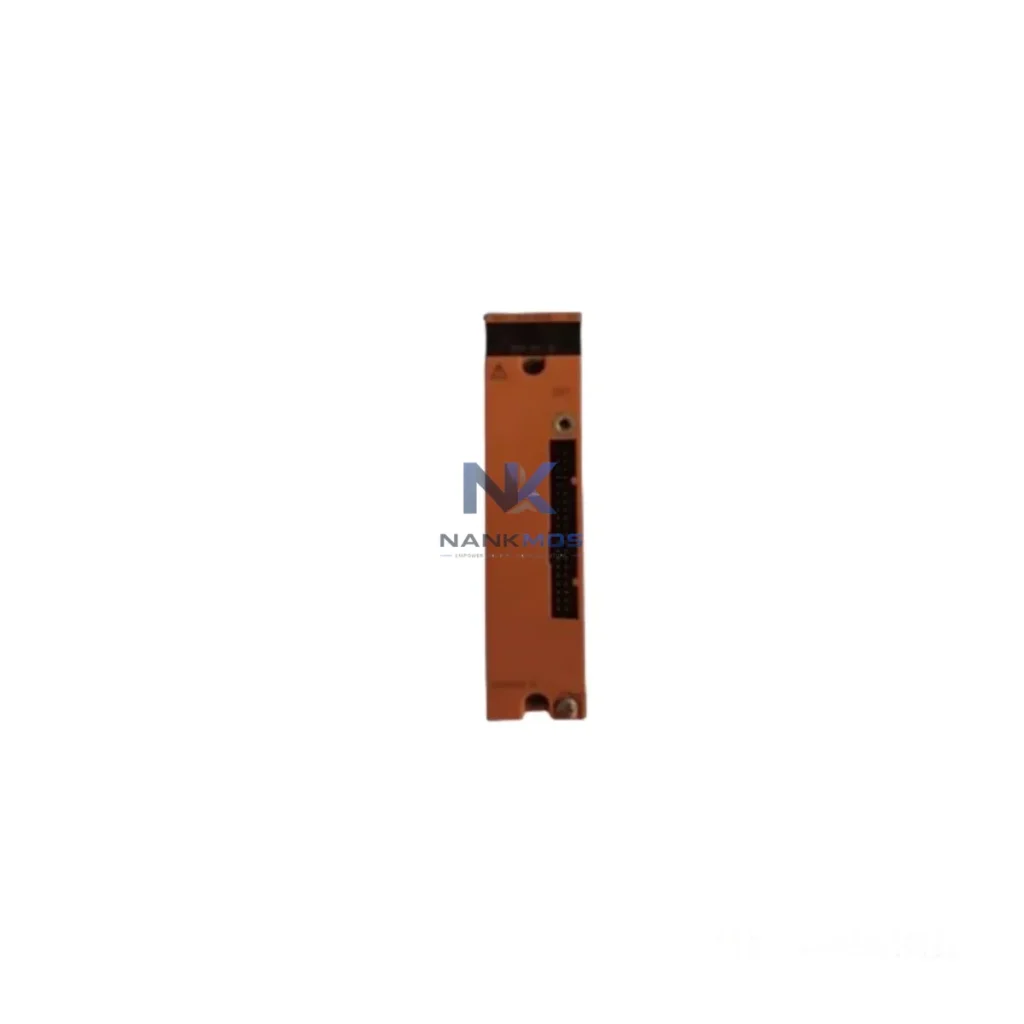
Yokogawa SAI143-S03 is a NANKMOS industrial automation product record Listed under CENTUM VP series and Business & Industrial > Automation, Control & Flow Devices > Programmable Logic Controllers. Confirm condition, availability, lead time, compatibility and documentation by email inquiry.
| Manufacturer | Yokogawa |
|---|---|
| Application | Controller Processing & System Control |
| Part Number / Model | SAI143-S03 |
| Compatible System | CENTUM VP |
| Series | CENTUM VP |
| Condition Options | To Confirm |
| Module Type | Controller / CPU Module |
| Warranty | 12 Months |
| Packaging | Anti-static Bag / Secure Box |
| Shipping Methods | DHL / FedEx / UPS / Air / Sea |
| Availability | To Confirm |
| Lead Time | To Confirm |
| Documentation | Part number and revision checked before quote |
The Yokogawa SAI143-S03 is a high-precision analog input module engineered for the Centum VP and CS 3000 Distributed Control Systems (DCS). Designed to meet the demanding requirements of modern industrial energy management, this module delivers accurate, low-latency signal acquisition from field instruments while minimizing signal processing overhead and associated energy consumption. With its robust design, proven field reliability, and compatibility with Yokogawa's broader automation ecosystem, the SAI143-S03 is a critical component for factories pursuing leaner, smarter, and more energy-conscious production operations.
In energy-intensive industries such as petrochemicals, power generation, pharmaceuticals, and advanced manufacturing, every watt of unnecessary consumption represents both a cost and a risk. The SAI143-S03 addresses this by providing clean, conditioned analog signal input that reduces the computational burden on upstream controllers, stabilizes process feedback loops, and enables tighter control of energy-consuming assets such as motors, compressors, and heat exchangers. Each unit is fully tested prior to shipment, backed by a 12-month warranty, and available from in-stock inventory for fast deployment.
The SAI143-S03 does not operate in isolation — its true value emerges when integrated into a coordinated automation architecture. Within a Yokogawa Centum VP DCS environment, this module interfaces directly with the Centum VP Field Control Station (FCS), feeding real-time analog data into the process control engine. This tight integration eliminates the need for external signal conditioners, reducing both component count and standby power draw across the control panel.
On the drive side, the analog signals captured by the SAI143-S03 — such as flow rates, pressure differentials, and temperature readings — are used to command Yokogawa variable frequency drives (VFDs) and motor control centers. By providing accurate process feedback, the module enables the VFD to modulate motor speed precisely, avoiding the energy waste associated with fixed-speed operation. In pump and fan applications, this alone can reduce motor energy consumption by 20–40%.
For power monitoring, the SAI143-S03 works alongside Yokogawa WT series power analyzers and CW series power meters, which measure real-time energy consumption at the equipment level. The analog outputs from these instruments feed directly into the SAI143-S03 input channels, enabling the DCS to correlate process performance with energy draw — a foundational capability for any energy management system (EnMS) aligned with ISO 50001.
The module also integrates seamlessly with Yokogawa STARDOM FCN/FCJ autonomous controllers for distributed edge control scenarios, and with Yokogawa EJX series pressure transmitters and YTA series temperature transmitters, which are among the most common field instruments connected to SAI143-series input modules. These transmitters deliver 4–20 mA HART signals that the SAI143-S03 conditions and digitizes for the DCS process historian.
At the HMI and SCADA layer, the SAI143-S03's data flows into Yokogawa FAST/TOOLS SCADA and Exaquantum plant information management system (PIMS), where energy KPIs, load trends, and equipment utilization rates are visualized for operations teams. This closed-loop visibility — from field sensor through analog input module to SCADA dashboard — is what enables proactive load management and demand-side energy reduction strategies.
For I/O expansion and redundancy, the SAI143-S03 is typically deployed alongside Yokogawa SDV144 digital input modules and SAV144 analog output modules, forming a complete I/O subsystem within the FCS cabinet. This modular architecture allows engineers to scale the control system incrementally without over-provisioning hardware, keeping capital expenditure and idle power consumption to a minimum.
Modern production lines face a dual mandate: maximize throughput while minimizing energy intensity per unit of output. The SAI143-S03 contributes to both objectives by ensuring that the DCS always has access to high-fidelity process data, enabling tighter control loops and faster disturbance rejection.
When a process variable drifts — whether due to a fouled heat exchanger, a partially closed valve, or a degrading pump impeller — the SAI143-S03 detects the change immediately and relays it to the FCS. The controller can then adjust setpoints, ramp drive speeds, or trigger maintenance alerts before the deviation escalates into a production upset or an energy spike. This predictive, data-driven approach to process management is the foundation of effective energy optimization.
Thermal load management is another area where the SAI143-S03 delivers measurable value. By continuously monitoring temperature inputs from field transmitters, the DCS can modulate cooling and heating systems in real time, avoiding the energy waste of over-cooling or the product quality risks of under-heating. In batch processes, this capability directly reduces cycle energy consumption and improves batch-to-batch consistency.
From a production rhythm (takt time) perspective, accurate analog feedback from the SAI143-S03 allows the DCS to synchronize upstream and downstream process units more precisely. Bottlenecks caused by sensor lag or signal noise are eliminated, enabling the line to run at its designed throughput without the energy penalties associated with start-stop cycling or manual operator intervention.
Equipment utilization rates also improve when analog data quality is high. Maintenance teams using the Exaquantum PIMS can identify underperforming assets — motors running at inefficient operating points, compressors with degraded efficiency curves — and schedule corrective action during planned downtime rather than reacting to failures. This shift from reactive to predictive maintenance reduces both unplanned downtime and the energy cost of emergency restarts.
Every SAI143-S03 unit supplied by NANKMOS is sourced from verified channels, subjected to functional testing under simulated DCS backplane conditions, and shipped with full documentation. In-stock availability ensures that replacement or expansion projects are not delayed by long lead times, keeping production lines running and energy management programs on schedule.
Q1: How does the SAI143-S03 contribute to energy savings in a Centum VP DCS environment?The SAI143-S03 provides accurate, low-noise analog signal acquisition that enables the DCS to maintain tighter control over energy-consuming field devices such as motors, pumps, and compressors. By reducing signal error and processing overhead, it allows variable frequency drives and control valves to operate at optimal setpoints, directly reducing unnecessary energy consumption across the production line.
Q2: Is the SAI143-S03 compatible with both Centum VP and CS 3000 systems?Yes. The SAI143-S03 is designed for use within the Yokogawa Centum VP and CS 3000 DCS platforms. It is compatible with the standard FCS I/O bus architecture used across both generations of the system. Engineers migrating from CS 3000 to Centum VP can typically reuse existing SAI143-series modules, reducing upgrade costs and minimizing system downtime during transition.
Q3: What is the recommended replacement or upgrade path if the SAI143-S03 is end-of-life in my system?For systems requiring modernization, Yokogawa's current Centum VP platform supports backward-compatible I/O modules. NANKMOS can advise on equivalent or upgraded analog input modules within the Centum VP I/O family. All replacement units are tested prior to shipment and covered by a 12-month warranty, ensuring a reliable transition without compromising process integrity.
Q4: What does the 12-month warranty cover, and how is pre-shipment testing conducted?The 12-month warranty covers functional defects under normal operating conditions from the date of shipment. Prior to dispatch, each SAI143-S03 undergoes functional verification including channel integrity checks, signal accuracy validation, and backplane communication testing. Units that do not meet specification are quarantined and not shipped. NANKMOS maintains in-stock inventory of tested units to support urgent replacement requirements with minimal lead time.
Functional Inspection100% tested on professional platforms to ensure stable performance.
 Anti-static Packaging
Modules are packed in anti-static bags to prevent electrostatic damage.
 Secure Export Packing
Cushion protection and strong cartons ensure safe transportation.
 Worldwide Shipping
Global logistics network supports air, sea and express delivery.
 Documentation Check
Part number, revision and compatibility verified before shipment.
 After-sales Support
Professional technical support to help resolve your issues.