Functional Inspection
100% tested on professional platforms to ensure stable performance.
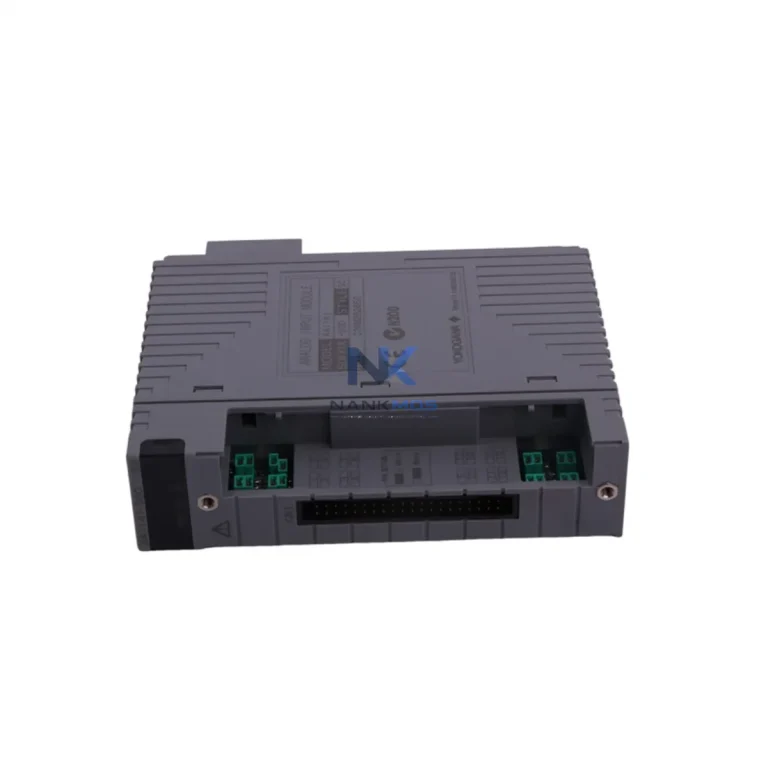
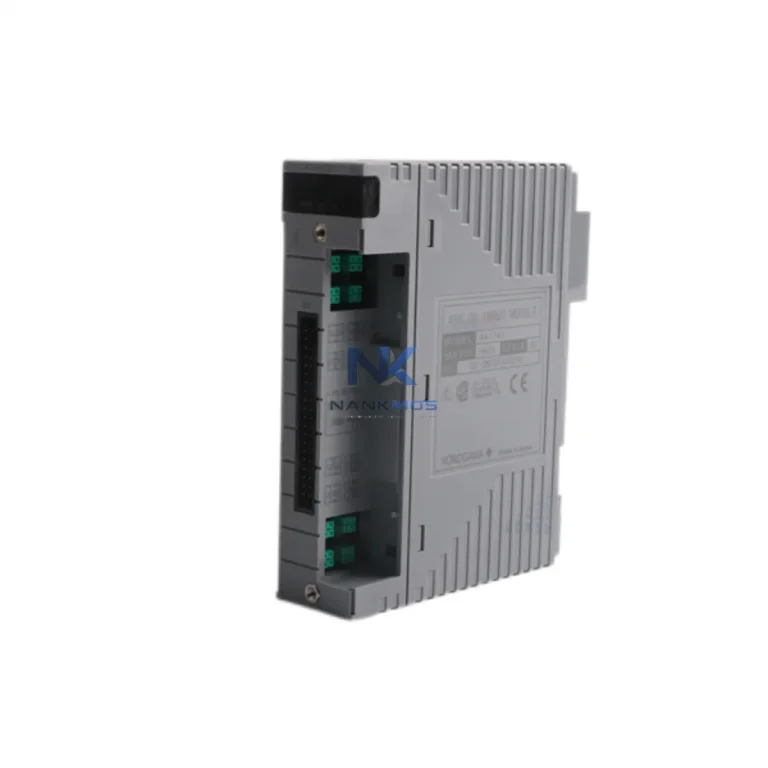
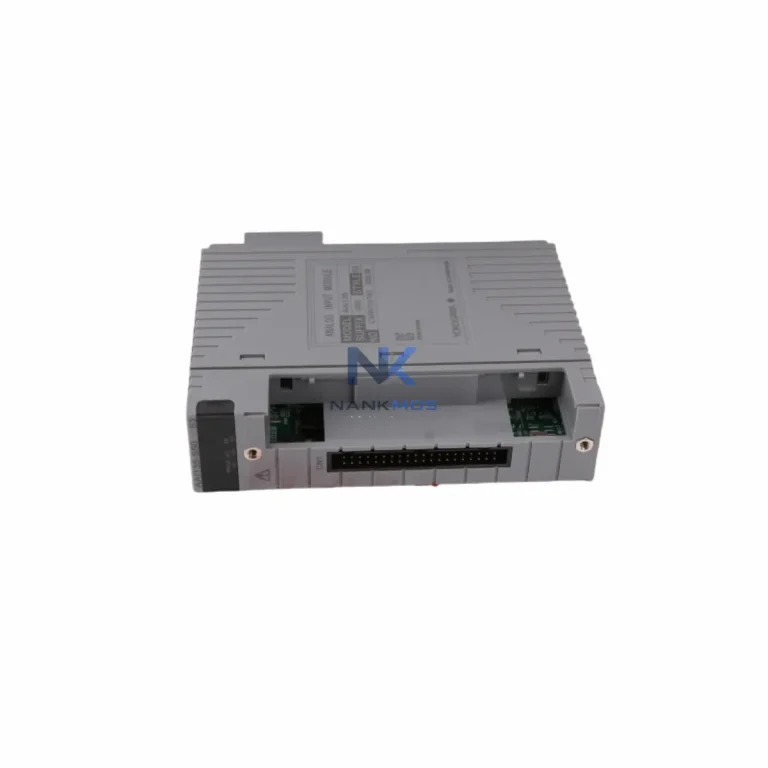
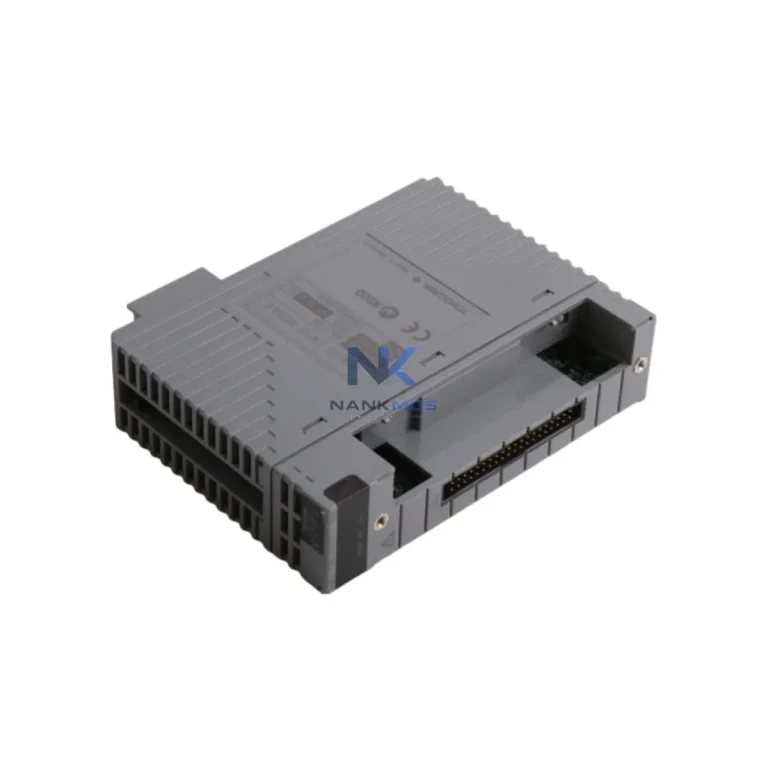
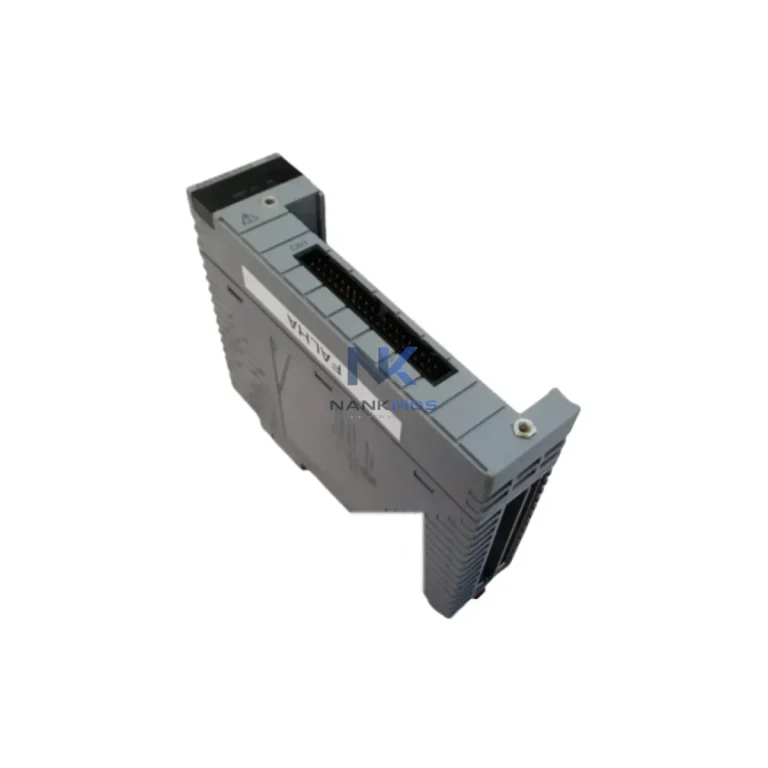
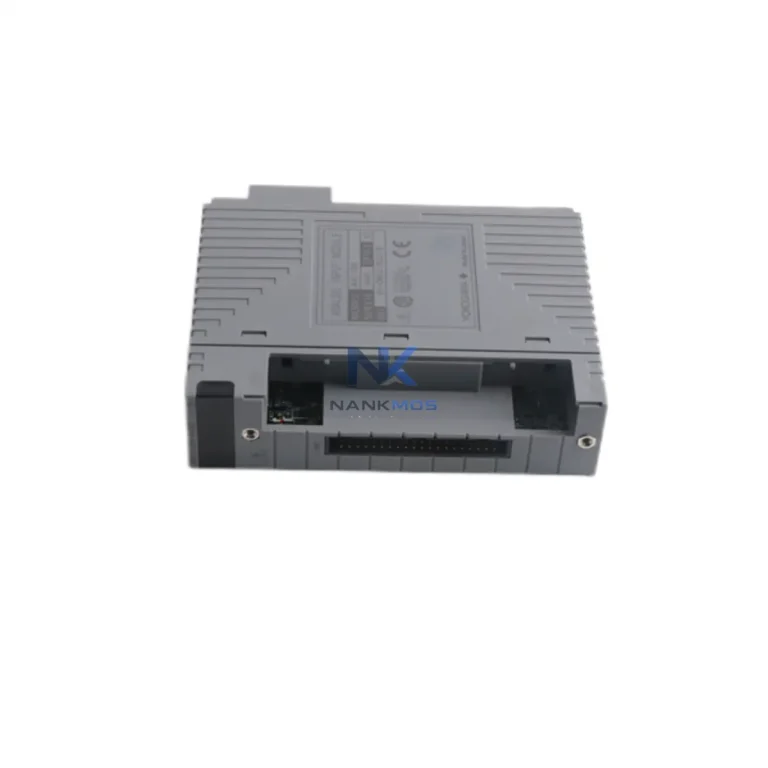
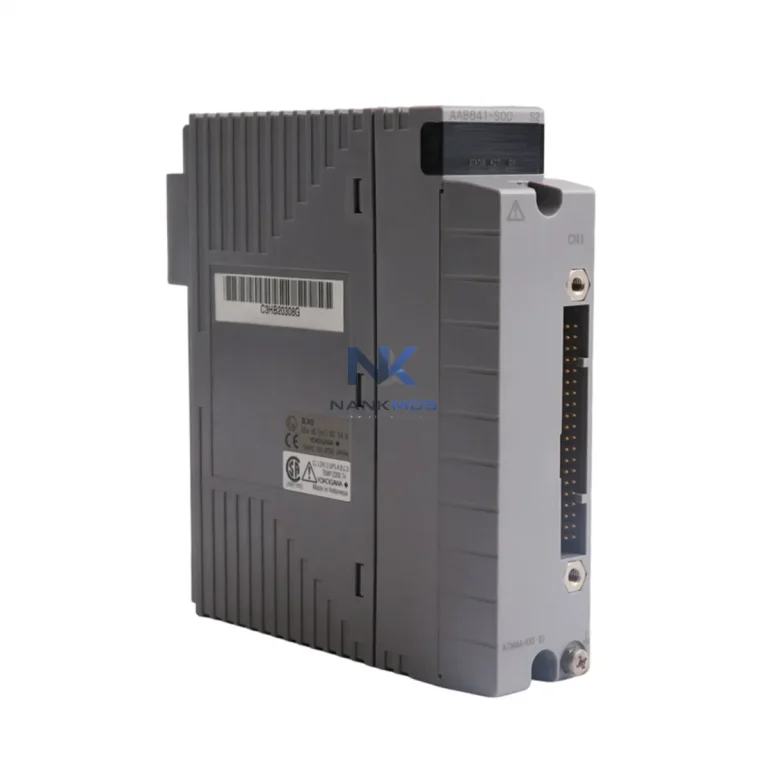
Yokogawa SB401-10 S1 is a NANKMOS industrial automation product record Listed under Other series series and Business & Industrial > Automation, Control & Flow Devices > Programmable Logic Controllers. Confirm condition, availability, lead time, compatibility and documentation by email inquiry.
Brand names are used for identification only.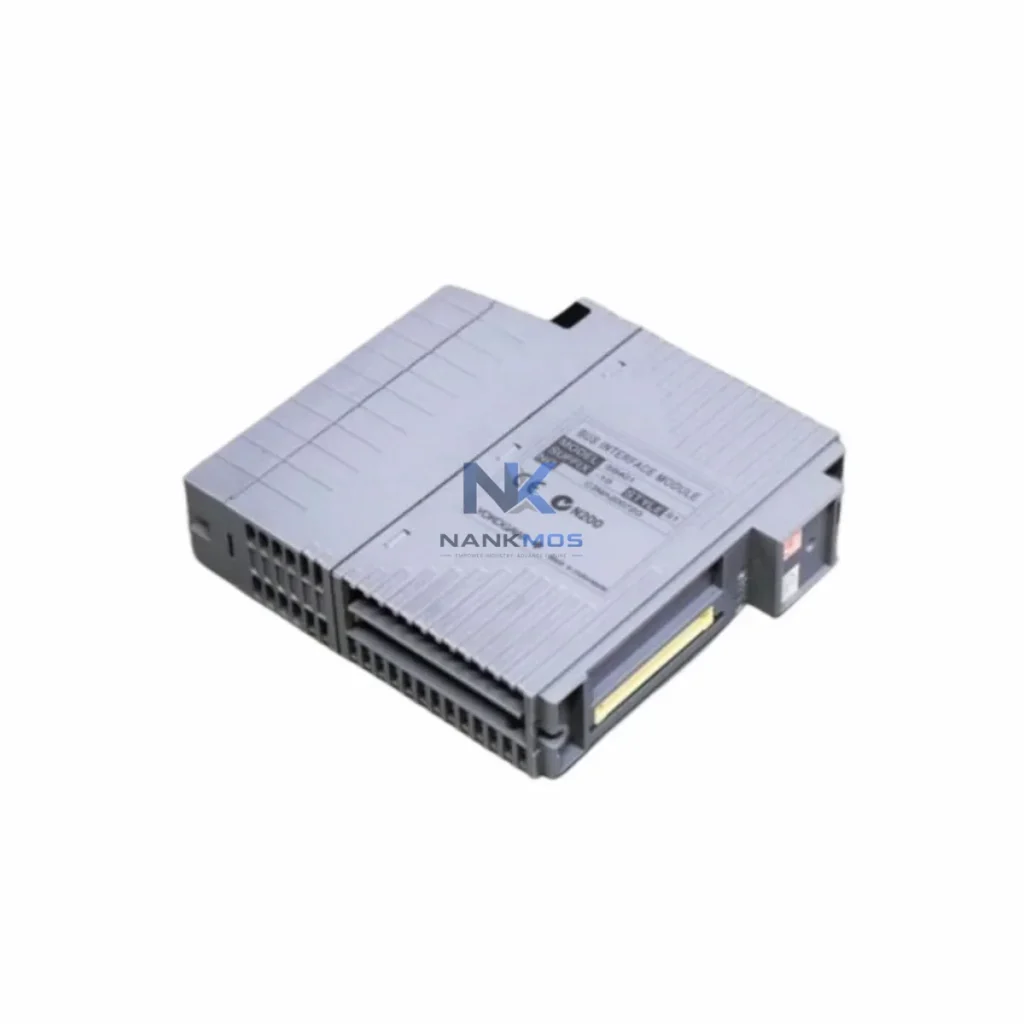
Yokogawa SB401-10 S1 is a NANKMOS industrial automation product record Listed under Other series series and Business & Industrial > Automation, Control & Flow Devices > Programmable Logic Controllers. Confirm condition, availability, lead time, compatibility and documentation by email inquiry.
| Manufacturer | Yokogawa |
|---|---|
| Application | Industrial Network & Bus Termination |
| Part Number / Model | SB401-10 S1 |
| Compatible System | Confirmed by inquiry |
| Condition Options | To Confirm |
| Module Type | Bus / Network Interface Module |
| Warranty | 12 Months |
| Packaging | Anti-static Bag / Secure Box |
| Shipping Methods | DHL / FedEx / UPS / Air / Sea |
| Availability | To Confirm |
| Lead Time | To Confirm |
| Documentation | Part number and revision checked before quote |
The Yokogawa SB401-10/S1 is a high-performance Bus Interface Module engineered for the Centum VP and Centum CS 3000 Distributed Control Systems. Designed to serve as the critical communication bridge between the process control domain and field instrumentation networks, the SB401-10/S1 enables deterministic, low-latency data exchange across FOUNDATION Fieldbus H1 segments. In energy-intensive production environments — including petrochemical refining, power generation, water treatment, and advanced manufacturing — this module plays a central role in reducing unnecessary energy consumption, stabilizing fieldbus load distribution, and ensuring that every connected field device operates within its optimal efficiency envelope.
By consolidating fieldbus segment management at the controller level, the SB401-10/S1 eliminates redundant polling cycles, reduces bus contention, and minimizes the thermal load generated by inefficient communication overhead. The result is a leaner, more responsive automation architecture that directly supports factory energy optimization targets and smart production line initiatives.
The SB401-10/S1 does not operate in isolation — its energy control value is fully realized when integrated within a coordinated Yokogawa automation architecture. In a typical Centum VP installation, the SB401-10/S1 interfaces directly with the ACF11 Field Control Station, which manages real-time process loops including flow, pressure, temperature, and motor speed. The ACF11's tight coupling with the SB401-10/S1 ensures that fieldbus device data — including energy consumption feedback from smart transmitters — is delivered to the control layer with minimal latency and zero redundant communication cycles.
On the field side, the SB401-10/S1 connects to FOUNDATION Fieldbus-compatible instruments such as the Yokogawa EJX910A Multivariable Transmitter, which provides simultaneous differential pressure, static pressure, and process temperature measurements. This multi-variable data stream allows the Centum VP controller to make energy-aware decisions — for example, adjusting pump speed references sent to a Yaskawa A1000 Variable Frequency Drive or a Yokogawa-compatible servo drive system — without requiring additional analog I/O cards or signal converters that would otherwise increase panel power draw.
The SB401-10/S1 also works in concert with the Yokogawa RM35D Power Monitor Module, enabling real-time visibility into per-segment power consumption. When the RM35D detects abnormal load patterns — such as a motor drawing excess current during a process upset — the SB401-10/S1 relays the alarm condition to the Centum VP HIS (Human Interface Station) operator console, allowing operators to intervene before thermal damage or energy waste escalates. This closed-loop feedback between the bus interface, power monitor, and HMI is a cornerstone of modern energy management system (EMS) design.
For facilities running SCADA integration alongside their DCS, the SB401-10/S1 supports upstream data aggregation through the Yokogawa Exaquantum Plant Information Management System. Exaquantum collects fieldbus device health data, energy KPIs, and production throughput metrics, enabling plant managers to correlate energy consumption with production output and identify optimization opportunities across shifts. The SB401-10/S1's role as the fieldbus gateway ensures that this data pipeline remains uninterrupted and accurate.
Additional system components that commonly operate alongside the SB401-10/S1 include the Yokogawa ALF111 FOUNDATION Fieldbus Link, the ANB10S Ethernet Communication Module for plant network integration, and the Yokogawa SCP451 Sequence Control Processor for batch and discrete automation tasks. Together, these modules form a tightly integrated, energy-conscious control platform capable of managing complex production lines with minimal wasted energy.
In modern smart factories, energy efficiency is not a secondary consideration — it is a primary design criterion. The Yokogawa SB401-10/S1 contributes to production line energy optimization in several measurable ways.
First, by supporting up to four FOUNDATION Fieldbus H1 segments per module, the SB401-10/S1 reduces the total number of interface cards required in a control cabinet. Fewer cards mean lower aggregate power consumption, reduced heat generation, and smaller cooling requirements — all of which translate directly into lower facility operating costs. In large-scale installations with dozens of fieldbus segments, this consolidation effect can represent a significant reduction in panel thermal load.
Second, the SB401-10/S1's deterministic communication scheduling eliminates the energy waste associated with uncoordinated bus polling. In legacy 4–20 mA wiring architectures, each field device requires a dedicated cable run and a dedicated analog input channel, each drawing continuous power. FOUNDATION Fieldbus, managed through the SB401-10/S1, allows multiple smart devices to share a single cable pair while communicating on a scheduled, collision-free basis. This architectural efficiency reduces both wiring infrastructure costs and the ongoing energy draw of the I/O subsystem.
Third, the SB401-10/S1 enables predictive maintenance workflows by continuously monitoring fieldbus device diagnostics. When a transmitter begins to drift, a valve positioner develops increased friction, or a motor-driven pump shows early signs of bearing wear, the SB401-10/S1 surfaces these alerts through the Centum VP alarm management system. Early intervention prevents unplanned shutdowns, which are among the most energy-intensive events in industrial operations — restarting a process line consumes far more energy than maintaining steady-state operation.
Finally, the SB401-10/S1 supports production line rhythm stability by ensuring that control loop updates remain synchronized even under high fieldbus traffic conditions. Stable loop timing means that PID controllers can maintain tighter setpoint adherence, reducing the overshoot and hunting behavior that wastes energy through unnecessary actuator movement and process variability.
Q1: What energy efficiency benefits does the SB401-10/S1 provide compared to conventional analog I/O modules? The SB401-10/S1 enables FOUNDATION Fieldbus H1 communication, which consolidates multiple field devices onto shared cable segments with scheduled, deterministic data exchange. This eliminates redundant analog signal conditioning hardware, reduces panel power draw, lowers cabinet thermal load, and enables smart device diagnostics that support predictive maintenance — all contributing to measurable reductions in facility energy consumption and unplanned downtime.
Q2: Which Yokogawa Centum DCS versions are compatible with the SB401-10/S1? The SB401-10/S1 is designed for use with Yokogawa Centum VP (R4 through R6) and Centum CS 3000 (R3) platforms. It is compatible with standard Centum field control station backplanes and integrates with Yokogawa's standard engineering and configuration tools. For cross-version compatibility verification, our technical team can assist prior to order confirmation.
Q3: What is the replacement and substitution recommendation for the SB401-10/S1? The SB401-10/S1 is a direct replacement for earlier Yokogawa bus interface modules used in Centum CS 3000 installations being upgraded to Centum VP. It maintains backward compatibility with existing FOUNDATION Fieldbus H1 field device networks, allowing plant operators to upgrade their control platform without rewiring field instrumentation. NANKMOS maintains verified stock of the SB401-10/S1 and can advise on compatible alternatives if required.
Q4: What testing and warranty coverage is provided with the SB401-10/S1? Every SB401-10/S1 unit supplied by NANKMOS undergoes a full functional test prior to shipment, verifying communication integrity, backplane interface operation, and fieldbus segment management performance. All units are covered by a 12-Month Warranty against manufacturing defects and operational failures under normal industrial operating conditions. Expedited shipping and technical support are available to minimize any impact on production continuity.
Functional Inspection100% tested on professional platforms to ensure stable performance.
 Anti-static Packaging
Modules are packed in anti-static bags to prevent electrostatic damage.
 Secure Export Packing
Cushion protection and strong cartons ensure safe transportation.
 Worldwide Shipping
Global logistics network supports air, sea and express delivery.
 Documentation Check
Part number, revision and compatibility verified before shipment.
 After-sales Support
Professional technical support to help resolve your issues.