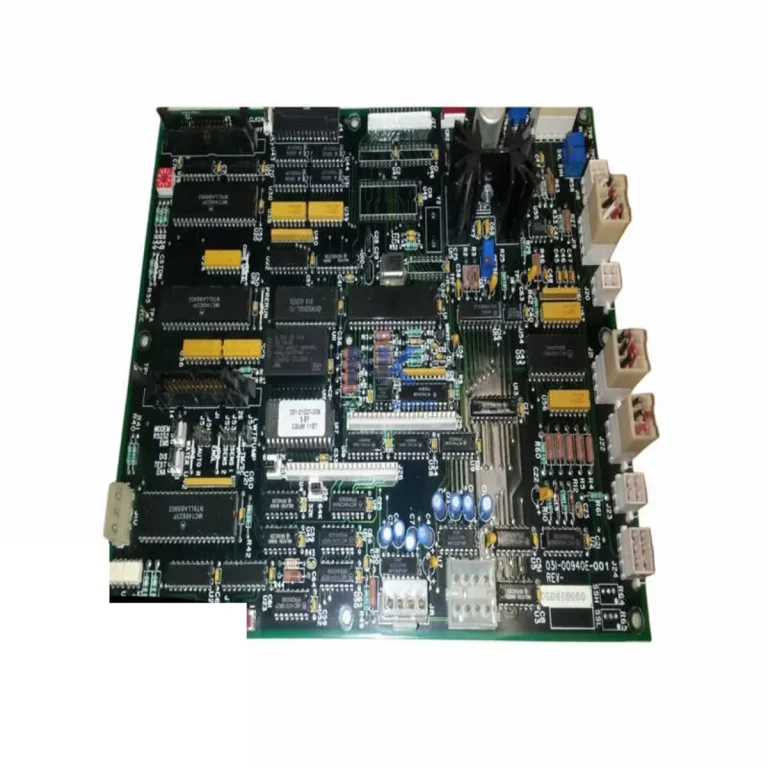
Functional Inspection
100% tested on professional platforms to ensure stable performance.
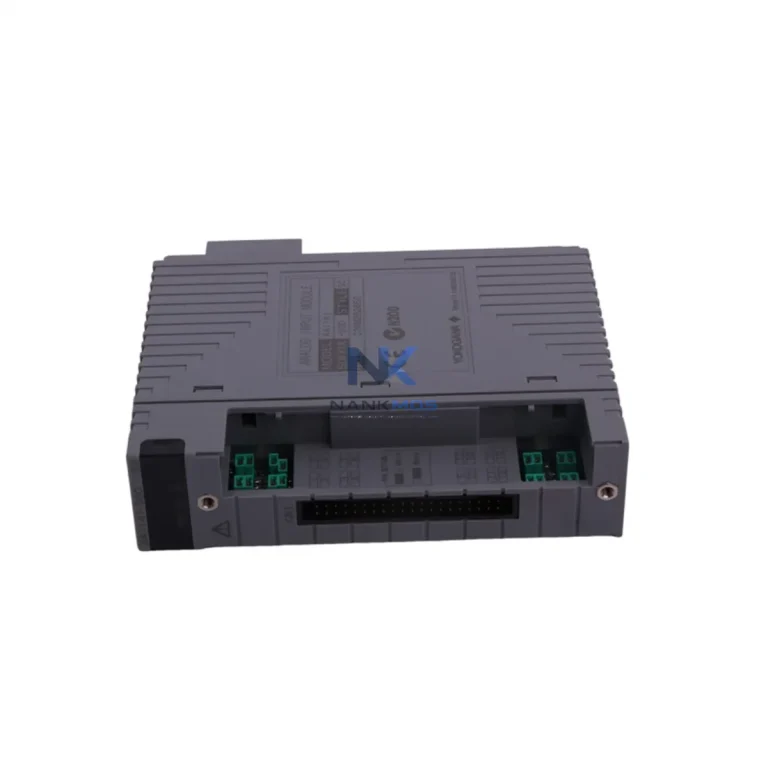
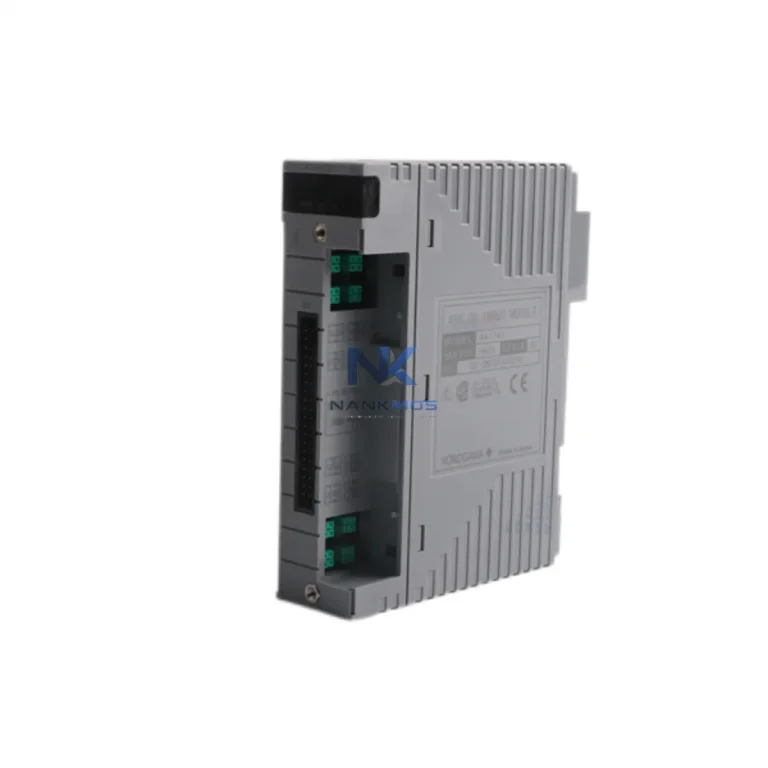
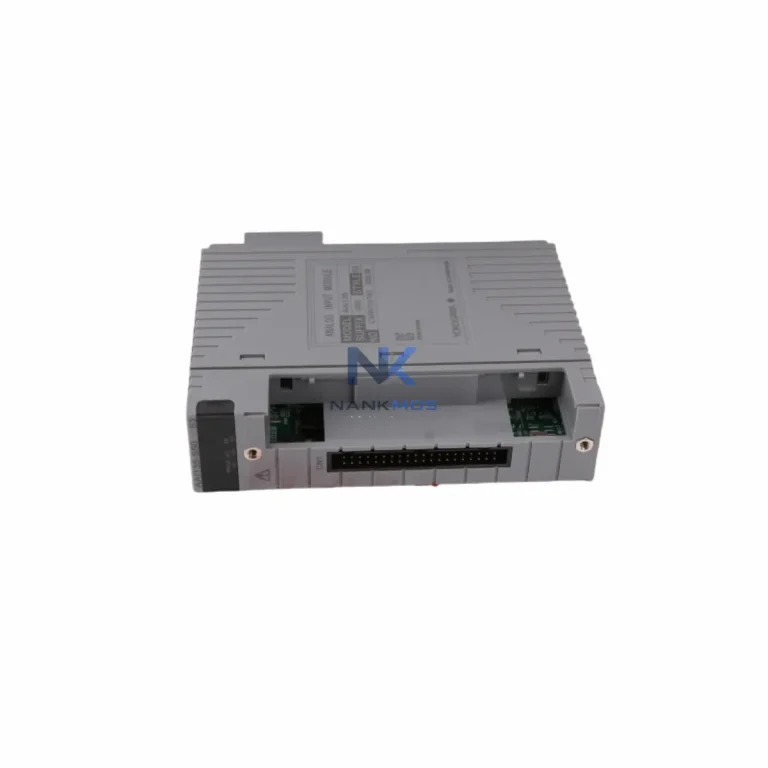
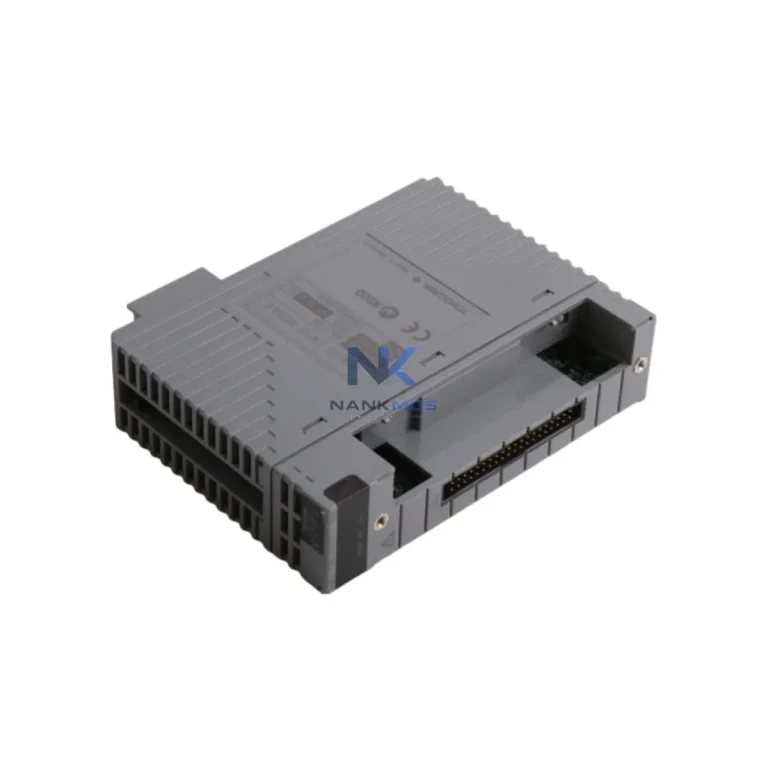
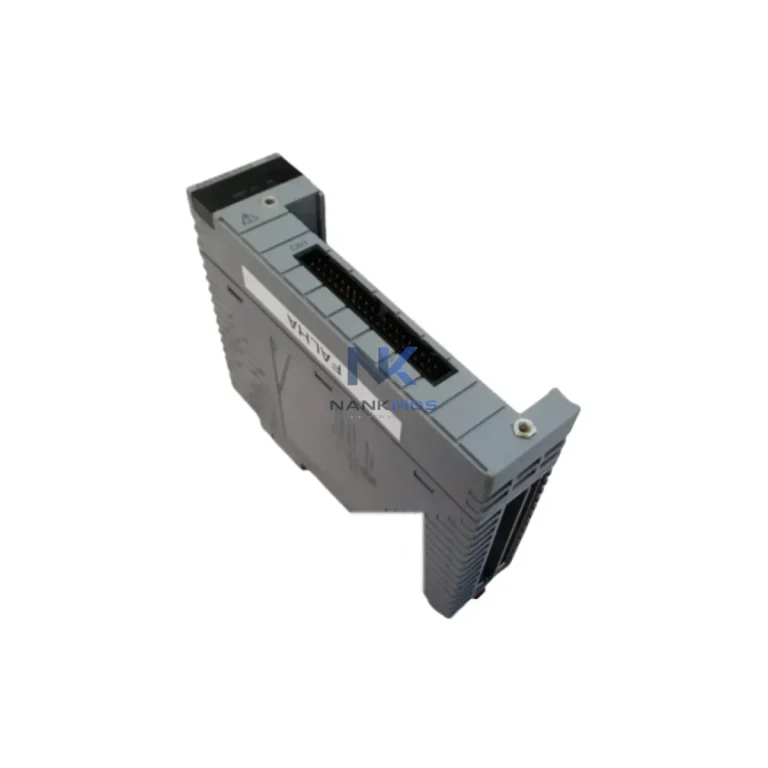
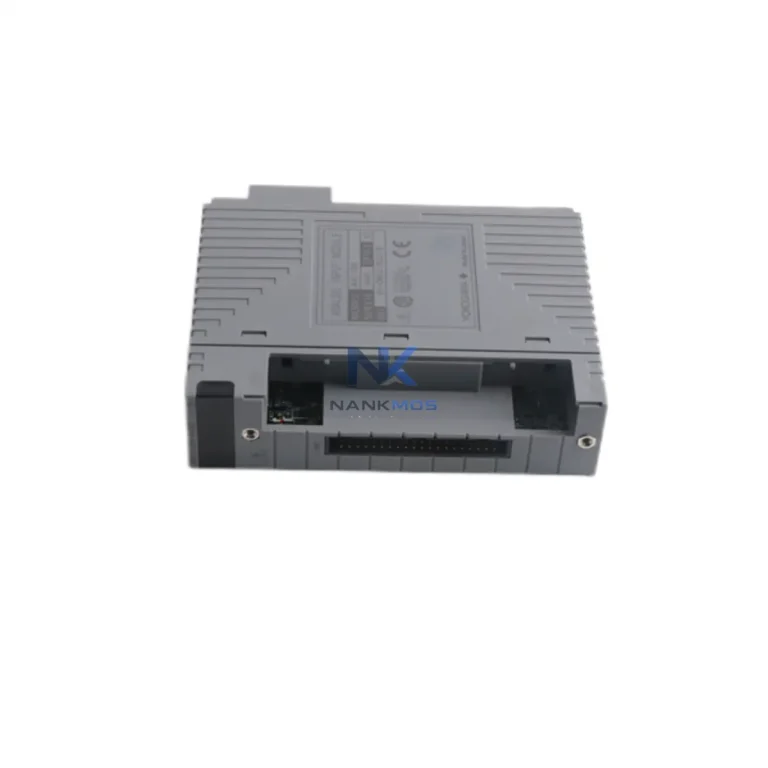
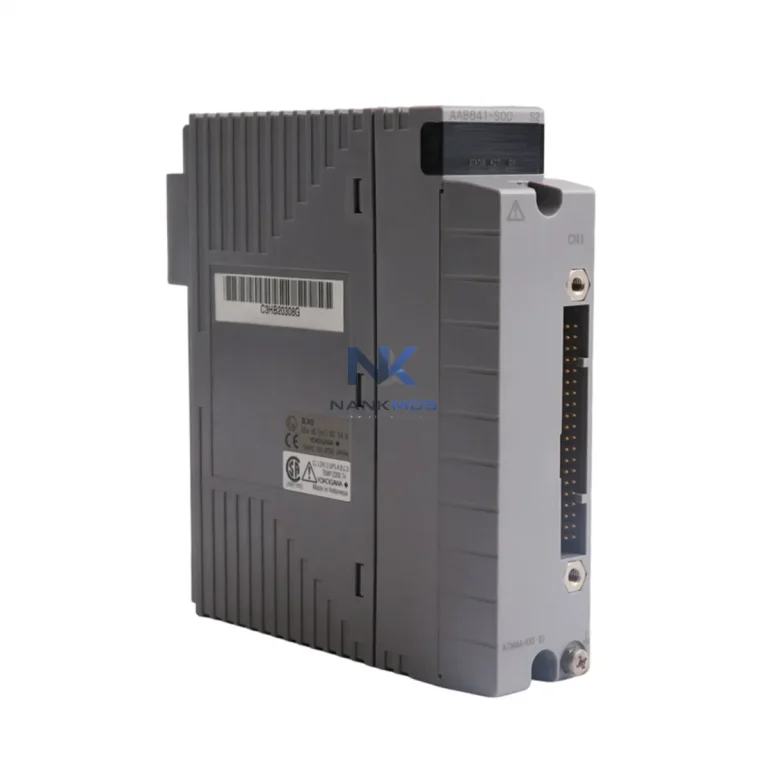
Yokogawa SNT401-13 is a NANKMOS industrial automation product record Listed under CENTUM VP series and Business & Industrial > Automation, Control & Flow Devices > Programmable Logic Controllers. Confirm condition, availability, lead time, compatibility and documentation by email inquiry.
Brand names are used for identification only.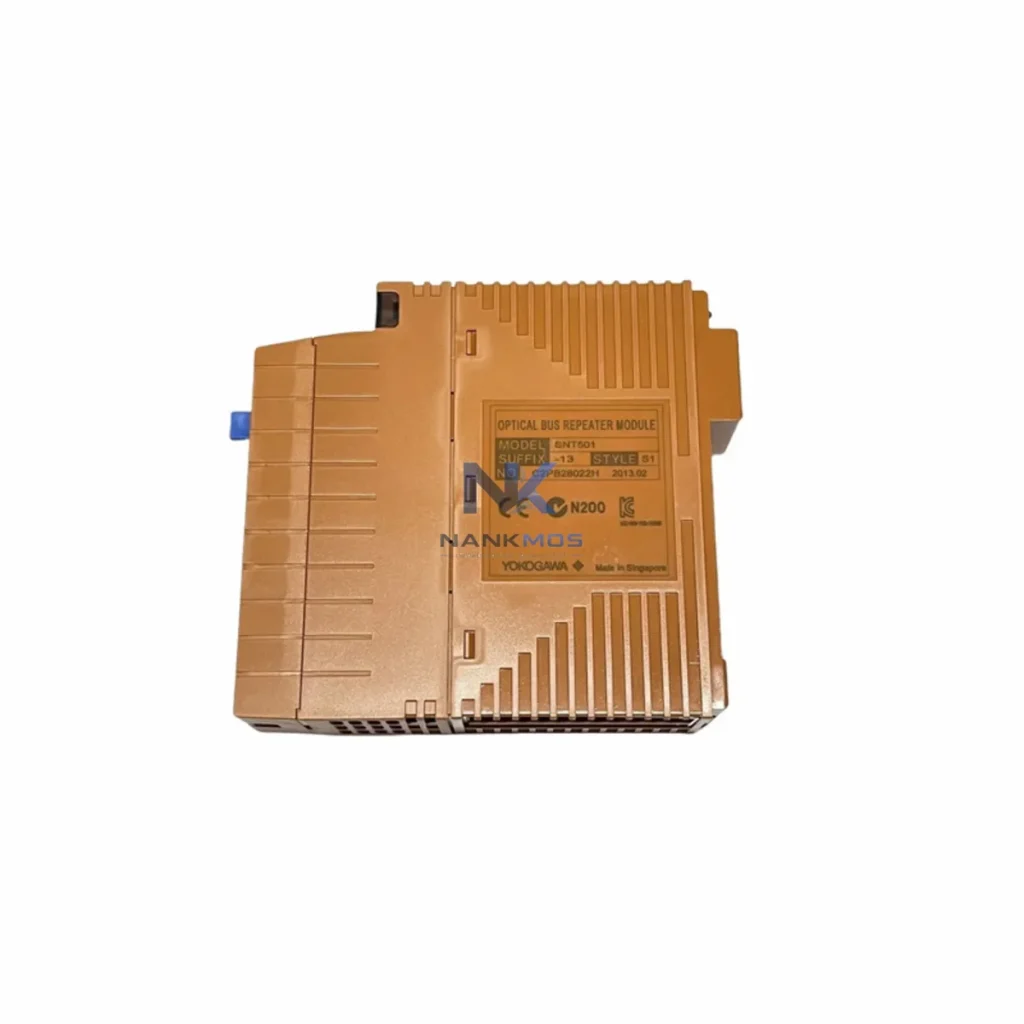
Yokogawa SNT401-13 is a NANKMOS industrial automation product record Listed under CENTUM VP series and Business & Industrial > Automation, Control & Flow Devices > Programmable Logic Controllers. Confirm condition, availability, lead time, compatibility and documentation by email inquiry.
| Manufacturer | Yokogawa |
|---|---|
| Application | Industrial Network & Bus Termination |
| Part Number / Model | SNT401-13 |
| Compatible System | CENTUM VP |
| Series | CENTUM VP |
| Condition Options | To Confirm |
| Module Type | Bus / Network Interface Module |
| Warranty | 12 Months |
| Packaging | Anti-static Bag / Secure Box |
| Shipping Methods | DHL / FedEx / UPS / Air / Sea |
| Availability | To Confirm |
| Lead Time | To Confirm |
| Documentation | Part number and revision checked before quote |
The Yokogawa SNT401-13 is a dedicated Bus Repeater Slave Module engineered for deployment within the CENTUM VP and CENTUM CS 3000 Distributed Control System (DCS) platforms. Designed to extend and regenerate the V-net/R bus communication backbone, the SNT401-13 plays a critical role in maintaining signal integrity across geographically distributed control cabinets, field junction boxes, and remote I/O stations. In large-scale process automation environments — including petrochemical complexes, power generation facilities, LNG terminals, and continuous manufacturing lines — the physical distance between the engineering workstation, the domain controller, and the field I/O nodes can exceed the native bus segment length. The SNT401-13 resolves this constraint by acting as a transparent, protocol-aware repeater that regenerates bus signals without introducing latency or protocol overhead, preserving the deterministic communication timing that CENTUM VP demands for safe and reliable process control.
Within a layered industrial control architecture, the SNT401-13 occupies the communication layer, bridging the control layer — where the CENTUM VP Field Control Station (FCS) such as the AFV10D or AFV30D executes regulatory and advanced control strategies — and the I/O layer, where analog input modules (AAI141-S), analog output modules (AAO141-S), digital input modules (ADV151-P), and digital output modules (ADV551-P) interface directly with field transmitters, control valves, and motor starters. By extending the V-net segment, the SNT401-13 enables engineers to distribute I/O nodes across multiple control cabinets or remote marshalling panels without compromising bus throughput or scan cycle consistency. This is particularly valuable in brownfield expansion projects where new process units must be integrated into an existing CENTUM VP domain without redesigning the primary control network topology.
The SNT401-13 is installed within the standard CENTUM node unit (NU) or remote node unit (RNU) chassis, sharing the same mechanical form factor and backplane connector standard as other CENTUM communication and I/O modules. This chassis-level compatibility ensures that the SNT401-13 can be inserted into an existing populated node without requiring additional mounting hardware, cable adapters, or firmware reconfiguration. The module draws power from the node unit's internal power bus, supplied by the Yokogawa PW481 or PW482 power supply modules, which provide regulated 24 VDC with built-in redundancy support. In redundant power configurations, the SNT401-13 continues to operate seamlessly during a power module switchover, contributing to the overall high-availability architecture required in safety-critical applications.
From a system redundancy perspective, the SNT401-13 supports deployment in dual-redundant bus configurations. When paired with a redundant FCS and a mirrored V-net segment, the repeater ensures that bus communication is maintained even in the event of a primary segment fault. This redundancy model aligns with IEC 61511 functional safety requirements for SIL-rated process control loops, where communication path availability is a key parameter in the safety integrity calculation. Engineers designing safety instrumented systems (SIS) that share the same physical infrastructure as the basic process control system (BPCS) will find the SNT401-13's transparent redundancy support essential for maintaining the required separation and availability metrics.
Diagnostics and maintenance efficiency are further enhanced by the SNT401-13's integration with CENTUM VP's system-wide diagnostic framework. The module reports its operational status — including bus signal quality, repeater activity, and fault conditions — directly to the CENTUM VP Human Interface Station (HIS), which may be running on a dedicated engineering workstation or integrated into a Yokogawa FAST/TOOLS SCADA environment. Maintenance engineers can monitor the SNT401-13's health in real time without requiring physical inspection of the control cabinet, reducing mean time to repair (MTTR) and supporting predictive maintenance strategies. When combined with Yokogawa's Plant Resource Manager (PRM) asset management software, the SNT401-13's diagnostic data can be trended over time to identify gradual signal degradation before it results in a communication fault.
In multi-domain CENTUM VP architectures — common in large refinery or chemical plant installations — multiple FCS domains may share a common engineering network (ENG-NET) while maintaining independent V-net bus segments for process isolation. The SNT401-13 enables each domain's bus segment to be extended independently, allowing engineers to optimise cable routing, minimise electromagnetic interference (EMI) exposure, and comply with hazardous area zoning requirements without compromising inter-domain communication performance. The module's signal regeneration capability also reduces the sensitivity of the bus to cable quality variations, which is particularly relevant in retrofit projects where existing cable infrastructure may not meet the original CENTUM VP installation specifications.
The SNT401-13 achieves its full value when considered as a component within a complete CENTUM VP automation platform rather than as a standalone module. At the control layer, the AFV10D or AFV30D Field Control Station executes the process control logic, communicating with I/O modules via the V-net bus that the SNT401-13 extends. Analog measurement signals from Yokogawa EJA-series differential pressure transmitters and YTA-series temperature transmitters are conditioned by AAI141-S analog input modules before being processed by the FCS. Control outputs are issued to AAO141-S analog output modules driving pneumatic positioners on control valves, or to ADV551-P digital output modules commanding motor control centres (MCCs) via hardwired discrete signals.
At the communication layer, the SNT401-13 works alongside the ALF111 FOUNDATION Fieldbus H1 interface module and the ALE111 PROFIBUS DP interface module, which extend the CENTUM VP platform's connectivity to field device networks. In installations where HART-enabled field devices require asset management integration, the AAI841-S HART-capable analog input module provides the necessary communication path to Yokogawa PRM without requiring additional HART multiplexers. The SNT401-13 ensures that all of these communication-intensive modules maintain reliable bus access even when the node unit is located at the physical extremity of the V-net segment.
At the HMI and SCADA layer, the CENTUM VP Human Interface Station (HIS) provides operators with real-time process graphics, alarm management, and trend displays. In larger installations, the HIS may be supplemented by a Yokogawa FAST/TOOLS SCADA server that aggregates data from multiple CENTUM VP domains and presents a unified operational view to control room operators. The SNT401-13's contribution to bus availability directly supports the data acquisition reliability of these upper-layer systems, ensuring that process values are updated at the correct scan rate and that alarm events are reported without communication-induced delays.
Petrochemical & Refinery: In crude distillation units, fluid catalytic cracking (FCC) units, and hydroprocessing reactors, the CENTUM VP platform manages thousands of control loops distributed across multiple process units. The SNT401-13 enables remote node units to be installed in field junction boxes adjacent to the process equipment, reducing field cable runs and improving signal quality for critical measurement loops including reactor temperature, column pressure differential, and feed flow control.
Power Generation: In combined cycle power plants and coal-fired generating stations, the CENTUM VP DCS manages boiler combustion control, turbine governor interfaces, and balance-of-plant systems. The SNT401-13 supports the extension of the V-net bus to remote I/O panels located in the turbine hall, boiler house, and switchyard, enabling a single FCS domain to manage geographically dispersed control functions without requiring additional domain controllers.
LNG & Gas Processing: In liquefaction trains and gas treating units, the SNT401-13 supports the deployment of CENTUM VP I/O nodes in hazardous area enclosures rated for Zone 1 or Zone 2 classification. By extending the bus segment from the safe area control room to the hazardous area field panels, the SNT401-13 reduces the number of intrinsic safety barriers and cable glands required, simplifying the installation and reducing the overall system footprint.
Water & Wastewater Treatment: In large municipal water treatment facilities and industrial effluent treatment plants, the CENTUM VP platform manages aeration control, chemical dosing, filtration sequencing, and pump station automation. The SNT401-13 enables remote pump stations and chemical storage areas to be integrated into the central CENTUM VP domain, providing operators with a unified control and monitoring interface across the entire treatment process.
Q1: How many SNT401-13 modules can be cascaded on a single V-net/R bus segment, and does cascading affect scan cycle performance? The CENTUM VP system architecture permits multiple bus repeater modules to be deployed across a single domain, subject to the maximum node count and total bus length constraints defined in the CENTUM VP system engineering guide. Cascading SNT401-13 modules extends the physical reach of the V-net segment while maintaining the deterministic communication timing required for regulatory control loops. Each repeater regenerates the bus signal to full amplitude and timing specification, ensuring that downstream nodes experience the same communication quality as nodes directly connected to the FCS. Engineers should consult the CENTUM VP system configuration tool to verify that the total node count and bus length remain within the validated operating envelope for the target scan cycle.
Q2: Is the SNT401-13 compatible with both CENTUM VP and CENTUM CS 3000, and can it be used in a mixed-generation system? The SNT401-13 is designed for use within the CENTUM VP and CENTUM CS 3000 node unit chassis families, which share a common backplane and V-net/R bus architecture. In migration projects where a CENTUM CS 3000 system is being upgraded to CENTUM VP, the SNT401-13 can continue to serve its bus extension function during the transition period, supporting a phased migration approach that minimises process disruption. Engineers should verify module compatibility with the specific firmware revision of the target FCS and node unit using the Yokogawa compatibility matrix prior to installation. NANKMOS maintains stock of SNT401-13 modules tested against current CENTUM VP firmware revisions, with a 12-Month Warranty covering all supplied units.
Q3: What is the recommended maintenance interval for the SNT401-13, and how does NANKMOS support long-term spare parts availability? The SNT401-13 is a solid-state module with no user-serviceable components, and Yokogawa's design philosophy targets a minimum operational life of ten years under normal operating conditions. Preventive maintenance is limited to periodic visual inspection, cleaning of the module face and backplane connector, and verification of bus signal quality via the CENTUM VP diagnostic display. NANKMOS maintains a dedicated inventory of SNT401-13 modules to support both planned maintenance replacements and emergency spare requirements. All modules supplied by NANKMOS are subject to pre-shipment functional testing and are covered by a 12-Month Warranty from the date of dispatch, providing customers with confidence in the reliability of their spare parts inventory. For long-term supply agreements or volume procurement, contact NANKMOS at [email protected] or +86 18359268345.
Functional Inspection100% tested on professional platforms to ensure stable performance.
 Anti-static Packaging
Modules are packed in anti-static bags to prevent electrostatic damage.
 Secure Export Packing
Cushion protection and strong cartons ensure safe transportation.
 Worldwide Shipping
Global logistics network supports air, sea and express delivery.
 Documentation Check
Part number, revision and compatibility verified before shipment.
 After-sales Support
Professional technical support to help resolve your issues.