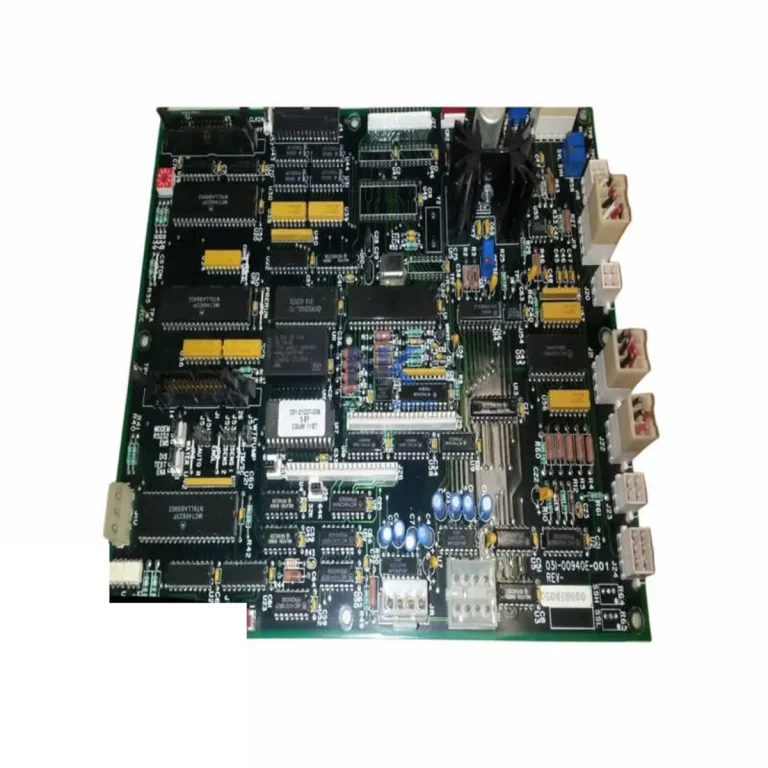
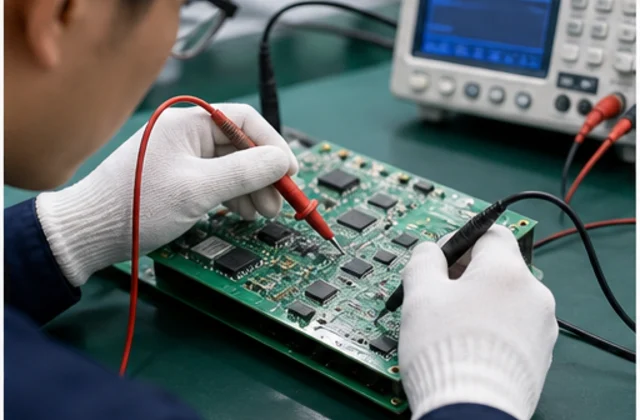
 Functional Inspection
100% tested on professional platforms to ensure stable performance.
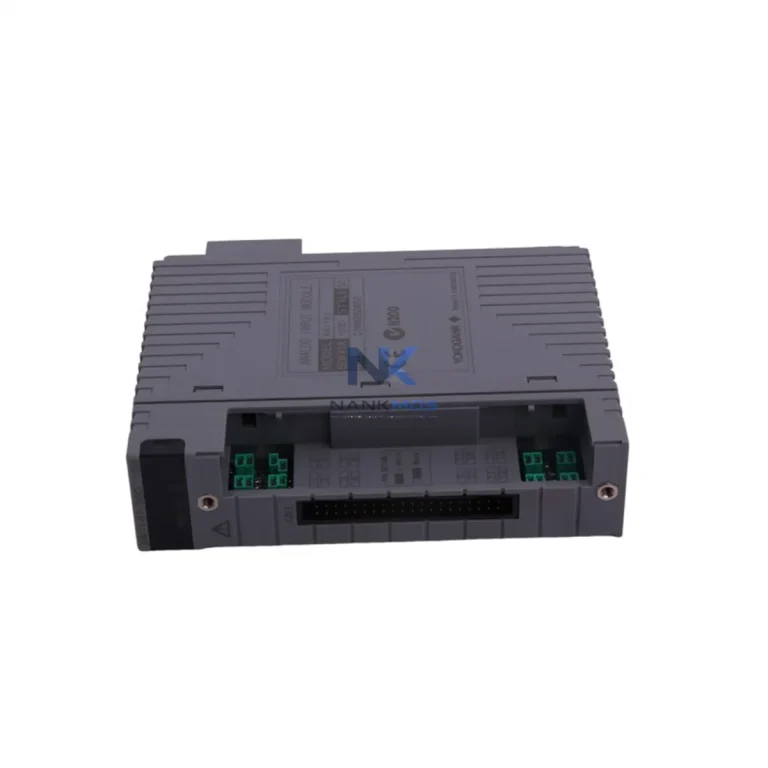
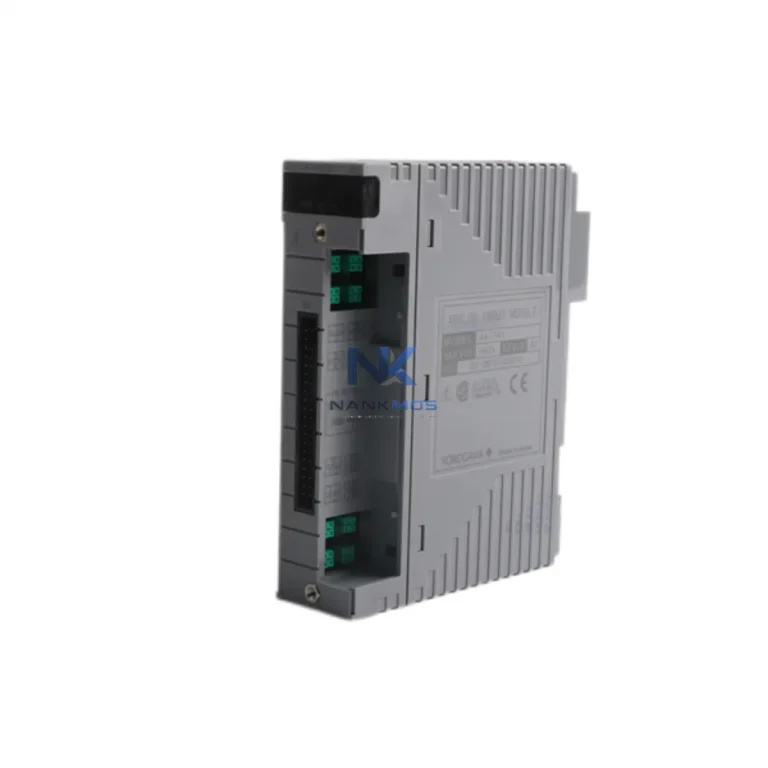
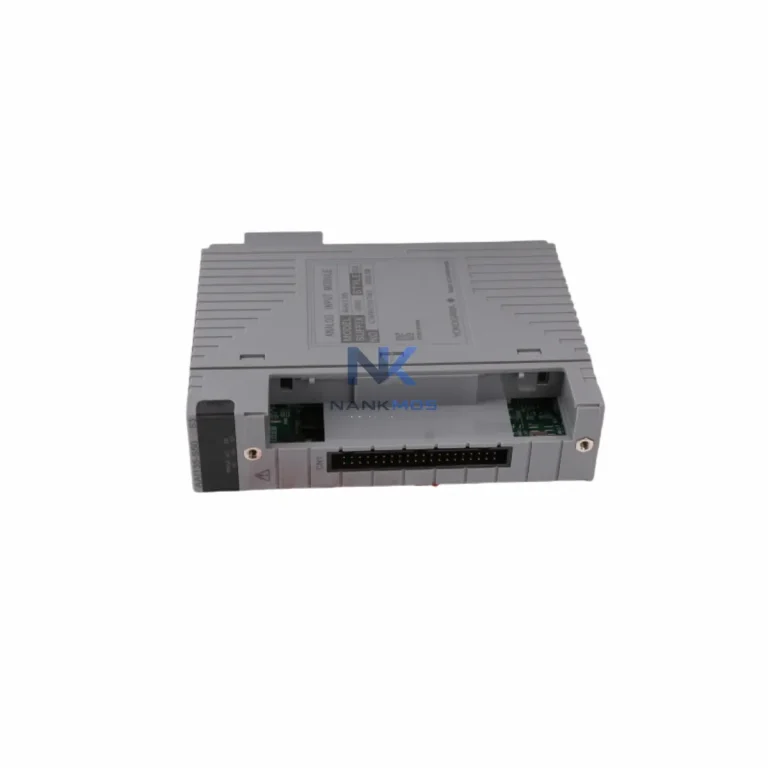
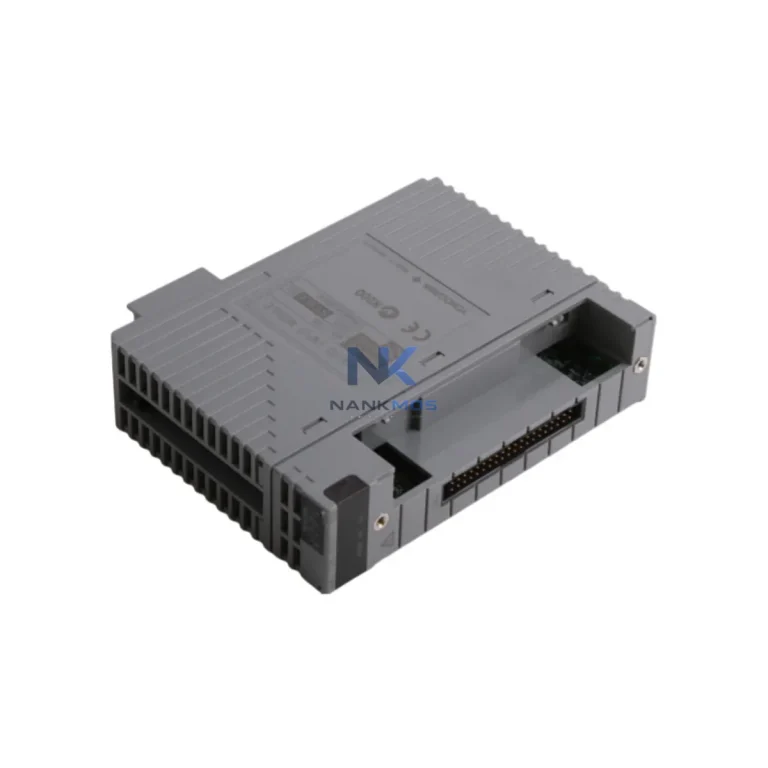
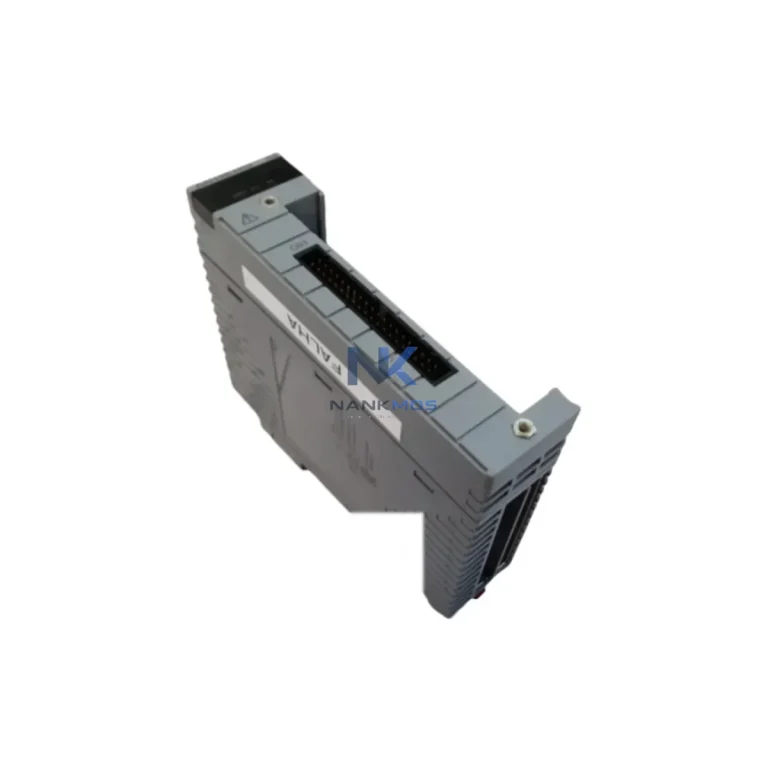
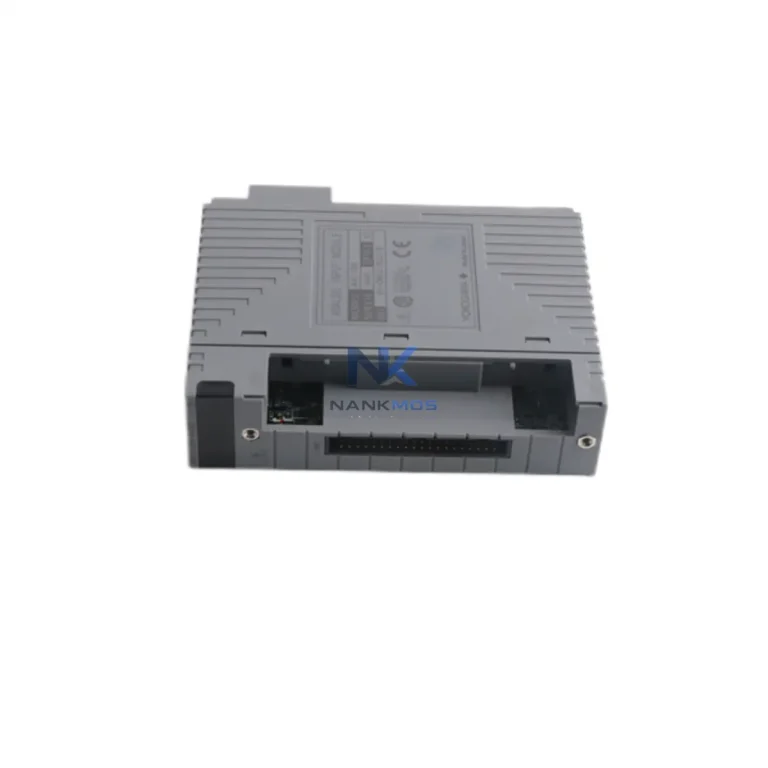
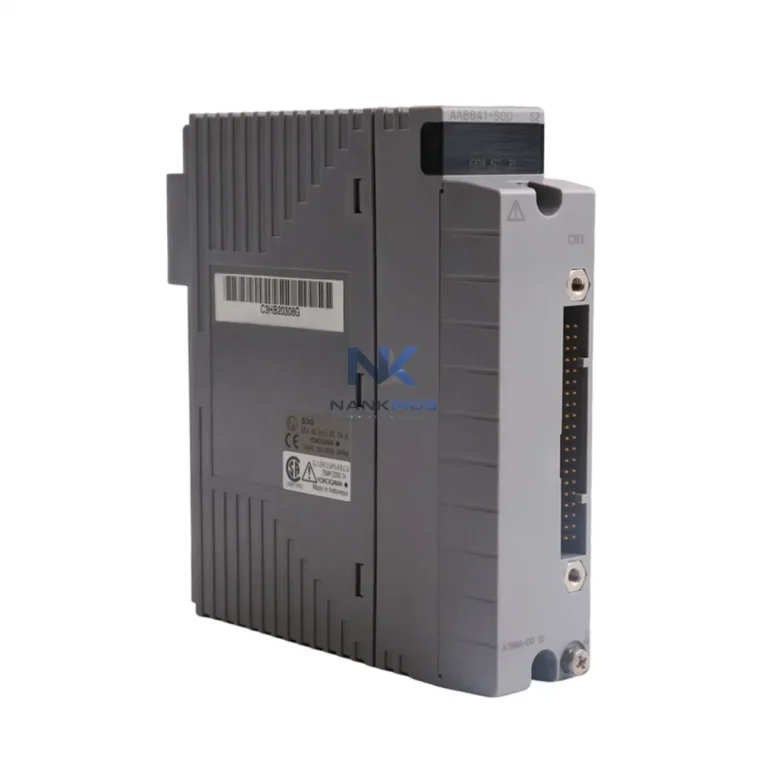
Yokogawa SNT501-13 is a NANKMOS industrial automation product record Listed under STARDOM series and Business & Industrial > Automation, Control & Flow Devices > Programmable Logic Controllers. Confirm condition, availability, lead time, compatibility and documentation by email inquiry.
Brand names are used for identification only.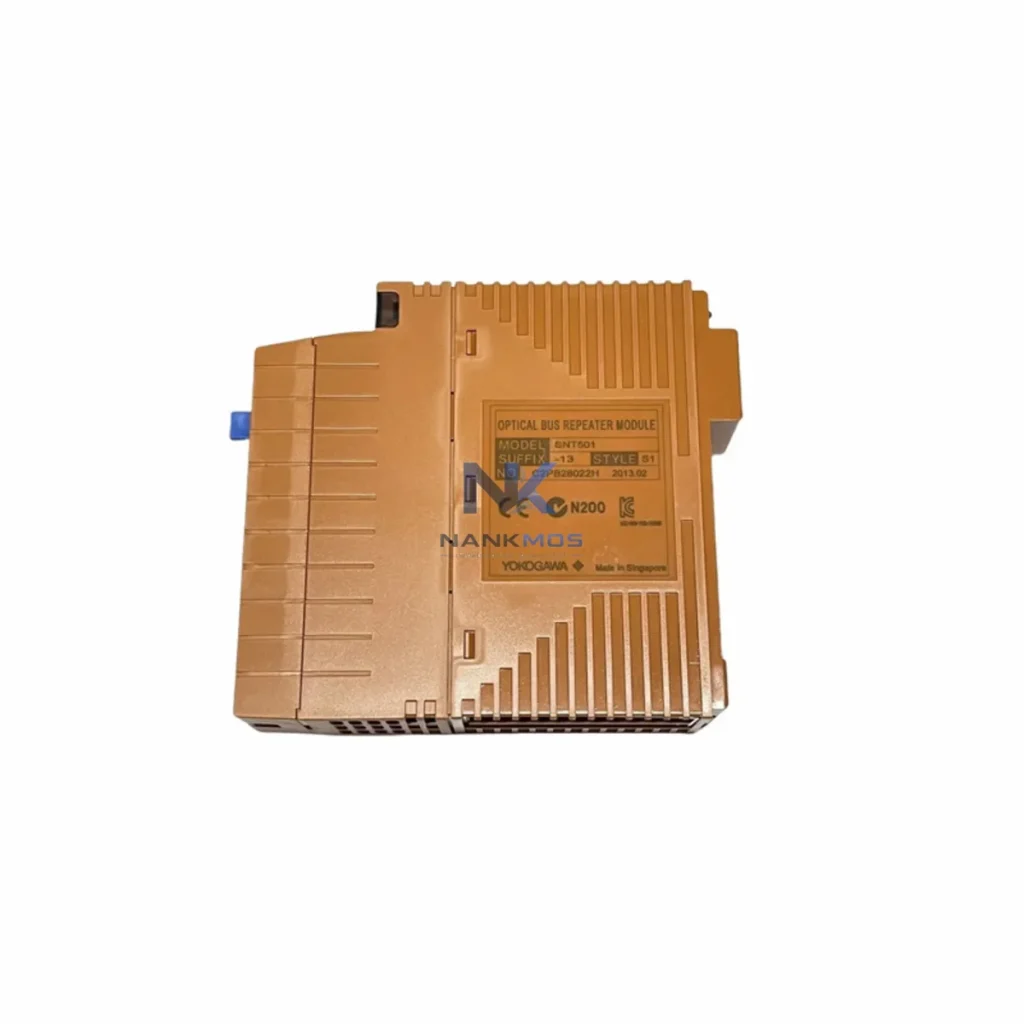
Yokogawa SNT501-13 is a NANKMOS industrial automation product record Listed under STARDOM series and Business & Industrial > Automation, Control & Flow Devices > Programmable Logic Controllers. Confirm condition, availability, lead time, compatibility and documentation by email inquiry.
| Manufacturer | Yokogawa |
|---|---|
| Application | Industrial Network & Bus Termination |
| Part Number / Model | SNT501-13 |
| Compatible System | STARDOM |
| Series | STARDOM |
| Condition Options | To Confirm |
| Module Type | Bus / Network Interface Module |
| Warranty | 12 Months |
| Packaging | Anti-static Bag / Secure Box |
| Shipping Methods | DHL / FedEx / UPS / Air / Sea |
| Availability | To Confirm |
| Lead Time | To Confirm |
| Documentation | Part number and revision checked before quote |
The Yokogawa SNT501-13 is a high-reliability FCN Bus Repeater Module engineered for the STARDOM FCN/RTU open network controller platform. Designed to extend and stabilise fieldbus communication segments across distributed automation architectures, the SNT501-13 plays a critical role in maintaining uninterrupted data flow between field devices, PLC controllers, remote I/O nodes, HMI panels, SCADA systems, and upper-level enterprise networks. In smart factory environments where data latency and signal degradation directly impact production efficiency, the SNT501-13 delivers the physical-layer backbone that keeps every node in the automation chain reliably connected.
As industrial sites scale from isolated control islands to fully integrated smart factory ecosystems, the demand for robust bus infrastructure grows exponentially. The SNT501-13 addresses this by repeating and regenerating FCN bus signals, eliminating distance limitations and enabling larger, more complex network topologies without sacrificing real-time determinism. Whether deployed in oil and gas processing, water treatment, power generation, or discrete manufacturing, this module ensures that every sensor reading, actuator command, and diagnostic packet reaches its destination with precision.
In a fully connected smart factory, the SNT501-13 sits at the heart of the FCN fieldbus segment, bridging the gap between field-level instrumentation and the control layer. Consider a typical deployment: field sensors — including pressure transmitters, flow meters, and temperature probes — feed analogue and digital signals into Yokogawa FCN remote I/O modules such as the ANT501 series analog input cards. These signals travel across the FCN bus, where the SNT501-13 repeats and regenerates the communication signal, ensuring integrity over extended cable runs or across electrical noise-prone environments.
At the controller level, the Yokogawa FCN-RTU open network controller aggregates all field data, executing real-time control logic and forwarding process values upstream via Ethernet-based protocols such as Modbus TCP or OPC-UA to the SCADA layer. SCADA platforms — integrated with Yokogawa FAST/TOOLS or third-party systems — receive live process data for visualisation, trending, and alarm management. HMI panels connected via the same Ethernet backbone display real-time status to operators on the plant floor.
For sites requiring remote diagnostics, the FCN-RTU's built-in communication stack supports VPN-secured remote access, allowing engineers to interrogate field device health, review historical logs, and push configuration updates without physical site visits. The SNT501-13 ensures that the underlying FCN bus remains stable during these remote sessions, preventing communication dropouts that could trigger false alarms or control interruptions.
Energy management systems benefit equally: Yokogawa power monitoring modules and third-party energy meters connected to the FCN bus deliver consumption data through the SNT501-13 to the SCADA historian, enabling real-time energy dashboards and demand-response automation. Variable frequency drives (VFDs) controlling pumps and fans report speed, current, and fault status through FCN-compatible gateway modules, with the SNT501-13 maintaining bus continuity across the drive cabinet's electrically noisy environment.
Edge computing nodes — such as industrial PCs running Yokogawa OpreX data management software — tap into the FCN network via OPC-UA connectors, pulling real-time and historical data for AI-driven predictive maintenance models. Industrial Ethernet switches at the network aggregation layer connect the FCN controller segment to the plant-wide LAN, while the SNT501-13 ensures the fieldbus segment beneath remains isolated from Ethernet-layer disturbances. The result is a clean, deterministic data pipeline from sensor to cloud, with the SNT501-13 as the silent enabler of every data transaction.
Protocol fragmentation is one of the most persistent challenges in brownfield automation sites. Legacy devices speaking proprietary protocols sit alongside modern Ethernet-based systems, creating data silos that prevent unified monitoring. The SNT501-13, as part of the STARDOM FCN ecosystem, works in conjunction with FCN protocol gateway modules to bridge these gaps — translating FCN bus data into Modbus RTU, Modbus TCP, or OPC-UA formats consumable by any SCADA or MES platform.
Remote monitoring gaps are addressed through the FCN-RTU's remote access capabilities, with the SNT501-13 ensuring the fieldbus segment remains continuously available. Alarm events captured at the field level — sensor faults, communication errors, process exceedances — are propagated in real time through the FCN bus to the SCADA alarm management system, enabling rapid operator response and full audit trail logging.
Production line transparency improves dramatically when every field device is reliably connected. The SNT501-13 eliminates the bus signal degradation that causes intermittent data loss, ensuring that OEE dashboards, production counters, and quality metrics reflect true plant-floor reality rather than communication artefacts. System expansion is equally straightforward: additional FCN I/O modules and field devices can be added to the bus segment without redesigning the network topology, as the SNT501-13 accommodates extended segment lengths and additional node counts.
Cybersecurity and network stability are maintained through the FCN platform's segmented architecture. The fieldbus layer managed by the SNT501-13 remains physically and logically separated from the corporate IT network, reducing the attack surface while enabling controlled data exchange through defined OPC-UA or Modbus TCP gateways.
Q1: What communication protocols does the Yokogawa SNT501-13 support? The SNT501-13 operates on the STARDOM FCN proprietary fieldbus protocol, extending FCN bus segments within the FCN/RTU open network controller platform. Upper-level communication to SCADA and MES systems is handled by the FCN-RTU controller via Modbus TCP, OPC-UA, or Ethernet/IP, depending on system configuration.
Q2: How does the SNT501-13 contribute to network stability in noisy industrial environments? By regenerating FCN bus signals at the physical layer, the SNT501-13 eliminates signal attenuation and noise-induced errors that accumulate over long cable runs or in electrically noisy environments such as drive cabinets and motor control centres. This ensures deterministic, low-latency communication across the entire FCN segment.
Q3: Can the SNT501-13 support system expansion without network redesign? Yes. The SNT501-13 allows additional FCN I/O modules, remote I/O nodes, and field devices to be added to the bus segment by extending the physical reach of the FCN network. This modular scalability is a core design principle of the STARDOM FCN platform, supporting phased smart factory expansion projects.
Q4: What quality assurance and warranty coverage is provided? Every SNT501-13 unit supplied by NANKMOS undergoes pre-shipment functional testing to verify communication integrity and module health. A 12-Month Warranty is included as standard, covering manufacturing defects and communication failures. In-stock units are available for immediate dispatch, minimising downtime for urgent replacement or new installation projects.
Functional Inspection100% tested on professional platforms to ensure stable performance.
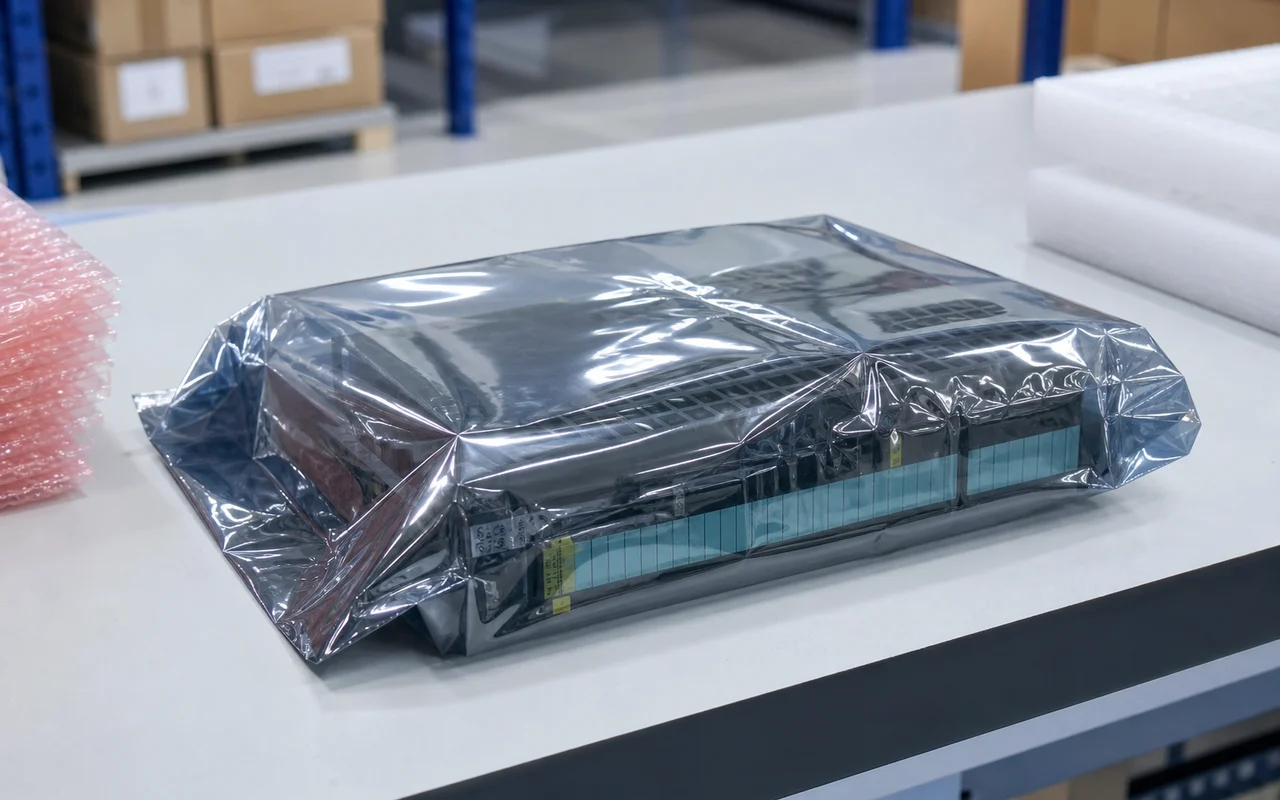 Anti-static Packaging
Modules are packed in anti-static bags to prevent electrostatic damage.
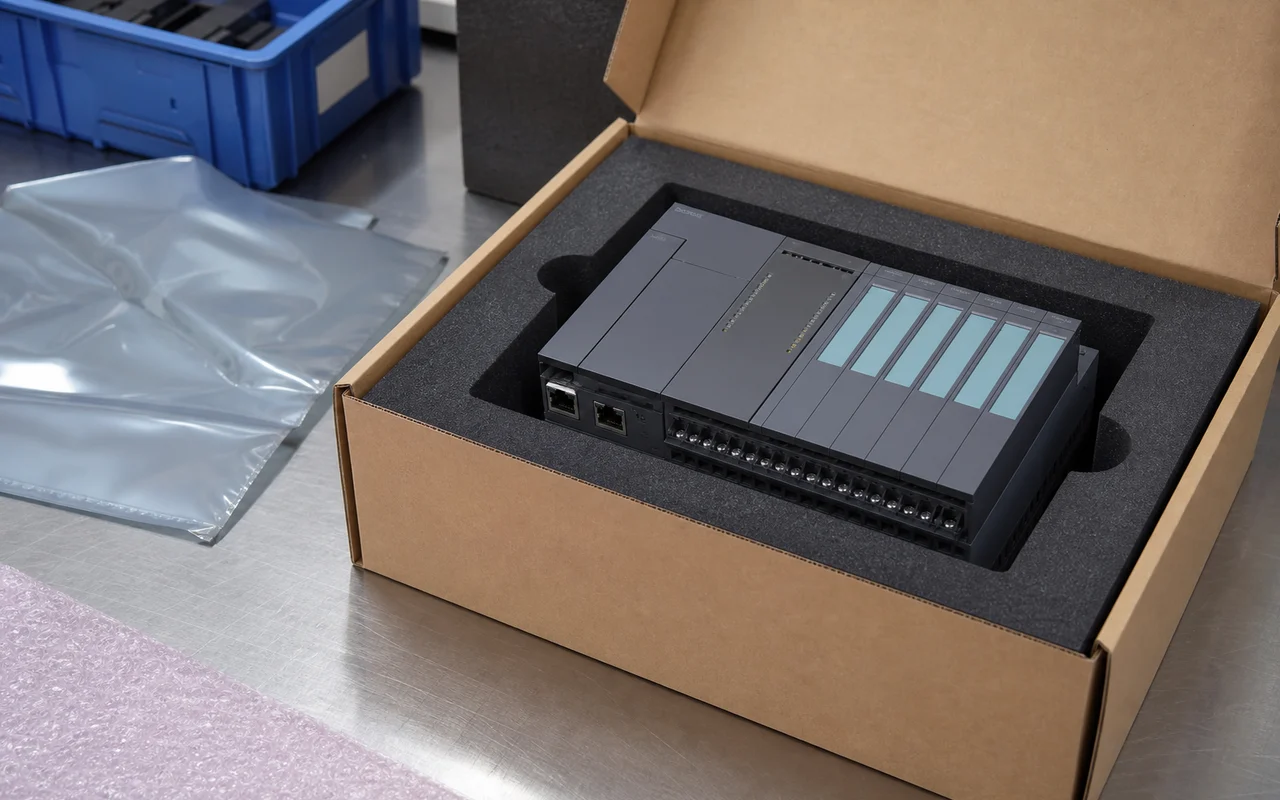 Secure Export Packing
Cushion protection and strong cartons ensure safe transportation.
 Worldwide Shipping
Global logistics network supports air, sea and express delivery.
 Documentation Check
Part number, revision and compatibility verified before shipment.
 After-sales Support
Professional technical support to help resolve your issues.