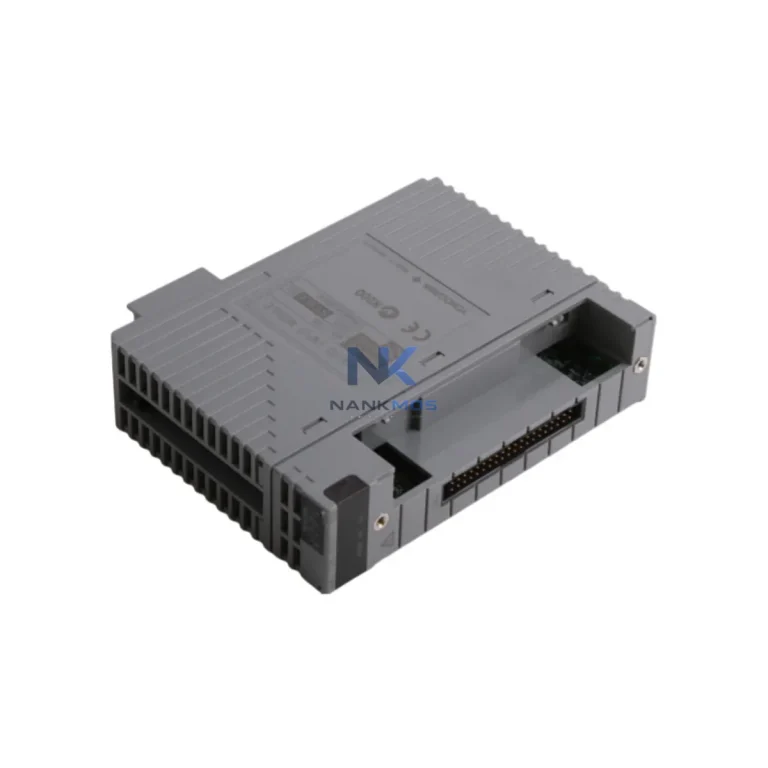
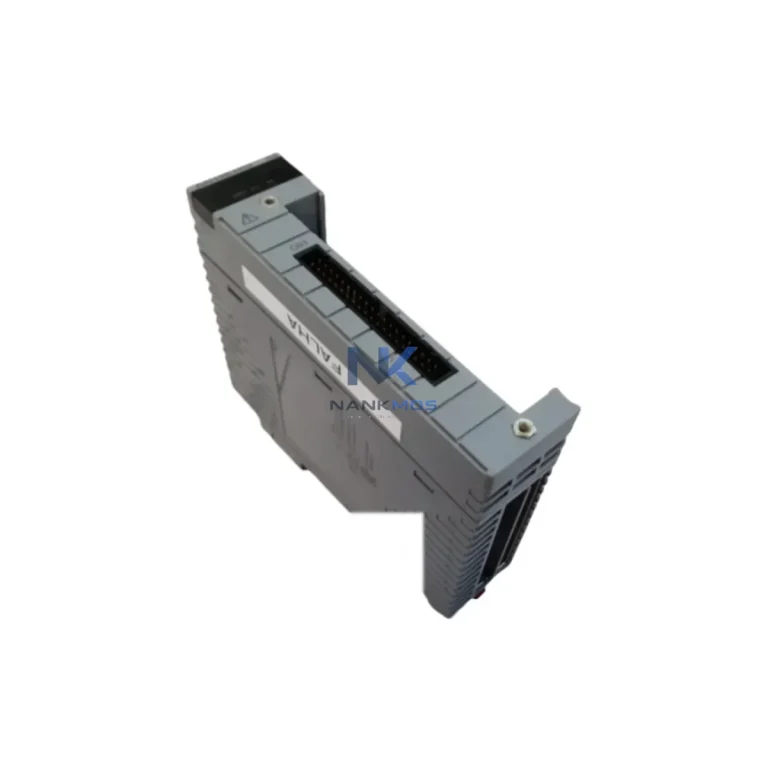
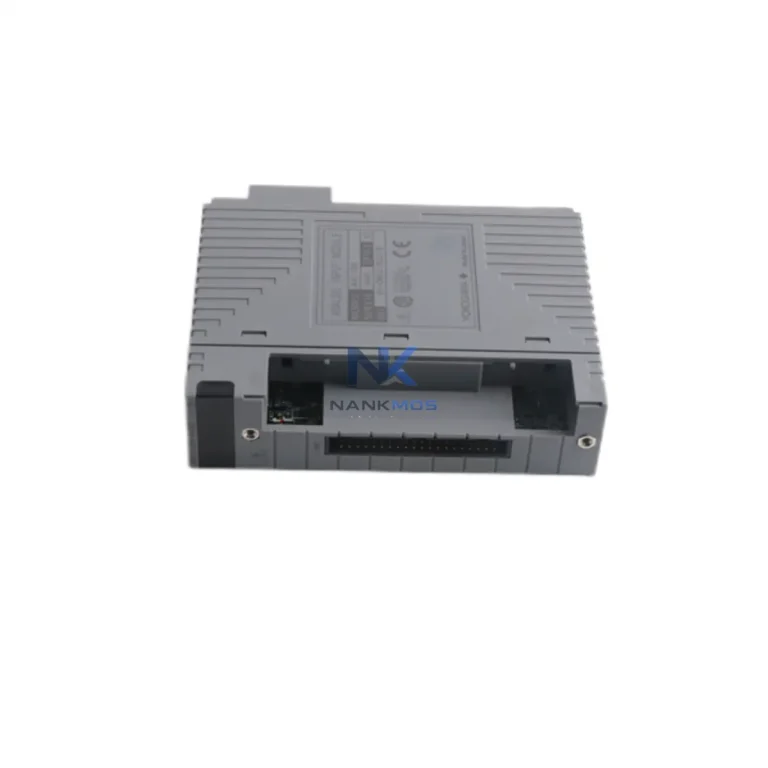
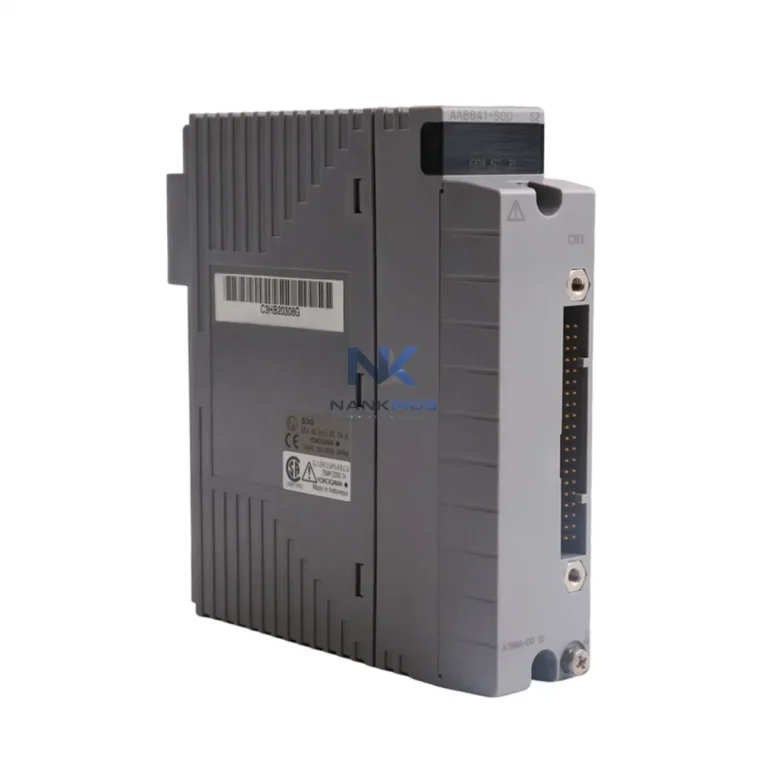
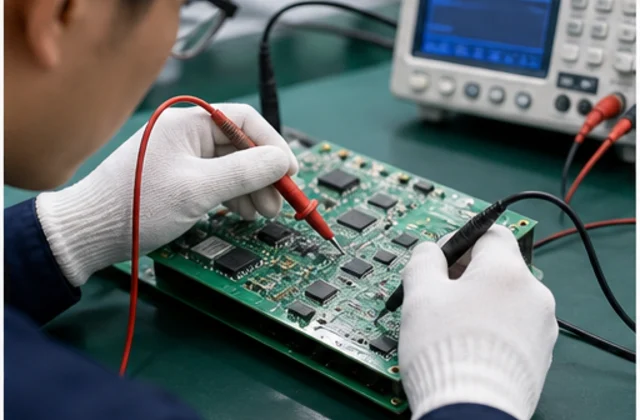
 Functional Inspection
100% tested on professional platforms to ensure stable performance.
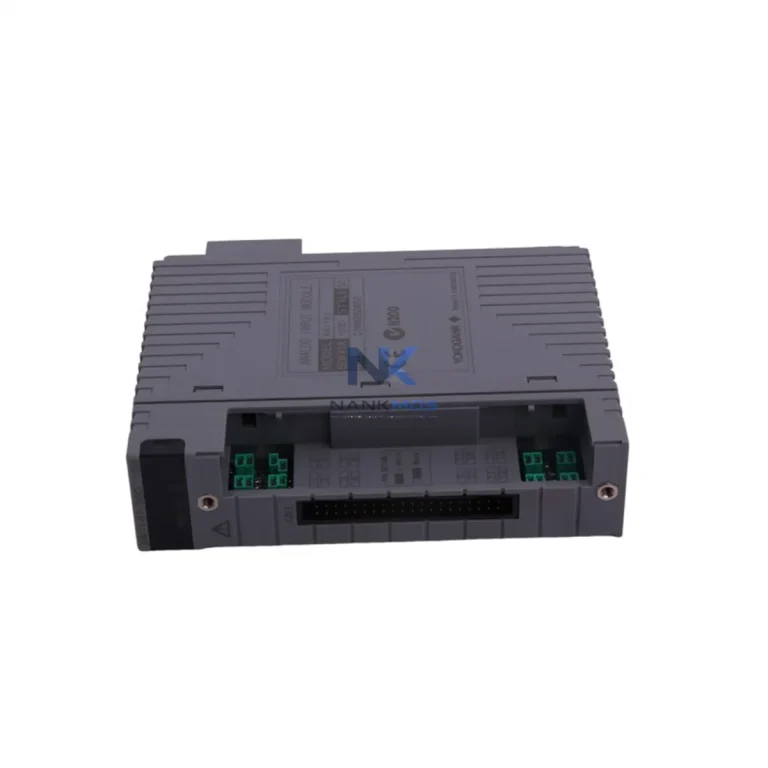
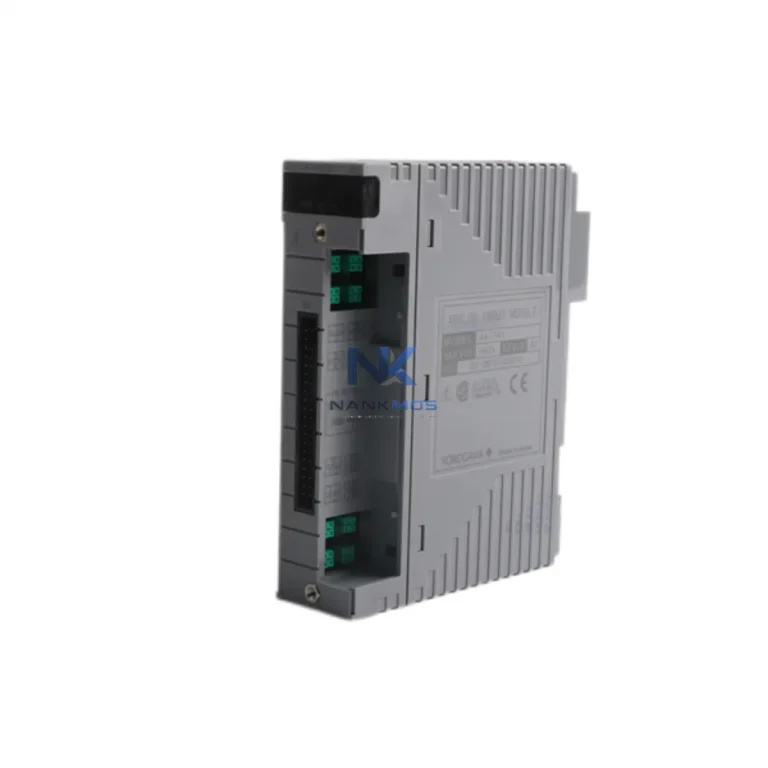
Yokogawa SNT501-E3 is a NANKMOS industrial automation product record Listed under STARDOM series and Business & Industrial > Automation, Control & Flow Devices > Programmable Logic Controllers. Confirm condition, availability, lead time, compatibility and documentation by email inquiry.
Brand names are used for identification only.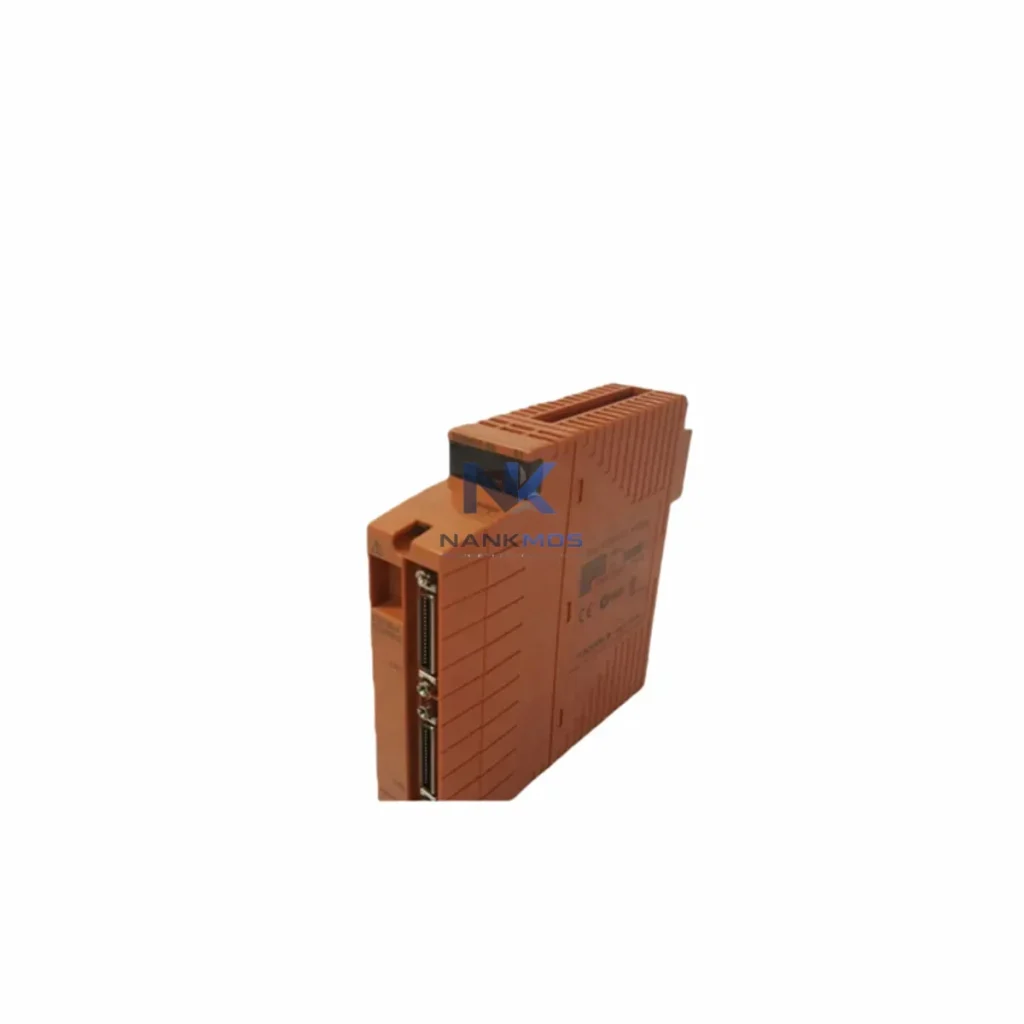
Yokogawa SNT501-E3 is a NANKMOS industrial automation product record Listed under STARDOM series and Business & Industrial > Automation, Control & Flow Devices > Programmable Logic Controllers. Confirm condition, availability, lead time, compatibility and documentation by email inquiry.
| Manufacturer | Yokogawa |
|---|---|
| Application | Industrial Network & Bus Termination |
| Part Number / Model | SNT501-E3 |
| Compatible System | STARDOM |
| Series | STARDOM |
| Condition Options | To Confirm |
| Module Type | Bus / Network Interface Module |
| Warranty | 12 Months |
| Packaging | Anti-static Bag / Secure Box |
| Shipping Methods | DHL / FedEx / UPS / Air / Sea |
| Availability | To Confirm |
| Lead Time | To Confirm |
| Documentation | Part number and revision checked before quote |
The Yokogawa SNT501-E3 is a system bus communication module engineered for deployment within the STARDOM FCN/FCJ autonomous controller platform — Yokogawa's field-proven distributed control architecture designed for process automation, remote monitoring, and modular I/O expansion across demanding industrial environments. As a dedicated bus communication interface, the SNT501-E3 serves as the internal signal backbone that binds the controller core to its peripheral I/O modules, ensuring deterministic data exchange, low-latency signal propagation, and high-integrity communication across the full control node.
In modern industrial control system design, the bus communication layer is not a passive conduit — it is the architectural foundation upon which system consistency, scalability, and long-term maintainability are built. The SNT501-E3 fulfils this role within the STARDOM ecosystem by providing a structured, high-reliability interface between the FCN/FCJ CPU module and the downstream I/O subsystem, enabling engineers to deploy modular, rack-based control nodes with confidence in signal fidelity and system coherence.
The SNT501-E3 does not operate in isolation — its value is realised within the context of a fully integrated STARDOM control node. A complete FCN-based automation platform typically comprises the FCN-100 or FCN-500 CPU module as the processing core, responsible for executing control logic, managing I/O polling cycles, and maintaining Ethernet-based upstream communication with SCADA or DCS host systems. The SNT501-E3 bridges this CPU layer to the I/O subsystem, enabling the rack to accommodate a range of STARDOM I/O modules — including analogue input modules for 4–20 mA process signals, digital input/output modules for discrete field device interfacing, and thermocouple or RTD input modules for temperature measurement in process-critical applications.
At the communication layer, the FCN platform supports Ethernet-based protocols including Modbus TCP and OPC-UA, with dedicated Ethernet communication modules handling upstream connectivity to historian servers, HMI stations, and engineering workstations. The SNT501-E3 ensures that the internal bus remains stable and latency-consistent regardless of upstream network load, preserving the integrity of the I/O scan cycle. This separation of internal bus communication from external network traffic is a deliberate architectural feature of the STARDOM platform, and the SNT501-E3 is the hardware embodiment of that design principle.
For power distribution within the control cabinet, the FCN power supply module provides regulated DC power to the backplane, with the SNT501-E3 drawing its operating power directly from the bus — eliminating the need for separate field wiring to the communication module and simplifying cabinet layout. In redundant control architectures, dual power supply configurations are supported, and the SNT501-E3's bus interface is designed to maintain communication continuity during power module switchover events.
At the HMI and supervisory layer, STARDOM FCN nodes are commonly integrated with Yokogawa FAST/TOOLS SCADA or third-party HMI platforms via OPC-UA or Modbus TCP, with the FCN CPU managing the protocol translation between the internal bus and the Ethernet-facing interface. Signal isolators and surge protection devices are recommended at field terminal blocks to protect the I/O modules from transient voltages in electrically noisy environments such as motor control centres or high-voltage switchgear panels. Industrial Ethernet switches with managed VLAN support are deployed at the network layer to segment control traffic from corporate IT networks, ensuring deterministic communication latency for the FCN node's upstream data path.
In larger distributed architectures, multiple FCN nodes — each equipped with an SNT501-E3 and a full complement of I/O modules — are networked together via Ethernet, with a central SCADA or DCS server aggregating process data from all nodes. This modular, distributed topology is a hallmark of the STARDOM platform's design philosophy, and the SNT501-E3's role as the internal bus communication module is what makes each individual node a coherent, self-contained control unit capable of autonomous operation even in the event of upstream network disruption.
Oil, Gas & Petrochemical: The SNT501-E3 is well-suited for deployment in upstream and midstream oil and gas facilities, where FCN autonomous controllers are used for wellhead monitoring, pipeline pressure regulation, and compressor station control. The module's ability to maintain stable internal bus communication in high-vibration, wide-temperature-range environments makes it appropriate for field-mounted control panels in remote locations with limited maintenance access.
Water & Wastewater Treatment: Municipal water treatment plants and industrial effluent systems rely on distributed FCN nodes for pump station control, chemical dosing regulation, and flow measurement. The SNT501-E3 supports the I/O density required for these applications by enabling full rack population with analogue and digital I/O modules, all communicating reliably over the internal system bus.
Power Generation & Utilities: In power plant auxiliary systems — including cooling water circuits, fuel handling, and emissions monitoring — the STARDOM FCN platform provides the distributed control infrastructure, with the SNT501-E3 ensuring that I/O data from field transmitters and actuators reaches the CPU module with deterministic timing. This is critical for alarm management and interlock logic in safety-related auxiliary systems.
Manufacturing & Discrete Production: Packaging lines, assembly systems, and material handling conveyors increasingly adopt STARDOM FCN nodes for localised machine control with Ethernet connectivity to plant-level MES systems. The SNT501-E3 supports the modular I/O expansion required for these applications, allowing engineers to configure each FCN node with the precise mix of digital and analogue I/O modules needed for the specific machine or process cell.
Marine & Offshore: Yokogawa's STARDOM platform has a documented history of deployment in marine automation applications, including vessel monitoring systems and offshore platform control. The SNT501-E3's compact form factor and rack-based installation make it suitable for space-constrained marine control panels, where reliable internal bus communication is essential for continuous operation in high-humidity, high-vibration environments.
Q1: Is the SNT501-E3 compatible with both FCN-100 and FCN-500 controller platforms, and can it be used in a redundant CPU configuration? The SNT501-E3 is designed for use within the STARDOM FCN rack system and is compatible with FCN-100 and FCN-500 base units. For redundant CPU configurations, the FCN platform supports dual-CPU redundancy at the controller level, and the system bus communication architecture — of which the SNT501-E3 is a component — is designed to support seamless switchover without loss of I/O data. Engineers implementing redundant architectures should consult the FCN hardware configuration guide to confirm module slot assignments and redundancy wiring requirements for their specific base unit revision.
Q2: What pre-shipment testing is performed on the SNT501-E3, and what does the 12-Month Warranty cover? All SNT501-E3 units supplied by NANKMOS undergo pre-shipment functional verification to confirm module identification, bus interface integrity, and physical condition prior to dispatch. The 12-Month Warranty covers manufacturing defects and functional failures under normal operating conditions from the date of shipment. Units that exhibit failure due to incorrect installation, overvoltage events, or physical damage are assessed on a case-by-case basis. Warranty claims are processed through NANKMOS's technical support team, with replacement or repair options available depending on failure mode and lead time requirements.
Q3: How should the SNT501-E3 be installed and commissioned within an FCN rack, and what are the key checks during system integration? The SNT501-E3 is installed in the designated bus communication module slot within the FCN base unit — slot assignment is defined by the FCN hardware configuration and must not be altered without reference to the system architecture documentation. During commissioning, engineers should verify that the module is firmly seated in the backplane connector, that the FCN CPU recognises the SNT501-E3 in the hardware configuration tool, and that I/O module communication is confirmed across all populated slots before enabling control logic execution. Diagnostic LEDs on the module provide real-time status indication for bus communication health, and any fault conditions should be resolved before the node is placed in service. NANKMOS's technical team is available to support integration queries for customers commissioning SNT501-E3 units in new or retrofit FCN installations.
Functional Inspection100% tested on professional platforms to ensure stable performance.
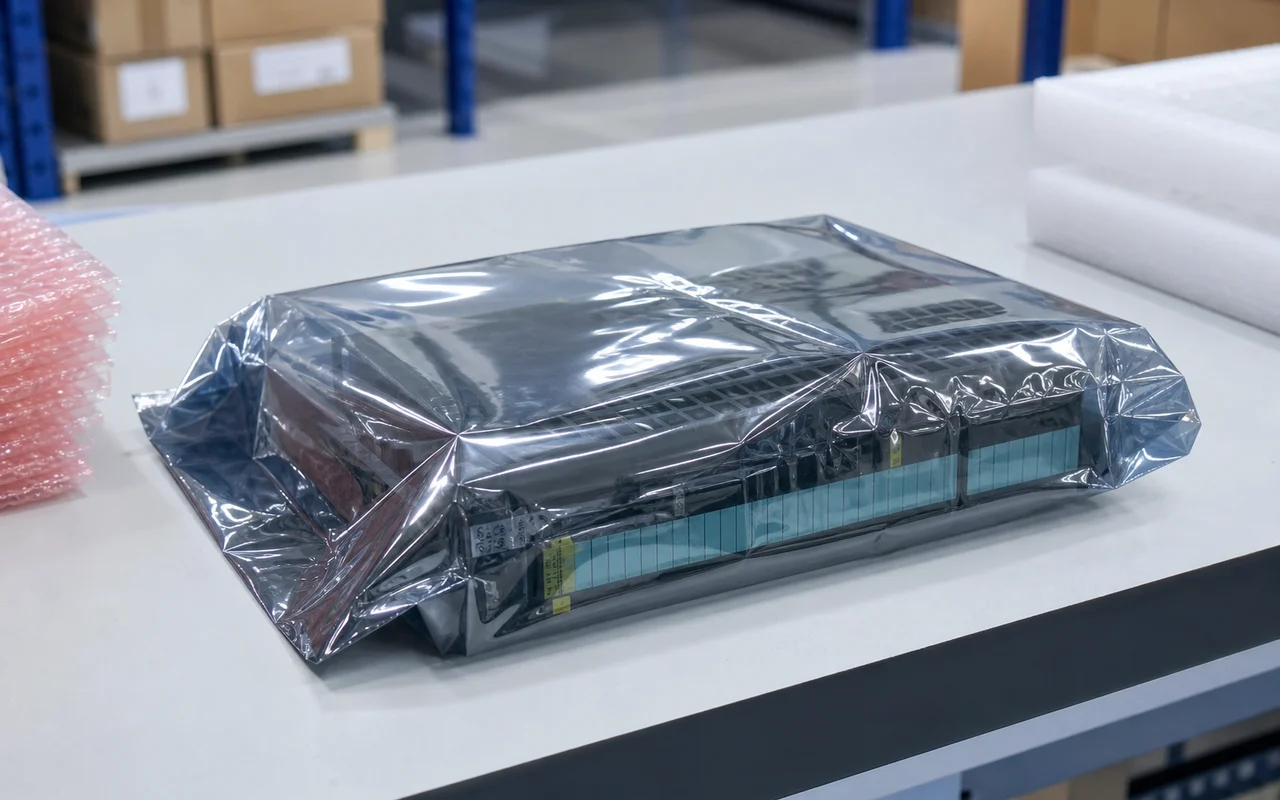 Anti-static Packaging
Modules are packed in anti-static bags to prevent electrostatic damage.
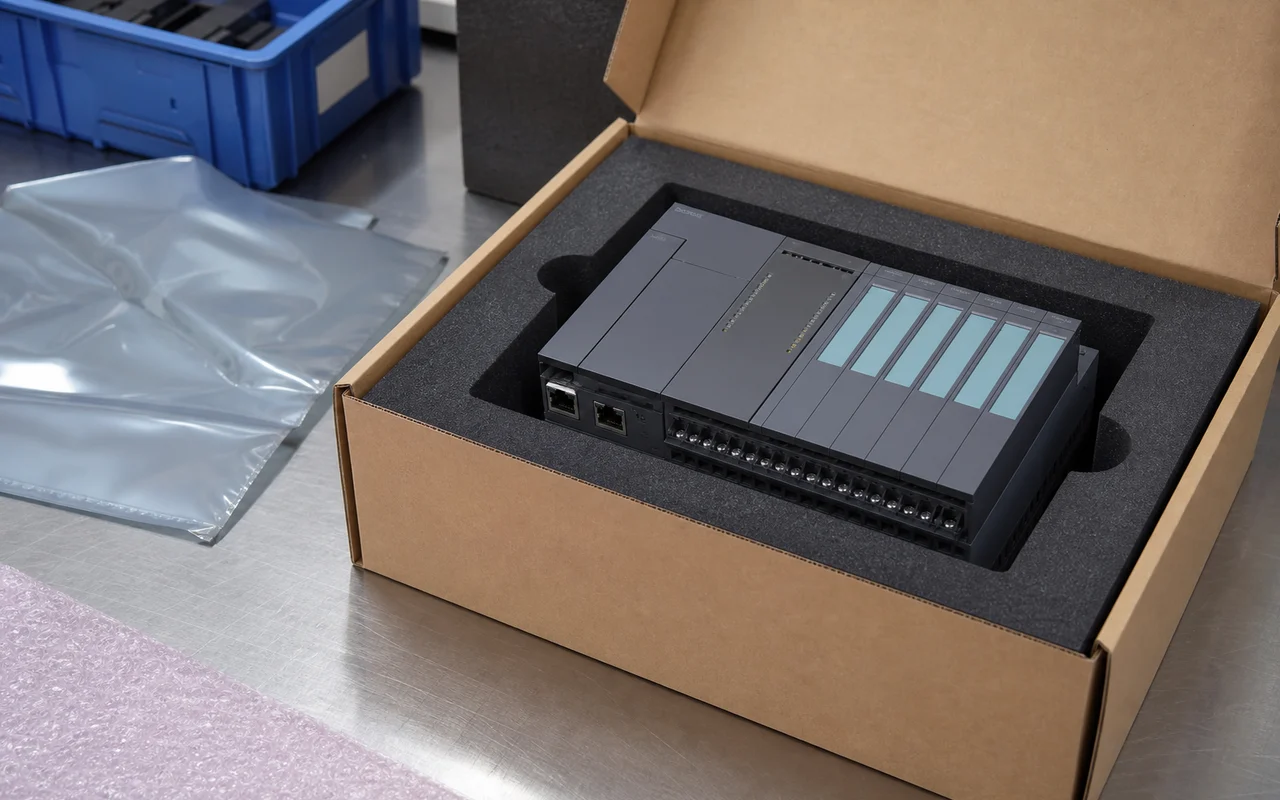 Secure Export Packing
Cushion protection and strong cartons ensure safe transportation.
 Worldwide Shipping
Global logistics network supports air, sea and express delivery.
 Documentation Check
Part number, revision and compatibility verified before shipment.
 After-sales Support
Professional technical support to help resolve your issues.