Functional Inspection
100% tested on professional platforms to ensure stable performance.
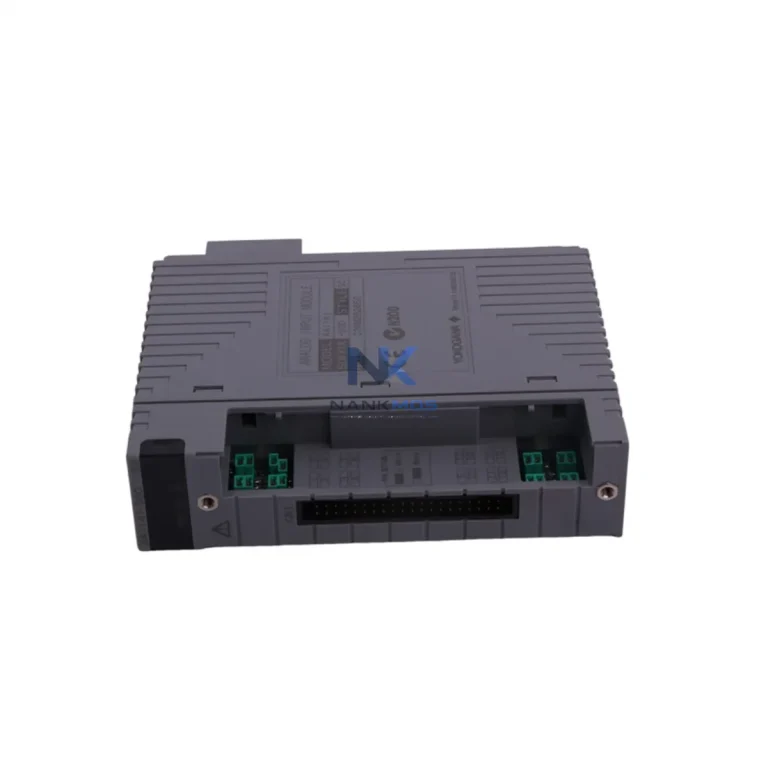
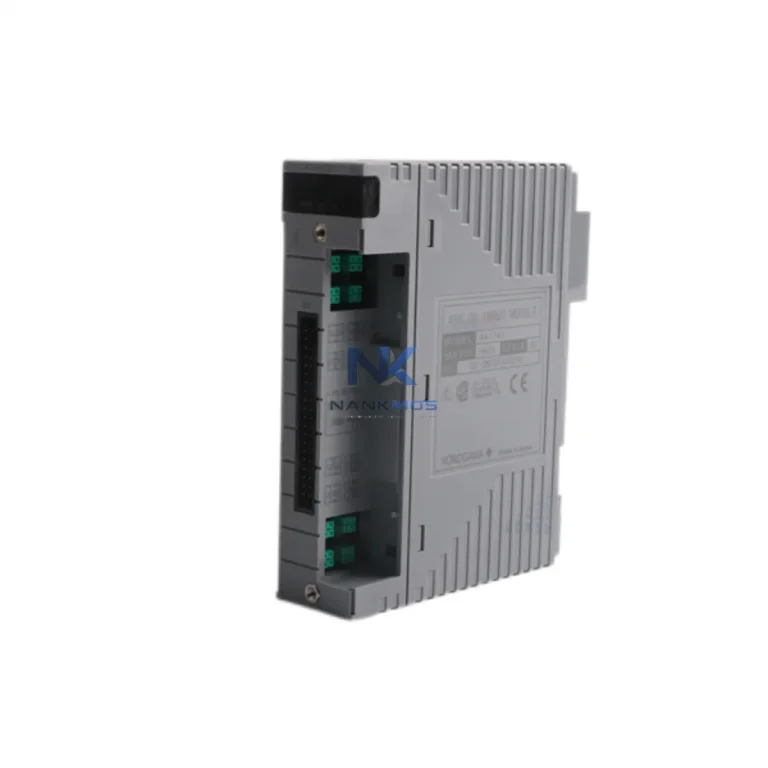
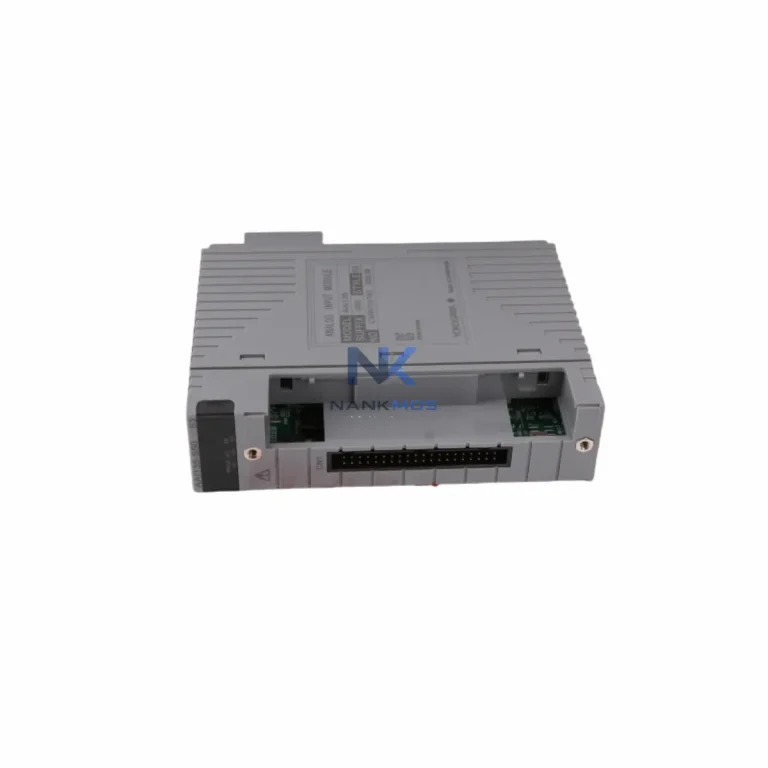
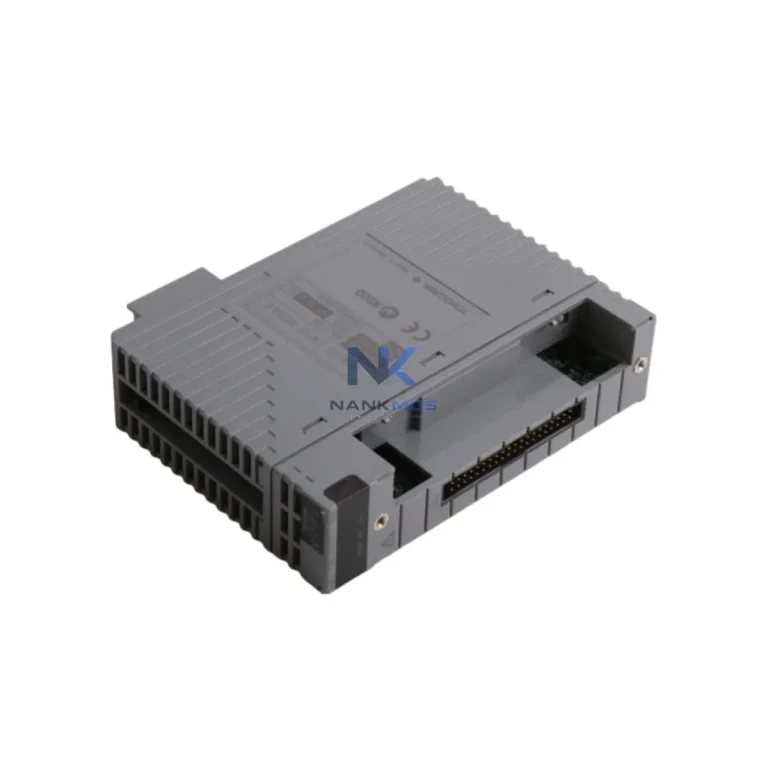
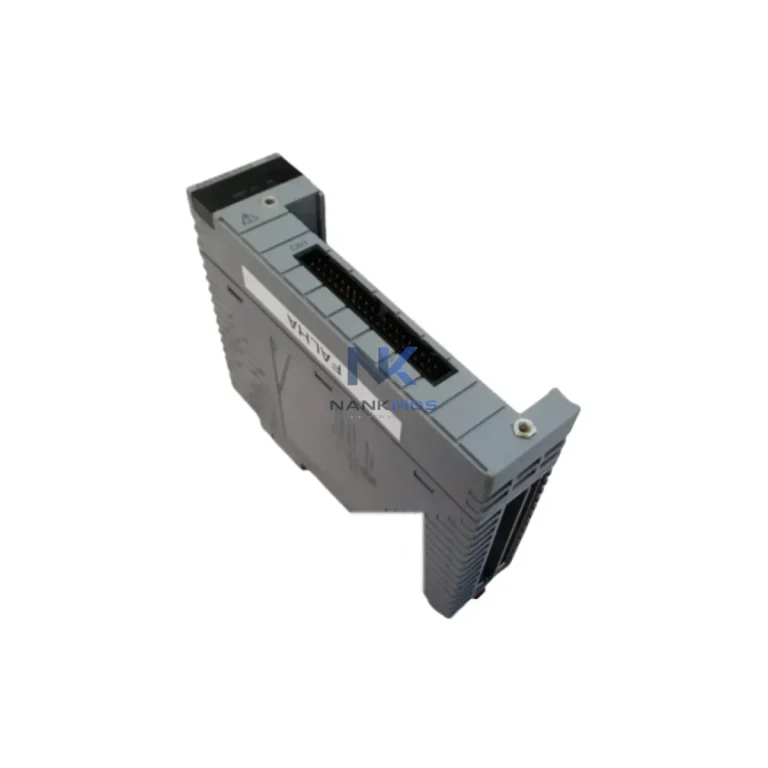
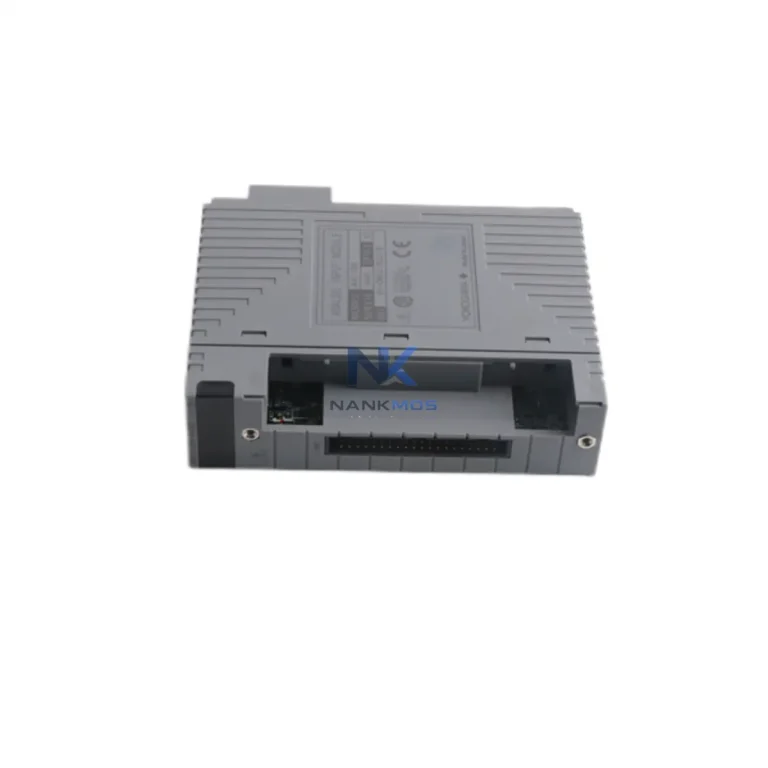
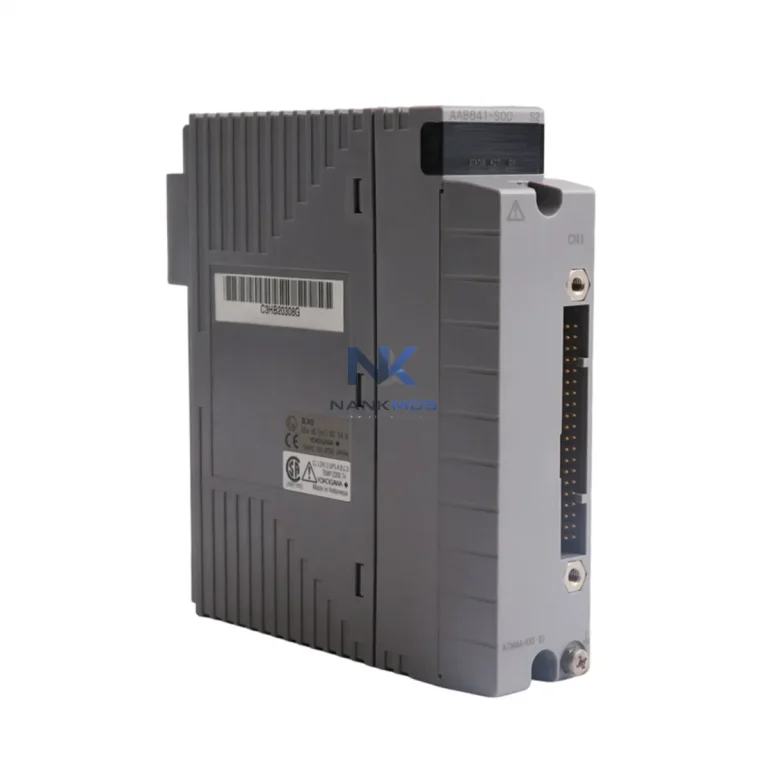
Yokogawa SPW484-13 is a NANKMOS industrial automation product record Listed under CENTUM VP series and Business & Industrial > Automation, Control & Flow Devices > Programmable Logic Controllers. Confirm condition, availability, lead time, compatibility and documentation by email inquiry.
Brand names are used for identification only.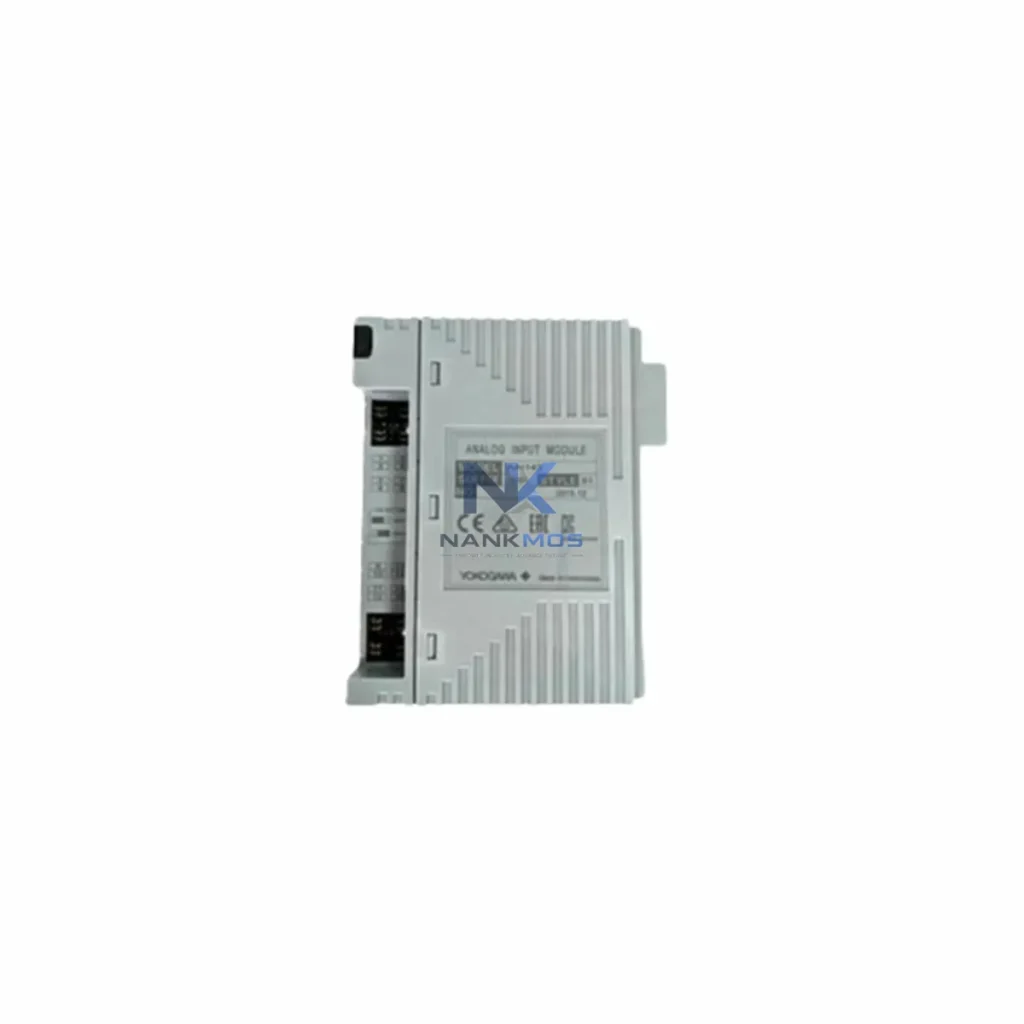
Yokogawa SPW484-13 is a NANKMOS industrial automation product record Listed under CENTUM VP series and Business & Industrial > Automation, Control & Flow Devices > Programmable Logic Controllers. Confirm condition, availability, lead time, compatibility and documentation by email inquiry.
| Manufacturer | Yokogawa |
|---|---|
| Application | Control System Power Support |
| Part Number / Model | SPW484-13 |
| Compatible System | CENTUM VP |
| Series | CENTUM VP |
| Condition Options | To Confirm |
| Module Type | Power Supply Module |
| Warranty | 12 Months |
| Packaging | Anti-static Bag / Secure Box |
| Shipping Methods | DHL / FedEx / UPS / Air / Sea |
| Availability | To Confirm |
| Lead Time | To Confirm |
| Documentation | Part number and revision checked before quote |
The Yokogawa SPW484-13 is a dedicated power supply module engineered for deployment within the Centum VP distributed control system (DCS) platform — one of the most widely adopted process automation architectures in the global energy, petrochemical, and advanced manufacturing sectors. Designed to deliver stable, conditioned DC power to field control stations (FCS), I/O modules, and communication buses, the SPW484-13 occupies a critical position in the power layer of any Centum VP installation. Its role extends beyond simple voltage conversion: it actively supports system-wide redundancy, load balancing, and continuous availability — the foundational requirements of any safety-critical or high-uptime industrial control environment.
In a fully integrated Centum VP architecture, the SPW484-13 operates in close coordination with the control layer (AFV10D, AFV30D CPU modules), the I/O layer (AAI141, AAI543, ADV151 analog and digital I/O modules), the communication layer (ACF11 FOUNDATION Fieldbus interface, ESB bus couplers), and the HMI layer (CENTUM VP Engineering Workstation and Operator Station). Power integrity at the module level directly determines signal stability across all downstream layers — a voltage ripple or transient at the PSU output propagates as measurement noise into analog input channels, introduces timing jitter into digital output sequences, and can trigger spurious fault conditions in communication interfaces. The SPW484-13 is specified to suppress these effects through regulated output, soft-start circuitry, and built-in overcurrent protection.
Contextual Integration is a defining characteristic of the SPW484-13's engineering value proposition. Unlike generic industrial power supplies, this module is dimensioned and validated specifically for the Centum VP node card cage and FCS backplane. Its connector footprint, output voltage profile (typically 24 VDC regulated), current capacity, and thermal envelope are matched to the power consumption characteristics of Yokogawa's own I/O and CPU modules. This means that system integrators and plant engineers can deploy the SPW484-13 with confidence that it will not introduce compatibility gaps, derating requirements, or thermal hotspots into the control cabinet — a common source of unplanned downtime when non-OEM power supplies are substituted.
The SPW484-13 is most effectively deployed as part of a fully coordinated Centum VP node assembly. In a standard FCS cabinet, the power supply module feeds the node card cage backplane, which in turn distributes power to CPU modules such as the AFV10D or AFV30D — the primary controllers responsible for executing control strategies, managing I/O scanning cycles, and maintaining Vnet/IP communication with the engineering workstation. Alongside the CPU, analog input modules such as the AAI141-S00 (16-channel, HART-enabled) and analog output modules such as the AAO145 draw regulated power from the same backplane bus, making PSU output stability directly critical to measurement accuracy and actuator response fidelity.
On the digital side, modules including the ADV151 (32-channel digital input) and ADV551 (32-channel digital output) rely on clean, transient-free power to maintain deterministic scan times and avoid false state transitions. In process industries where a single spurious digital output can trigger an emergency shutdown or open a control valve unintentionally, the regulated output of the SPW484-13 is not a convenience — it is a safety prerequisite.
Communication integrity is equally dependent on power quality. The ACF11 FOUNDATION Fieldbus H1 interface module and the ALF111 PROFIBUS DP gateway both require stable power to maintain bus timing and avoid segment dropouts. In Vnet/IP-based architectures, the AIP588 Vnet/IP interface card connects the FCS to the plant-wide control network; any power instability at the node level can introduce packet loss or communication timeouts that degrade supervisory control responsiveness. The SPW484-13's soft-start and hold-up time characteristics are specifically designed to prevent these transient effects during power cycling or load switching events.
For redundancy-critical installations — common in oil and gas, nuclear auxiliary systems, and continuous chemical processes — the SPW484-13 supports N+1 hot-standby PSU configurations. Two units are installed in parallel within the same FCS cabinet; the standby unit monitors the primary and assumes load within milliseconds of a primary failure, with no interruption to the control loop. This architecture eliminates the PSU as a single point of failure, a requirement in IEC 61511 functional safety assessments for SIL 1 and SIL 2 rated control loops.
At the HMI and supervisory layer, the Centum VP Operator Station and Engineering Workstation communicate with the FCS over Vnet/IP. The stability of this communication path is ultimately anchored in the power integrity of each FCS node — making the SPW484-13 an invisible but indispensable contributor to operator visibility, alarm management, and real-time trend data quality. In large-scale installations with 20 or more FCS nodes, consistent PSU specification across all nodes simplifies spare parts management, reduces technician training requirements, and supports a unified preventive maintenance schedule.
Petrochemical and Refinery Process Control: In continuous distillation, catalytic cracking, and hydroprocessing units, the Centum VP DCS manages hundreds of PID control loops simultaneously. The SPW484-13 ensures that each FCS node maintains uninterrupted power to its I/O and CPU modules, supporting the high-availability requirements (99.99% uptime targets) typical of refinery operations. Redundant PSU configurations are standard in these environments, and the SPW484-13's hot-standby capability aligns directly with this requirement.
Power Generation and Utilities: In thermal power plants, combined-cycle gas turbine (CCGT) facilities, and hydroelectric stations, the Centum VP platform is frequently deployed for boiler management, turbine control, and balance-of-plant automation. The SPW484-13 supports the power layer of FCS nodes controlling feedwater systems, steam header pressure, and generator excitation auxiliaries — applications where control loop interruption carries significant safety and economic consequences.
Water and Wastewater Treatment: Municipal and industrial water treatment facilities use Centum VP for SCADA-integrated process control of filtration, dosing, and aeration systems. The SPW484-13's wide input voltage range and robust overcurrent protection make it suitable for installations where power quality from the utility grid may be variable, and where control system availability directly affects regulatory compliance for effluent discharge standards.
Pharmaceutical and Fine Chemical Manufacturing: In GMP-regulated batch and continuous manufacturing environments, the Centum VP DCS supports recipe management, critical parameter monitoring, and electronic batch record generation. The SPW484-13 contributes to the validated state of the control system by providing a stable, documented power source that can be included in IQ/OQ/PQ qualification protocols.
Mining and Mineral Processing: In concentrator plants, smelters, and tailings management facilities, the Centum VP platform controls grinding circuits, flotation cells, and thickener operations. The SPW484-13's operating temperature range and robust construction support deployment in control rooms adjacent to process areas with elevated ambient temperatures and vibration levels.
Q1: Can the SPW484-13 be used in a redundant PSU configuration within an existing Centum VP FCS cabinet, and what is required for hot-standby operation? Yes. The SPW484-13 is designed to support N+1 redundant power supply configurations within Centum VP FCS node cabinets. Two SPW484-13 units are installed in the designated PSU slots of the node card cage; the backplane bus arbitration logic automatically manages load sharing and failover. No additional relay or switching hardware is required for basic hot-standby operation. For installations requiring monitored redundancy with alarm output to the DCS, the PSU status signals can be wired to a spare digital input channel on an ADV151 or equivalent module. Switchover time is typically under 20 milliseconds, which is within the hold-up time of downstream I/O modules and does not cause control loop interruption.
Q2: Is the SPW484-13 compatible with both legacy Centum CS 3000 cabinets and current Centum VP node assemblies, and are there any derating considerations for high-ambient-temperature installations? The SPW484-13 is specified for Centum VP platform node card cages. Compatibility with Centum CS 3000 hardware should be verified against the specific cabinet generation and backplane revision, as connector and power bus specifications differ between platform generations. For high-ambient-temperature installations (above 40°C), output current derating per Yokogawa's thermal guidelines should be applied; in practice, this means verifying that the total I/O and CPU module power consumption at the node does not exceed the derated PSU output capacity. NANKMOS technical support can assist with load calculation and derating verification prior to order confirmation.
Q3: What does the 12-Month Warranty cover for the SPW484-13, and what is the typical lead time and availability for this module? All SPW484-13 units supplied by NANKMOS are covered by a 12-Month Warranty against manufacturing defects and functional failures under normal operating conditions. The warranty covers module replacement or repair at NANKMOS's discretion, with advance replacement available for critical-uptime customers subject to prior arrangement. Units undergo pre-shipment functional testing including output voltage verification, overcurrent protection validation, and visual inspection before dispatch. Typical lead time for in-stock units is 3–7 business days for international shipments; expedited dispatch is available for urgent plant maintenance requirements. For current stock status and lead time confirmation, contact [email protected] or call +86 18359268345.
Functional Inspection100% tested on professional platforms to ensure stable performance.
 Anti-static Packaging
Modules are packed in anti-static bags to prevent electrostatic damage.
 Secure Export Packing
Cushion protection and strong cartons ensure safe transportation.
 Worldwide Shipping
Global logistics network supports air, sea and express delivery.
 Documentation Check
Part number, revision and compatibility verified before shipment.
 After-sales Support
Professional technical support to help resolve your issues.