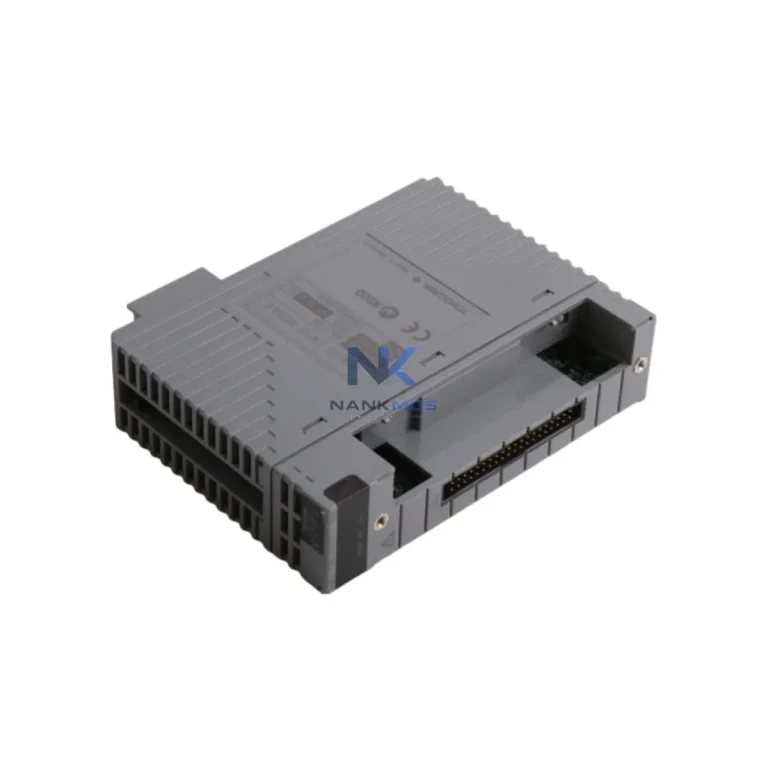
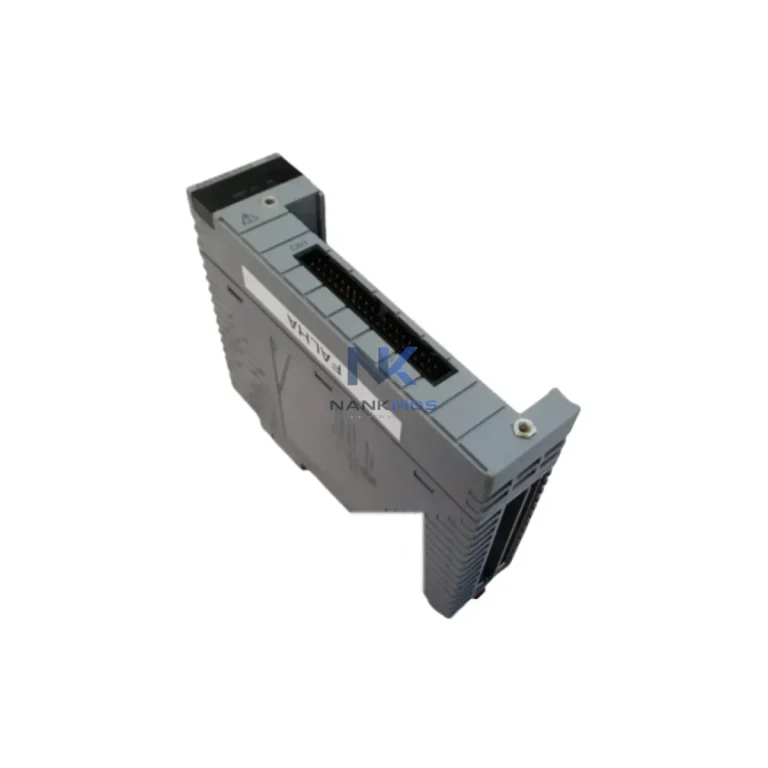
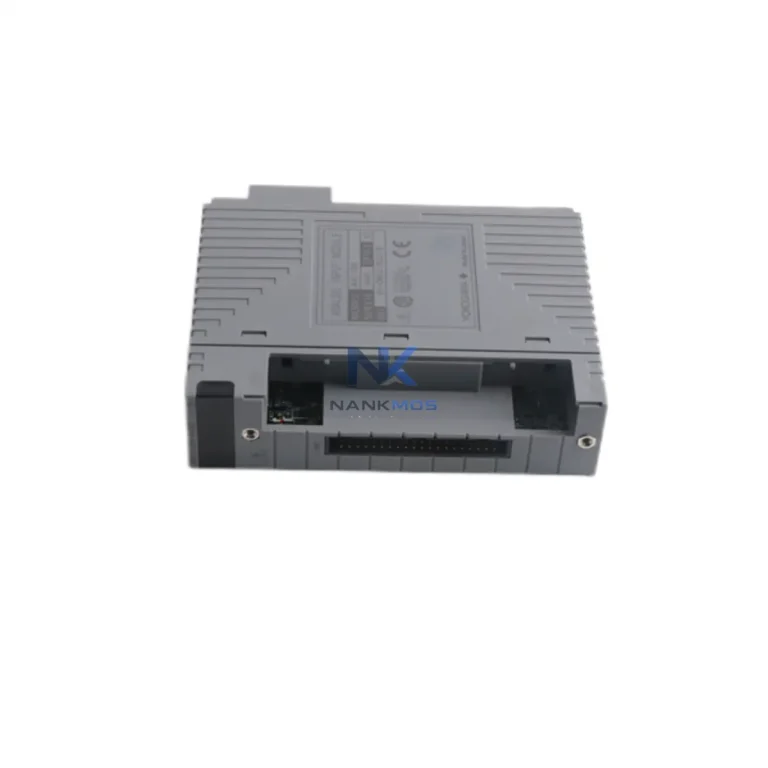
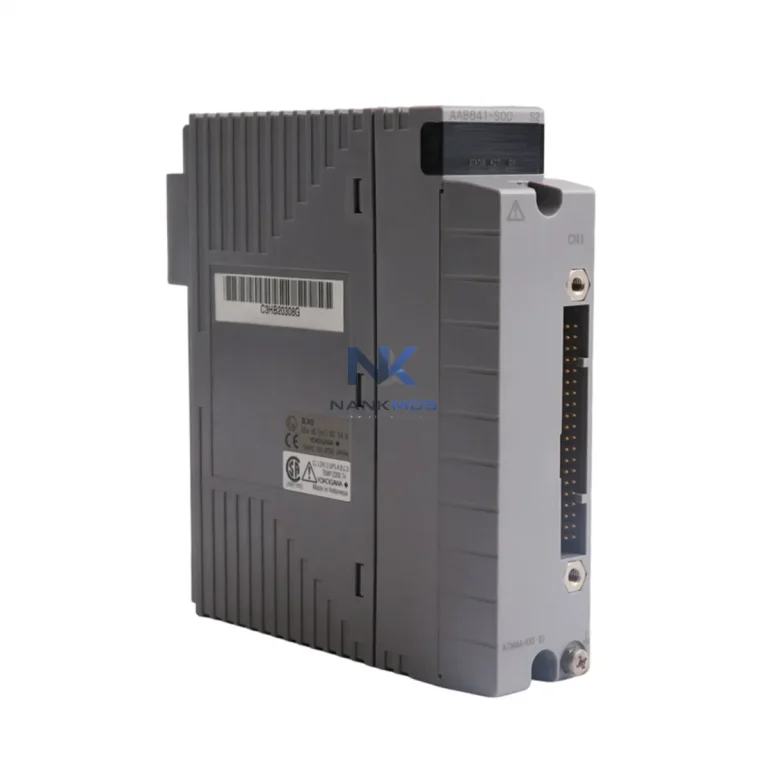
Functional Inspection
100% tested on professional platforms to ensure stable performance.
Yokogawa UT350 UT350-01 is a NANKMOS industrial automation product record Listed under Other series series and Business & Industrial > Automation, Control & Flow Devices > Programmable Logic Controllers. Confirm condition, availability, lead time, compatibility and documentation by email inquiry.
Brand names are used for identification only.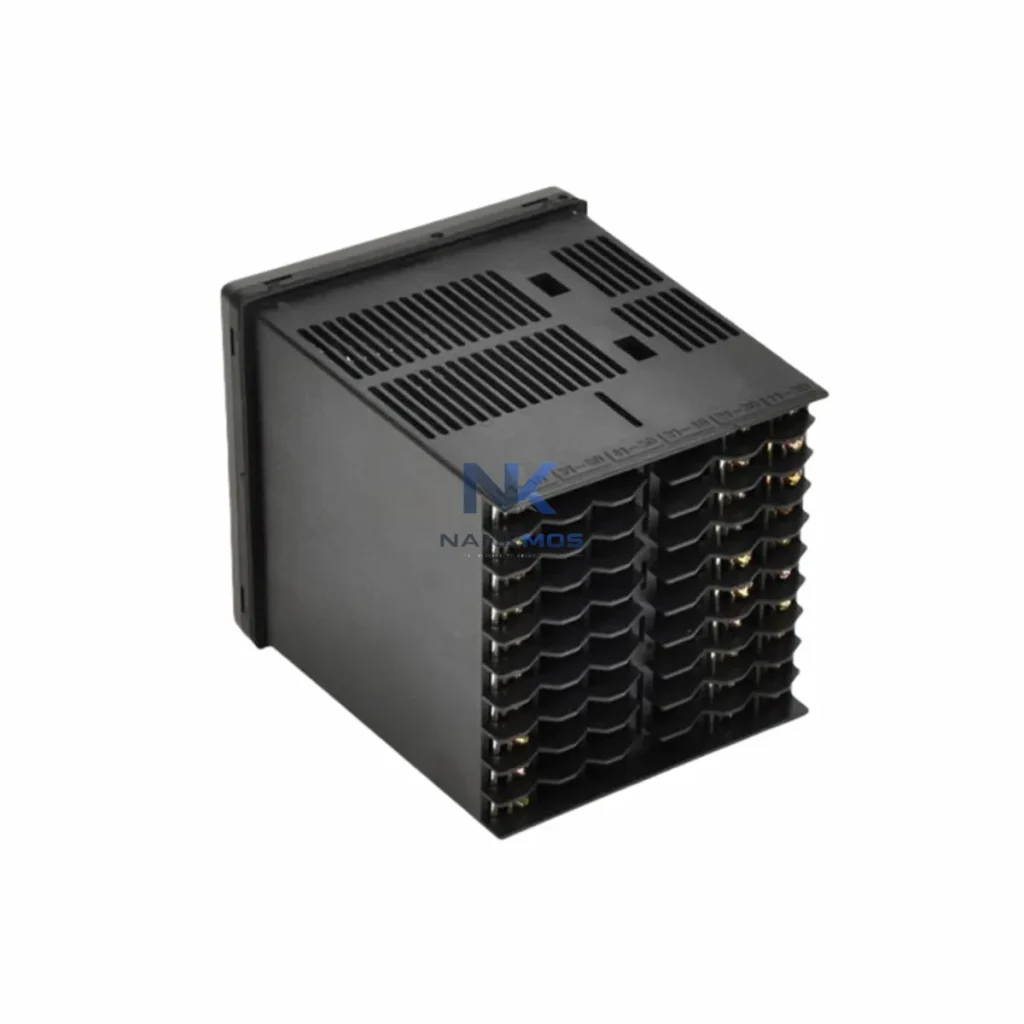
Yokogawa UT350 UT350-01 is a NANKMOS industrial automation product record Listed under Other series series and Business & Industrial > Automation, Control & Flow Devices > Programmable Logic Controllers. Confirm condition, availability, lead time, compatibility and documentation by email inquiry.
| Manufacturer | Yokogawa |
|---|---|
| Application | Controller Processing & System Control |
| Part Number / Model | UT350 UT350-01 |
| Compatible System | Confirmed by inquiry |
| Condition Options | To Confirm |
| Module Type | Controller / CPU Module |
| Warranty | 12 Months |
| Packaging | Anti-static Bag / Secure Box |
| Shipping Methods | DHL / FedEx / UPS / Air / Sea |
| Availability | To Confirm |
| Lead Time | To Confirm |
| Documentation | Part number and revision checked before quote |
The Yokogawa UT350-01 is a high-performance digital indicating controller from the UT Series, engineered to deliver precise PID temperature and process control while actively contributing to energy reduction across industrial production environments. Designed for demanding applications in chemical processing, food manufacturing, pharmaceutical production, and general industrial automation, the UT350-01 combines advanced control algorithms with robust communication capabilities to minimize energy waste, reduce thermal load, and stabilize production line throughput.
At its core, the UT350-01 functions as a closed-loop energy-control node within a broader automation architecture. By continuously monitoring process variables and adjusting output signals with high-resolution accuracy, it prevents the energy spikes and thermal overshoots that are common sources of inefficiency in industrial heating, cooling, and flow control systems. The result is a measurable reduction in kilowatt-hour consumption per production cycle, directly supporting factory energy management objectives and carbon reduction targets.
The UT350-01 is most effective when integrated as part of a coordinated, power-aware automation strategy. In a typical smart production line, the controller operates alongside a Yokogawa STARDOM FCN autonomous controller or a Siemens S7-1200 PLC, receiving setpoint commands via MODBUS RTU over RS-485 and returning real-time process variable data for supervisory analysis. This bidirectional communication loop allows the PLC to dynamically adjust heating or cooling demand based on production schedule, ambient conditions, and energy tariff windows — a key lever for demand-side energy management.
For motor-driven loads connected to the same process loop, the UT350-01 output signal can be coordinated with a Yaskawa GA700 variable frequency drive (VFD) or a Mitsubishi FR-A800 inverter to synchronize pump or fan speed with actual thermal demand. Rather than running motors at fixed speed regardless of process state, this approach reduces motor energy consumption by 20–40% during partial-load conditions — one of the highest-impact energy savings available in process industries.
On the power monitoring side, the UT350-01 integrates naturally with a Yokogawa WT series power analyzer or a Carlo Gavazzi EM24 power monitoring module installed on the same panel bus. These devices capture real-time kWh data per zone, enabling the SCADA system — such as Wonderware InTouch or Ignition by Inductive Automation — to correlate controller output duty cycles with actual energy consumption. This correlation is the foundation of predictive energy optimization: identifying which zones consume disproportionate energy relative to their production contribution and scheduling maintenance or setpoint recalibration accordingly.
The UT350-01 also works in conjunction with Yokogawa's own YS1700 programmable indicating controller for multi-loop cascade configurations, where the UT350-01 handles the inner (fast) loop and the YS1700 manages the outer (slow) loop. This cascade architecture is particularly effective in exothermic reaction control, where tight inner-loop response prevents thermal runaway and the associated energy waste of emergency cooling cycles.
For I/O expansion and distributed sensing, the controller pairs with Yokogawa DAQSTATION DX series data acquisition units or Advantech ADAM-6000 series remote I/O modules, collecting temperature, pressure, and flow data from field sensors — including Yokogawa EJA series differential pressure transmitters and Pt100 RTD probes — and feeding this data upstream to the energy management system. The HMI layer, typically a Proface GP4000 series or Siemens KTP700 Basic panel, provides operators with real-time visibility into controller status, setpoint deviation, and accumulated energy consumption per shift.
In production line applications, uncontrolled thermal processes are among the leading causes of energy waste, unplanned downtime, and product quality deviation. The Yokogawa UT350-01 addresses all three by maintaining process variables within tight tolerance bands, reducing the frequency and severity of corrective actions that consume additional energy and interrupt production rhythm.
The controller's auto-tuning PID function automatically calculates optimal proportional, integral, and derivative parameters for each process loop at commissioning and after any significant process change. This eliminates the manual tuning cycles that often result in over-conservative setpoints — a common cause of excessive energy use in industrial heating systems. Once tuned, the UT350-01 maintains stable control with minimal output oscillation, reducing heater element cycling frequency and extending element service life.
From a thermal load management perspective, the UT350-01's time-proportional output mode distributes heating energy evenly across the control cycle rather than delivering it in large bursts. This smoothing effect reduces peak demand charges on the facility's electricity bill — a significant cost factor in industrial settings where demand tariffs can represent 30–50% of total energy costs. When multiple UT350-01 units are deployed across a production line, staggered output timing can be coordinated through the PLC to further flatten the facility's aggregate demand curve.
Predictive maintenance integration is another key energy optimization pathway. By logging process variable trends over time through the SCADA system, maintenance teams can identify gradual sensor drift, heater degradation, or insulation loss — all of which cause the controller to work harder and consume more energy to maintain setpoint. Early detection through trend analysis allows corrective action before efficiency losses become significant, supporting both energy targets and OEE (Overall Equipment Effectiveness) improvement programs.
The UT350-01 is supplied from verified inventory, undergoes pre-shipment functional testing including setpoint response verification and communication port validation, and is backed by a 12-Month Warranty covering manufacturing defects and operational failures under normal industrial use conditions.
Q1: How does the UT350-01 contribute to measurable energy savings on a production line? The UT350-01 reduces energy consumption through precise PID control that minimizes thermal overshoot and eliminates unnecessary heater cycling. When integrated with VFDs and power monitoring modules via MODBUS RTU, it enables demand-responsive load management that can reduce zone energy consumption by 15–35% compared to ON-OFF control strategies. Actual savings depend on process type, baseline control quality, and integration depth.
Q2: Is the UT350-01 compatible with existing PLC and SCADA systems? Yes. The UT350-01 supports MODBUS RTU over RS-485, which is natively supported by the majority of industrial PLCs (including Siemens S7, Mitsubishi MELSEC, and Omron CJ/NX series) and SCADA platforms (including Ignition, Wonderware, and iFIX). No additional communication gateway is required for standard RS-485 networks. For Ethernet-based systems, a MODBUS TCP/RTU gateway such as the Moxa MGate series can be used.
Q3: Can the UT350-01 replace other digital indicating controllers in existing panel installations? The UT350-01 uses a standard 48×48 mm panel cutout, making it dimensionally compatible with most competing controllers in the same form factor class, including Omron E5CC, Autonics TC4, and Shimaden SR23. Wiring reassignment is typically required due to terminal layout differences. It is recommended to verify input type, output type, and communication protocol compatibility before substitution. NANKMOS provides pre-shipment configuration support upon request.
Q4: What does the 12-Month Warranty cover, and what is the typical lead time from stock? The 12-Month Warranty covers manufacturing defects and component failures under normal operating conditions from the date of shipment. It does not cover damage resulting from incorrect wiring, overvoltage, or environmental conditions outside the specified operating range. Units are dispatched from verified inventory with functional test records. Standard lead time is 3–7 business days for in-stock units; expedited shipping is available upon request. Contact [email protected] for stock confirmation and order processing.
Functional Inspection100% tested on professional platforms to ensure stable performance.
 Anti-static Packaging
Modules are packed in anti-static bags to prevent electrostatic damage.
 Secure Export Packing
Cushion protection and strong cartons ensure safe transportation.
 Worldwide Shipping
Global logistics network supports air, sea and express delivery.
 Documentation Check
Part number, revision and compatibility verified before shipment.
 After-sales Support
Professional technical support to help resolve your issues.