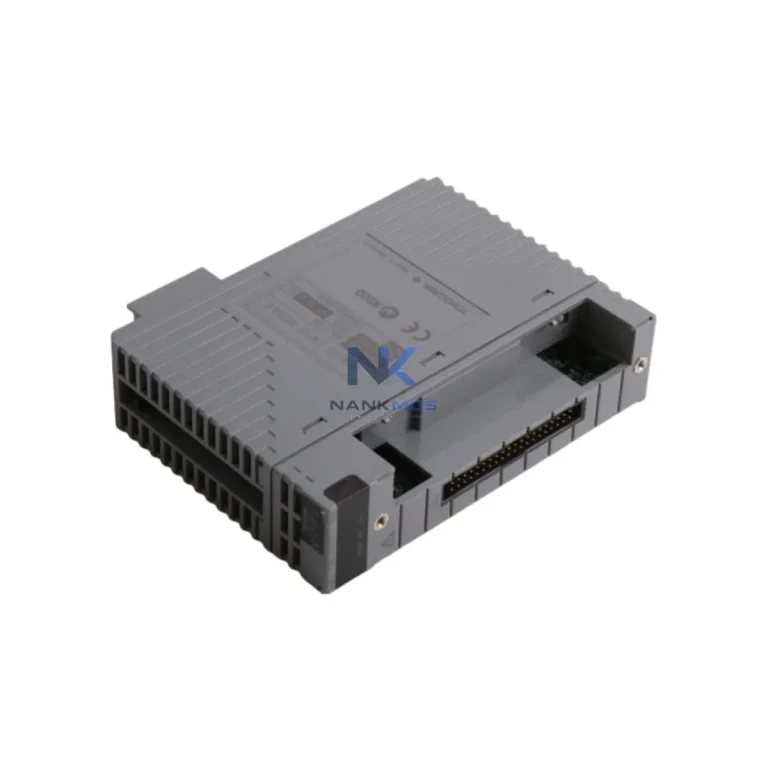
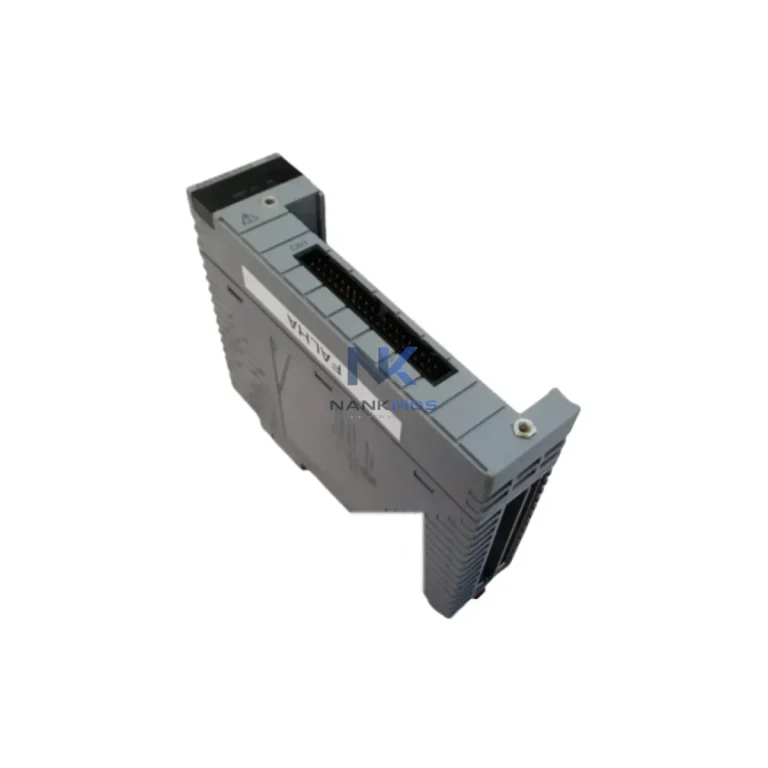
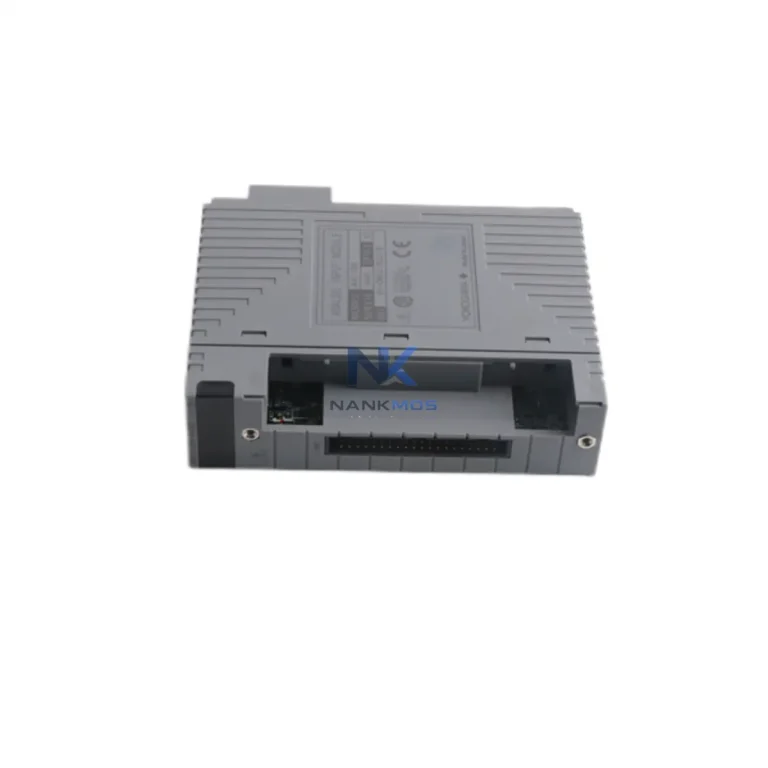
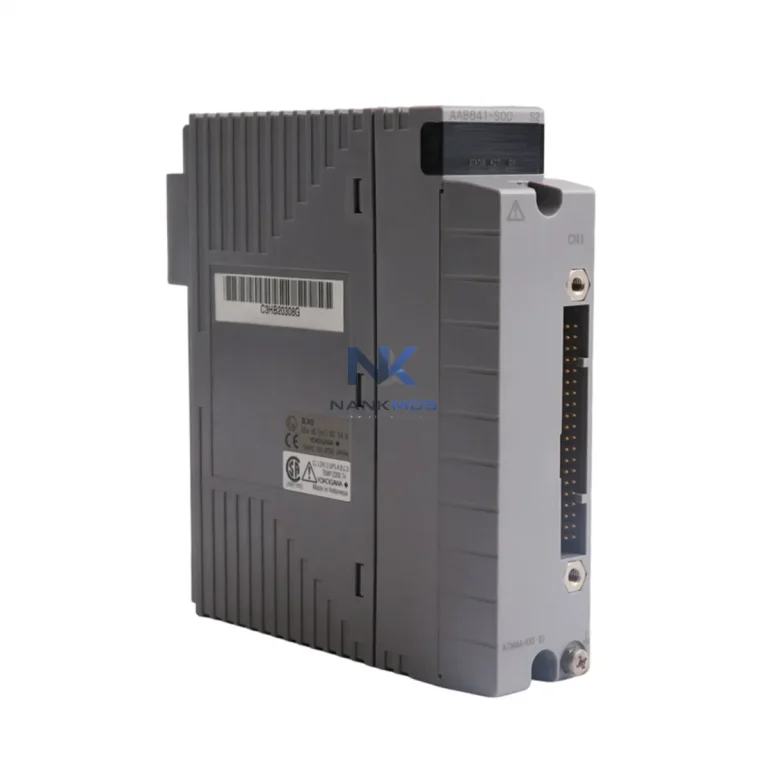
Functional Inspection
100% tested on professional platforms to ensure stable performance.
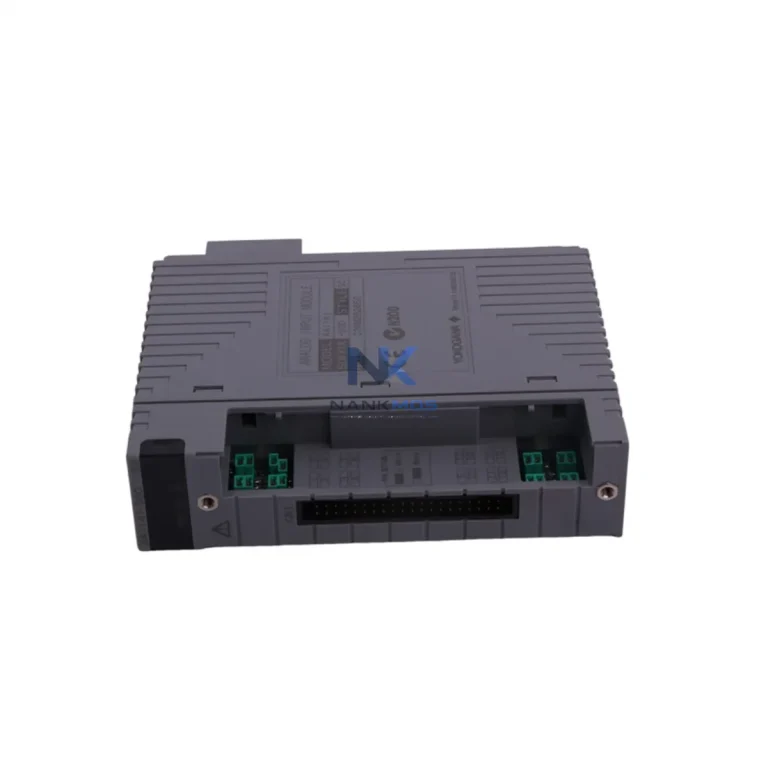
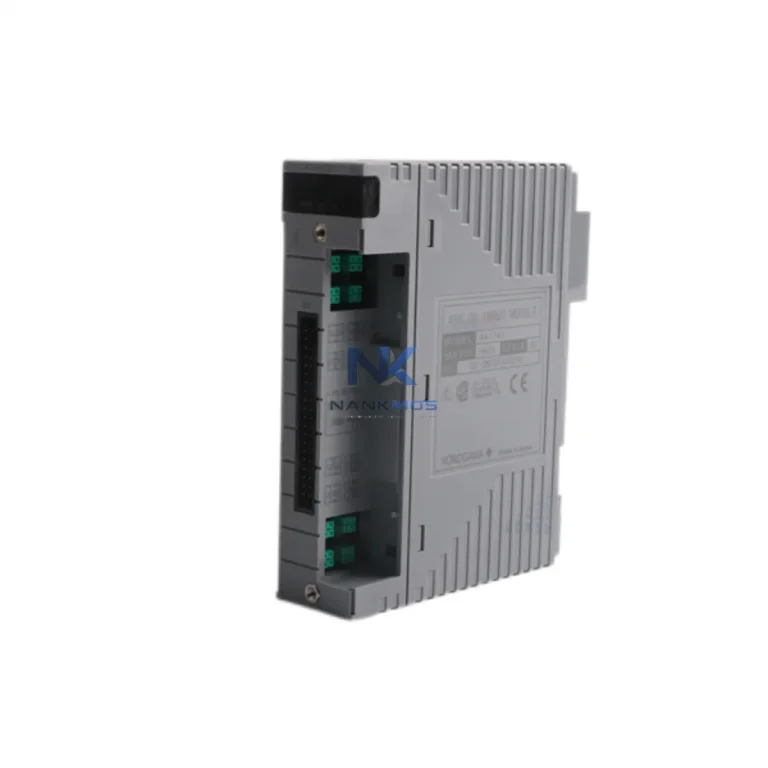
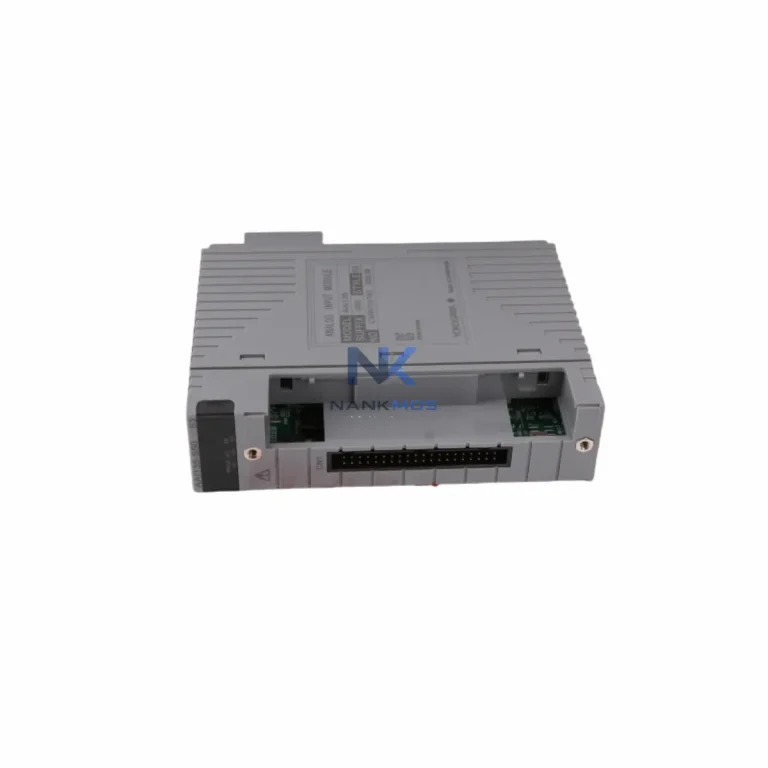
Yokogawa VI451-10 S3 is a NANKMOS industrial automation product record Listed under Other series series and Business & Industrial > Automation, Control & Flow Devices > Programmable Logic Controllers. Confirm condition, availability, lead time, compatibility and documentation by email inquiry.
Brand names are used for identification only.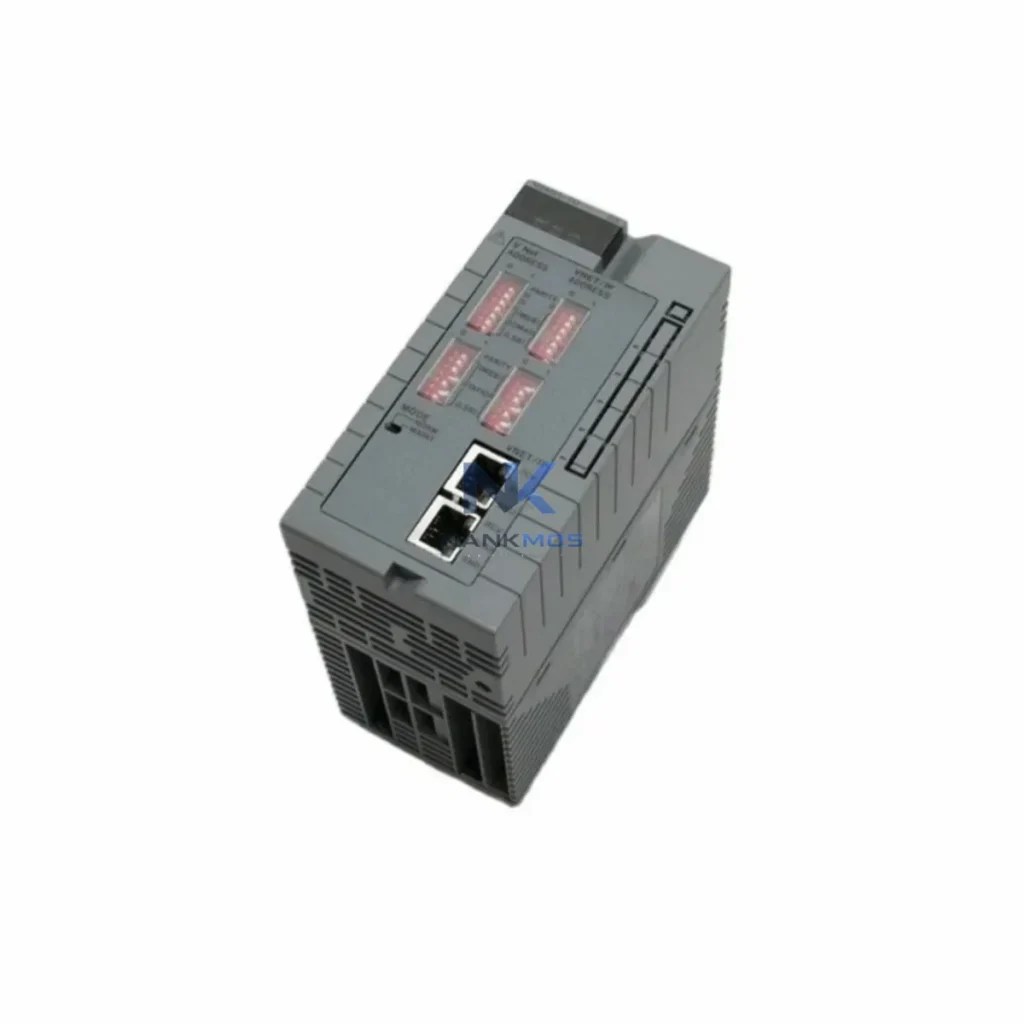
Yokogawa VI451-10 S3 is a NANKMOS industrial automation product record Listed under Other series series and Business & Industrial > Automation, Control & Flow Devices > Programmable Logic Controllers. Confirm condition, availability, lead time, compatibility and documentation by email inquiry.
| Manufacturer | Yokogawa |
|---|---|
| Application | Controller Processing & System Control |
| Part Number / Model | VI451-10 S3 |
| Compatible System | Confirmed by inquiry |
| Condition Options | To Confirm |
| Module Type | Controller / CPU Module |
| Warranty | 12 Months |
| Packaging | Anti-static Bag / Secure Box |
| Shipping Methods | DHL / FedEx / UPS / Air / Sea |
| Availability | To Confirm |
| Lead Time | To Confirm |
| Documentation | Part number and revision checked before quote |
The Yokogawa VI451-10 S3 is a high-performance communication module engineered for the CENTUM VP distributed control system (DCS), purpose-built to support energy-efficient automation across process industries, energy and utilities, and smart manufacturing environments. As industrial facilities face increasing pressure to reduce energy consumption, minimize thermal load, and maximize equipment utilization, the VI451-10 S3 delivers the real-time data exchange and control loop integrity that modern energy management demands. With a robust design validated for continuous operation in demanding plant environments, this module serves as a critical node in power-aware automation architectures — connecting field devices, controllers, and supervisory systems into a unified, energy-optimized production network.
In a fully integrated smart production line, the Yokogawa VI451-10 S3 communication module functions as the data backbone that ties energy-consuming field assets to the supervisory control layer. When paired with the Yokogawa CENTUM VP FCS (Field Control Station), the VI451-10 S3 ensures that real-time process variables — including motor load, drive speed references, and power draw — are transmitted with deterministic latency, enabling the control system to respond dynamically to energy demand fluctuations.
In motor control applications, the VI451-10 S3 interfaces directly with variable frequency drives (VFDs) such as the Yaskawa A1000 or ABB ACS880 series, relaying speed setpoints and feedback signals that allow the DCS to implement load-shedding strategies during peak demand periods. This coordination between the communication module and the drive layer is fundamental to reducing reactive power losses and avoiding unnecessary motor run-up cycles that consume excess energy.
For servo-driven axes on precision production lines, the VI451-10 S3 supports integration with servo drive controllers, enabling synchronized motion profiles that minimize acceleration energy spikes. When combined with Yokogawa's power monitoring instruments — such as the WT series power analyzers — the VI451-10 S3 creates a closed-loop energy visibility architecture: power data flows from the field into the CENTUM VP historian, where SCADA platforms like Yokogawa FAST/TOOLS can generate energy KPI dashboards and trigger automated load management responses.
The module also supports seamless communication with Yokogawa's remote I/O units and field transmitters, including the EJX series differential pressure transmitters and the YTA series temperature transmitters. These instruments feed process condition data — temperature, pressure, flow — into the DCS, where energy optimization algorithms can adjust heating, cooling, and pumping loads in real time. Integration with Yokogawa's ProSafe-RS safety instrumented system ensures that energy reduction strategies never compromise process safety margins.
At the HMI layer, operators using Yokogawa FAST/TOOLS SCADA or third-party HMI platforms receive consolidated energy dashboards that aggregate data from the VI451-10 S3 communication network. This visibility enables shift-level energy management decisions — identifying which production cells are consuming above-baseline power and triggering corrective actions before energy waste compounds into significant cost overruns.
The Yokogawa VI451-10 S3 plays a direct role in reducing total energy consumption across the production line by ensuring that every control action is based on accurate, low-latency process data. In facilities where energy costs represent 15–30% of total operating expenditure, the ability to make real-time adjustments to motor speeds, valve positions, and heating setpoints — based on reliable communication from the field — translates directly into measurable energy savings.
One of the primary mechanisms through which the VI451-10 S3 contributes to energy efficiency is by eliminating communication bottlenecks that cause control loops to operate on stale data. When a DCS controller receives delayed or corrupted process signals, it tends to over-correct — driving actuators harder than necessary, increasing energy consumption, and generating excess thermal load in motors and drives. The VI451-10 S3's reliable, high-integrity communication channel ensures that control loops remain tight and responsive, reducing the energy penalty of poor control performance.
In batch and continuous process environments, the VI451-10 S3 supports production line rhythm optimization by enabling precise synchronization between upstream and downstream process units. When material flow rates, temperatures, and pressures are communicated accurately across the DCS network, production planners can optimize throughput without running equipment at unnecessarily high energy setpoints. This approach — sometimes called right-speed production — reduces motor and pump energy consumption by 10–30% compared to fixed-speed operation.
Predictive maintenance integration is another key energy benefit enabled by the VI451-10 S3. By continuously transmitting vibration, temperature, and load data from field instruments to the CENTUM VP historian, the module supports condition-based maintenance strategies that prevent equipment degradation from increasing energy consumption. A motor running with worn bearings or misaligned coupling draws significantly more power than a well-maintained unit; early detection through continuous data monitoring — made possible by the VI451-10 S3 — allows maintenance teams to intervene before energy waste becomes severe.
Every Yokogawa VI451-10 S3 unit supplied by NANKMOS undergoes pre-shipment functional testing to verify communication integrity, signal accuracy, and compatibility with CENTUM VP system configurations. Units are held in climate-controlled inventory and shipped with full documentation. A 12-month warranty covers all supplied modules, providing procurement teams and plant engineers with the confidence to deploy this component in critical energy management infrastructure.
Q1: How does the Yokogawa VI451-10 S3 contribute to measurable energy savings on a production line?The VI451-10 S3 enables tight, low-latency control loops within the CENTUM VP DCS, which directly reduces over-actuation of motors, drives, and valves. By ensuring that energy-consuming field devices receive accurate, timely setpoints, the module helps eliminate the energy waste associated with poor control performance. When integrated with power monitoring instruments and VFDs, it supports real-time load management strategies that can reduce energy consumption by 10–30% in motor-intensive applications.
Q2: Is the VI451-10 S3 compatible with both CENTUM VP and CENTUM CS 3000 systems?The VI451-10 S3 is designed for the Yokogawa CENTUM VP platform. Compatibility with CENTUM CS 3000 depends on the specific system revision and I/O bus configuration. NANKMOS recommends confirming your DCS generation and firmware version before ordering. Our technical team can assist with compatibility verification based on your system's engineering documentation.
Q3: What is the recommended replacement or upgrade path if the VI451-10 S3 is being used in an aging CENTUM system?For facilities operating legacy CENTUM CS 3000 or earlier DCS generations, Yokogawa's migration pathway typically involves upgrading to CENTUM VP with compatible I/O and communication modules. The VI451-10 S3 is well-suited for mid-life system refreshes where the control network is being modernized without a full DCS replacement. NANKMOS can supply both the VI451-10 S3 and complementary CENTUM VP components to support phased migration projects.
Q4: What testing and warranty coverage does NANKMOS provide for the VI451-10 S3?Every VI451-10 S3 unit supplied by NANKMOS is pre-shipment tested for communication functionality, signal integrity, and basic DCS compatibility. Units are sourced from verified supply channels and stored in controlled conditions to preserve component reliability. A 12-month warranty is included with every unit, covering manufacturing defects and functional failures under normal operating conditions. In-stock units are available for immediate dispatch to minimize production downtime.
Functional Inspection100% tested on professional platforms to ensure stable performance.
 Anti-static Packaging
Modules are packed in anti-static bags to prevent electrostatic damage.
 Secure Export Packing
Cushion protection and strong cartons ensure safe transportation.
 Worldwide Shipping
Global logistics network supports air, sea and express delivery.
 Documentation Check
Part number, revision and compatibility verified before shipment.
 After-sales Support
Professional technical support to help resolve your issues.