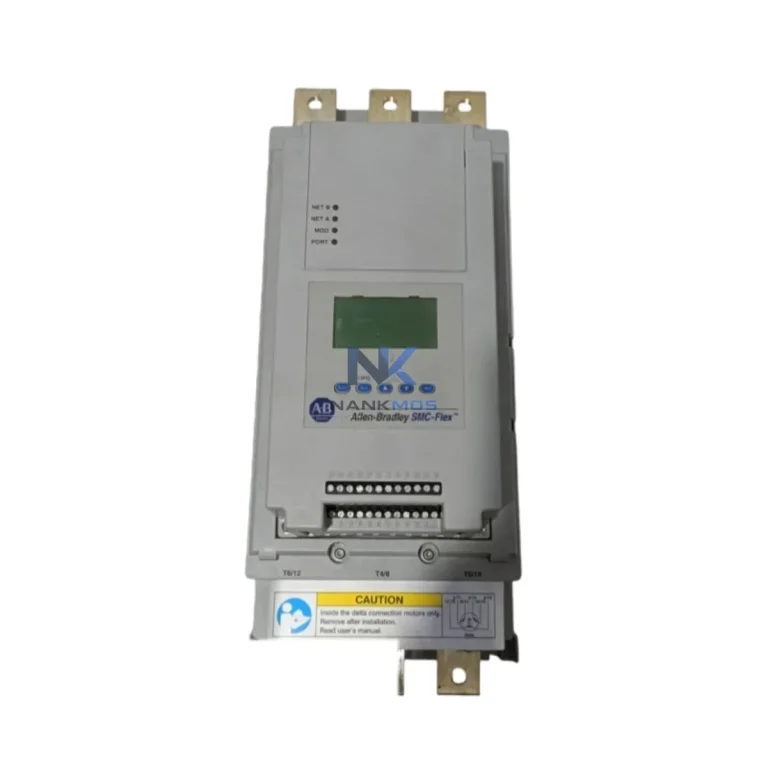
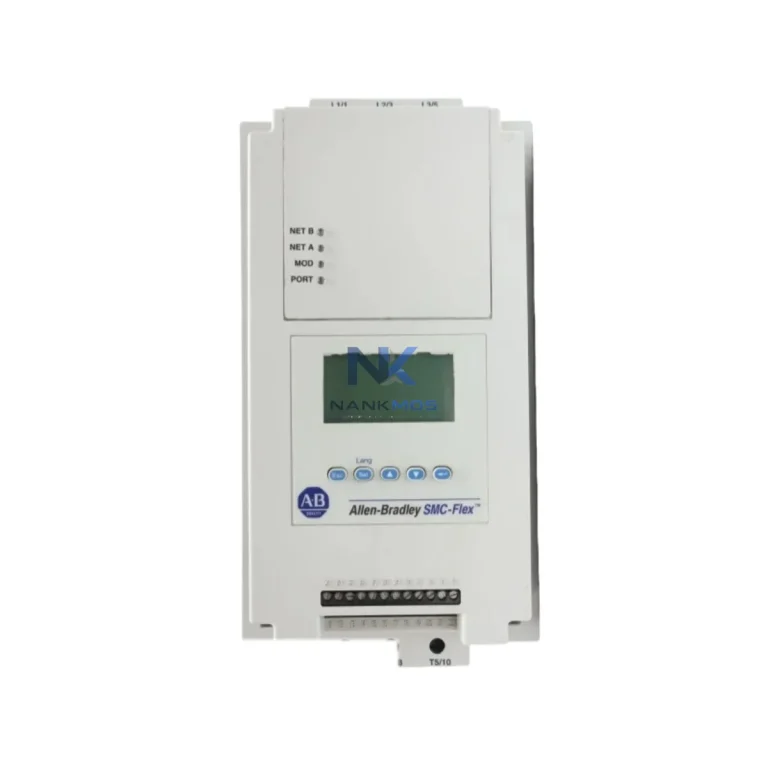
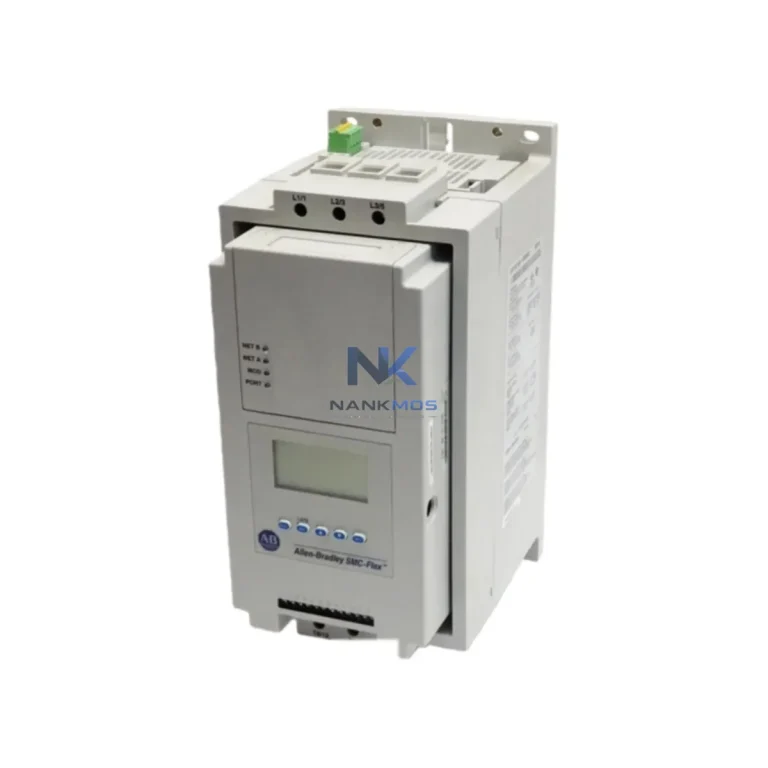
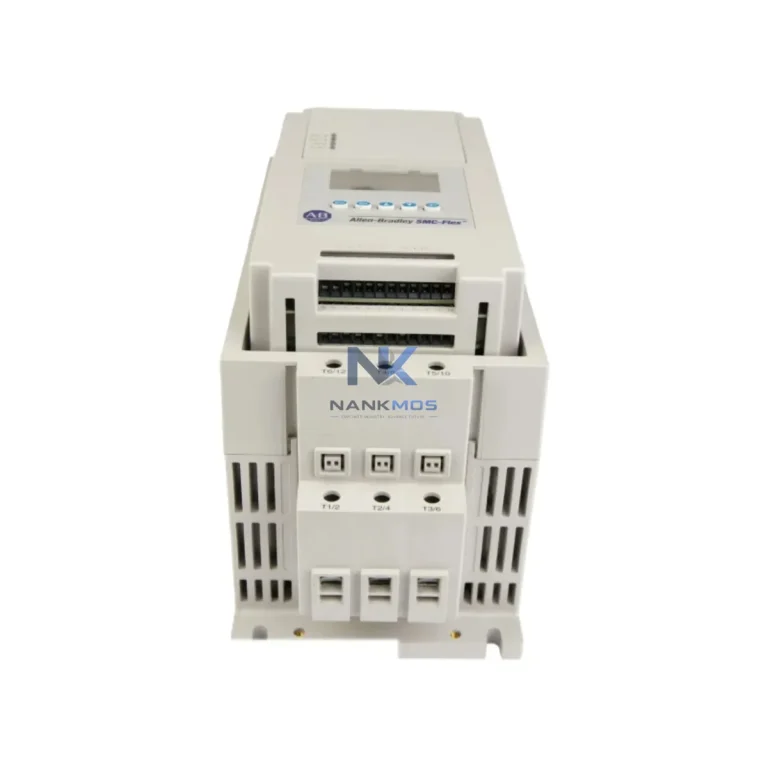
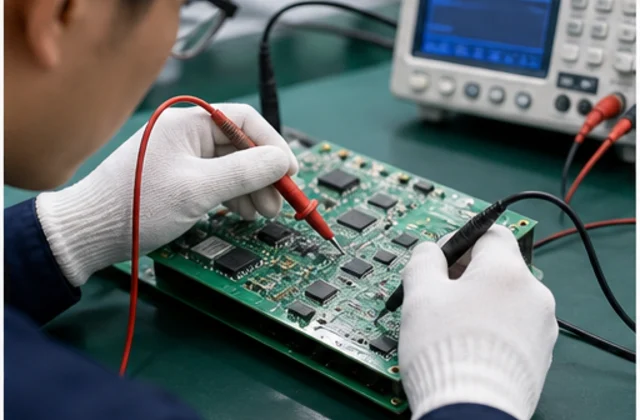
 Functional Inspection
100% tested on professional platforms to ensure stable performance.
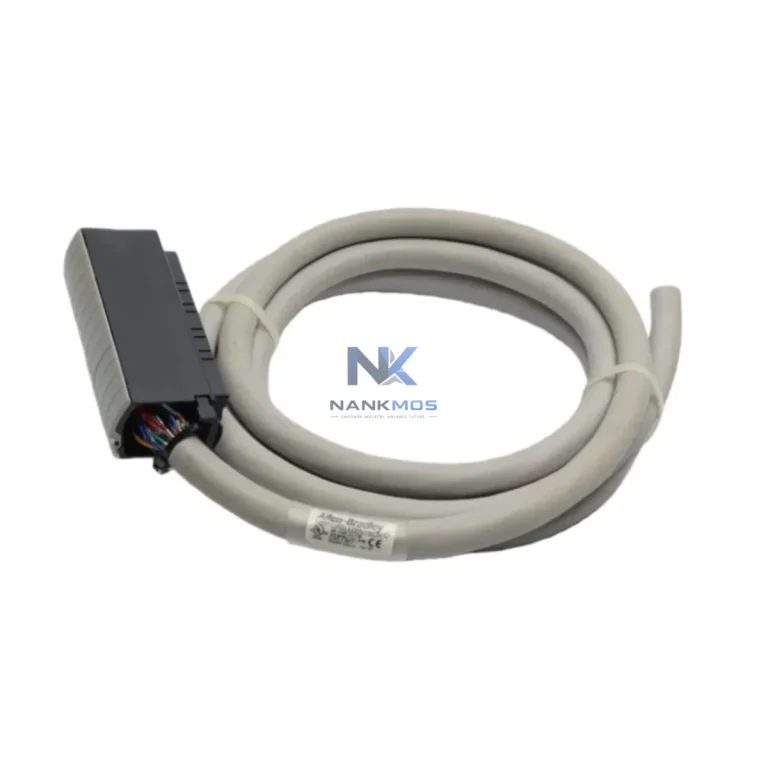
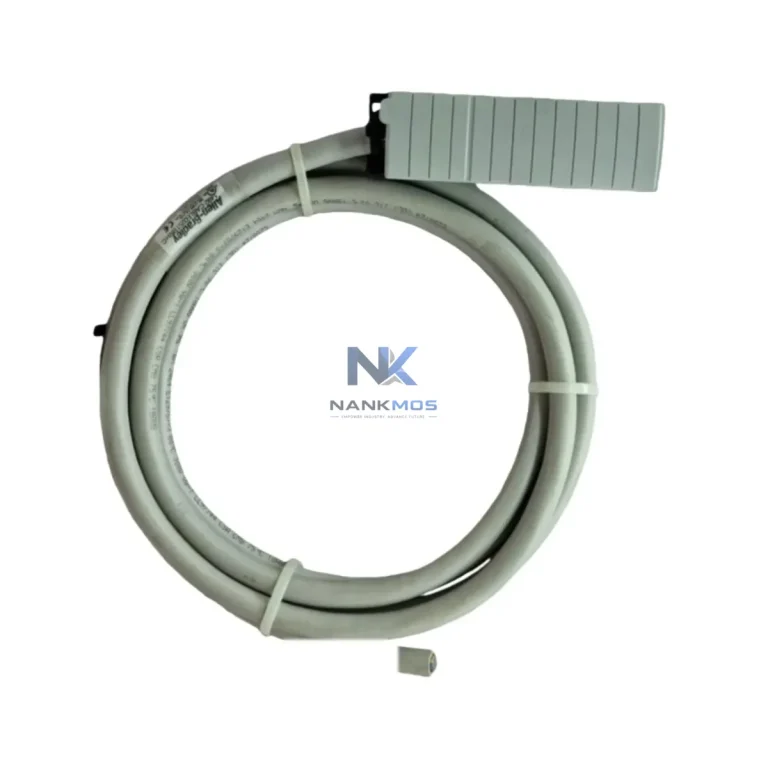
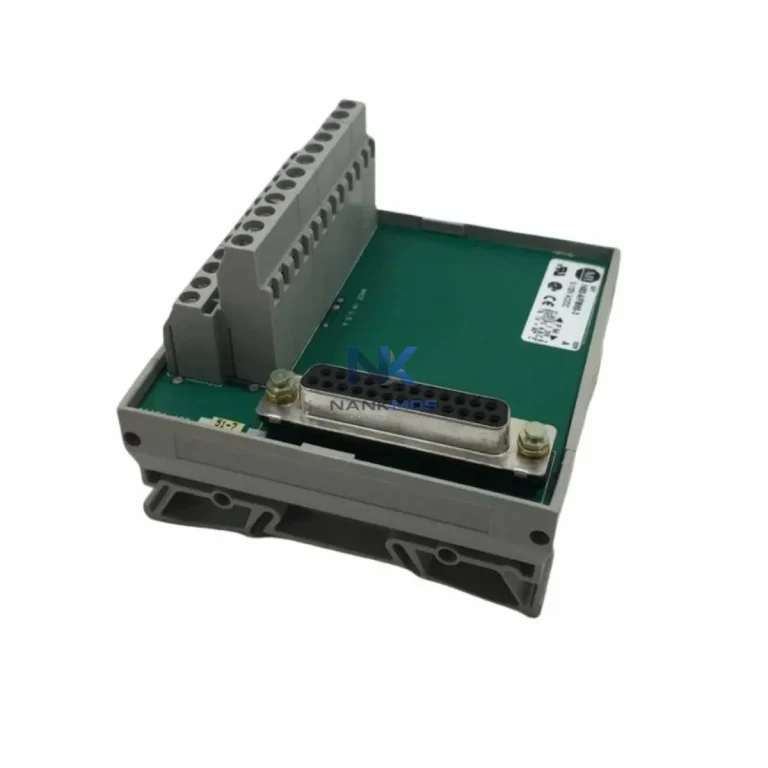
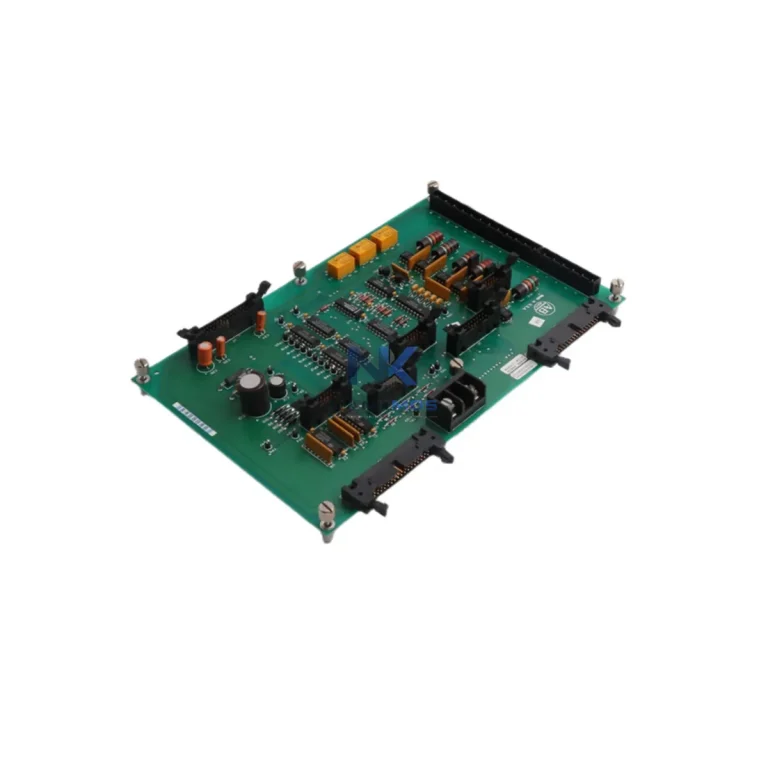
Allen-Bradley 1771-OBN/B is a NANKMOS industrial automation product record Listed under PLC-5 series and Business & Industrial > Automation, Control & Flow Devices > Programmable Logic Controllers. Confirm condition, availability, lead time, compatibility and documentation by email inquiry.
Brand names are used for identification only.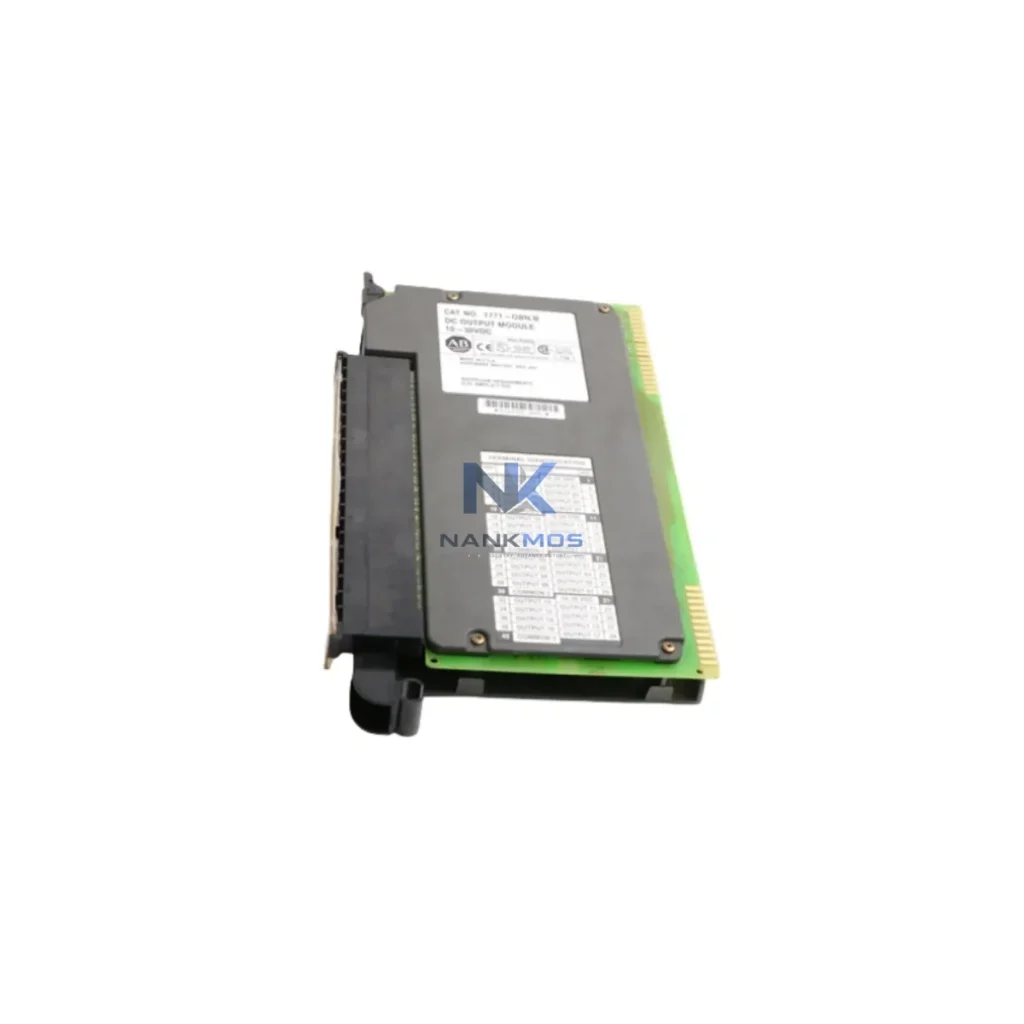
Allen-Bradley 1771-OBN/B is a NANKMOS industrial automation product record Listed under PLC-5 series and Business & Industrial > Automation, Control & Flow Devices > Programmable Logic Controllers. Confirm condition, availability, lead time, compatibility and documentation by email inquiry.
| Manufacturer | Allen-Bradley |
|---|---|
| Application | Controller Processing & System Control |
| Part Number / Model | 1771-OBN/B |
| Compatible System | PLC-5 |
| Series | PLC-5 |
| Condition Options | To Confirm |
| Module Type | Controller / CPU Module |
| Warranty | 12 Months |
| Packaging | Anti-static Bag / Secure Box |
| Shipping Methods | DHL / FedEx / UPS / Air / Sea |
| Availability | To Confirm |
| Lead Time | To Confirm |
| Documentation | Part number and revision checked before quote |
The Allen-Bradley 1771-OBN/B is a discrete output module engineered for the PLC-5 programmable controller platform, delivering reliable Remote I/O (RIO) and Data Highway Plus (DH+) network connectivity across demanding industrial environments. Designed to serve as a critical node in the factory data chain, the 1771-OBN/B bridges field-level actuators and control logic within a unified, high-integrity communication architecture — enabling real-time output control, remote diagnostics, and seamless SCADA/HMI integration across multi-zone production lines.
In modern smart factory deployments, the ability to transmit discrete output signals with deterministic timing and network transparency is non-negotiable. The 1771-OBN/B fulfills this requirement by operating natively within the Allen-Bradley 1771 I/O chassis, communicating upstream to the PLC-5 processor via the Remote I/O scanner link. This architecture allows plant engineers to extend output control across distributed rack configurations without sacrificing scan cycle integrity or network throughput.
The 1771-OBN/B operates at the output execution layer of the smart factory data chain. Signal flow originates at the PLC-5 processor — such as the Allen-Bradley 1785-L40B or 1785-L80B — where ladder logic evaluates real-time inputs from field sensors, proximity switches, and process instrumentation. The processor's RIO scanner transmits output commands across the Remote I/O link to the 1771-OBN/B, which then drives actuators, solenoids, motor starters, and relay outputs at the machine level.
Upstream, the PLC-5 communicates with supervisory systems via Data Highway Plus. SCADA platforms — including FactoryTalk View SE and third-party systems connected through Allen-Bradley 1784-PKTX or 1784-U2DHP communication adapters — poll the processor for real-time output status, alarm states, and production counters. This bidirectional data flow enables operators to monitor discrete output activity from centralized HMI terminals without interrupting field-level control execution.
For distributed rack configurations, the 1771-OBN/B is typically deployed alongside complementary modules such as the 1771-IBN discrete input module and the 1771-OAD AC output module, forming a balanced I/O rack that handles both signal acquisition and actuation within the same chassis. Remote racks connected via the 1771-ASB adapter module extend this architecture across long cable runs, enabling multi-zone factory layouts where control logic remains centralized while I/O is distributed to the point of use.
At the network layer, the DH+ backbone interconnects PLC-5 processors, SLC 5/04 controllers, and MicroLogix 1100 units across the plant floor, creating a peer-to-peer messaging fabric that supports MSG instructions, program uploads/downloads, and live data monitoring. Edge gateways — such as the ProSoft Technology MVI56-DFNT or Moxa industrial Ethernet converters — bridge legacy DH+ segments to modern EtherNet/IP infrastructure, enabling cloud-connected SCADA dashboards and remote diagnostic access without replacing existing PLC-5 hardware.
Variable frequency drives (VFDs) and motor control centers integrated into the same RIO network receive speed references and enable commands from the PLC-5 via the 1771-OBN/B output chain, while feedback signals — current draw, fault codes, run status — return through paired input modules. This closed-loop data architecture supports predictive maintenance workflows, where SCADA historians log output activation patterns and flag anomalies before equipment failure occurs.
Legacy PLC-5 installations frequently encounter data visibility challenges as plants modernize. The 1771-OBN/B addresses several critical pain points in aging automation architectures:
Protocol Fragmentation: Sites running mixed networks — DH+, RIO, DeviceNet, and EtherNet/IP — often struggle to unify output control under a single supervisory layer. The 1771-OBN/B maintains native RIO compatibility, ensuring that PLC-5-based output racks remain fully integrated with existing network infrastructure while gateway devices handle protocol translation to modern systems.
Data Islands and Output Blind Spots: Without proper network-linked output modules, discrete actuator states are invisible to SCADA and MES platforms. The 1771-OBN/B, operating within the RIO scan cycle, ensures that every output state is reflected in the PLC-5 data table and available for real-time polling by FactoryTalk, Wonderware, or Ignition SCADA systems.
Remote Monitoring Limitations: Plants relying on manual inspection for output verification face significant downtime risk. By integrating the 1771-OBN/B into a DH+-connected PLC-5 network, maintenance teams gain remote visibility into output activation status, enabling fault diagnosis from the control room or via remote access VPN without dispatching field technicians.
Production Line Transparency: The 1771-OBN/B supports structured output addressing within the PLC-5 I/O image table, making it straightforward to map output states to HMI faceplate displays, alarm management systems, and production reporting dashboards — closing the transparency gap between field execution and management-level KPI monitoring.
System Expansion: As production capacity grows, additional 1771-OBN/B modules can be added to existing RIO drops or new remote racks without modifying the PLC-5 program structure, providing a scalable output expansion path that protects the original control system investment.
Q1: What communication protocols does the Allen-Bradley 1771-OBN/B support?The 1771-OBN/B communicates via the Allen-Bradley Remote I/O (RIO) protocol over the 1771 backplane and RIO scanner link. It operates within PLC-5 systems that use Data Highway Plus (DH+) for upstream SCADA and HMI connectivity. It is not natively compatible with EtherNet/IP or DeviceNet without an appropriate gateway or protocol converter.
Q2: Can the 1771-OBN/B be used in a distributed rack configuration for remote I/O expansion?Yes. The 1771-OBN/B is designed for use in both local and remote 1771 I/O chassis. When deployed in a remote rack connected via a 1771-ASB adapter, it extends discrete output capability across long cable runs while maintaining synchronization with the PLC-5 RIO scan cycle. This makes it well-suited for multi-zone factory layouts and geographically distributed control panels.
Q3: How does NANKMOS ensure the 1771-OBN/B is functional before shipment?Every 1771-OBN/B unit supplied by NANKMOS undergoes pre-shipment functional testing to verify output channel integrity, backplane communication, and module identification. Units are inspected for physical condition and confirmed against the original Allen-Bradley specification before dispatch. A 12-month warranty is included with every unit, covering defects in materials and workmanship from the date of delivery.
Q4: What is the typical network latency for output updates via the RIO link on a PLC-5 system?RIO scan times on PLC-5 systems are deterministic and typically range from 2 ms to 56 ms depending on the number of I/O racks, baud rate configuration (57.6K, 115.2K, or 230.4K baud), and rack addressing. The 1771-OBN/B responds within the configured RIO scan window, ensuring predictable output update timing suitable for high-speed discrete control applications including conveyor sequencing, press control, and packaging line automation.
Functional Inspection100% tested on professional platforms to ensure stable performance.
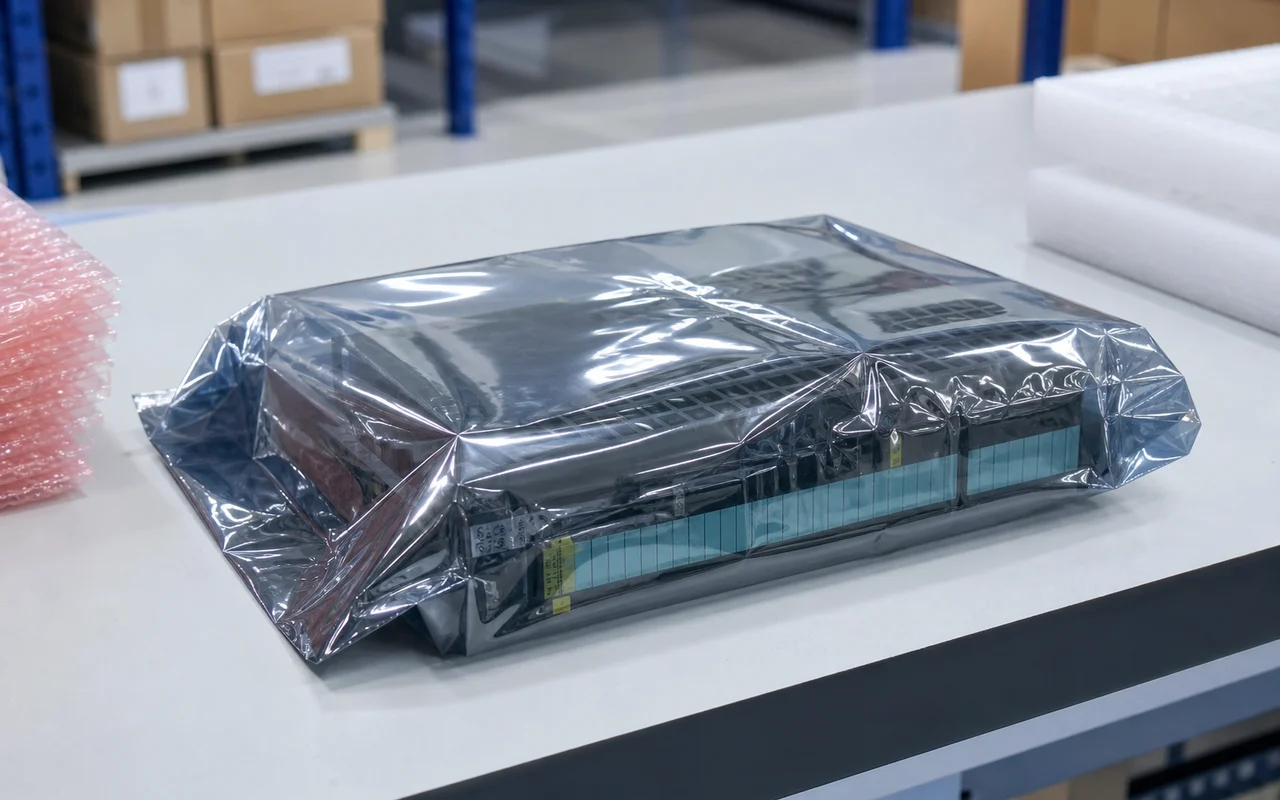 Anti-static Packaging
Modules are packed in anti-static bags to prevent electrostatic damage.
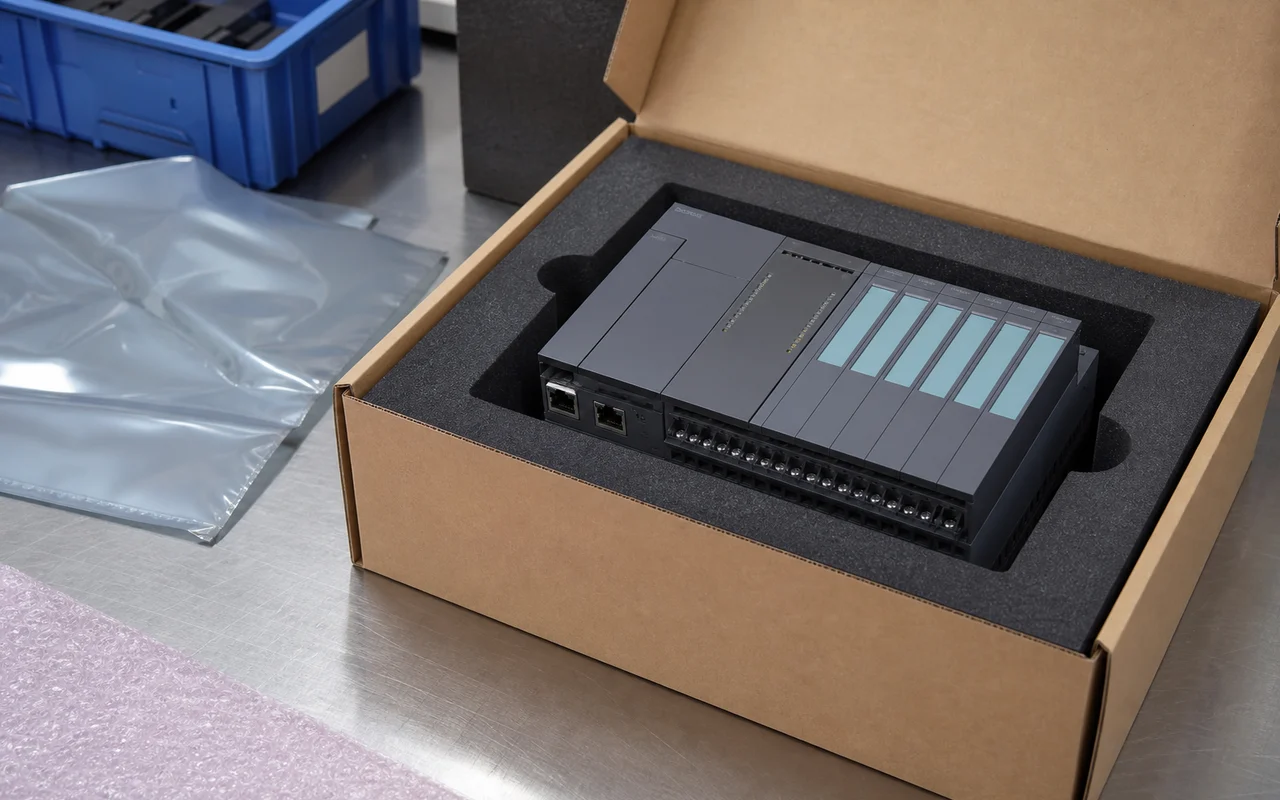 Secure Export Packing
Cushion protection and strong cartons ensure safe transportation.
 Worldwide Shipping
Global logistics network supports air, sea and express delivery.
 Documentation Check
Part number, revision and compatibility verified before shipment.
 After-sales Support
Professional technical support to help resolve your issues.