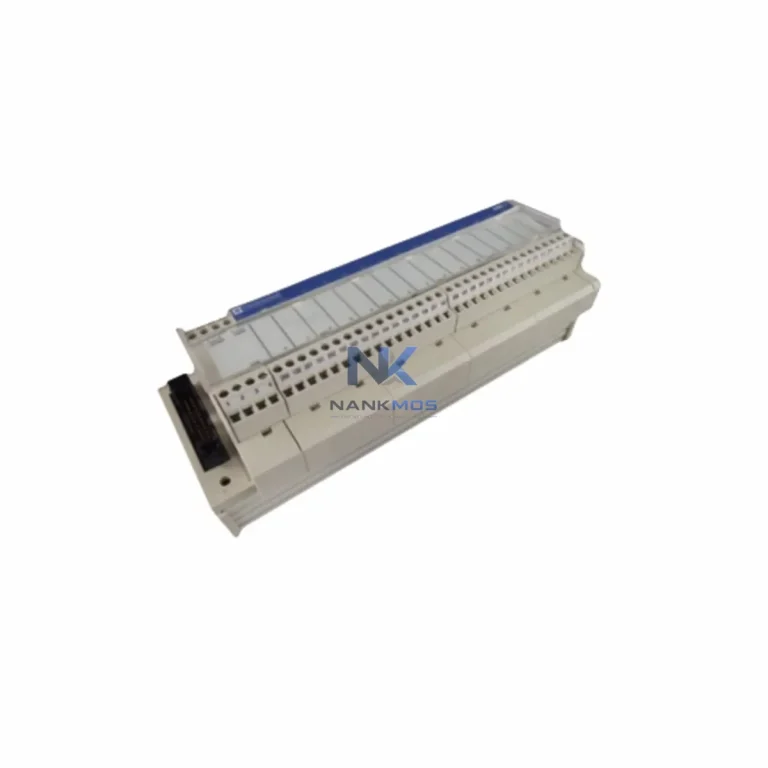
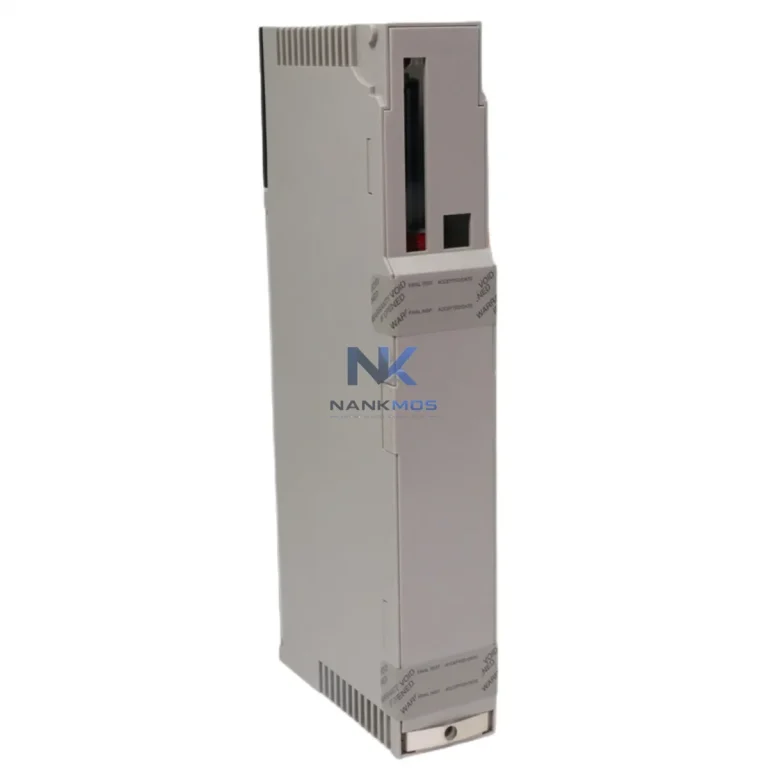
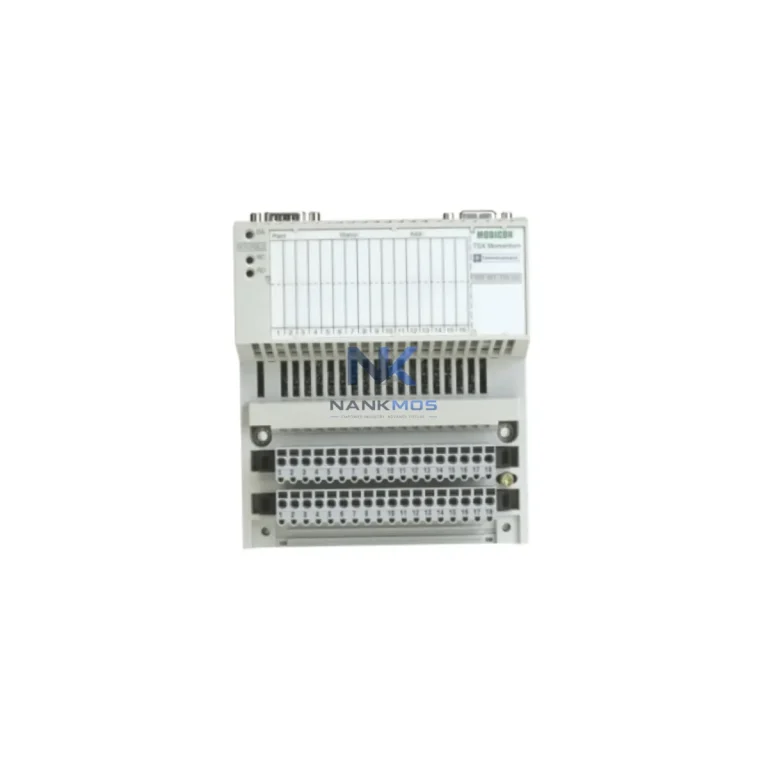
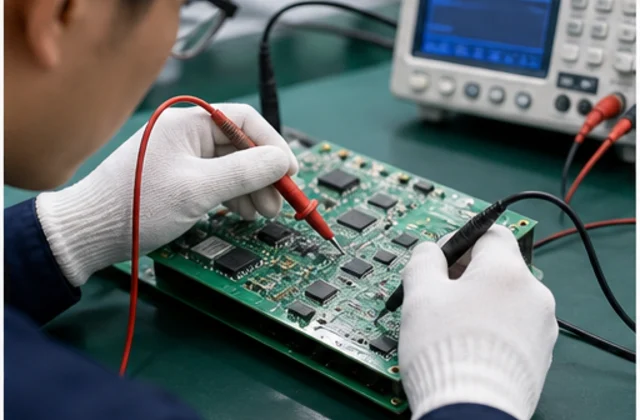
 Functional Inspection
100% tested on professional platforms to ensure stable performance.
Schneider Electric GV2-ME10C 4-6.3A is a NANKMOS industrial automation product record Listed under TeSys series and Business & Industrial > Automation, Control & Flow Devices. Confirm condition, availability, lead time, compatibility and documentation by email inquiry.
Brand names are used for identification only.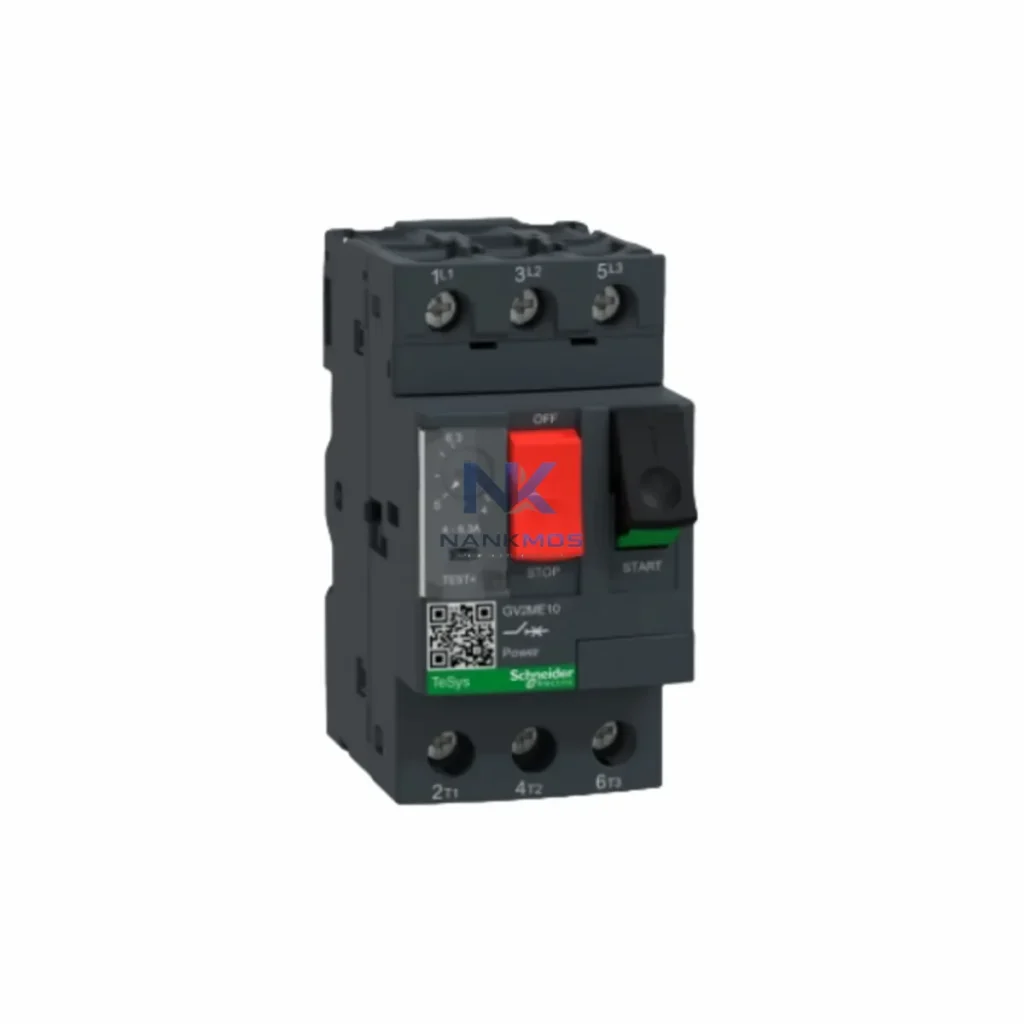
Schneider Electric GV2-ME10C 4-6.3A is a NANKMOS industrial automation product record Listed under TeSys series and Business & Industrial > Automation, Control & Flow Devices. Confirm condition, availability, lead time, compatibility and documentation by email inquiry.
| Manufacturer | Schneider Electric |
|---|---|
| Application | Industrial Automation Maintenance |
| Part Number / Model | GV2-ME10C 4-6.3A |
| Compatible System | TeSys |
| Series | TeSys |
| Condition Options | To Confirm |
| Module Type | Automation, Control & Flow Devices |
| Warranty | 12 Months |
| Packaging | Anti-static Bag / Secure Box |
| Shipping Methods | DHL / FedEx / UPS / Air / Sea |
| Availability | To Confirm |
| Lead Time | To Confirm |
| Documentation | Part number and revision checked before quote |
The Schneider Electric GV2-ME10C is a thermal-magnetic motor circuit breaker rated at 4–6.3 A, engineered for seamless integration into smart factory data architectures. As part of the proven GV2-ME Series, this device delivers reliable motor protection while serving as a critical node in the industrial data chain — connecting field-level motor loads to upstream PLC controllers, SCADA platforms, and remote monitoring systems. In modern automation environments where every device must contribute to real-time visibility, the GV2-ME10C bridges the gap between physical motor protection and digital factory intelligence.
In a fully connected smart factory, the GV2-ME10C operates at the field device layer, protecting three-phase motor loads while feeding status data upward through the automation hierarchy. The data flow begins at the motor terminal: current draw, thermal state, and trip events are captured at the breaker level and transmitted via the TeSys island bus to a Schneider TeSys island EtherNet/IP bus interface (LU9GC3), which aggregates motor protection data from multiple GV2-ME units across a motor control center (MCC).
From the bus interface, structured data packets travel over EtherNet/IP or Modbus TCP to a Schneider Modicon M340 or M580 PLC, where ladder logic processes motor fault conditions and triggers automated responses — stopping adjacent conveyor drives, activating alarm outputs, or initiating safe-state sequences. For sites using legacy serial infrastructure, a Modbus RTU-to-EtherNet/IP gateway (such as the Anybus X-gateway AB7007) bridges the GV2-ME10C's bus data into the plant's Ethernet backbone without rewiring.
At the SCADA layer, a Schneider EcoStruxure SCADA Expert (Vijeo Citect) or Wonderware System Platform subscribes to motor protection tags published by the PLC, rendering real-time dashboards that display thermal load percentages, trip counts, and fault histories for every GV2-ME10C in the facility. Operators at an HMI panel (Schneider HMIGTO or Magelis series) can acknowledge alarms, reset tripped breakers remotely, and view trend data — all without entering the MCC room.
For distributed factory layouts, an edge gateway (Schneider EcoStruxure Machine Advisor or Moxa MGate MB3180) collects GV2-ME10C diagnostic data at the machine level and forwards it to cloud-based analytics platforms, enabling predictive maintenance models that flag motors approaching thermal limits before nuisance trips occur. Paired with Schneider PowerLogic PM5000 series power meters monitoring upstream feeder circuits, the GV2-ME10C becomes part of a holistic energy and motor health monitoring loop.
Variable frequency drives (VFDs) — such as the Schneider Altivar ATV320 — installed downstream of the GV2-ME10C benefit from the breaker's upstream fault isolation: in the event of a drive fault causing overcurrent, the GV2-ME10C trips cleanly, protecting both the drive and the motor winding. The trip event is simultaneously logged in the SCADA historian, timestamped, and correlated with process data from IO-Link sensors (temperature, vibration) connected via an IFM AL1100 IO-Link master to the same Modbus network segment.
This end-to-end data chain — from motor protection event through protocol conversion, network transmission, SCADA visualization, and edge analytics — demonstrates how the GV2-ME10C functions not merely as a protective device, but as an active contributor to smart factory transparency, uptime optimization, and remote diagnostic capability.
Protocol Fragmentation: Many brownfield plants run a mix of legacy Modbus RTU devices alongside newer EtherNet/IP infrastructure. The GV2-ME10C's compatibility with the TeSys island bus — which supports multiple fieldbus adapters — allows it to participate in either protocol environment without hardware replacement, eliminating the data silos that arise when motor protection devices cannot communicate with the plant network.
Remote Monitoring Blind Spots: Traditional motor circuit breakers provide no remote visibility — a tripped breaker is discovered only when a machine stops. The GV2-ME10C, integrated into a TeSys island or Modbus gateway architecture, transmits trip status and thermal state in real time, enabling SCADA alarm generation within milliseconds of a fault event. Maintenance teams receive push notifications and can diagnose root cause remotely before dispatching personnel.
Production Line Transparency: Without motor-level data, production managers cannot distinguish between planned downtime and unplanned stoppages. By mapping each GV2-ME10C to a specific machine or production zone in the SCADA tag database, every motor event becomes a traceable, timestamped record — enabling OEE calculations, downtime root-cause analysis, and shift reports that reflect actual equipment behavior.
System Scalability: As production lines expand, additional GV2-ME10C units clip onto the existing TeSys island bus segment without requiring new wiring runs or gateway hardware — the bus architecture supports up to 20 motor starter units per island, making capacity expansion straightforward and cost-effective.
Q1: What communication protocols does the GV2-ME10C support for integration into a SCADA or PLC system? The GV2-ME10C connects natively to the TeSys island bus, which supports EtherNet/IP, Modbus TCP, PROFIBUS DP, and DeviceNet bus interface modules. For Modbus RTU environments, a Modbus gateway (e.g., Moxa MGate or Anybus X-gateway) can bridge the TeSys island data to serial Modbus networks. This flexibility ensures compatibility with Schneider Modicon PLCs, Siemens S7 systems, and most major SCADA platforms.
Q2: How does the GV2-ME10C support remote diagnostics and predictive maintenance? When integrated via the TeSys island bus interface, the GV2-ME10C exposes thermal state, trip cause, and cumulative fault count as readable process data objects. These values are polled by the PLC and forwarded to SCADA historians or edge analytics platforms, enabling trend analysis that predicts thermal overload conditions before they cause unplanned downtime. All units ship pre-tested and include a 12-Month Warranty covering manufacturing defects.
Q3: Is the GV2-ME10C compatible with existing GV2-ME Series accessories and bus bars? Yes. The GV2-ME10C is fully compatible with the GV2-ME Series accessory ecosystem, including rotary handles (GV2-AH), door-coupling mechanisms, auxiliary contact blocks (GV2-AN11), and the TeSys island bus bar system. This ensures that upgrading or expanding an existing GV2-ME motor control panel requires no structural changes to the enclosure or bus infrastructure.
Q4: What is the delivery lead time and warranty coverage for the GV2-ME10C? NANKMOS maintains in-stock inventory of the GV2-ME10C for immediate dispatch. Standard orders ship within 1–3 business days. Each unit undergoes pre-shipment functional testing and is covered by a 12-Month Warranty from the date of delivery, covering manufacturing defects and component failures under normal operating conditions. For volume orders or project-specific lead time requirements, contact our team directly.
Functional Inspection100% tested on professional platforms to ensure stable performance.
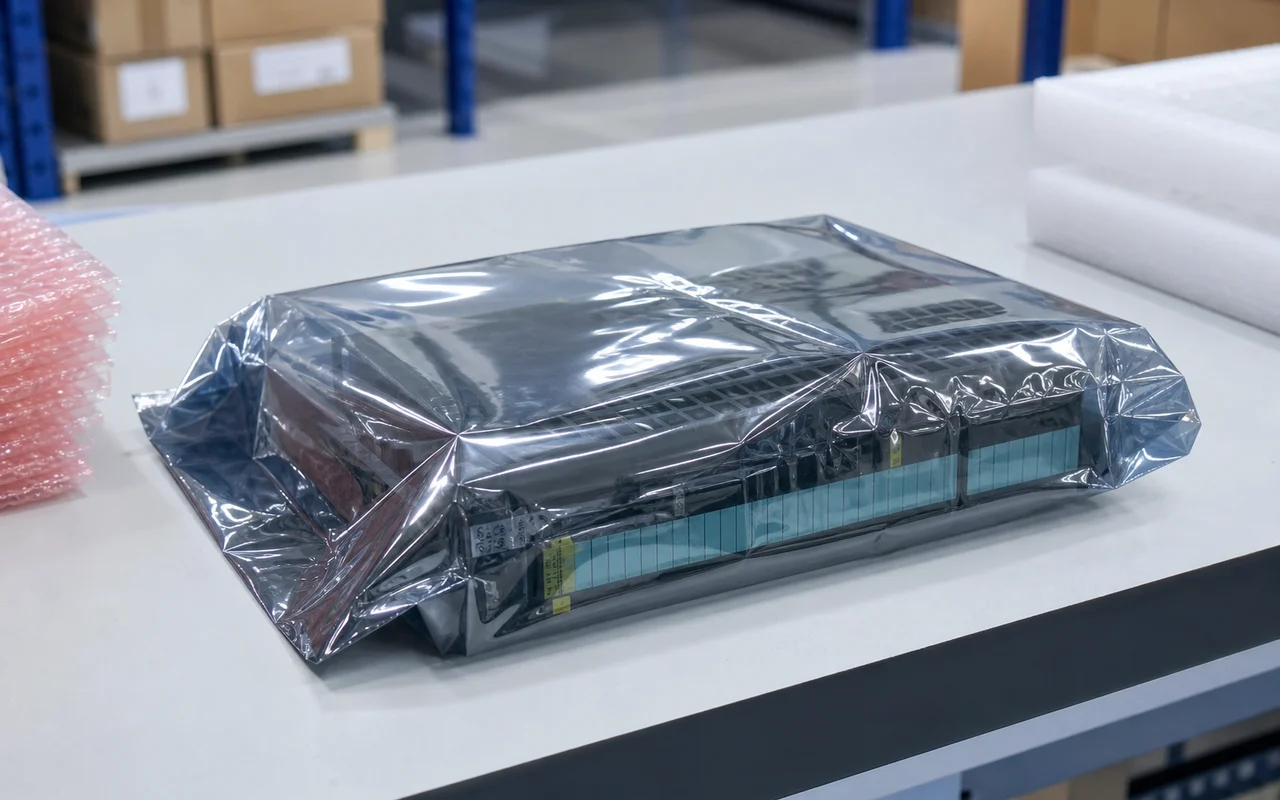 Anti-static Packaging
Modules are packed in anti-static bags to prevent electrostatic damage.
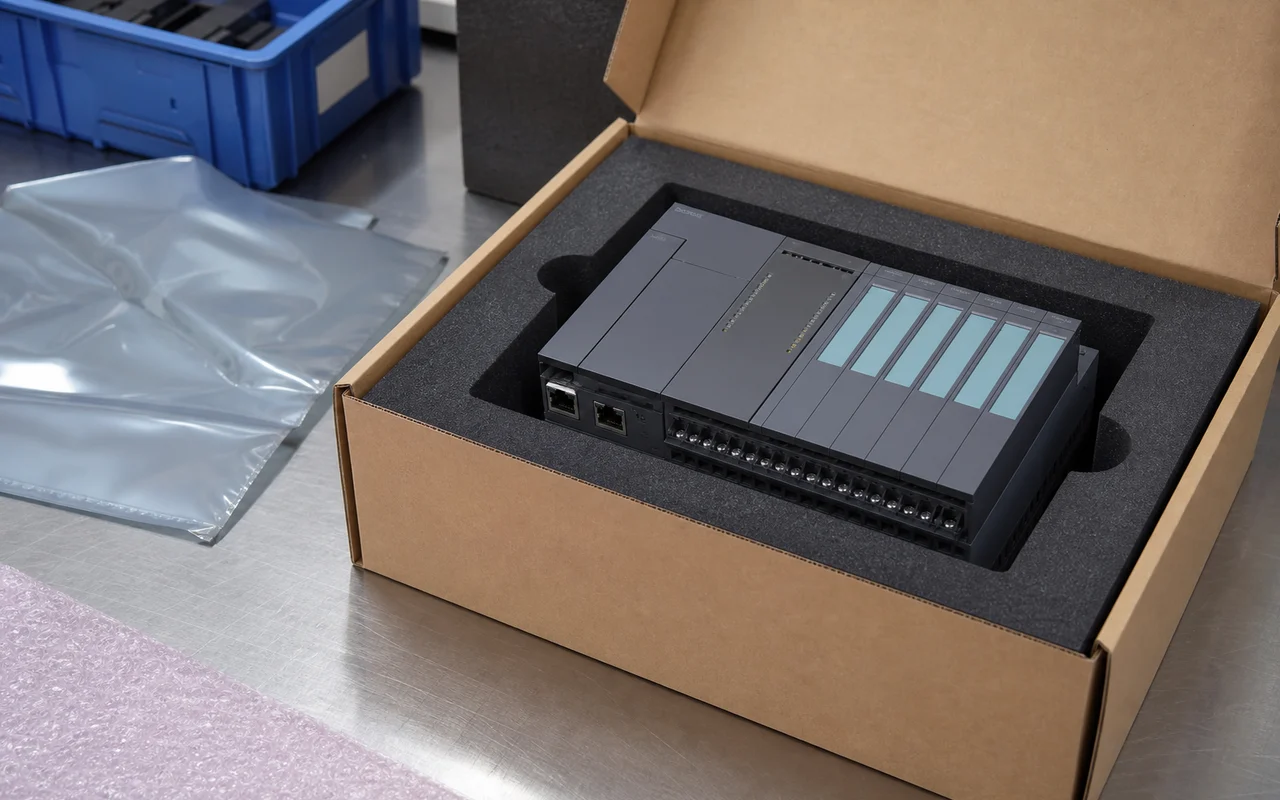 Secure Export Packing
Cushion protection and strong cartons ensure safe transportation.
 Worldwide Shipping
Global logistics network supports air, sea and express delivery.
 Documentation Check
Part number, revision and compatibility verified before shipment.
 After-sales Support
Professional technical support to help resolve your issues.