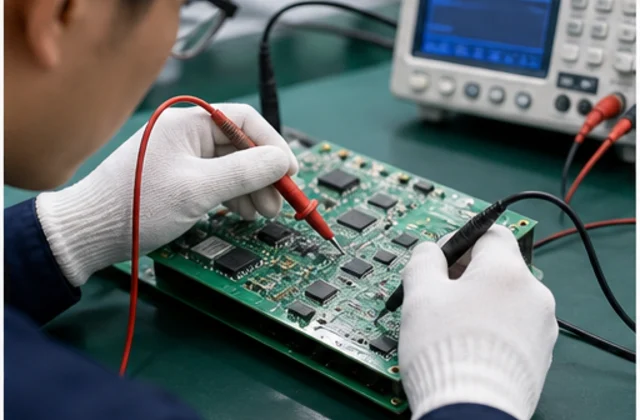
 Functional Inspection
100% tested on professional platforms to ensure stable performance.
Schneider Electric LC1D18M7C is a NANKMOS industrial automation product record Listed under TeSys series and Business & Industrial > Automation, Control & Flow Devices. Confirm condition, availability, lead time, compatibility and documentation by email inquiry.
Brand names are used for identification only.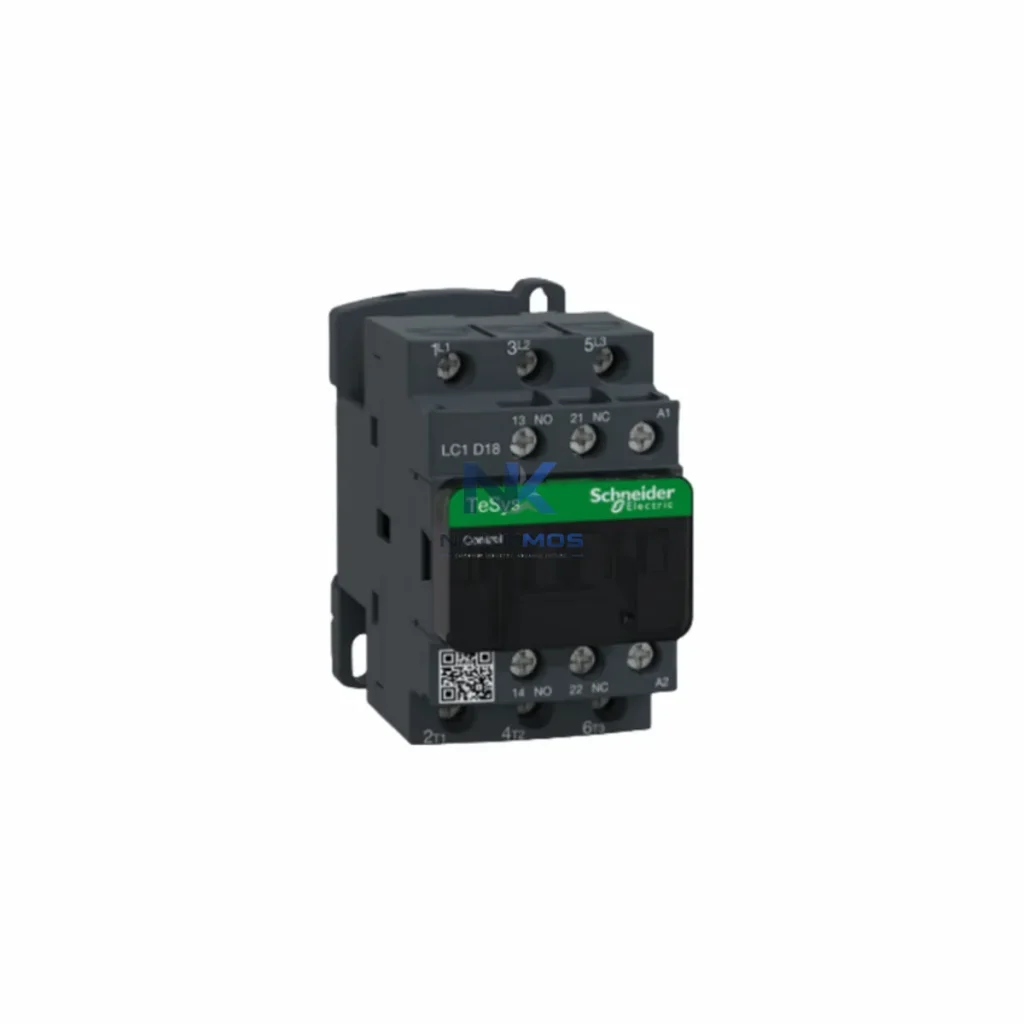
Schneider Electric LC1D18M7C is a NANKMOS industrial automation product record Listed under TeSys series and Business & Industrial > Automation, Control & Flow Devices. Confirm condition, availability, lead time, compatibility and documentation by email inquiry.
| Manufacturer | Schneider Electric |
|---|---|
| Application | Industrial Automation Maintenance |
| Part Number / Model | LC1D18M7C |
| Compatible System | TeSys |
| Series | TeSys |
| Condition Options | To Confirm |
| Module Type | Automation, Control & Flow Devices |
| Warranty | 12 Months |
| Packaging | Anti-static Bag / Secure Box |
| Shipping Methods | DHL / FedEx / UPS / Air / Sea |
| Availability | To Confirm |
| Lead Time | To Confirm |
| Documentation | Part number and revision checked before quote |
The Schneider Electric LC1D18M7C is a 3-pole, 18A AC contactor from the renowned TeSys D series, engineered to deliver precise, energy-efficient motor switching across demanding industrial environments. Rated for AC-3 duty at 7.5 kW / 400 V, this contactor is purpose-built for smart production lines where load management, thermal stability, and drive coordination are critical to overall energy performance. Every unit is pre-tested prior to shipment, supplied from verified in-stock inventory, and backed by a 12-Month Warranty.
In modern smart factories, energy waste is most often traced to uncontrolled motor starts, inefficient switching cycles, and poor coordination between contactors and upstream drive systems. The LC1D18M7C addresses these challenges directly — its low-power coil design minimises holding current draw, while its robust silver-alloy contacts ensure consistent switching performance across thousands of operating cycles without thermal degradation.
The LC1D18M7C is most effective when integrated as part of a coordinated power-aware automation architecture. In a typical smart production line, it operates downstream of a Schneider Electric ATV320 variable frequency drive, which regulates motor speed and torque to match actual load demand — eliminating the energy penalty of fixed-speed operation. The contactor acts as the final switching element, engaging or isolating the motor circuit in response to control signals from a Modicon M221 PLC or Modicon M241 PLC, both of which support ladder logic and function block programming for precise contactor sequencing.
For energy monitoring, the LC1D18M7C is commonly paired with a Schneider Electric PM5350 Power Meter, which captures real-time kWh consumption, power factor, and harmonic distortion data at the motor circuit level. This data feeds into an EcoStruxure Power Monitoring Expert SCADA layer, enabling operators to identify inefficient load profiles and schedule maintenance before energy waste escalates into unplanned downtime.
On the I/O side, digital output modules from the Modicon STB distributed I/O island or TM3 expansion modules relay contactor status signals back to the PLC, confirming coil energisation and auxiliary contact state. This closed-loop feedback eliminates blind switching — a common source of phantom energy consumption in older relay-based panels. Operator visibility is maintained through a Magelis HMIGXU3500 HMI panel, which displays real-time contactor state, motor run hours, and energy consumption trends on a single touchscreen interface.
Where communication transparency is required across the plant network, the LC1D18M7C panel assembly integrates with Modbus TCP/IP or EtherNet/IP communication modules, enabling the contactor's operational data to be aggregated into the plant-level energy management system. This architecture supports demand-response strategies, peak-load shaving, and carbon footprint reporting — all without adding dedicated metering hardware at each motor circuit.
In high-cycle production environments — packaging lines, conveyor systems, injection moulding, and CNC machining centres — the LC1D18M7C contributes to energy optimisation at three levels: switching efficiency, thermal load reduction, and production rhythm stability.
At the switching level, the contactor's AC-3 rating ensures it handles the high inrush currents of direct-on-line motor starts without contact welding or premature wear. When combined with an upstream ATV320 or ATV630 variable frequency drive operating in soft-start mode, inrush current is suppressed entirely, reducing peak demand charges and protecting upstream transformer capacity. This combination is particularly effective in multi-motor production cells where simultaneous starts would otherwise spike the facility's demand tariff.
Thermal load reduction is achieved through the contactor's low-power coil technology. Unlike older contactor designs that maintain full coil energisation throughout the hold phase, the TeSys D coil circuit reduces holding current after initial pull-in — lowering panel heat dissipation and reducing the cooling load on the control cabinet. In facilities with large motor control centres (MCCs), this translates to measurable reductions in HVAC energy consumption for the electrical room.
Production rhythm stability is supported by the contactor's consistent switching repeatability. With mechanical endurance rated at over 10 million operations and electrical endurance at 1 million AC-3 operations, the LC1D18M7C maintains predictable switching behaviour across the full production lifecycle. This reliability underpins predictive maintenance strategies — when integrated with a Schneider Electric EcoStruxure Asset Advisor platform, contactor operation counters and coil voltage trends can trigger maintenance alerts before failure occurs, preventing unscheduled line stoppages that disrupt production takt time and inflate energy-per-unit metrics.
Every LC1D18M7C unit supplied by NANKMOS undergoes pre-shipment functional testing, verifying coil pull-in voltage, contact resistance, and auxiliary contact continuity. Units are dispatched from verified in-stock inventory with full traceability documentation, supporting quality audits and IEC 60947-4-1 compliance records.
Q1: How does the LC1D18M7C contribute to energy savings on a production line?The LC1D18M7C reduces energy waste through its low-power holding coil, which minimises reactive current draw during sustained motor operation. When paired with a variable frequency drive such as the ATV320 or ATV630, it eliminates inrush current penalties during motor starts, directly reducing peak demand charges and improving overall power factor at the motor circuit level.
Q2: Is the LC1D18M7C compatible with Modicon PLCs and EcoStruxure automation platforms?Yes. The LC1D18M7C is fully compatible with Modicon M221, M241, and M251 PLCs via standard digital output modules. It integrates seamlessly into EcoStruxure Machine Expert and EcoStruxure Power Monitoring Expert environments, supporting both local panel control and remote SCADA supervision over Modbus TCP/IP or EtherNet/IP networks.
Q3: Can the LC1D18M7C replace older TeSys D contactors of the same frame size?Yes. The LC1D18M7C is dimensionally and electrically compatible with earlier TeSys D 18A variants. Replacement requires verification of coil voltage (M7 = 220 V AC), pole configuration, and auxiliary contact arrangement. NANKMOS recommends confirming the existing panel wiring diagram before substitution to ensure coil voltage and auxiliary contact assignments match.
Q4: What testing and warranty coverage is provided with each unit?Every LC1D18M7C unit supplied by NANKMOS is functionally tested prior to shipment, covering coil pull-in voltage, contact resistance, and auxiliary contact continuity. All units are backed by a 12-Month Warranty covering manufacturing defects and operational failures under normal industrial use conditions. Units are dispatched from in-stock inventory with full traceability documentation.
Functional Inspection100% tested on professional platforms to ensure stable performance.
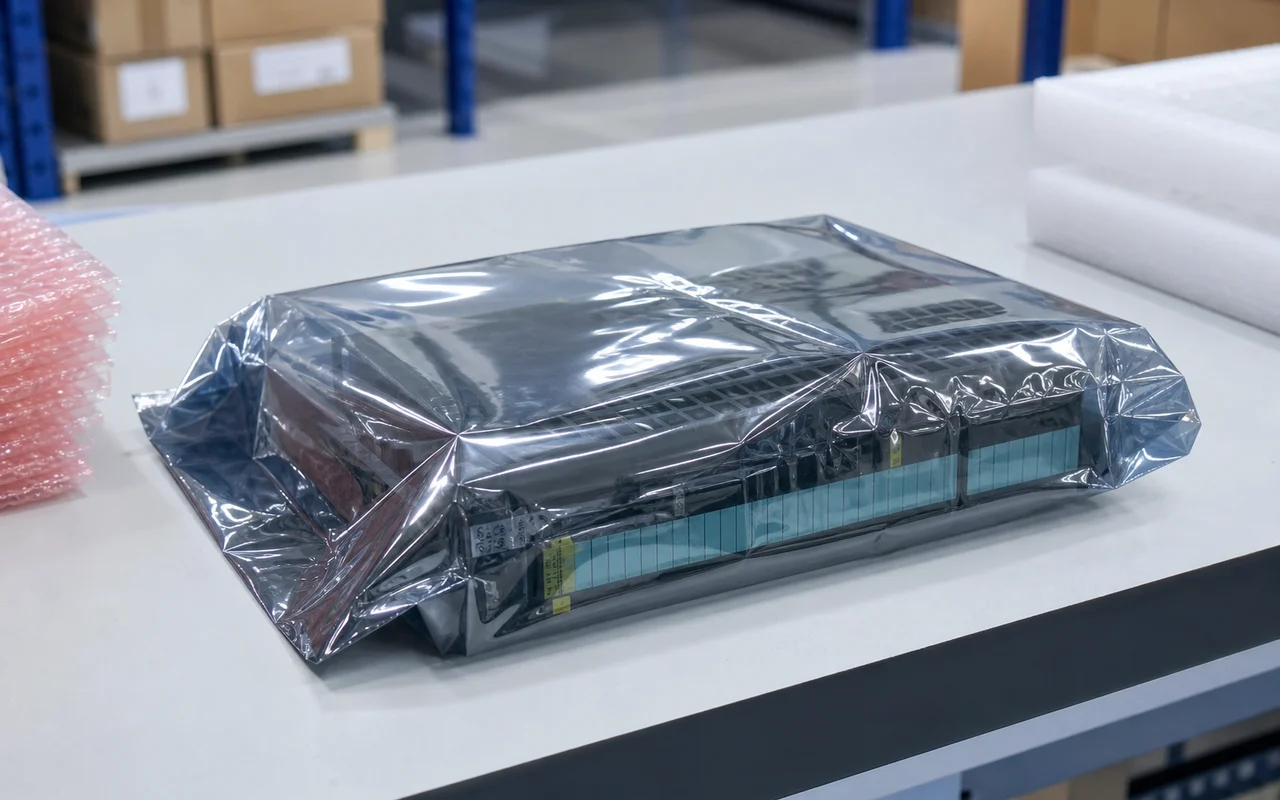 Anti-static Packaging
Modules are packed in anti-static bags to prevent electrostatic damage.
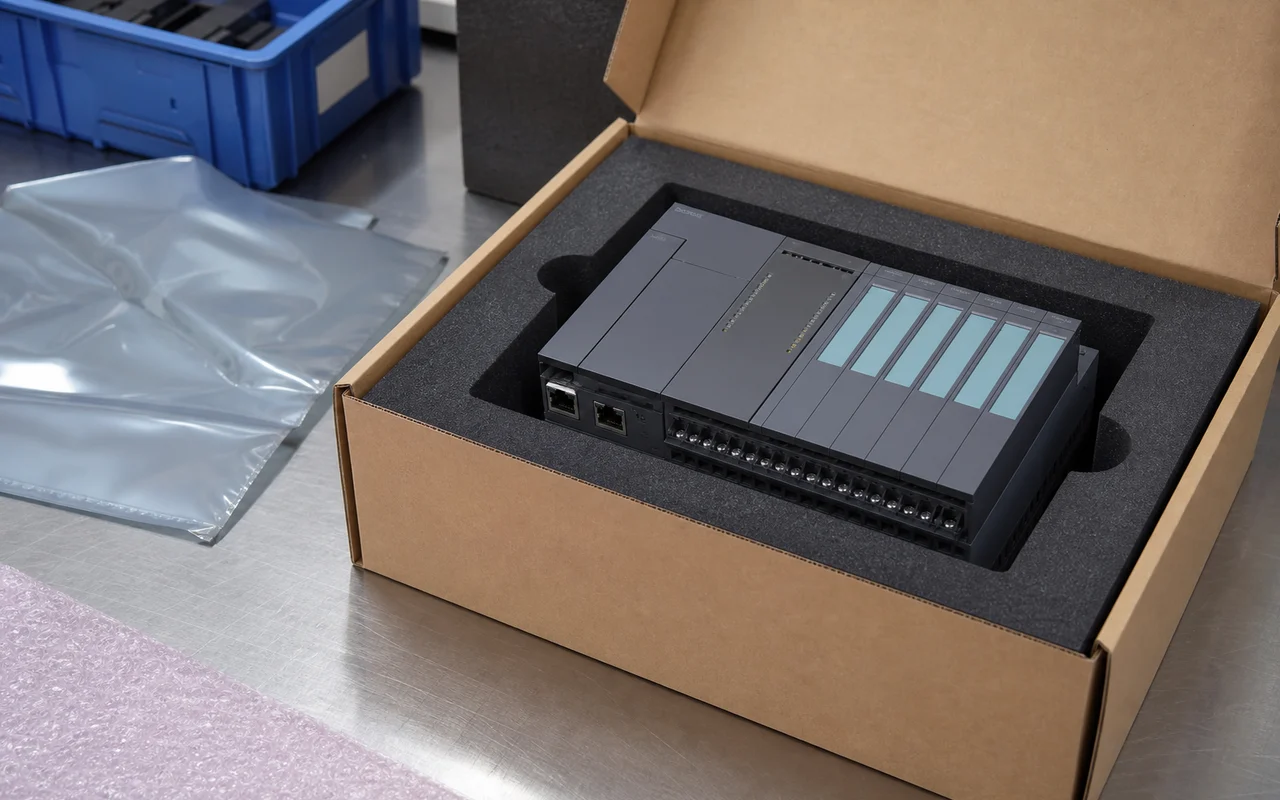 Secure Export Packing
Cushion protection and strong cartons ensure safe transportation.
 Worldwide Shipping
Global logistics network supports air, sea and express delivery.
 Documentation Check
Part number, revision and compatibility verified before shipment.
 After-sales Support
Professional technical support to help resolve your issues.