Functional Inspection
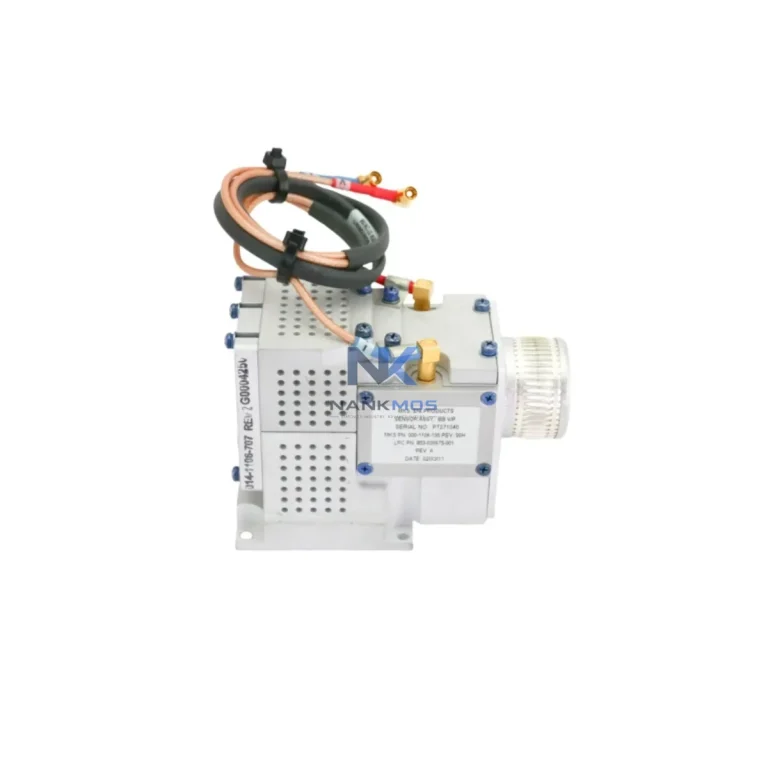
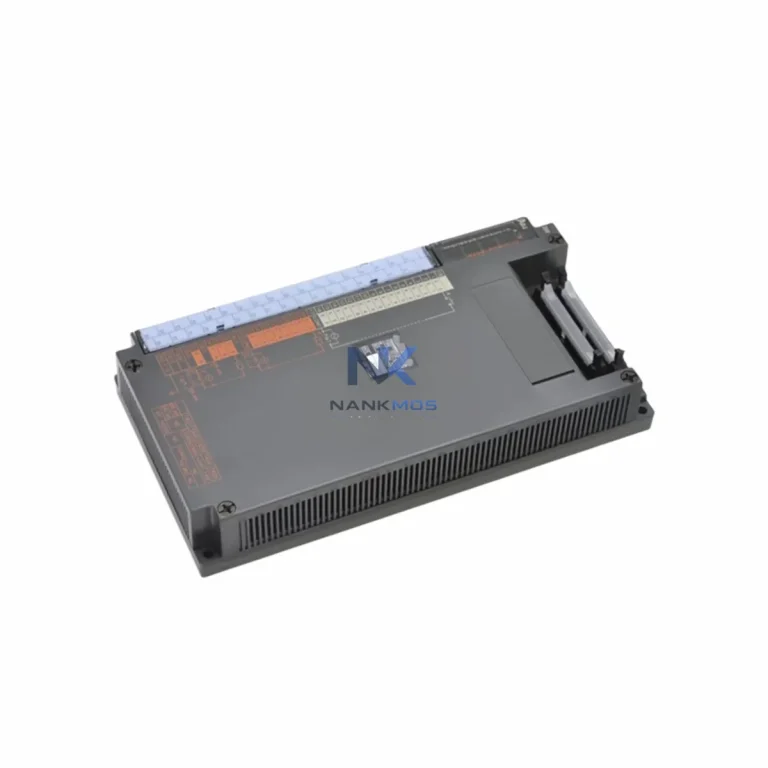
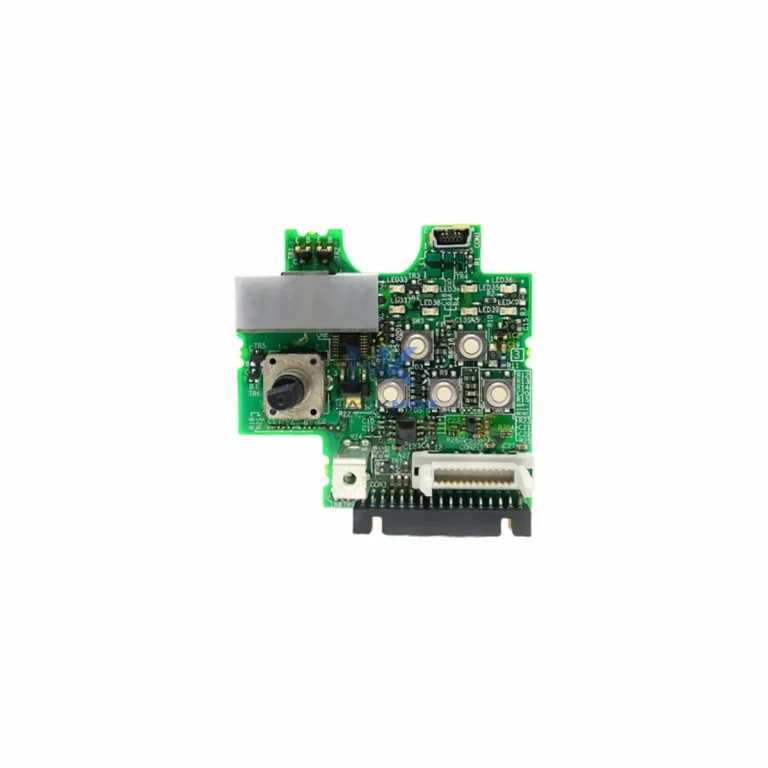
100% tested on professional platforms to ensure stable performance.
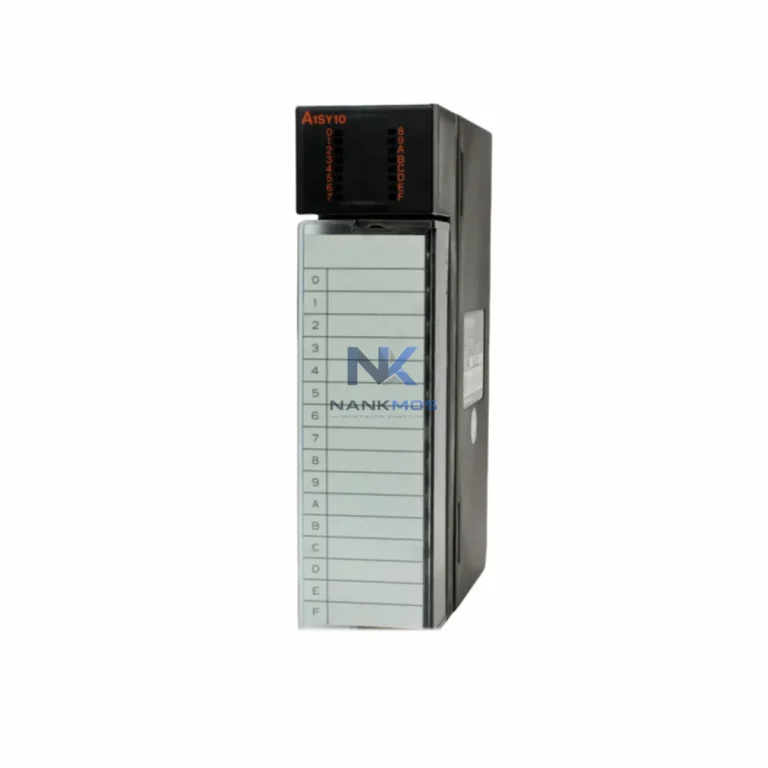
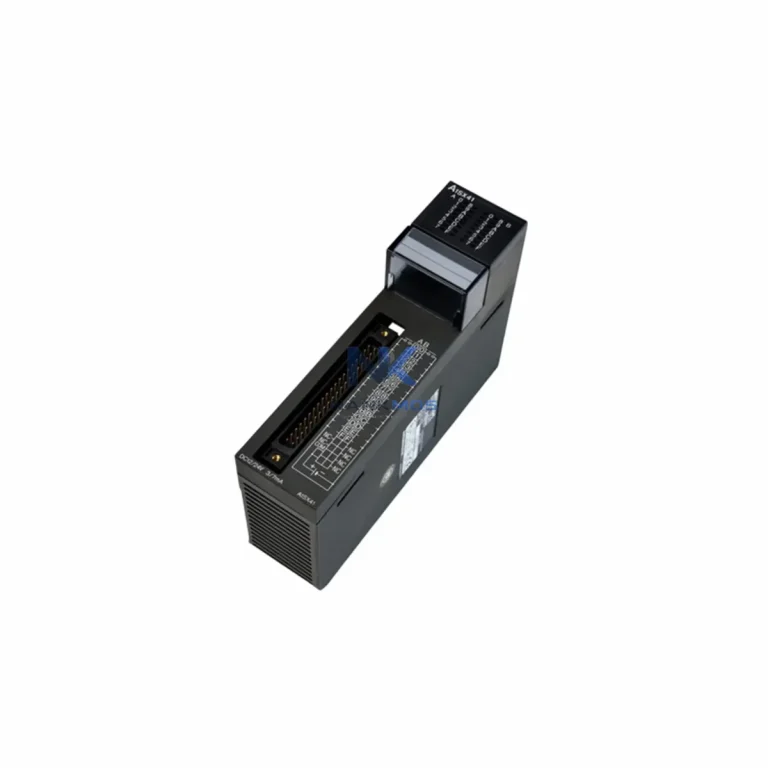
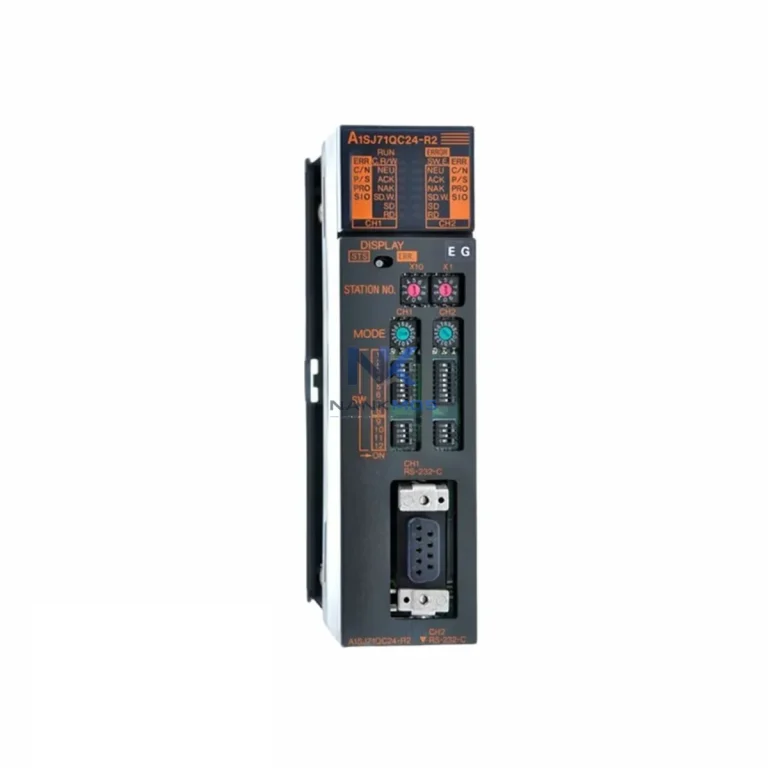
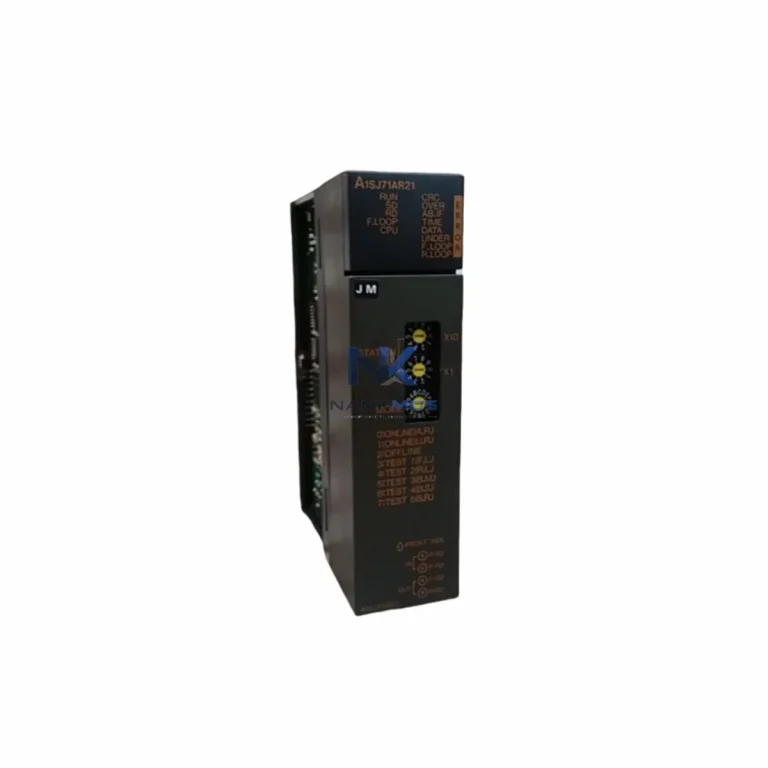
Mitsubishi Electric A1Sx10 is a NANKMOS industrial automation product record Listed under MELSEC-A series and Business & Industrial > Automation, Control & Flow Devices > Programmable Logic Controllers. Confirm condition, availability, lead time, compatibility and documentation by email inquiry.
Brand names are used for identification only.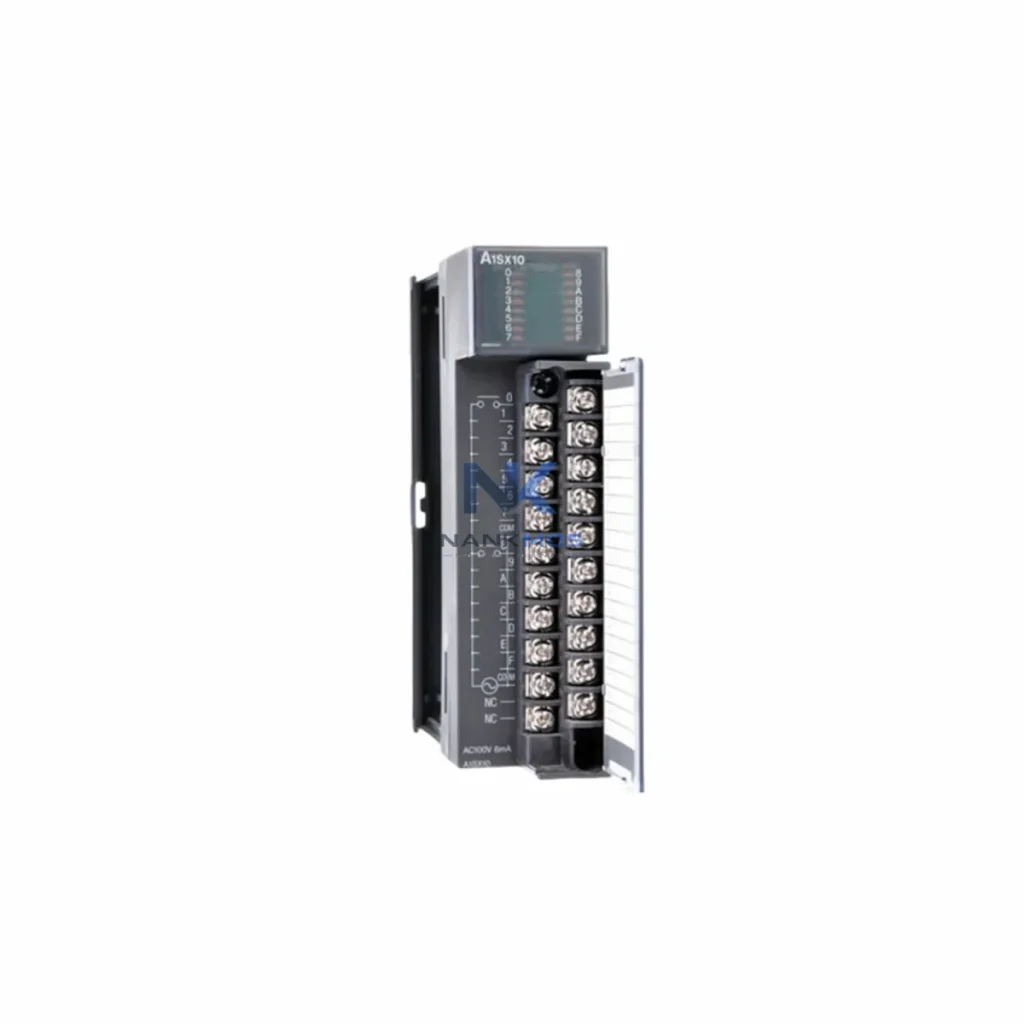
Mitsubishi Electric A1Sx10 is a NANKMOS industrial automation product record Listed under MELSEC-A series and Business & Industrial > Automation, Control & Flow Devices > Programmable Logic Controllers. Confirm condition, availability, lead time, compatibility and documentation by email inquiry.
| Manufacturer | Mitsubishi Electric |
|---|---|
| Application | Controller Processing & System Control |
| Part Number / Model | A1Sx10 |
| Compatible System | MELSEC-A |
| Series | MELSEC-A |
| Condition Options | To Confirm |
| Module Type | Controller / CPU Module |
| Warranty | 12 Months |
| Packaging | Anti-static Bag / Secure Box |
| Shipping Methods | DHL / FedEx / UPS / Air / Sea |
| Availability | To Confirm |
| Lead Time | To Confirm |
| Documentation | Part number and revision checked before quote |
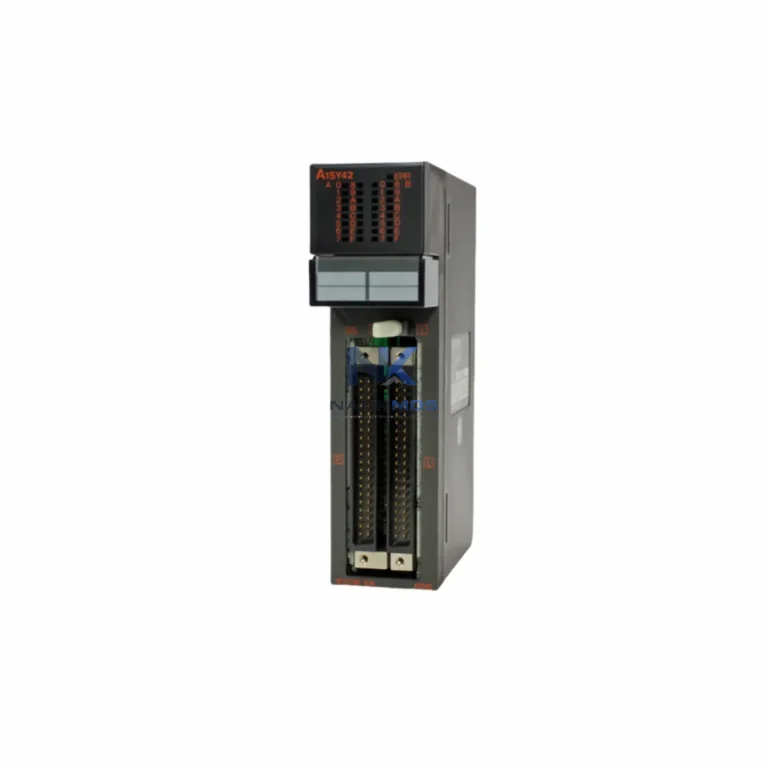
The Mitsubishi Electric A1SX10 is an AC digital input module engineered for the Melsec-A series programmable logic controller platform, delivering precise signal acquisition and energy-aware input management across demanding industrial environments. Designed to serve as the sensing and feedback backbone of smart production lines, the A1SX10 captures real-time field signals from motors, drives, sensors, and actuators, enabling the control system to make informed decisions that reduce unnecessary energy consumption, minimise thermal loading, and sustain optimal production throughput.
In modern smart factories, every watt counts. The A1SX10 integrates seamlessly into Mitsubishi Electric's Melsec-A CPU modules — including the A2USHCPU and A3UCPU — providing 16-point AC input capability with high noise immunity and stable signal conditioning. By accurately reporting the operational state of connected field devices, the module allows the PLC program to implement load-shedding logic, staggered motor start sequences, and demand-response routines that collectively lower peak energy draw and reduce electricity costs on the production floor.
The A1SX10 operates at the intersection of field sensing and energy-intelligent control. When paired with a Mitsubishi FR-A800 series variable frequency drive, the module's input signals relay motor run/stop and fault status back to the Melsec-A CPU, allowing the drive to be commanded into energy-saving sleep mode during idle production windows. This closed-loop interaction between the input module and the VFD is fundamental to reducing motor energy consumption — often the largest single load in a manufacturing facility.
In servo-driven assembly lines, the A1SX10 works alongside Mitsubishi MR-J4 servo amplifiers and their associated servo motors, capturing position-confirm and in-position signals that allow the PLC to sequence axes efficiently and avoid unnecessary holding torque, directly reducing heat generation and energy waste. The module's AC input architecture also makes it well-suited to interface with industrial power monitoring units such as the Mitsubishi ME96NSR power meter, feeding energy consumption data upstream to the SCADA layer for real-time load analysis.
For HMI integration, the A1SX10's status data is surfaced through the Melsec-A CPU to GOT2000 series HMI panels, giving operators a live view of input states, enabling rapid fault identification and minimising unplanned downtime — a key driver of energy waste. Communication modules such as the A1SJ71QBR11 MELSECNET/B interface extend this visibility across plant-wide networks, allowing energy management systems to correlate input module data with overall facility power profiles.
The module also cooperates with Mitsubishi AJ65SBTB1-16D CC-Link remote I/O terminals in distributed control architectures, where field signals from remote motor starters, pressure switches, and flow sensors are aggregated and forwarded to the central Melsec-A CPU. This distributed sensing strategy reduces wiring runs, lowers installation energy overhead, and improves the granularity of load monitoring across the production line. Alongside Mitsubishi Q series power supply modules used in hybrid panel configurations, the A1SX10 contributes to a well-balanced power budget that prevents localised overloads and thermal stress on control cabinet components.
Factories deploying the A1SX10 within their Melsec-A control architecture gain a reliable, low-self-consumption input module that contributes directly to line-level energy optimisation. By providing accurate, debounced AC input signals, the module eliminates false triggers that would otherwise cause unnecessary motor starts, conveyor activations, or pneumatic valve cycles — each of which carries an energy penalty and accelerates component wear.
The A1SX10 supports predictive maintenance strategies by enabling continuous monitoring of field device status. Abnormal input patterns — such as a motor contactor that chatters or a limit switch with intermittent contact — are detected early by the PLC program, allowing maintenance teams to schedule corrective action before a failure causes an unplanned line stoppage. Unplanned stoppages are among the most energy-inefficient events in manufacturing: restart sequences, re-heating of process equipment, and scrap generation all consume disproportionate energy relative to steady-state production.
In production lines where cycle time (takt time) optimisation is a priority, the A1SX10's fast AC input response ensures that the PLC receives field confirmations promptly, allowing the next production step to be initiated without unnecessary dwell time. Tighter cycle control translates directly into higher equipment utilisation rates and lower energy consumption per unit produced — a measurable improvement in overall equipment effectiveness (OEE).
All A1SX10 units supplied by NANKMOS are sourced from verified channels, subjected to pre-shipment functional testing, and backed by a 12-Month Warranty. In-stock availability ensures minimal lead times, supporting just-in-time maintenance and reducing the risk of extended downtime caused by spare parts shortages.
Q1: How does the A1SX10 contribute to energy savings on a production line?The A1SX10 provides accurate, real-time AC input signals that allow the Melsec-A PLC to implement energy-saving control logic — including staggered motor starts to reduce inrush current, load-shedding during idle periods, and demand-response routines that lower peak power draw. By eliminating false triggers and ensuring prompt field feedback, it also reduces unnecessary actuator cycles that waste energy.
Q2: Which Melsec-A CPU modules and systems is the A1SX10 compatible with?The A1SX10 is compatible with the full range of Melsec-A series CPU modules, including the A1SCPU, A2USHCPU, and A3UCPU, as well as Melsec-A base units and expansion racks. It can coexist in panels alongside Mitsubishi FR-A800 VFDs, MR-J4 servo amplifiers, GOT2000 HMI panels, and CC-Link communication modules within an integrated automation architecture.
Q3: Can the A1SX10 replace other Melsec-A input modules, and what should I verify before substitution?The A1SX10 is an AC input module and should replace other AC-type Melsec-A input modules of equivalent point count and voltage rating. Before substitution, verify the rated input voltage (100–120 VAC or 200–240 VAC), the number of input points required, and the slot compatibility with your existing base unit. For DC input applications, a different module type is required. NANKMOS technical support can assist with compatibility verification.
Q4: What testing and warranty coverage is provided with the A1SX10?Every A1SX10 unit dispatched by NANKMOS undergoes pre-shipment functional testing to verify input response, isolation integrity, and LED indicator operation. All units are covered by a 12-Month Warranty against manufacturing defects and operational failures under normal industrial use conditions. In-stock units are available for immediate dispatch, minimising downtime exposure for maintenance and replacement scenarios.
Functional Inspection100% tested on professional platforms to ensure stable performance.
 Anti-static Packaging
Modules are packed in anti-static bags to prevent electrostatic damage.
 Secure Export Packing
Cushion protection and strong cartons ensure safe transportation.
 Worldwide Shipping
Global logistics network supports air, sea and express delivery.
 Documentation Check
Part number, revision and compatibility verified before shipment.
 After-sales Support
Professional technical support to help resolve your issues.