
Maintenance & RFQ Guides
Repair or Exchange? Keep Automation Module Returns Traceable
Automation module repair or exchange: keep removed and supplied units traceable, confirm return scope and retain service records before releasing a spare.
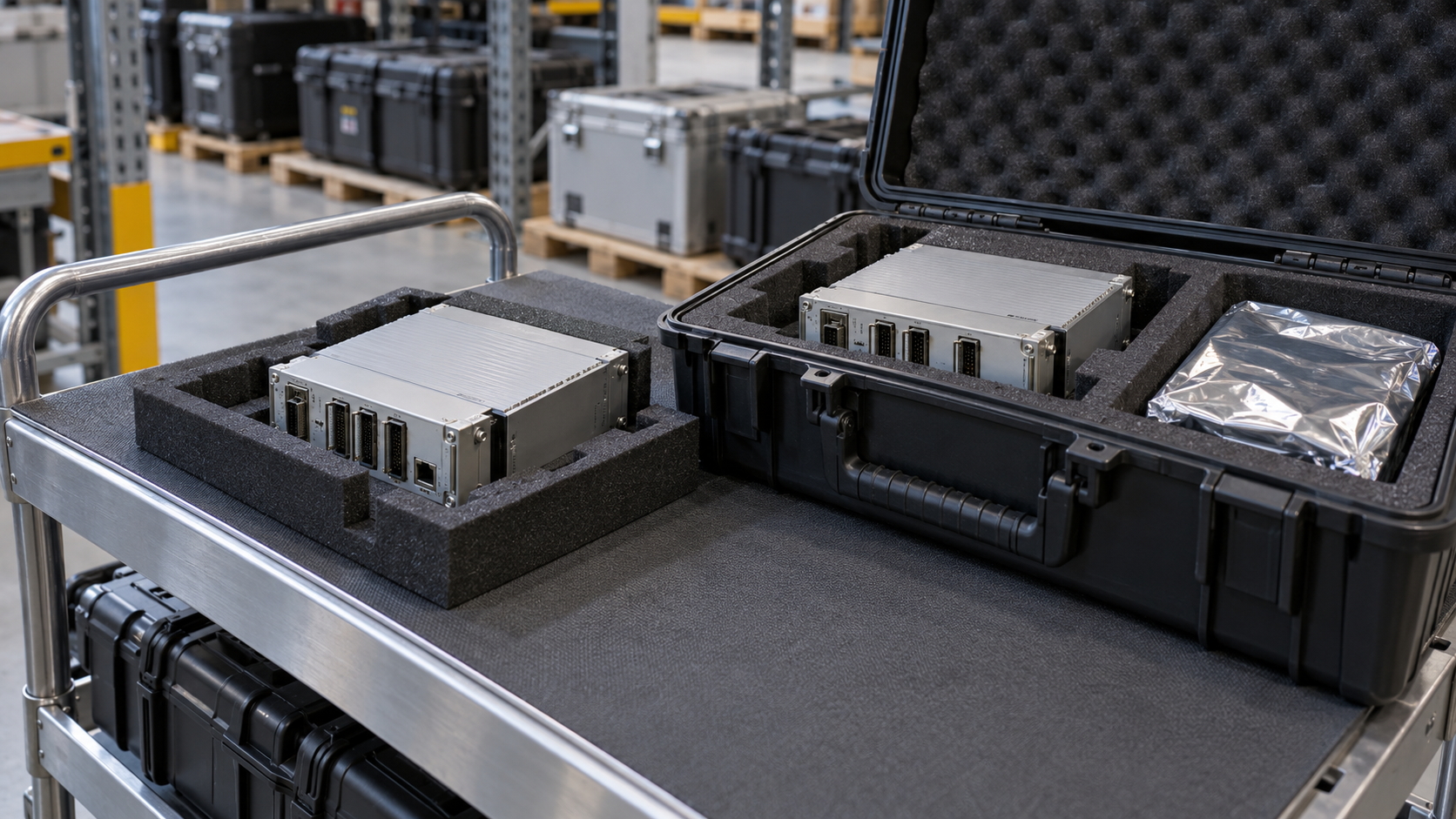
Automation module repair or exchange can change more than the location of a faulty part. It can change which physical unit comes back, which records belong to it and whether an existing unit must be returned. Treat those as separate questions before a module leaves the site.
Honeywell Technologies’ October 22, 2026 results release reported growth in its Process Automation and Technology aftermarket business, driven primarily by refining demand. This is current business context, not a model-level stock statement or an announcement that every module qualifies for repair or exchange.
For maintenance teams, the practical issue is simpler: can the records still tell the story of the removed unit and the item ultimately accepted into service? A shipment described only as “replacement module” may not preserve that distinction.
First, name what is expected back
With a repair request, establish whether the service scope is intended to assess and restore the submitted unit, and how the outcome will be reported. Do not assume that the original unit will always be repairable or that its identity and configuration will remain unchanged through every possible service route.
In an exchange arrangement, another unit may be supplied against an agreed return of the existing item. Confirm the actual return requirement and acceptance conditions with the provider. An exchange is not automatically the same as an outright purchase, and a trade name alone does not establish eligibility.
An outright replacement creates a separate question about the removed item: will the site retain it for assessment, send it to an approved service provider or classify it under another controlled disposition? Do not let it drift back into serviceable stock merely because the new unit has arrived.
These are planning distinctions, not a claim that NANKMOS or Honeywell offers every route for every model. The applicable quotation and confirmed service scope must define the actual arrangement.
At dispatch, keep the identities separate
Consider an illustrative exchange involving Unit A removed from a machine and Unit B supplied as the proposed replacement. Record both complete identifiers and serial references where available. Link them to the same case without overwriting Unit A’s history with Unit B’s details.
The outgoing record should identify the originating asset, the observed symptom, removal context and the agreed return reference. Distinguish observations from conclusions: an intermittent communication symptom is not, by itself, proof of an internal module defect.
Follow the provider’s return authorization and packaging instructions. Where relevant, use the specified electrostatic-discharge protection and protective transit packaging; do not assume that ordinary foam or a generic bag provides the required protection. Keep supporting photographs and case references linked to the unit without covering identification labels.
Isolation, removal, contamination assessment and handling must follow approved site procedures. This article is not an instruction to open, clean or repair electronic assemblies. Keep confidential configuration exports and access credentials out of ordinary purchasing and shipping correspondence.
At receipt, close the shipment—not the fault
A parcel-delivery confirmation establishes arrival, not the technical outcome. Check the received identity against the agreed scope and retain the service report or supplied condition information. Record any unresolved mismatch before the item is released for use.
If the original unit returns, link its service outcome to its existing history. If another unit is received, preserve the relationship between the returned and supplied units and update the relevant asset record through the site’s controlled process.
Condition terminology also needs care. Our guide to new, used and refurbished automation parts provides related questions for assessing an offer. A service label should not be treated as a universal description of testing, remaining life or warranty coverage.
Carry the route into the replacement inquiry
When reviewing the NANKMOS product catalogue, retain the complete installed reference rather than a shortened family name. Through the contact and RFQ page, state the required quantity and whether the inquiry concerns a separate replacement purchase or an item within an already agreed service arrangement.
Availability, offered condition and supporting information are confirmed during quotation. Technical suitability and release into service remain subject to the responsible review. More maintenance topics are available in the resources library.
Source checked October 25, 2026. Honeywell’s October 22 release supplies the business context only; the return-traceability discussion is NANKMOS editorial guidance, not a manufacturer service policy or a promise of repair eligibility. Featured image: AI-generated generic ESD packing scene, not Honeywell product photography, an actual customer return or proof of stock.
Related guides
View all guides
Machine Vision False Rejects: Check the Lighting Before the Camera
When a reflective part fails inspection, compare reference images before ordering a camera. Learn when to scope the light, controller or mounting instead.
Read guide
AMR Charging Faults: Is the Spare on the Robot or at the Dock?
When an AMR stops charging, distinguish the fixed dock from the vehicle battery. Use dock IDs and fleet events to scope the right replacement RFQ.
Read guide
Servo Drive Spares: EtherCAT Is Not the Encoder Interface
An EtherCAT drive can still be the wrong spare. Learn how to verify the motor encoder protocol, feedback cable and exact drive variant before ordering.
Read guide
CENTUM R7.02: An Estimate Is Not a Field Measurement
Yokogawa’s CENTUM R7.02 adds AI Estimation. See how to distinguish model outputs, transmitter readings and laboratory results before ordering a spare.
Read guideSend your part number, photos or nameplate.
Our team will verify, check availability, and reply with options within 24 hours.
[email protected]+86 18359268345WhatsApp