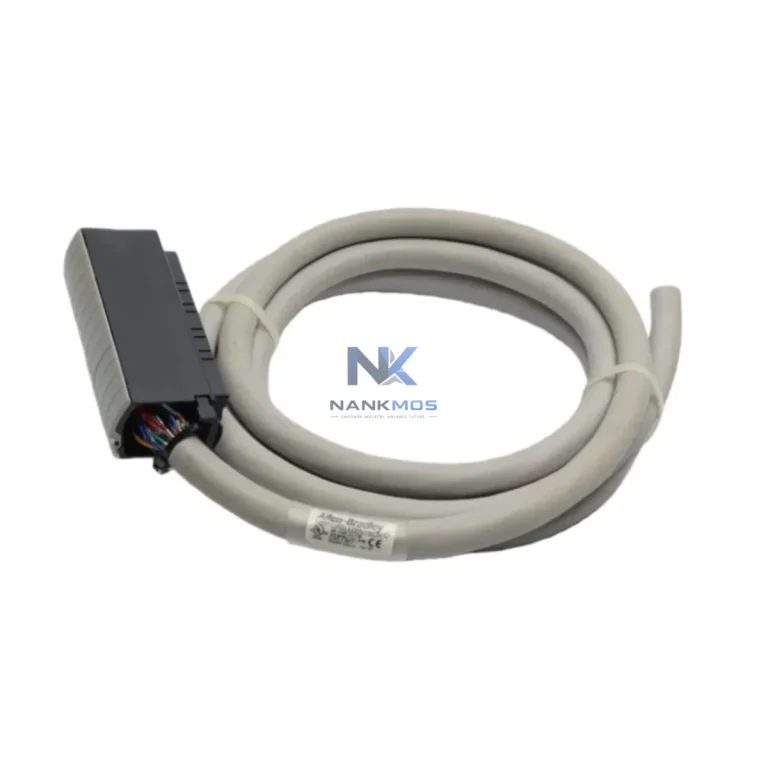
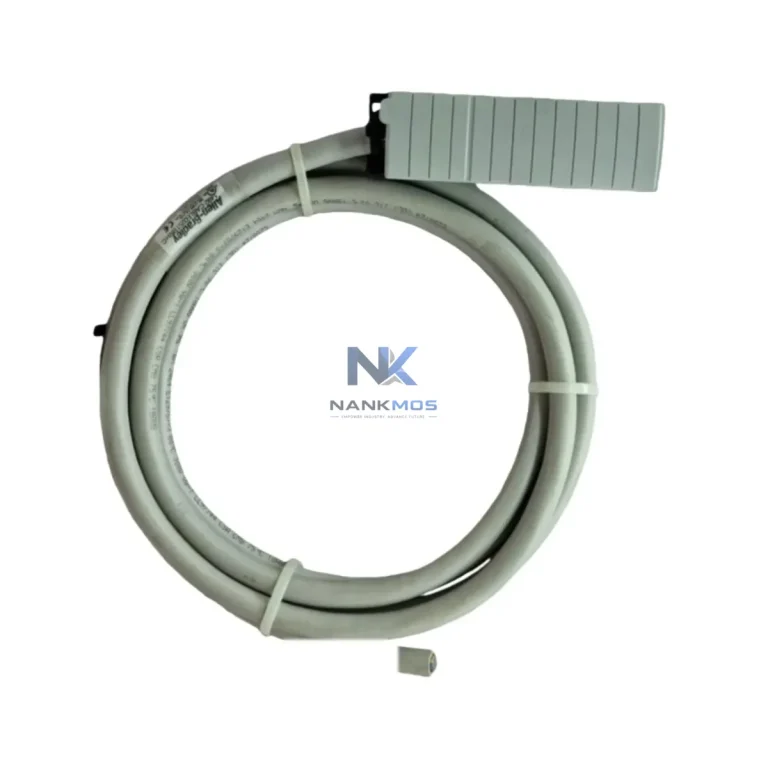
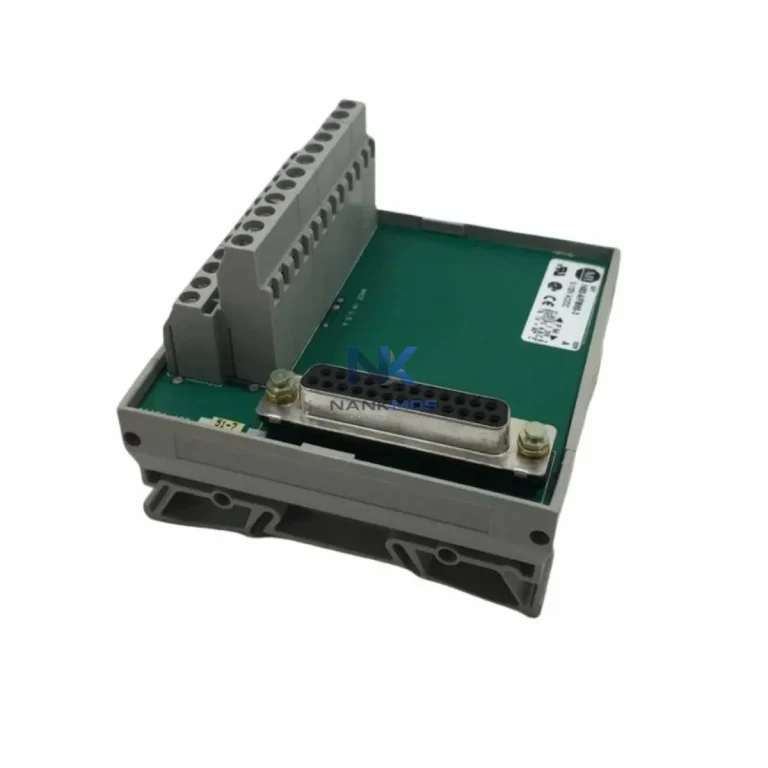
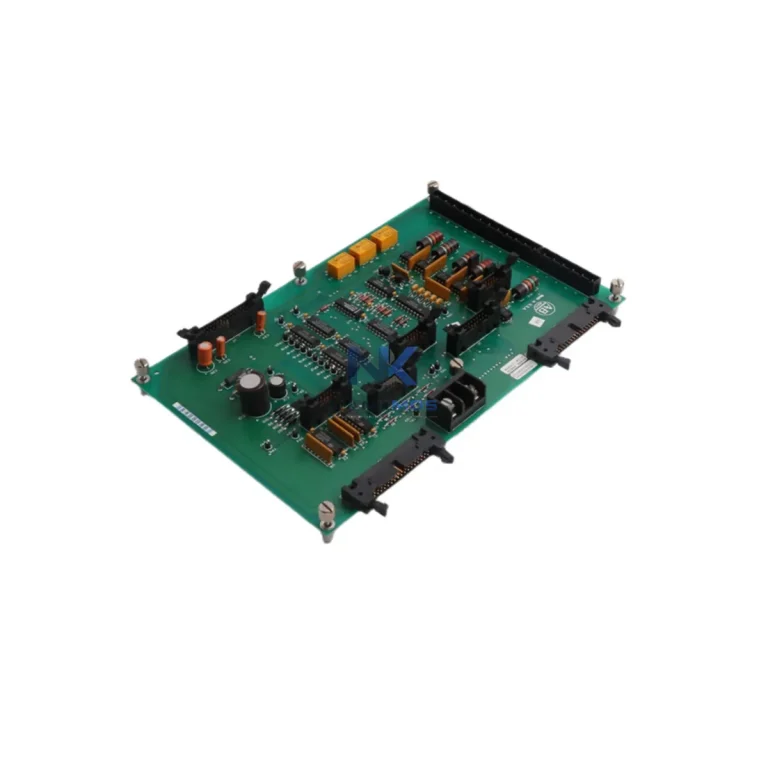
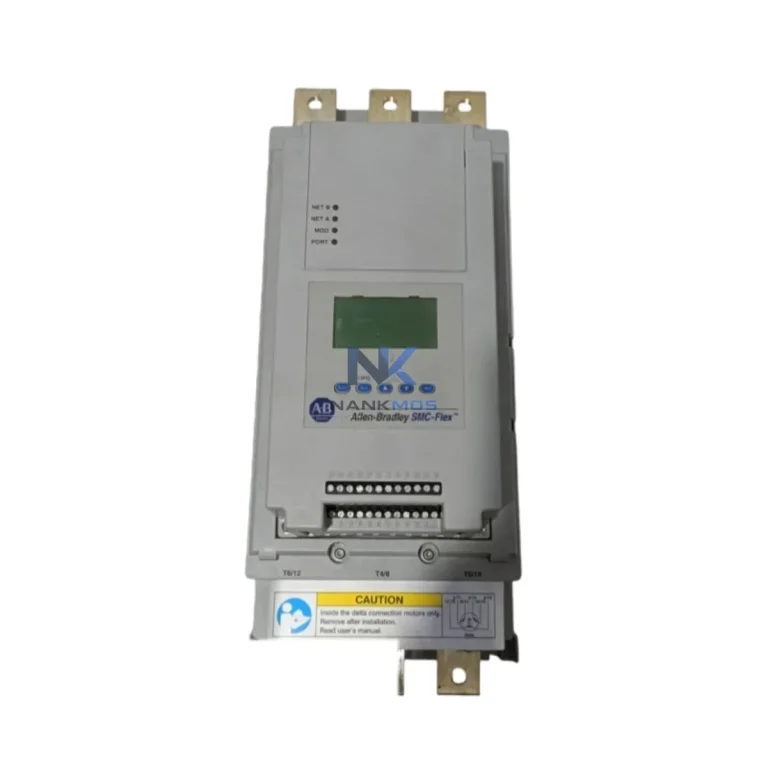
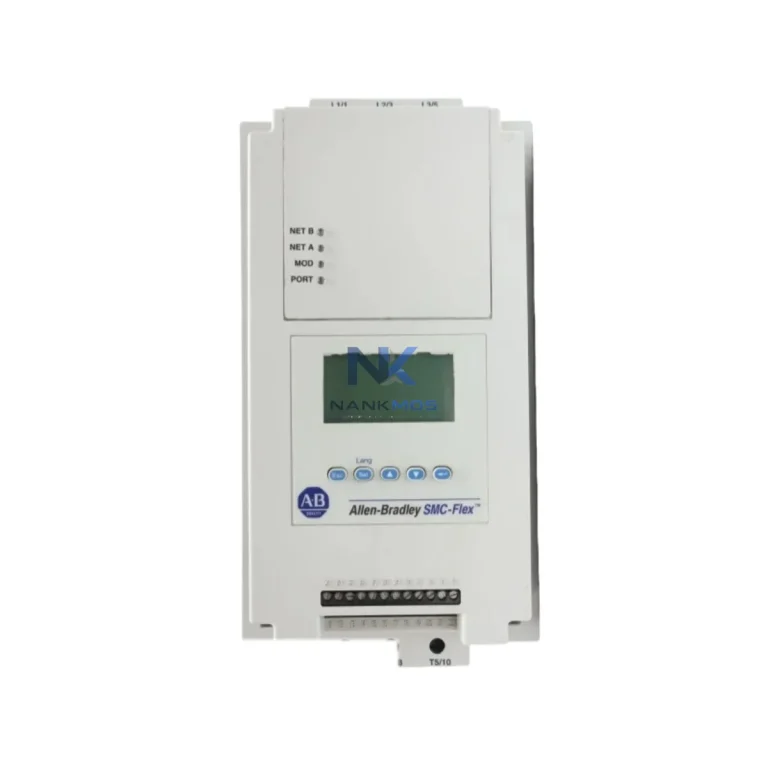
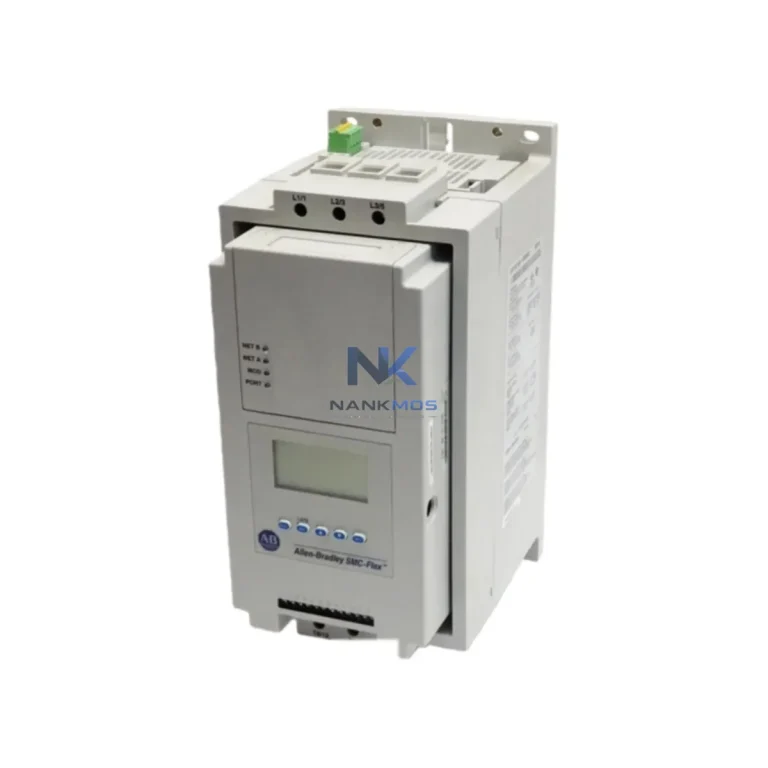
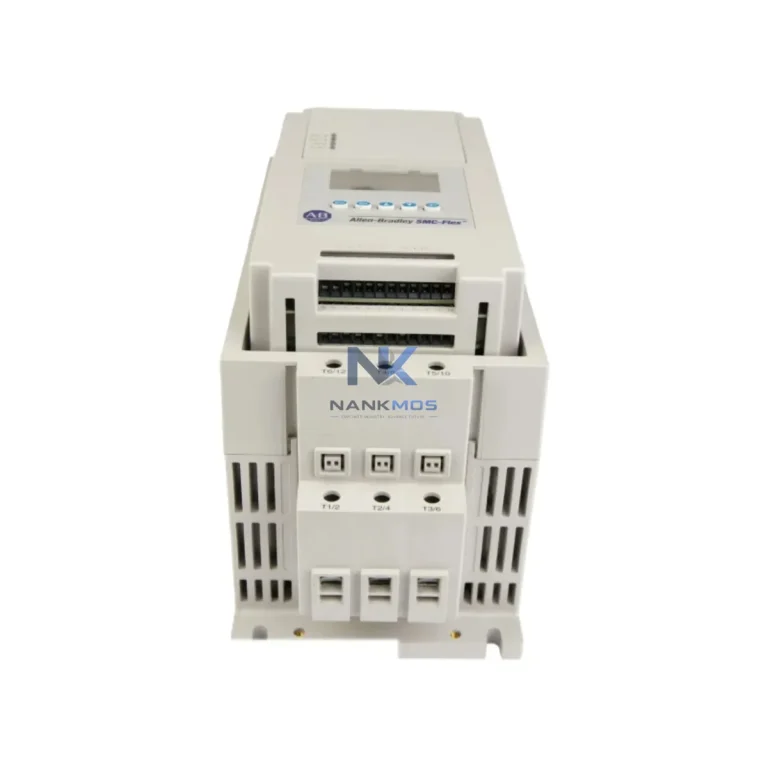
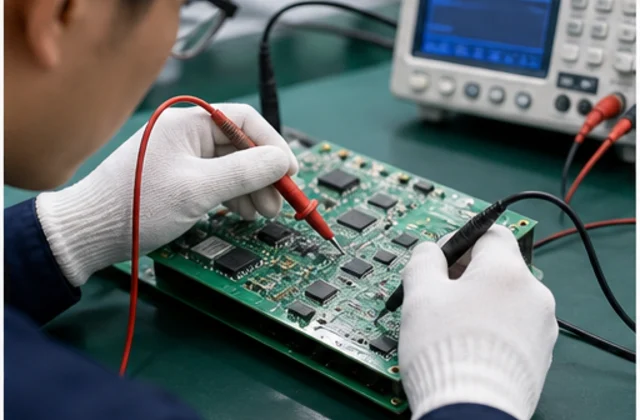
 Functional Inspection
100% tested on professional platforms to ensure stable performance.
Allen-Bradley 1771-IAN is a NANKMOS industrial automation product record Listed under PLC-5 series and Business & Industrial > Automation, Control & Flow Devices > Programmable Logic Controllers. Confirm condition, availability, lead time, compatibility and documentation by email inquiry.
Brand names are used for identification only.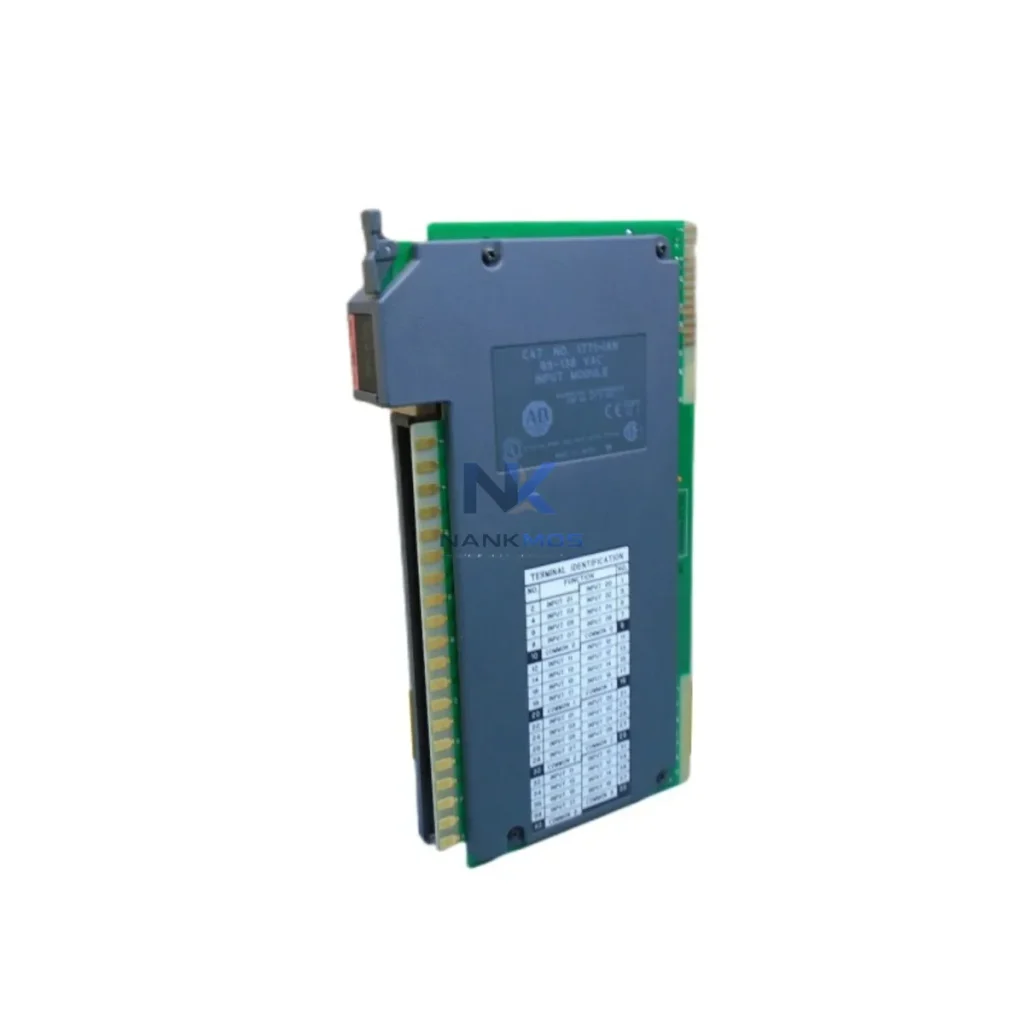
Allen-Bradley 1771-IAN is a NANKMOS industrial automation product record Listed under PLC-5 series and Business & Industrial > Automation, Control & Flow Devices > Programmable Logic Controllers. Confirm condition, availability, lead time, compatibility and documentation by email inquiry.
| Manufacturer | Allen-Bradley |
|---|---|
| Application | Controller Processing & System Control |
| Part Number / Model | 1771-IAN |
| Compatible System | PLC-5 |
| Series | PLC-5 |
| Condition Options | To Confirm |
| Module Type | Controller / CPU Module |
| Warranty | 12 Months |
| Packaging | Anti-static Bag / Secure Box |
| Shipping Methods | DHL / FedEx / UPS / Air / Sea |
| Availability | To Confirm |
| Lead Time | To Confirm |
| Documentation | Part number and revision checked before quote |
The Allen-Bradley 1771-IAN is a 16-point AC digital input module designed for the PLC-5 programmable controller platform and the 1771 I/O chassis system. Engineered for demanding industrial environments, the 1771-IAN delivers reliable discrete signal acquisition from field devices while minimizing I/O scan overhead — a critical factor in reducing unnecessary CPU cycles and the associated energy draw across the control system. By accurately capturing input states from sensors, limit switches, push buttons, and proximity devices, the module ensures that the PLC-5 processor executes logic only when real process changes occur, eliminating redundant scan iterations that waste both processing capacity and electrical energy.
In a fully integrated energy-aware production line, the 1771-IAN operates as the primary discrete input interface for the Allen-Bradley PLC-5 processor (1785-L40B or 1785-L80B), receiving real-time field signals that drive logic execution across the entire control architecture. When paired with the Allen-Bradley 1771-OAD AC digital output module in the same 1771 chassis, the input-output pair forms a tightly coupled control loop that responds only to confirmed field state changes — preventing phantom switching events that can cause motors and actuators to cycle unnecessarily, wasting energy and accelerating mechanical wear.
For motor-driven loads, the 1771-IAN feeds start/stop and fault signals from field devices directly into the PLC-5 data table, where ladder logic coordinates with Allen-Bradley PowerFlex 40 or PowerFlex 70 variable frequency drives (VFDs) to modulate motor speed in proportion to actual process demand. This demand-driven approach eliminates fixed-speed motor operation — one of the largest sources of avoidable energy consumption in industrial facilities. The 1771-IAN's fast input response ensures that speed-reduction commands reach the VFD without latency, allowing the drive to ramp down during low-demand periods and recover energy through deceleration braking where supported.
Power monitoring is handled upstream by the Allen-Bradley PowerMonitor 500 or PowerMonitor 1000, which tracks real-time kW, kVAR, and power factor across the panel. The PLC-5, informed by the 1771-IAN's discrete inputs, can trigger demand-limiting routines when the PowerMonitor detects peak-load thresholds — shedding non-critical loads before utility demand charges are incurred. This closed-loop energy management strategy is further enhanced by the Allen-Bradley 1771-IXE thermocouple input module, which monitors motor winding and drive heatsink temperatures, enabling the PLC-5 to reduce duty cycles on thermally stressed equipment before protective shutdowns occur.
Communication to the plant SCADA system or energy management platform is achieved through the Allen-Bradley 1785-KA5 Data Highway Plus communication adapter, which bridges the PLC-5 data table — including all 1771-IAN input states — to supervisory systems running RSView32 or FactoryTalk View. Operators gain live visibility into every discrete input point, enabling them to identify idle equipment, stuck-open contacts, or persistent fault conditions that silently consume energy without contributing to production output. For facilities using DeviceNet, the Allen-Bradley 1771-SDN scanner module extends the 1771 chassis's reach to distributed I/O nodes, reducing home-run wiring and the associated resistive losses across long cable runs.
The Allen-Bradley 1771-IAN also integrates naturally with the 1771-ASB remote I/O adapter, allowing the module to be deployed in satellite control panels close to field devices rather than in a central MCC room. This distributed architecture shortens signal cable lengths, reduces voltage drop, and lowers the thermal load inside the main control enclosure — all contributing to measurable reductions in facility-wide energy consumption. When the system includes an Allen-Bradley PanelView 600 or PanelView Plus HMI, operators can monitor input states, acknowledge alarms, and initiate energy-saving operating modes directly from the production floor without requiring SCADA access.
Production lines that rely on accurate, low-latency discrete input data consistently outperform those operating on degraded or delayed I/O signals. The 1771-IAN eliminates the ambiguity of marginal input signals by providing clean, debounced AC input detection across all 16 points, ensuring that the PLC-5 processor makes control decisions based on verified field conditions rather than noise-induced false transitions. This signal integrity directly reduces nuisance trips, unplanned stops, and the energy-intensive restart sequences that follow — each of which imposes thermal stress on motors, drives, and power supplies while consuming surge current that inflates peak demand readings.
From a thermal management perspective, the 1771-IAN's low per-point current draw reduces the aggregate heat dissipation within the 1771 chassis. Lower chassis temperatures extend the service life of adjacent modules — including power supply modules such as the 1771-P4S — and reduce the duty cycle of panel cooling fans and air conditioning units. In large control rooms with dozens of I/O chassis, this thermal reduction compounds into meaningful HVAC energy savings over an annual operating cycle.
Predictive maintenance integration is achieved by logging 1771-IAN input transition counts and cycle frequencies through the PLC-5 data table. Maintenance teams can establish baseline switching rates for each input point and configure alerts when a sensor or switch begins cycling at abnormal frequencies — an early indicator of mechanical wear, misalignment, or process instability. Addressing these conditions proactively prevents the energy waste associated with equipment operating outside its design envelope and avoids the production losses caused by unplanned downtime.
Every 1771-IAN unit supplied by NANKMOS undergoes pre-shipment functional testing across all 16 input channels, verifying correct state detection, proper backplane communication, and absence of cross-channel interference. Units are shipped with full documentation and are backed by a 12-month warranty, ensuring that replacement support is available throughout the initial production deployment period. In-stock availability enables rapid dispatch to minimize line downtime when a replacement module is required.
Q1: How does the 1771-IAN contribute to energy savings in a PLC-5 system? The 1771-IAN reduces unnecessary PLC scan overhead by delivering clean, accurate discrete input signals. When the PLC-5 receives reliable input data, it avoids redundant logic evaluations and false output triggers — reducing motor cycling, actuator wear, and the associated energy spikes. Combined with VFDs and power monitoring modules, it enables demand-responsive control strategies that measurably lower facility energy consumption.
Q2: Is the 1771-IAN compatible with current Allen-Bradley control platforms? The 1771-IAN is designed for the Allen-Bradley PLC-5 controller and 1771 I/O chassis platform. It is not directly compatible with ControlLogix (1756) or CompactLogix (1769) chassis without a migration adapter. For facilities transitioning to newer platforms, NANKMOS can advise on equivalent 1756 or 1769 digital input modules that provide a functionally comparable replacement path.
Q3: What is the recommended replacement or upgrade path for aging 1771-IAN modules? For systems where the 1771 platform remains in service, direct replacement with a tested 1771-IAN is the lowest-risk option, preserving existing wiring, configuration, and PLC-5 program integrity. For facilities planning a controls modernization, migration to the 1756-IA16 or 1756-IA16I within a ControlLogix chassis offers enhanced diagnostics, faster scan rates, and native integration with FactoryTalk energy management tools.
Q4: What testing and warranty coverage does NANKMOS provide? All 1771-IAN modules are functionally tested prior to shipment, covering all 16 input channels for correct state detection and backplane communication. Each unit is covered by a 12-month warranty from the date of delivery. NANKMOS maintains in-stock inventory to support rapid replacement dispatch, minimizing production downtime for facilities operating on tight maintenance schedules.
Functional Inspection100% tested on professional platforms to ensure stable performance.
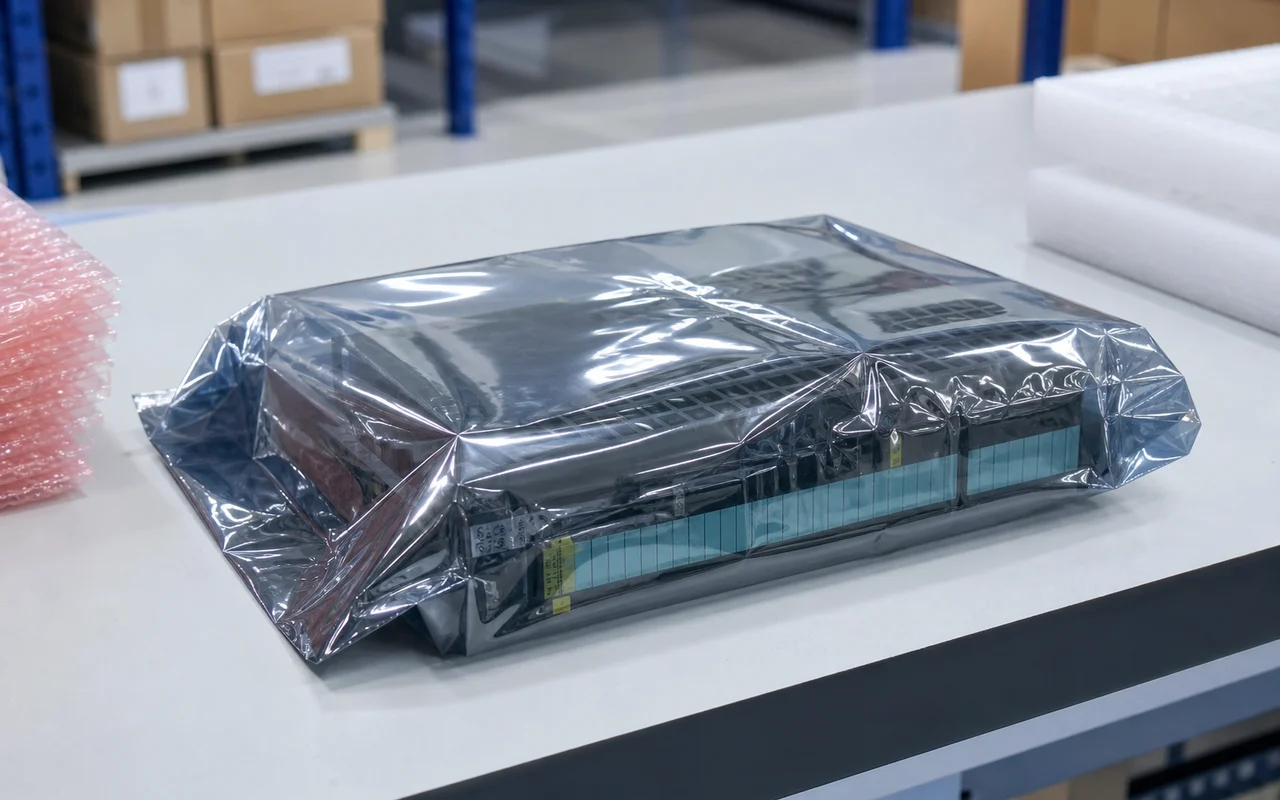 Anti-static Packaging
Modules are packed in anti-static bags to prevent electrostatic damage.
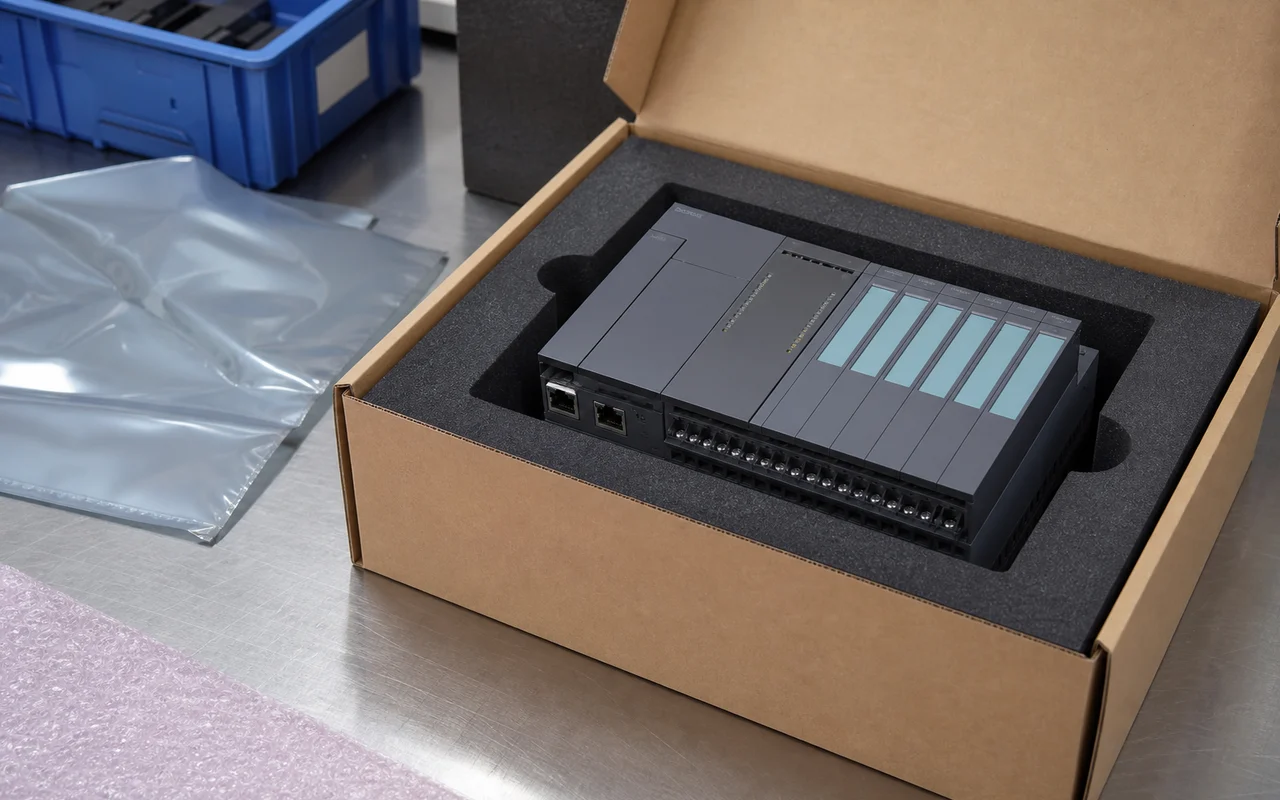 Secure Export Packing
Cushion protection and strong cartons ensure safe transportation.
 Worldwide Shipping
Global logistics network supports air, sea and express delivery.
 Documentation Check
Part number, revision and compatibility verified before shipment.
 After-sales Support
Professional technical support to help resolve your issues.