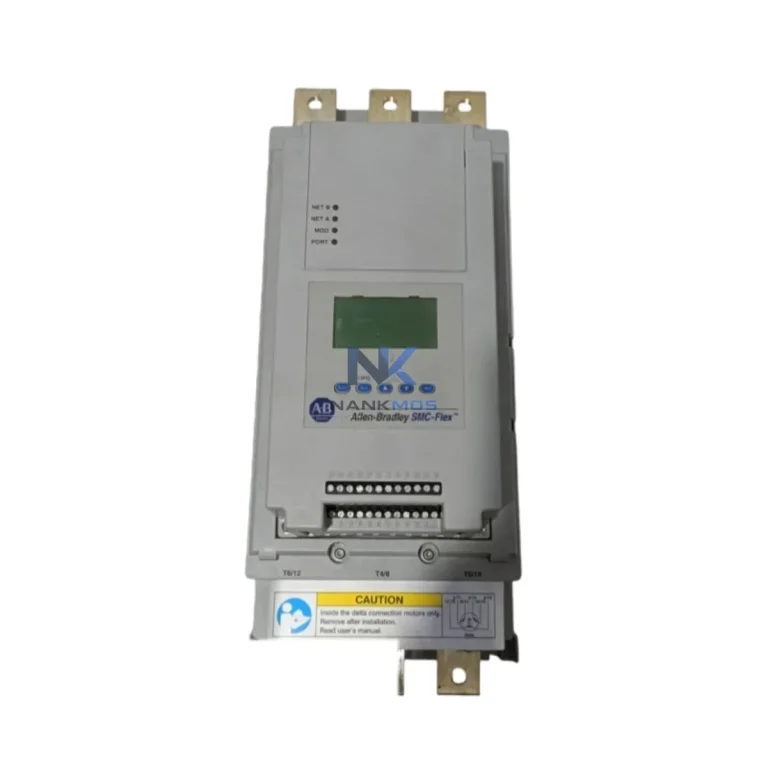
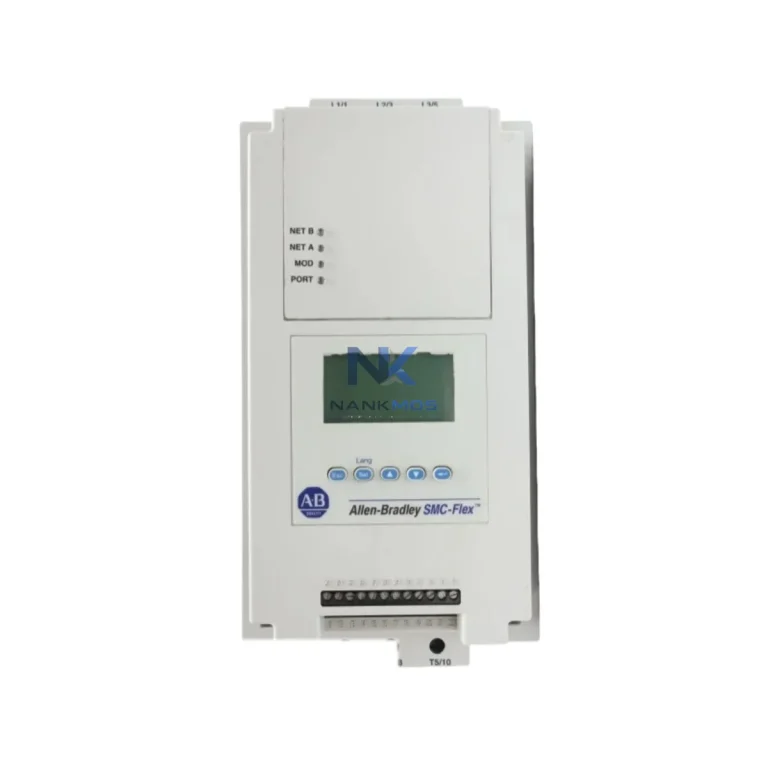
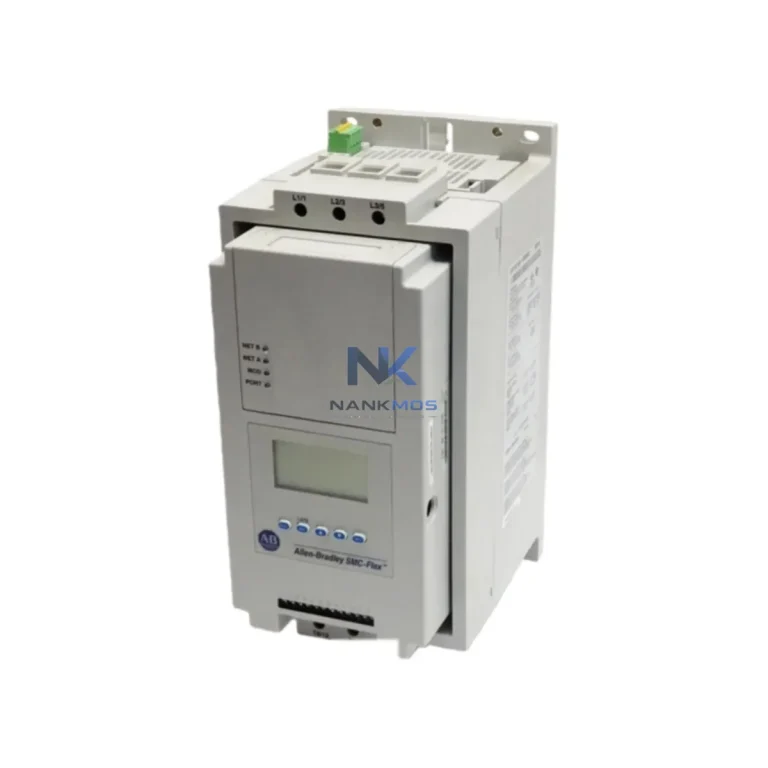
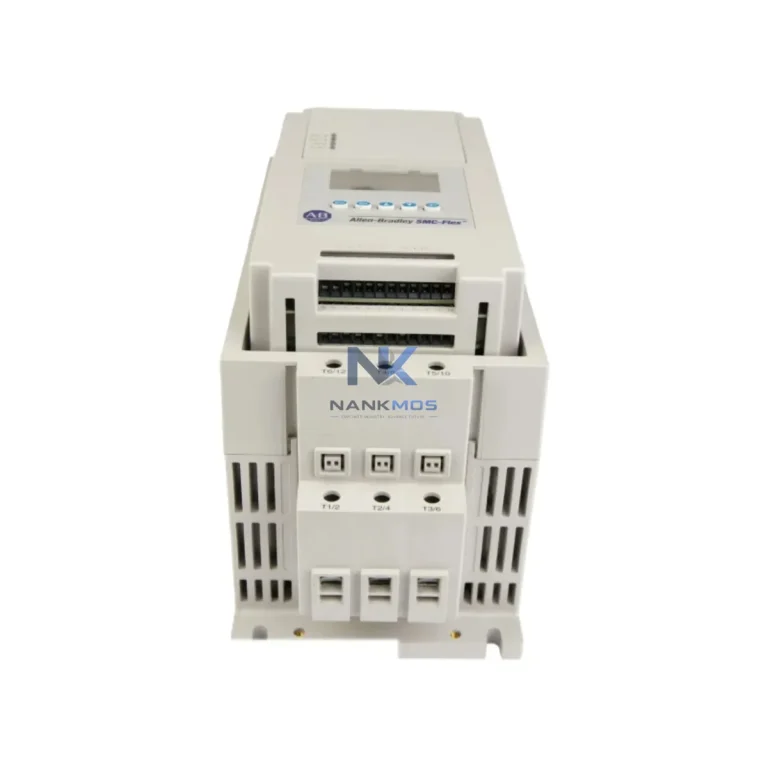
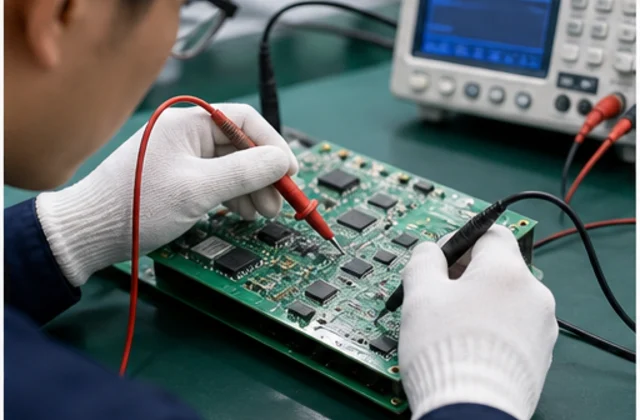
 Functional Inspection
100% tested on professional platforms to ensure stable performance.
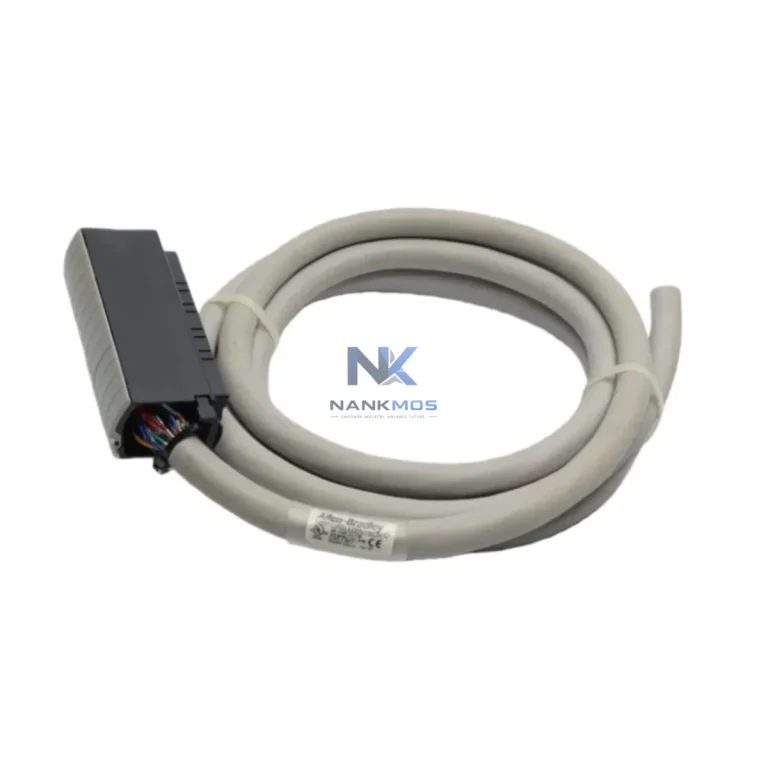
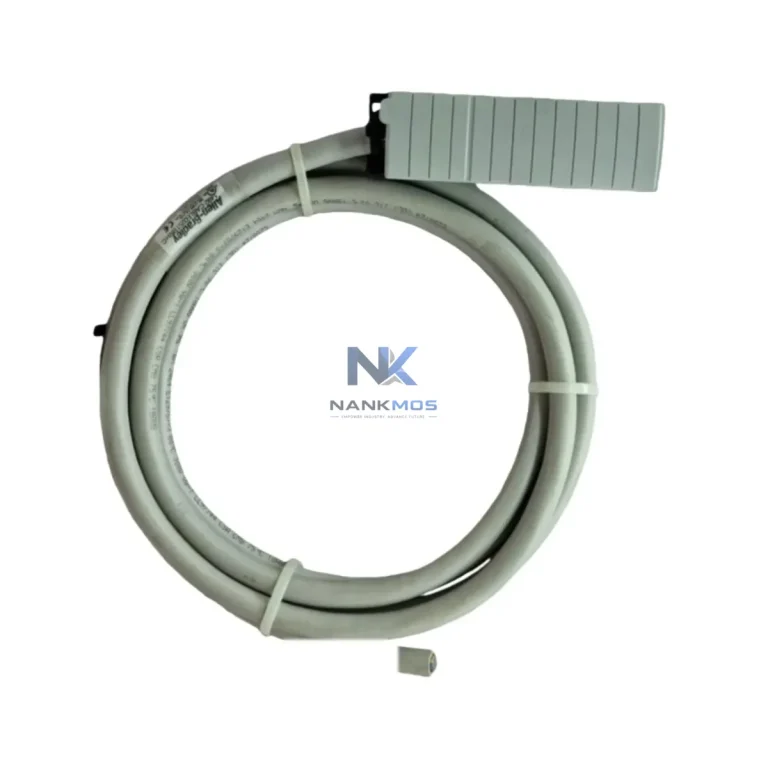
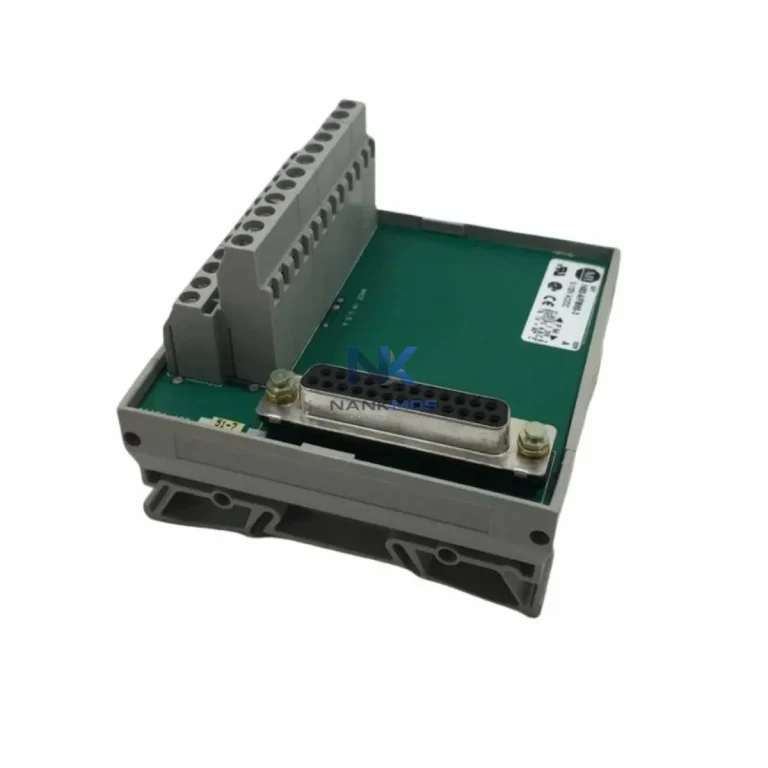
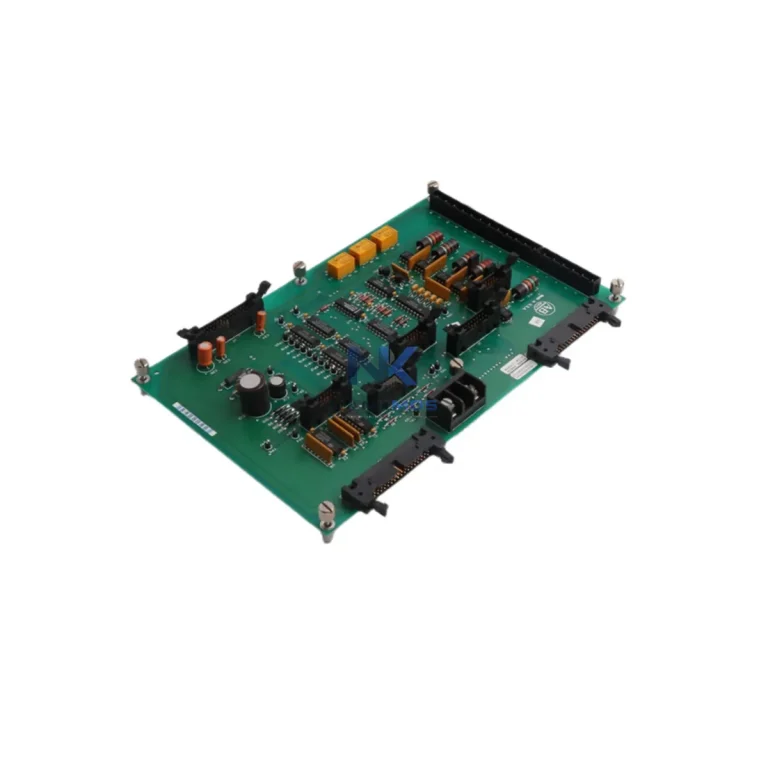
Allen-Bradley 1771-IR is a NANKMOS industrial automation product record Listed under PLC-5 series and Business & Industrial > Automation, Control & Flow Devices > Programmable Logic Controllers. Confirm condition, availability, lead time, compatibility and documentation by email inquiry.
Brand names are used for identification only.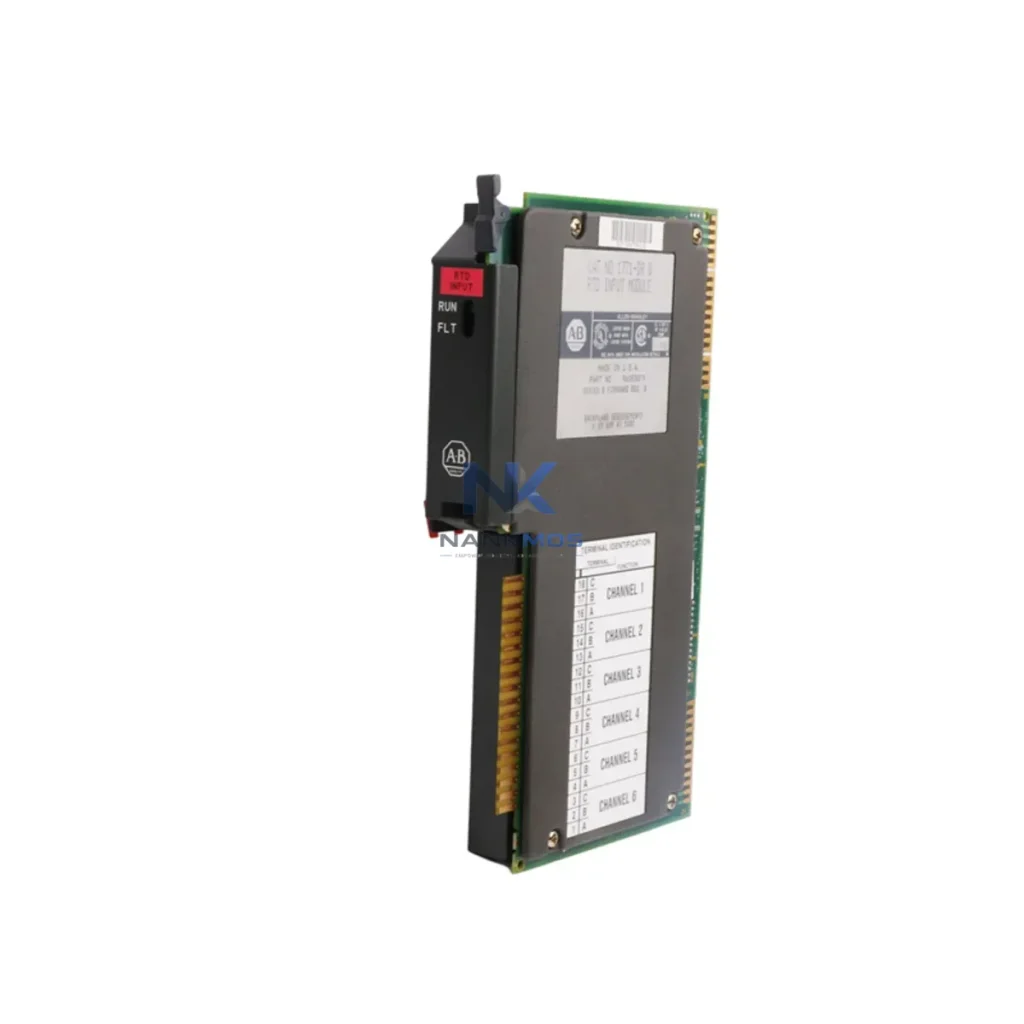
Allen-Bradley 1771-IR is a NANKMOS industrial automation product record Listed under PLC-5 series and Business & Industrial > Automation, Control & Flow Devices > Programmable Logic Controllers. Confirm condition, availability, lead time, compatibility and documentation by email inquiry.
| Manufacturer | Allen-Bradley |
|---|---|
| Application | Controller Processing & System Control |
| Part Number / Model | 1771-IR |
| Compatible System | PLC-5 |
| Series | PLC-5 |
| Condition Options | To Confirm |
| Module Type | Controller / CPU Module |
| Warranty | 12 Months |
| Packaging | Anti-static Bag / Secure Box |
| Shipping Methods | DHL / FedEx / UPS / Air / Sea |
| Availability | To Confirm |
| Lead Time | To Confirm |
| Documentation | Part number and revision checked before quote |
The Allen-Bradley 1771-IR RTD Input Module is a field-proven temperature acquisition component designed for integration into the PLC-5 I/O chassis. By delivering accurate, low-latency resistance temperature detector (RTD) readings directly to the control processor, the 1771-IR enables production lines to make real-time energy-control decisions — reducing unnecessary heating cycles, preventing thermal overruns, and stabilizing process temperatures within tight tolerances. In energy-intensive manufacturing environments, where thermal drift translates directly into wasted kilowatt-hours and accelerated equipment wear, the 1771-IR serves as a critical sensing node in a broader energy management architecture.
Engineered to Allen-Bradley's industrial-grade standards, the 1771-IR supports multiple RTD types including Pt100, Pt1000, Ni120, and Cu10, making it adaptable across a wide range of process temperatures and sensor installations. Its direct integration with the PLC-5 backplane ensures deterministic scan-cycle performance, which is essential for closed-loop temperature control strategies that feed into variable frequency drives (VFDs), motorized valve actuators, and thermal management systems. The module's high-resolution analog-to-digital conversion minimizes measurement uncertainty, allowing the control system to act on precise thermal data rather than approximations — a prerequisite for any serious energy optimization initiative.
In a fully integrated PLC-5 control architecture, the 1771-IR RTD Input Module operates as the thermal sensing backbone that informs every downstream energy-control decision. The module feeds real-time temperature data to the Allen-Bradley PLC-5/40 or PLC-5/80 processor, which executes PID control loops and ladder logic routines that govern heating element duty cycles, cooling fan activation, and process setpoint adjustments. This closed-loop feedback eliminates the energy waste associated with open-loop or timer-based thermal control strategies.
When paired with a PowerFlex 700 or PowerFlex 40 variable frequency drive, the 1771-IR's temperature readings can be used to modulate motor speed in response to thermal load — slowing pump or fan motors during low-demand periods and ramping them up only when process temperatures approach critical thresholds. This dynamic speed adjustment is one of the most effective energy-saving strategies available in industrial automation, often reducing motor energy consumption by 20–40% compared to fixed-speed operation.
The 1771-IR also integrates naturally with the 1771-OFE Analog Output Module to form a complete closed-loop temperature control subsystem: RTD readings in, analog control signals out — driving proportional control valves, electric heaters, or cooling actuators with precision. For facilities running Allen-Bradley's 1771-ASB Remote I/O Adapter, the 1771-IR can be deployed in distributed chassis configurations, extending thermal monitoring to remote process areas without additional wiring infrastructure.
On the power monitoring side, the 1771-IR's data stream can be correlated with readings from a PowerMonitor 5000 or PowerMonitor 1000 energy meter to build a comprehensive thermal-versus-power consumption profile. This correlation is invaluable for identifying inefficient heating zones, quantifying the energy cost of thermal excursions, and validating the ROI of process optimization projects. The combined dataset feeds naturally into a Rockwell Automation FactoryTalk View SE HMI or a SCADA platform such as FactoryTalk Historian, where operators can visualize temperature trends alongside energy KPIs in real time.
For I/O expansion and signal conditioning, the 1771-IR slots alongside 1771-IFE Analog Input Modules and 1771-OW Output Modules within the same 1771 I/O chassis, enabling a consolidated, high-density control panel layout that minimizes cable runs and associated signal losses. Communication to higher-level systems is handled through the PLC-5's built-in Data Highway Plus (DH+) or Remote I/O network, with optional 1756-DHRIO or 1784-PKTX interface cards bridging legacy PLC-5 installations to modern EtherNet/IP infrastructure for integration with FactoryTalk EnergyMetrix or third-party energy management systems.
Thermal inefficiency is one of the most pervasive and underestimated sources of energy waste on industrial production lines. Unmonitored temperature excursions force heating and cooling systems to work harder than necessary, increase thermal stress on motors and drives, and create unpredictable process variability that disrupts production rhythm. The Allen-Bradley 1771-IR addresses these issues at the source by providing the PLC-5 control system with the accurate, high-resolution temperature data it needs to maintain optimal thermal conditions continuously.
By enabling precise closed-loop temperature control, the 1771-IR helps production facilities achieve several measurable energy and operational improvements. First, it eliminates overshoot-driven energy waste: when a heating system overshoots its setpoint and then requires active cooling to recover, both the heating and cooling energy are wasted. With 0.1°C resolution and deterministic scan-cycle integration, the PLC-5 can apply proportional corrections before overshoot occurs, keeping energy consumption tightly aligned with actual process demand.
Second, the 1771-IR supports predictive maintenance strategies by providing continuous thermal monitoring of motors, transformers, and other heat-generating equipment. Gradual temperature rises that deviate from established baselines can indicate bearing wear, cooling system degradation, or electrical imbalances — all of which, if left unaddressed, lead to unplanned downtime and emergency replacement costs that far exceed the cost of proactive intervention. By integrating 1771-IR data into a FactoryTalk AssetCentre or equivalent asset management platform, maintenance teams can schedule interventions during planned downtime windows, preserving production rhythm and avoiding the energy and productivity losses associated with emergency stops.
Third, the module contributes directly to production line takt time stability. Temperature-related process variability — whether in curing ovens, injection molding machines, heat treatment furnaces, or chemical reactors — is a primary cause of cycle time deviation. By maintaining tighter thermal control, the 1771-IR helps ensure that each production cycle completes within its designed time window, improving overall equipment effectiveness (OEE) and reducing the energy cost per unit produced.
Every 1771-IR unit supplied by NANKMOS is sourced from verified inventory channels, undergoes functional verification testing prior to shipment, and is backed by a 12-month warranty covering manufacturing defects. Fast dispatch and reliable stock availability ensure that replacement or expansion projects proceed without supply-chain delays.
Q1: How does the 1771-IR contribute to measurable energy savings on a production line? The 1771-IR enables closed-loop temperature control within the PLC-5 system, allowing the controller to modulate heating and cooling outputs in direct response to real-time RTD measurements. This eliminates the energy waste of open-loop or timer-based thermal control, reduces overshoot-driven heating/cooling cycles, and allows variable frequency drives such as the PowerFlex 700 to adjust motor speeds based on actual thermal demand rather than fixed schedules. Facilities that implement RTD-based closed-loop control typically report measurable reductions in heating system energy consumption and improved process consistency.
Q2: Is the 1771-IR compatible with modern Rockwell Automation control platforms and SCADA systems? The 1771-IR is natively compatible with the Allen-Bradley PLC-5 series and the 1771 I/O chassis ecosystem. For integration with modern platforms, the PLC-5 processor can communicate via Data Highway Plus (DH+) or Remote I/O, with interface modules such as the 1756-DHRIO enabling bridging to ControlLogix systems and EtherNet/IP networks. This allows 1771-IR temperature data to be consumed by FactoryTalk View SE HMI, FactoryTalk Historian, FactoryTalk EnergyMetrix, and third-party SCADA platforms without requiring chassis replacement.
Q3: Can the 1771-IR be used as a drop-in replacement for a failed RTD input module, and what is the recommended verification process? Yes. The 1771-IR is a standard 1771 I/O chassis module and can be installed as a direct replacement for a failed unit without chassis modification. Upon receipt, it is recommended to verify the module's channel configuration against the existing I/O configuration file in RSLogix 5, confirm RTD type settings match the installed sensors, and perform a live temperature comparison against a calibrated reference before returning the system to production. NANKMOS ships each 1771-IR after functional verification testing to minimize commissioning time.
Q4: What warranty and supply assurance does NANKMOS provide for the 1771-IR? All 1771-IR units supplied by NANKMOS are covered by a 12-month warranty against manufacturing defects from the date of shipment. Units are sourced from verified inventory channels and undergo pre-shipment functional testing. NANKMOS maintains ready stock of the 1771-IR to support urgent replacement requirements, with fast dispatch available for time-critical production line restoration projects. For volume orders or scheduled procurement, contact the NANKMOS team to confirm availability and lead times.
Functional Inspection100% tested on professional platforms to ensure stable performance.
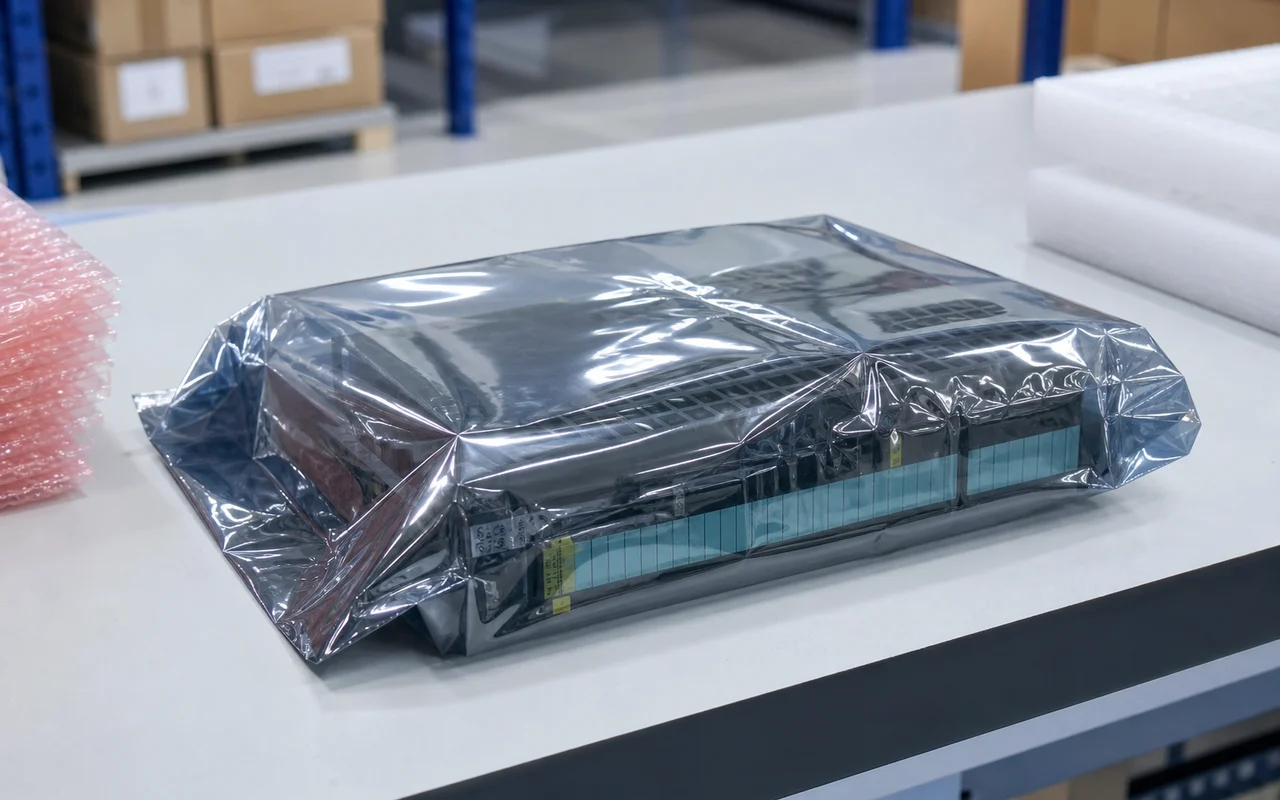 Anti-static Packaging
Modules are packed in anti-static bags to prevent electrostatic damage.
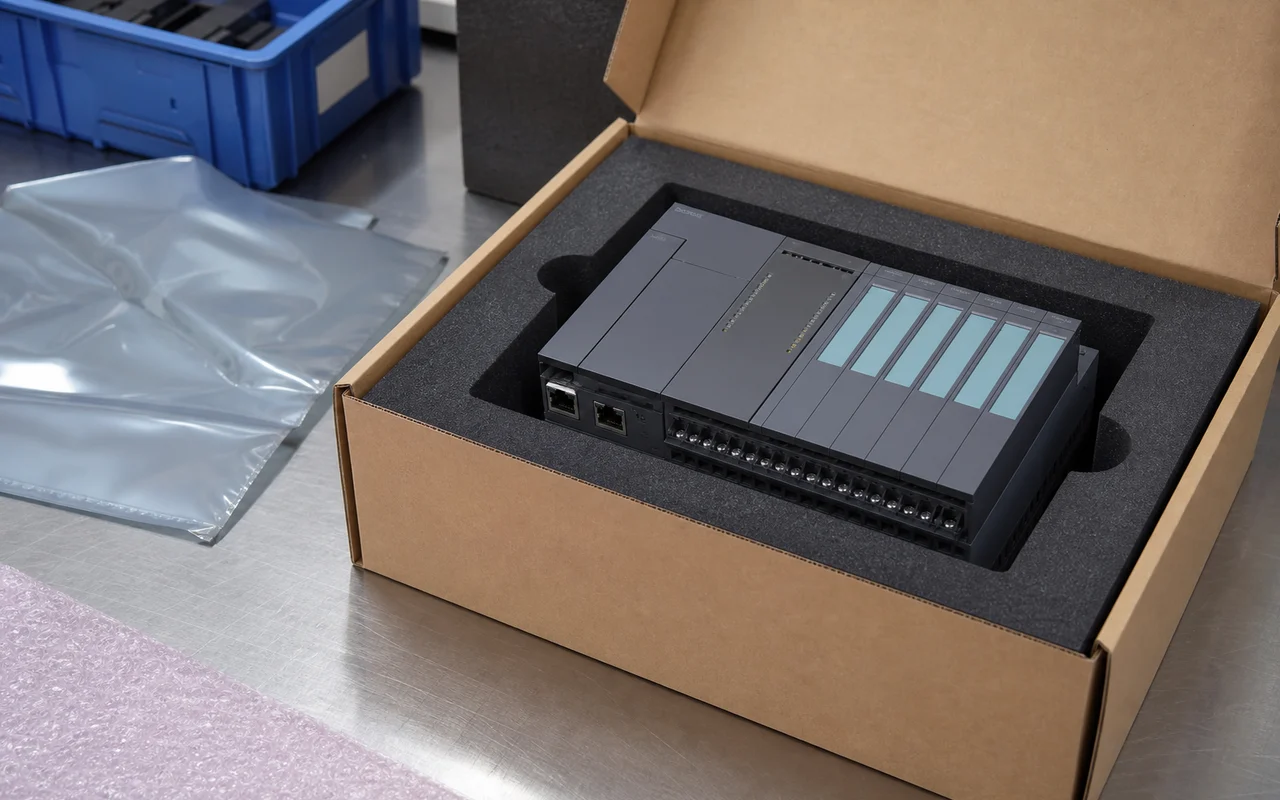 Secure Export Packing
Cushion protection and strong cartons ensure safe transportation.
 Worldwide Shipping
Global logistics network supports air, sea and express delivery.
 Documentation Check
Part number, revision and compatibility verified before shipment.
 After-sales Support
Professional technical support to help resolve your issues.