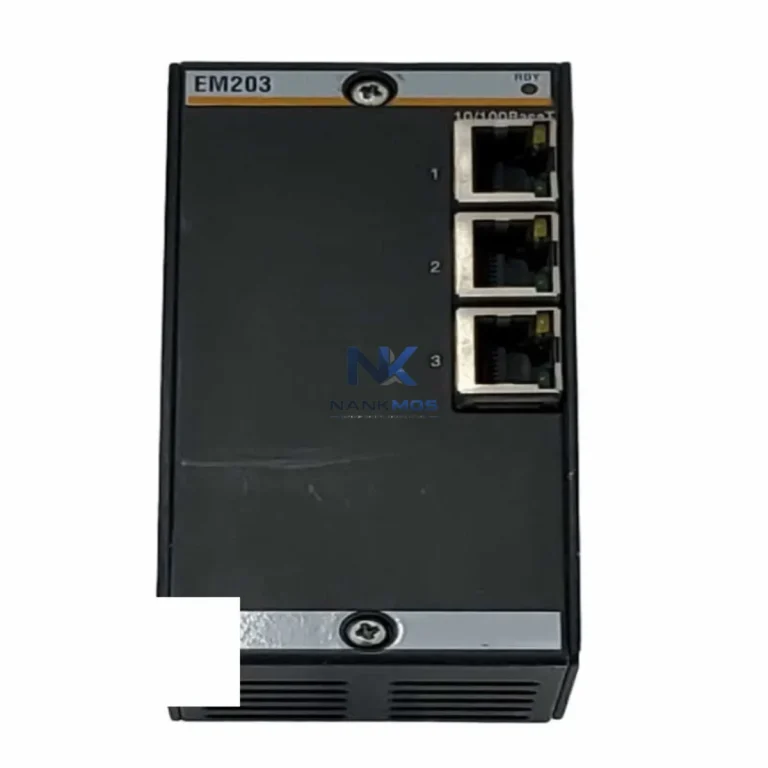
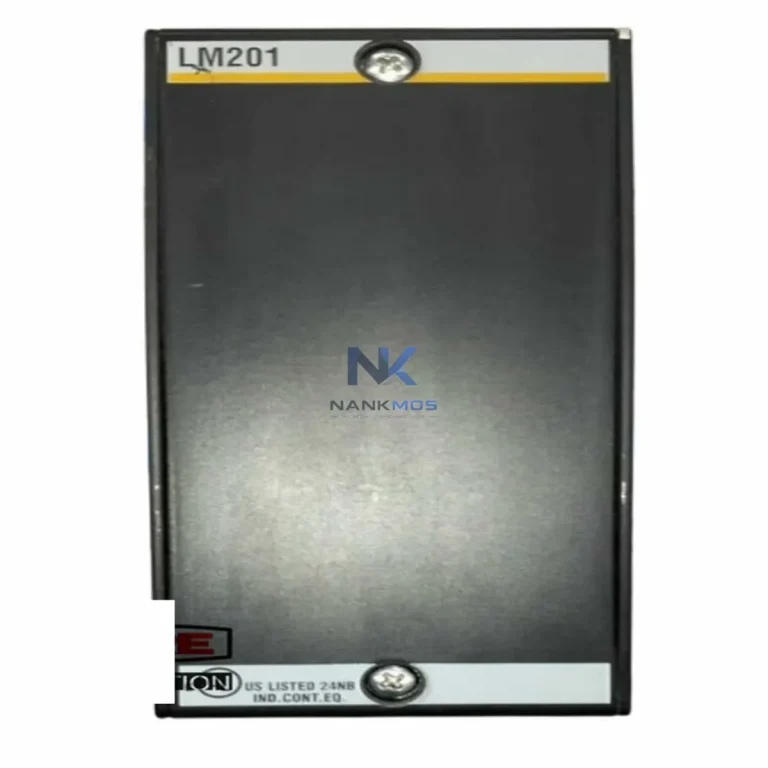
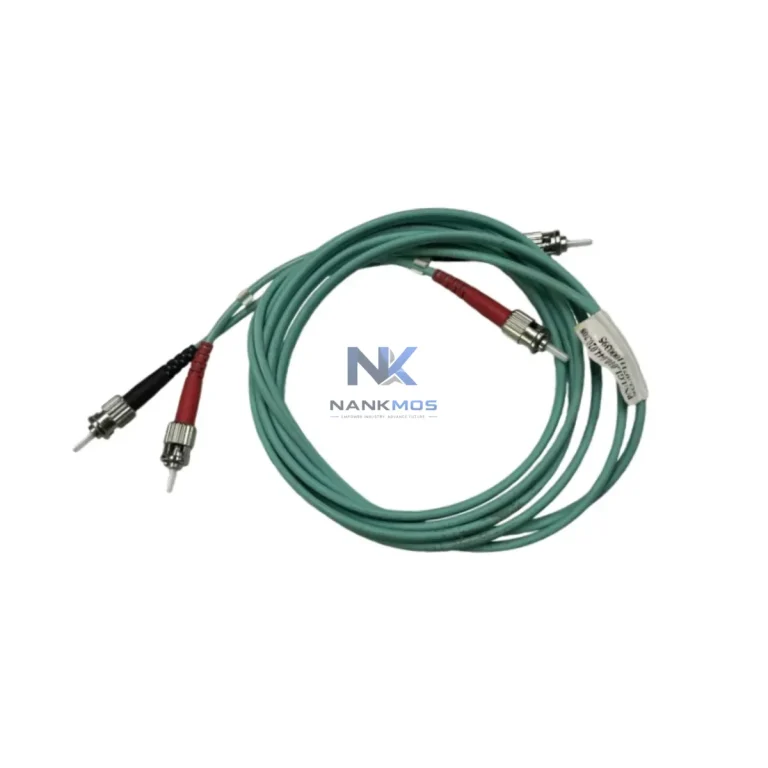
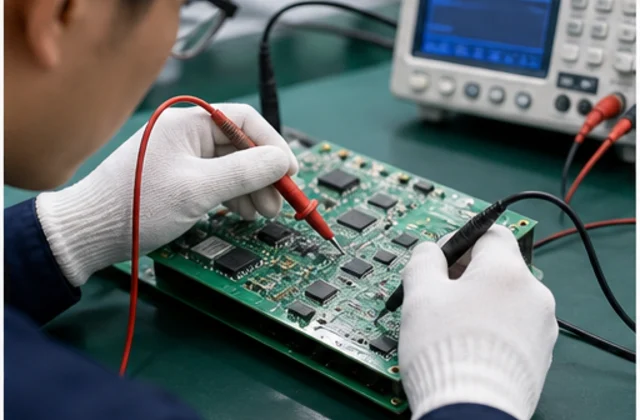
 Functional Inspection
100% tested on professional platforms to ensure stable performance.
Bachmann BS207 is a NANKMOS industrial automation product record Listed under Other series series and Business & Industrial > Automation, Control & Flow Devices > Programmable Logic Controllers. Confirm condition, availability, lead time, compatibility and documentation by email inquiry.
Brand names are used for identification only.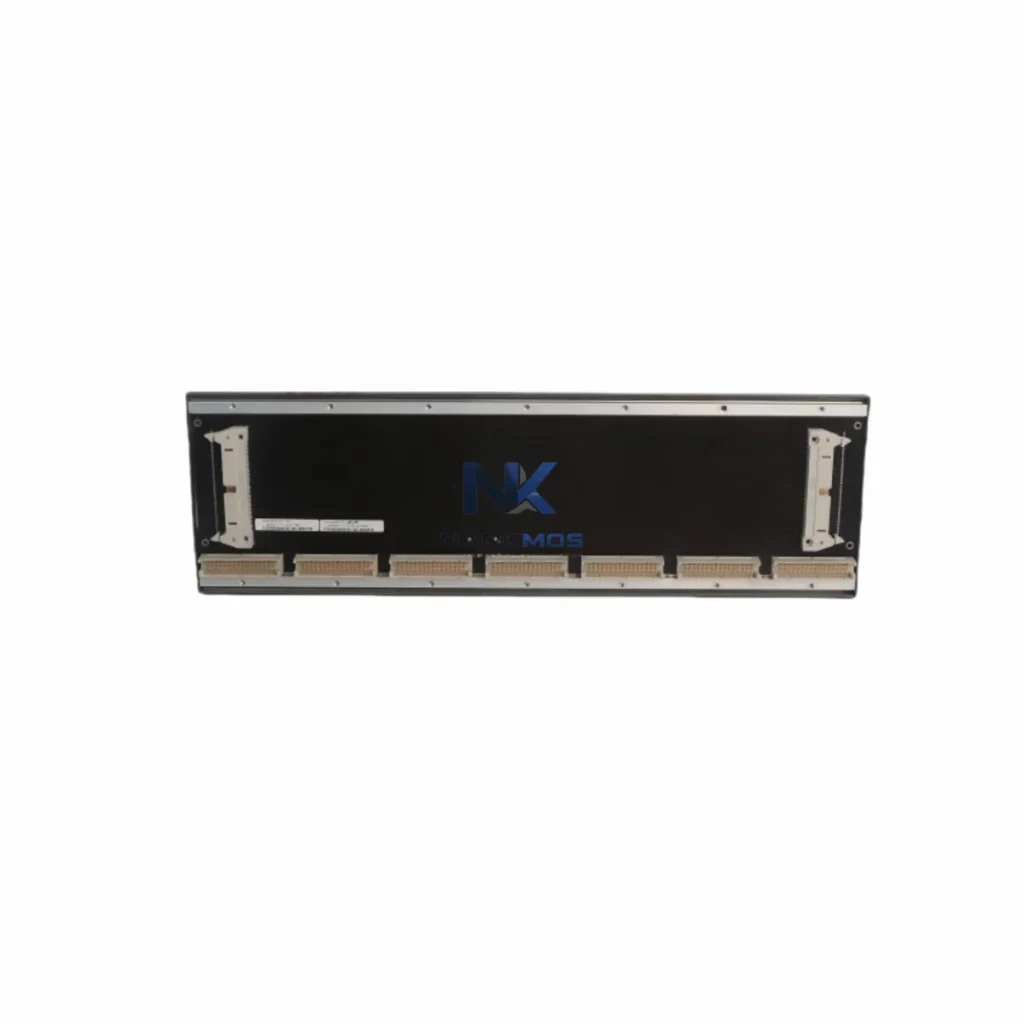
Bachmann BS207 is a NANKMOS industrial automation product record Listed under Other series series and Business & Industrial > Automation, Control & Flow Devices > Programmable Logic Controllers. Confirm condition, availability, lead time, compatibility and documentation by email inquiry.
| Manufacturer | Bachmann |
|---|---|
| Application | Controller Processing & System Control |
| Part Number / Model | BS207 |
| Compatible System | Confirmed by inquiry |
| Condition Options | To Confirm |
| Module Type | Controller / CPU Module |
| Warranty | 12 Months |
| Packaging | Anti-static Bag / Secure Box |
| Shipping Methods | DHL / FedEx / UPS / Air / Sea |
| Availability | To Confirm |
| Lead Time | To Confirm |
| Documentation | Part number and revision checked before quote |
The Bachmann BS207 is a high-performance digital I/O module engineered for the Bachmann MPC Series control platform, purpose-built to deliver precise energy control, real-time load management, and measurable production line efficiency gains in demanding industrial environments. Designed for integration into energy-aware automation architectures, the BS207 enables plant engineers and automation specialists to monitor, regulate, and optimize power consumption at the field level — reducing unnecessary energy draw, lowering thermal load on control cabinets, and improving overall equipment effectiveness (OEE) across continuous and batch production processes.
With its compact DIN-rail form factor and robust signal handling, the BS207 supports fast, deterministic I/O response cycles that are essential for synchronizing energy-intensive actuators, motor starters, and drive systems with upstream control logic. Whether deployed in a standalone MPC controller rack or distributed across a multi-node automation network, the BS207 contributes directly to reducing idle-state energy consumption and eliminating unnecessary actuator cycling — two of the most common sources of avoidable energy waste on modern production lines.
The BS207 is designed to operate as a core field I/O node within a Bachmann MPC-based control architecture, where energy efficiency is managed at the controller level and enforced at the field level through precise I/O signaling. In a typical energy-optimized production cell, the BS207 interfaces directly with the Bachmann MPC240 or MPC265 controller module, receiving real-time process commands and returning field-level status feedback with minimal latency. This tight integration allows the PLC to implement load-shedding routines, staggered motor start sequences, and demand-response logic that collectively reduce peak energy draw during production ramp-up phases.
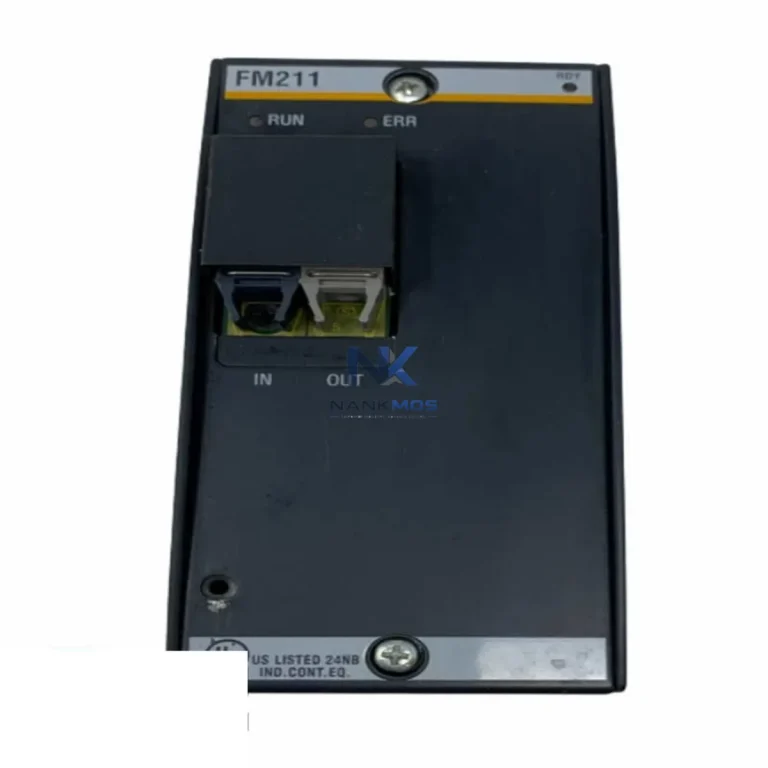
For motor and drive control applications, the BS207 works in coordination with variable frequency drives (VFDs) and servo drive systems by providing the discrete enable, inhibit, and fault-reset signals that govern drive state transitions. When paired with a Bachmann FM211 or FM212 function module handling analog feedback from current transducers or power monitoring sensors, the BS207 enables closed-loop energy regulation — allowing the MPC controller to modulate drive speed references based on real-time load conditions rather than running motors at fixed speed regardless of demand.
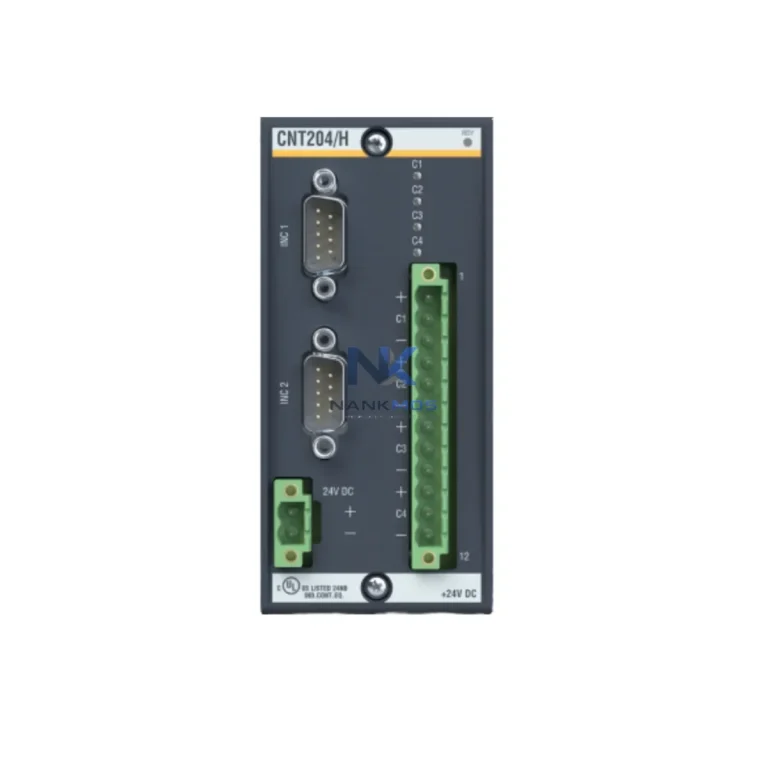
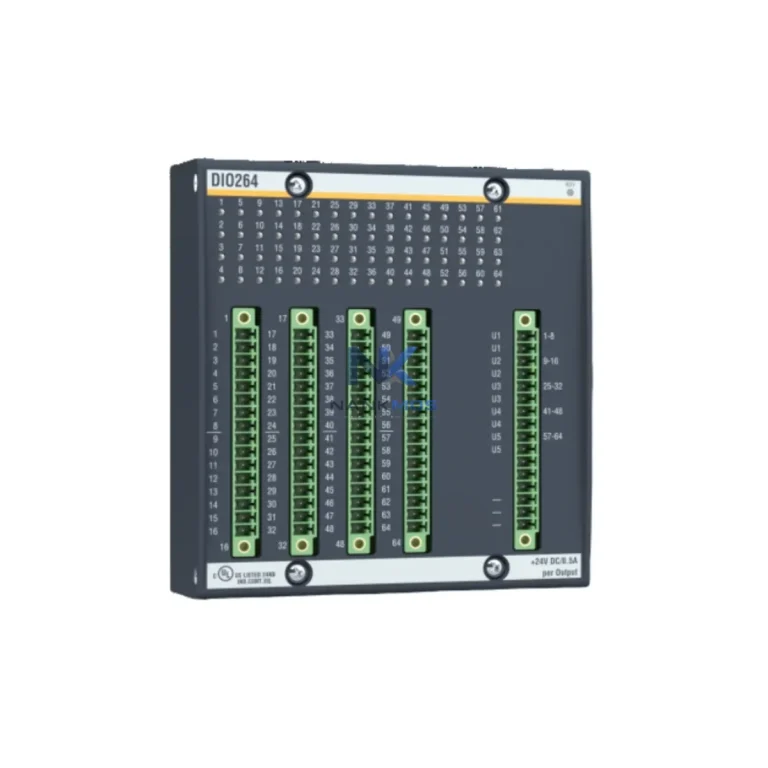
In distributed I/O architectures, the BS207 can be deployed alongside Bachmann DIO280 or similar expansion modules to extend the I/O footprint of the MPC rack without increasing controller scan overhead. Communication between the MPC controller and upstream SCADA or energy management systems is typically handled via the Bachmann MPC's integrated Ethernet interface or optional PROFIBUS/PROFINET communication modules, ensuring that energy data collected at the field level — including actuator state, cycle counts, and fault events — is available in real time to plant-level energy dashboards and MES platforms.
HMI integration is equally straightforward: operators using a Bachmann or third-party HMI panel connected to the MPC network can visualize I/O channel states, monitor actuator duty cycles, and trigger manual load-reduction routines directly from the control room. This visibility is critical for identifying energy waste patterns — such as conveyors running empty, pneumatic actuators cycling unnecessarily, or heating elements remaining energized during planned downtime — and for implementing corrective actions without requiring engineering intervention.
The Bachmann BS207 contributes to factory energy optimization across three primary dimensions: demand reduction, thermal management, and predictive maintenance readiness. On the demand side, the BS207 enables the MPC controller to implement granular load control at the actuator level — switching off non-critical outputs during low-production periods, enforcing minimum off-time between actuator cycles to prevent unnecessary energy spikes, and coordinating multi-axis motion sequences to avoid simultaneous peak current draws that inflate energy costs under time-of-use tariff structures.
From a thermal management perspective, the BS207's low self-dissipation design reduces the aggregate heat load within the MPC control cabinet, which in turn reduces the duty cycle of cabinet cooling systems — a frequently overlooked source of auxiliary energy consumption in large automation installations. In high-density rack configurations where multiple BS207 modules are installed alongside processor modules, communication cards, and power supply units, this thermal efficiency translates directly into lower cooling energy costs and extended component service life.
For predictive maintenance and production line stability, the BS207's deterministic I/O response ensures that actuator state changes are captured and logged with consistent timing accuracy, enabling the MPC controller to build reliable cycle-time baselines for each production station. Deviations from these baselines — caused by mechanical wear, pneumatic pressure drops, or electrical faults — are detected early and flagged for maintenance intervention before they escalate into unplanned downtime events. This capability is particularly valuable in high-throughput lines where a single station stoppage can cascade into significant production losses and associated energy waste from idle upstream and downstream equipment.
All Bachmann BS207 units supplied by NANKMOS are sourced from verified inventory channels, individually tested prior to shipment, and covered by a 12-Month Warranty. In-stock units are available for immediate dispatch, supporting urgent MRO requirements and minimizing production line downtime exposure.
Q1: How does the Bachmann BS207 contribute to measurable energy savings on a production line? The BS207 enables the Bachmann MPC controller to implement precise actuator-level load control, including load shedding, staggered start sequences, and idle-state output deactivation. When combined with power monitoring modules and VFD feedback signals, these strategies can reduce unnecessary energy consumption during low-demand periods and eliminate actuator cycling waste — delivering measurable reductions in site energy costs over time.
Q2: Is the BS207 compatible with third-party SCADA and energy management systems? Yes. The BS207 operates within the Bachmann MPC rack and communicates upstream via the MPC controller's standard communication interfaces, including Ethernet/IP, PROFIBUS, and PROFINET options. This makes its field-level I/O data accessible to any SCADA, DCS, or energy management system that supports these protocols, enabling seamless integration into plant-wide energy monitoring and reporting platforms.
Q3: Can the BS207 replace older Bachmann I/O modules in an existing MPC installation? The BS207 is designed for the Bachmann MPC Series backplane and is intended as a direct replacement or expansion module within compatible MPC rack configurations. Before substitution, verify the channel count, signal type (digital input/output), and firmware compatibility with your existing MPC controller version. NANKMOS technical support can assist with compatibility confirmation prior to order placement.
Q4: What does the 12-Month Warranty cover, and how are units tested before shipment? All BS207 units supplied by NANKMOS undergo functional testing prior to dispatch to verify signal integrity, channel response, and backplane communication. The 12-Month Warranty covers manufacturing defects and functional failures under normal operating conditions from the date of shipment. In-stock availability ensures fast dispatch for both planned procurement and urgent MRO replacement requirements.
Functional Inspection100% tested on professional platforms to ensure stable performance.
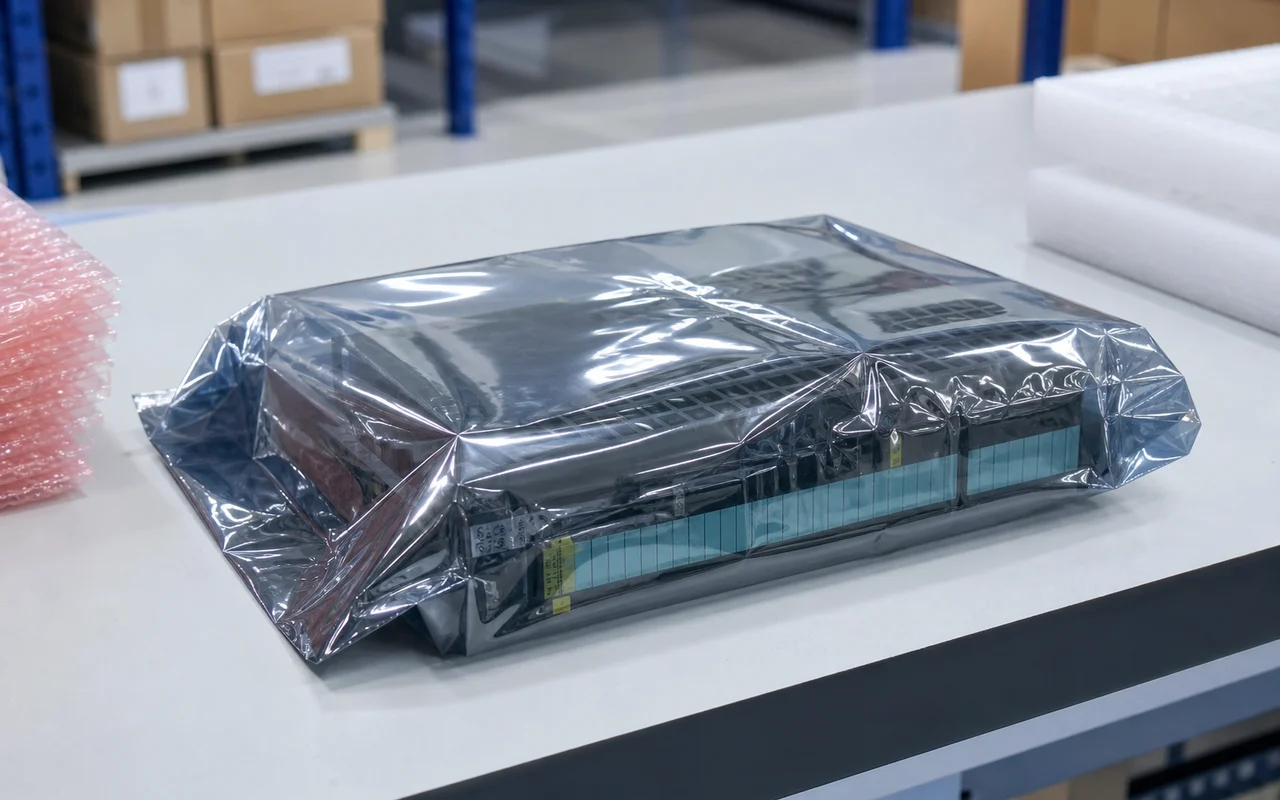 Anti-static Packaging
Modules are packed in anti-static bags to prevent electrostatic damage.
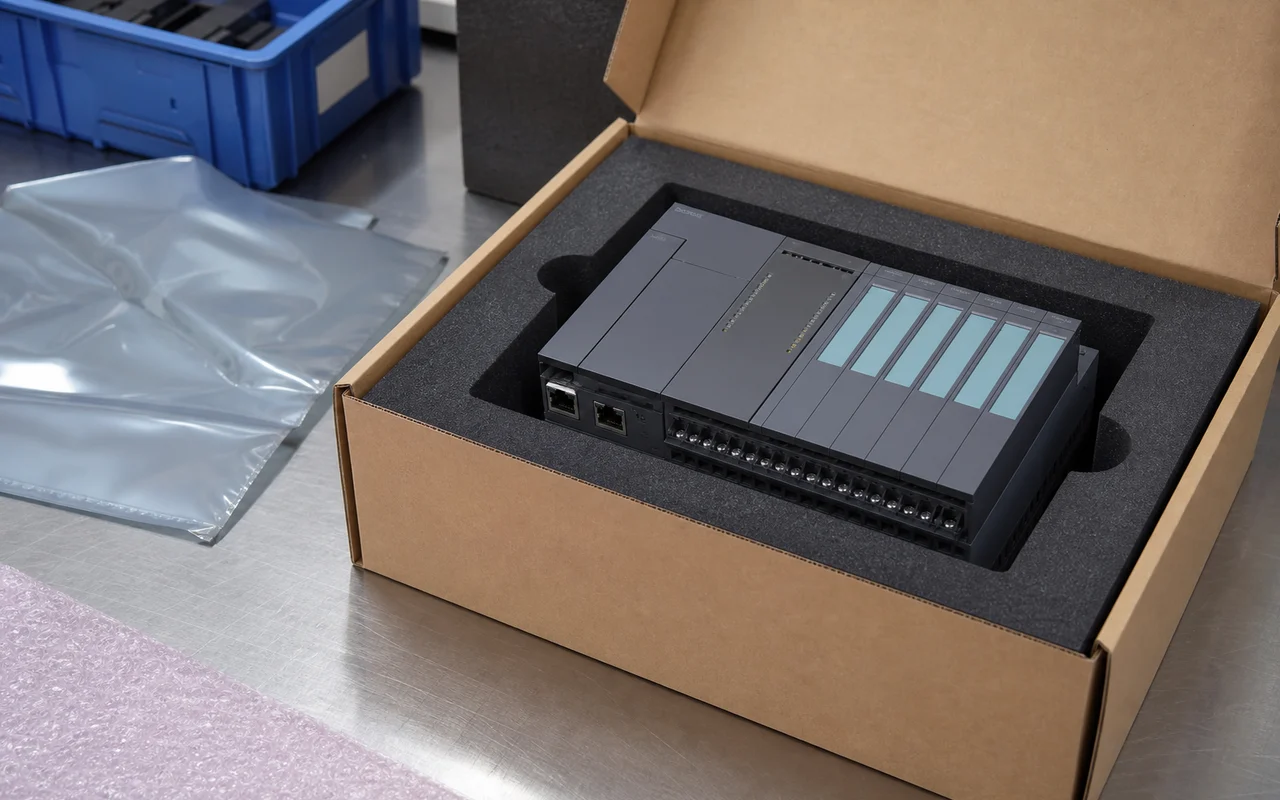 Secure Export Packing
Cushion protection and strong cartons ensure safe transportation.
 Worldwide Shipping
Global logistics network supports air, sea and express delivery.
 Documentation Check
Part number, revision and compatibility verified before shipment.
 After-sales Support
Professional technical support to help resolve your issues.