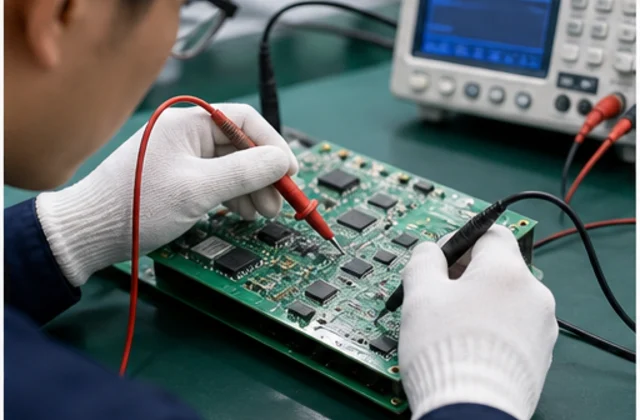
 Functional Inspection
100% tested on professional platforms to ensure stable performance.
Bachmann FM211 is a NANKMOS industrial automation product record Listed under Other series series and Business & Industrial > Automation, Control & Flow Devices > Programmable Logic Controllers. Confirm condition, availability, lead time, compatibility and documentation by email inquiry.
Brand names are used for identification only.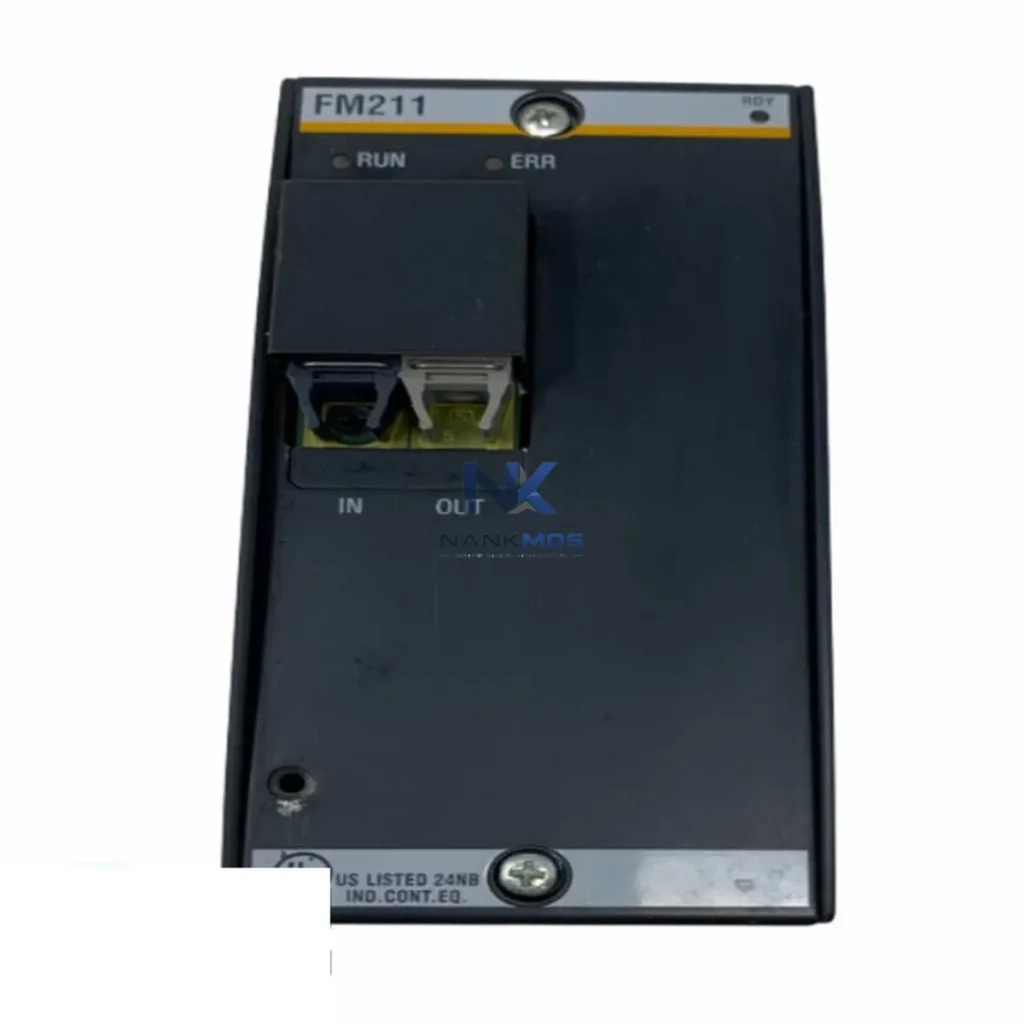
Bachmann FM211 is a NANKMOS industrial automation product record Listed under Other series series and Business & Industrial > Automation, Control & Flow Devices > Programmable Logic Controllers. Confirm condition, availability, lead time, compatibility and documentation by email inquiry.
| Manufacturer | Bachmann |
|---|---|
| Application | Controller Processing & System Control |
| Part Number / Model | FM211 |
| Compatible System | Confirmed by inquiry |
| Condition Options | To Confirm |
| Module Type | Controller / CPU Module |
| Warranty | 12 Months |
| Packaging | Anti-static Bag / Secure Box |
| Shipping Methods | DHL / FedEx / UPS / Air / Sea |
| Availability | To Confirm |
| Lead Time | To Confirm |
| Documentation | Part number and revision checked before quote |
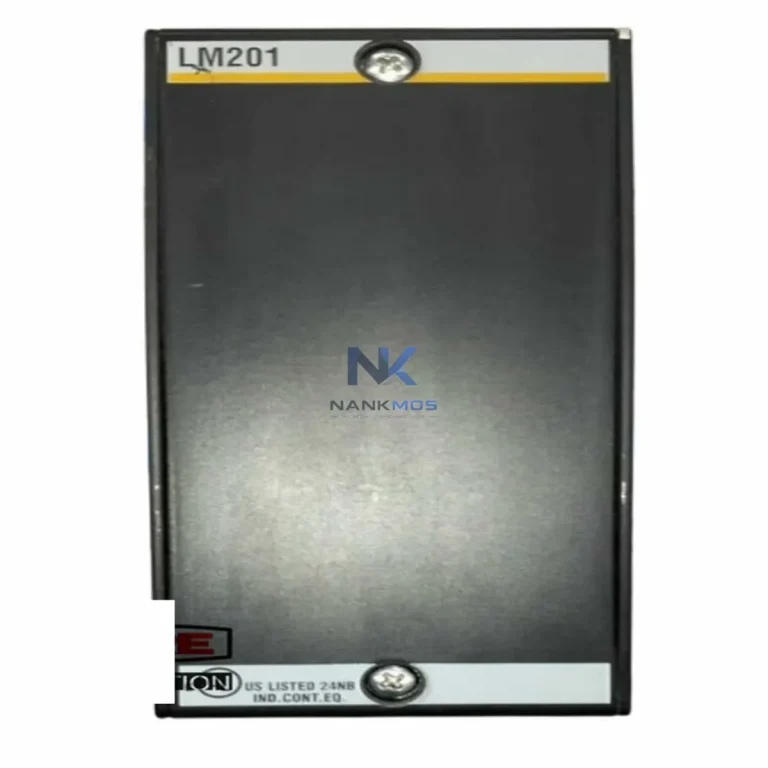
The BACHMANN FM211 is a high-precision frequency measurement module engineered for the BACHMANN M1 Series modular control platform. Designed to operate at the intersection of field-level signal acquisition and plant-wide data communication, the FM211 delivers reliable frequency and rotational speed measurement across demanding industrial environments. Its native integration with the M1 Series backplane enables seamless data exchange with the BACHMANN MPC240 or MPC265 CPU modules, ensuring that frequency signals captured at the sensor level are immediately available to the control logic, SCADA layer, and remote monitoring systems without latency or protocol mismatch.
In smart factory deployments, the FM211 serves as a critical node in the industrial data chain. Frequency signals from encoders, proximity sensors, flow meters, and turbine transducers are acquired at the module level and transmitted through the M1 backplane to the CPU, which then forwards structured process data upstream via Modbus TCP to SCADA platforms, HMI terminals, and MES systems. This architecture eliminates the need for standalone signal converters or intermediate gateways, reducing wiring complexity and improving overall system reliability.
The FM211 operates as the signal acquisition front-end within a layered smart factory architecture. At the field level, rotary encoders, inductive proximity sensors, and turbine flow meters generate frequency pulses that the FM211 captures with high temporal resolution. These raw frequency values are processed locally within the module and made available to the BACHMANN MPC240 CPU via the M1 Series high-speed backplane, which supports deterministic scan cycles essential for closed-loop control applications.
Once the CPU has processed the frequency data, it is published to the plant network via Modbus TCP, where SCADA platforms such as Wonderware, Ignition, or WinCC can subscribe to real-time process variables. HMI panels connected to the same Ethernet segment display live frequency trends, enabling operators to monitor motor speed, pump flow rates, or conveyor belt velocity without leaving the control room. For multi-axis or multi-zone installations, the BACHMANN DIO216 digital I/O module and the BACHMANN AIO288 analog I/O module can be co-deployed in the same M1 rack alongside the FM211, providing a unified I/O platform that feeds a single CPU with both frequency and analog process data.
In applications requiring protocol bridging — for example, where legacy Profibus DP field devices must communicate with an Ethernet-based SCADA — an industrial gateway such as the HMS Anybus X-gateway or a Moxa MGate series device can be inserted between the M1 network segment and the legacy fieldbus. The FM211's data, already structured as Modbus TCP registers, passes cleanly through such gateways without reformatting, preserving data integrity across protocol boundaries.
For remote diagnostic scenarios, the M1 CPU's built-in web server or an edge gateway appliance — such as the Advantech WISE-5000 series or a Siemens SCALANCE MUM856 — can tunnel FM211 process data to cloud-based analytics platforms or remote SCADA nodes over secure VPN connections. This enables maintenance engineers to monitor frequency deviations, detect bearing wear signatures, or identify flow anomalies from off-site locations, reducing unplanned downtime and travel costs. Alarm thresholds configured in the BACHMANN SolutionCenter engineering environment trigger real-time notifications when measured frequency values exceed defined limits, feeding alert data directly into the plant's alarm management system.
Power for the FM211 and co-located M1 modules is typically supplied by a BACHMANN PS204 or PS207 power supply module, which provides regulated 24 VDC to the backplane. Industrial DIN-rail power supplies from Phoenix Contact or WAGO can serve as upstream AC/DC converters, ensuring stable power delivery even in environments with significant load fluctuations. The complete M1 rack — comprising CPU, FM211, I/O modules, and power supply — is housed in a standard 19-inch cabinet or DIN-rail enclosure, making it compatible with existing panel infrastructure across automotive, energy, water treatment, and discrete manufacturing sites.
Many industrial sites operate with fragmented measurement architectures where frequency signals are captured by standalone counters or legacy PLCs that lack network connectivity. This creates data silos where critical speed and flow information never reaches the SCADA layer, making it impossible to correlate frequency data with energy consumption, product quality, or equipment health metrics. The BACHMANN FM211, integrated into the M1 platform, resolves this by placing frequency measurement directly within a networked control node, ensuring that every captured pulse is immediately available as a structured Modbus TCP register accessible to any authorized system on the plant network.
Protocol inconsistency is another common barrier. Sites that have evolved over decades often mix Modbus RTU, Profibus DP, DeviceNet, and proprietary serial protocols across different equipment generations. The M1 platform's modular architecture allows the FM211 to coexist with communication modules that handle these legacy protocols, with the CPU acting as a protocol normalizer that presents all field data — including FM211 frequency measurements — through a single, consistent Modbus TCP interface to the SCADA and MES layers.
Remote monitoring gaps are addressed through the M1 CPU's Ethernet port and optional cellular or fiber uplink modules. Maintenance teams can access live FM211 data, review historical trends, and acknowledge alarms from any location with network access, eliminating the need for on-site visits for routine diagnostics. System expansion is equally straightforward: additional FM211 modules or other M1 I/O cards can be added to the rack without modifying the existing network configuration, as the M1 backplane automatically enumerates new modules and makes their data available to the CPU on the next scan cycle.
Q1: What communication protocol does the BACHMANN FM211 use for SCADA integration?The FM211 does not communicate independently over a network; it interfaces with the BACHMANN M1 Series CPU via the backplane bus. The CPU then exposes FM211 data to external systems using Modbus TCP over Industrial Ethernet, making it compatible with all major SCADA platforms that support the Modbus TCP standard.
Q2: Can the FM211 be used in systems with mixed communication protocols such as Profibus DP and Modbus TCP?Yes. The BACHMANN M1 platform supports co-deployment of multiple communication modules in the same rack. A Profibus DP master or slave module can be installed alongside the FM211, with the M1 CPU handling protocol translation internally. This allows FM211 frequency data to be shared with both Modbus TCP SCADA systems and Profibus DP field networks without external gateways.
Q3: How is network stability and data integrity ensured for real-time frequency measurements?The M1 backplane operates on a deterministic, high-speed internal bus that guarantees consistent scan cycle times regardless of network load. FM211 data is updated every CPU scan cycle and written to Modbus TCP registers atomically, preventing partial reads. For plant network stability, the M1 CPU supports standard Industrial Ethernet practices including VLAN segmentation and managed switch integration with devices such as the Hirschmann RS20 or BACHMANN-compatible Cisco IE series switches.
Q4: What does the 12-month warranty cover, and is the FM211 tested before shipment?Every BACHMANN FM211 unit supplied by NANKMOS is covered by a 12-month warranty from the date of shipment, covering manufacturing defects and functional failures under normal operating conditions. All units undergo functional verification testing prior to dispatch to confirm measurement accuracy, backplane communication integrity, and power consumption within specification. In-stock units are available for immediate shipment to support urgent project timelines.
Functional Inspection100% tested on professional platforms to ensure stable performance.
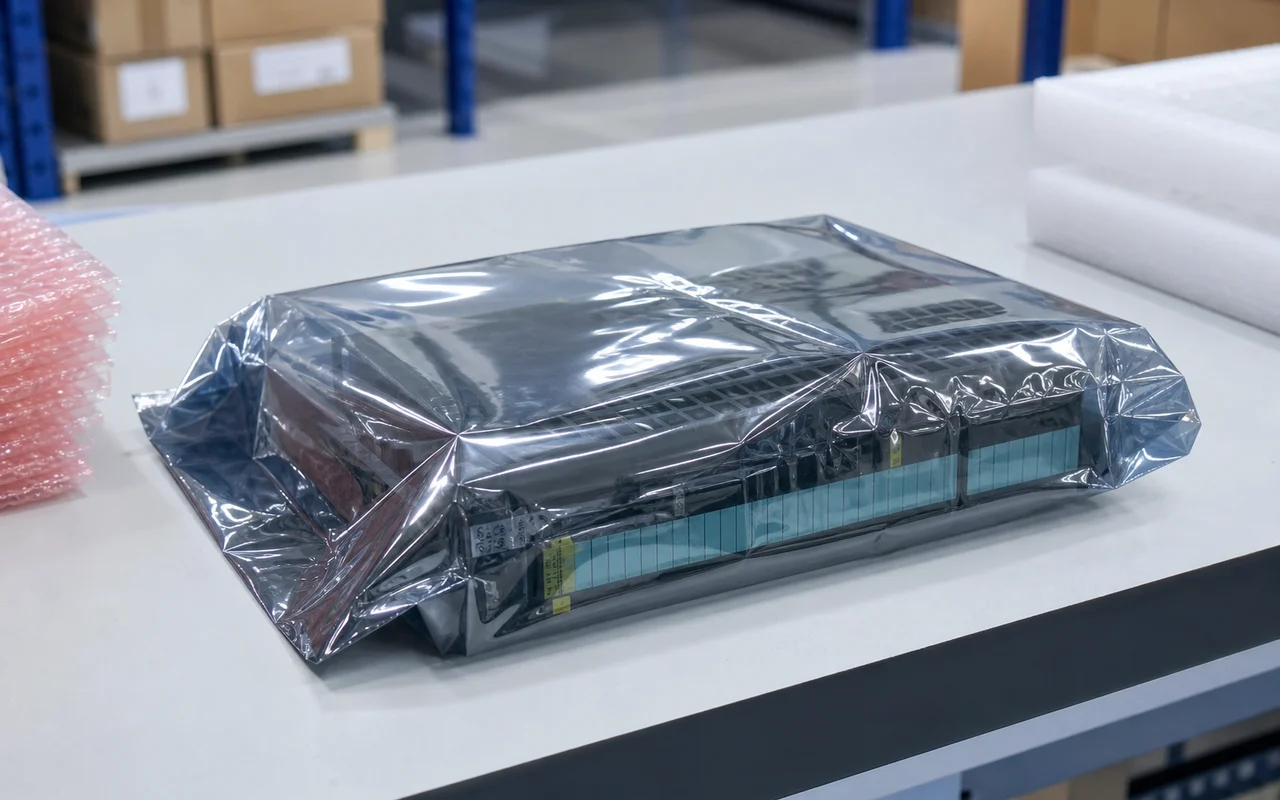 Anti-static Packaging
Modules are packed in anti-static bags to prevent electrostatic damage.
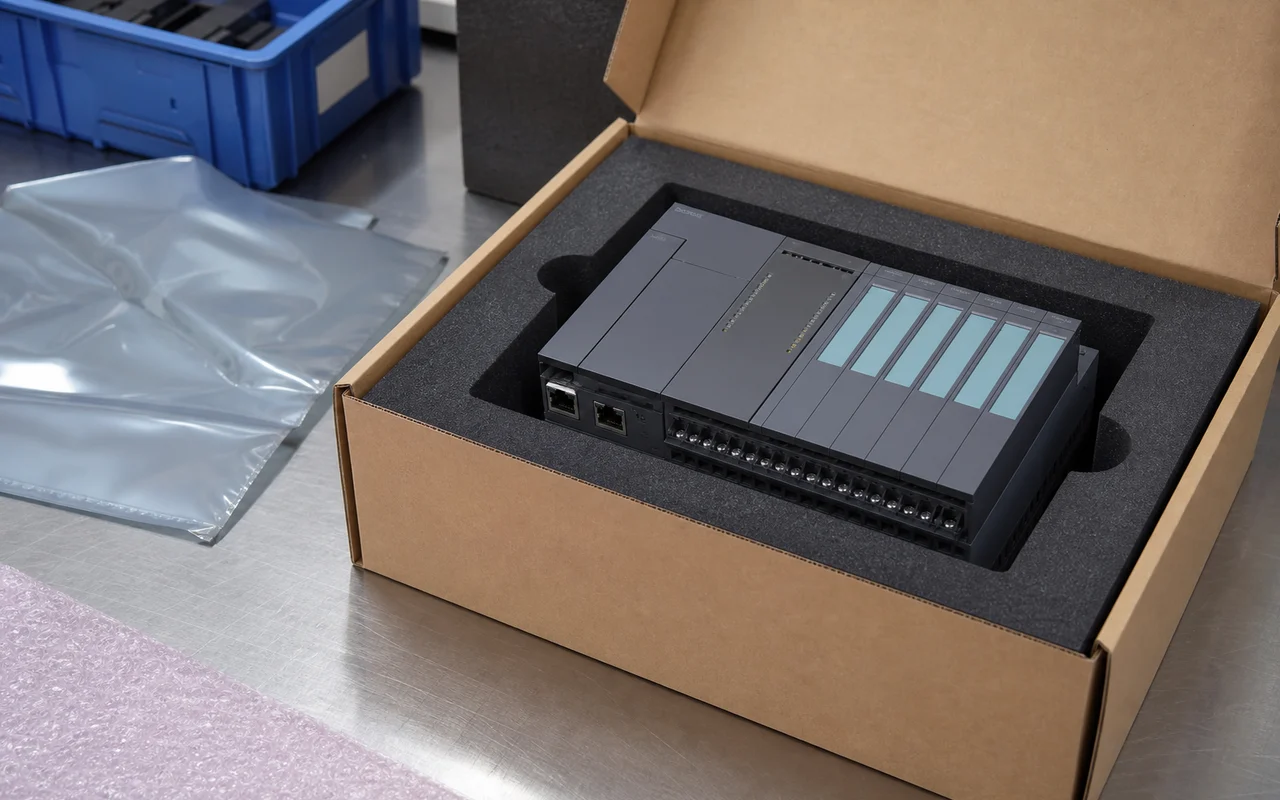 Secure Export Packing
Cushion protection and strong cartons ensure safe transportation.
 Worldwide Shipping
Global logistics network supports air, sea and express delivery.
 Documentation Check
Part number, revision and compatibility verified before shipment.
 After-sales Support
Professional technical support to help resolve your issues.