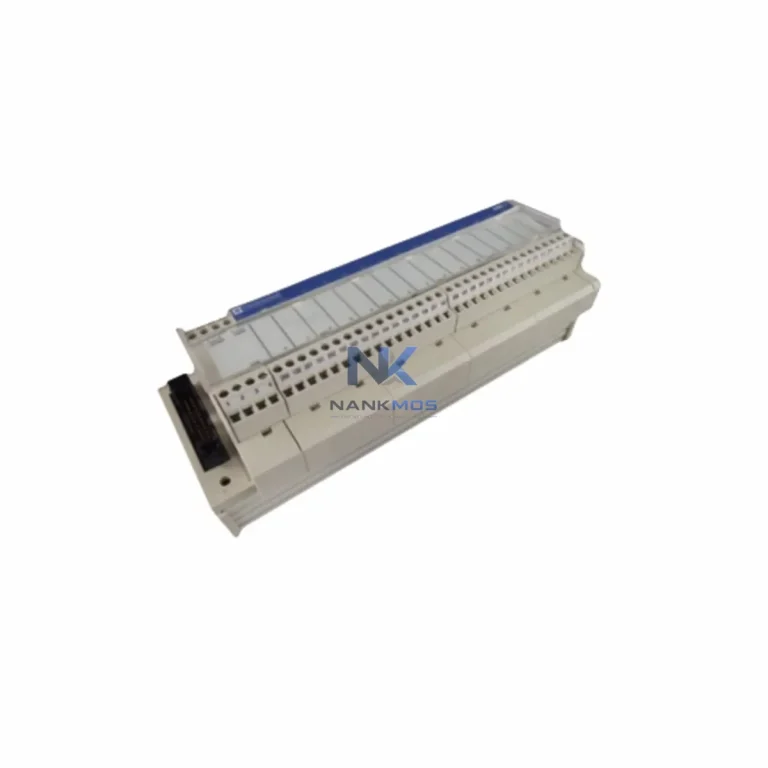
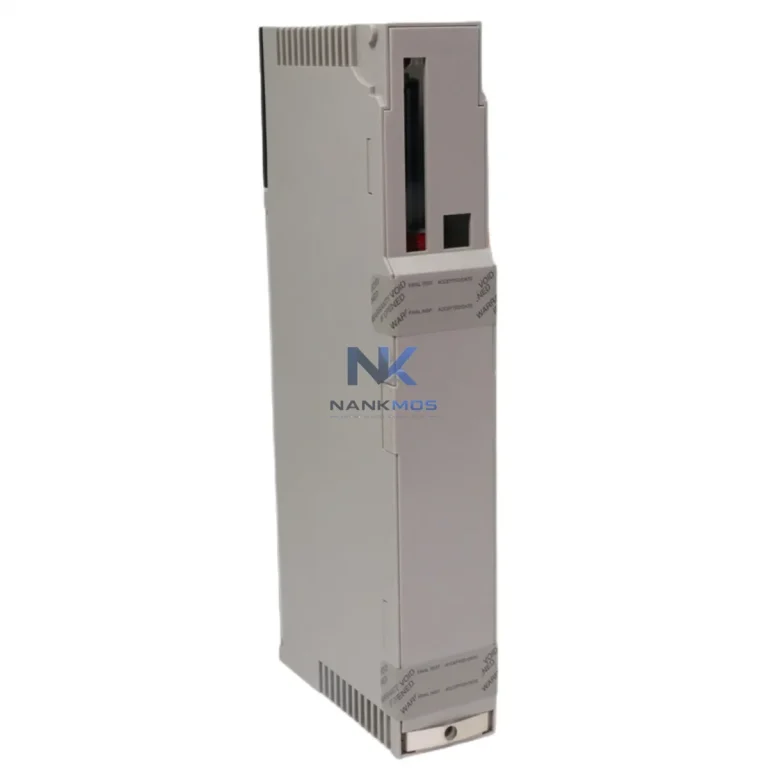
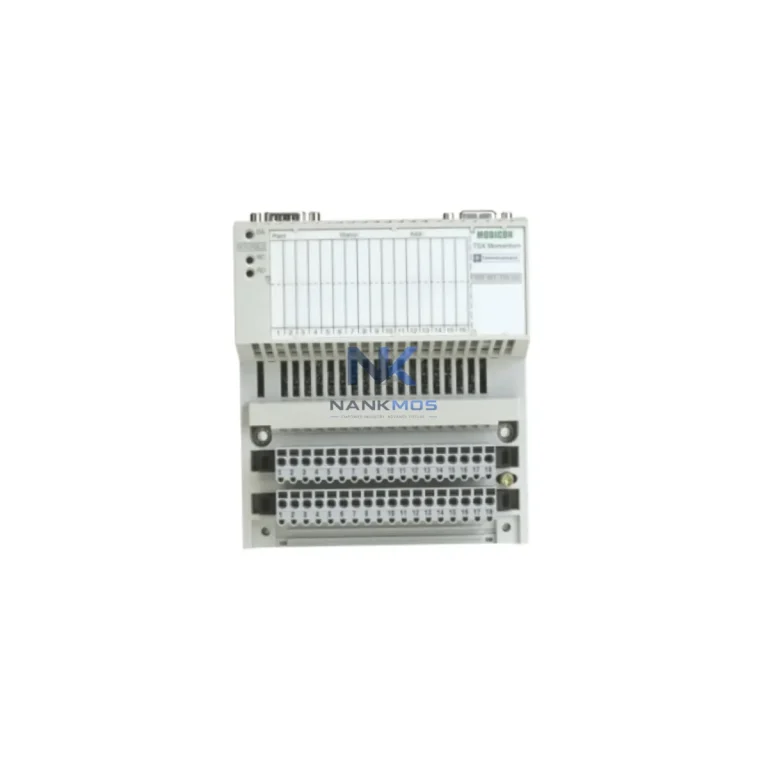
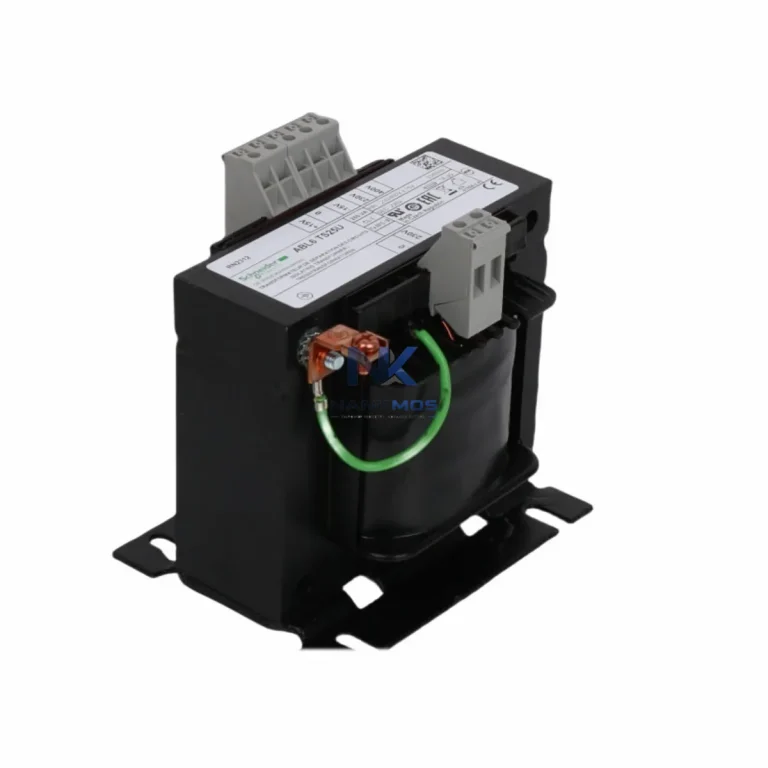
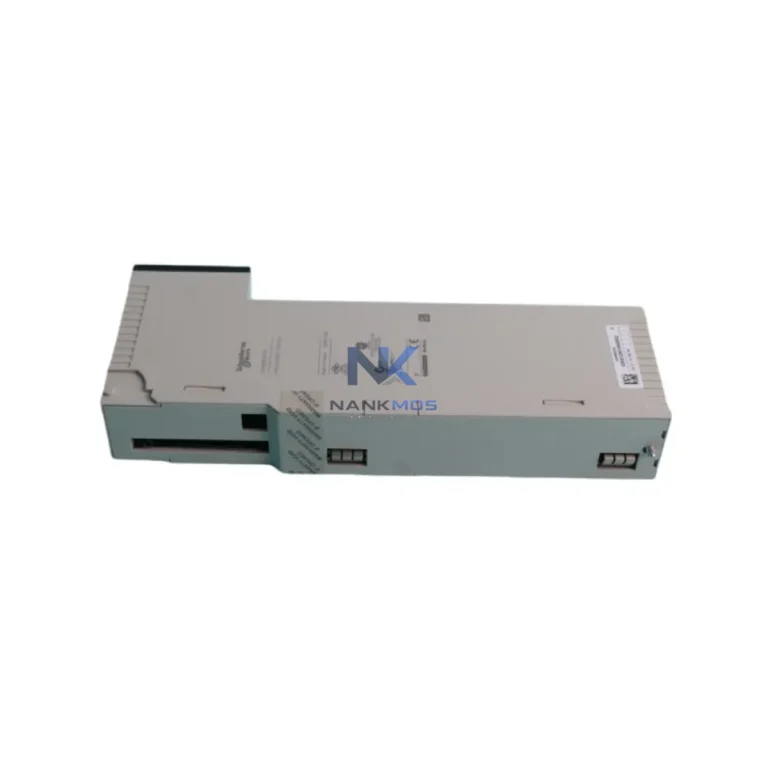
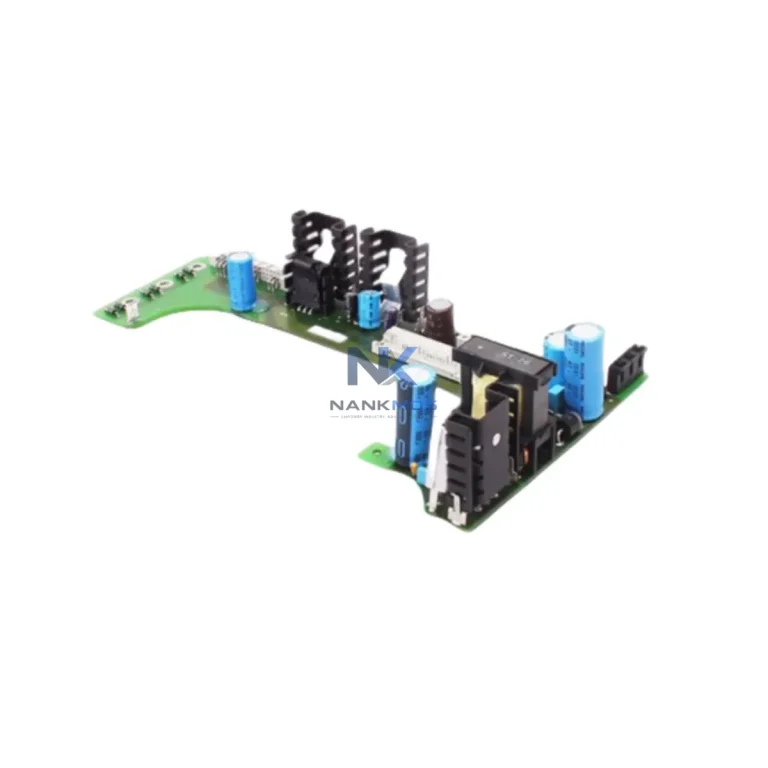
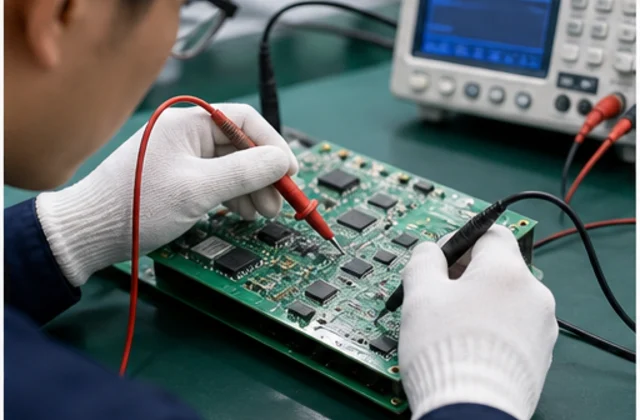
 Functional Inspection
100% tested on professional platforms to ensure stable performance.
Schneider Electric LC1D115M7C is a NANKMOS industrial automation product record Listed under TeSys series and Business & Industrial > Automation, Control & Flow Devices. Confirm condition, availability, lead time, compatibility and documentation by email inquiry.
Brand names are used for identification only.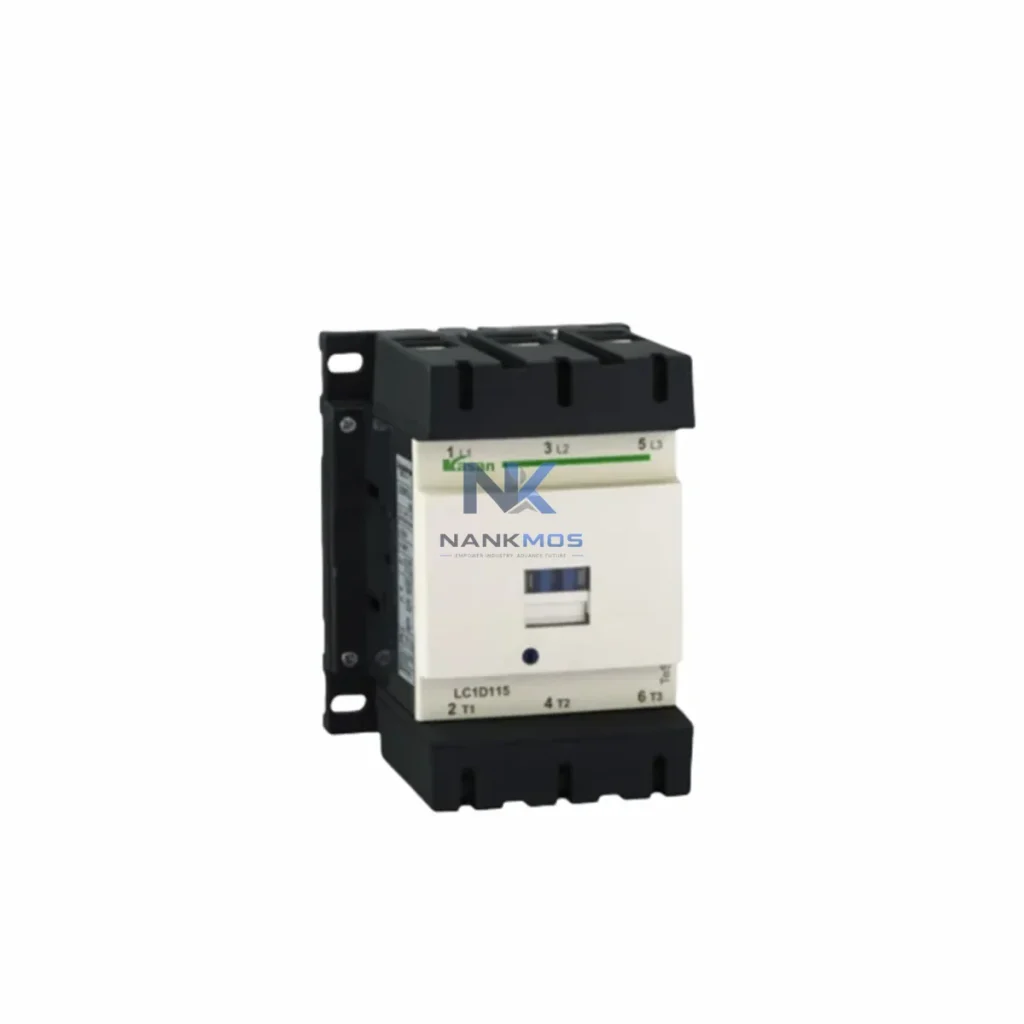
Schneider Electric LC1D115M7C is a NANKMOS industrial automation product record Listed under TeSys series and Business & Industrial > Automation, Control & Flow Devices. Confirm condition, availability, lead time, compatibility and documentation by email inquiry.
| Manufacturer | Schneider Electric |
|---|---|
| Application | Industrial Automation Maintenance |
| Part Number / Model | LC1D115M7C |
| Compatible System | TeSys |
| Series | TeSys |
| Condition Options | To Confirm |
| Module Type | Automation, Control & Flow Devices |
| Warranty | 12 Months |
| Packaging | Anti-static Bag / Secure Box |
| Shipping Methods | DHL / FedEx / UPS / Air / Sea |
| Availability | To Confirm |
| Lead Time | To Confirm |
| Documentation | Part number and revision checked before quote |
The Schneider Electric LC1D115M7C is a 115A, 3-pole AC contactor from the renowned TeSys D Series, engineered for high-demand motor switching and power control in modern industrial environments. Rated at 220V AC coil voltage (M7 suffix), this contactor is a cornerstone component in smart factory architectures where reliable, network-integrated power switching is non-negotiable. Whether deployed in motor control centres (MCCs), variable speed drive bypass circuits, compressor control panels, or conveyor automation systems, the LC1D115M7C delivers the switching endurance and electrical compatibility demanded by Industry 4.0 data-driven production lines.
In a connected factory, the LC1D115M7C does not operate in isolation. It sits at the intersection of field-level power control and upper-layer data visibility — bridging the physical switching of high-current loads with the digital monitoring capabilities of SCADA systems, HMI dashboards, and remote diagnostic platforms. When paired with Schneider's TeSys D communication modules such as the LUCM (multifunction control unit) or the LU9GC3 CANopen gateway module, the contactor's operational status — including coil energisation state, contact wear, trip events, and auxiliary feedback — can be transmitted in real time across industrial networks including Modbus RTU, CANopen, and EtherNet/IP protocols.
Understanding the LC1D115M7C's role requires tracing the complete data flow from field device to enterprise system. At the lowest layer, field sensors — including current transformers, temperature probes, and vibration monitors — feed analogue and digital signals into Schneider Modicon TM3 remote I/O modules mounted in the same panel as the LC1D115M7C. These I/O modules aggregate process values and relay them upstream via Modbus RTU serial links to a Modicon M340 PLC or Modicon M580 ePAC, which executes the motor start/stop logic and issues coil energisation commands to the LC1D115M7C contactor.
When the LC1D115M7C is equipped with a LUCM multifunction control unit, the contactor itself becomes a smart node on the network. The LUCM monitors motor current, thermal state, and contact status, publishing this data over Modbus TCP/IP or EtherNet/IP to the plant's EcoStruxure Plant SCADA or a third-party Wonderware InTouch HMI. Operators at the control room level can view real-time motor load curves, receive overload pre-alarms, and acknowledge trip events — all without leaving the SCADA workstation.
For sites running CANopen device networks, the LU9GC3 CANopen gateway module clips directly onto the TeSys D frame, converting the contactor's internal diagnostics into standard CANopen PDOs (Process Data Objects). This allows the LC1D115M7C to participate in a CANopen master-slave network alongside Schneider Altivar ATV320 variable speed drives and Lexium servo drives, enabling coordinated motion and power switching sequences managed by a single PLC programme.
At the network transport layer, Schneider ConneXium industrial Ethernet switches provide the managed switching infrastructure that carries EtherNet/IP and Modbus TCP traffic between PLCs, SCADA servers, and edge gateways. Redundant ring topologies using RSTP (Rapid Spanning Tree Protocol) ensure that a single cable fault does not interrupt production data flow. The LC1D115M7C's status data — coil state, auxiliary contact feedback, thermal alarm — travels across this network in milliseconds, feeding into EcoStruxure Machine Advisor for cloud-based remote diagnostics and predictive maintenance scheduling.
Where legacy serial devices coexist with modern Ethernet infrastructure, Schneider IOLM (IO-Link Master) modules or third-party Modbus RTU-to-EtherNet/IP gateways bridge the protocol gap, ensuring that older field instruments — pressure switches, flow meters, proximity sensors — can still contribute their data to the unified SCADA data model. The LC1D115M7C, as the switching element controlling the motor that drives these processes, becomes the logical anchor point for energy monitoring: its current feedback, combined with data from Schneider PowerLogic PM5000 power meters, enables per-motor energy consumption tracking and demand management at the MCC level.
For remote sites or unmanned substations, an EcoStruxure IoT edge gateway aggregates data from multiple LC1D115M7C contactors and associated TeSys D modules, compressing and encrypting the telemetry before transmitting it over 4G LTE or fibre WAN links to the central SCADA server. Remote engineers can issue controlled start/stop commands, review historical trip logs, and download firmware updates to connected TeSys D smart modules — all without dispatching field technicians, dramatically reducing mean time to repair (MTTR) and operational expenditure.
Protocol Fragmentation: Many industrial sites operate a mix of legacy Modbus RTU serial networks and modern EtherNet/IP or PROFINET Ethernet backbones. The LC1D115M7C, when paired with appropriate TeSys D communication modules, bridges this gap — its diagnostic data can be published simultaneously to both legacy serial masters and modern Ethernet SCADA systems, eliminating the data silos that prevent holistic plant visibility.
Data Islands and Production Transparency: Without smart contactor integration, motor switching events are invisible to upper-layer systems. The LC1D115M7C with LUCM transforms every start, stop, overload trip, and phase loss event into a timestamped, network-visible data point. Production managers gain real-time transparency into motor utilisation rates, enabling data-driven maintenance scheduling and OEE (Overall Equipment Effectiveness) improvement.
Remote Monitoring and Alarm Tracking: Traditional contactors require physical inspection to diagnose faults. The LC1D115M7C's network integration enables remote alarm notification — overload pre-alarms, phase imbalance warnings, and contact wear indicators are pushed to SCADA alarm management systems and mobile operator interfaces, allowing maintenance teams to respond proactively before unplanned downtime occurs.
System Scalability: As production lines expand, adding new motor loads to an existing TeSys D network is straightforward. Each additional LC1D115M7C with a communication module registers as a new node on the CANopen or Modbus network, automatically discoverable by the PLC and SCADA system. This plug-and-participate architecture supports phased factory expansion without requiring network redesign or SCADA reconfiguration.
Q1: What communication protocols does the LC1D115M7C support for SCADA integration? The LC1D115M7C itself is a standard AC contactor; communication capability is added via TeSys D accessory modules. The LUCM multifunction control unit enables Modbus RTU and EtherNet/IP connectivity, while the LU9GC3 module adds CANopen support. These modules allow the contactor's operational data to be read and monitored by any SCADA or HMI system supporting these protocols, including EcoStruxure Plant, Wonderware, and iFIX.
Q2: How does the LC1D115M7C ensure network stability in high-interference industrial environments? The TeSys D series is designed to IEC 60947-4-1 standards with EMC-compliant coil suppression and shielded auxiliary contact circuits. When deployed on Modbus RTU networks, proper cable shielding, termination resistors, and grounding practices ensure signal integrity. For EtherNet/IP deployments, use of managed industrial Ethernet switches with QoS (Quality of Service) prioritisation ensures contactor status data is delivered with deterministic latency even on congested networks.
Q3: Can the LC1D115M7C be remotely diagnosed without interrupting production? Yes. When equipped with the LUCM control unit, the LC1D115M7C continuously publishes diagnostic data — motor current, thermal state, trip history, and contact status — to the connected SCADA or HMI system. This data is available for remote review at any time without interrupting the contactor's switching operation. Maintenance engineers can assess contact wear trends and schedule replacement during planned downtime windows, avoiding unplanned production stops.
Q4: What warranty and pre-shipment testing does the LC1D115M7C include? Every LC1D115M7C supplied by NANKMOS is covered by a 12-Month Warranty from the date of shipment. Each unit undergoes pre-shipment functional testing — including coil energisation verification, main contact resistance measurement, and auxiliary contact continuity checks — before dispatch. Units are shipped in original or equivalent protective packaging to prevent transit damage. In-stock units are available for same-week dispatch to global destinations.
Functional Inspection100% tested on professional platforms to ensure stable performance.
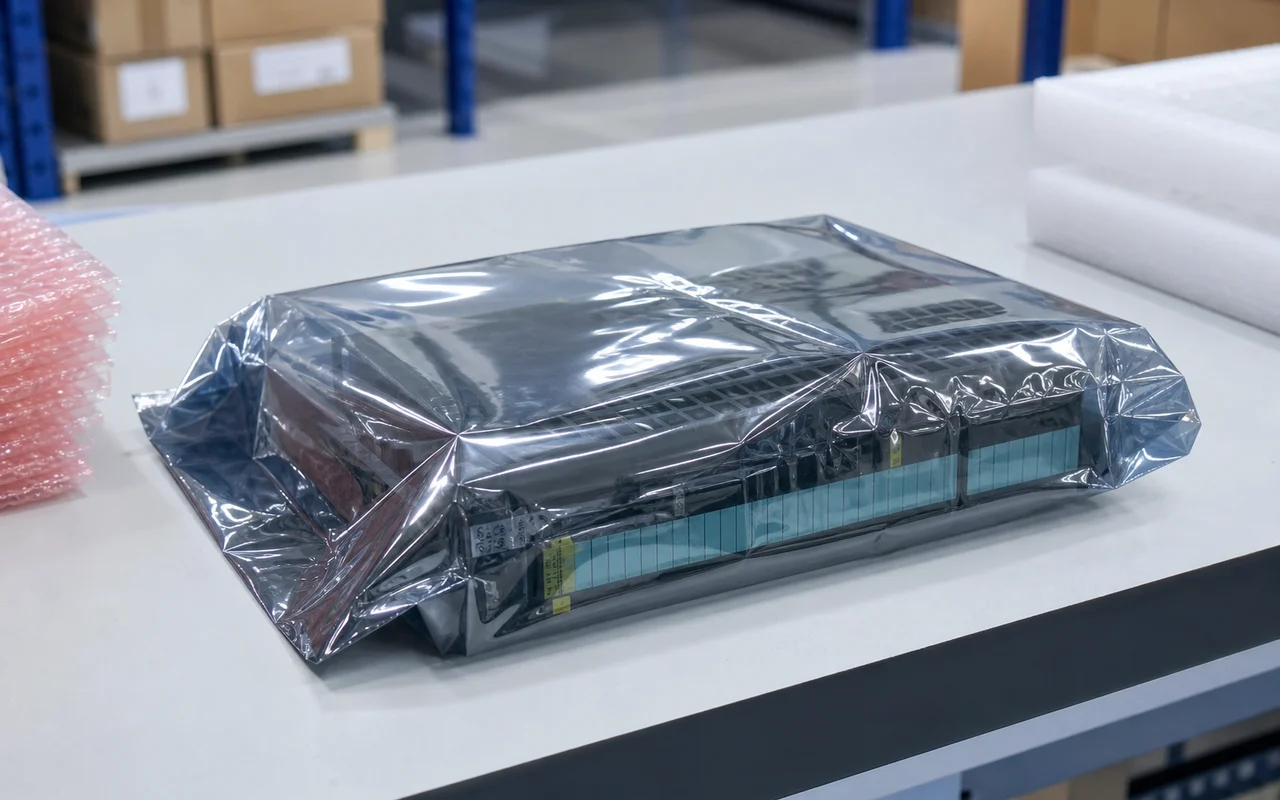 Anti-static Packaging
Modules are packed in anti-static bags to prevent electrostatic damage.
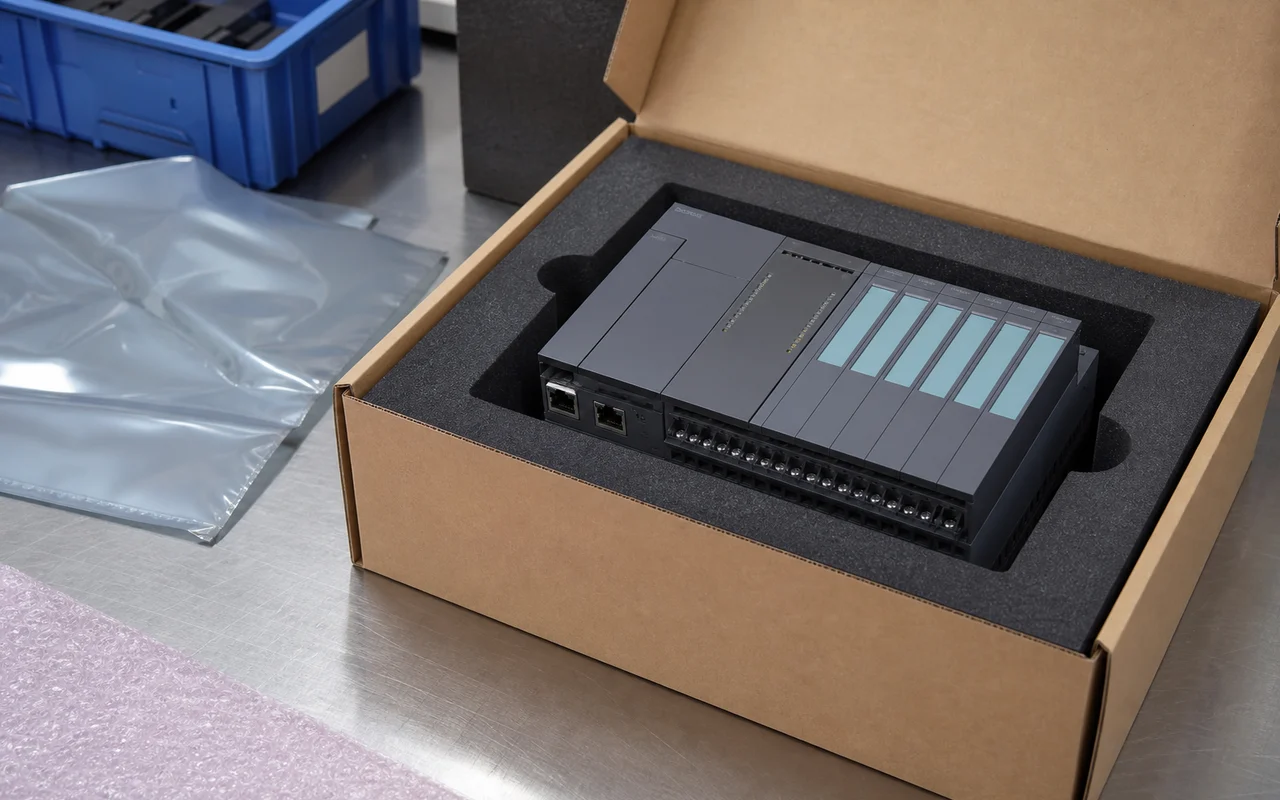 Secure Export Packing
Cushion protection and strong cartons ensure safe transportation.
 Worldwide Shipping
Global logistics network supports air, sea and express delivery.
 Documentation Check
Part number, revision and compatibility verified before shipment.
 After-sales Support
Professional technical support to help resolve your issues.