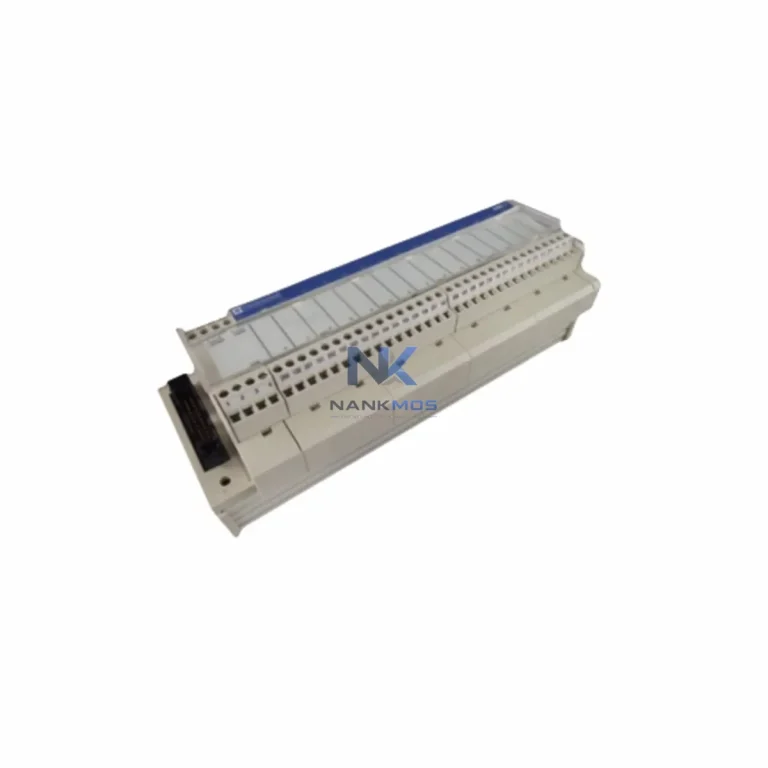
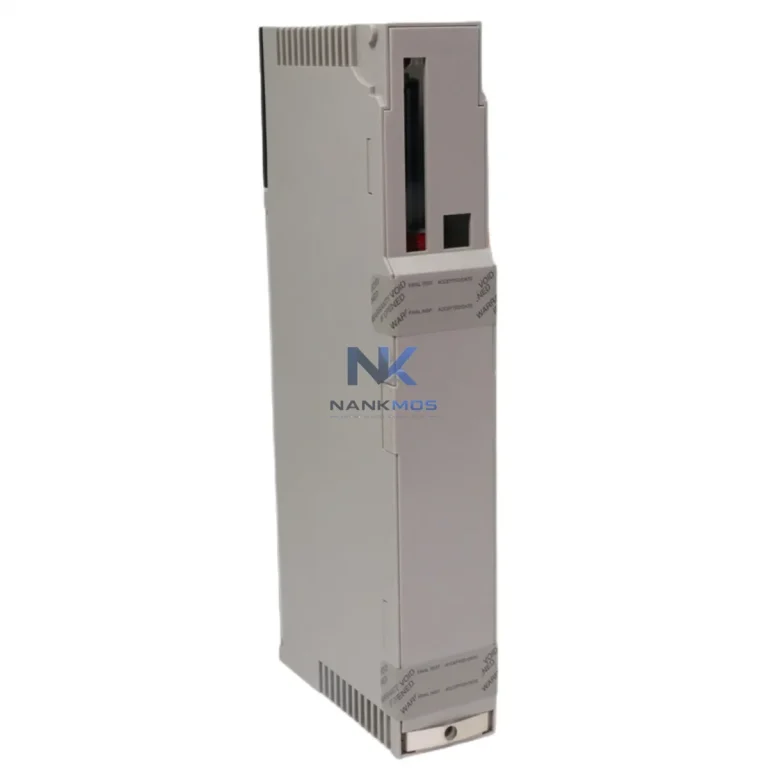
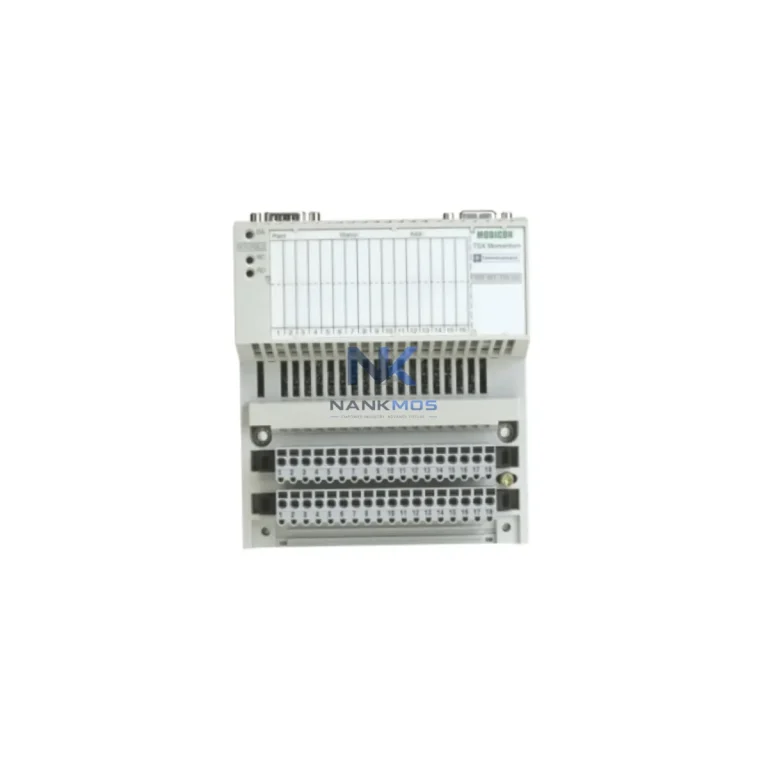
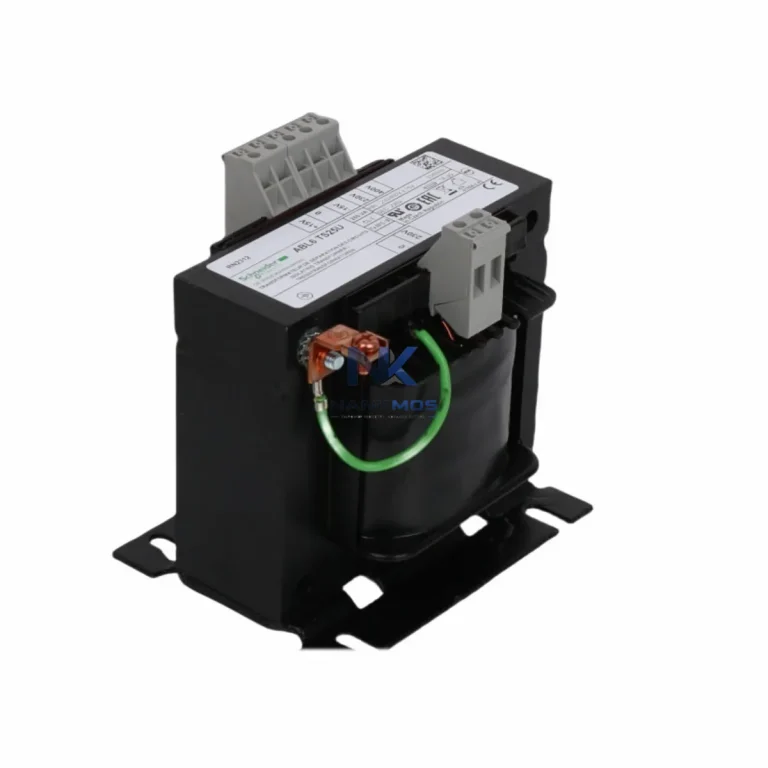
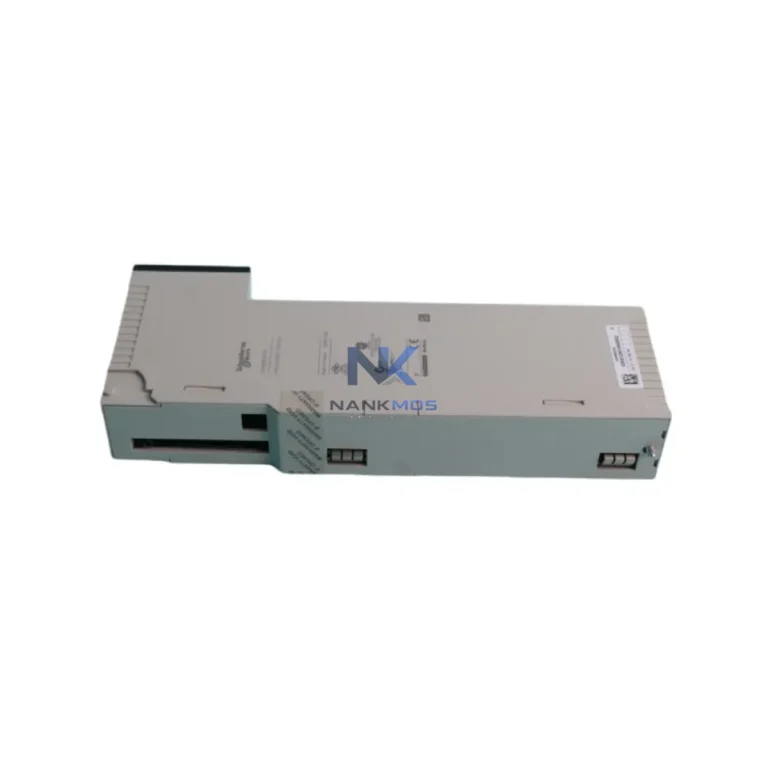
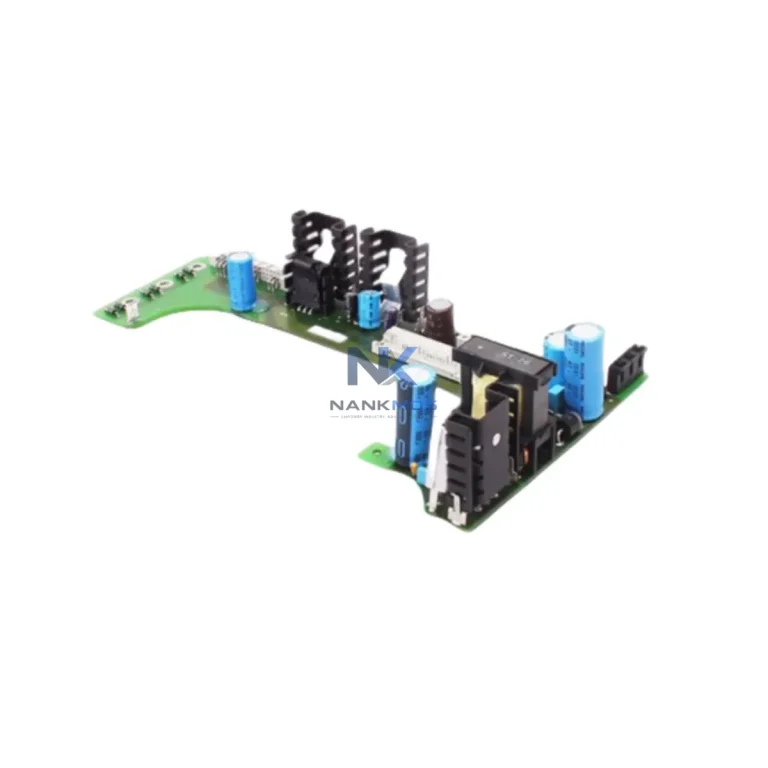
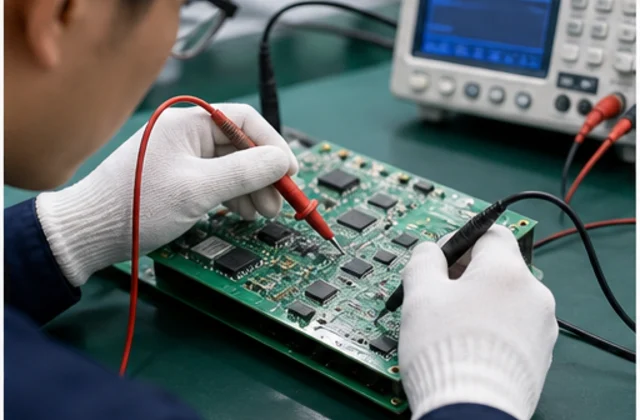
 Functional Inspection
100% tested on professional platforms to ensure stable performance.
Schneider Electric LC1D40M7C is a NANKMOS industrial automation product record Listed under TeSys series and Business & Industrial > Automation, Control & Flow Devices. Confirm condition, availability, lead time, compatibility and documentation by email inquiry.
Brand names are used for identification only.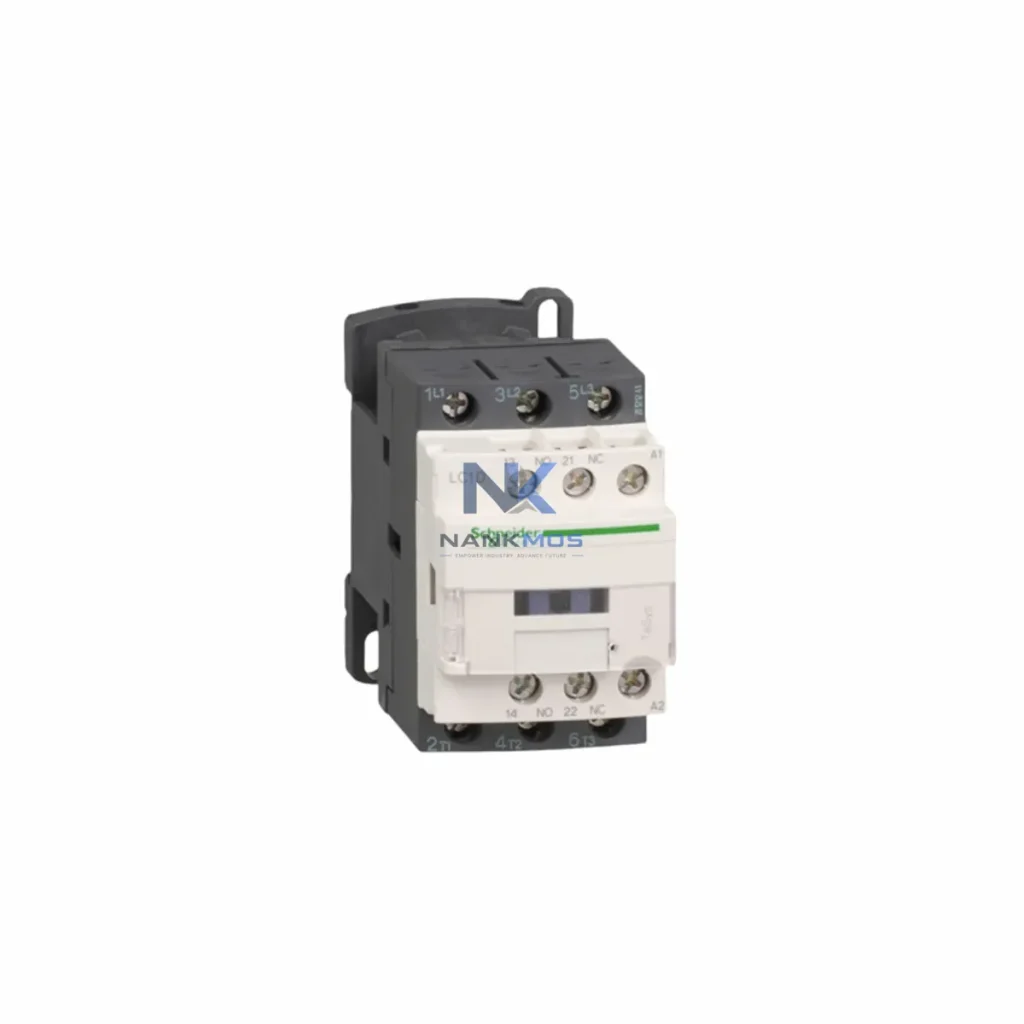
Schneider Electric LC1D40M7C is a NANKMOS industrial automation product record Listed under TeSys series and Business & Industrial > Automation, Control & Flow Devices. Confirm condition, availability, lead time, compatibility and documentation by email inquiry.
| Manufacturer | Schneider Electric |
|---|---|
| Application | Industrial Automation Maintenance |
| Part Number / Model | LC1D40M7C |
| Compatible System | TeSys |
| Series | TeSys |
| Condition Options | To Confirm |
| Module Type | Automation, Control & Flow Devices |
| Warranty | 12 Months |
| Packaging | Anti-static Bag / Secure Box |
| Shipping Methods | DHL / FedEx / UPS / Air / Sea |
| Availability | To Confirm |
| Lead Time | To Confirm |
| Documentation | Part number and revision checked before quote |
The Schneider Electric LC1D40M7C is a 40A three-pole AC contactor from the TeSys D series, engineered for seamless integration into layered industrial control architectures. Rated at 220V AC coil voltage (M7 suffix), this contactor is designed to serve as a reliable switching element within motor control centres, machine automation panels, and process control cabinets. Its compact DIN-rail footprint, standardised terminal layout, and broad compatibility with Schneider Electric's Modicon and TeSys ecosystem make it a preferred choice for system architects who demand consistency, modularity, and long-term maintainability across multi-tier automation platforms.
In modern industrial environments, a single contactor does not operate in isolation. The LC1D40M7C is conceived as a functional node within a broader control hierarchy — interfacing upward with PLC output modules, downward with motor loads, and laterally with overload relays, auxiliary contact blocks, and surge suppression modules. Its role in the execution layer is to translate digital control signals from the automation controller into reliable electromechanical switching actions, ensuring that motor start, stop, and direction commands are executed with precision and repeatability.
The LC1D40M7C achieves its full engineering value when deployed as part of a coherent, multi-layer automation platform. In a typical Schneider Electric-based control architecture, the contactor operates downstream of a Modicon M340 or Modicon M580 PLC, receiving switching commands via discrete digital output modules such as the BMX DDO 3202K or BMX DDO 6402K. These output modules provide 24VDC logic signals that are routed through interposing relays or directly to the contactor coil circuit, depending on panel design and load requirements.
For motor protection and overload management, the LC1D40M7C is typically paired with a TeSys D overload relay — such as the LRD14C or LRD16C — to form a complete motor starter assembly. This combination provides coordinated protection against sustained overloads, phase imbalance, and locked-rotor conditions, and can be assembled as a compact unit using Schneider Electric's direct-mount connector accessories, eliminating the need for external wiring between the contactor and relay.
In applications requiring reversing duty or star-delta starting, two or three LC1D40M7C units are deployed in conjunction with mechanical and electrical interlocking modules, such as the LAD9C3 reversing interlock kit. This configuration is common in pump stations, compressor drives, and conveyor systems where controlled motor acceleration and direction reversal are operationally critical.
At the communication and diagnostics layer, the TeSys T motor management relay (LTM R) can be integrated alongside the LC1D40M7C to provide real-time motor current monitoring, thermal modelling, and fault diagnostics accessible via Modbus RTU or EtherNet/IP. This enables the Modicon PLC or SCADA system — such as Schneider Electric's EcoStruxure Plant or Wonderware InTouch — to receive granular motor health data, supporting predictive maintenance strategies and reducing unplanned downtime.
Power distribution to the contactor panel is typically managed through a Schneider Electric Acti9 or Multi9 miniature circuit breaker (MCB) or moulded case circuit breaker (MCCB) from the ComPact NSX series, providing upstream short-circuit protection and isolation capability. For panels with high bus density, the Linergy busbar system or iQuick pre-wired comb busbars can be used to streamline power distribution across multiple contactor assemblies, reducing wiring time and improving panel consistency.
In distributed I/O architectures, where field devices are located remotely from the main control cabinet, the LC1D40M7C may be controlled via a Modicon STB or Advantys island bus coupler connected to a PROFIBUS DP or CANopen fieldbus segment. This approach is common in large-scale process plants and packaging lines where centralised wiring is impractical. The contactor's coil circuit is then driven by a remote digital output module on the island, with feedback provided by auxiliary contact wiring back to a digital input module for status confirmation.
For applications requiring enhanced panel organisation and terminal management, Schneider Electric's Linergy TR terminal blocks and NSYTRV series DIN rail terminals provide a standardised interface between the contactor wiring and field cable terminations. Proper terminal block selection ensures that conductor cross-sections, torque specifications, and colour-coding conventions are maintained consistently across the panel, simplifying commissioning and future maintenance activities.
Manufacturing & Assembly Lines: In automotive and general manufacturing environments, the LC1D40M7C is widely used to control conveyor motors, robotic cell power feeds, and pneumatic compressor drives. Its high mechanical endurance (rated at 10 million operations) and broad ambient temperature tolerance make it suitable for continuous-duty production environments where contactors cycle frequently throughout each shift.
Water & Wastewater Treatment: Pump station motor control panels in water treatment facilities rely on TeSys D contactors for reliable start/stop control of submersible pumps, booster pumps, and blower motors. The LC1D40M7C's compatibility with overload relays and motor management systems supports the remote monitoring requirements of SCADA-controlled water networks, where unattended operation and fault alarming are essential.
Power Generation & Electrical Utilities: In auxiliary motor control centres (MCCs) within power plants and substations, the LC1D40M7C controls cooling fans, oil pumps, and auxiliary service motors. Its IEC 60947-4-1 compliance and CE marking satisfy the stringent electrical safety requirements of utility-grade installations, and its compatibility with Schneider Electric's MasterPact and ComPact switchgear ecosystems ensures seamless integration into existing panel designs.
Oil, Gas & Petrochemical: Process control panels in refineries and chemical plants use TeSys D contactors in motor control circuits for agitators, transfer pumps, and HVAC systems. In these environments, the contactor is often installed within Ex-rated enclosures or pressurised panels, with the LC1D40M7C's compact dimensions facilitating installation in space-constrained cabinet designs.
Mining & Metallurgy: Heavy-duty mining applications — including conveyor drives, crusher motor starters, and ventilation fan controls — benefit from the LC1D40M7C's robust contact construction and high short-circuit withstand capability when coordinated with appropriate upstream protection devices. The contactor's DIN-rail mounting and standardised wiring interface simplify panel assembly in mine electrical rooms where maintenance access and component interchangeability are priorities.
Packaging & Food Processing: High-speed packaging lines and food processing plants require contactors that can withstand frequent switching cycles and are compatible with hygienic panel designs. The LC1D40M7C's sealed coil construction and vibration-resistant contact assembly make it suitable for these demanding environments, and its compatibility with Schneider Electric's Harmony push-button and pilot device range supports ergonomic operator interface design.
Q1: Is the LC1D40M7C compatible with Modicon M340 and M580 PLC digital output modules for direct coil control? Yes. The LC1D40M7C's 220V AC coil (M7 designation) is compatible with standard AC coil driver circuits. In Modicon M340/M580 architectures, the PLC digital output module (e.g., BMX DDO 3202K at 24VDC) typically drives an interposing relay or solid-state relay, which in turn energises the 220V AC contactor coil. For 24VDC coil variants (LC1D40BD), direct interface to PLC transistor outputs is possible without interposing relays. System architects should verify coil voltage compatibility and select the appropriate LC1D suffix to match the panel's control voltage standard.
Q2: Can the LC1D40M7C be used in a reversing starter configuration, and what interlocking accessories are required? Yes. Two LC1D40M7C contactors can be configured as a reversing motor starter using the LAD9C3 mechanical interlock kit, which physically prevents both contactors from closing simultaneously. Electrical interlocking is achieved by cross-wiring the auxiliary NC contacts of each contactor into the coil circuit of the other. For factory-assembled reversing starter combinations, Schneider Electric offers the LC2D40M7C reversing contactor assembly, which integrates two TeSys D contactors with pre-fitted interlocking. This approach is recommended for applications where panel space is limited and assembly time must be minimised. A 12-Month Warranty applies to all configurations supplied through authorised channels.
Q3: What is the recommended maintenance schedule for the LC1D40M7C, and how does the 12-Month Warranty support long-term operational reliability? Schneider Electric recommends periodic inspection of main contact condition, coil resistance, and auxiliary contact continuity at intervals determined by the application's switching frequency and environmental conditions. For standard industrial duty (AC-3 category, moderate cycling), annual inspection is typically sufficient. The 12-Month Warranty covers manufacturing defects, coil insulation failure, and contact assembly faults under rated operating conditions. During the warranty period, defective units are replaced or repaired at no charge, subject to inspection confirming that failure is not attributable to installation error, overvoltage, or operation outside rated parameters. Stock availability is maintained to support rapid warranty replacement and minimise production downtime. All units are pre-shipment tested for coil continuity, contact resistance, and mechanical operation prior to dispatch.
Functional Inspection100% tested on professional platforms to ensure stable performance.
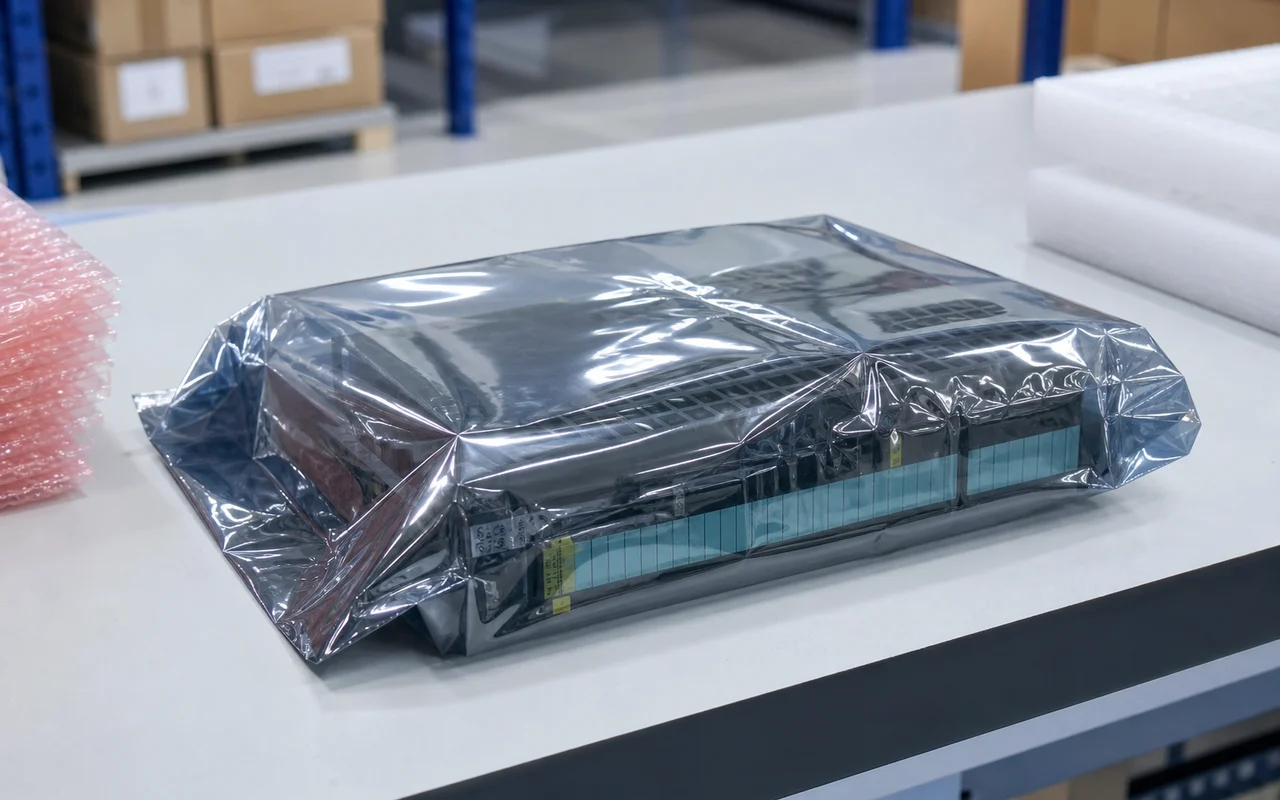 Anti-static Packaging
Modules are packed in anti-static bags to prevent electrostatic damage.
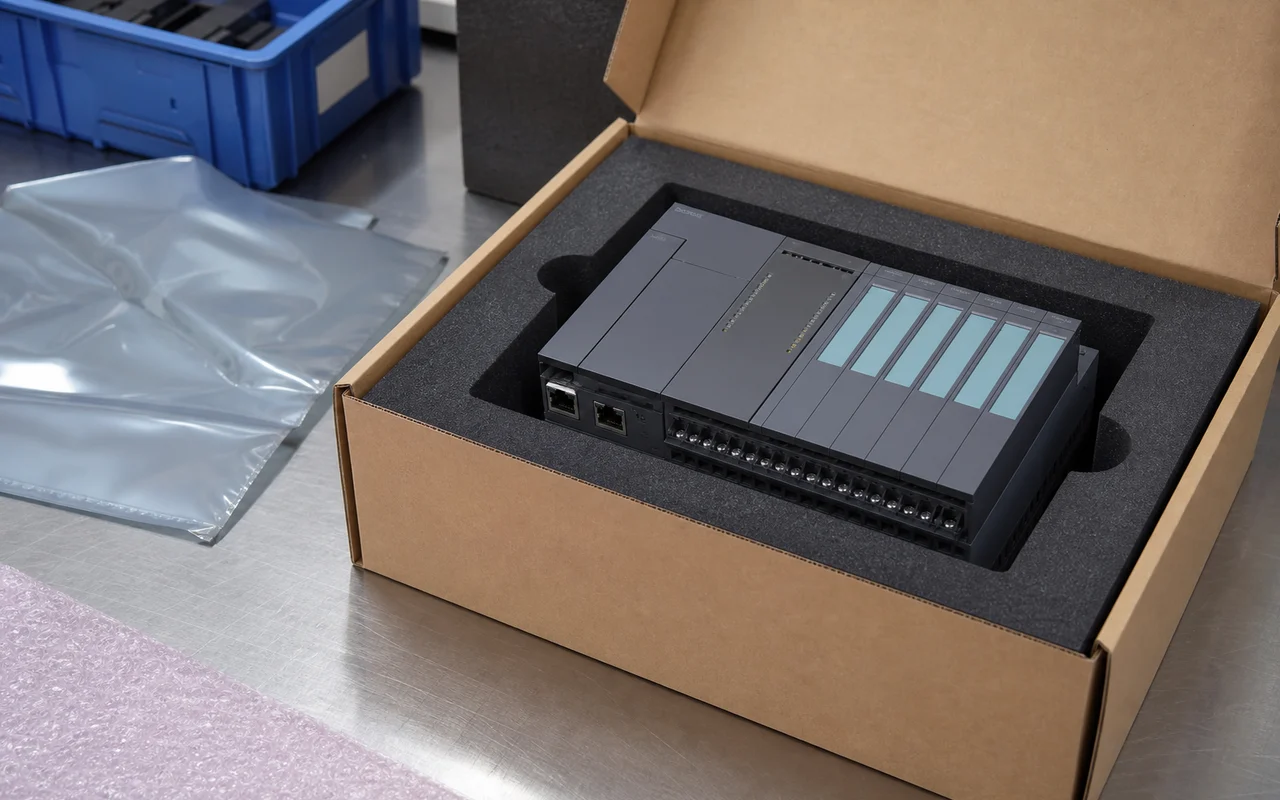 Secure Export Packing
Cushion protection and strong cartons ensure safe transportation.
 Worldwide Shipping
Global logistics network supports air, sea and express delivery.
 Documentation Check
Part number, revision and compatibility verified before shipment.
 After-sales Support
Professional technical support to help resolve your issues.