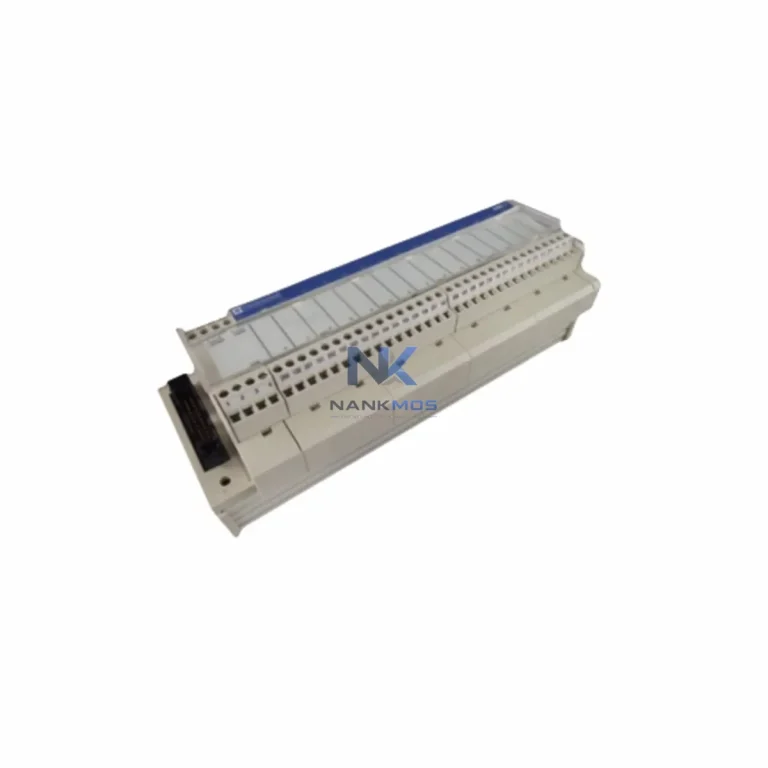
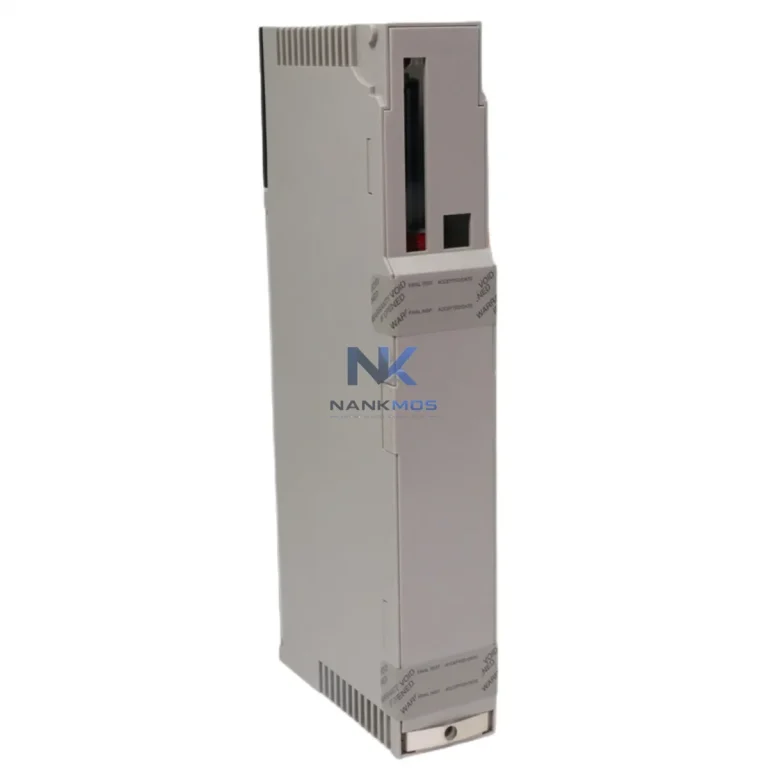
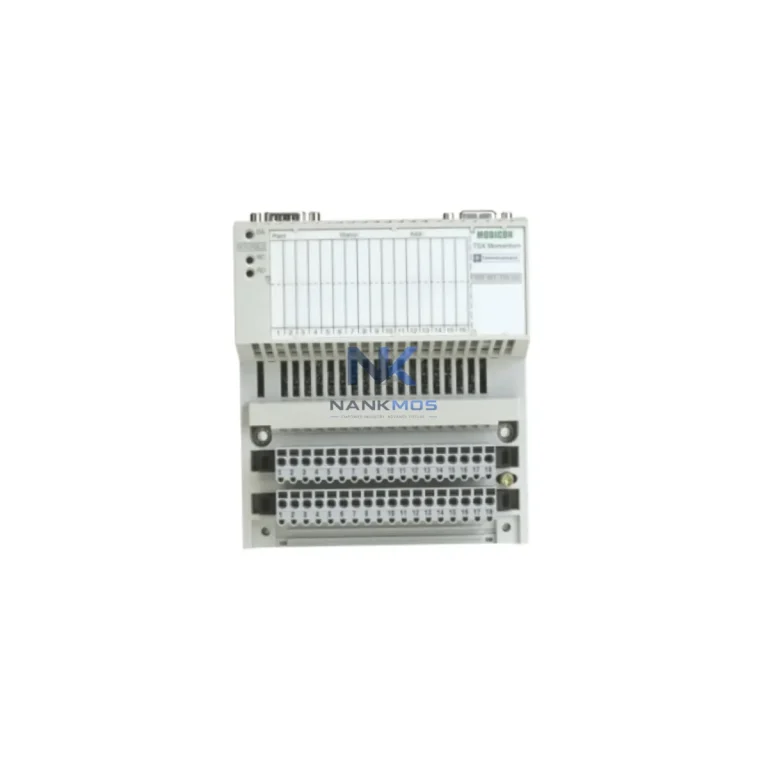
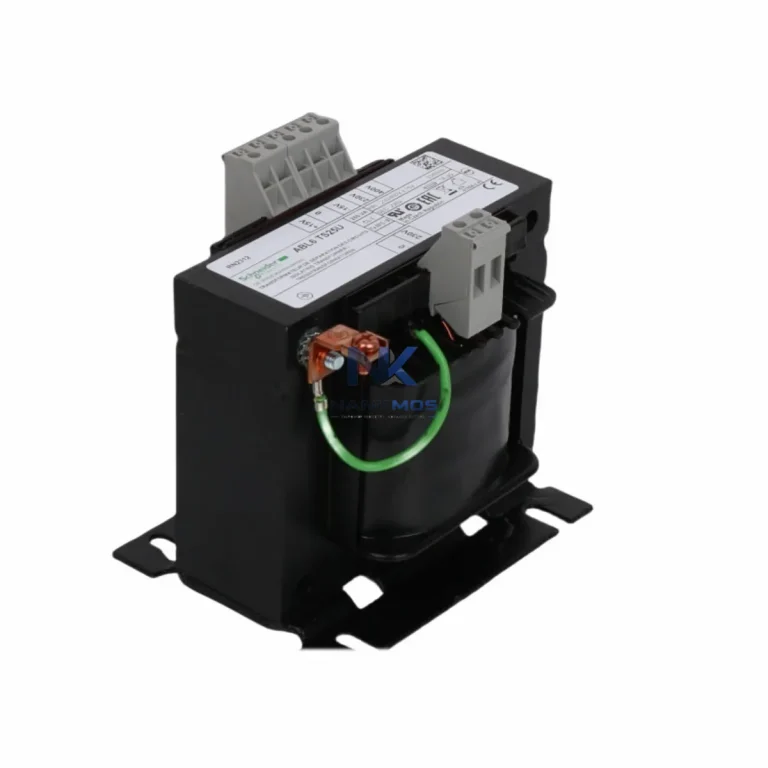
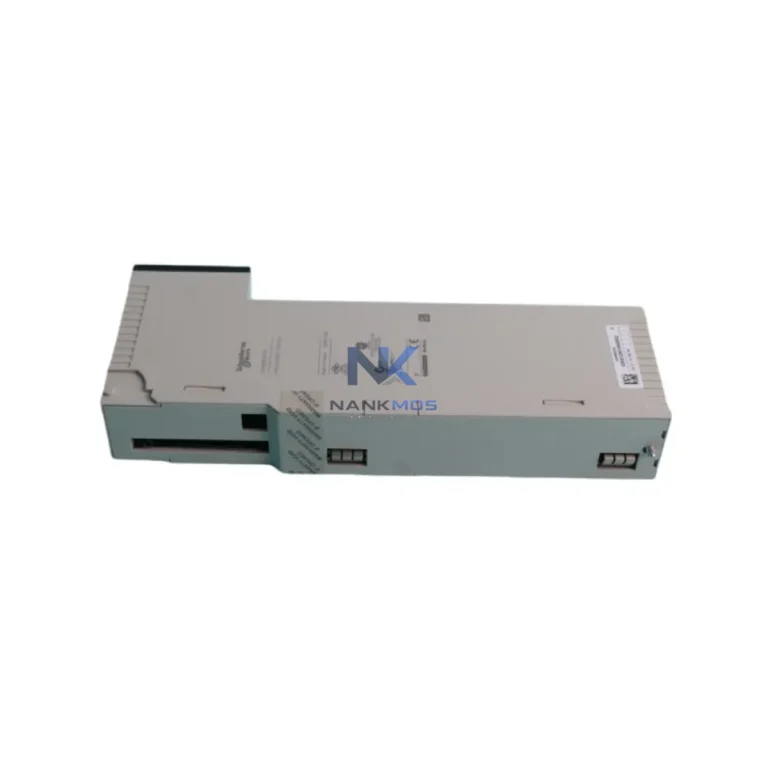
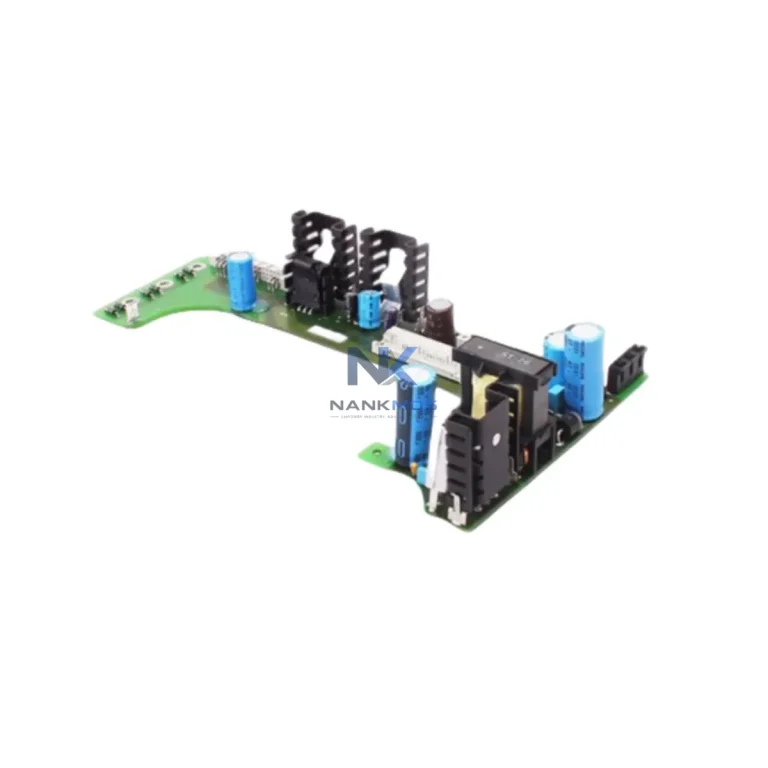
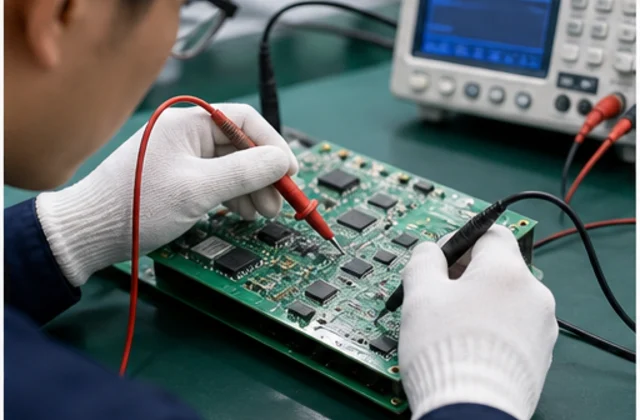
 Functional Inspection
100% tested on professional platforms to ensure stable performance.
Schneider Electric LC1D50M7C is a NANKMOS industrial automation product record Listed under TeSys series and Business & Industrial > Automation, Control & Flow Devices. Confirm condition, availability, lead time, compatibility and documentation by email inquiry.
Brand names are used for identification only.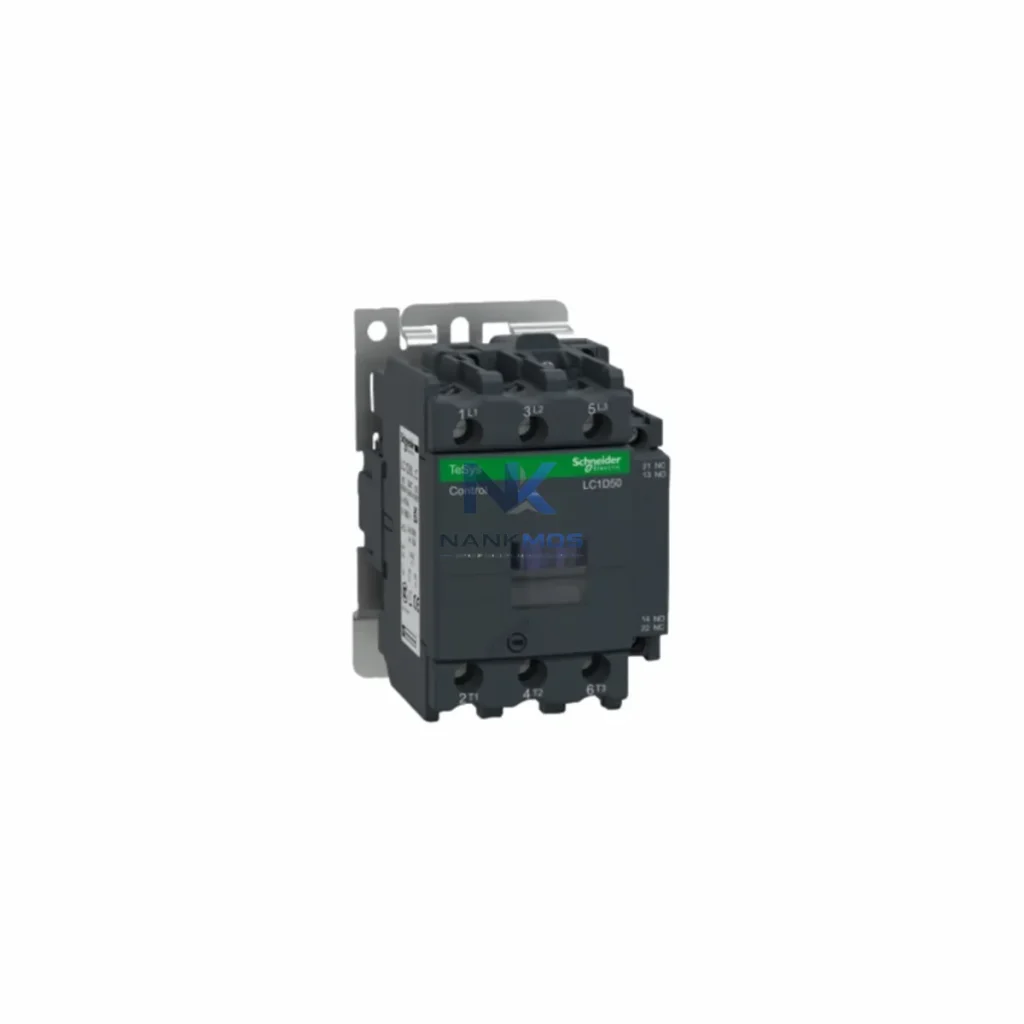
Schneider Electric LC1D50M7C is a NANKMOS industrial automation product record Listed under TeSys series and Business & Industrial > Automation, Control & Flow Devices. Confirm condition, availability, lead time, compatibility and documentation by email inquiry.
| Manufacturer | Schneider Electric |
|---|---|
| Application | Industrial Automation Maintenance |
| Part Number / Model | LC1D50M7C |
| Compatible System | TeSys |
| Series | TeSys |
| Condition Options | To Confirm |
| Module Type | Automation, Control & Flow Devices |
| Warranty | 12 Months |
| Packaging | Anti-static Bag / Secure Box |
| Shipping Methods | DHL / FedEx / UPS / Air / Sea |
| Availability | To Confirm |
| Lead Time | To Confirm |
| Documentation | Part number and revision checked before quote |
The Schneider Electric LC1D50M7C is a 50A three-pole AC contactor from the TeSys D series, engineered for energy-efficient motor switching and load management in smart manufacturing environments. Rated for 220V AC coil operation, this contactor delivers reliable, low-loss switching performance across continuous-duty industrial cycles. Its compact DIN-rail footprint and standardised terminal layout make it a preferred choice for panel builders and system integrators targeting IEC 60947-4-1 compliant motor control centres, energy management panels, and variable-load production lines.
In a modern smart factory, the LC1D50M7C does not operate in isolation — it functions as a precision switching node within a layered energy-control architecture. When paired with a Schneider Electric Modicon M340 or M580 PLC, the contactor receives discrete output commands via 24V DC I/O modules, enabling deterministic motor start/stop sequencing that eliminates unnecessary idle-run energy consumption. The PLC's task scheduler can coordinate the LC1D50M7C with upstream Altivar ATV320 or ATV630 variable frequency drives, ensuring the contactor closes only after the drive has pre-charged the DC bus — a topology that eliminates inrush current spikes and reduces thermal stress on both the contactor and the motor winding.
For energy metering, the LC1D50M7C is commonly installed downstream of a PowerLogic PM5000 series power monitoring module or an iEM3000 energy meter, which captures real-time kWh, power factor, and demand data at the motor branch level. This granular sub-metering feeds into EcoStruxure Energy Expert or a third-party SCADA platform via Modbus TCP, enabling operators to identify high-consumption assets and schedule load-shedding events during peak tariff windows. The contactor's low holding VA (≤ 7 VA) means that even when dozens of LC1D50M7C units are energised simultaneously across a multi-motor panel, the aggregate coil power draw remains negligible relative to the motor loads they control.
In servo-driven assembly lines, the LC1D50M7C is frequently used as a safety isolation contactor ahead of Lexium 32 or Lexium 62 servo drives, providing a hardware-level power-off path that complements the drive's STO (Safe Torque Off) function. This dual-layer isolation strategy satisfies IEC 62061 SIL 2 requirements without adding complex relay logic. The contactor's auxiliary contact (1 NO) feeds a feedback signal back to the PLC's digital input module, confirming coil energisation state and enabling the control program to detect welded-contact faults before they escalate into unplanned downtime.
HMI panels running Vijeo Designer or EcoStruxure Operator Terminal Expert can display real-time contactor status, accumulated switching cycles, and estimated remaining service life — data that supports condition-based maintenance scheduling and reduces the risk of unexpected motor circuit failures. When integrated with an AS-Interface or CANopen I/O network, the LC1D50M7C's auxiliary contacts can be read by remote I/O modules without additional wiring, simplifying cabinet layout and reducing installation labour costs.
Uncontrolled motor switching is one of the leading causes of avoidable energy waste in discrete manufacturing. Every uncoordinated start event generates an inrush current of 6–8× the rated full-load amperage, producing resistive heating in cables, busbars, and transformer windings that dissipates as wasted thermal energy. The LC1D50M7C, when deployed within a coordinated motor control strategy, directly addresses this problem. Its silver-alloy contact tips maintain low contact resistance across the rated electrical life, minimising I²R losses at the switching interface. Combined with a TeSys D-series overload relay such as the LRD325 (17–25A) or LRD332 (23–32A), the contactor forms a certified motor starter assembly that provides both switching and thermal protection in a compact, type-tested combination.
At the production-line level, the LC1D50M7C supports takt-time optimisation by enabling rapid, reliable motor switching that keeps conveyor drives, pump stations, compressor circuits, and HVAC fan motors synchronised with the production rhythm. When the line enters a scheduled micro-stop or changeover window, the PLC can de-energise non-critical motor circuits through the LC1D50M7C, reducing standby power consumption without requiring manual intervention. This automated load-shedding capability, when applied across 10–20 motor circuits in a typical assembly plant, can reduce idle-state electrical demand by 8–15%, delivering measurable savings on monthly energy bills and carbon reporting metrics.
Predictive maintenance integration further extends the energy-efficiency dividend. By logging the LC1D50M7C's switching cycle count in the PLC data block and comparing it against the manufacturer's rated electrical life, maintenance teams can schedule contactor replacement during planned downtime windows rather than reacting to in-service failures. This proactive approach eliminates the energy and productivity losses associated with emergency shutdowns, motor restarts, and post-fault diagnostics. Every unit shipped from NANKMOS undergoes pre-shipment functional testing — coil pull-in voltage, contact resistance measurement, and auxiliary contact continuity verification — ensuring that the LC1D50M7C arrives ready for immediate panel installation without additional incoming inspection overhead.
Q1: How does the LC1D50M7C contribute to measurable energy savings on a production line? The LC1D50M7C reduces energy waste through three mechanisms: low holding-coil VA (≤ 7 VA) minimises panel heat load; silver-alloy contacts maintain low contact resistance across the rated life, reducing I²R losses; and deterministic PLC-controlled switching eliminates unnecessary motor idle-run time. When deployed across multiple motor circuits with coordinated load-shedding logic, cumulative savings of 8–15% on standby electrical demand are achievable in typical discrete manufacturing environments.
Q2: Is the LC1D50M7C compatible with variable frequency drives and servo systems? Yes. The LC1D50M7C is rated for AC-3 duty (motor switching) and is fully compatible as a line-side or bypass contactor for Altivar ATV320/ATV630 VFDs and as a safety isolation contactor ahead of Lexium 32/62 servo drives. It must be closed before the drive powers up and opened only after the drive has been commanded to stop, to avoid switching under load. Consult the drive's installation manual for recommended contactor sequencing logic.
Q3: What is the recommended replacement or upgrade path if the LC1D50M7C reaches end of electrical life? The LC1D50M7C is a standard TeSys D frame-size D5 contactor. Direct replacements within the same series include the LC1D50A7C (24V AC coil) or LC1D50Q7C (380V AC coil) depending on your panel coil voltage. For applications requiring integrated communication (IO-Link or AS-Interface coil monitoring), the TeSys Deca LC1D50A7 with an LAD9R2 coil interface module is the recommended upgrade path. NANKMOS maintains stock of the full TeSys D range to support rapid like-for-like replacement without extended lead times.
Q4: What pre-shipment testing does NANKMOS perform, and what warranty coverage applies? Every LC1D50M7C unit dispatched by NANKMOS undergoes a pre-shipment test protocol covering coil pull-in and drop-out voltage verification, main contact resistance measurement (≤ 1 mΩ per pole), and auxiliary contact continuity check. Units that fail any parameter are quarantined and not shipped. All units are covered by a 12-Month Warranty from the date of shipment, covering manufacturing defects in materials and workmanship. Warranty claims are processed via [email protected] with a target response time of 1 business day.
Functional Inspection100% tested on professional platforms to ensure stable performance.
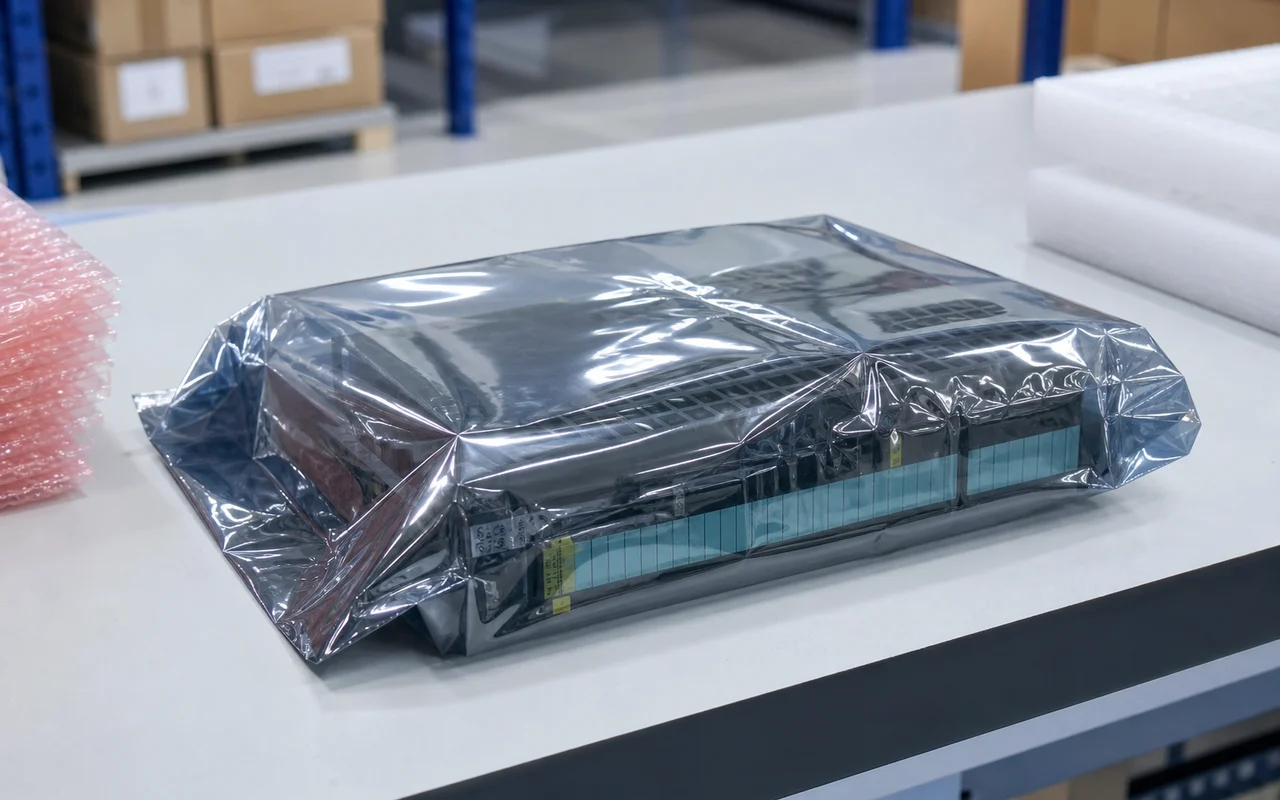 Anti-static Packaging
Modules are packed in anti-static bags to prevent electrostatic damage.
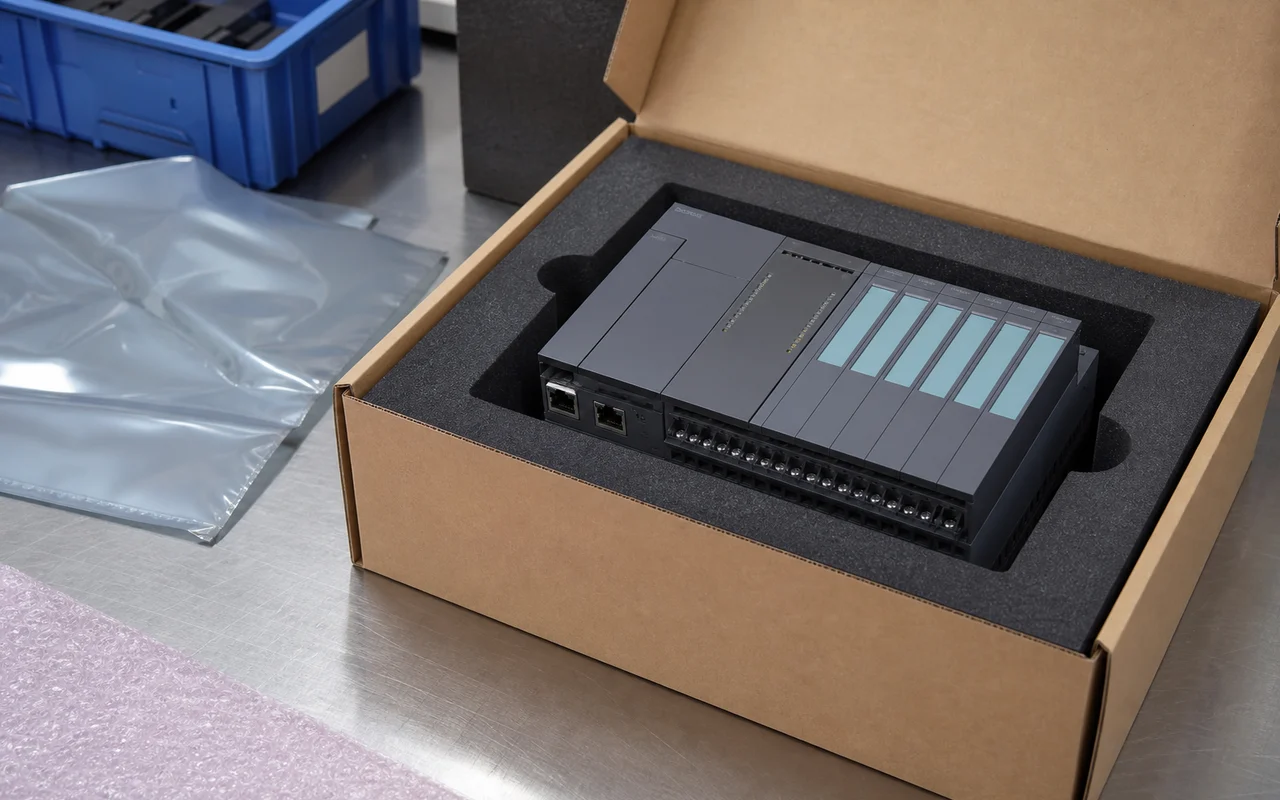 Secure Export Packing
Cushion protection and strong cartons ensure safe transportation.
 Worldwide Shipping
Global logistics network supports air, sea and express delivery.
 Documentation Check
Part number, revision and compatibility verified before shipment.
 After-sales Support
Professional technical support to help resolve your issues.