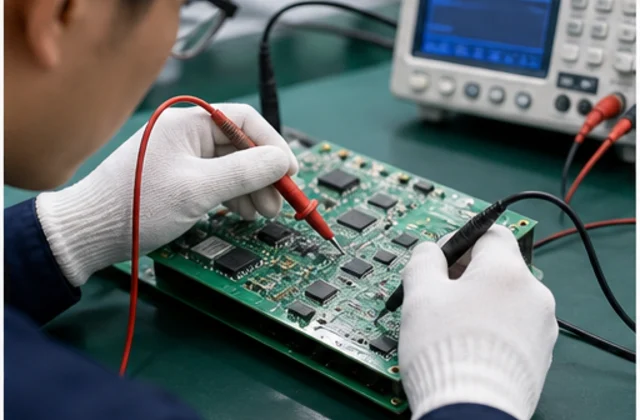
 Functional Inspection
100% tested on professional platforms to ensure stable performance.
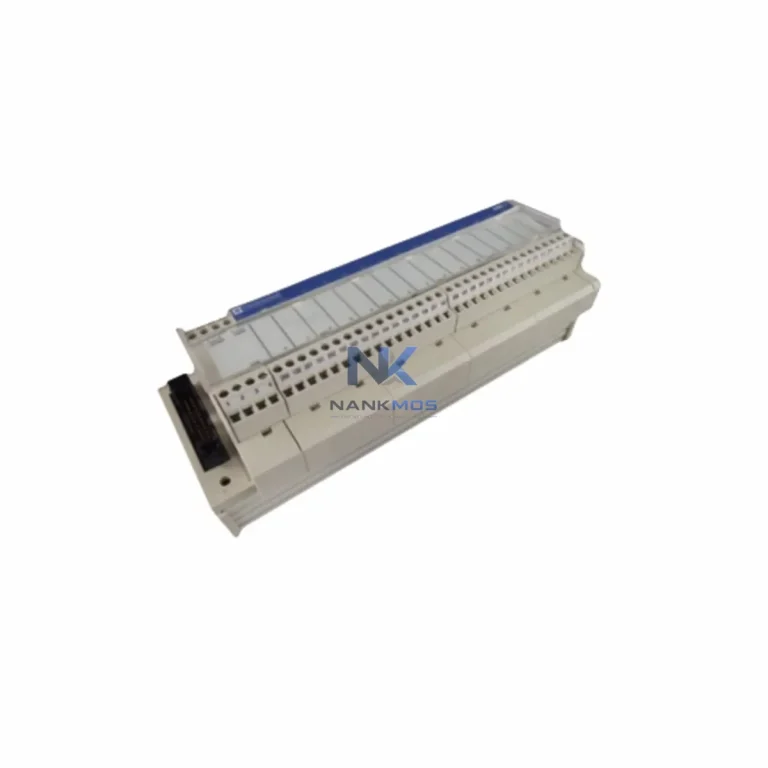
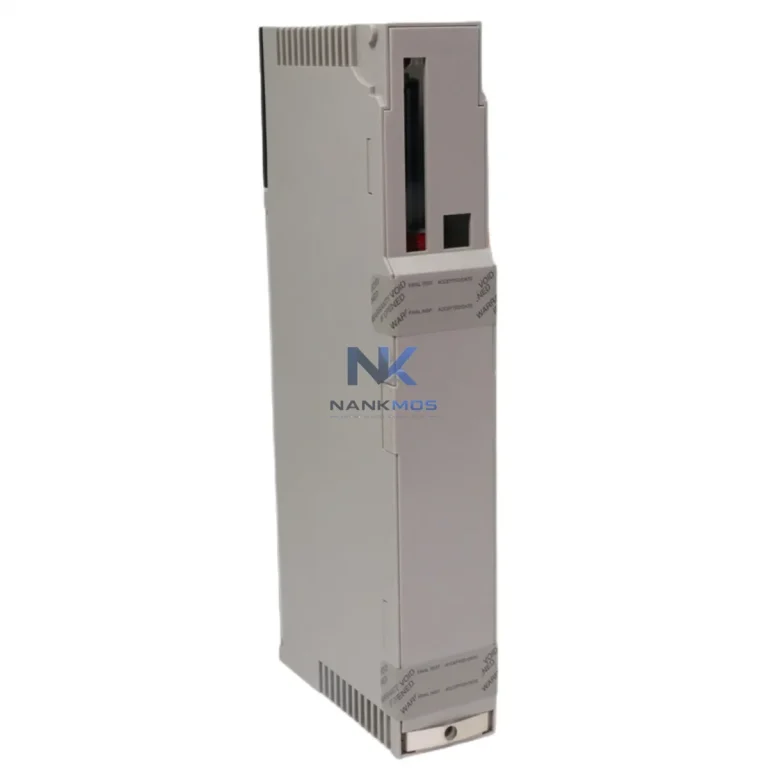
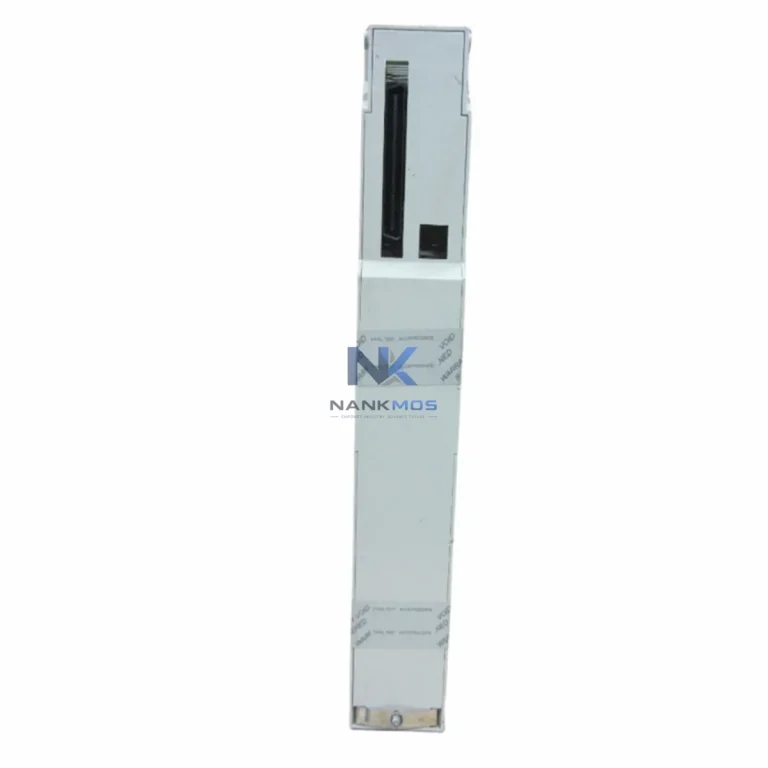
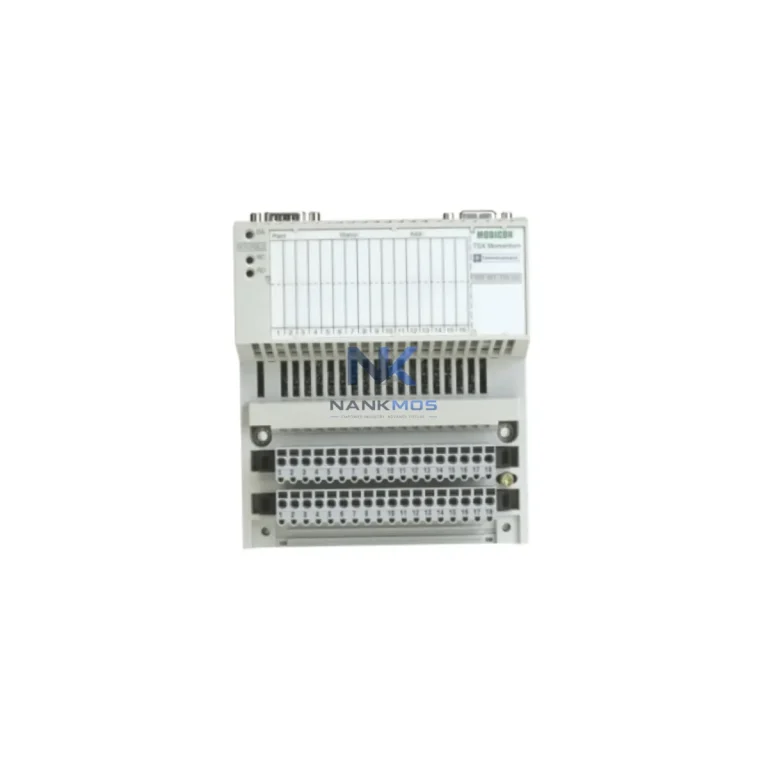
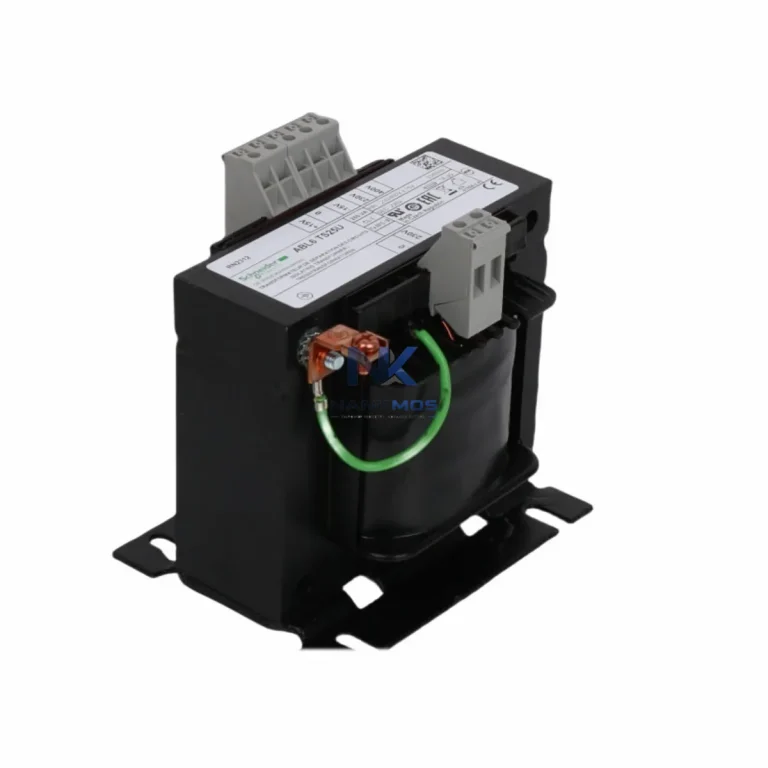
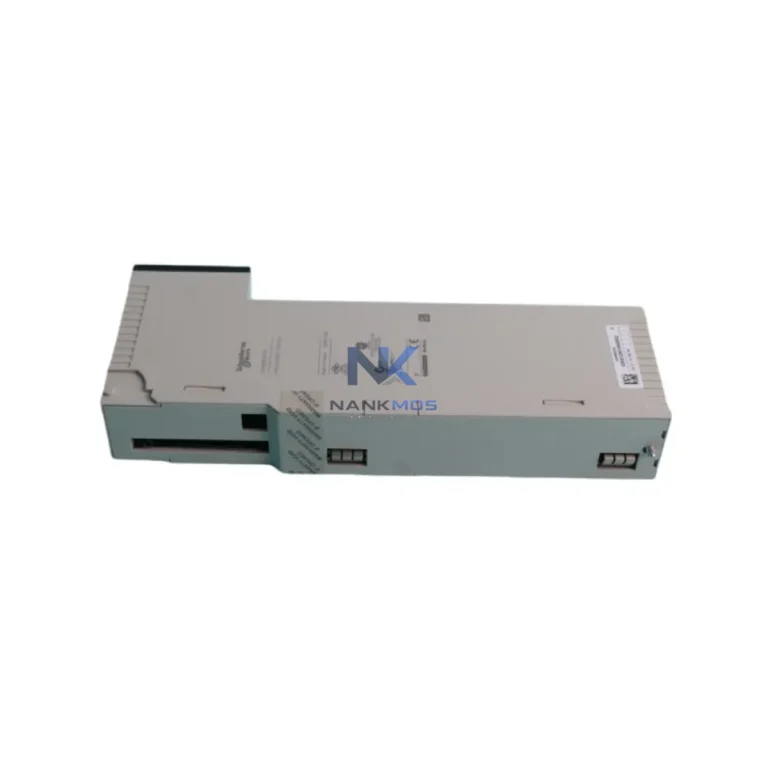
Schneider Electric MT32N1 is a NANKMOS industrial automation product record Listed under TeSys series and Business & Industrial > Automation, Control & Flow Devices. Confirm condition, availability, lead time, compatibility and documentation by email inquiry.
Brand names are used for identification only.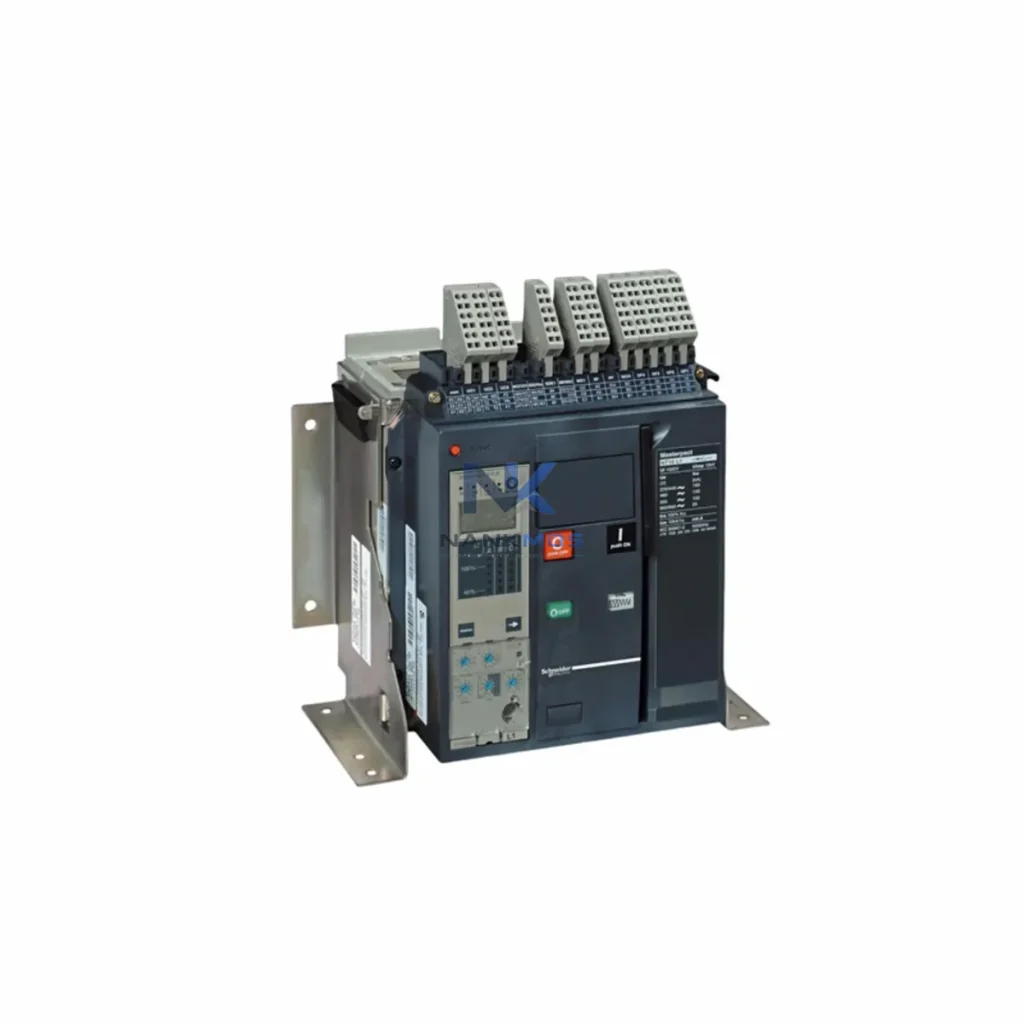
Schneider Electric MT32N1 is a NANKMOS industrial automation product record Listed under TeSys series and Business & Industrial > Automation, Control & Flow Devices. Confirm condition, availability, lead time, compatibility and documentation by email inquiry.
| Manufacturer | Schneider Electric |
|---|---|
| Application | Industrial Automation Maintenance |
| Part Number / Model | MT32N1 |
| Compatible System | TeSys |
| Series | TeSys |
| Condition Options | To Confirm |
| Module Type | Automation, Control & Flow Devices |
| Warranty | 12 Months |
| Packaging | Anti-static Bag / Secure Box |
| Shipping Methods | DHL / FedEx / UPS / Air / Sea |
| Availability | To Confirm |
| Lead Time | To Confirm |
| Documentation | Part number and revision checked before quote |
The Schneider Electric MT32N1 is a TeSys series motor circuit breaker engineered for industrial motor protection and smart factory connectivity. Combining thermal-magnetic trip technology with robust short-circuit and overload protection, the MT32N1 integrates seamlessly into modern automation architectures — from field-level motor control centres (MCCs) to SCADA-driven production management systems. Designed for demanding environments in manufacturing, process automation, and energy management, this device delivers reliable motor protection while supporting the real-time data visibility that Industry 4.0 demands.
In a connected factory, the MT32N1 does not operate in isolation. It forms a critical node in the data chain that links field devices to supervisory systems. When paired with a Schneider TeSys D LC1D contactor and a LR2D thermal overload relay, the MT32N1 creates a complete motor starter assembly capable of reporting trip events and operational status upstream. This signal data travels through a Modbus RTU communication module or a PROFIBUS DP gateway to the plant's PLC — typically a Schneider Modicon M340 or M580 ePAC — where it is processed and forwarded to the SCADA layer for real-time monitoring and alarm management.
The MT32N1's role in a smart factory begins at the motor terminal. When a pump, conveyor, or compressor motor is energised, the MT32N1 continuously monitors current draw and thermal state. Any deviation — whether a locked rotor, phase imbalance, or sustained overload — triggers an immediate trip, protecting the motor winding and downstream mechanical components. This trip event is not merely a local interruption; in a networked installation, it becomes a data point.
By adding a Schneider TeSys communication module (LTMCU or LTMR) to the motor starter assembly, the MT32N1's status — running, tripped, fault code, current value — is exposed on the plant's fieldbus. A Modicon M340 PLC reads this data cyclically over Modbus RTU or PROFIBUS DP, then forwards it to a Wonderware InTouch HMI or Schneider EcoStruxure SCADA platform. Operators at the control room can see real-time motor current, trip history, and fault codes without walking the production floor.
Further upstream, the SCADA system aggregates motor data from dozens of MT32N1-protected drives alongside data from Schneider ATV320 variable frequency drives, Advantech ADAM-6000 remote I/O modules, and Siemens ET 200SP distributed I/O nodes. An industrial managed Ethernet switch — such as a Moxa EDS-510A — provides the backbone connectivity, ensuring deterministic data delivery across the plant network. Edge gateways, including the Advantech ECU-1251 edge intelligence server, pre-process motor telemetry before pushing it to cloud-based analytics or MES platforms, enabling predictive maintenance scheduling based on thermal trend analysis.
This complete data chain — from the MT32N1 at the motor terminal, through the PLC, across the industrial Ethernet backbone, to the SCADA dashboard and edge analytics layer — is the foundation of transparent, data-driven factory operations. Every trip event, every current spike, every thermal warning becomes actionable intelligence rather than a silent failure.
Protocol Fragmentation: Many legacy motor control panels use standalone thermal relays with no communication capability. The MT32N1, when equipped with a TeSys communication module, bridges this gap by exposing motor status on Modbus RTU or PROFIBUS DP — protocols already spoken by most existing PLCs and SCADA systems. No gateway replacement is required; the MT32N1 slots into the existing communication architecture.
Data Islands and Blind Spots: In plants where motor protection devices are not networked, maintenance teams rely on manual inspection rounds to detect overloads or trip events. The MT32N1 eliminates this blind spot by delivering continuous, real-time motor status to the SCADA layer. Alarm events are timestamped and logged automatically, creating an audit trail for root-cause analysis and regulatory compliance.
Remote Monitoring and Diagnostics: With the MT32N1 integrated into the plant's fieldbus, remote diagnostics become straightforward. Maintenance engineers can query motor current, trip count, and fault history from the SCADA workstation or a mobile HMI terminal — without entering the electrical room. This capability is particularly valuable for unmanned substations, offshore platforms, and multi-site manufacturing operations where on-site response time is costly.
Production Line Transparency: By linking MT32N1 motor protection data with production counters from Omron CJ2M PLCs or Mitsubishi MELSEC iQ-R series controllers, plant managers gain a unified view of motor health versus production output. Correlating motor trip frequency with production downtime enables data-driven decisions on maintenance intervals, spare parts stocking, and equipment replacement cycles.
System Scalability: The TeSys platform is modular by design. As production capacity expands, additional MT32N1 units can be added to the motor control centre and integrated into the existing Modbus or PROFIBUS network without reconfiguring the SCADA system. This scalability protects the initial automation investment and reduces commissioning time for new production lines.
Q1: Does the MT32N1 support direct Ethernet/IP or PROFINET communication? The MT32N1 itself is a thermal-magnetic motor circuit breaker and does not include a built-in Ethernet port. However, by adding a compatible Schneider TeSys communication module (such as the LTMR or LTMCU controller unit), the motor starter assembly can communicate over Modbus RTU or PROFIBUS DP. For Ethernet/IP or PROFINET connectivity, a protocol gateway — such as an Anybus Communicator — can be used to bridge the fieldbus to the plant's Ethernet backbone.
Q2: How does the MT32N1 contribute to network stability in a large motor control centre? The MT32N1's fast-acting short-circuit protection prevents fault currents from propagating across the bus, protecting adjacent devices and maintaining network stability. In a networked MCC, this means that a single motor fault does not cascade into a broader communication outage. The device's deterministic trip response — combined with upstream PLC alarm handling — ensures that the SCADA system receives a clean fault notification rather than a communication dropout.
Q3: Can the MT32N1 be integrated with remote diagnostic platforms for predictive maintenance? Yes. When the MT32N1 is paired with a TeSys communication module and connected to a Modicon PLC, motor current and thermal data can be forwarded to edge analytics platforms or cloud-based predictive maintenance systems. Trend analysis of motor current draw over time enables early detection of bearing wear, winding degradation, and mechanical overload conditions — reducing unplanned downtime and extending motor service life.
Q4: What does the 12-Month Warranty cover, and what is the shipping lead time? All MT32N1 units supplied by NANKMOS are covered by a 12-Month Warranty from the date of shipment. The warranty covers manufacturing defects and functional failures under normal operating conditions. Units are pre-tested prior to dispatch to verify trip calibration and contact integrity. Stock is maintained for immediate shipment; standard lead time is 3–7 business days for international orders. For urgent requirements, expedited shipping options are available — contact our team for details.
Functional Inspection100% tested on professional platforms to ensure stable performance.
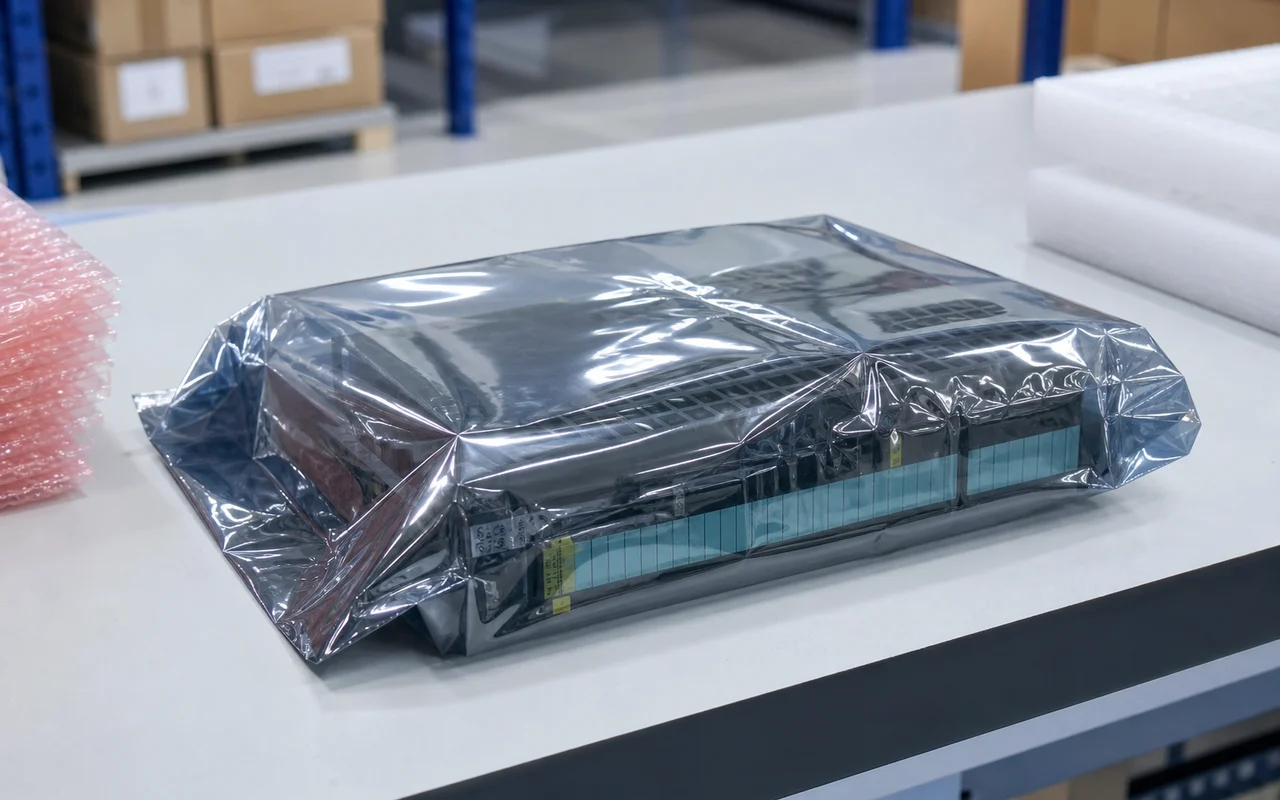 Anti-static Packaging
Modules are packed in anti-static bags to prevent electrostatic damage.
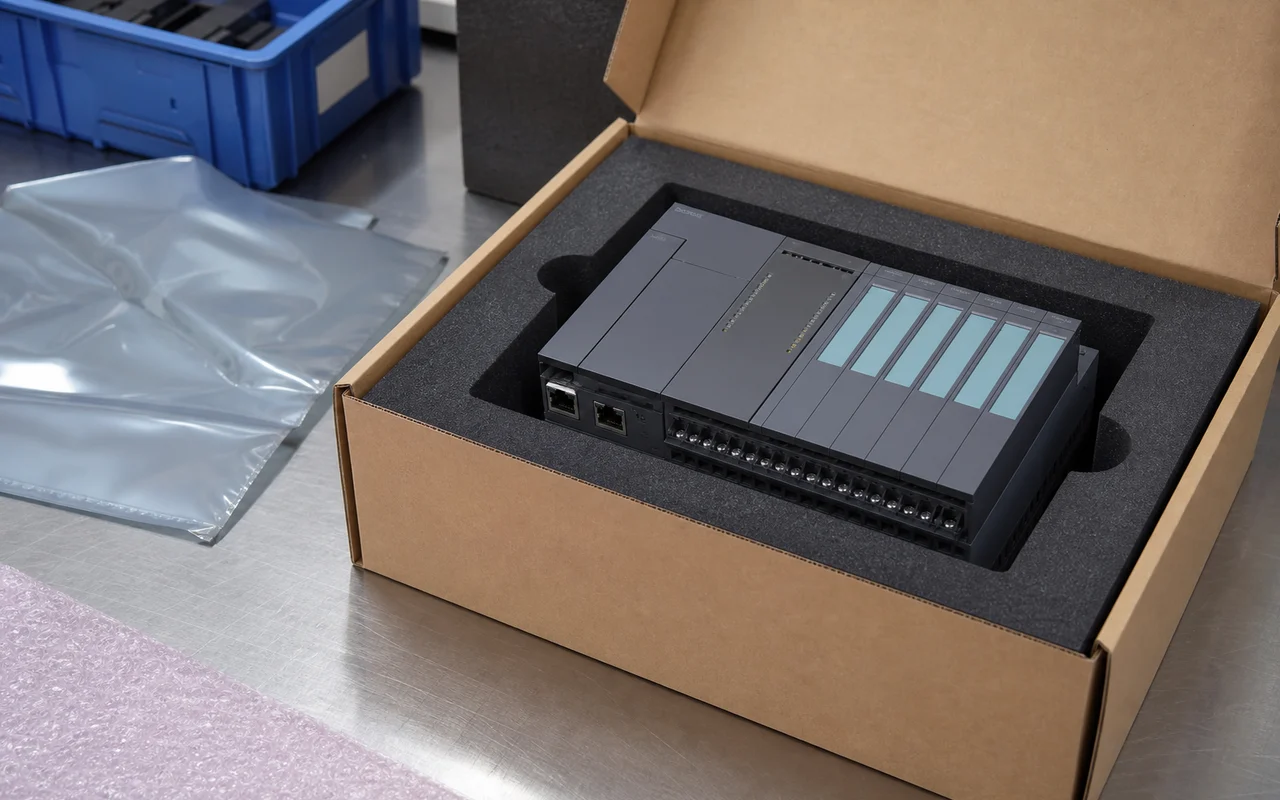 Secure Export Packing
Cushion protection and strong cartons ensure safe transportation.
 Worldwide Shipping
Global logistics network supports air, sea and express delivery.
 Documentation Check
Part number, revision and compatibility verified before shipment.
 After-sales Support
Professional technical support to help resolve your issues.